12 Ancient Cat Breeds That Have Barely Changed in Centuries
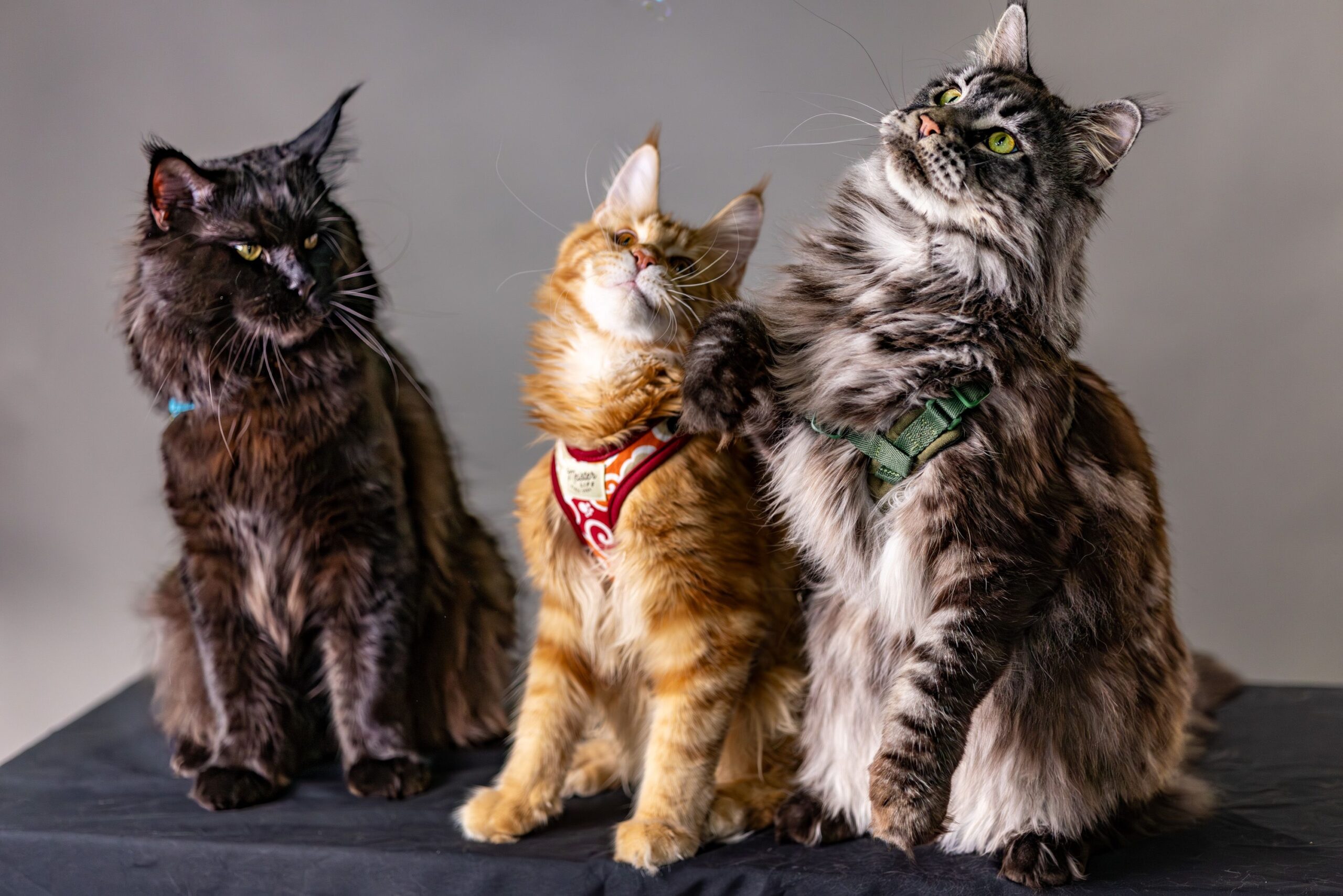
Most people assume today's fluffy Instagram cats are the product of modern designer breeding. That's actually backwards.
A handful of cat breeds walking around living rooms right now look almost identical to cats painted on Egyptian tomb walls over 3,000 years ago. While trendy hairless and folded-ear breeds soak up all the social media attention, these ancient survivors have barely changed a single whisker since before recorded history began tracking them.
Geneticists, breed historians, and archaeologists have spent decades quietly sorting out which breeds are genuinely old and which ones just have good marketing. Some of the answers are surprising, some are a little embarrassing for the breed clubs involved, and a few completely upend the legends owners have repeated for generations. Here's what the evidence actually says.
#1 - Egyptian Mau
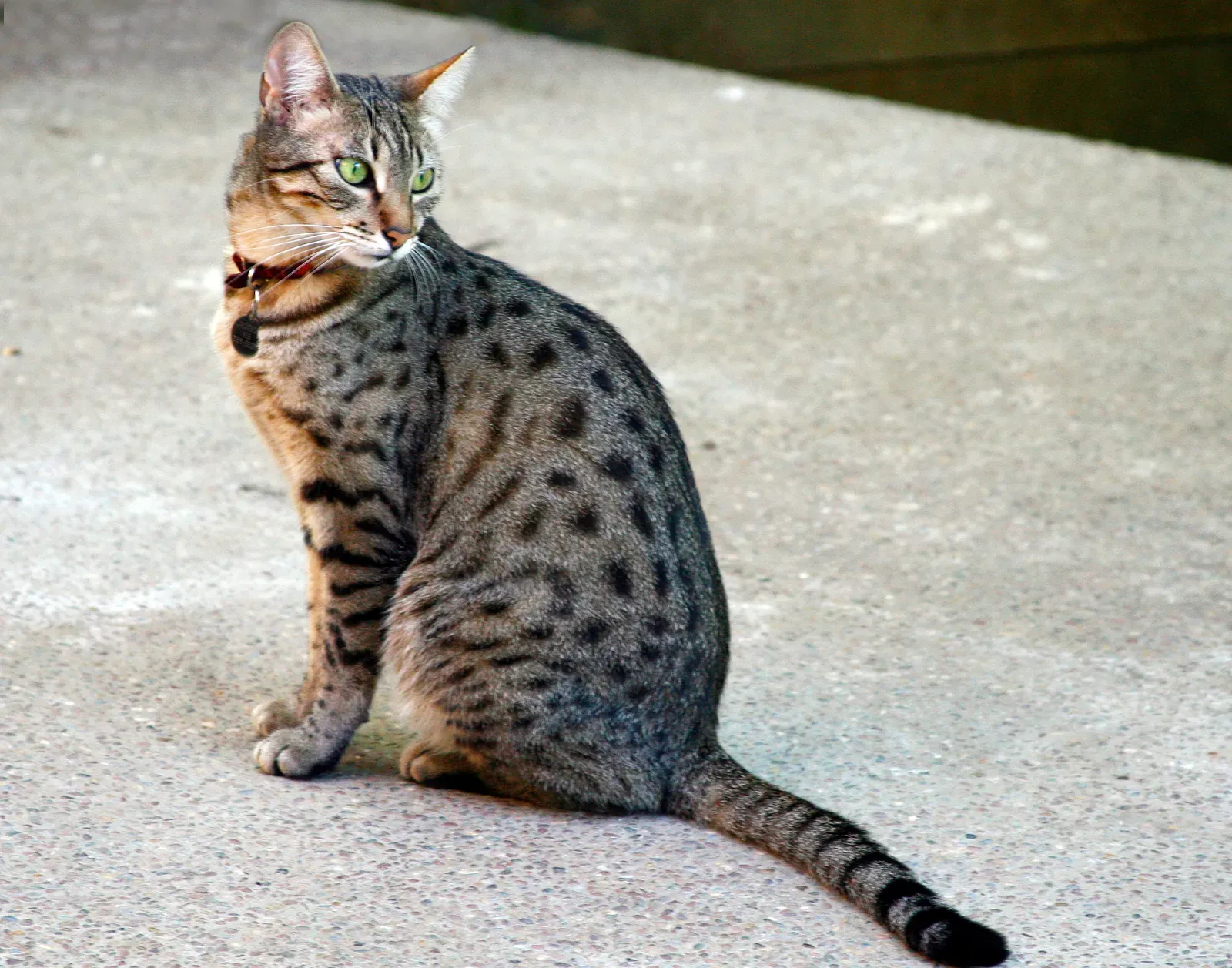
The Egyptian Mau isn't just old - it may be the closest living link to the very first house cats humans ever kept.
Around 4000 BC, small cats of the genus Felis first formed their close, lasting bond with people, with the North African wild cat considered the most likely ancestor of the modern housecat. That's not folklore. Papyri and frescoes dating back as far as 1550 B.C. depict spotted cats that resemble today's Egyptian Maus, giving them a claim to being one of the oldest known cat breeds on Earth. Even the name is a giveaway - the word Mau meant "cat" or "sun" in Ancient Egypt.
What's genuinely surprising is that this isn't just a look-alike claim invented for tourism brochures. Genetic analysis of modern cat populations has confirmed Middle Eastern origins for the Egyptian Mau, grouping it with cats from Turkey, Israel, Egypt, and Italy. Mummified remains back this up further - of the unwrapped mummies studied, several revealed the exact spotted tabby pattern still seen in Maus today. It's rare for legend and lab results to line up this cleanly, and breed #2 shows exactly what happens when they don't.
Fast Facts
- Wild ancestor: the North African wildcat, domesticated around 4000 BC
- Earliest artwork match: Egyptian papyri and frescoes dated to 1550 BC
- Genetic cluster: groups with cats from Turkey, Israel, Egypt, and Italy
- Name origin: "Mau" translates to "cat" or "sun" in Ancient Egyptian
#2 - Abyssinian
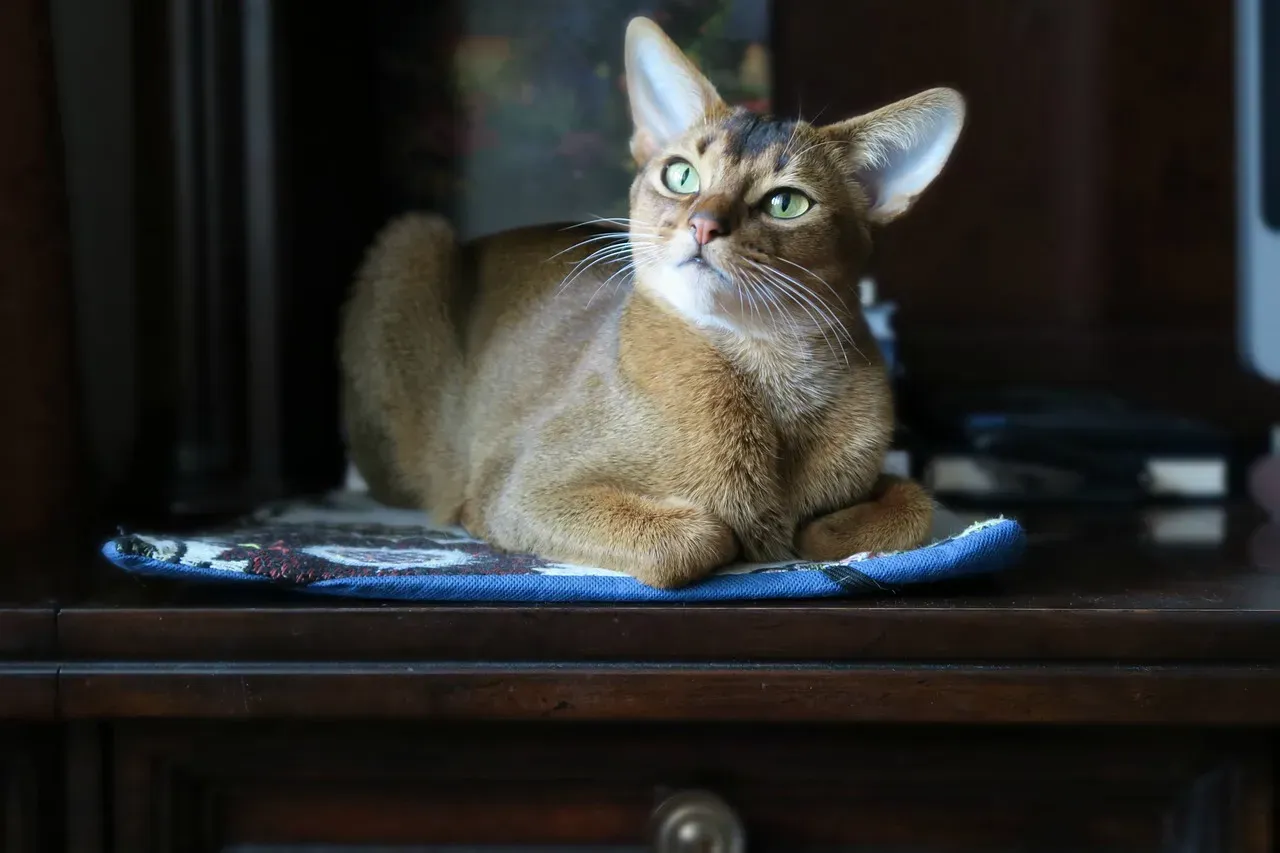
Ask any breed forum which cat is oldest and you'll start an argument - and the Abyssinian is usually the reason why.
The Abyssinian competes with the Egyptian Mau for the title of oldest cat breed still alive, with some accounts placing its origin around 4,000 years ago. The catch is that its story is messier than most owners realize. Some say the breed began in Egypt, others insist it traces to Ethiopia. What we actually know for certain is far more recent than the legend suggests.
The modern Abyssinian descends from a cat named Zulu, brought home in 1868 by a British soldier returning from the Abyssinian War. The first Abyssinian reached the U.S. in the early 1900s, and the breed was officially recognized in 1906. Here's the controversial part: genetic testing has actually complicated the ancient-Egypt origin story rather than confirming it. Plenty of breed enthusiasts still point to Egyptian tomb art as proof, but the documented paper trail only stretches back to the 1800s.
#3 - Turkish Angora
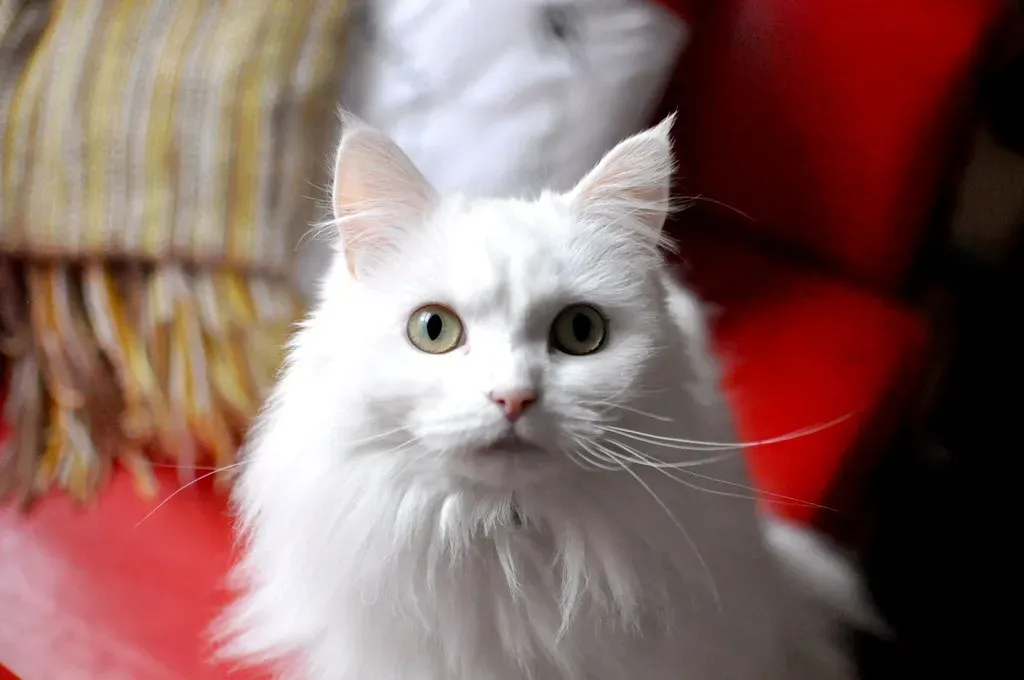
The Turkish Angora nearly vanished entirely - and the fact that it looks the same today as it did centuries ago is almost an accident of government intervention.
By the early 20th century, extensive interbreeding with other longhaired breeds pushed the Turkish Angora toward near extinction. That prompted the Turkish government and the Ankara Zoo to launch a dedicated breeding program to protect and preserve the ancient bloodline. Without that state-run rescue effort, this breed might have vanished into hybrid mixes forever.
Most people picture Angoras as aloof show cats, but that reputation is undeserved. Despite their delicate looks, Turkish Angoras are lively, intelligent, and deeply devoted to their favorite people - loving involvement in household chaos, playful games of chase, and famously fascinated by running water. A government zoo essentially saved an entire ancient bloodline through a formal conservation program - something almost no other domestic cat breed can claim.
#4 - Chartreux
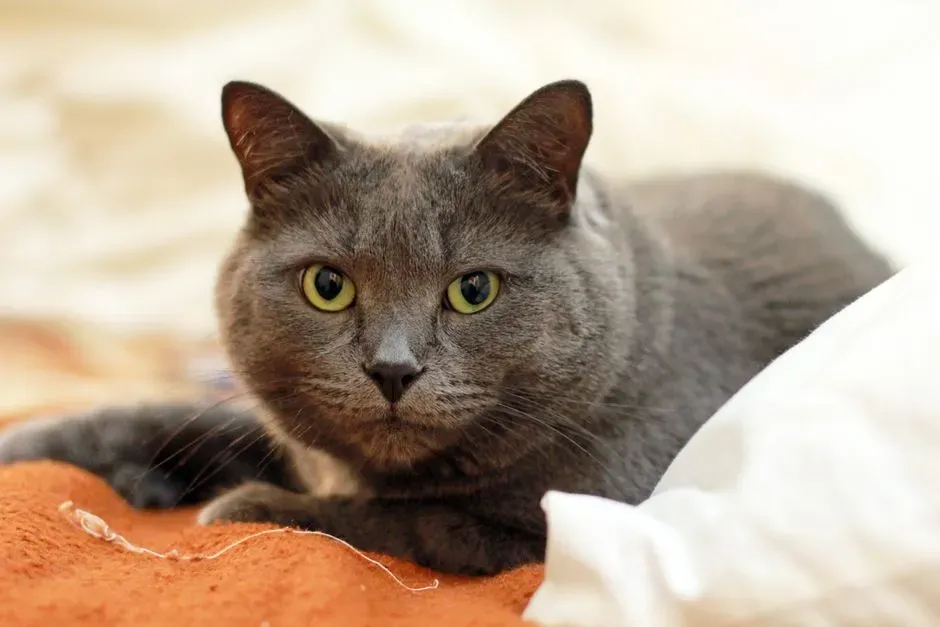
The Chartreux comes with a romantic monk legend attached - and breed historians will tell you it's probably not true.
The most widely repeated origin story involves liquor-making, weapon-forging French monks who supposedly bred this stocky blue cat in monasteries, though there's little actual proof. What's documented is more modest but still impressively old: a French biologist mentioned these blue cats in a textbook published in 1749, and their ancestors are believed to have been carried into Europe by merchants traveling from eastern countries. There's even earlier literary evidence - a French poet described a gray cat believed to be a Chartreux back in 1558.
Monk or no monk, the working-cat reputation checks out. Whether or not monks originally bred the Chartreux, history confirms they later relied on the breed heavily for pest control, prizing its water-repellent fur, hunting instincts, and near-total silence. That quiet temperament is still one of the breed's defining traits today.
#5 - Maine Coon
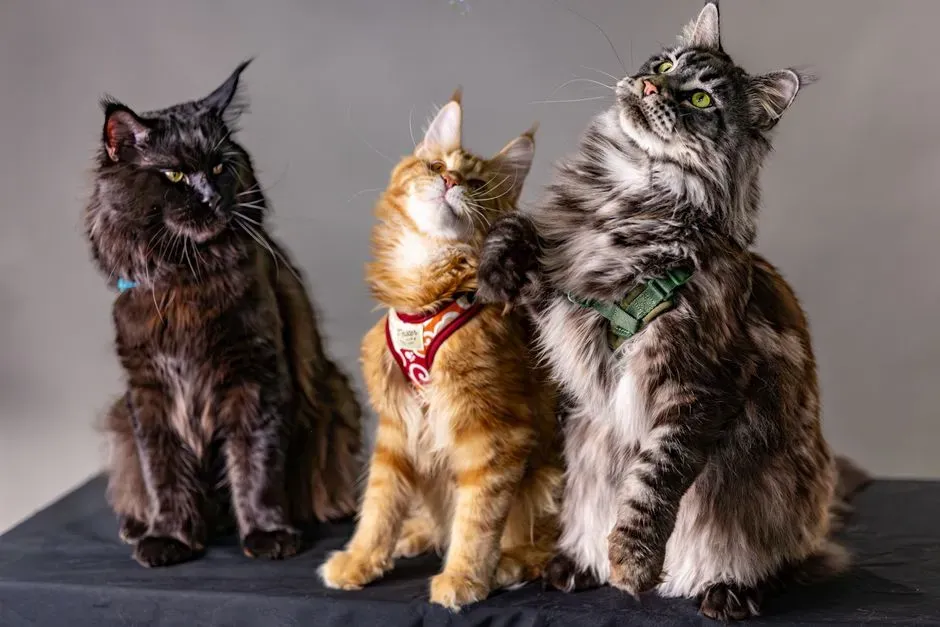
Everyone loves the Maine Coon's "gentle giant" reputation, but few realize this uniquely American breed has genuinely mysterious, possibly Viking-linked origins.
The breed likely descends from cats brought to the Americas by Vikings, or later by European sailors docking at New England ports in the 1700s. Genetic testing has shown Maine Coons are descended from Norwegian Forest Cats and a mysterious, now-extinct domestic cat. That "now-extinct" ancestor is the kind of detail geneticists rarely admit outright - it means a piece of this breed's lineage simply doesn't exist anywhere else on Earth anymore.
There's a direct family connection worth noting, too. The Norwegian Forest Cat traces back to the Vikings and may have contributed the long-hair gene to the Maine Coon's ancestral mix. Most owners have no idea their fluffy lap cat is genetically tied to Scandinavian seafarers. Breeders love marketing the Maine Coon as purely American, but the real story is far more tangled and international than that.
#6 - Japanese Bobtail
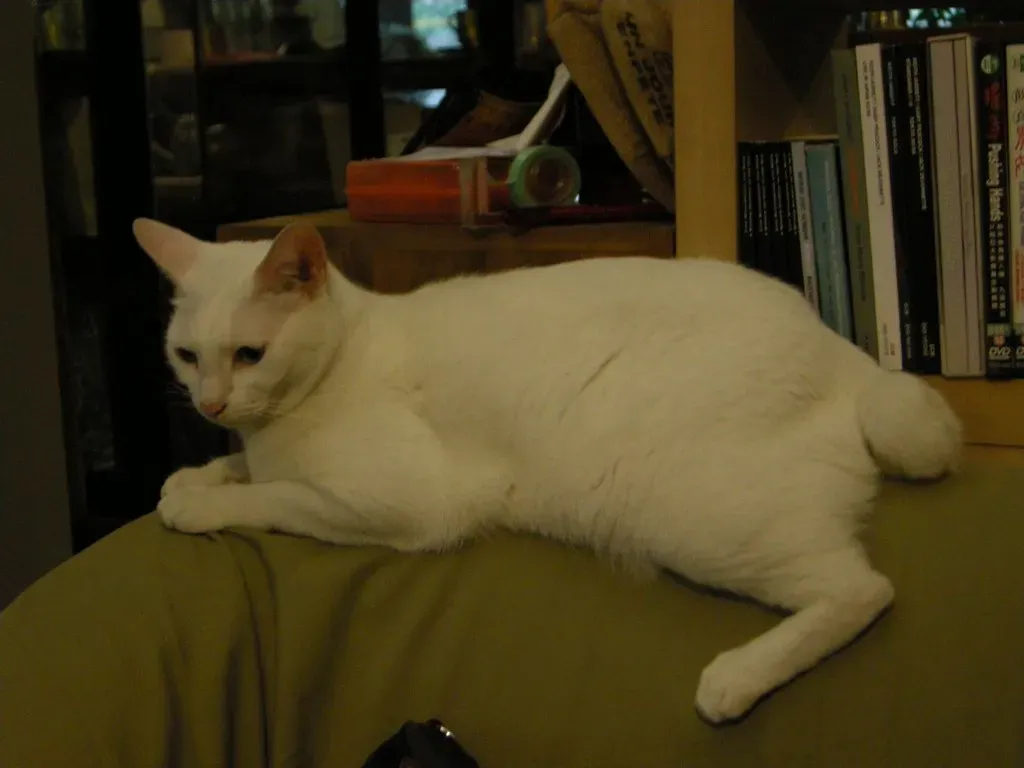
The Japanese Bobtail's stubby tail isn't a modern mutation bred for cuteness - it's been showing up in art for centuries.
Japanese Bobtails appear illustrated on ancient scrolls, wood carvings, and prints, with some of the most famous depictions coming from artwork dating to the 1700s and 1800s. That's a documented visual record stretching back centuries before any formal breed club existed to standardize the look.
Regardless of the exact origin story, these fluffy, regal cats are widely considered one of the oldest breeds alive. Here's the part that sparks debate in cat forums: many breed historians argue the "lucky cat" folklore around the Bobtail's shortened tail did more to preserve the breed than any deliberate genetic program ever did. Cultural reverence, not scientific breeding, is what kept this ancient look intact.
Worth Knowing
- Documented in scrolls, carvings, and prints dating to the 1700s and 1800s
- Believed to have inspired Japan's famous "beckoning cat" good-luck figures
- Each cat's tail kink is unique, almost like a fingerprint
- Preserved largely through cultural reverence rather than a formal breeding program
#7 - Persian
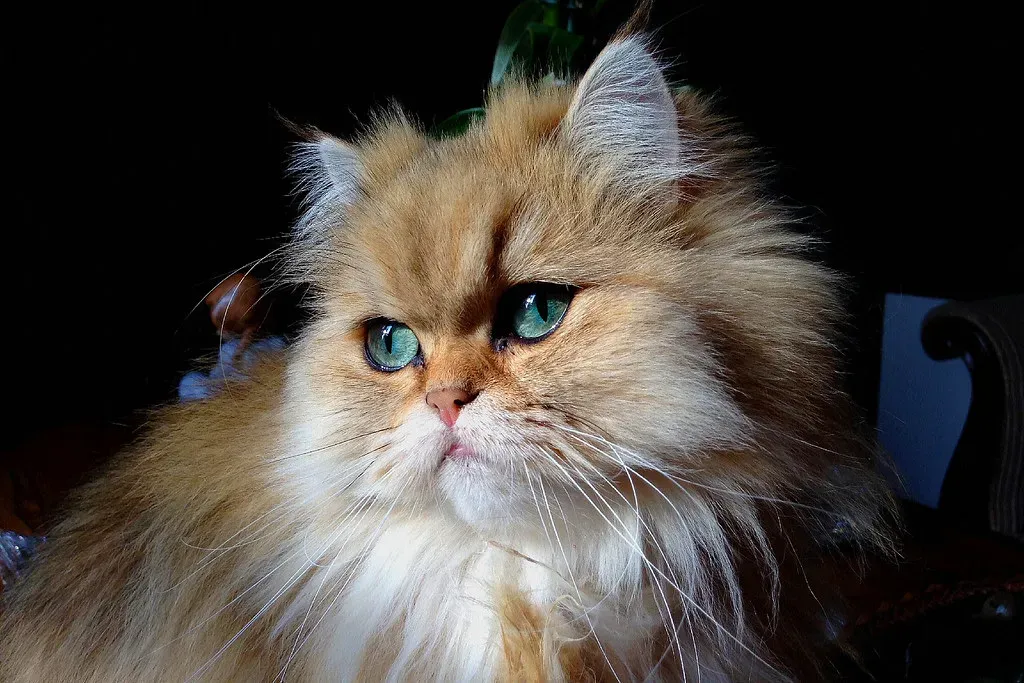
The Persian cat's fluffy, flat-faced look feels timeless, but the documented history is younger than most owners assume - and murkier than the breed's regal reputation implies.
One of the most popular breeds is also one of the oldest by reputation, with its first known European appearance thought to date to the early 1600s, when an Italian trader reportedly brought a longhaired cat back from Persia. That's centuries younger than the Egyptian Mau or Abyssinian claims, yet the Persian still routinely tops "oldest cat breed" lists online.
The Egypt connection some fan sites push doesn't actually hold up under scrutiny. Some sources claim Persians appear in Egyptian hieroglyphics, but that information is impossible to verify. That unverifiable claim gets repeated constantly online despite historians openly admitting they can't confirm it. The real, documented story starts in 1600s Europe - still genuinely old, just not pharaoh-old.
#8 - Siamese
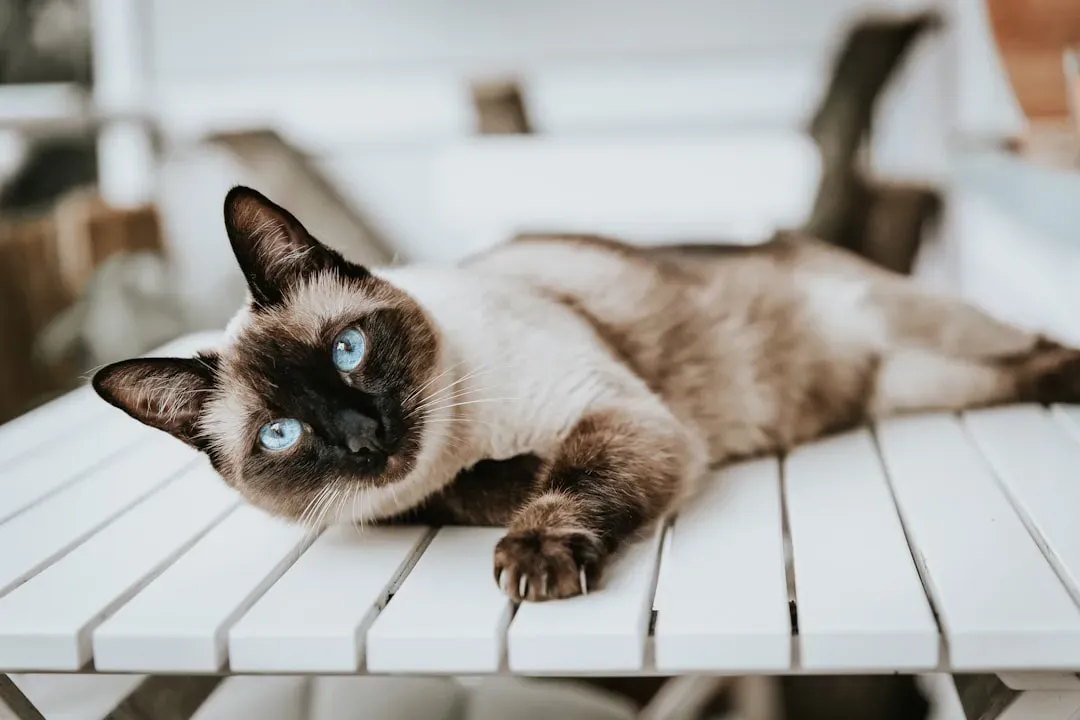
The Siamese cat's signature blue eyes and pointed coloring were being illustrated in royal manuscripts centuries before the breed ever set paw in a Western show ring.
The pointed cat known in the West as "Siamese" is one of several breeds described and illustrated in Thai manuscripts called Tamra Maew, or "Cat Poems," estimated to have been written between the 14th and 18th centuries. These weren't casual sketches - the manuscripts likely originate from the Ayutthaya period and contain illustrations that probably served as an actual breed standard.
That means a functioning breed standard existed for the Siamese long before European cat fanciers ever formalized the concept themselves. The Siamese and its cousin, the Korat, have been cherished in Thai culture for over 700 years. Most Western show judges in the 1800s had no idea they were essentially importing a cat with centuries-old royal paperwork already attached.
#9 - Norwegian Forest Cat
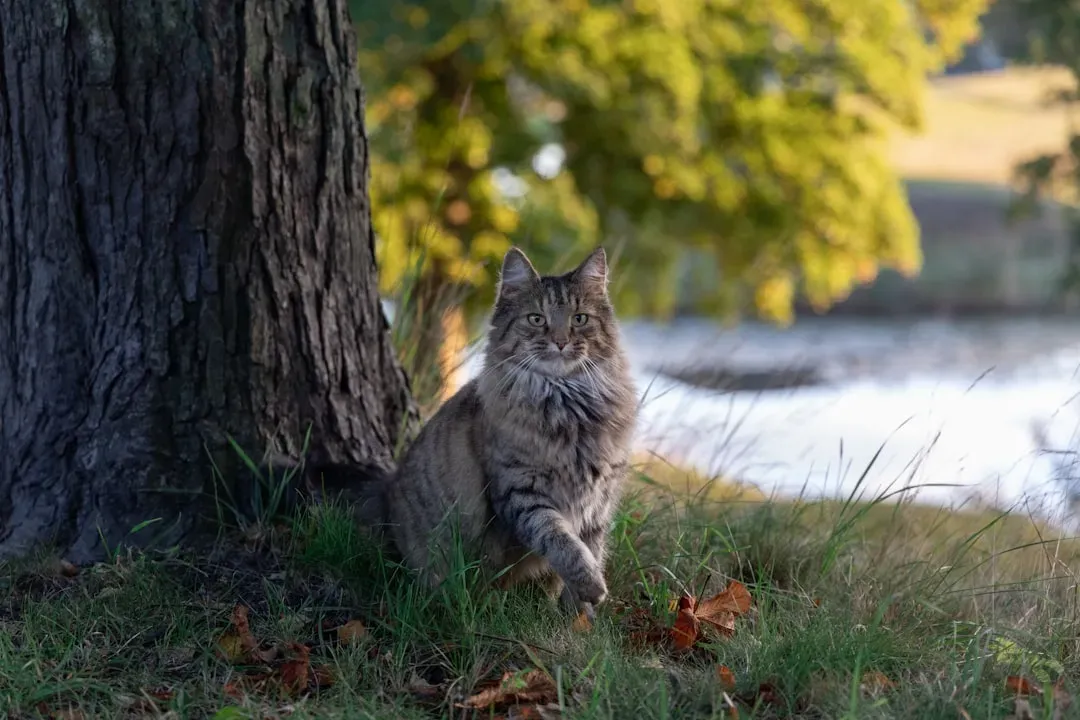
Norse mythology literally put this cat in a goddess's chariot - and the breed's real history is almost as wild as the legend.
The breed's ancestors may have been a landrace of shorthaired cats brought to Norway around AD 1000 by the Vikings, who may also have carried longhaired cats ancestral to today's Siberian and Turkish Angora. That's a thousand-year head start most modern breeds simply can't touch. The cat even shows up in folklore - one legend claims the Norse goddess Freya's chariot was pulled by six giant cats.
The breed almost didn't survive to see the modern era at all. During World War II, the Norwegian Forest Cat came close to extinction, until the Norwegian Forest Cat Club's breeding program rebuilt its numbers from the brink. A near-extinction event during a world war isn't the kind of history most fluffy lap cats can claim. It took decades for the world to formally recognize what Vikings had apparently known for a millennium.
At a Glance
- Arrival in Norway: around AD 1000, likely alongside Viking ships
- Near extinction: during World War II
- Rescued by: the Norwegian Forest Cat Club's dedicated breeding program
- Folklore role: said to have pulled the goddess Freya's chariot
#10 - Siberian
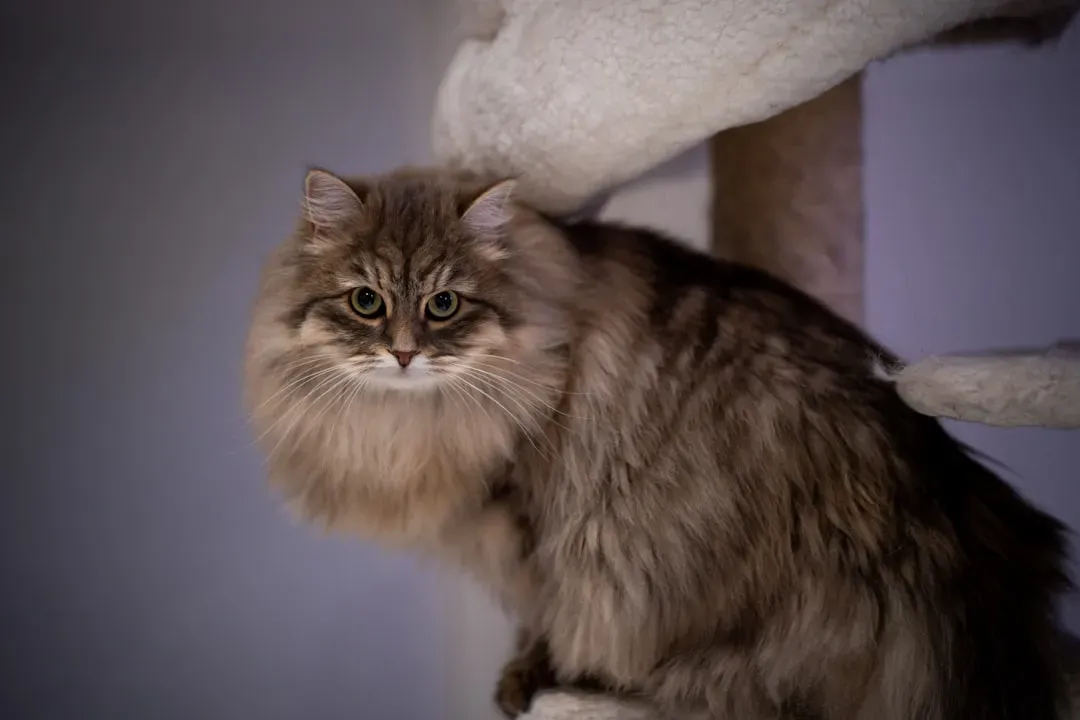
Russia's national cat spent centuries developing with zero human interference - and that's exactly why it still looks the way nature intended.
The breed developed naturally in Siberia's harsh climate without human intervention for centuries, with the first written reference dating back to the 1000s AD. That's a genuinely rare distinction - most "ancient" breeds were shaped at least partly by selective human breeding, but the Siberian was left almost entirely to nature's own design process.
Formal recognition, however, came astonishingly late. The Siberian is a centuries-old Russian landrace that only became a standardized breed in the late 1980s, and it wasn't recognized for registry and championship status by major cat organizations until 2006. A cat with a thousand-year presence didn't get an official rulebook until the internet era was already underway. That gap between ancient existence and modern paperwork is a pattern that repeats across nearly every breed on this list.
#11 - Korat
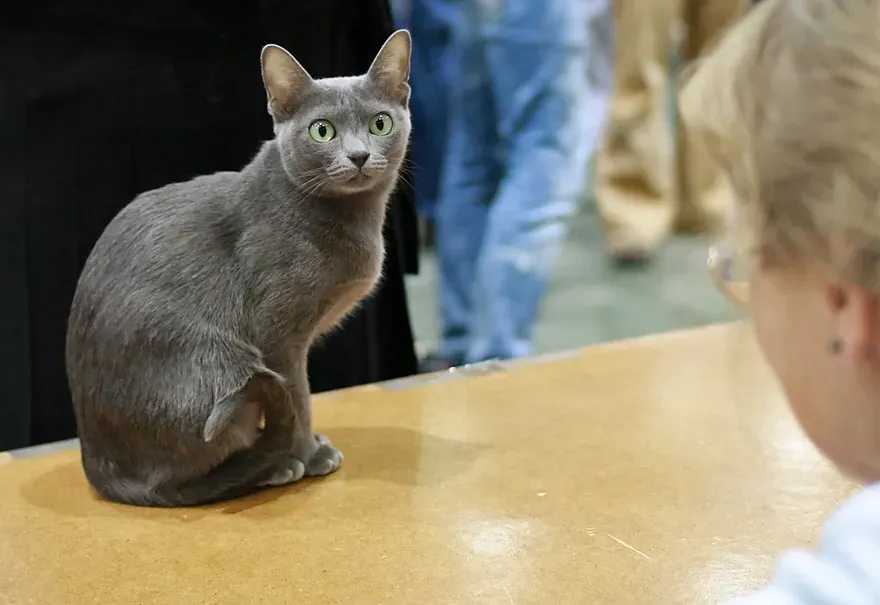
The Korat may be the single strongest example on this entire list of a breed that genuinely has not changed - and cat registries themselves say so.
The Korat is considered a natural breed and one of the oldest stable cat breeds in existence, one of the very few that hasn't changed its appearance across centuries. It originated in Phimai, Thailand, and takes its name from Nakhon Ratchasima Province. That's not a marketing claim - it's a formal breed-registry statement about genetic stability.
The cultural record backs it up just as strongly. In the ancient Thai manuscript Tamra Maew, the Si-Sawat cat was recorded as an auspicious animal, believed to symbolize love, kindness, and good fortune. It was customary to give Korat cats to newlyweds as a blessing for a happy, prosperous marriage.
"One of the very few cat breeds that has not changed its appearance throughout the centuries."
The International Cat Association, on the Korat
A cat literally used as a wedding gift for centuries is still bred to the same silver-blue standard today. That's the definition of unchanged.
#12 - Manx
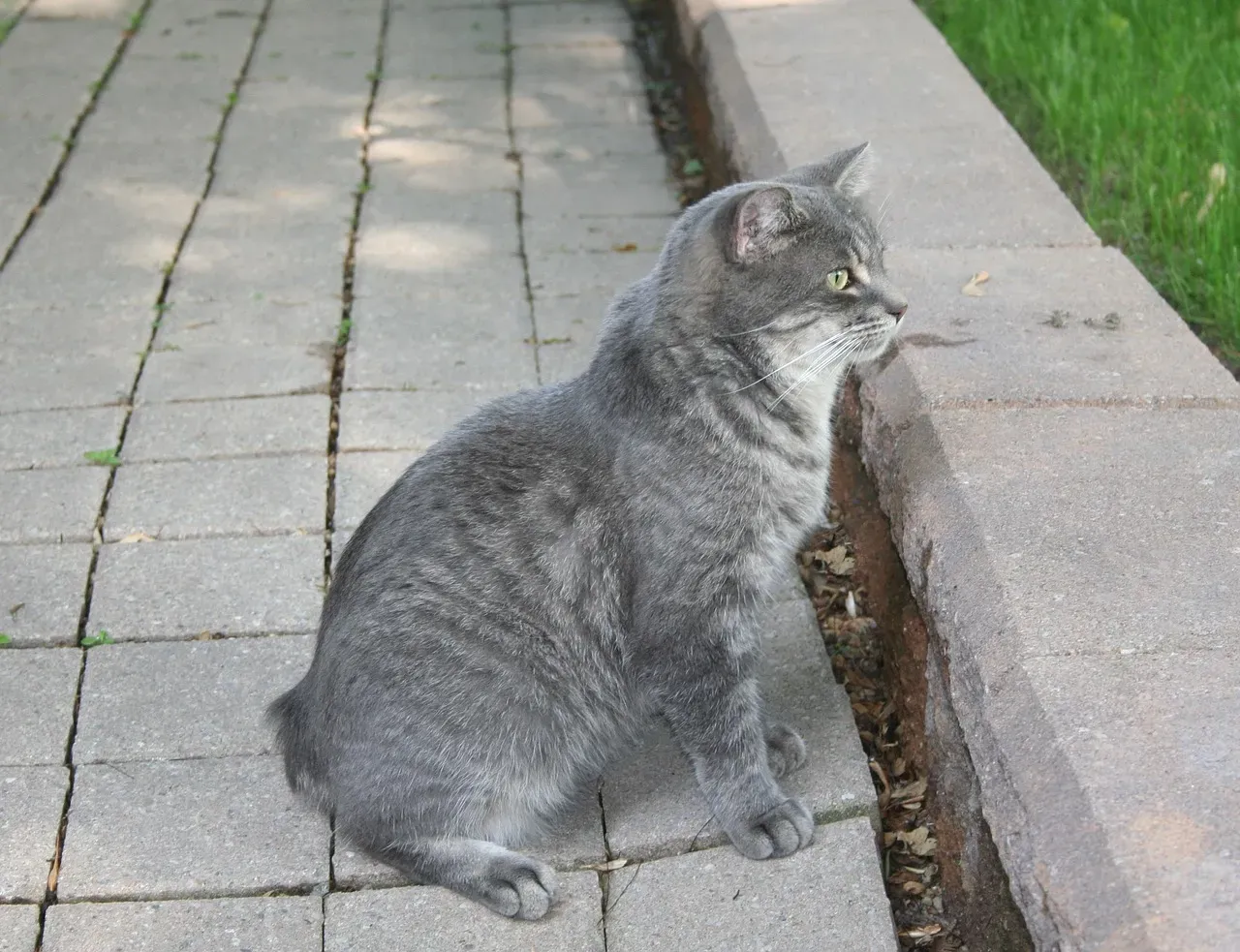
The Manx cat's missing tail is easily the most visually dramatic trait on this whole list - and it was already turning heads in show rings well over a century ago.
This tailless breed originated on the Isle of Man and was being exhibited in cat shows as early as the 1800s, with the first official breed standard drawn up in 1903. That's a genuinely old formal recognition date, but the breed's actual presence on the isolated island is generally believed to stretch back much further. Isolated island genetics are the likely reason the tailless trait became so consistently fixed in the population.
Most people assume tailless cats are a modern novelty breeding trend, but the Manx has been startling cat show judges since the Victorian era. Isolation on a small island, cut off from mainland cat populations, is the most commonly cited explanation for why this dramatic trait became a stable, breeding-true feature instead of a random one-off mutation. That kind of geographic isolation is a recurring theme behind several of the world's oldest, most unchanged cat breeds.
Why It Stands Out
- Exhibited in cat shows as early as the 1800s, decades before a formal standard existed
- First official breed standard drawn up in 1903
- Tailless trait fixed by generations of isolation on the Isle of Man
- Litters can still produce kittens ranging from fully tailless to longer-tailed variants
The Bottom Line
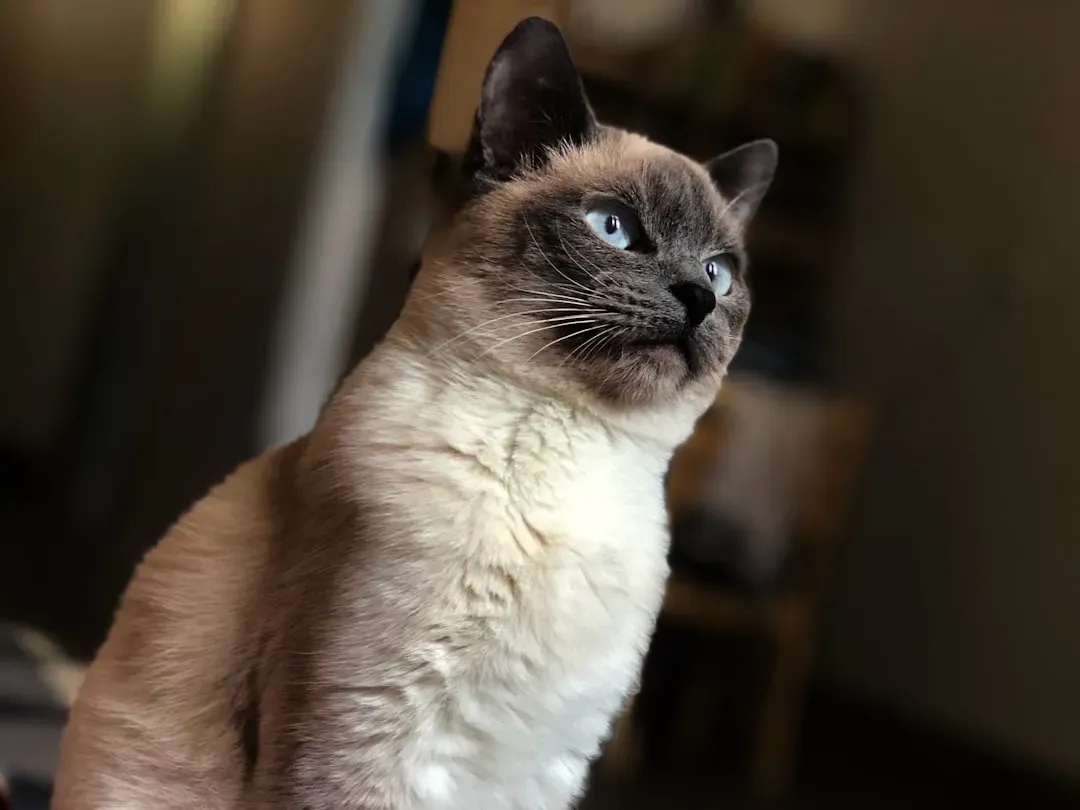
Here's the uncomfortable truth breed clubs don't advertise: most "ancient" cat breeds have far shakier paper trails than their marketing suggests. The Egyptian Mau and Korat have the strongest genetic and documented evidence backing their ancient claims, while breeds like the Persian and Abyssinian lean more on folklore than hard proof.
What's undeniable is that isolation - whether on the Isle of Man, in Siberian forests, or along the Nile - is the real reason these cats still look the way they did centuries ago. Modern breeding didn't preserve these looks. Geography and time did.
Which of these ancient breeds surprised you the most? Drop your pick in the comments.