You share your home with a creature that watches you more carefully than you probably realize. Your cat isn’t just lounging around indifferently. It’s studying you, cataloguing your habits, and – honestly – forming opinions about the whole arrangement. It’s a little humbling when you think about it.
Most people assume cats are indifferent to human behavior. But the reality is far more fascinating, and in some ways, surprisingly mutual. Your cat has strong feelings about what you do every single day, and some of those feelings are downright admiring. Let’s dive in.
1. Your Reliable Daily Routine
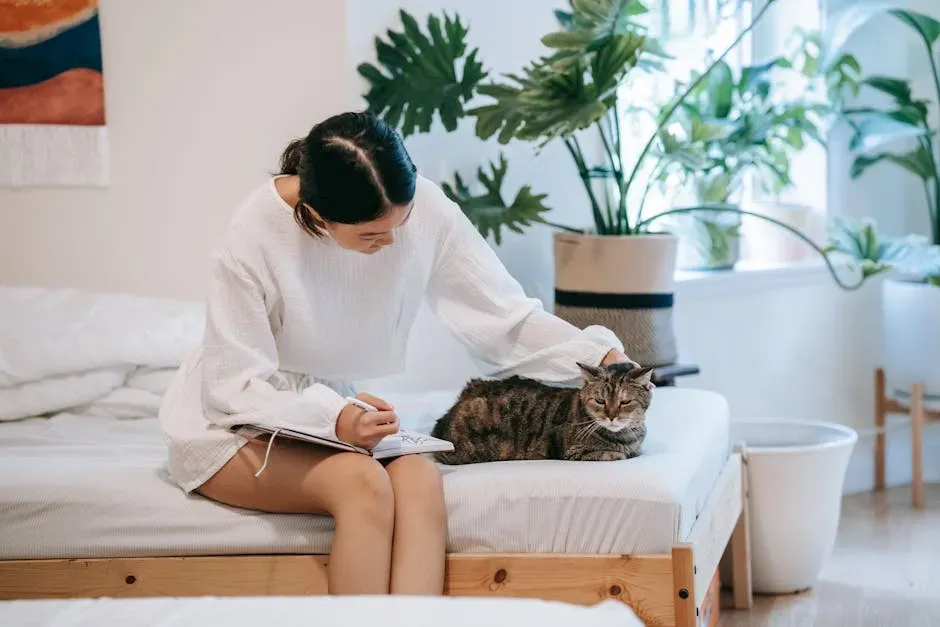
Here’s the thing – your cat doesn’t just notice your schedule, it actually depends on it emotionally. Cats thrive on regular routines, and the repeated events in your day are strongly associated with the time of day. A consistent routine provides a real sense of security, because cats like to know what’s happening and when. When you wake up, shower, and make coffee at the same time every morning, your cat isn’t just watching out of boredom. It’s finding genuine comfort in your predictability.
Cats do learn and anticipate many aspects of their human’s daily routine through observation, associative learning, and sensitivity to environmental cues. Their knowledge isn’t human-like planning but a reliable set of expectations shaped by repetition and reward. Think of it like a lullaby. The rhythm of your day is, to your cat, deeply reassuring. So your boring morning routine? It’s basically a masterpiece to your feline companion.
2. The Way You Groom Yourself

Every time you brush your hair, wash your face, or carefully tend to your appearance, your cat is paying close attention. Cats groom themselves to maintain cleanliness, and they also lick humans to show affection and bond. Grooming, for a cat, is one of the most intimate social gestures imaginable. So when you groom yourself, your cat recognizes something deeply familiar in that behavior.
For some cats, grooming can take up to half of their waking time. Grooming helps cats stay tidy, but their saliva also helps insulate their bodies and keep them warm. The fact that you also prioritize cleanliness likely registers to your cat on a primal level – like you’re a fellow creature who understands the fundamentals. You’re basically a very large, somewhat inefficient groomer. Your cat respects that.
3. Sitting Quietly and Reading or Working

You might not think much of sitting down with a book or settling in front of your laptop, but your cat absolutely notices – and loves it. Watching you go about your daily activities provides a sense of reassurance. Your cat might quietly observe as you prepare breakfast or settle in to watch TV, finding comfort in these everyday rituals. Your stillness is an invitation. It says: things are calm, the world is safe, come sit with me.
As many cat owners continue to work from home, some may have increasingly noticed their cats’ affinity for lying on books and computer keyboards. Besides lying on laptops due to the warmth they provide, cats’ seeming imitation of human actions is a social bonding behavior. I think this explains why so many cats insist on sitting directly on whatever you’re trying to read. It’s not sabotage – well, not entirely. It’s admiration, expressed in the most inconvenient way possible.
4. Making Eye Contact and Blinking Slowly
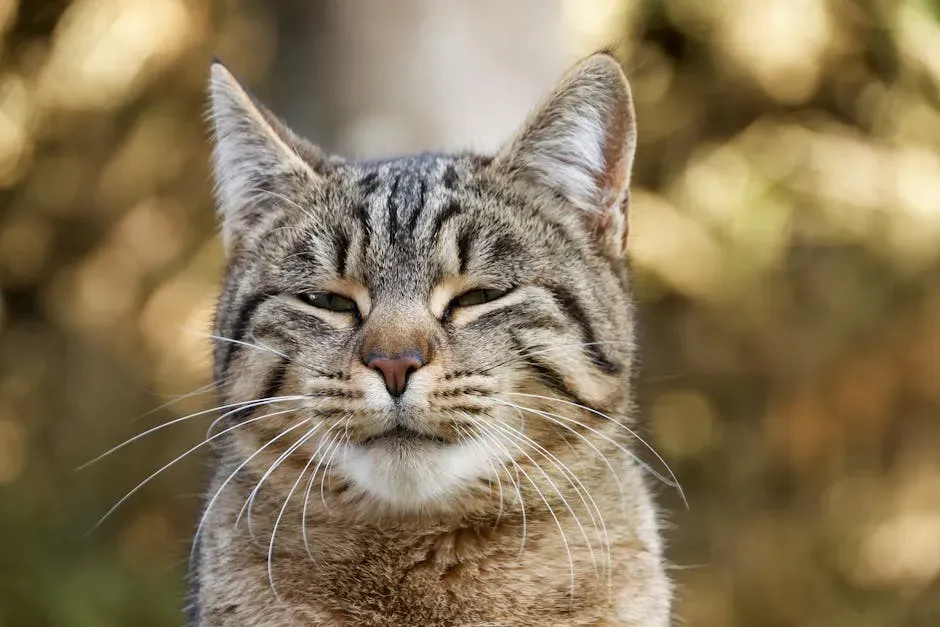
When you make gentle, calm eye contact with your cat and slow-blink at them, something quietly magical happens. A slow blink from a cat might as well be a valentine. When a cat slowly blinks with you, it means they trust you enough to lower their defenses and close their eyes, even if only for a moment. Slow blinking sessions can feel profound, strengthening the connection between cats and their humans. You’re essentially speaking fluent cat, even if you learned it by accident.
When a familiar human slow-blinks towards a cat, the cat tends to approach the human more frequently than if the human has a neutral expression that avoids eye contact. So your habit of gazing softly at your cat without being intense or intrusive is, from their perspective, a sign of genuine trust and emotional intelligence. Honestly, not everyone manages that with other humans. Your cat noticed.
5. Talking Out Loud (Even to Yourself)

Yes, the way you narrate your day, chat to the cat, or even just mutter to yourself in the kitchen – your cat is genuinely engaged by it. Research has shown that cats prefer to interact with their owner than with a complete stranger and that they are more responsive to their owner’s voice than that of a stranger. Your voice isn’t just background noise to your cat. It’s a distinguishing signal, something warm and specifically yours.
Scientists have identified more than a dozen different meows that cats make, each with its own meaning. In general, kittens use meows to communicate with their moms, but grown cats employ them solely to communicate with humans. Let that sink in. Adult cats only meow to communicate with people. Your habit of talking out loud has trained your cat to talk back, specifically to you. That’s not annoying – that’s extraordinary.
6. Your Calm, Predictable Body Language
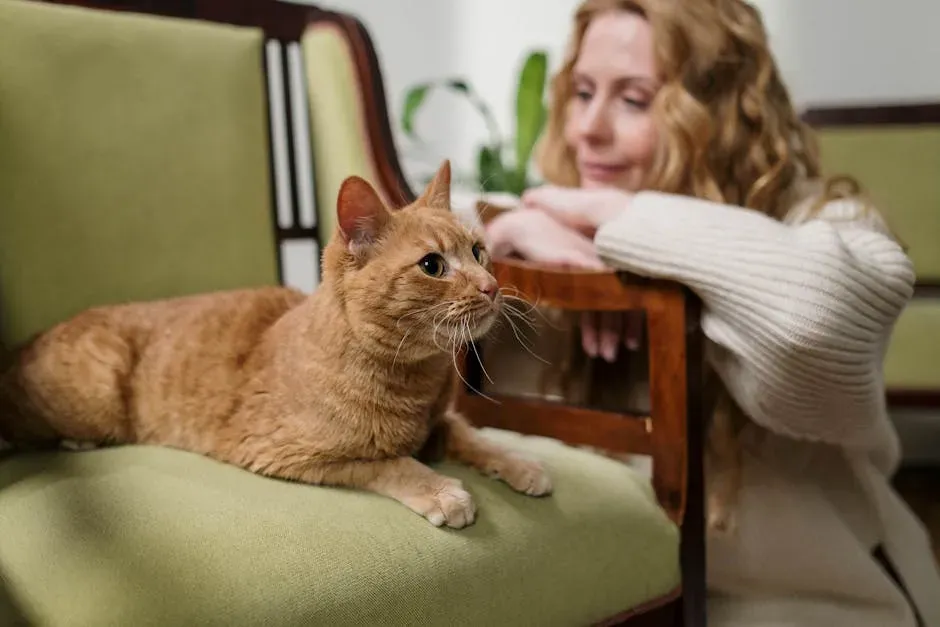
The way you move around the house matters enormously to your cat, more than you’d probably guess. Sudden movements, loud voices, or inconsistent routines can make a cat cautious. Even well-meaning gestures, like picking up a cat who prefers to stay put, can make them hesitant. The more predictable and gentle your behavior, the more likely a cat is to feel comfortable enough to interact rather than just observe. When you move through a room like a calm, unhurried person, your cat reads that as safety. Pure, uncomplicated safety.
When a cat watches you, it’s not just idle curiosity. They are reading your body language, trying to understand your intentions and mood. Cats rely heavily on non-verbal cues, as their communication is mostly silent. Think of your cat as a very perceptive roommate who never misses a shift in your energy. When you’re calm and grounded, they want to be around you. When you’re stressed, they feel it too. Your composure is, in a very real way, contagious.
7. Feeding Them on a Consistent Schedule
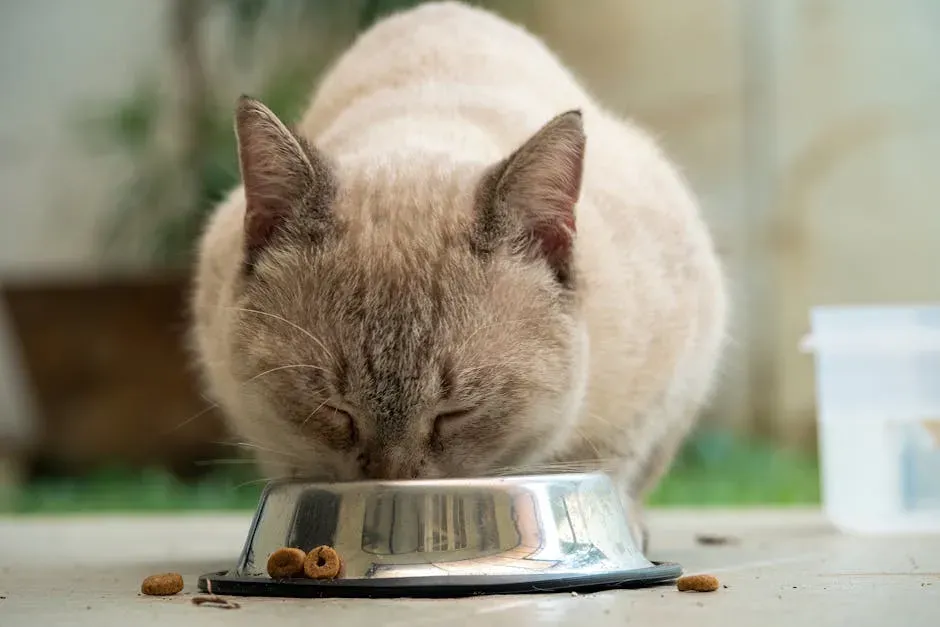
Let’s be real – feeding time is the centerpiece of your cat’s entire emotional calendar. Indoor cats don’t track time in hours but in events like feeding, playtime, and when their owner returns home. When these events happen regularly, cats begin to expect them even without a clock. Showing up on time with food every single day isn’t just practical to your cat. It’s proof of your reliability, your character, your worth as a companion.
A cat begins meowing ten to fifteen minutes before breakfast because the owner always fills the bowl at the same hour and uses the same cupboard. That moment of anticipation – your cat tracking the sounds, the light, and the movements that signal mealtime is near – is a testament to how deeply your habits are embedded in their world. You may not feel like a hero at six in the morning, but to your cat, you absolutely are.
8. Sitting in High or Elevated Spots

Here’s something you might not have connected before: when you sit on the couch, climb into a loft bed, or perch on a tall stool in the kitchen, you are, from a feline perspective, doing something instinctively sensible. Cats love seeking high places because they feel more secure and comfortable there. The height gives them the confidence to look over and observe their environment. Elevation equals control and safety in the feline mind. Your cat approves of your elevated seating choices.
In general, cats like to be up high. It gives them a sense of safety and control. So while they may not like to be held, being on your shoulder is the next best way to snuggle. There’s a reason your cat almost always ends up on the highest piece of furniture in the room with the best vantage point. They’re optimizing. When you sit up high too, you’re, without knowing it, speaking the same spatial language they do.
9. Your Bathing and Showering Habits
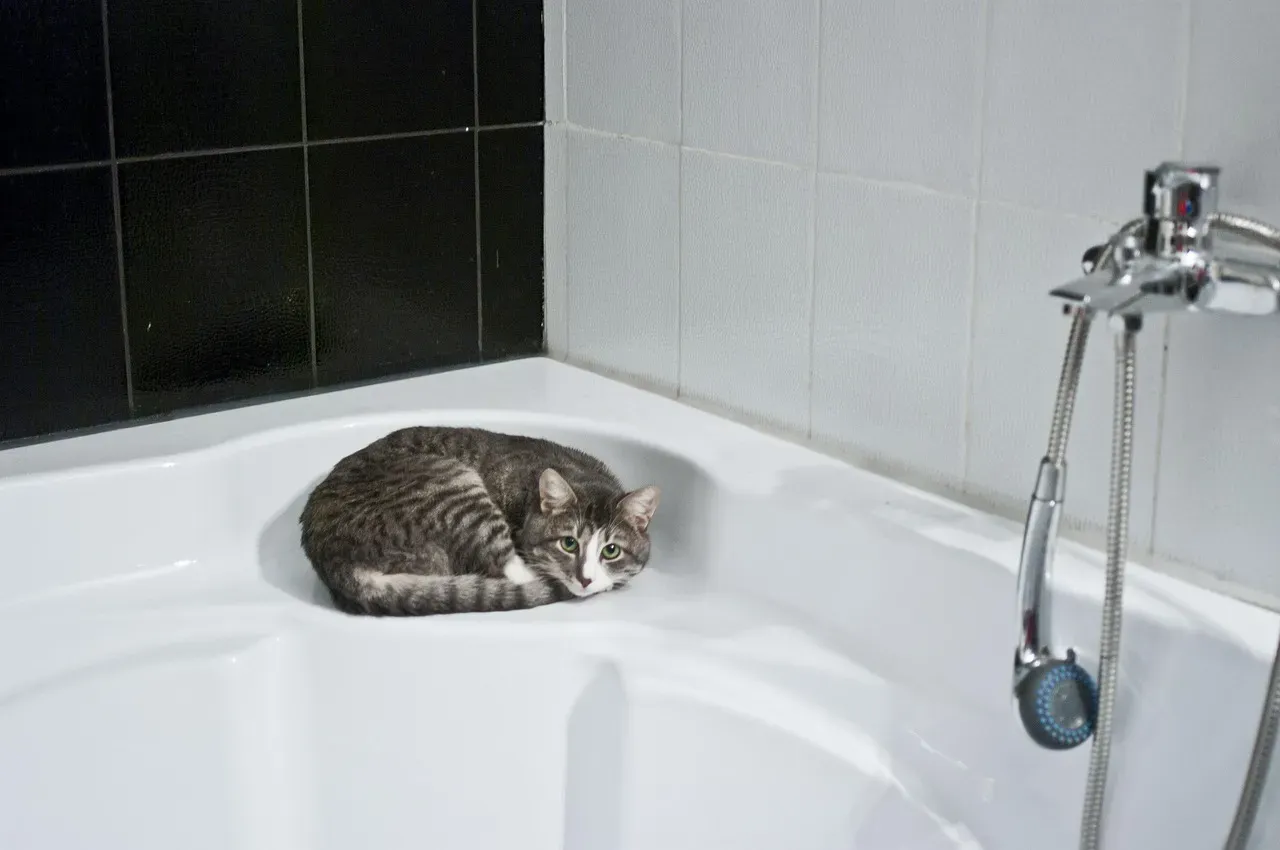
Your cat watching you shower is one of those behaviors that strikes most people as bizarre. It’s a little awkward being studied mid-shampoo, but there’s genuine meaning behind it. Cats thrive on routine, and your daily habits become part of their schedule. If you shower at the same time every morning or evening, your cat learns that this moment is predictable. Over time, simply being present becomes comforting. Some cats even associate your post-shower routine with positive outcomes, like cuddles, breakfast, or a favorite snack.
At the end of the day, a cat watching you shower is often a sign of trust, curiosity, and connection. It may feel odd, but it is also one of those quirky moments that make life with cats so entertaining. Your hygiene ritual is, in your cat’s eyes, deeply admirable in a species-specific way. After all, they spend roughly half their waking hours doing something similar. You’re practically family.
10. Returning Home at the Same Time
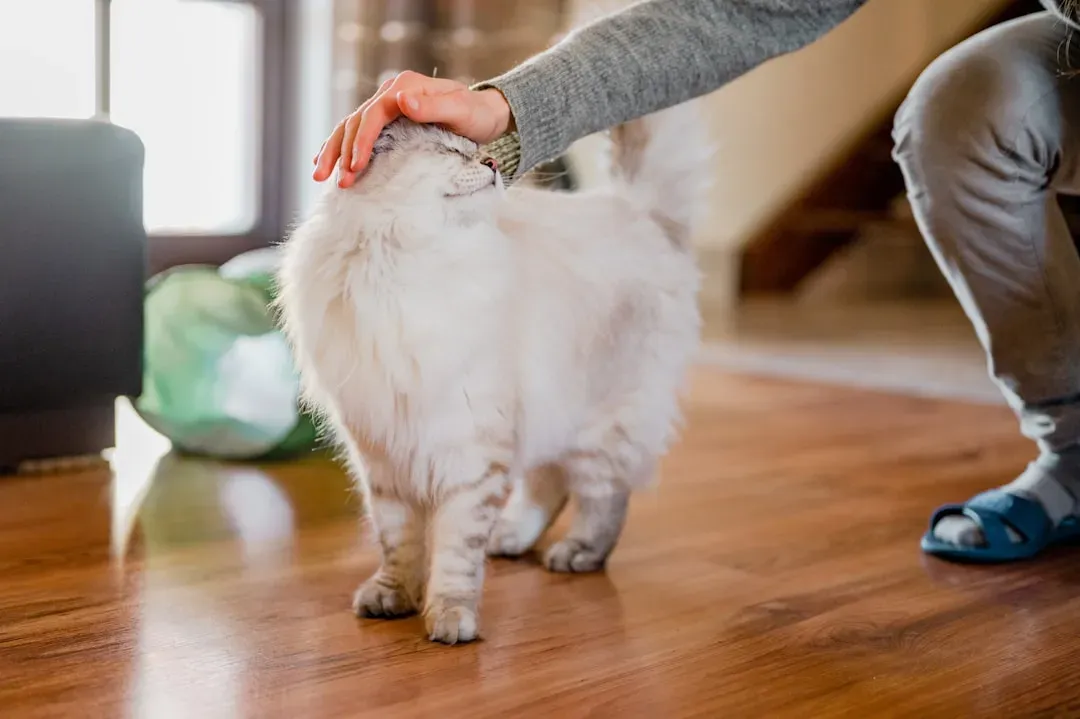
There are few things more quietly touching in the human-cat relationship than a cat waiting by the door when you get home. And it’s not a coincidence – your cat has been tracking your return for hours. Based on your daily routine, cats can tell what time you leave for work for the day and also have an idea of when you will return. Your consistency creates a kind of temporal map in your cat’s mind, and your homecoming is one of the most anticipated events on it.
Long absences may have an emotional impact, not because of the time elapsed, but because they interrupt the normal schedule and disrupt established routines. When you return, their reaction, whether distant or affectionate, has less to do with the amount of time that has passed and more to do with you coming back into their life. It’s hard not to find that a little moving. Your cat doesn’t care about minutes or hours. It just cares that you came back. That’s a kind of loyalty most people would envy.
11. Napping and Resting Without Guilt
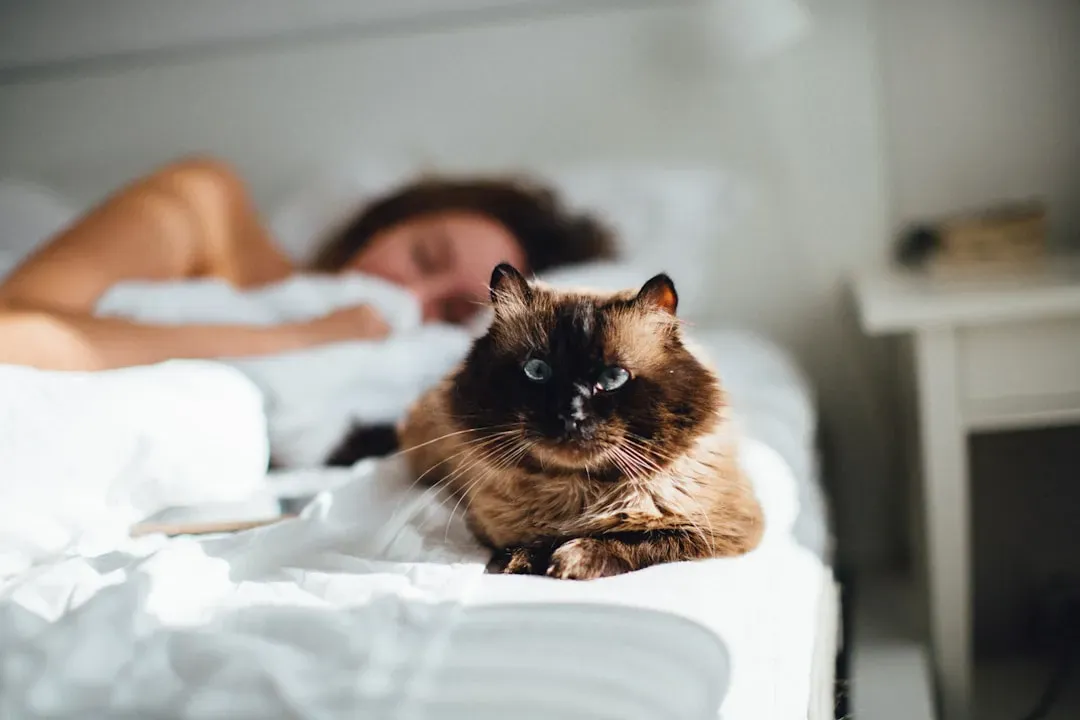
Honestly, if there is one human habit that your cat celebrates with its entire being, it might be napping. Although domestic cats no longer need to hunt for survival like their ancestors, their genetic makeup still influences their behavior. One such behavior is their inclination to conserve energy through frequent napping. Cats have a slightly higher basal temperature than humans, and they are naturally drawn to warm areas for their slumber. When you lie down for a rest, you’re doing something your cat considers fundamentally wise.
While it may appear as if your cat is watching over you while you sleep, this is more of a curious or loving behavior than guarding. Some cats may show guarding instincts, but that is quite different from what one would see in dogs. It may well be that your cat sleeps with you simply because they like you. Think about that the next time you wake up and find your cat curled into the crook of your knees. You didn’t just rest. You gave your cat permission to rest too, together. That’s the good stuff.
12. Showing Affection on Your Own Terms
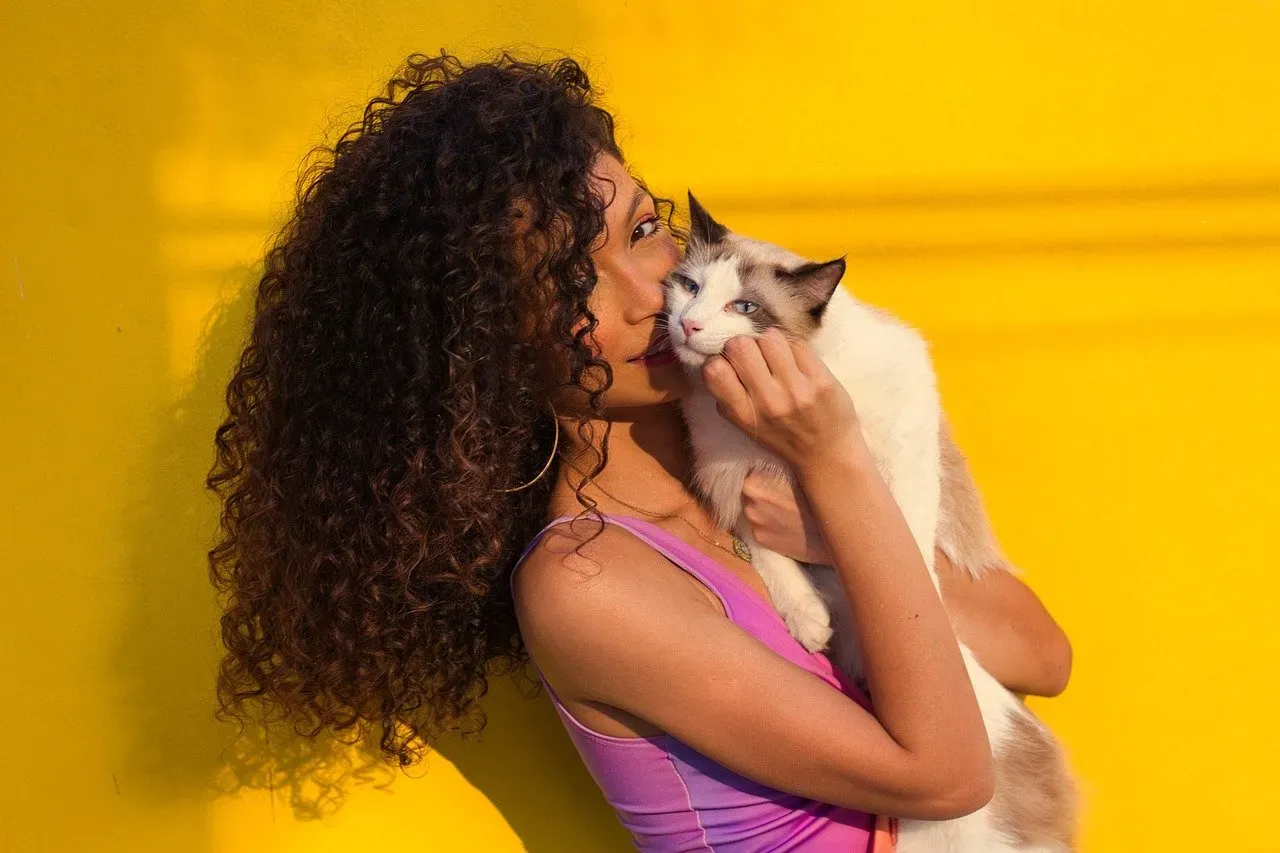
Cats are not dogs. They don’t need constant, effusive displays of emotion to feel loved – and they genuinely respect when you operate similarly. Just like humans, cats appreciate alone time. When they need some quiet solitude, give them their space. When you show love in a measured, respectful way – a gentle stroke, a slow blink, a quiet moment together – your cat reads that as emotional fluency. You’re not overwhelming them. You’re meeting them where they are.
The usual behavior of a cat when they love you is slow blinking, purring, rubbing against you, kneading, and showing their belly. These are behaviors that allow them to communicate their affection and trust. The beautiful part is this: when you learn to express affection in your cat’s language – calmly, patiently, without pressure – you’re not just being a good pet owner. You’re being admired. Quietly, in that inscrutable feline way, your cat thinks you’ve finally figured something out.
A Final Thought Worth Sitting With
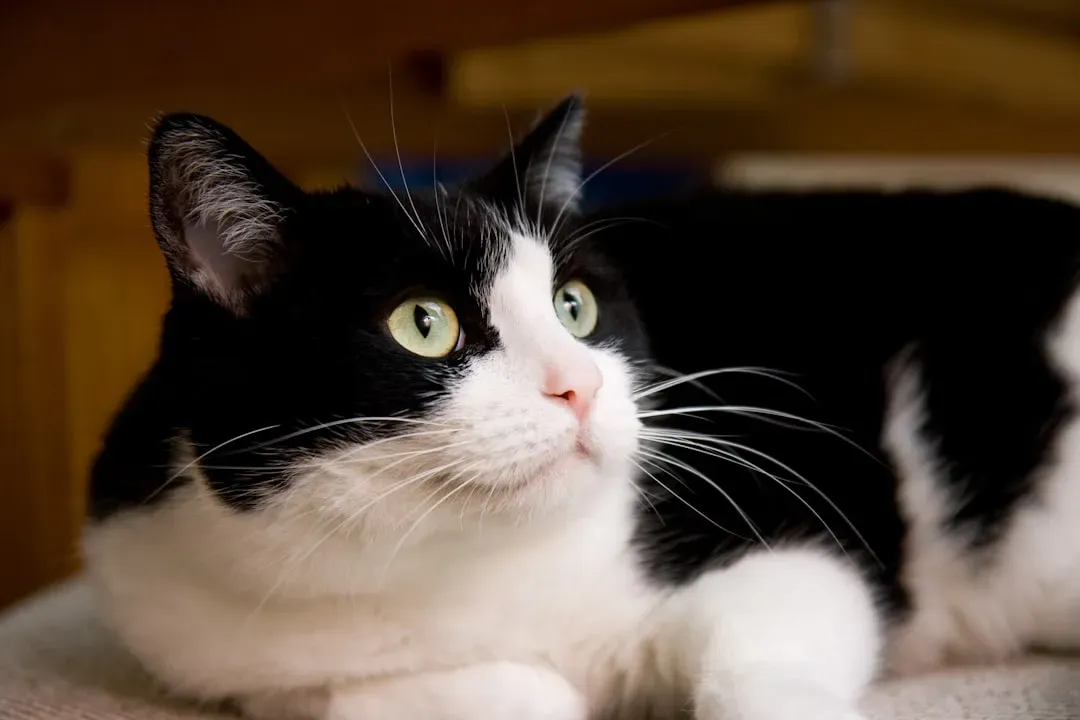
Cats are often described as aloof, mysterious, or indifferent to human emotion. But the truth, backed by research and confirmed by anyone who’s ever truly bonded with a feline, is far more nuanced. For thousands of years, cats have lived in close connection with people, sharing our lives, homes, and communities. It is their elusive, often fussy charm that causes many people to fall head over tail in love with cats. The more we try to understand feline behavior and communication, the more rewarding a life with a cat can be.
Your cat is watching you right now, possibly from a perch three feet above your head, possibly from the corner of a warm blanket. It’s studying your patterns, reading your mood, and – in its own private, dignified way – deciding whether today you’ve earned a slow blink or a full lap visit. When cats watch humans, it’s not just about seeking attention; it’s also a way for them to bond and socialize with their human companions. By observing your movements, actions, and emotions, cats are trying to show their affection and form a connection with you. So next time your cat fixes you with that long, inscrutable gaze, don’t look away too quickly. They might just be admiring you. What do you think – did any of these habits surprise you? Drop your thoughts in the comments below.