12 Things That Can Accidentally Break Your Cat’s Trust
Cats, with their soft purrs and graceful movements, often seem like mysterious creatures. While they may appear independent and aloof, building trust with a cat is a deeply rewarding experience requiring patience and understanding. However, this trust can be fragile and can be inadvertently broken by our actions. Whether you're a first-time cat owner or a seasoned feline enthusiast, understanding these common mistakes can help maintain a harmonious relationship with your furry friend.
Sudden Loud Noises

Cats have a heightened sense of hearing, and sudden loud noises can be particularly jarring for them. Imagine how you feel when a fire alarm goes off unexpectedly. Now, multiply that by ten for a cat. The clattering of a dropped pan or the unexpected blare of a vacuum cleaner can cause your cat to bolt in fear, potentially associating the noise with danger. Over time, if loud noises become frequent, your feline friend might start avoiding areas where these sounds often occur, leading to a breakdown in trust.
Inconsistent Feeding Times
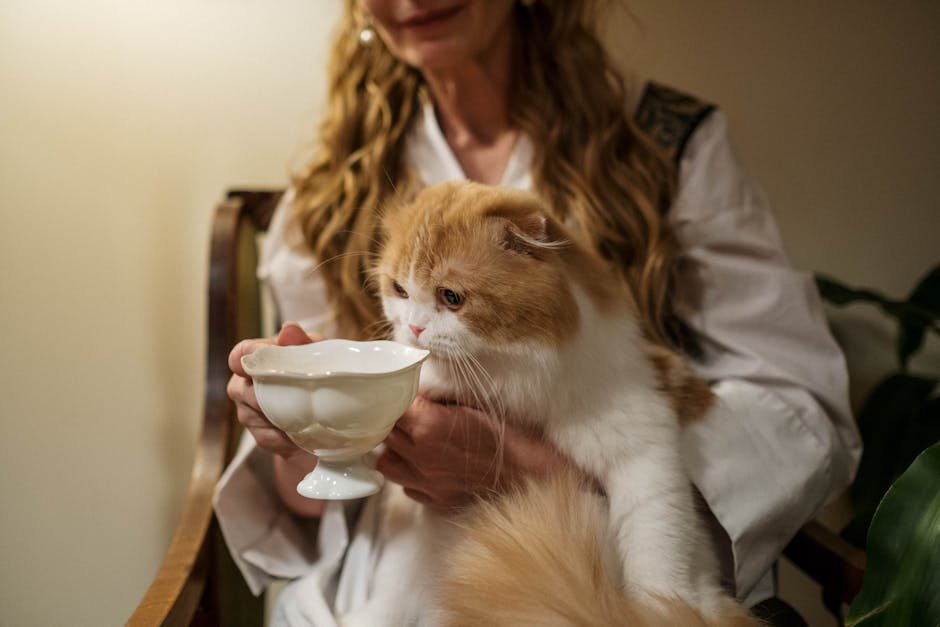
Routine is crucial for cats, and feeding times play a significant role in their daily schedule. When feeding times are inconsistent, it can cause confusion and anxiety. Cats might not understand why their meal is late, leading to feelings of insecurity. Think of it like waiting for a friend who is always late; over time, you might begin to doubt their reliability. Ensuring a consistent feeding routine can reinforce trust and security in your cat's environment.
Ignoring Their Body Language

Cats communicate a lot through their body language. From the twitch of their tail to the positioning of their ears, each movement conveys a message. Ignoring these signals can lead to misunderstandings. For example, approaching a cat when its tail is fluffed up and ears are flat against its head can result in a defensive reaction. By paying attention and respecting these signals, you can prevent unnecessary stress and maintain a trusting relationship.
Forcing Physical Affection

While some cats are affectionate and enjoy being petted, others prefer their space. Forcing a cat to accept physical affection when they're not in the mood can break their trust. It's akin to someone invading your personal space without permission. Understanding your cat's boundaries and waiting for them to come to you can foster a more genuine bond.
Unfamiliar Visitors

Cats often view their home as their territory, and the introduction of unfamiliar people can be unsettling. If visitors are loud or overly enthusiastic in their approach, it can make the cat feel threatened. Cats need time to adjust to new scents and sounds. Allowing them to observe from a distance and approach in their own time can help them feel more comfortable and maintain their trust in their environment.
Frequent Changes in Environment

Cats thrive in stable environments. Frequent changes, such as moving furniture or introducing new pets, can be disorienting. Imagine if your favorite chair was suddenly not where it used to be every time you came home. It would be unsettling. Gradual changes, accompanied by familiar objects and scents, can help your cat adjust without feeling threatened.
Rough Handling During Play

Playtime with your cat can be a delightful bonding experience, but rough handling can be detrimental. Cats have sensitive skin, and rough play can cause pain or injury. This is similar to a friend playing too rough when you're just trying to have fun. Gentle interactions, respecting their limits, and using toys can create a positive experience, reinforcing trust.
Skipping Vet Visits

Regular vet visits are crucial for your cat's health, but they can be stressful experiences. However, skipping these appointments can lead to undiagnosed health issues, which might cause behavioral changes. A cat in pain or discomfort might become distant, breaking the trust they once had. Ensuring regular health checks and making vet visits as stress-free as possible can help maintain their trust in you as a caretaker.
Using Harsh Discipline

Disciplining a cat can be tricky. Harsh methods, like yelling or using spray bottles, can be terrifying for them. It's equivalent to being reprimanded without understanding what you did wrong. Instead, positive reinforcement techniques, such as rewarding good behavior, can be more effective. This approach helps in building a trusting relationship, where your cat feels safe and understood.
Inconsistent Rules

Cats, like many animals, are creatures of habit and thrive on consistency. If you allow them to jump on the counter one day but scold them for it the next, it can be confusing. This inconsistency can lead to anxiety and mistrust, as they can't predict your reactions. Establishing clear, consistent rules and sticking to them can help your cat feel secure and confident in their environment.
Understanding these potential pitfalls and making a conscious effort to avoid them can significantly strengthen the bond between you and your cat. Trust, once broken, can be challenging to rebuild, but with patience and understanding, it is possible. By being mindful of your cat's needs and respecting their boundaries, you can enjoy a rewarding and lasting relationship with your feline companion.