13 Reasons Your Breed Cat Is the Best of Every Cat Kind
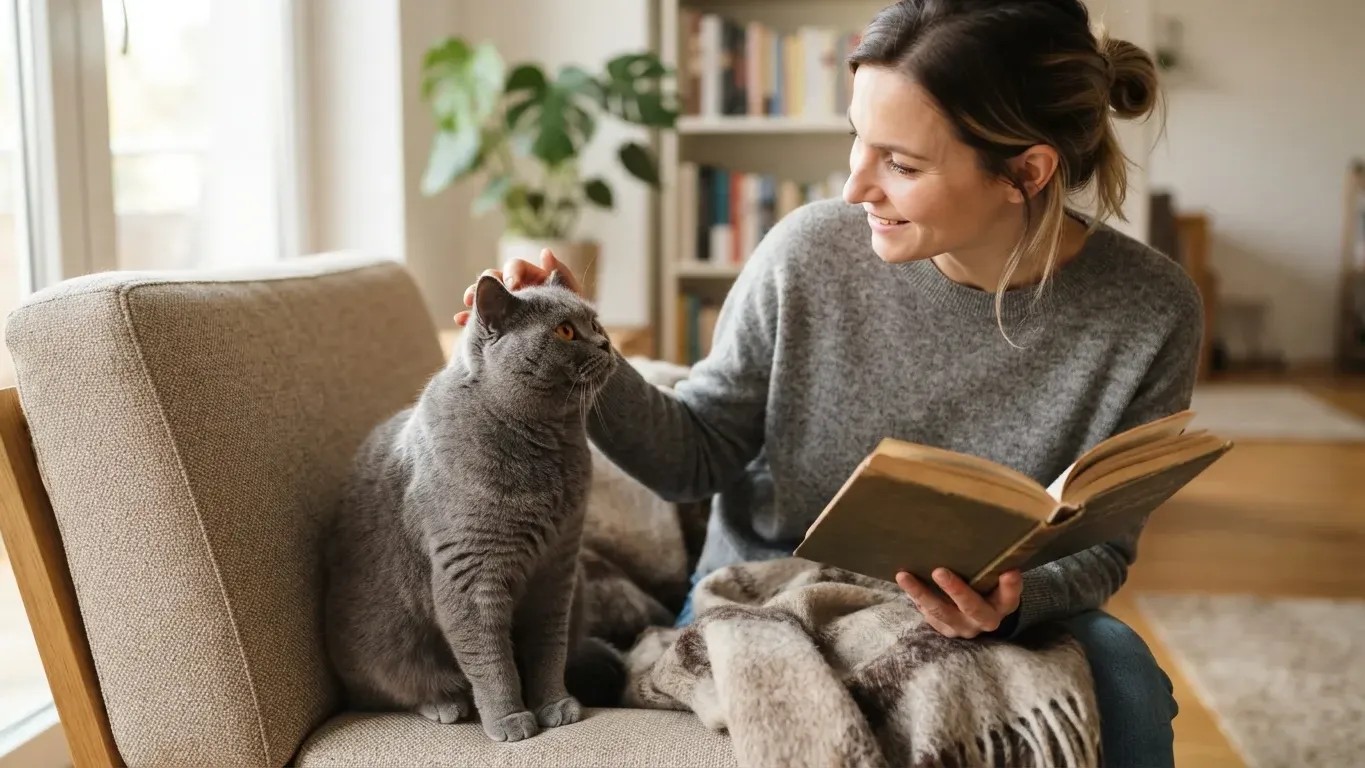
Everyone assumes a scrappy shelter kitten and a papered pedigree cat turn into the same cat once they grow up. Owners who have actually lived with both will tell you that's not even close to true.
A breed cat doesn't just look a certain way. It thinks a certain way, bonds a certain way, and fits into your life in ways that catch even lifelong cat people off guard - and by reason #1, you'll understand why breed cat owners almost never go back.
#13 - You Know Exactly What You're Getting
Owning a breed cat is like reading the manual before the furniture even arrives. You never fly blind.
Selective breeding locks in predictable size, coat, temperament, and intelligence for each breed. That's not a minor perk - it's the difference between guessing and knowing for over a decade.
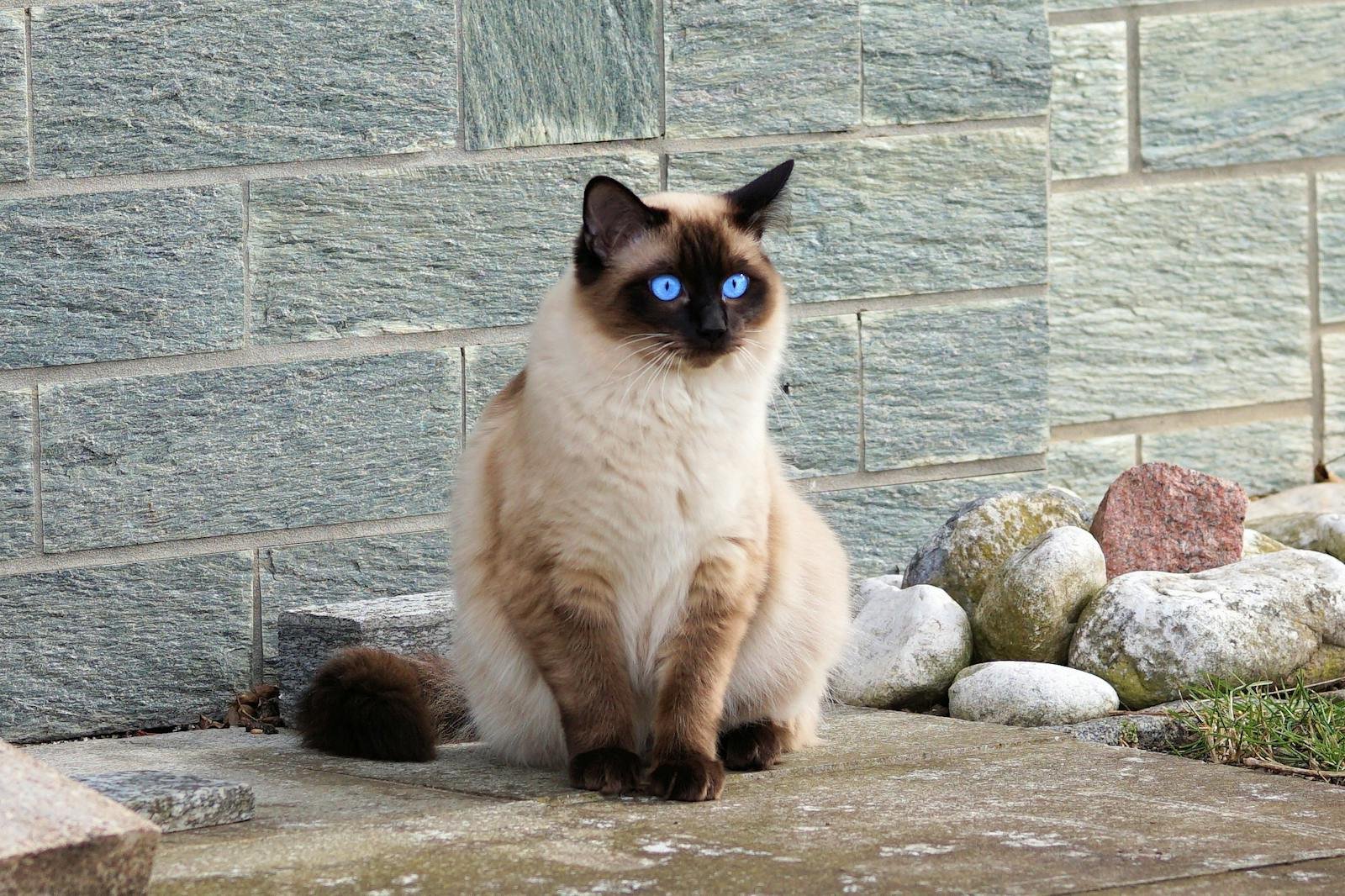
Want a laid-back lap cat? Get a Persian. Want a vocal, trick-loving extrovert? Get a Siamese.
Quick Compare
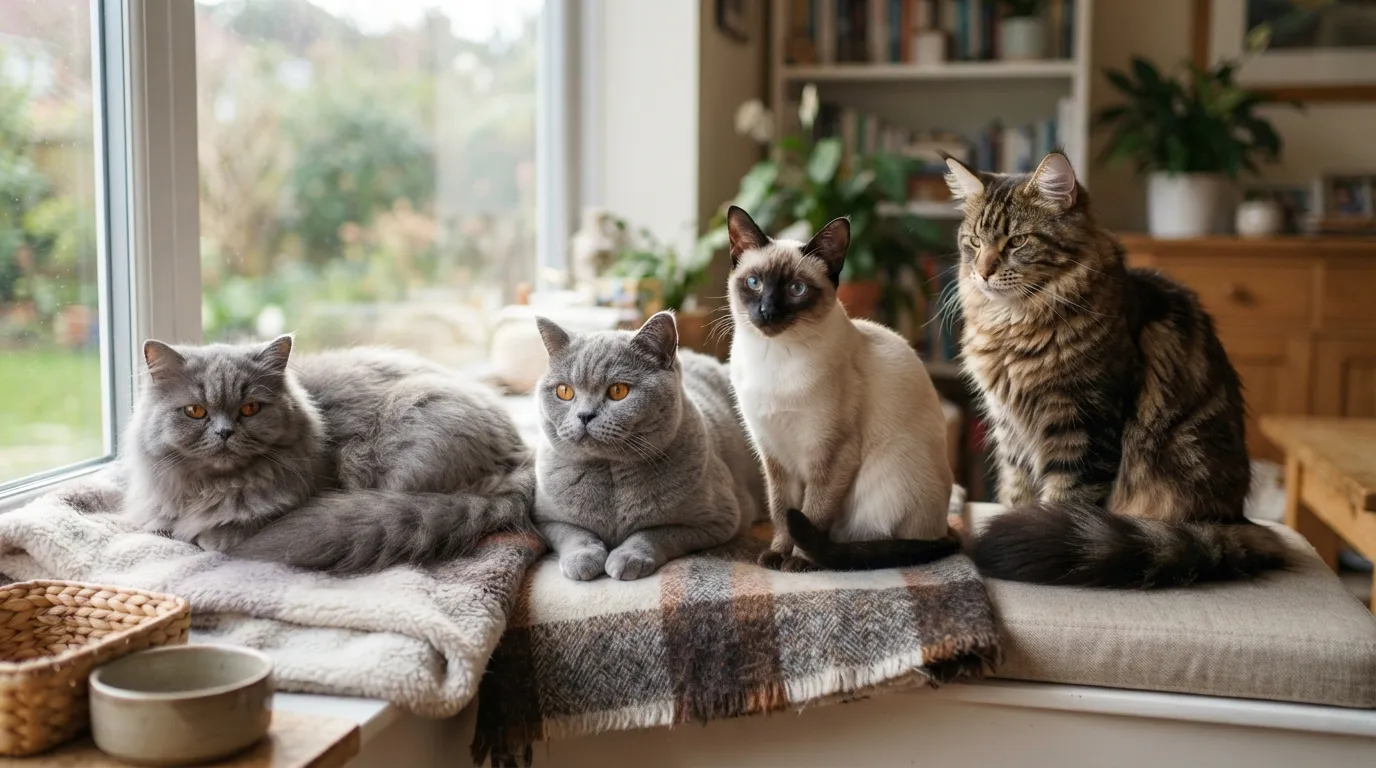
- Persian: laid-back lap cat, low energy, needs regular grooming
- Siamese: vocal, extroverted, thrives on constant interaction
- Maine Coon: gentle giant, playful, dog-like devotion
- British Shorthair: calm, independent, plush low-fuss coat
Most random cat owners spend years figuring out what makes their cat tick. Breed cat owners know before the kitten even comes home - but the personality story gets far stranger than that.
#12 - Their History Goes Back Further Than You Think
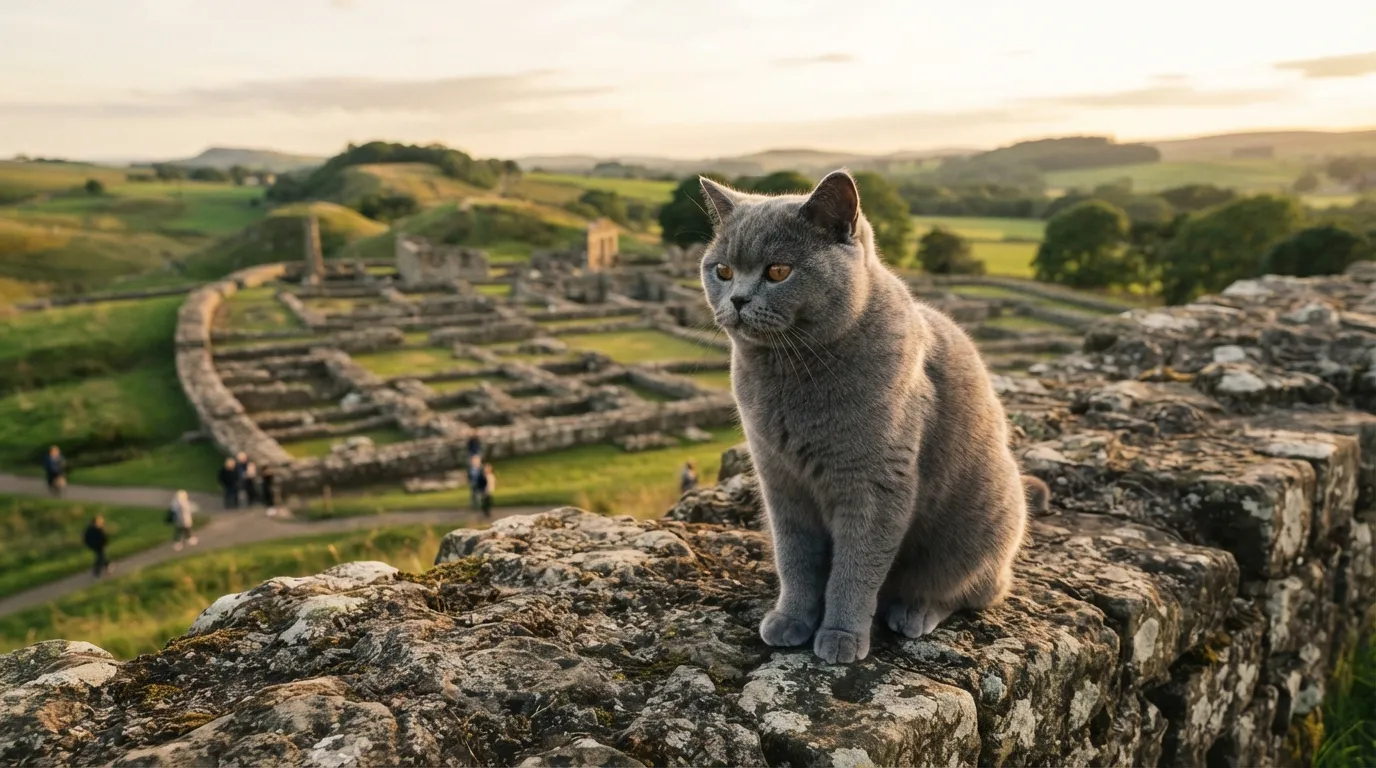
People assume pedigree cats are a modern, fussy invention. Your cat's bloodline might actually outlast most ancient monuments.
The British Shorthair traces back to Roman Britain, where domesticated street cats were brought aboard ships to control pests. That's over 2,000 years of natural selection working quietly in your cat's favor.
By the 19th century, cat fanciers noticed how remarkable these cats were and began refining their rounded features, dense coat, and famously calm nature.
Your breed cat isn't a product of trends - it's the result of centuries of refinement. That history is coded directly into its DNA, and it shapes something almost every new owner overlooks.
#11 - They Are the Most Popular Cats on the Planet for a Reason
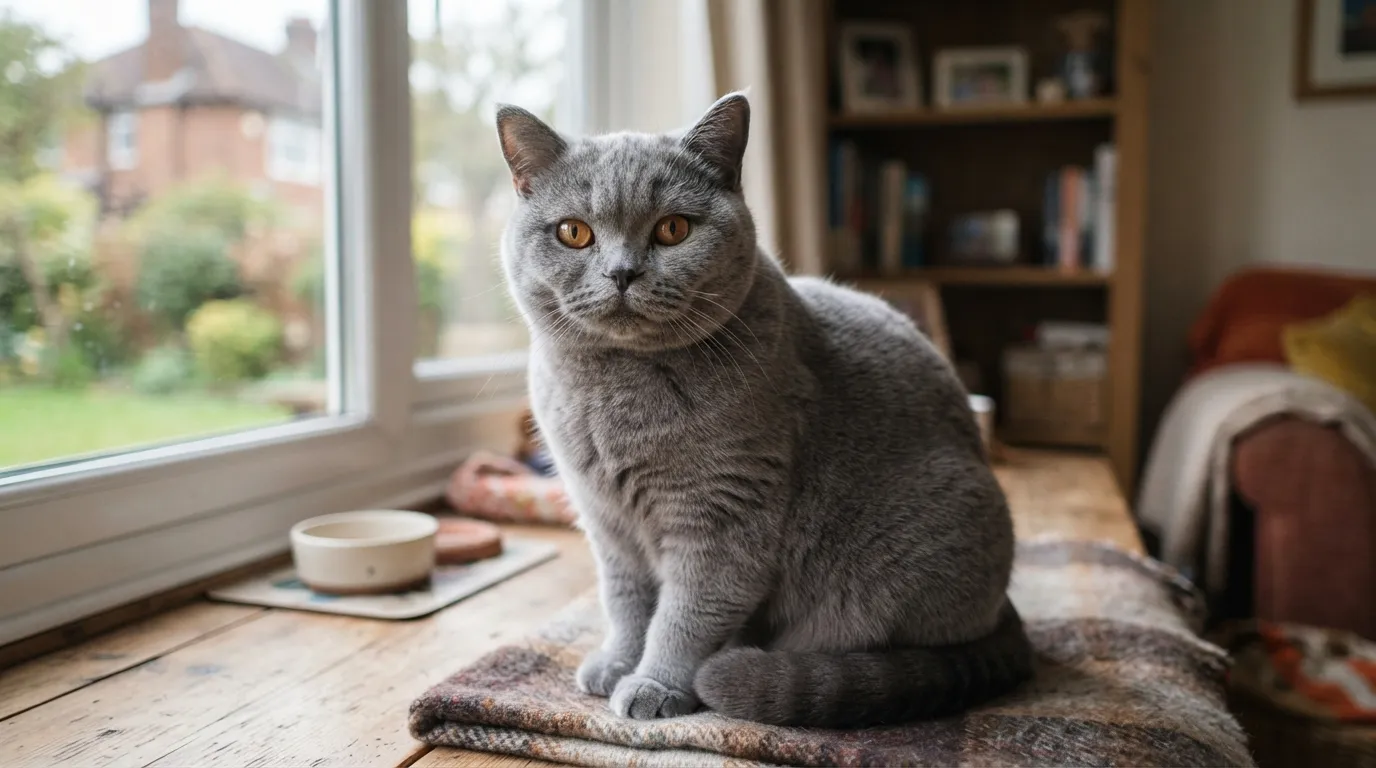
Popularity is usually a red flag. Except when it's earned over generations by millions of quietly satisfied owners.
The Governing Council of the Cat Fancy reports that half of all kittens registered with them each year are British Shorthairs, making it the most popular pedigree cat in the UK. That's not marketing - that's registration data.
The Wisdom Panel database shows the same story: British Shorthair, Maine Coon, Scottish Fold, Siamese, and Persian dominate the most commonly detected breeds. When that many people independently pick the same handful of breeds, something real is happening.
At a Glance
- Half of all kittens registered with the UK's GCCF each year are British Shorthairs
- British Shorthair, Ragdoll, and Maine Coon top the GCCF's most-registered breed list
- Wisdom Panel's DNA database ranks British Shorthair, Maine Coon, Scottish Fold, Siamese, and Persian among the most detected breeds worldwide
Popularity backed by decades of registry numbers isn't a fad - it's a verdict. And the reason people keep choosing these breeds gets even clearer next.
#10 - They Come With Built-In Calm
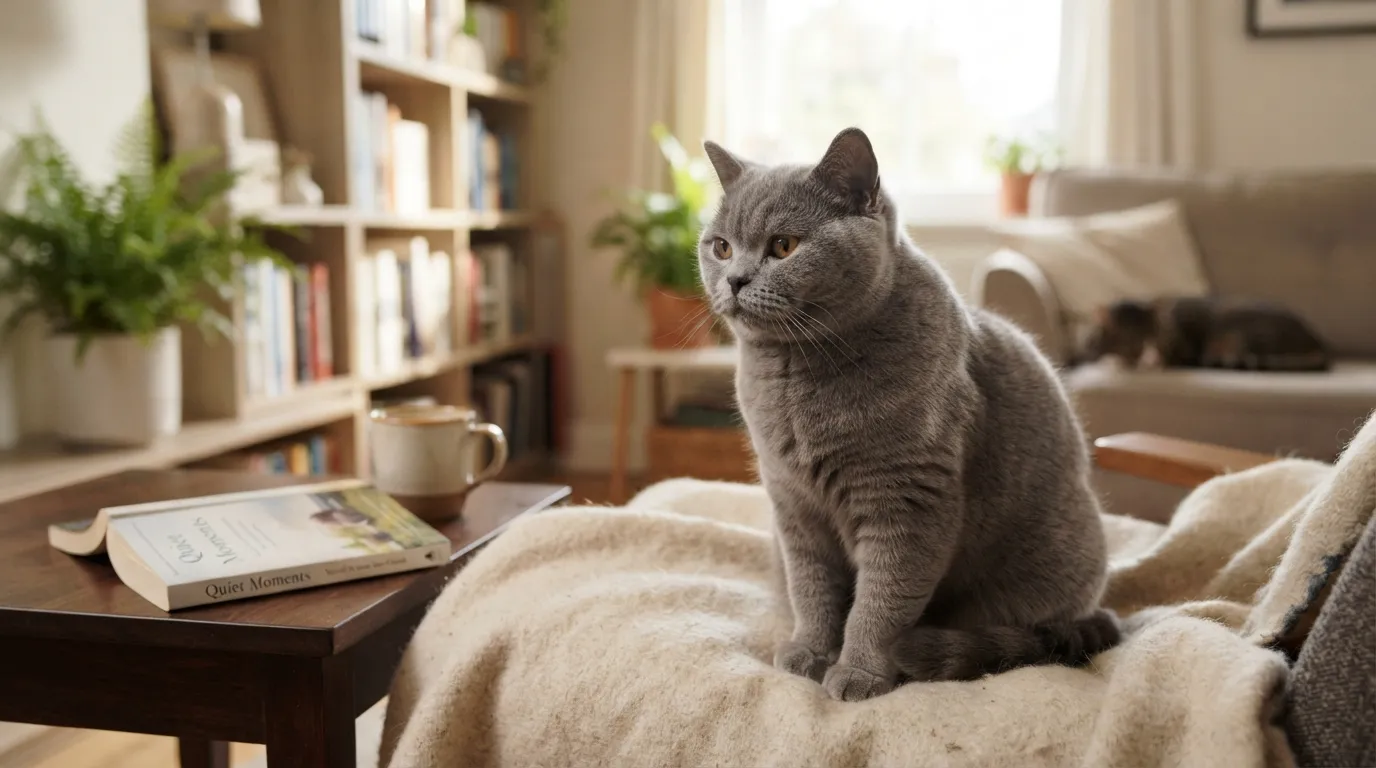
Here's one most new owners genuinely don't see coming: breed cats tend to lower the temperature of a household, not raise it.
These cats rarely knock glasses off tables or tear through rooms at 3 a.m. They'd rather sit back and observe their people.
British Shorthairs in particular are active without being boisterous, affectionate without being clingy, and smart without needing to show off.
A calm breed cat is one of the only pets that genuinely lowers stress in a chaotic home. And that calming effect is backed by more than just gut feeling.
#9 - Owning One Is Actually Good for Your Health
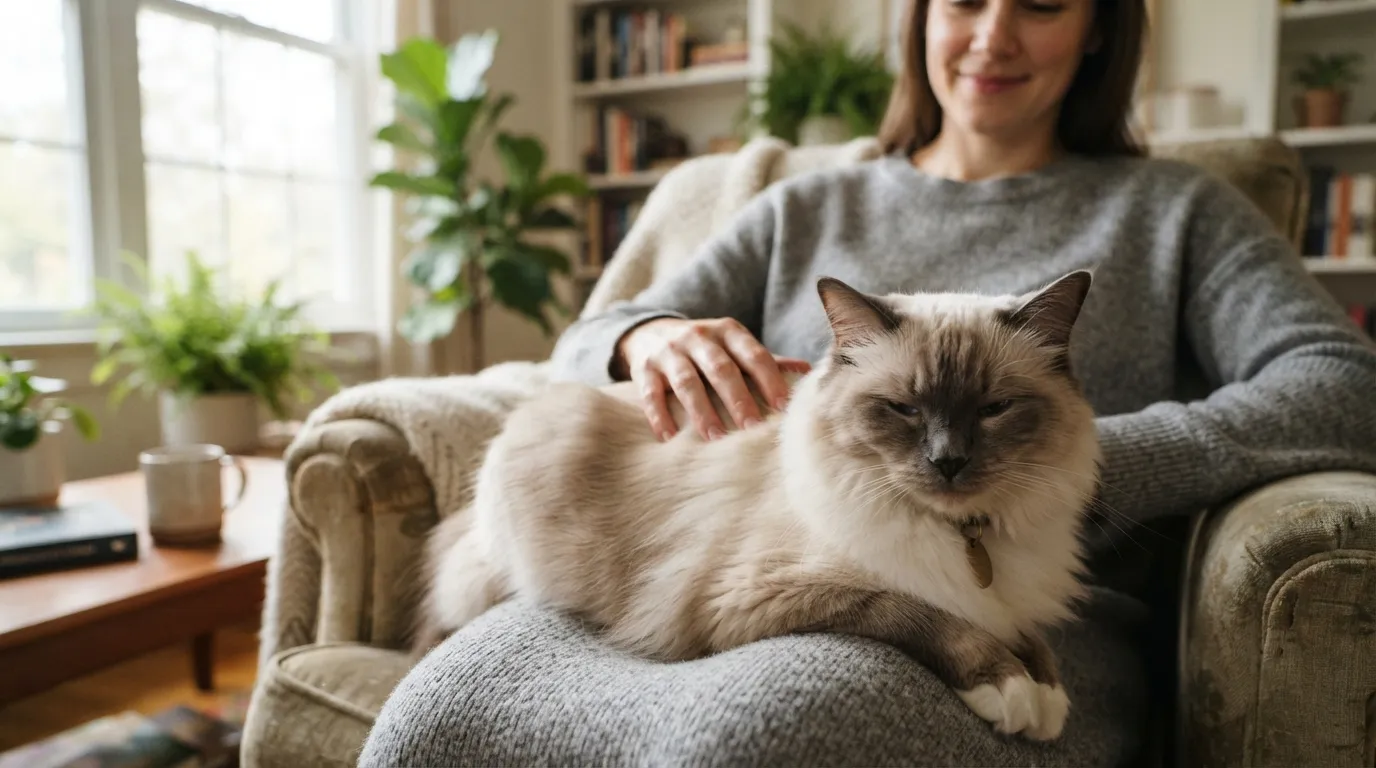
This isn't feel-good fluff. There's real physiology behind what a breed cat does to your body.
Petting or simply watching a calm cat has been shown to lower blood pressure, heart rate, and cortisol. That makes your cat more effective at stress relief than most wellness apps on your phone.
Cat ownership is also linked to lower heart disease risk and can help people cope with grief and loneliness through steady companionship.
A consistently calm breed cat makes those benefits more reliable than a jumpy, unpredictable pet ever could. The calmer the cat, the steadier the payoff - which leads directly into something breed cats do better than almost any other animal.
#8 - Their Loyalty Is Unlike Any Other Cat's

People say cats aren't loyal. People who say that have never owned a breed cat.
A British Shorthair's devotion is unmatched - they're not always lap cats, but they show love through slow blinks, gentle nuzzles, or simply staying in the room with you. Siamese cats go even further, vocally seeking out interaction throughout the day.
A cat has absolute emotional honesty: human beings, for one reason or another, may hide their feelings, but a cat does not.
Ernest Hemingway
The loyalty of a breed cat isn't loud or desperate - it's steady and completely genuine. That quiet devotion is something most dog owners spend years chasing, and it only gets richer over time.
#7 - They Fit Every Kind of Household
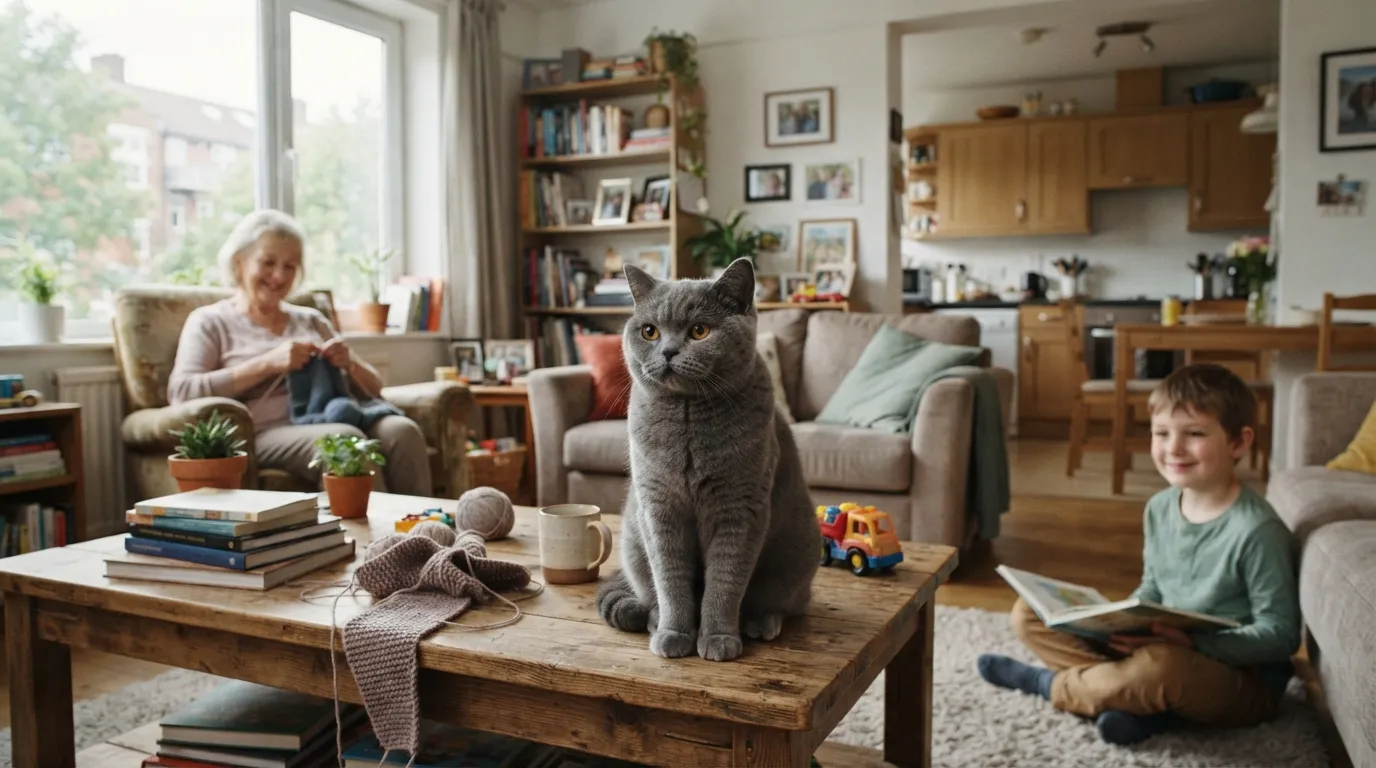
Single apartment dweller. Busy family. Retired couple. A breed cat genuinely doesn't care - it adapts.
Their friendly nature around children and easy adjustment to new environments make them a favorite across wildly different lifestyles. Whether it's a loud family home or a quiet studio apartment, the versatility shows.
British Shorthairs especially blend affection with independence, never demanding constant attention like some clingier breeds.
That flexibility is something almost no other pet can claim at this level. Most dogs are lifestyle-specific and most cats are unpredictable - breed cats are the rare exception, and their adaptability doesn't stop at the front door.
#6 - They Get Along With Other Pets Better Than You'd Expect
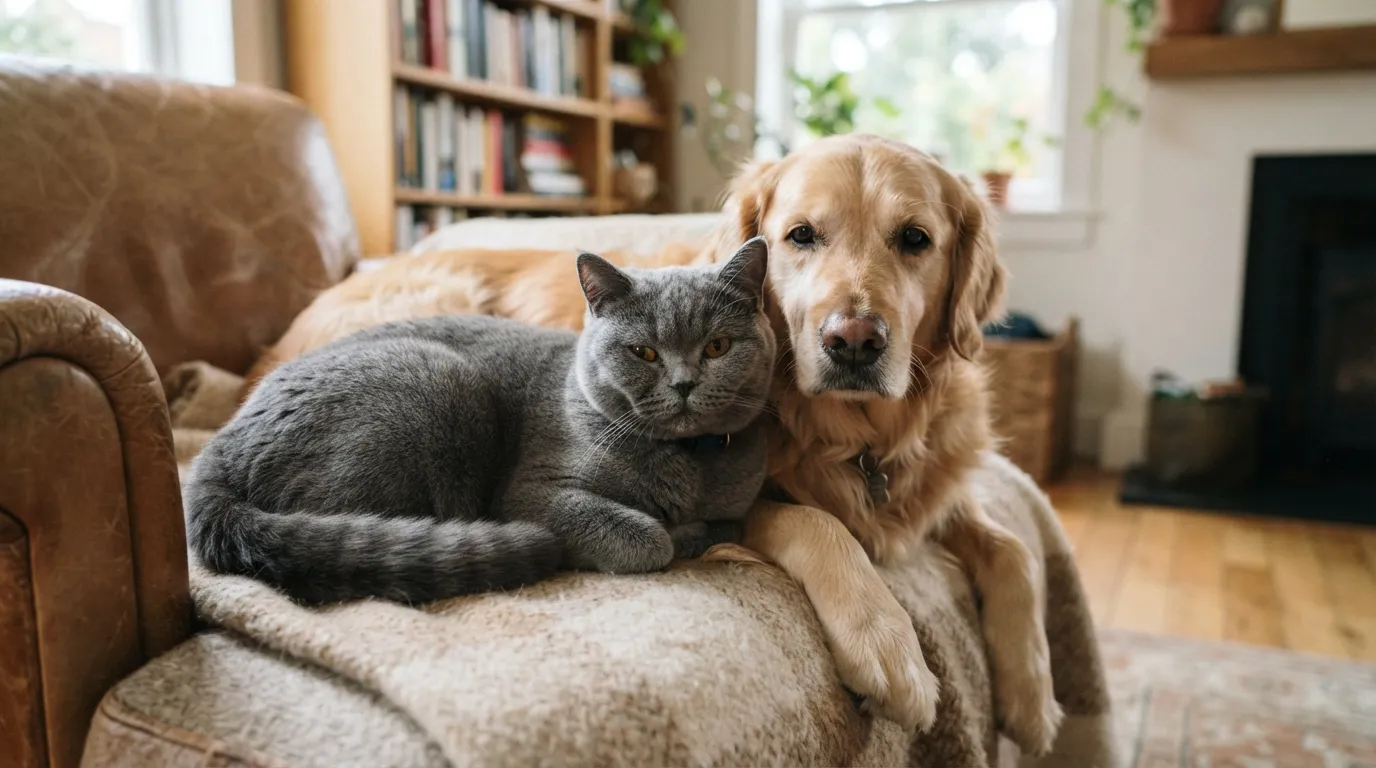
The stereotype says cats are territorial loners who hate sharing a home. Breed cats quietly wreck that myth every day.
British Shorthairs are known for getting along well with other cats, friendly dogs, and children - all without being overly vocal about it. That triple compatibility isn't accidental; it's bred in through generations of temperament selection.
Most people badly underestimate how smoothly a well-bred cat slots into a home that already has animals in it. The next trait surprises even experienced cat owners.
#5 - They Are Smarter Than They Let On
Breed cats don't do tricks at the dinner table for applause. That doesn't mean they're not watching, calculating, and understanding far more than you realize.
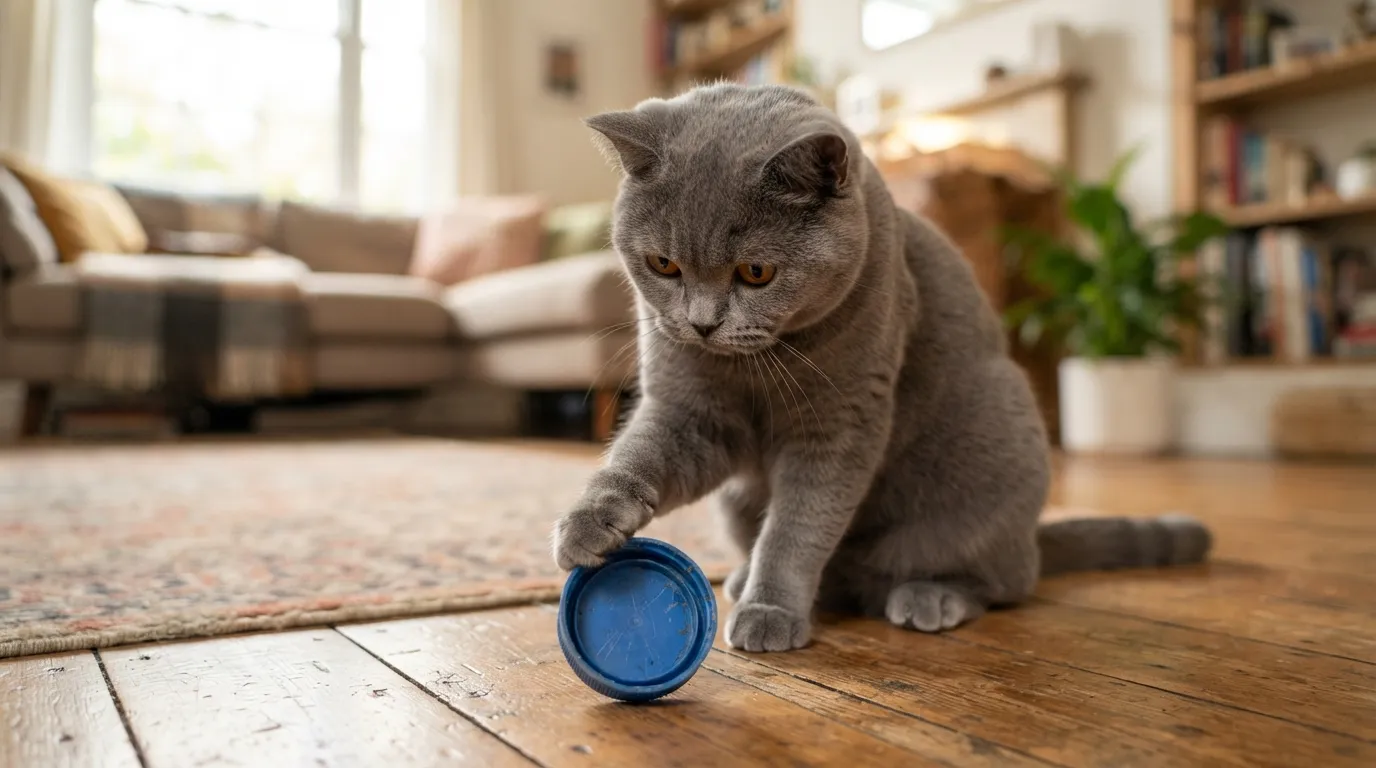
Certain breeds, including Siamese and Maine Coon, are routinely taught to walk on a leash, respond to their name, and follow simple commands. Even a British Shorthair will invent her own toy from a bottle cap if nothing better is around.
Fast Facts
- Siamese and Maine Coon cats are commonly leash-trained by owners
- Many breed cats learn to respond to their name within weeks of arriving home
- British Shorthairs are known to improvise toys from everyday objects like bottle caps
That intelligence isn't flashy, but it's consistent - and it's what makes breed cats so oddly in tune with your routines and moods. What happens when that intelligence lives in a low-maintenance body? That's next.
#4 - Their Grooming Needs Are Refreshingly Manageable
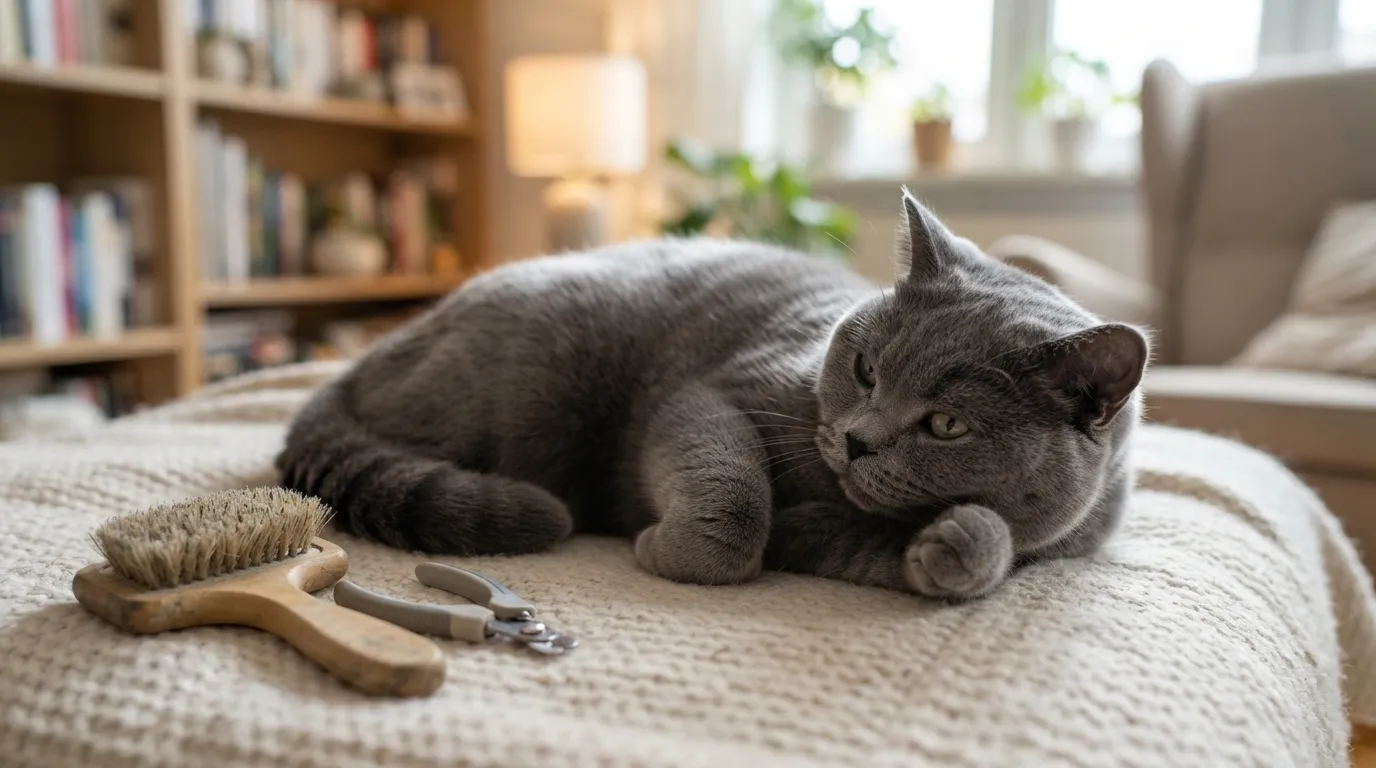
Here's the surprise most prospective owners never expect: many pedigree cats are far lower maintenance than their glamorous reputation suggests.
A British Shorthair's plush, dense coat needs just a weekly brush and occasional nail trim to look show-ready. That's remarkably little upkeep for a cat that can weigh up to 17 pounds.
The assumption that a beautiful coat means hours of daily grooming simply isn't true for most breed cats. That saved time goes straight toward the thing that actually matters most.
#3 - Reputable Breeding Means Healthier Cats Long-Term
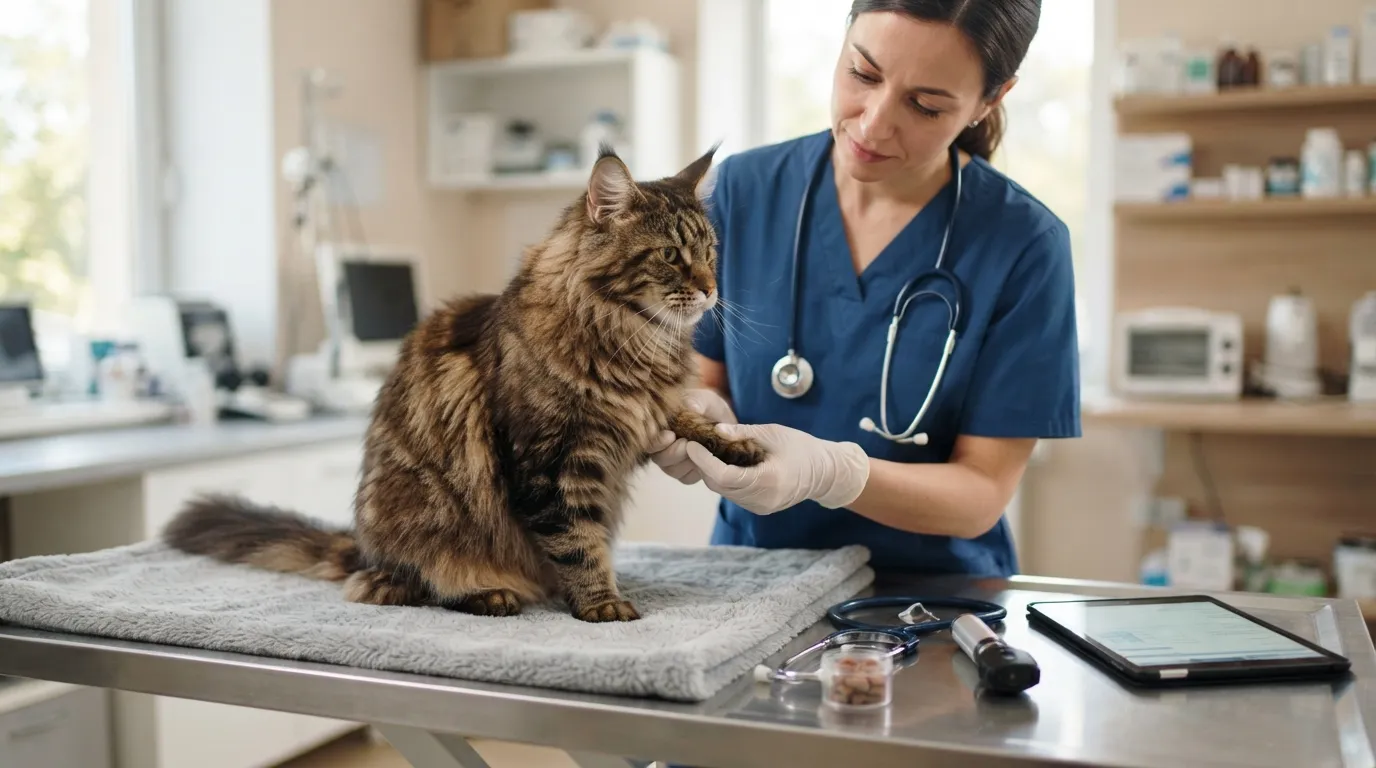
The dirty secret of random-bred cats is that you genuinely have no idea what health surprises are waiting down the road. With breed cats, the data already exists.
Reputable breeders follow strict practices specifically to reduce the risk of inherited genetic disorders. Many purebred lines have also gone through generations of health testing and formal certification programs.
Worth Knowing
- Hypertrophic cardiomyopathy (HCM) screening is standard practice for higher-risk breeds like Maine Coon, Ragdoll, and British Shorthair
- Polycystic kidney disease (PKD) testing is routine for Persians and Persian-influenced breeds
- DNA panels can flag dozens of inherited conditions before a kitten ever leaves the breeder
Knowing your cat's breed means knowing exactly what to watch for - and catching problems early. That proactive edge is one of the most underrated perks of breed ownership, and it leads straight into the second most important reason on this list.
#2 - They Bond So Deeply It Reshapes Your Daily Life

This is the one breed cat owners rarely admit out loud, because it sounds too intense. But it's real.
These cats thrive in stable environments and form a strong attachment to their home and family - not a passive one, but one that actively reshapes the rhythm of a house. British Shorthairs especially take a keen interest in daily routines, positioning themselves nearby as life unfolds around them.
This isn't the aloof, take-it-or-leave-it bond that cat stereotypes describe. It's patient, consistent, and runs far deeper than most people expect - which is exactly what makes the final reason the most important one on this list.
#1 - A Breed Cat Is the Only Pet That Combines Everything
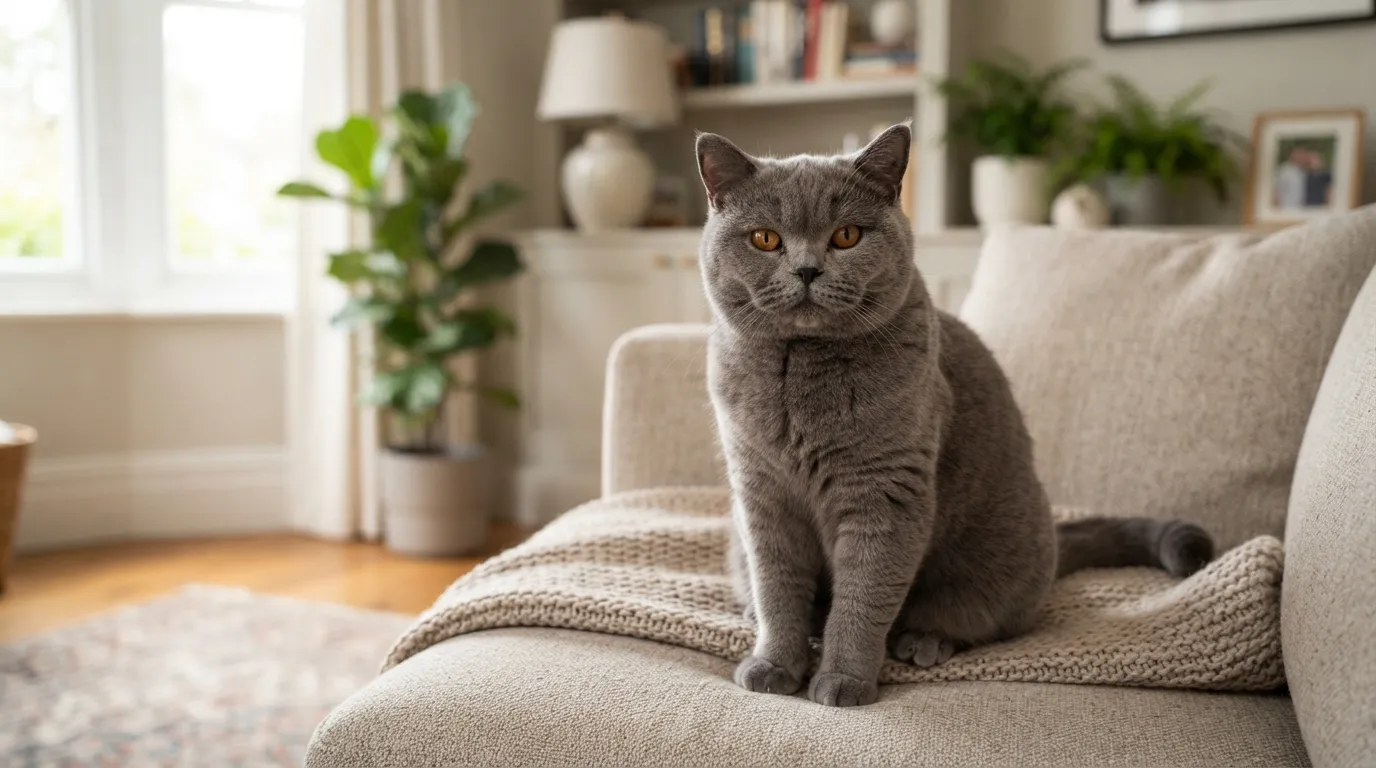
Every other reason on this list does some of this well. A breed cat does all of it - consistently, quietly, for 15 years or more.
Choosing a breed is a 15-year decision, so it's worth getting right. You get calm in a chaotic home, loyalty without clinginess, intelligence without destruction, low grooming demands, documented health, and a bond that deepens every single year.
The reason breed cat owners rarely go back to random-bred cats isn't snobbery. It's that once you've experienced the full package, everything else feels incomplete.
The Bottom Line
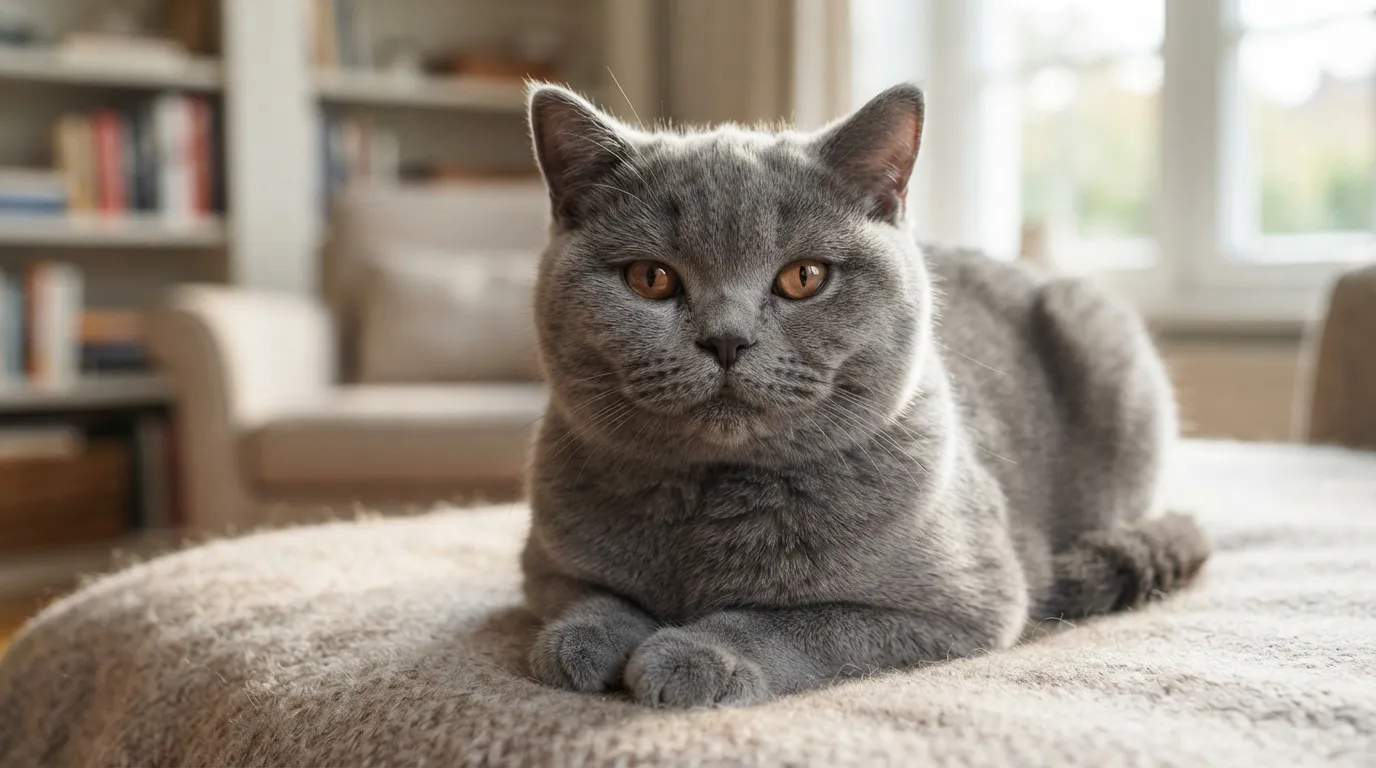
Most people underestimate what a breed cat actually delivers. Registry numbers, health data, and the lived experience of millions of owners all point the same direction.
Pedigree cats aren't bred just for looks - they're bred for temperament, refined generation after generation into a reliable standard. That standard means predictable calm, documented health, real loyalty, and a cat that fits your life instead of fighting it.
That's not luck. That's centuries of refinement, working for you every single day.
Which reason surprised you most - or did we miss one? Drop it in the comments.