14 Final Rituals a Devoted Cat Owner Should Never Rush Through
Most cat owners assume they'll know exactly what to do when the end comes. They won't - and that gap is exactly where the deepest, most stubborn grief takes root.
Pet hospice workers and grief counselors keep saying the same thing: the goodbye matters as much as the years that came before it. Fourteen rituals stand between a rushed, foggy ending and one you can actually live with - and most owners only discover #7 after it's already too late.
#14 - The Signs You're Too Scared to Admit You've Seen
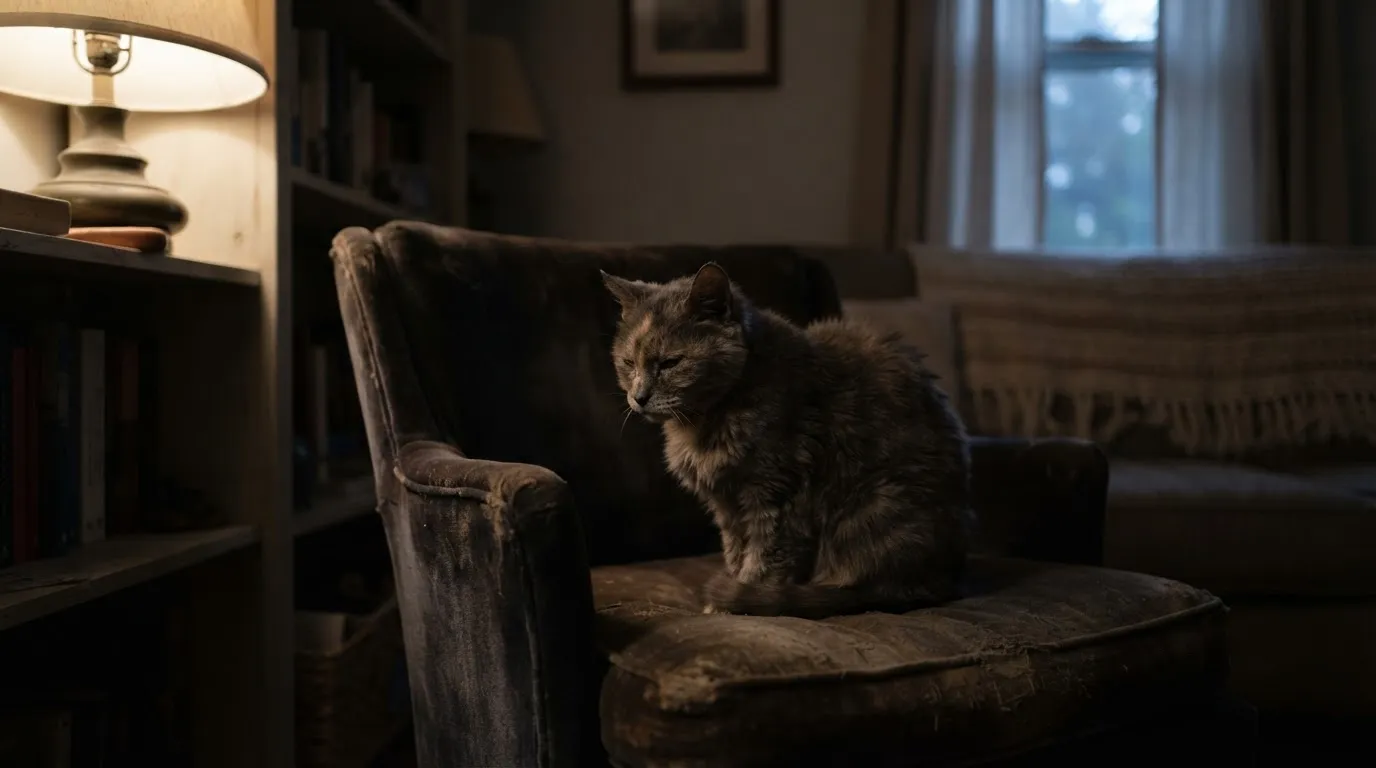
Most owners wait too long, not because they don't notice, but because they don't want to. Cats mask pain instinctively, so early distress can look like nothing more than a bad mood.
Watch for withdrawal, restlessness, sudden aggression, or a vocal cat gone quiet. These changes creep in slowly, which is exactly why so many owners miss them until it's undeniable.
The danger isn't ignorance - it's denial dressed up as hope. Don't wait for a dramatic collapse.
A vet visit at the first sign can mean the difference between a treatable illness and a missed window. Catching this early is what gives you time for every ritual that follows.
#13 - The Conversation Everyone Delays Until It's an Emergency
Skip this step, and every ritual after it becomes rushed and chaotic. Talk to your vet honestly about your cat's condition, before a crisis forces the conversation.
If the diagnosis is incurable, ask about palliative care, pain management, and euthanasia as a peaceful option - not a failure. Most owners don't realize this talk can happen calmly, weeks in advance, instead of in a parking lot at midnight.
A clear plan means you can be fully present later instead of scrambling. This one meeting changes everything that follows.
#12 - Why the Clinic Might Be the Wrong Choice
Most people default to the vet's office because it's familiar. That reflex can cost your cat the one thing they deserve most: peace.
If your cat struggles with car rides or clinic stress, in-home euthanasia offers a calmer alternative. One owner called it her cat's final wish - to pass in his own home, surrounded by everything he knew.
The place your cat spent their whole life in is the most comforting place to leave it. Ask your vet whether this option exists near you - it can reframe the entire experience.
#11 - The Room You Build Before It Happens
Don't leave the environment to chance. Gather familiar bedding, favorite toys, soft music, and the people your cat trusts most.
At a Glance
- Familiar bedding or a favorite blanket
- One well-loved toy within paw's reach
- Soft, low music - or simply quiet
- Only the people your cat already trusts
- A clear, unblocked exit path so nothing feels cornered
Cats read atmosphere with startling precision - a calm room with a clear retreat option feels safe, a chaotic one does not. Fifteen minutes of preparation can turn a clinical moment into a real farewell.
Build this space in advance, not in a panic. It's a gift you're giving before you even realize you need it.
#10 - The Rule You're Finally Allowed to Break
This one surprises almost everyone. Years of careful portions and diet limits - and at the end, none of it matters anymore.
Let your cat taste the tuna, the cream, the chicken they were never allowed. Appetite loss is one of the clearest signs the end is near, so any interest in food becomes a precious, fleeting moment.
This isn't about nutrition anymore. It's love made edible.
#9 - The Instinct to Pull Away, and Why You Shouldn't
Grief makes people flinch and retreat. That's exactly the wrong move here.
Hold your cat if you can. You've been their anchor for their entire life, and your voice is one of the most familiar sounds in their world.
Cats read human emotional cues closely, even without understanding words. Speaking softly isn't for nothing - it's one ritual you can never redo.
#8 - The Minutes After: Don't Rush Away
Society tells you to move fast, let the vet handle it, get back to normal life. That instinct can quietly wreck your own grieving process.
Some owners stay an hour, or even overnight, surrounded by candles in a makeshift vigil. One owner brought her cat home for a short wake - afterward, she wished she'd taken even more time.
There's no rulebook for how long is "too long." Staying with your cat's body is a legitimate part of grief, not something to feel embarrassed about.
#7 - The Keepsake Almost Everyone Forgets to Ask For
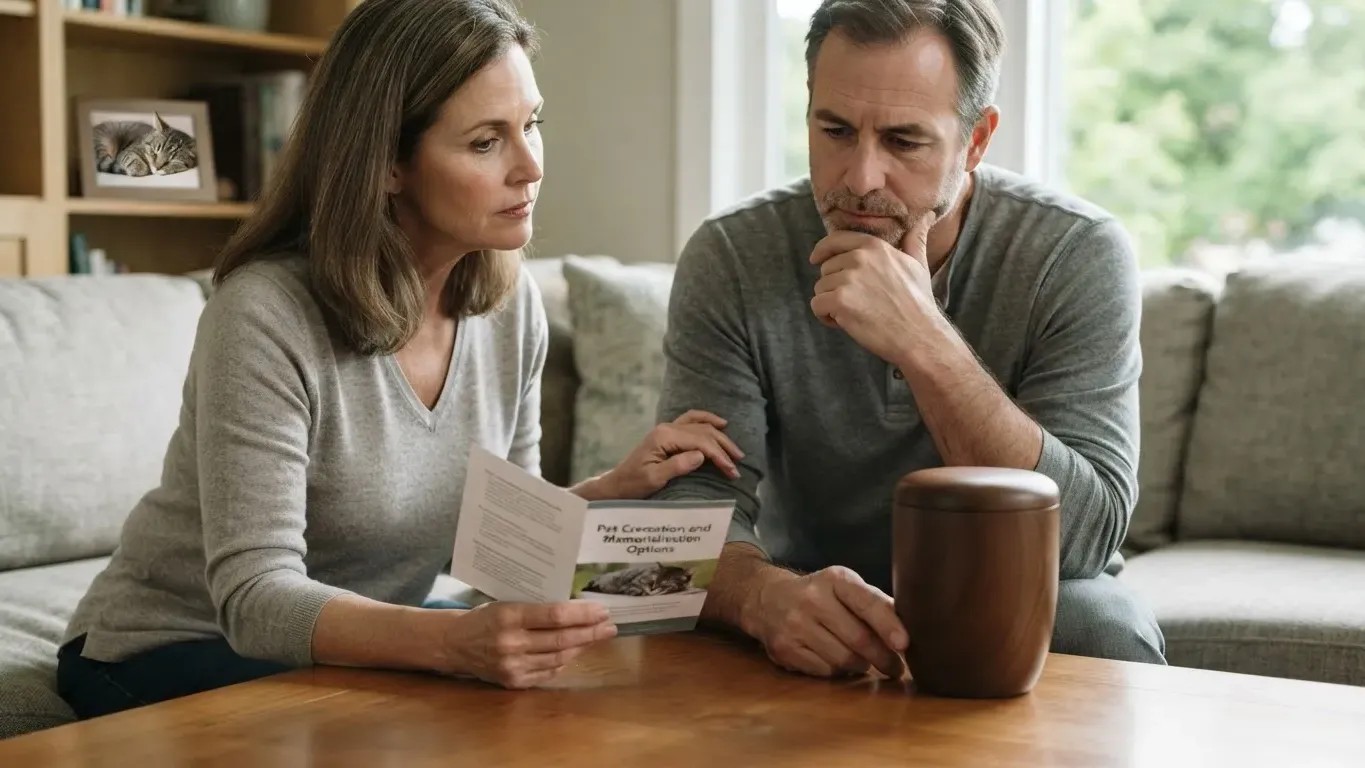
This is the ritual owners regret skipping more than any other. If touching your cat feels too hard, ask your vet for a clay paw print, an ink print, or a small clipping of fur.
Many hospice providers offer memorial pillow-boxes holding a lock of fur, or small keepsakes designed to hold a bit of ash. These objects become anchors for grief - something real to hold when memory alone isn't enough.
Ask before the appointment. Don't wait until it's already over.
#6 - What Your Other Cats Need to See
Almost nobody talks about this one, and the silence creates weeks of quiet heartbreak. Surviving cats often spend days searching for a companion who isn't coming back.
Researchers who surveyed hundreds of cat owners found that surviving cats commonly sought more attention, ate less, slept more, and appeared to search for their missing companion. Let them sniff and acknowledge the body before it's removed - it's how they understand their friend is gone.
"It made me a little more optimistic that they are forming attachments with each other."
Jennifer Vonk, psychologist, Oakland University
This small, easily-skipped step changes how your remaining cats grieve. It's a courtesy for the living, not just the departed.
#5 - The Candle, the Poem, and Why Ceremony Matters
It sounds small. It lands hard. A candle lit and extinguished, a poem read aloud, flowers placed nearby - these are small acts that give shape to a moment that otherwise feels formless.
Structure is what separates traumatic grief from grief that can actually move forward. You don't need a script or a religious framework - you need intention.
Grief specialists say going slow through ritual is what keeps mourning from stalling entirely. It's one of the cheapest, most powerful tools on this list.
#4 - The Gathering Most People Skip Out of Habit
Grief kept private tends to fester. Most people quietly absorb a cat's death completely alone, assuming that's just how it's done.
Invite two or three people who loved your cat to share a favorite memory - it often becomes the most meaningful part of the whole goodbye. Laughter shows up here too, and that's allowed.
Why It Stands Out
- Turns solitary grief into shared memory
- Gives everyone permission to laugh as well as cry
- Surfaces stories you might otherwise forget
- Often becomes the moment people remember most clearly
You don't need a eulogy or perfect words. Speaking from the heart, badly, is still enough.
#3 - The Decision You Shouldn't Make in a Panic
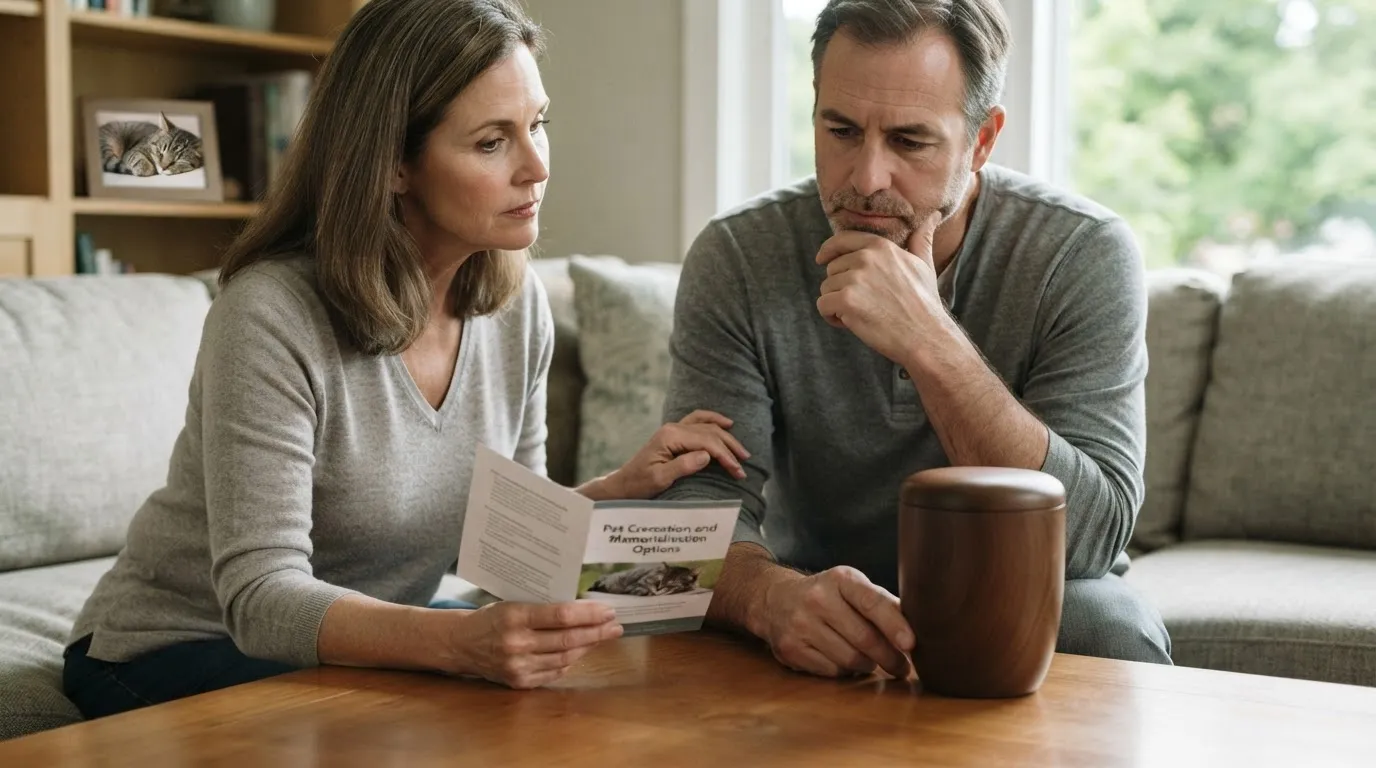
Where your cat's body goes matters more than most people admit in the moment. Burial gives you a specific place to return to; scattering ashes can feel right for a cat who loved the outdoors.
The worst version of this decision happens in a parking lot, alone, under pressure. Talk it through with whoever shares this loss with you before the day actually arrives.
Give this choice the weight it deserves, ahead of time. You'll thank yourself later.
#2 - The Grief You're Not "Allowed" to Feel, Except You Are

This is where devoted owners fall apart quietly, convinced they're overreacting. Society still minimizes pet loss, and that minimization causes real damage.
Losing a cat can mean losing a piece of your identity, your daily rhythm, your sense of family. That's not dramatic - that's accurate.
Fast Facts
- A national cat loss hotline, (855) 352-LOVE, offers free weekday support
- Tufts University runs a pet loss hotline staffed weekday evenings
- The AVMA publishes a public list of pet loss support hotlines and resources
- Support is confidential, free, and built specifically for grieving pet owners
This grief is real, and most people don't even know these resources exist. Use them without apology.
#1 - The One Ritual That Outlives the Grief Itself
Every ritual on this list matters. This is the one that doesn't end when the mourning does.
Build a memory box - photos, a lock of fur, a paw print, a favorite toy, a note sealed inside. Some owners plant a tree; others get a memorial tattoo, turning pain into something permanent and visible.
The form doesn't matter. The intention does. A memorial built with care is proof the love was real and the bond never actually ended.
The Goodbye You Won't Regret
Most devoted cat owners are unprepared for this moment - not from lack of love, but because nobody talks about it honestly. Rushing or skipping these rituals is one of the most common causes of grief that never fully resolves.
Structure, ceremony, and simple presence make a measurable difference in how you heal afterward. From the first honest vet conversation to the memorial you build years later, every one of these steps is really just an act of love.
Your cat spent years being quietly, completely devoted to you. The least you can do is refuse to rush the goodbye.