14 Reasons Your Cat Sees You as Its Parent, Not Its Owner
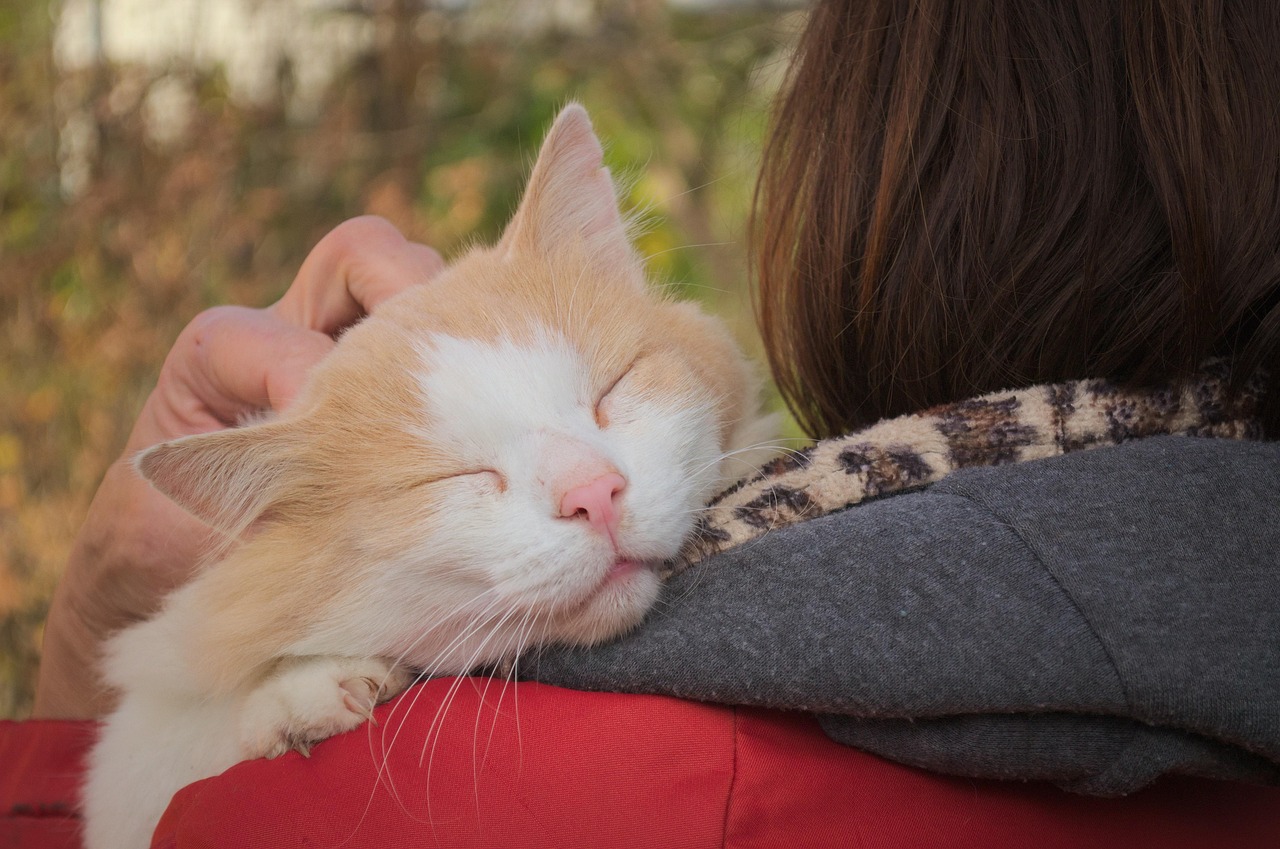
Most cat owners assume their feline is basically a tiny, furry roommate who tolerates them in exchange for food and a warm windowsill. That assumption is dead wrong. A growing body of behavioral science says cats don't file their humans under "staff" or even "friend" - they file you under "mom."
From nursing-style kneading to stress hormones spiking the second you close the bathroom door, the evidence keeps piling up that your cat's brain treats you exactly the way a kitten treats its mother. Fourteen behaviors prove it - and once you get to the meowing one, you'll never hear your cat's voice the same way again.
#1 - The Science Finally Proved It: Cats Form Real Parent-Style Attachments
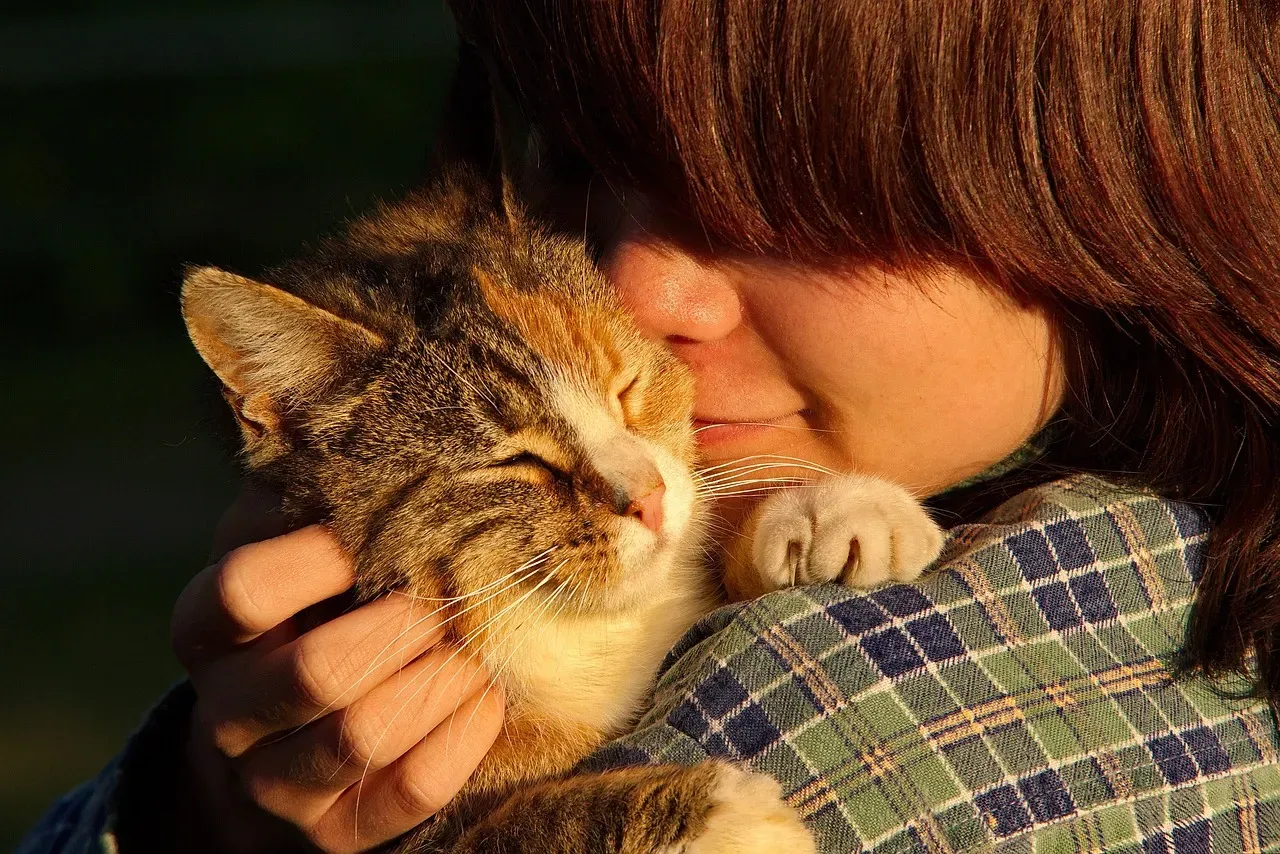
For decades, the "cats are independent, dogs are loyal" narrative went unchallenged because nobody had actually tested it properly. That changed when Oregon State University researchers ran a modified version of the classic infant attachment test - called the Secure Base Test - on cats instead of babies.
The setup was simple: the study used a Secure Base Test conducted on 70 kittens aged 3 to 8 months, and almost all of the kittens were classified into attachment styles, with 64.3% being "securely attached." Each kitten spent two minutes with its caregiver, two minutes alone, then was reunited for two more minutes. The numbers matched human infants almost exactly. Researchers noted attachment to humans may represent an adaptation of the offspring-caretaker bond, and in humans, 65% of infants are securely attached to their caregiver. The lead researcher put it bluntly: "the majority of cats use their owner as a source of security. Your cat is depending on you to feel secure when they are stressed out." That's not a description of a landlord-tenant relationship - that's a parent-child bond, measured with the same scientific tool used on toddlers. Wait until you see what's happening on your lap right now.
Fast Facts
- Study sample: 70 kittens, ages 3-8 months
- Test used: the Secure Base Test - the same protocol originally designed for human infants
- Result: 64.3% of kittens showed a secure attachment style
- Comparison point: roughly 65% of human infants show secure attachment to their caregiver
#2 - Kneading Isn't a Cute Quirk - It's a Baby Behavior Aimed at You
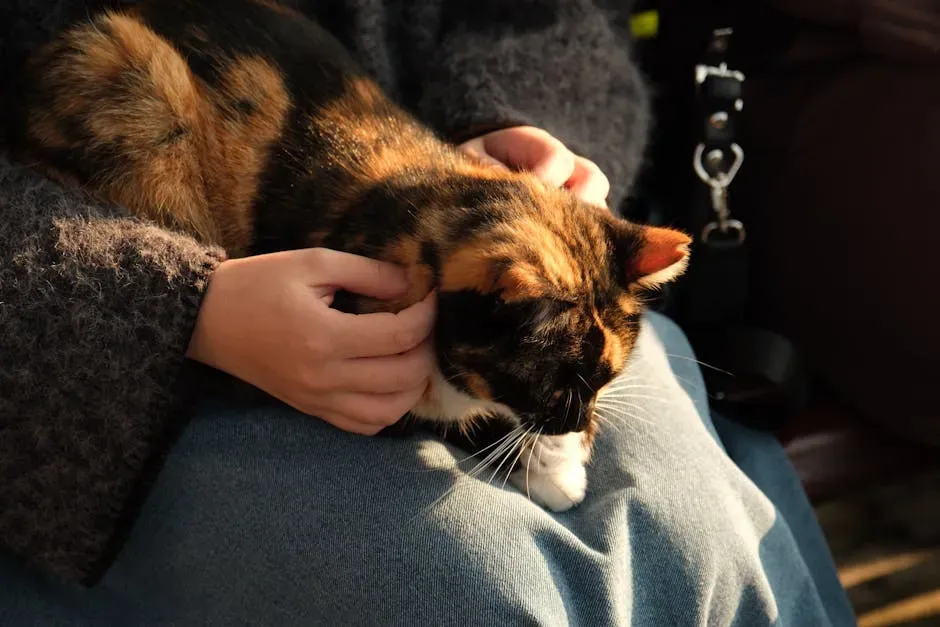
Every cat owner has felt those rhythmic little paw-presses on their lap and called it "making biscuits." Almost nobody realizes what that motion actually is: a leftover nursing reflex your cat never unlearned.
Kneading and biting at blankets or similar are normal cat behaviors, thought to mimic the action of a kitten toward a mother cat as they nurse for milk. The behavior starts in the first weeks of life - newly born kittens are highly dependent on their mother for nutrition, and are often observed to knead and bite at their mother's nipples, which is thought to stimulate milk production. Adult cats don't need to do this anymore, yet most keep doing it anyway. Behaviorists say the motion has become permanently linked to comfort. As one cat behaviorist explained, kneading "is a form of affection that demonstrates a close bond between the cat and human, almost as if the cat sees them as a mother figure." If your cat kneads your stomach, your sweater, or your actual thigh at 2 a.m., it isn't randomly testing dough. It's replaying the exact motion it used to survive as a newborn - and it's doing that motion on you specifically. It gets even stranger once you clock what your cat does to your sleeve.
#3 - Suckling on Your Sleeve Is a Direct Callback to Nursing
If your cat has ever latched onto your shirt collar, earlobe, or fingertip and started sucking like it's trying to nurse, you weren't imagining things. This is a documented, named behavior - and it's almost always tied to how early the cat left its mother.
Kittens taken away from their mothers before they are fully weaned may develop a habit of kneading a human whom they have adopted as a maternal figure, and may also attempt suckling their ear, eye, nose, toe, hair, shirt, socks or fingers. Vets confirm the pairing is common: "when kittens are nursing, the act of suckling on their mother provides them not only with nutrition, but also comfort and security," and some cats continue sucking on soft objects - such as blankets, T-shirts or even their pet parent's fingers - into adulthood. This isn't a behavioral problem, and vets explicitly warn against punishing it - that only increases stress. It's a straight-up substitution: you've replaced the mother cat as the source of comfort, and your cat's body still runs the old nursing script when it needs to self-soothe. And then there's the sound your cat has apparently invented just for you.
#4 - Your Cat Has a Special "Voice" Reserved Only for You
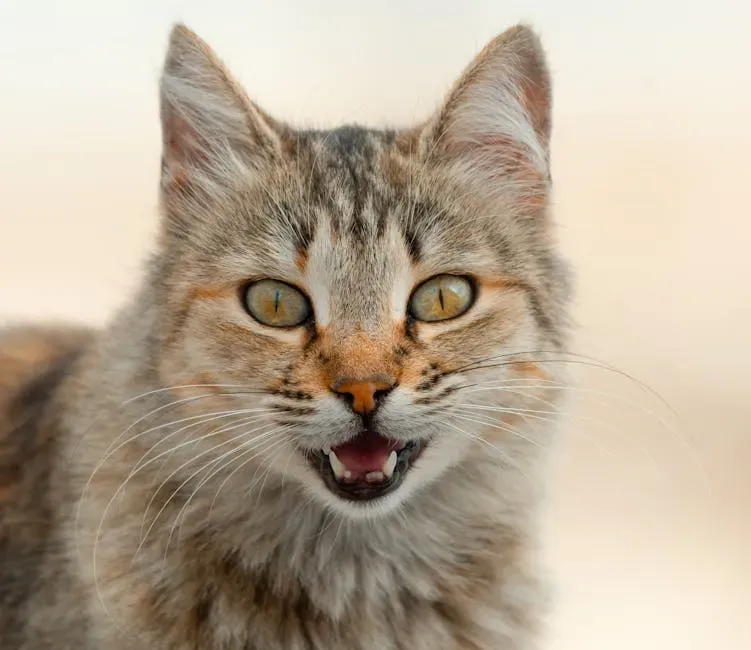
Here's a detail that surprises even long-time cat owners: adult cats almost never meow at other cats. They save that sound almost exclusively for humans.
Kittens meow to let their mother know when they're hungry or cold, but as they get older, they generally outgrow this behavior, and adult cats tend not to meow to other cats because they can effectively communicate in other ways - primarily through scent, body language, touch, and facial expressions. So why do they still meow at you constantly? Because, as feline behaviorists explain, cats try to communicate with humans using those same subtle methods but have learned we're not very good at picking up on them - which is why they use meowing as a more effective way to communicate with people to have their needs met. In other words, your cat invented a whole vocal language just for you - the same way a preverbal toddler cries to signal needs to a parent instead of another child. Every other cat in the house gets silence and scent. You get an entire dialect built from scratch. Which brings us to the goriest evidence yet.
#5 - Those "Gross" Dead Mouse Gifts Are a Parenting Lesson in Reverse
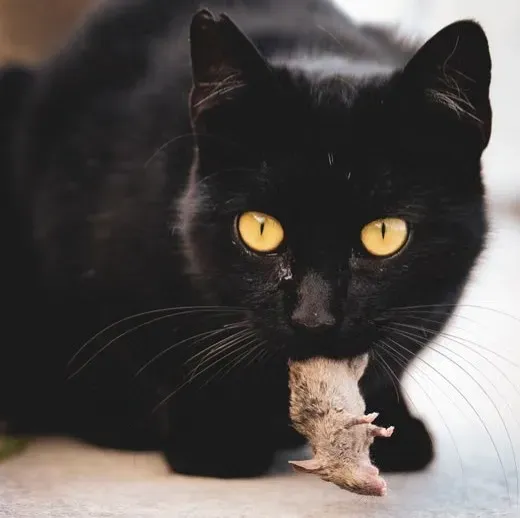
Nothing tests the "my cat loves me" theory quite like waking up to a dead vole on your pillow. But behaviorists argue this moment is actually one of the clearest signs your cat has cast you in a parental role - just flipped upside down.
Cornell veterinary behaviorist Katherine Houpt explains cats are born with a chasing and hunting instinct but not necessarily the skill to go with it, and the mother cat teaches her kittens to kill and eat prey. The lesson happens in stages: the mother cat begins by bringing home dead mice or other prey and eating them in front of the kittens, and the kittens soon catch on and join in. Your cat, as an adult, appears to run this exact script on you. One theory holds your cat thinks you are a clumsy kitten who needs to learn how to hunt - when it presents you with a dead mouse, it may see you as a beloved but incompetent member of the family, having noticed you never catch your own mice. Interesting side note: spayed females are statistically the most likely to do this - likely because they have no kittens of their own left to teach. Whether you find it sweet or stomach-turning, this is textbook parent-to-offspring teaching behavior, aimed squarely at you. Compare that to something almost hypnotic: the slow blink.
#6 - The Slow Blink Is a Trust Signal Copied from Kittenhood
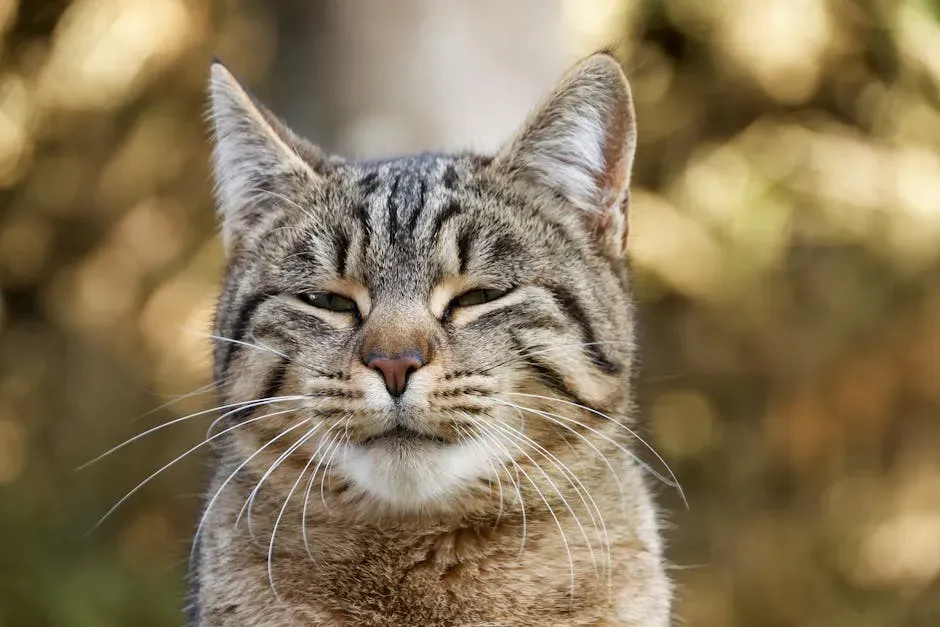
If your cat has ever locked eyes with you and slowly closed its eyes halfway, you were witnessing one of the most scientifically confirmed forms of cat-human communication that exists.
University of Sussex researchers ran controlled experiments and found cats are more likely to slow blink at their owners after their owners have slow blinked at them, compared to when they don't interact at all. It gets more compelling - this signal works even with total strangers. A second experiment found cats were more likely to approach an unfamiliar researcher's outstretched hand after the researcher slow blinked at them, compared to a neutral expression. Scientists describe the expression as "a feline smile, signalling safety and trust." Most owners have no idea this is a two-way conversation, not a random cat mannerism. Unlike dogs, who bond through prolonged direct eye contact, cats had to evolve a softer signal - because in the animal world, an unbroken stare reads as a threat. The slow blink is your cat telling you, in its native language, that you're safe. That's the same non-verbal trust exchange an infant learns to read on a parent's face. Then there's the head-butt you get every single morning.
#7 - Head-Bunting You Is How Kittens Mark Their Family
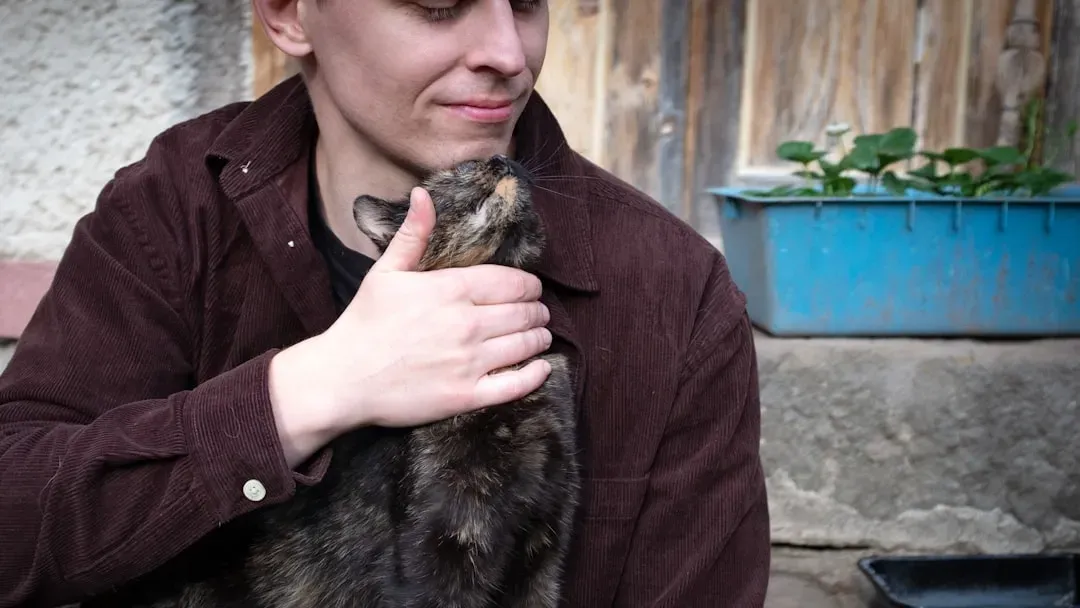
That head-butt your cat gives your shin, your hand, or your face every morning isn't affection in the vague, generic sense people assume. It's a deliberate act of chemical family-branding.
When your cat rubs its face against your leg or butts its head into your hand, it's depositing scent from glands along its forehead, chin, lips, and cheeks. Scientists studying feline social behavior describe the purpose plainly: your cat views you as a familiar, trusted social partner who belongs to its group - it knows your face, your voice, and your moods, and it marks you with its scent to broadcast your shared affiliation. This is the same mechanism kittens use inside a litter to signal "this individual belongs to my family unit." A slightly controversial take worth sitting with: some behaviorists argue this scent-marking matters more to cats than physical affection itself - meaning the head-bunt your cat gives you every morning may carry more emotional weight in feline terms than a long cuddle session does. Either way, it's not a passive gesture. It's your cat actively filing you under "family." Which explains why your cat treats hallways like a group project.
#8 - Following You Room to Room Mirrors How Kittens Track Their Mother
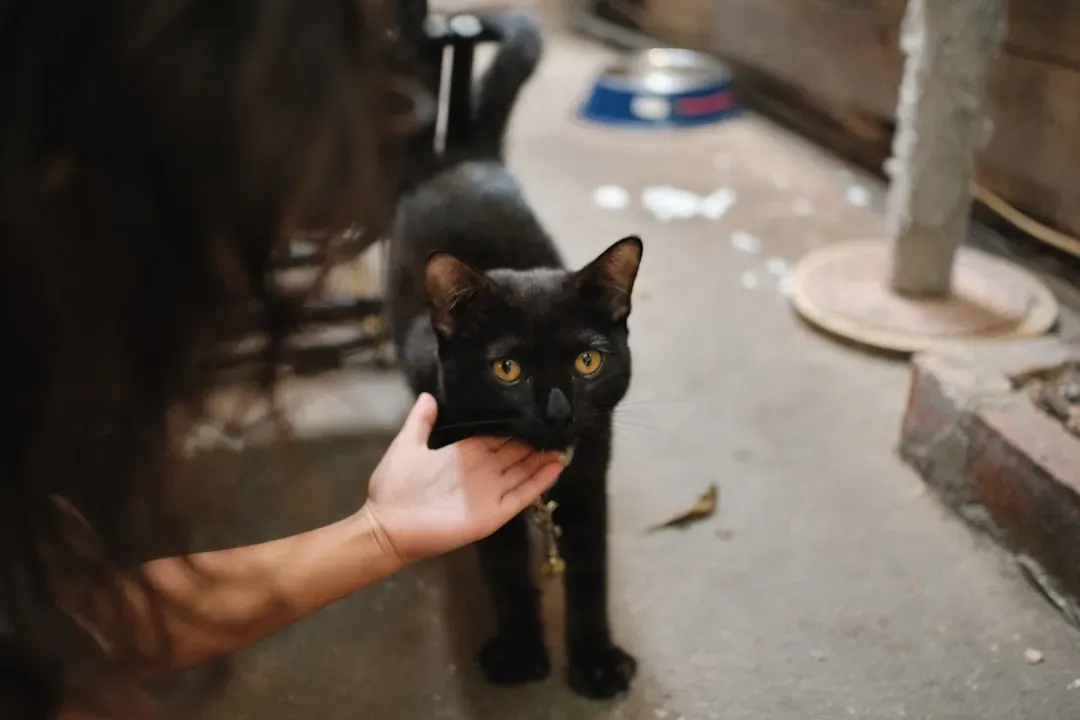
If your cat trails you from the kitchen to the bedroom to the bathroom like a tiny furry shadow, that's not nosiness. It's an instinct pulled straight from the earliest weeks of kittenhood, when staying within sight of the mother cat was a survival requirement.
In the wild and in multi-cat households, kittens physically cannot afford to lose track of the one adult responsible for their food, warmth, and protection. That tracking instinct doesn't disappear once a kitten grows up in a human home - it just gets redirected at the human. Cats that were weaned early or bottle-raised tend to show this shadowing behavior even more intensely, because the human caregiver effectively became the only stable attachment figure they ever had. This is also why so many cats seem to "supervise" mundane tasks like laundry, cooking, or getting dressed - they aren't bored, they're maintaining proximity to their attachment figure the same way a toddler hovers near a parent in an unfamiliar space. It's a quiet, constant behavior that rarely gets credit as a bonding signal, mostly because it looks like simple curiosity rather than the emotional dependency it actually represents. And this pattern never actually ends - here's why.
Worth Knowing
- Kittens instinctively stay near their mother to secure food, warmth, and protection
- Cats weaned early or bottle-raised often shadow their humans even more closely
- "Supervising" chores like laundry or cooking is proximity-seeking, not curiosity
- The behavior mirrors how toddlers hover near a parent in unfamiliar settings
#9 - Cats Never "Grow Up" Around the People They Depend On
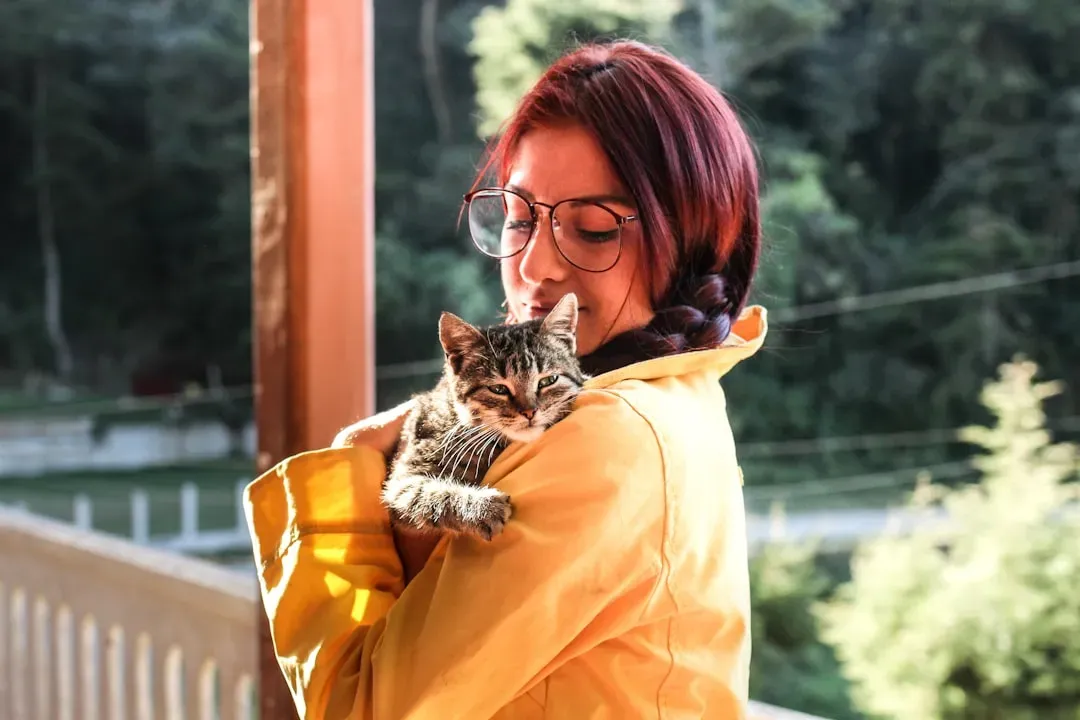
Here's the detail that ties almost every other item on this list together: domestic cats are one of the only animals that retain juvenile behaviors well into adulthood - and it happens specifically because of their relationship with humans.
Researchers found that because cats are like most domesticated animals, they retain some juvenile traits as they age, and their attachment behavior stays flexible as a result. This scientific concept - often called neoteny - explains why an adult cat will still knead, suckle, chirp, and seek constant physical reassurance the way a kitten would, instead of graduating into fully independent adult behavior the way wild felines do. Most owners assume their cat is simply "affectionate by nature." The more accurate explanation is that domestication essentially trapped cats in a permanent kitten-like relationship with their caregivers. Wild cats mature out of this dependency once they leave their mother's territory. Domestic cats, because they never truly leave, keep running kitten-era social software for their entire lives - with you standing in as the permanent maternal figure that software is aimed at. Now for the part that should make you feel a little guilty.
#10 - Your Absence Stresses Them Out Like a Child Missing a Parent
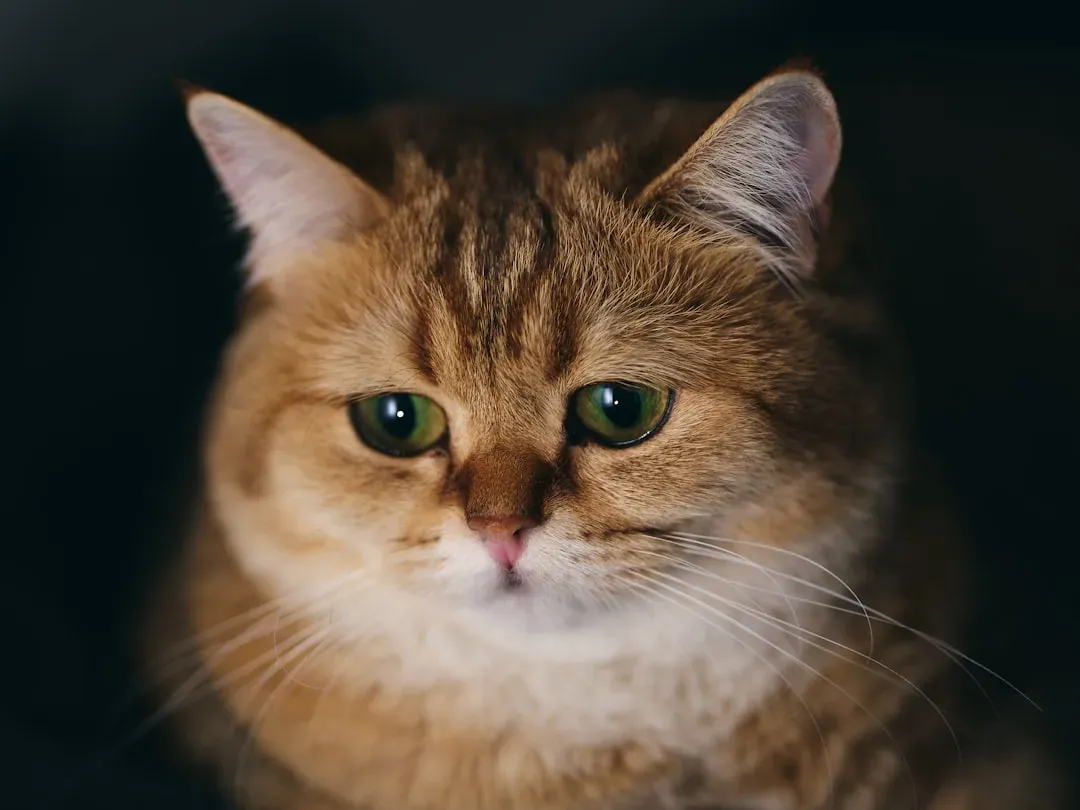
If you've ever felt guilty leaving your cat home alone for a long weekend, your instincts weren't misplaced - there's hormonal evidence backing up that guilt.
A study measuring hormones in cats found that urinary oxytocin and cortisol were both higher when cats were deprived of human social contact, suggesting that the absence of human interaction is genuinely stressful, and your cat notices and feels the difference when you're not around. This lines up directly with the original attachment study, where kittens displayed a secure attachment style, meaning they were distressed when their caregiver left the room but displayed a healthy balance of attachment and exploration when they came back. That's a textbook description of separation anxiety - the same clinical term used for toddlers. A slightly unpopular opinion worth raising here: plenty of owners assume cats are emotionally low-maintenance because they don't whine at the door like dogs. The hormone data suggests the opposite - cats may simply be worse at showing distress outwardly while still experiencing it biologically, which arguably makes it more important, not less, to take their attachment seriously. Purring complicates the picture even further.
#11 - Purring Doubles as a Built-In Cry for Attention
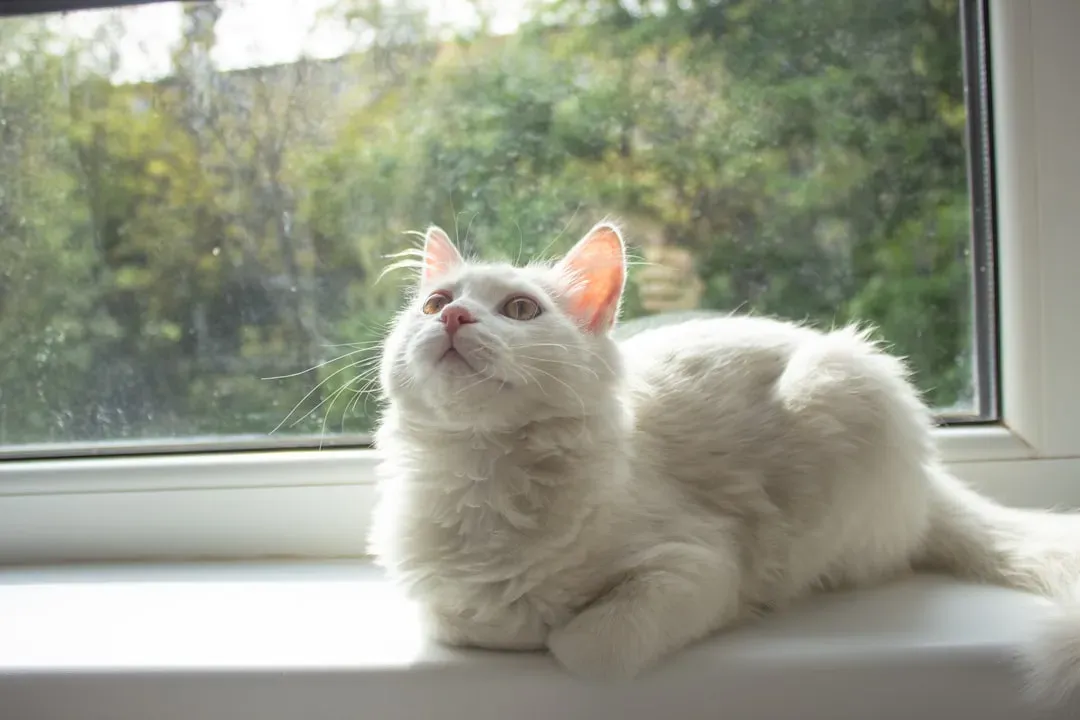
Purring gets marketed as the ultimate symbol of a happy, relaxed cat - and often it is. But cats have also learned to weaponize the sound specifically when they want something from a human, especially food or attention, in a way they rarely bother with toward other cats.
The behavior lines up with everything else on this list: cats develop a communication style aimed almost entirely at humans because it gets results, the same way the "meow-only-for-people" pattern developed. Kittens purr from just days old, almost always in the context of nursing, feeding, or being close to their mother - meaning the sound itself is baked into the earliest caregiving relationship a cat ever experiences. When an adult cat curls against you and starts purring while gently pawing at your arm for food or attention, it's reactivating the exact emotional context purring was built for in the first place: signaling need to a caregiver, and getting a response. Owners tend to interpret every purr as pure contentment. In reality, a large share of adult purring functions as a request - proof your cat still treats you as the party responsible for meeting its needs, not a peer. Then there's the tongue-bath you didn't ask for.
Quick Compare
- Nursing purr: starts within days of birth, tied to feeding and closeness to mom
- Contentment purr: low and steady, happens when a cat is simply relaxed near you
- Solicitation purr: paired with pawing, meowing, or head-butting to actively request food or attention
#12 - Grooming You Back Is a Kitten's Way of Saying "You're Mine"
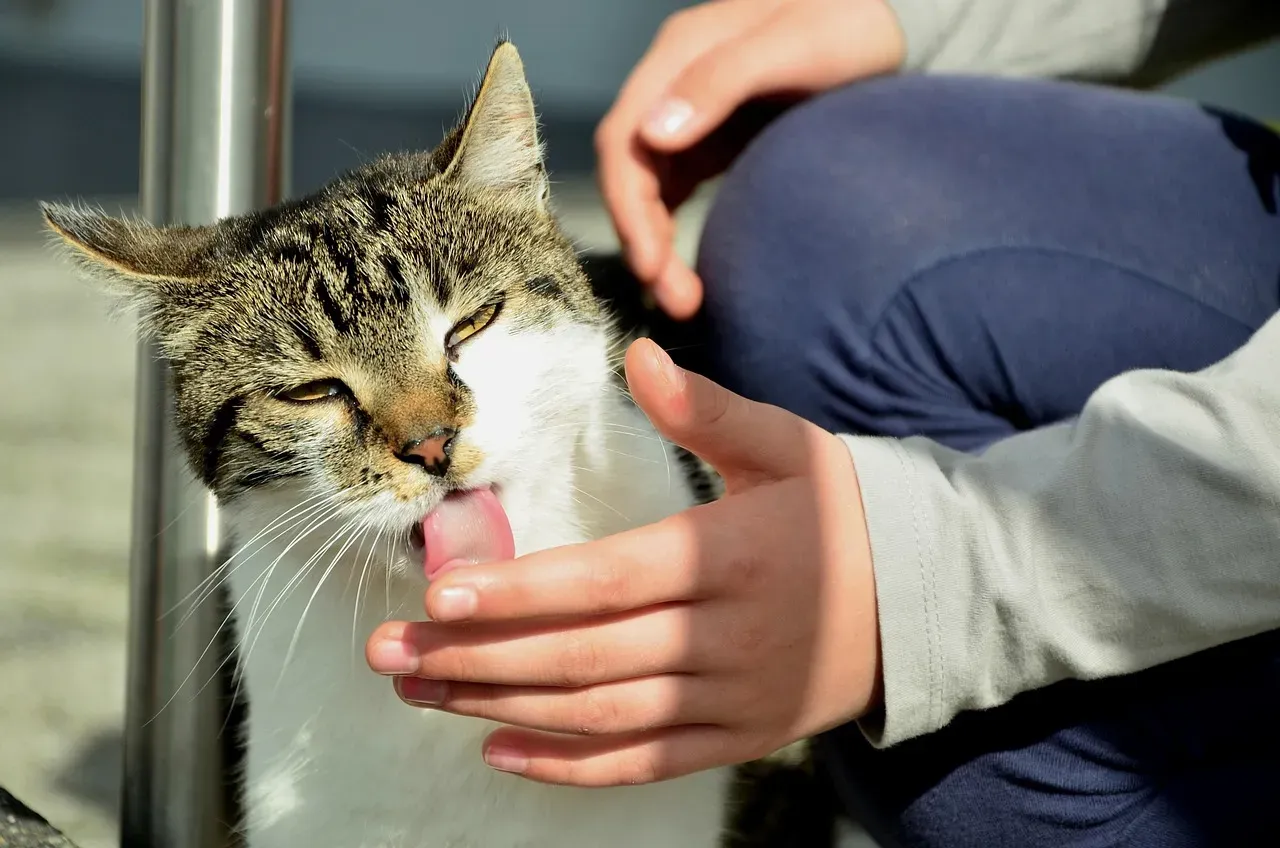
When your cat licks your hand, your hair, or your arm, it's running a bonding ritual that started the moment it was born - one originally reserved exclusively for its mother and littermates.
Mother cats groom kittens constantly in the first weeks of life, and that grooming does double duty: it keeps kittens clean, and it cements the social bond within the litter. Cats that groom their owners are extending that exact same maternal-bonding behavior to a human, which is notable because grooming outside the litter is rare in adult cat social structures. Feral and outdoor cats generally reserve mutual grooming, called allogrooming, for close family members they've known since birth. When a domestic cat grooms an owner it wasn't born alongside, it's essentially manufacturing a family-level bond from scratch. Some behaviorists consider this one of the strongest indicators of attachment on this entire list, because unlike meowing or head-bunting, grooming has no practical survival function directed at humans - it exists purely to reinforce the relationship. If your cat licks you unprompted, it isn't grooming a "person." It's grooming family. Bedtime tells its own story too.
#13 - Sleeping Pressed Against You Recreates the Nursing Pile
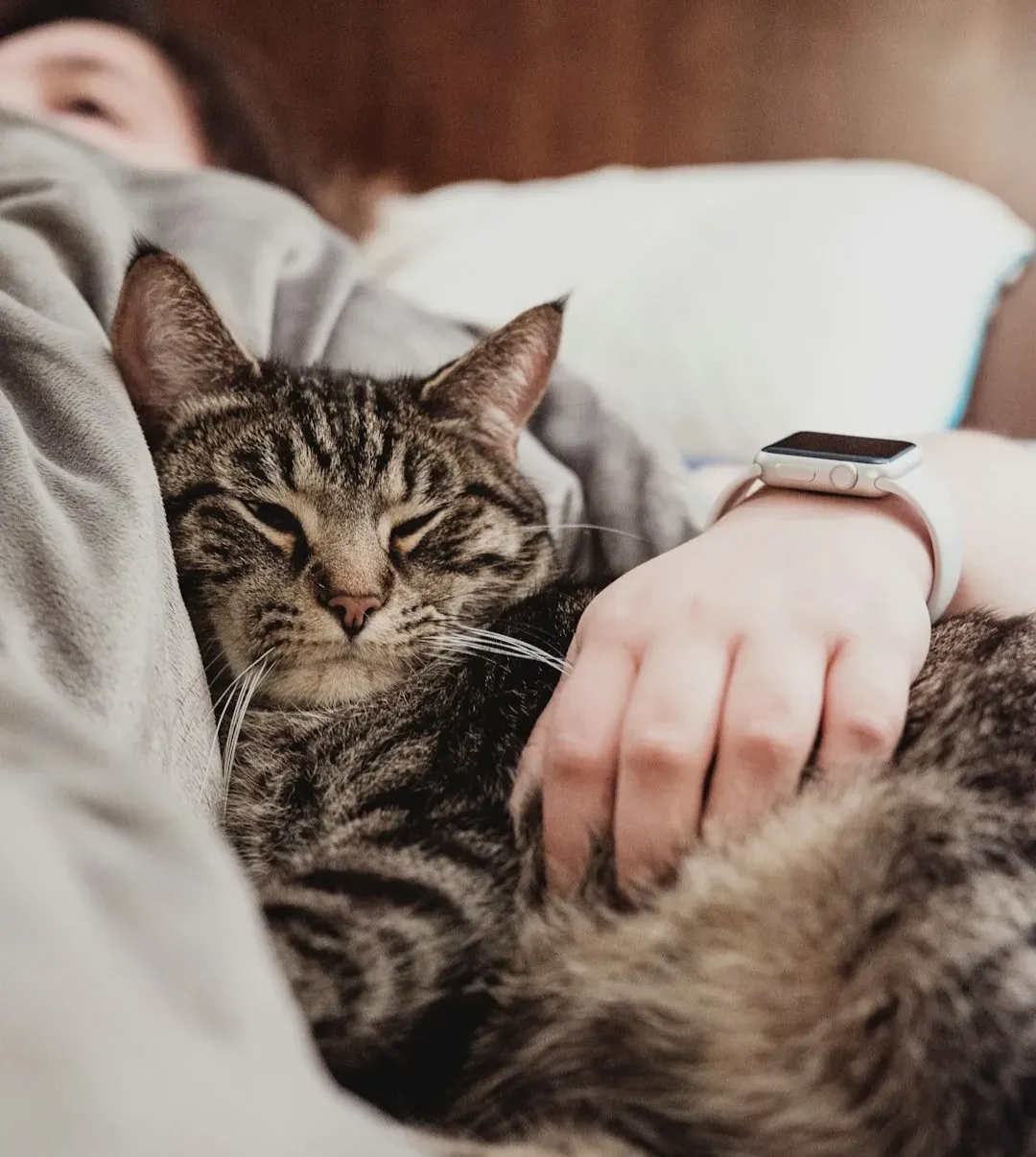
Cats that sleep curled into your side, on your chest, or wedged into the crook of your knees aren't just chasing body heat. They're recreating the exact physical arrangement kittens use with their mother and littermates during the most vulnerable stage of life.
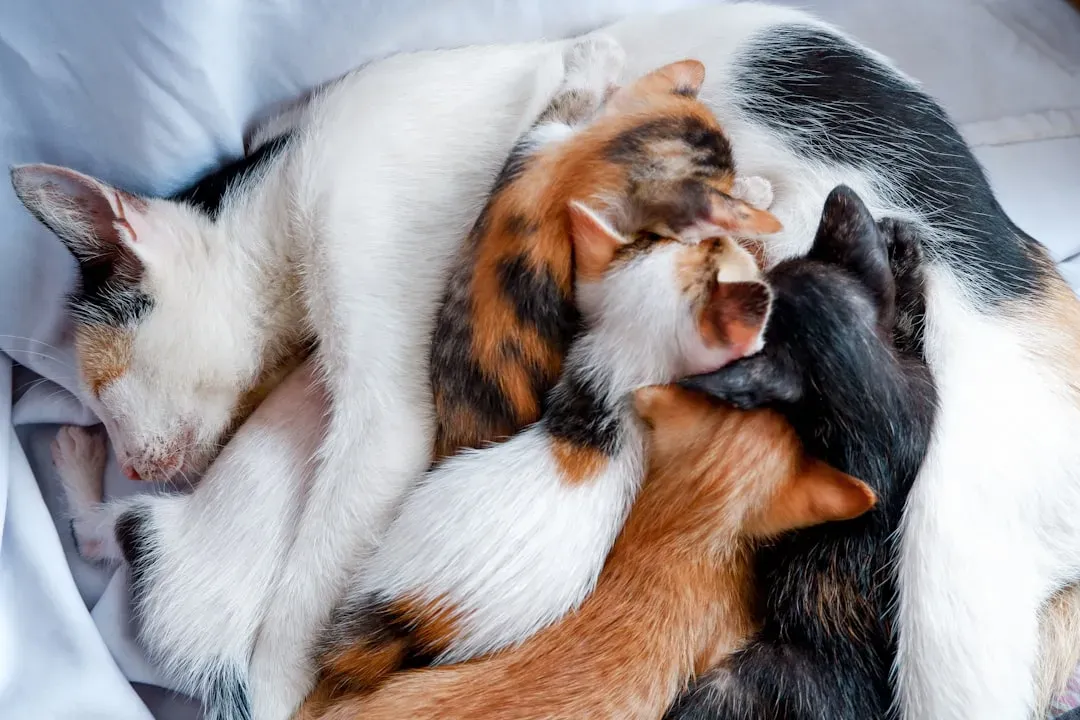
In a litter, kittens pile against their mother and each other for warmth, safety, and the sensory comfort that comes with constant physical contact - a behavior that continues for weeks before kittens gain enough independence to sleep separately. When an adult cat consistently chooses to sleep in physical contact with a specific person rather than alone in a warm spot, it's a strong behavioral signal that the cat has designated that person as its primary attachment figure, not simply the most convenient heat source in the house. This is especially telling when a cat has other warm, comfortable sleeping options available and still chooses a human's body instead. Cats are famously particular about comfort; choosing a person over an equally warm blanket is a deliberate social decision, not a passive one. It's the adult version of the kitten pile - just scaled down to one cat and one chosen human. All of which leads to one uncomfortable, species-crossing conclusion.
At a Glance
- Kitten litters pile together for warmth, safety, and comfort
- Choosing a person over a warm blanket signals a deliberate attachment choice
- Sleeping in contact with one specific person points to a primary attachment figure
- This is the grown-up version of the kitten pile, scaled down to one cat and one human
#14 - To Your Cat, You're Not a Different Species - You're the One in Charge of Its World
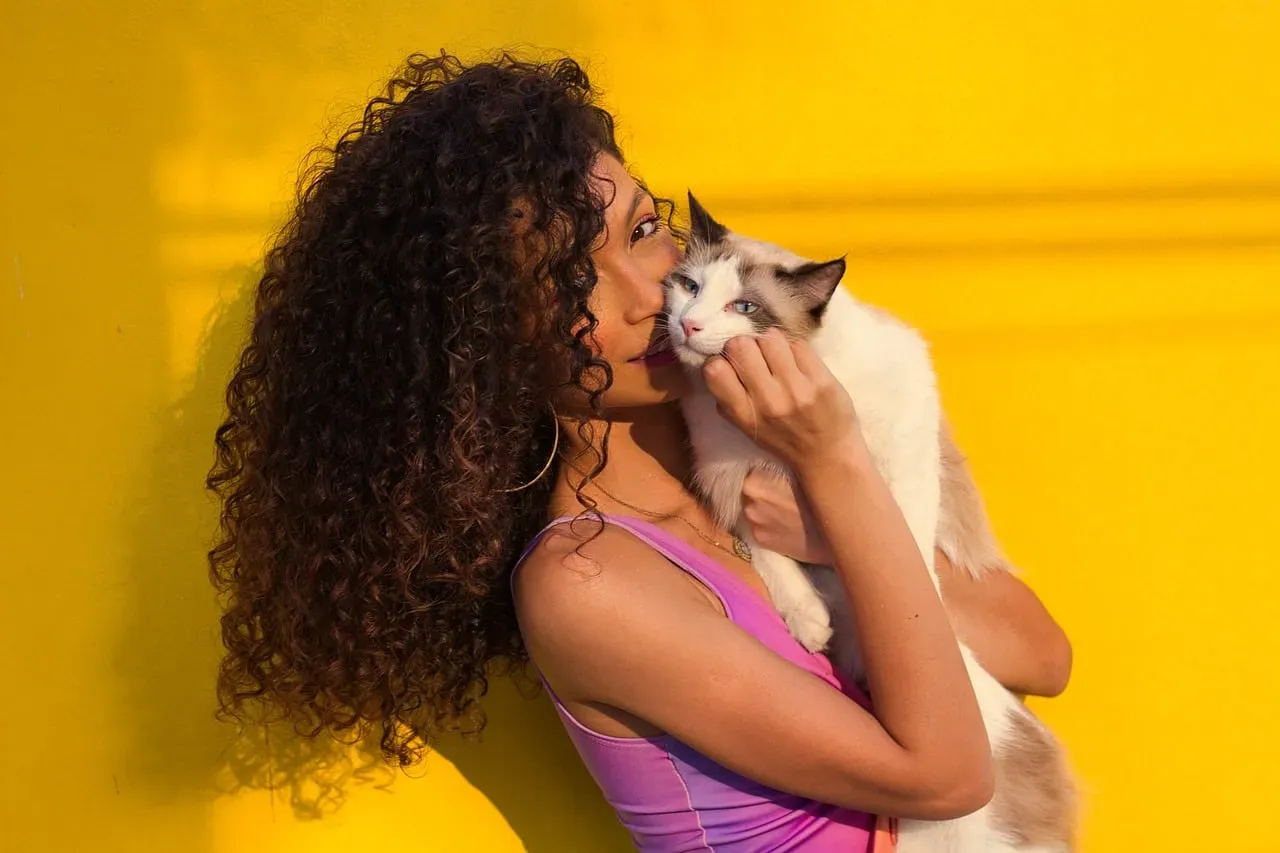
Every behavior on this list points toward the same underlying conclusion: cats don't appear to file humans into a separate mental category the way people assume. Instead, cats treat their primary human as an extension of the same caregiving relationship they were born into.
In both dogs and cats, attachment to humans may represent an adaptation of the offspring-caretaker bond. Attachment is a biologically relevant behavior.
Kristyn Vitale, animal behavior researcher
This is the single most important finding across all the research: attachment isn't a metaphor cat owners invented to feel better about pet ownership - it's a measurable, hormone-driven, developmentally rooted relationship style. The controversial part many owners resist: this means the "independent, aloof cat" stereotype isn't just outdated, it's scientifically backwards. The data suggests cats are, if anything, wired to need a consistent caregiver just as much as any other domesticated animal that stays close to humans for life. Your cat isn't tolerating you for the food bowl. It's running the same biological attachment system a toddler runs toward a parent - just with less obvious crying, and a lot more kneading.
The Bottom Line
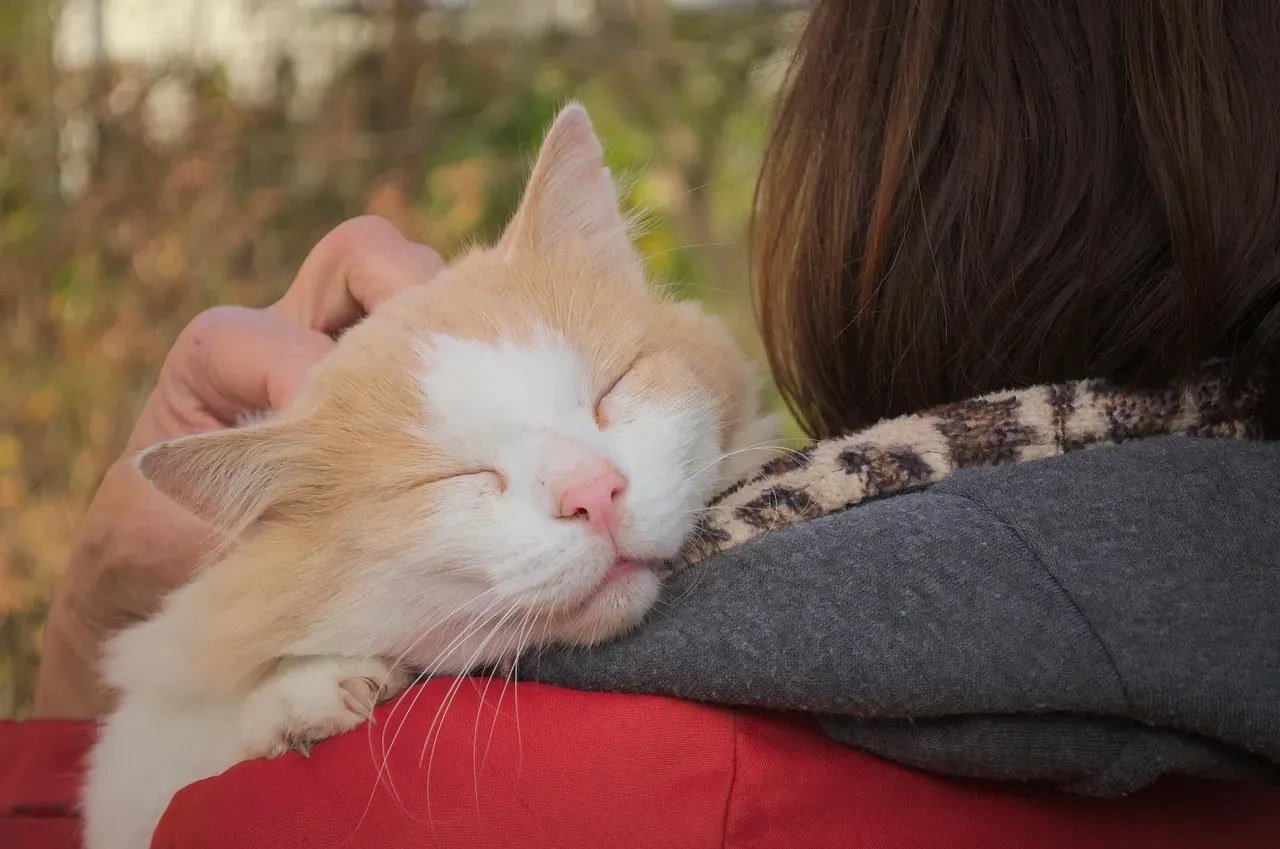
Across a dozen-plus behaviors - kneading, suckling, gift-giving, slow blinking, head-bunting, and hormone-verified separation stress - the pattern is consistent and scientifically documented: cats treat their primary humans as caregivers, not as staff. The Secure Base Test alone should have ended the "aloof cat" myth years ago, since researchers found the majority of cats used their owner as a source of comfort and security, matching human infant attachment rates almost exactly. The uncomfortable truth for skeptics is that this isn't projection - it's measurable in behavior and blood chemistry alike.
My honest take: the "independent cat" reputation was never really about cats being emotionally detached - it was about humans misreading a quieter kind of dependency. A cat that kneads your lap, tracks you room to room, and panics biologically when you leave isn't a roommate. It's a kid who never quite stopped needing a parent. Does your cat knead, suckle, or follow you everywhere? Tell us which behavior gave it away in the comments.