14 Ways Indoor Cats Live Happier Lives Than Outdoor Cats Ever Do
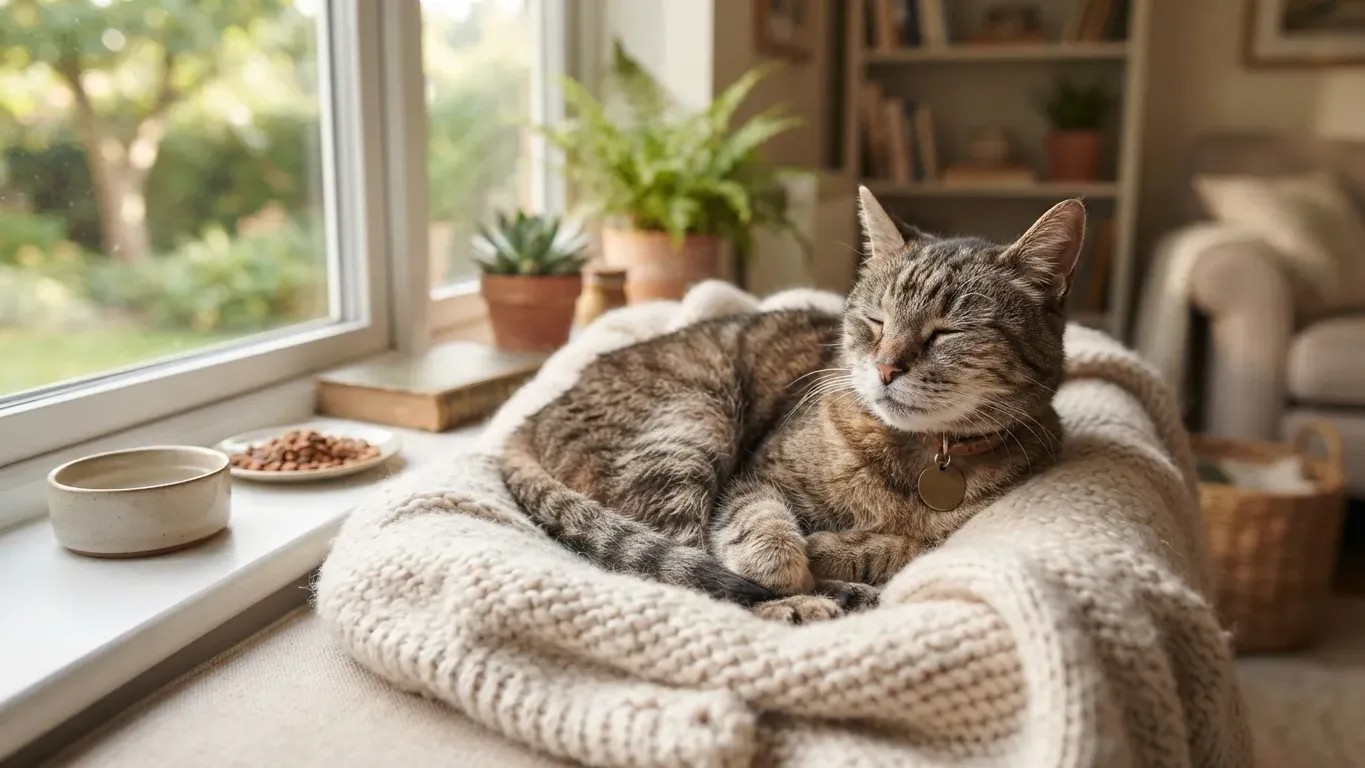
Picture the cat next door slipping out the window at dusk, tail high, vanishing into the dark like it owns the block. It looks like freedom.
The actual data says something close to the opposite - that cat is gambling with its life every night, and the "boring" indoor cat asleep on your couch is winning by a landslide.
Veterinary researchers have quietly built a mountain of evidence comparing indoor and outdoor cats on lifespan, disease, and stress. The gap isn't small - it's staggering, and most owners have never seen the full list.
Here are the 14 ways science says indoor cats come out ahead, starting with the number that changes how most people feel about "letting the cat out."
#14 - The Ten-Year Head Start Most Cats Never Get
Start with the number that stops most conversations cold.
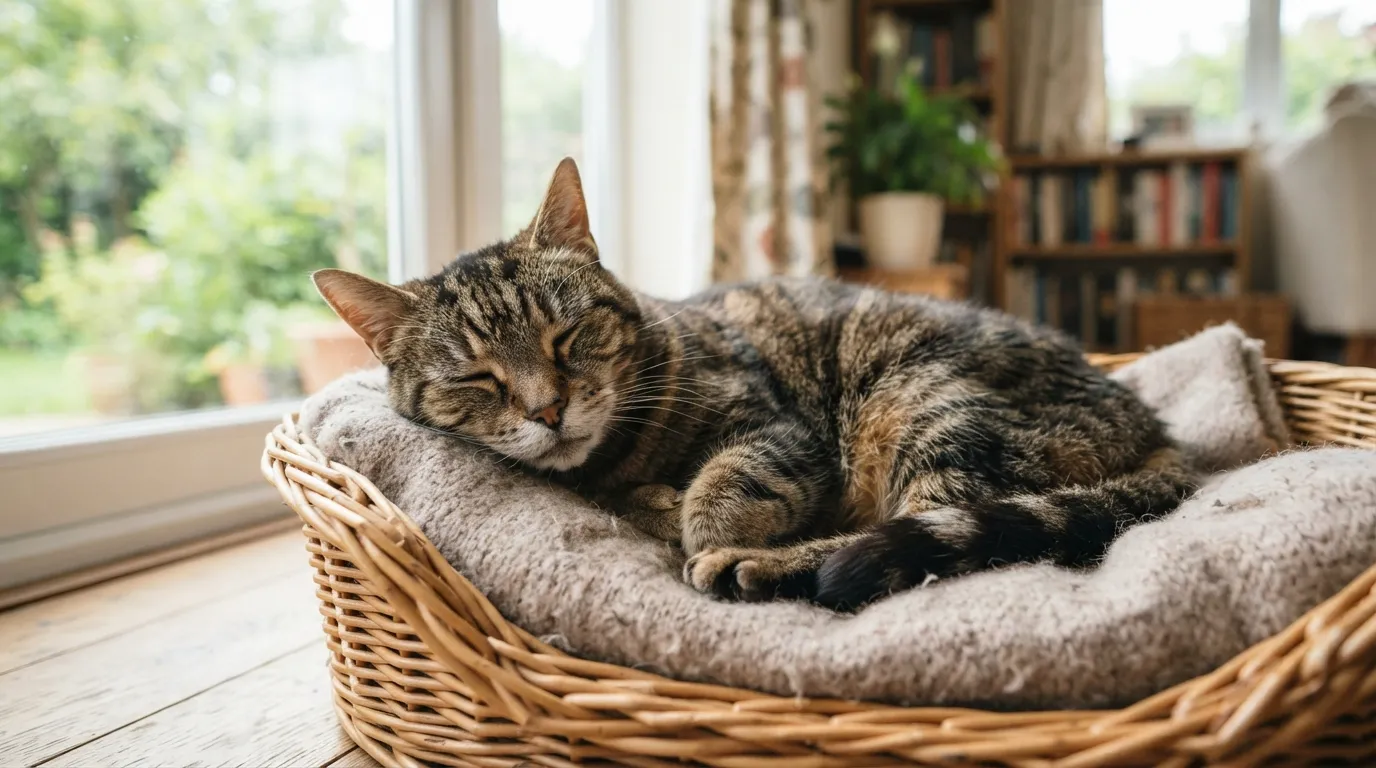
Indoor cats typically live 12 to 18 years. Outdoor-only cats average just 2 to 5.
A 2022 UC Davis study published in PLOS One confirmed it with real, peer-reviewed data from thousands of cats, not anecdotes.
Fast Facts
- Indoor cats: average 12-18 years
- Outdoor-only cats: average 2-5 years
- Source: 2022 UC Davis study, PLOS One
That's not a slight edge. That's potentially a decade of extra life, earned just by staying inside.
Most owners feel a flicker of guilt keeping their cat in. After seeing this number, that guilt usually evaporates fast - but here's what actually fills those extra years.
#13 - The Killer Most Owners Never See Coming
Ask someone why outdoor cats die young and they'll say predators, or fights. They're wrong about the top cause.
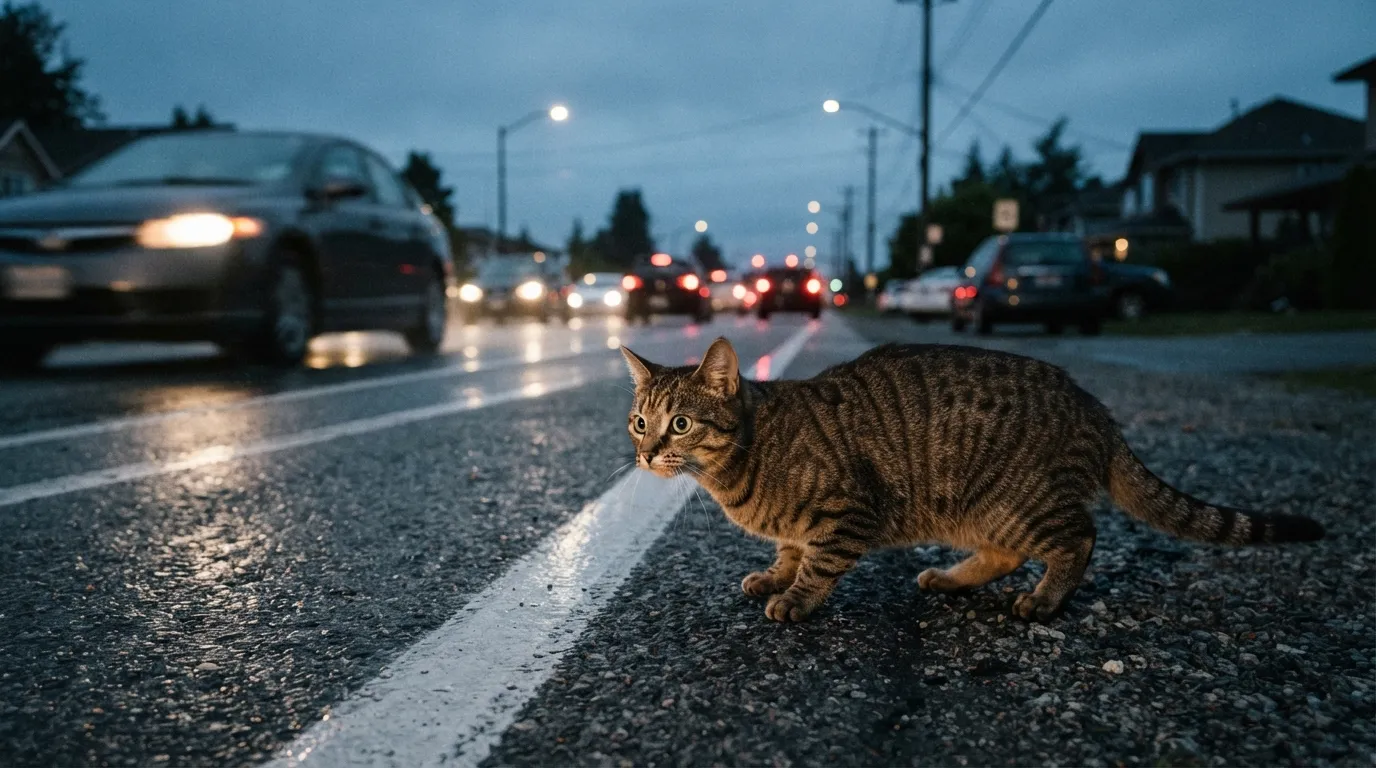
Traffic is the number one reason cited worldwide for keeping cats indoors, according to the Humane Society of the United States - and vets back it up completely.
A cat that never crosses a road can never be hit by a car. Owners consistently underestimate how often outdoor cats wander near traffic, especially after dark.
Indoor cats don't reduce this risk. They erase it completely.
The disease picture is even grimmer - and that's next.
#12 - Deadly Viruses That Almost Never Reach Indoor Cats
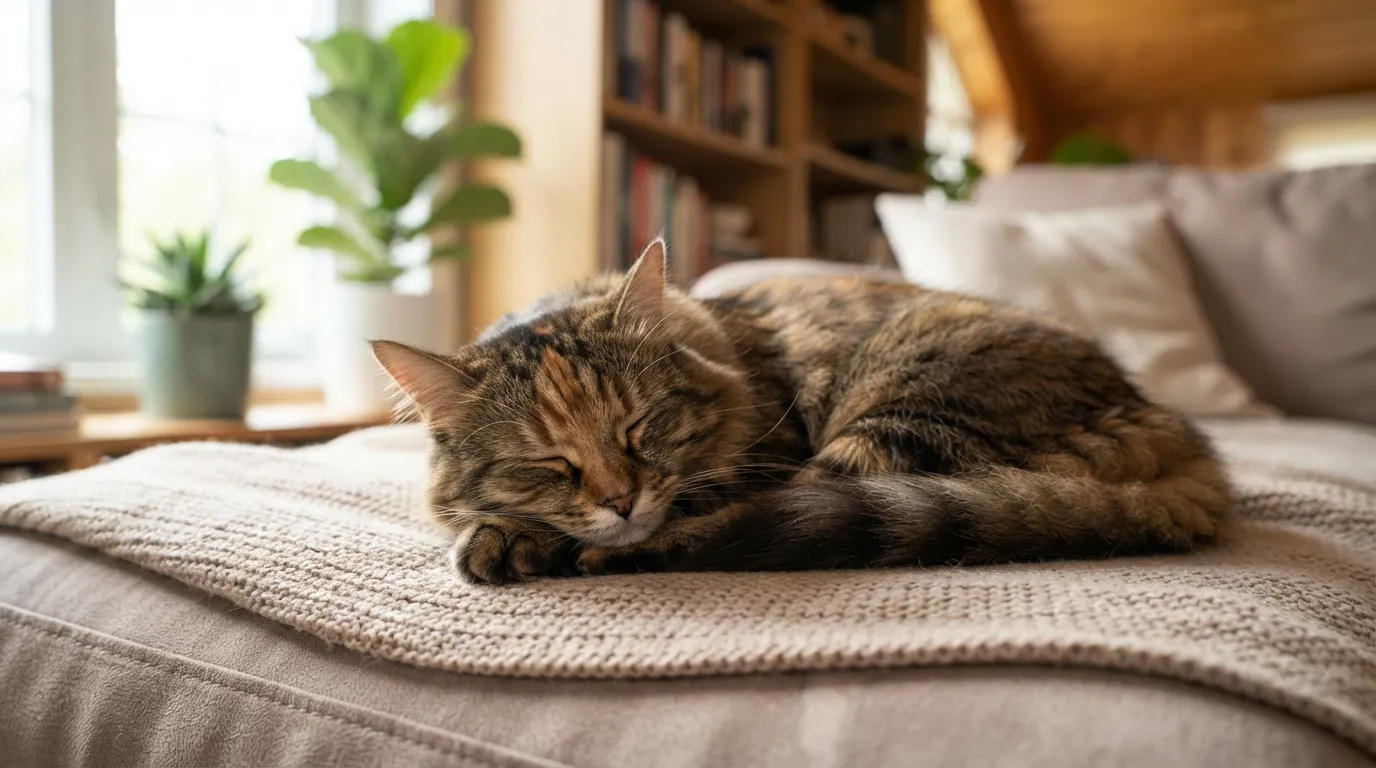
Here's something vets repeat constantly that rarely sinks in: two of the deadliest cat diseases spread almost entirely through outdoor contact.
Fights with other cats can transmit Feline Immunodeficiency Virus (FIV) and Feline Leukemia Virus (FeLV), a cancer-causing virus that also wrecks the immune system.
There is currently no cure for FeLV.
Cats kept indoors never fight over territory with infected strays, which is exactly why vets have pushed indoor-only living for decades.
Wait until you see how many other threats disappear the moment a cat stays inside.
#11 - Parasites Almost Vanish Completely
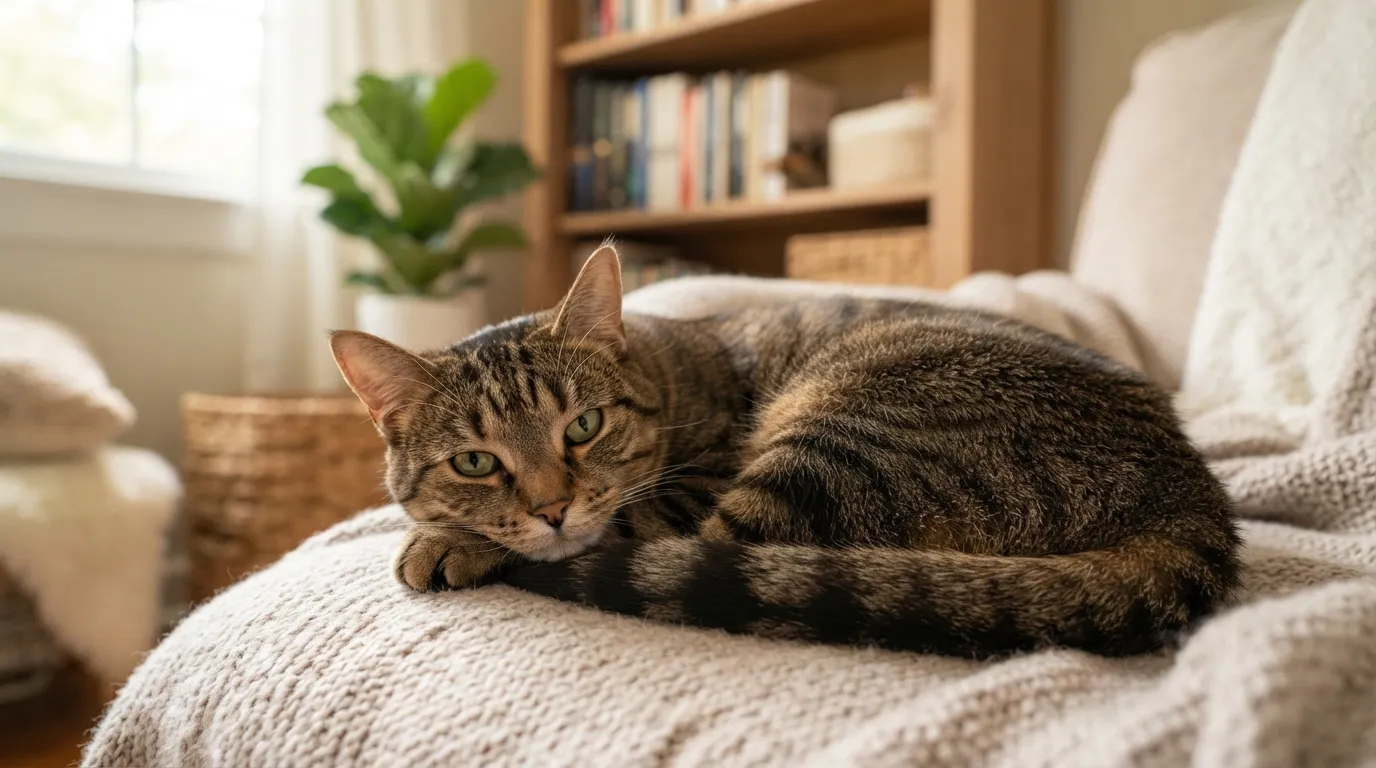
Fleas, ticks, worms, ear mites - outdoor cats are basically a parasite magnet on four legs. Indoor cats, statistically, are not.
Indoor cats suffer drastically fewer infections and injuries, partly because they never roll through flea-infested grass or touch infected prey.
Worth Knowing
- Fleas can trigger allergic skin reactions and anemia in kittens
- Ticks can carry rare but serious blood-borne diseases
- Intestinal worms spread easily through hunting and soil contact
- Ear mites pass quickly between outdoor cats
Fewer parasites means less chronic itching, less immune stress, and far fewer vet bills.
An outdoor cat can pick up a new infestation days after treatment. An indoor cat, cared for properly, can go years without one.
A parasite-burdened cat is not a happy cat - but what about mental stimulation? That's the outdoor lobby's best argument, and it's next.
#10 - Why "Freedom" Isn't What Cats Actually Need
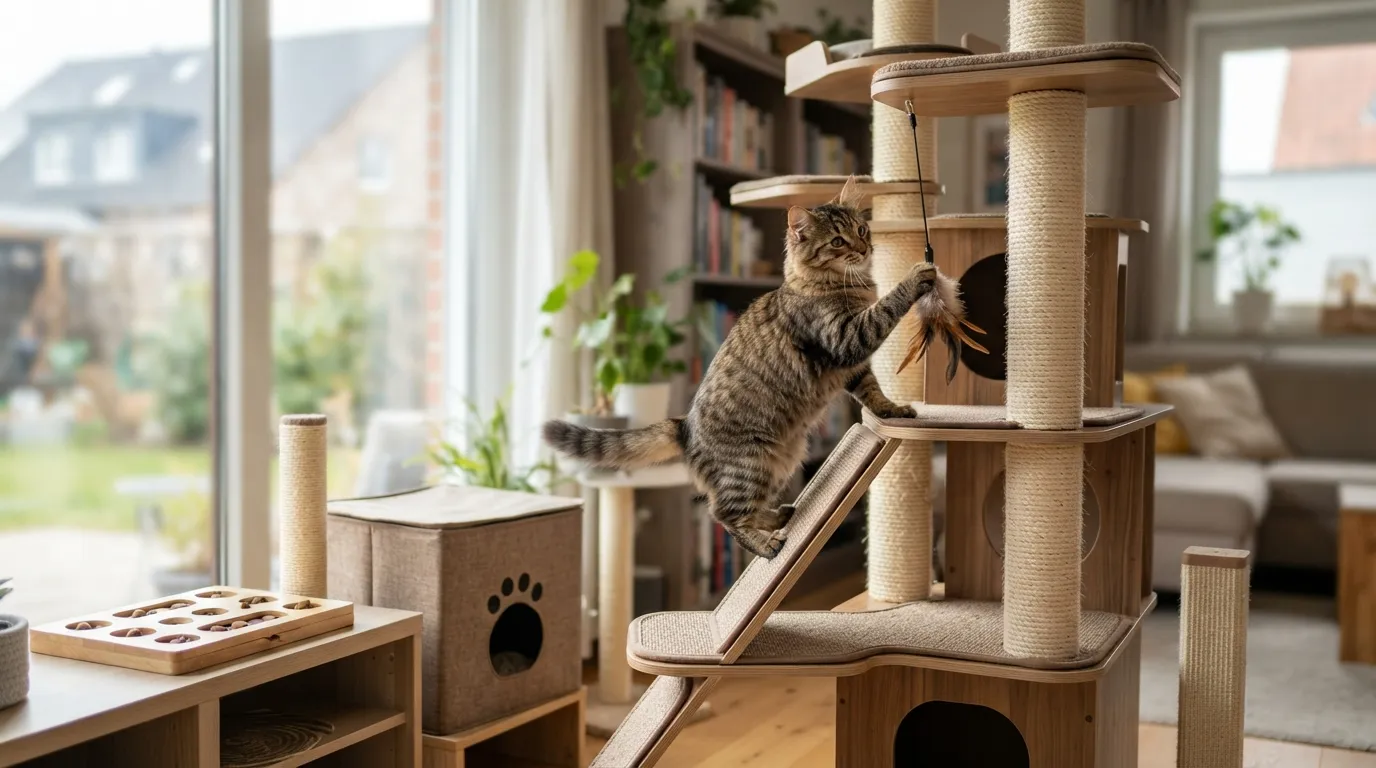
The most common defense of outdoor life goes: "They need to roam, it's in their nature." Experts push back hard on that.
Veterinary behaviorists argue that all of a cat's core needs can be fully met indoors, in a properly enriched environment.
Climbing trees, hiding boxes, puzzle feeders, and interactive play replicate the cognitive demands of outdoor life without a single one of its dangers.
The key word is "enriched." A boring indoor space is a real problem, but a thoughtfully set-up home gives a cat everything it needs.
There's one thing outdoor life can never replicate, though - safe, predictable human bonding. That's next.
#9 - The Bond Indoor Cats Get That Outdoor Cats Miss
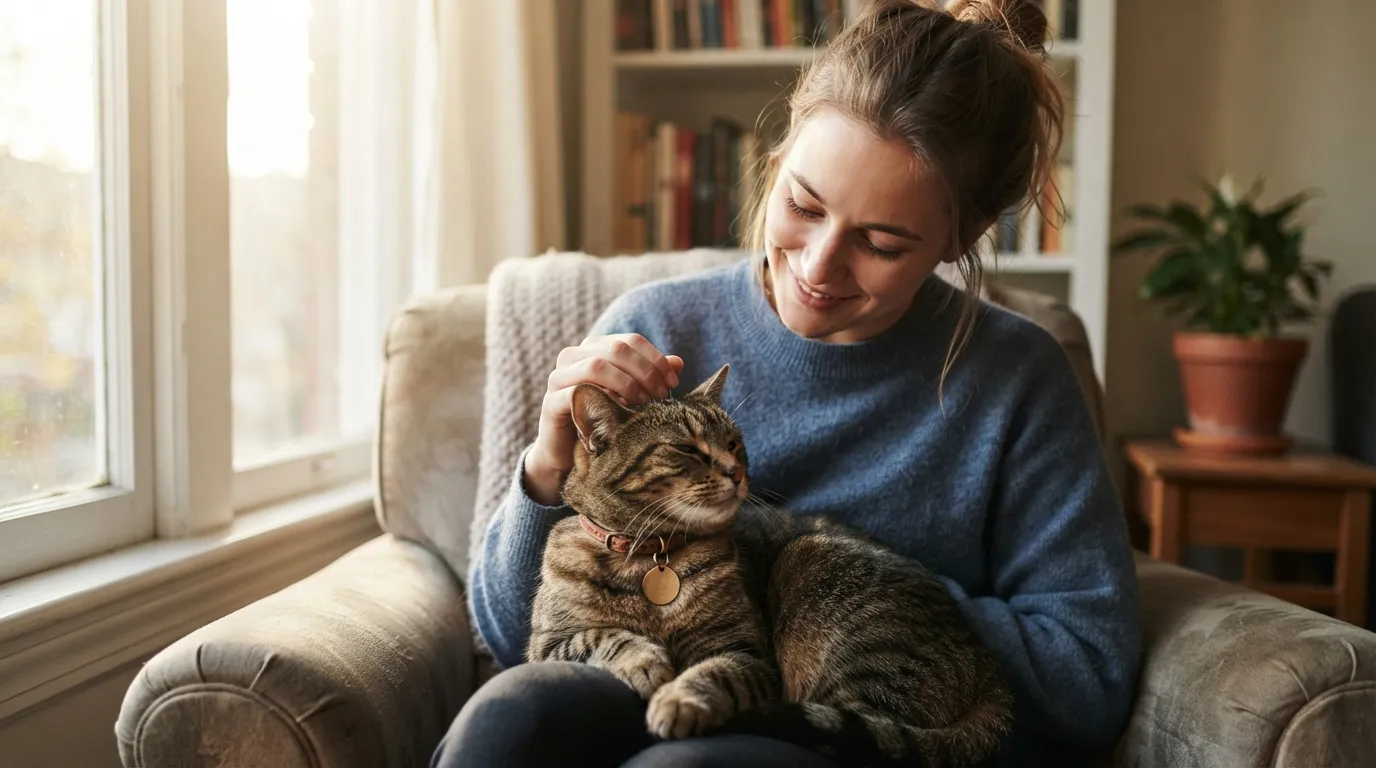
Outdoor cats spend huge chunks of the day away from their people. Indoor cats don't.
That constant contact builds something measurable: a stronger, more secure attachment between cat and owner.
It also means owners notice behavioral changes, especially in aging cats, much earlier simply because they're watching.
An outdoor cat that shows up twice a day for food is basically a tenant. An indoor cat is a companion.
That bond has a direct payoff for the cat's body too: less chronic stress. And chronic stress turns out to be one of the most underrated threats to feline health.
#8 - The Stress Outdoor Cats Carry That Never Shows
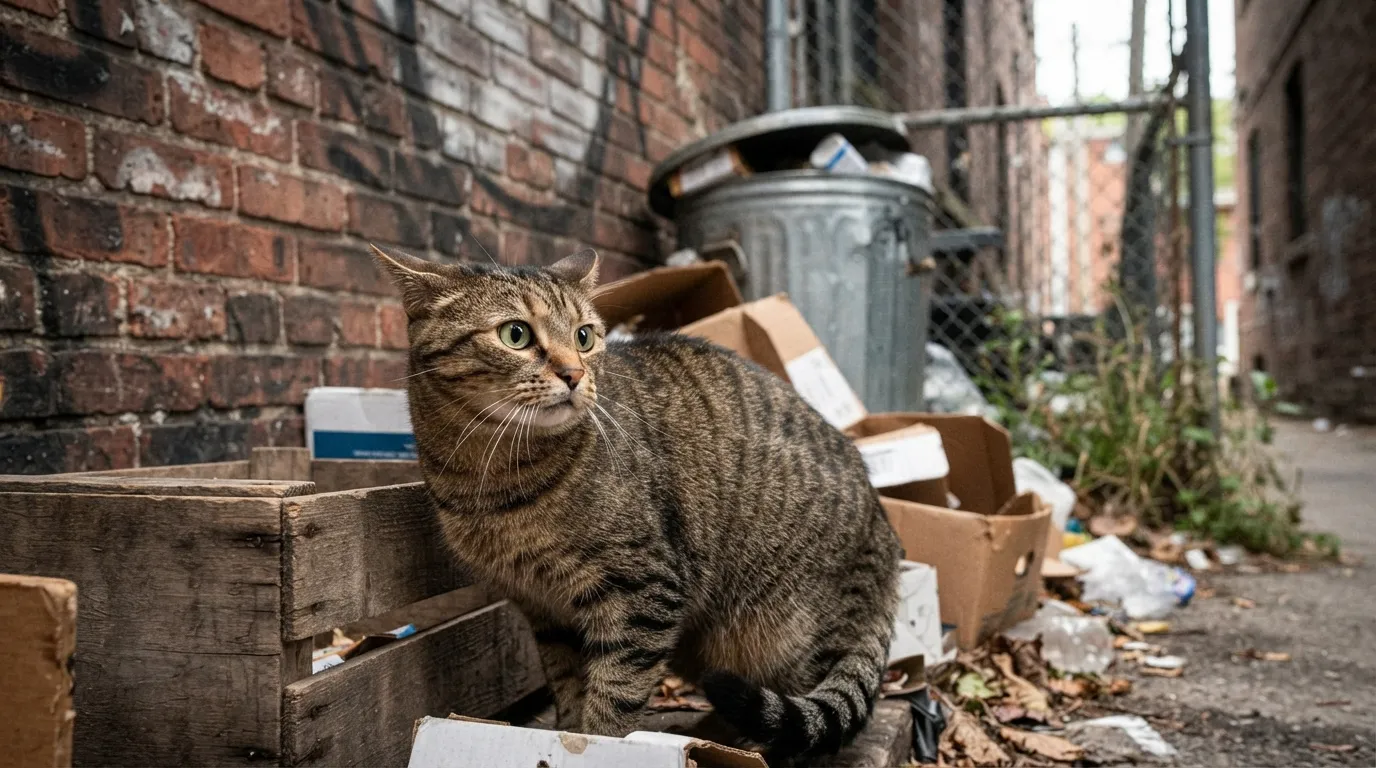
People assume outdoor cats are relaxed because they look free roaming the yard. In reality, the outdoor world is a nonstop source of low-grade stress.
Territory disputes, unfamiliar smells, sudden predators, roaring traffic - all of it triggers a continuous stress response in a domestic cat's body.
Chronic stress weakens immune function in cats exactly the way it does in humans.
An indoor cat with a predictable routine and a safe sleeping spot carries a fundamentally lower stress load every single day.
That stress compounds with age outdoors. Indoors, a cat just gets more comfortable over time - and another quiet advantage is waiting at the food bowl.
#7 - The Diet Control That Prevents Silent Killers
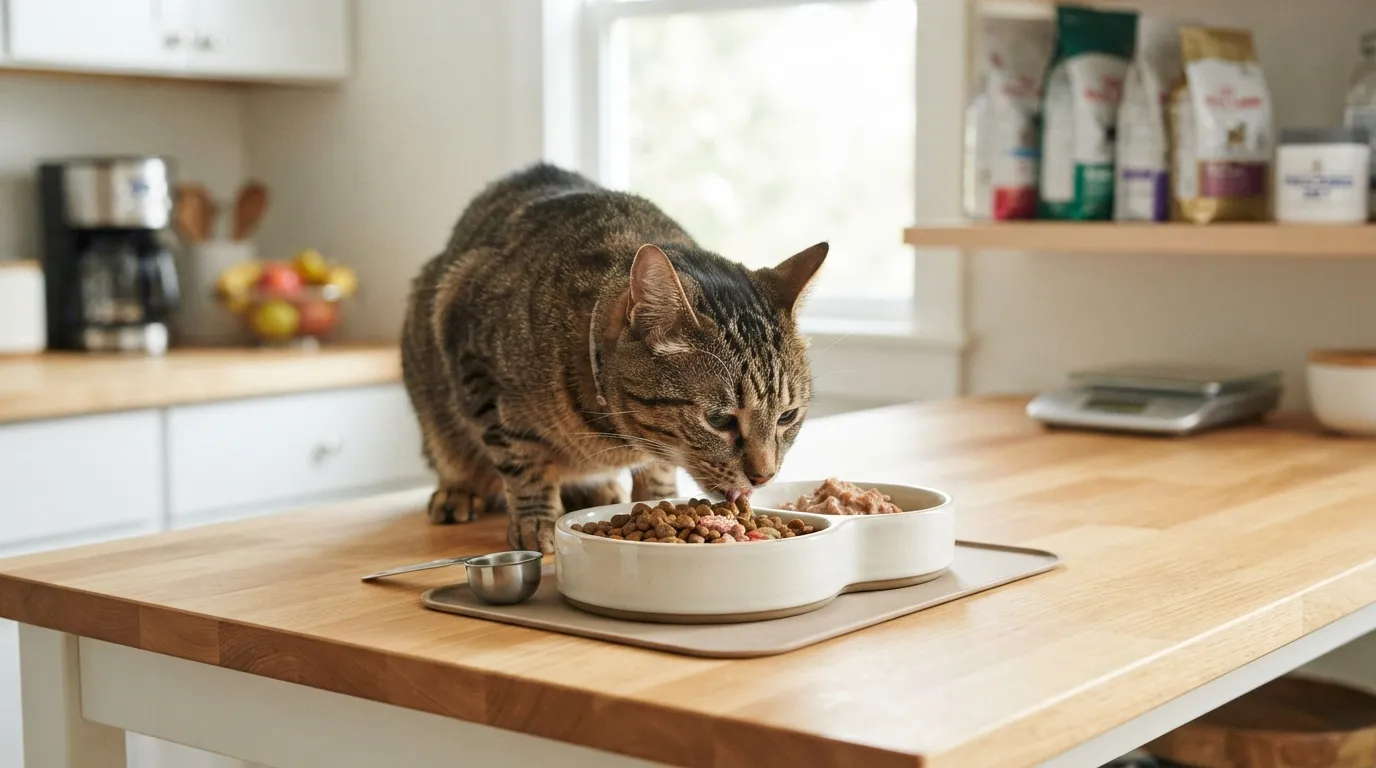
Outdoor cats eat things their owners never see. Indoor cats eat exactly what's put in front of them.
Outdoor cats often supplement their diet with prey, garbage, or handouts from neighbors - none of it vet-approved, and some of it toxic.
Quick Compare
- Indoor diet: measured portions, vet-approved formulas
- Outdoor diet: prey, garbage, unmonitored handouts
- Indoor: easier weight and kidney management
- Outdoor: higher risk of toxic ingestion
A controlled indoor diet lets owners manage weight, kidney health, and urinary issues with real precision.
Those three problems happen to be among the biggest chronic killers of aging cats.
This isn't a minor perk - it's a tool most outdoor owners simply don't have. But what about the risk of a cat just... disappearing? That's next.
#6 - The Disappearance That Can Never Happen Indoors
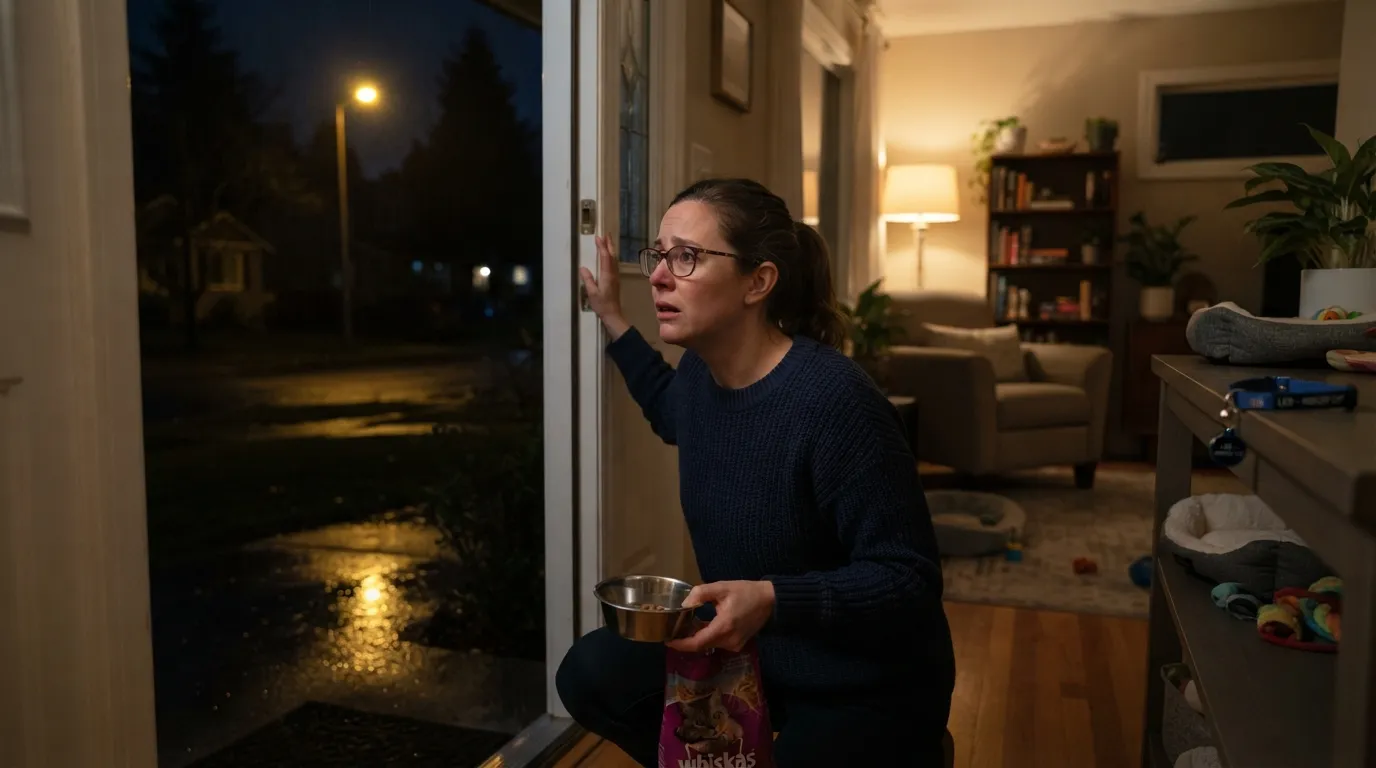
It sounds like a basic point. It's actually one of the most emotionally brutal differences between the two lifestyles.
Outdoor cats go missing - sometimes for a night, sometimes forever - and every disappearance is a trauma for the cat and the family waiting at home.
A lost outdoor cat faces dehydration, starvation, injury, and exposure within days. Even a well-fed, well-loved cat can stumble into a situation it can't get out of.
Friendly or pedigree cats face an added risk in cities: outright theft.
An indoor cat's whereabouts are always known - and that certainty protects them from something even less obvious, coming up next.
#5 - The Toxins Hiding in Every Yard
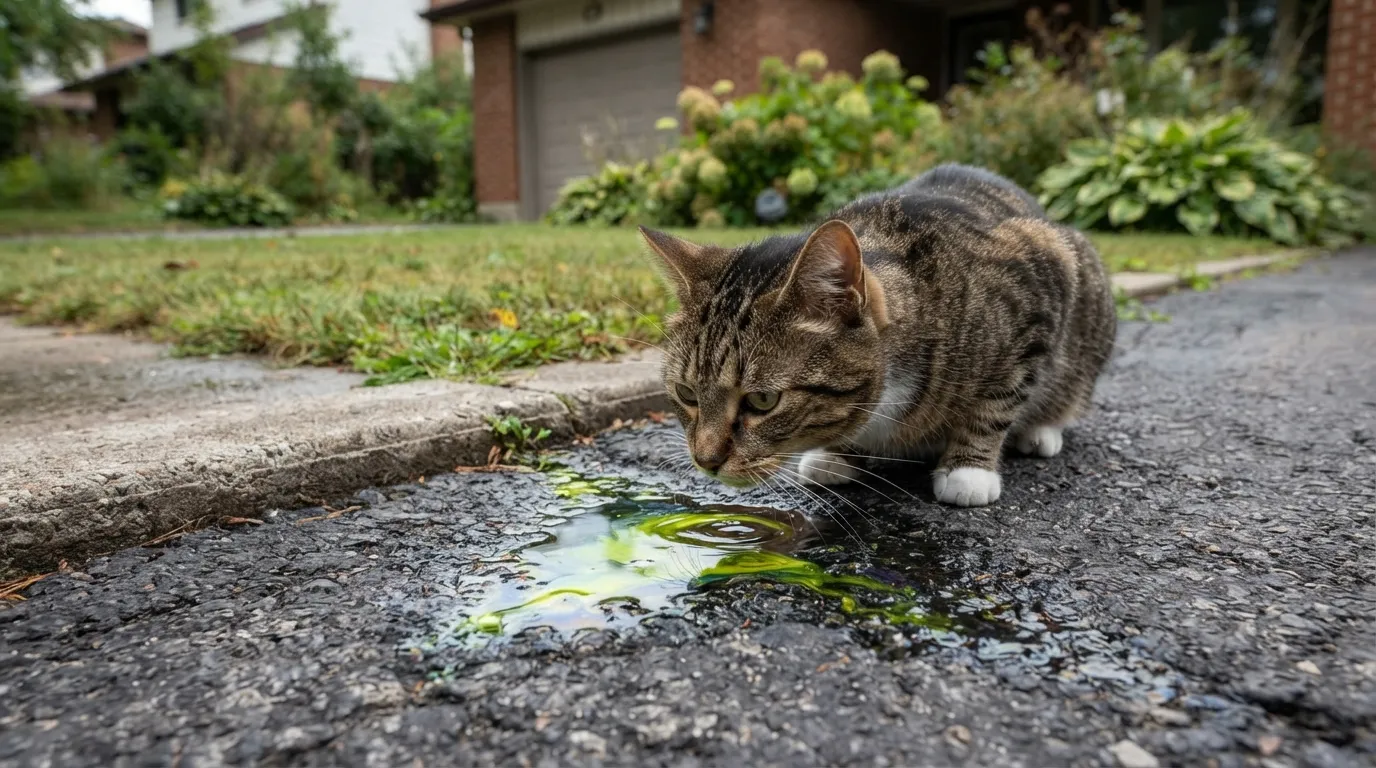
Outdoor cats walk through pesticide-treated lawns, sniff antifreeze puddled in driveways, and nibble plants nobody's ever catalogued. Indoor cats simply don't.
Antifreeze is one of the most lethal accidental poisons for cats, and it tastes sweet, which makes outdoor cats actively drawn to it.
This isn't just about surviving one poisoning event. It's about a lower chemical load accumulating quietly over a cat's entire life, affecting organ health for years.
Indoor homes have their own hazards too - certain houseplants, certain cleaning products - but those are risks an owner can actually audit.
The outdoor world can't be audited by anyone. And the next benefit surprises almost every owner who hears it.
#4 - The Early Warning System Outdoor Cats Don't Get
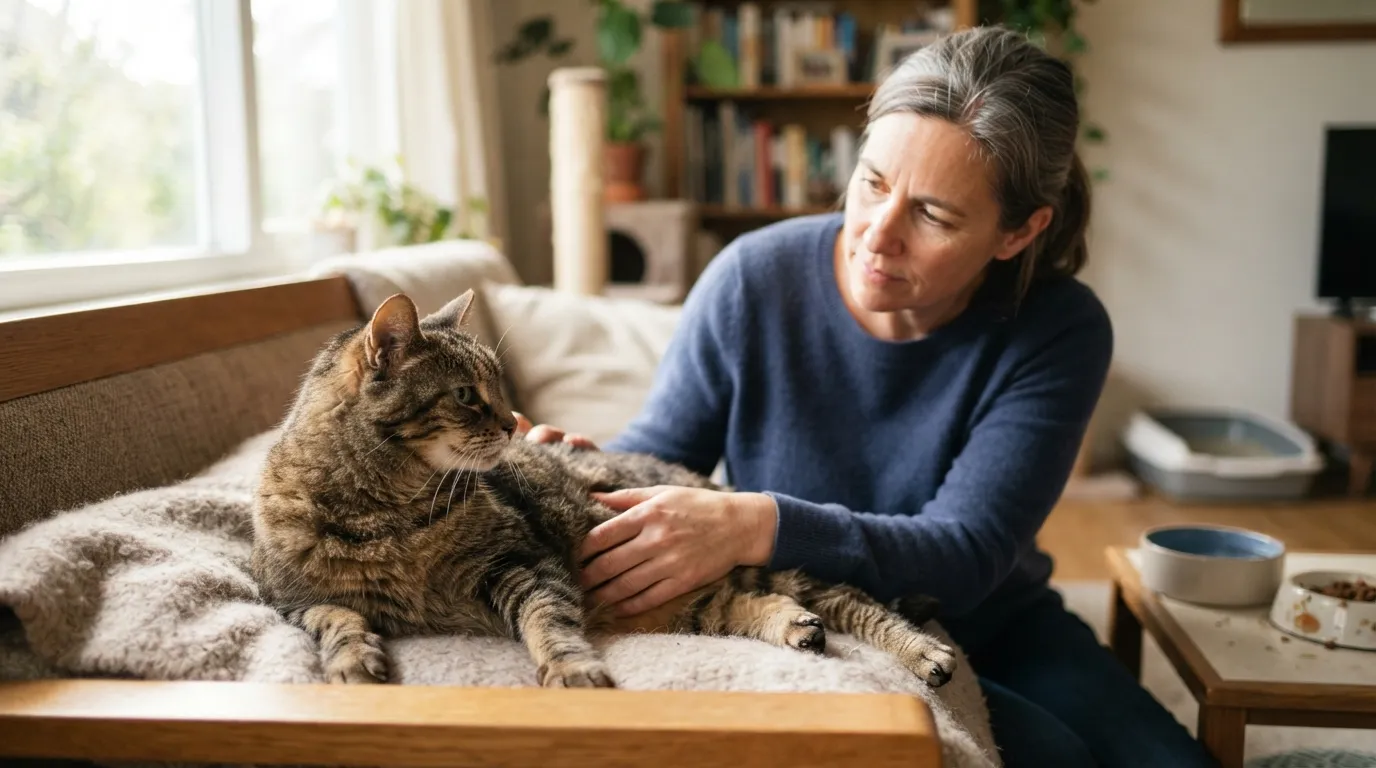
This one is underrated, and it directly saves lives.
Behavioral changes in aging cats are far easier to catch when a cat lives inside under daily, close observation.
At a Glance: Signs Indoor Owners Catch Early
- Eating noticeably less or more than usual
- Increased thirst or litter box visits
- Stiffness or reluctance to jump
- Often noticed within 24 hours indoors
An outdoor cat showing the same symptoms might not be noticed for weeks, or ever.
Early detection of kidney disease, hyperthyroidism, diabetes, and cancer is the single biggest driver of a longer, better life in senior cats.
Indoor ownership isn't just about avoiding danger. It's about being present enough to catch it when something's already wrong - and what comes next reframes the whole "freedom" debate.
#3 - The "Freedom" Argument Doesn't Hold Up
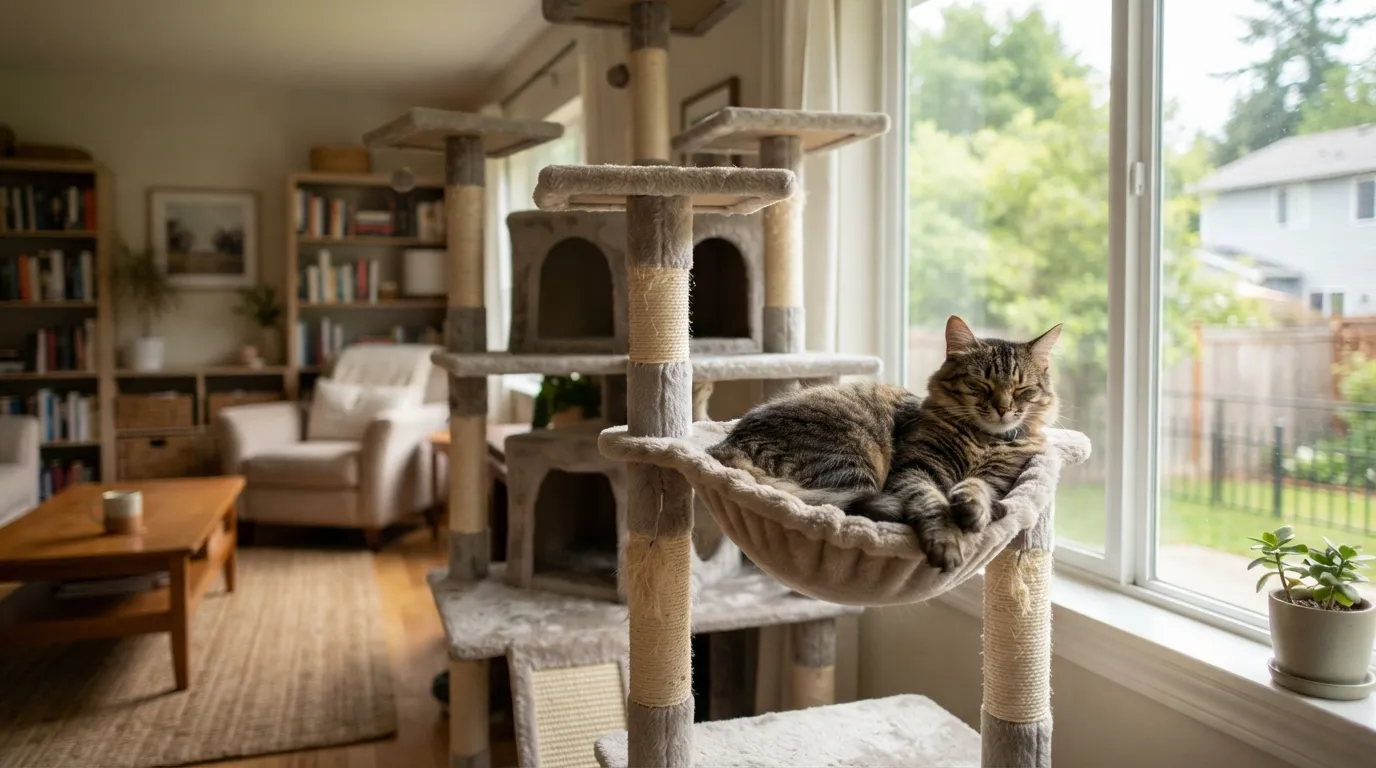
Here's the uncomfortable truth: outdoor cats don't experience freedom the way people romanticize it. They experience exposure.
Domestic cats evolved alongside humans for thousands of years - they are not wildcats. Hunting-like play, climbing, warm sleeping spots, and safe attachment can all be delivered indoors.
Cats do not need the outdoors to be happy - they need enrichment, security, and a bond with their people.
Common veterinary behaviorist consensus
The "outdoor cats are happier" claim is mostly projection from owners who feel guilty, not evidence from the cats themselves.
As cities grow, more informed owners are reaching the same conclusion - which brings us to something even more personal.
#2 - Indoor Cats Get to Grow Old Gracefully
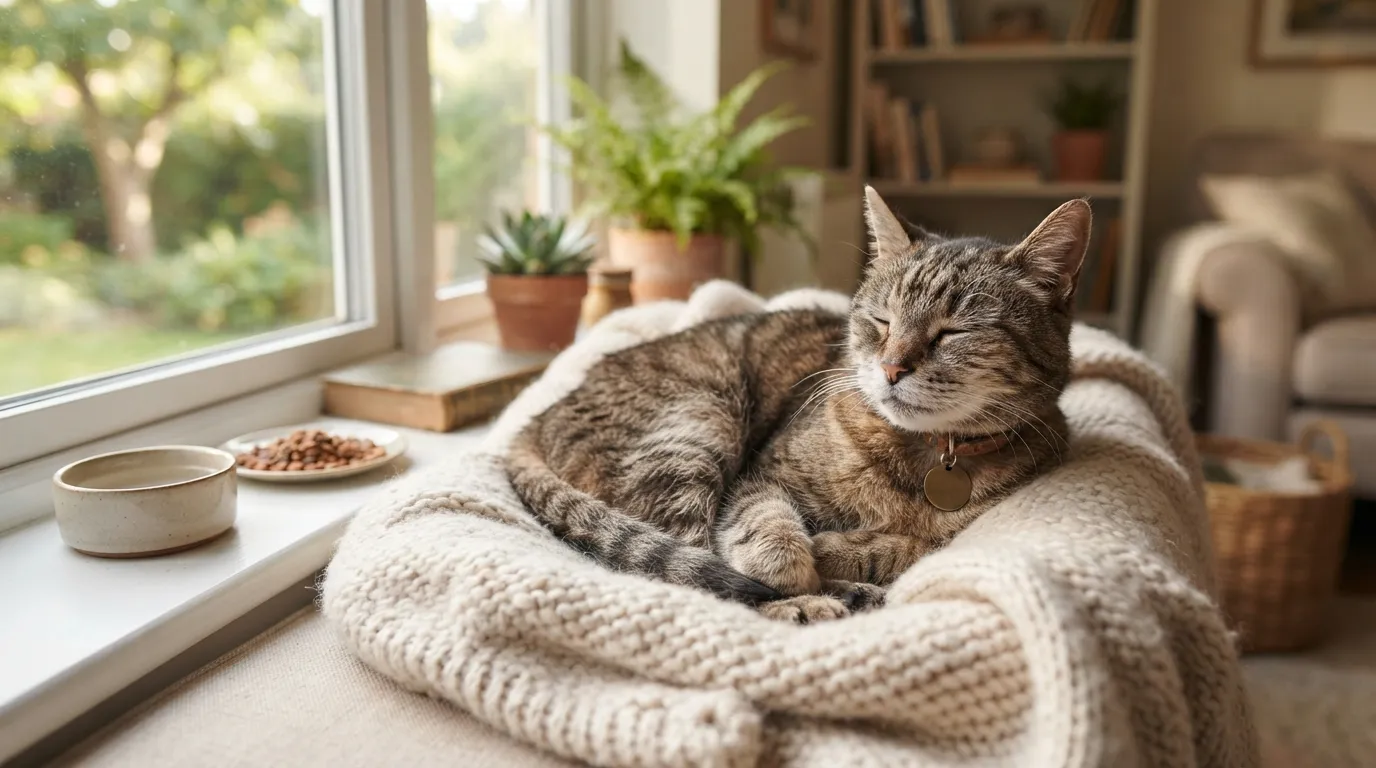
Senior outdoor cats face a brutal compounding problem: the risks that were manageable at age 3 turn dangerous by age 10.
Slower reflexes and a weaker immune system make an aging outdoor cat far less able to dodge the same threats it always faced.
Indoor aging looks completely different - it's a gradual, monitored process with softer beds, adjusted diets, and easy vet access.
Most indoor senior cats won't hit 30, but plenty comfortably reach their late teens or early twenties with attentive care.
The result is a cat whose final years are genuinely comfortable. That's the whole point - and it leads straight into the biggest takeaway of all.
#1 - The Full Picture Isn't Close
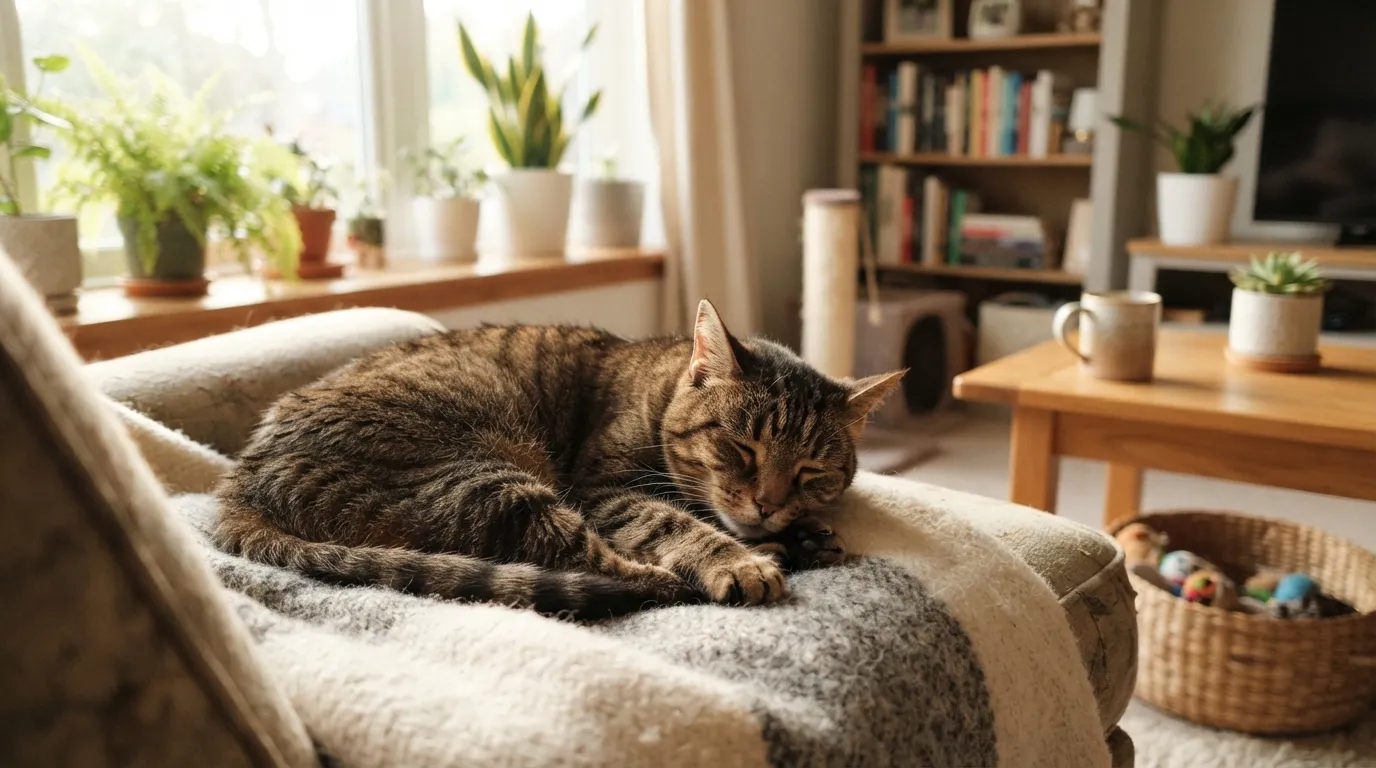
Everything above adds up to one conclusion the data supports clearly and consistently.
According to the ASPCA, keeping cats indoors significantly increases both lifespan and quality of life, with indoor cats often living 12 to 18 years, nearly double an outdoor cat's average.
Why It Stands Out
- Nearly double the average outdoor lifespan
- Zero exposure to traffic accidents
- No risk of incurable FeLV/FIV transmission
- Far lower lifelong parasite and toxin exposure
Longer life. Fewer diseases. Lower stress. Better diet. Earlier medical detection. No traffic, no toxins, no parasites, no risk of vanishing.
That's not a small statistical edge - it's a categorically different lived experience for the animal.
The outdoor life looks appealing to us because we project our own love of fresh air onto it. Cats, it turns out, are asking for something else entirely: safety, warmth, predictability, and someone who notices when something's wrong.
The Bottom Line
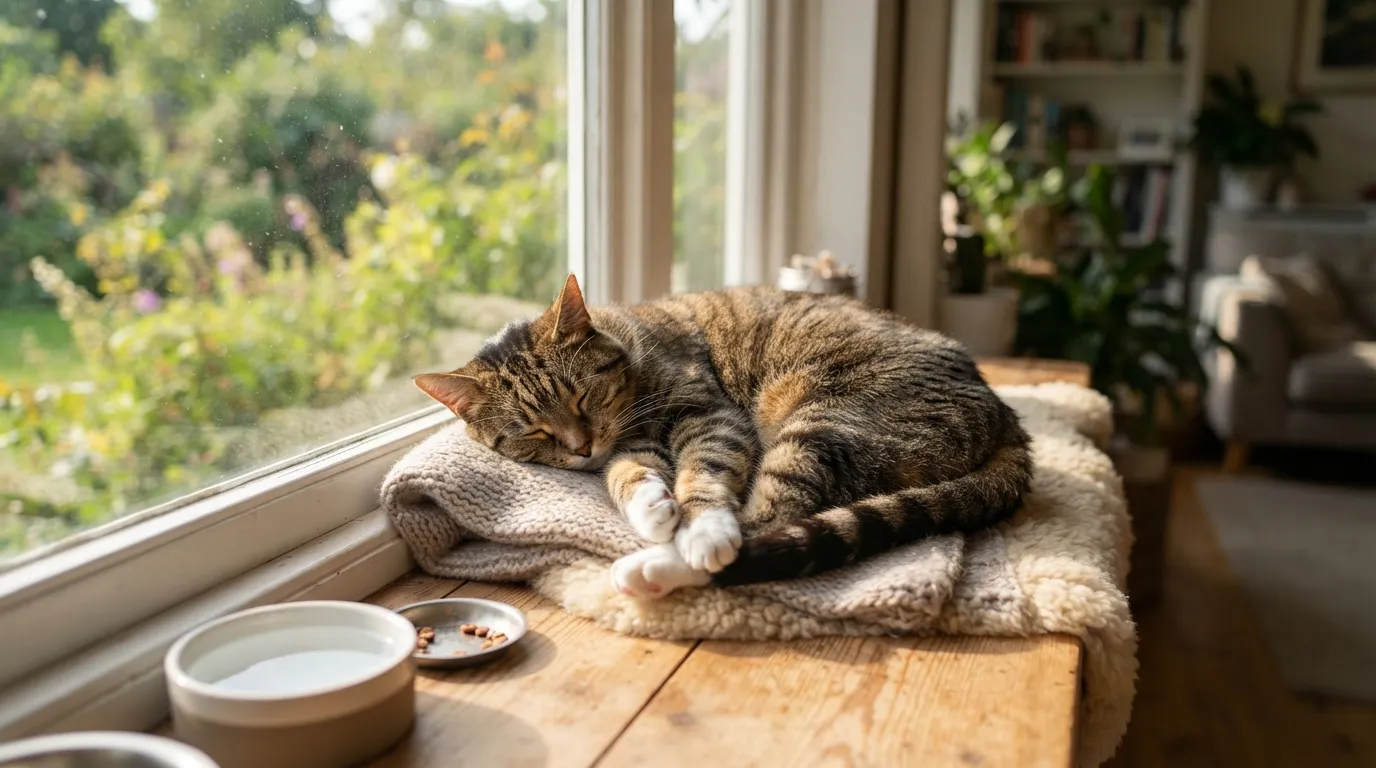
This gap isn't a matter of opinion - it's documented across lifespan studies, veterinary research, and disease data.
Indoor cats average 12 to 18 years. Outdoor-only cats average 2 to 5.
Indoor cats dodge traffic, incurable viruses, parasites, toxins, and the slow damage of chronic stress, while eating better and aging better along the way.
The "outdoor cats are freer and happier" story turns out to be one we mostly tell ourselves to feel less guilty. The cat was never asking for the wide open world - just a warm windowsill, a full bowl, and someone paying attention.