15 Signs a Rescue Cat Has Finally Stopped Being Afraid
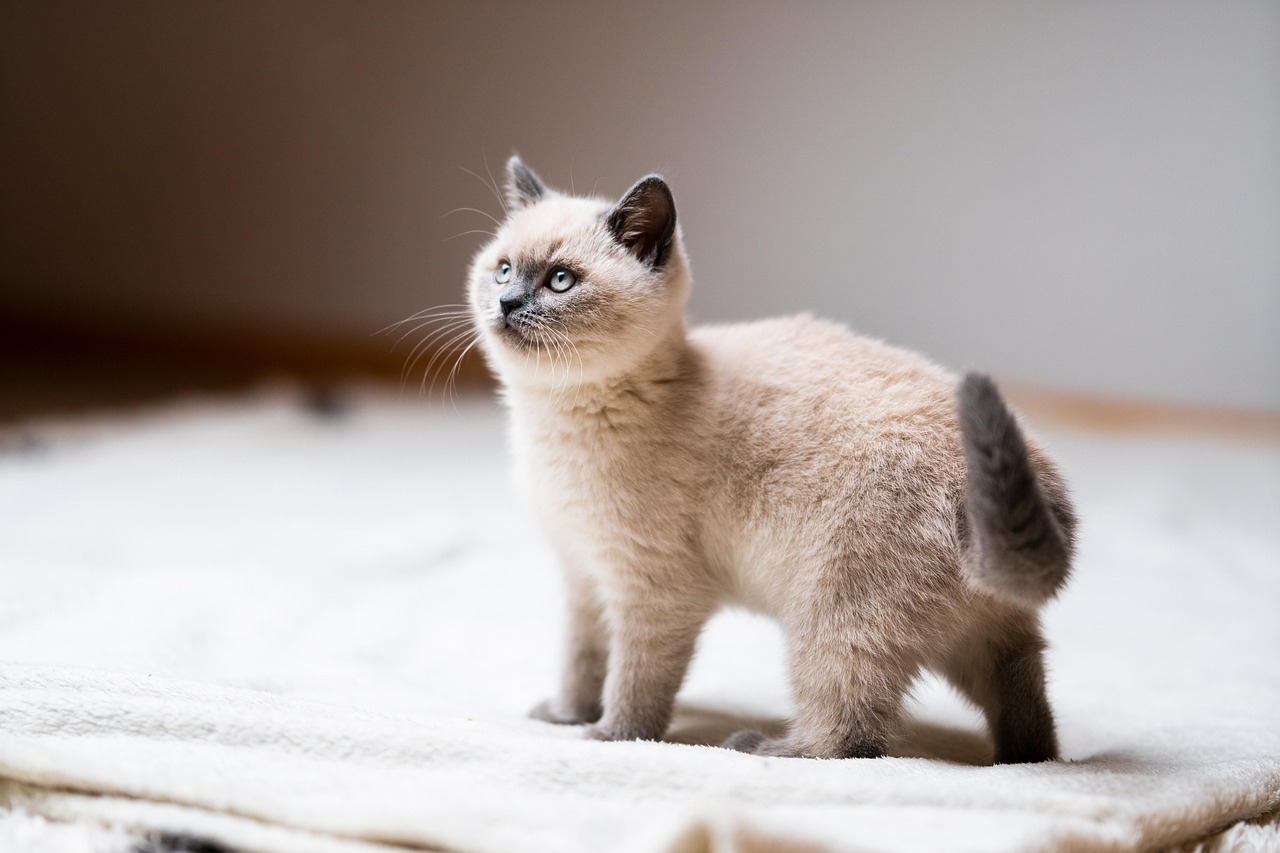
Most rescue cats arrive terrified, and shelters warn owners it can take weeks or even months before real trust starts to form. But here's the twist almost nobody talks about: the moment a scared cat actually starts feeling safe, the signs are subtle - not the dramatic "cuddle on command" moment people expect from movies.
Most owners miss these signals entirely and assume their cat is still scared long after the fear has quietly faded. Here's what feline behaviorists and shelter workers actually say to look for - and a few of these will surprise you.
#1 - The Slow Blink That Means "I Trust You"
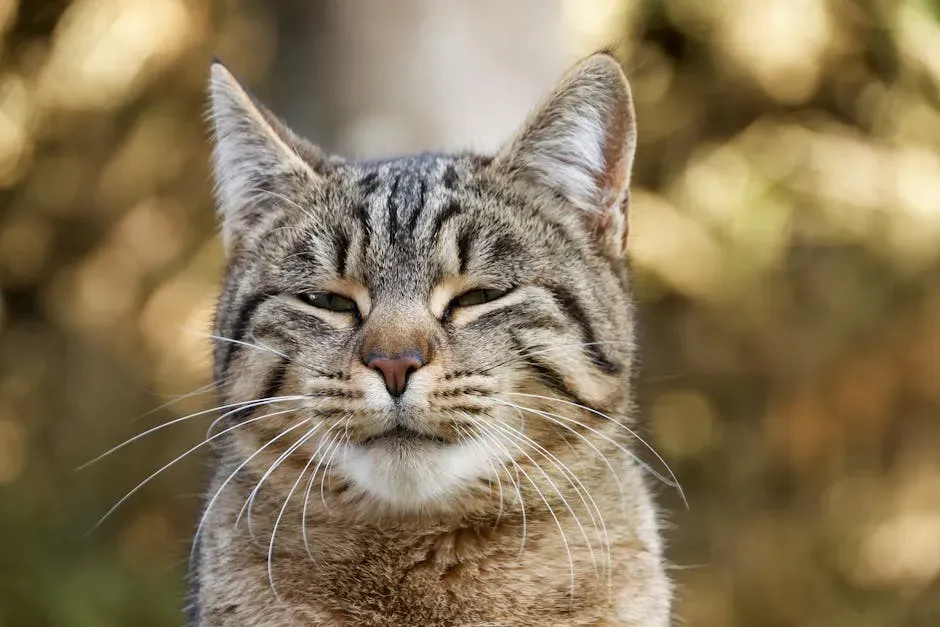
A terrified cat never closes its eyes around you voluntarily - it can't afford to. Predator instincts keep scared cats hyper-alert, watching every movement with wide, unblinking eyes. So when a rescue cat starts slow-blinking at you, deliberately closing its eyes for a second or two while looking your way, something huge has shifted internally.
Behaviorists often call this the "cat smile," and it's one of the most reliable early indicators of comfort. The slow blink is voluntary vulnerability - the cat is essentially saying it feels safe enough to be blind for a moment in your presence. Try slow-blinking back the next time it happens; many cats will repeat the gesture, turning it into a genuine back-and-forth conversation.
#2 - Sleeping Deeply, Not Just "Resting"
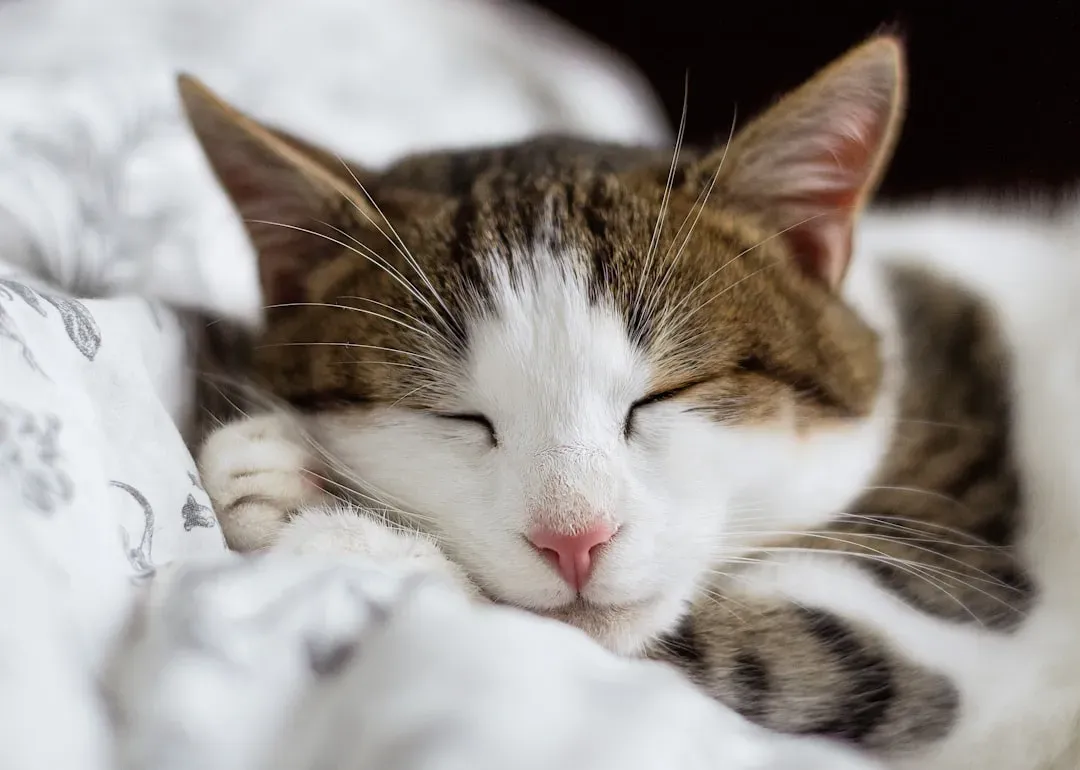
There's a massive difference between a cat that's resting and a cat that's truly asleep. Scared rescue cats often appear to nap, but their ears stay swiveling, their body stays tense, and they wake at the faintest sound. That's not sleep - it's vigilance dressed up as rest.
Real sleep looks different: a fully stretched-out body, exposed belly, twitching whiskers, and zero reaction to normal household noise like a vacuum two rooms away. This is the cat's nervous system finally powering down instead of running background threat-detection 24/7. When a rescue cat starts sleeping in that loose, floppy, almost boneless way, it's telling you the environment finally feels predictable enough to let its guard down completely.
Quick Compare: Stressed Sleep vs. Trusting Sleep
- Stressed sleep: ears twitching at every sound, body curled tight, one eye seemingly ready to open
- Trusting sleep: fully stretched out, belly exposed, slow and even breathing
- Stressed sleep: wakes instantly at footsteps or doors closing
- Trusting sleep: sleeps through vacuums, doorbells, and normal household chaos
#3 - Eating Without Watching the Door
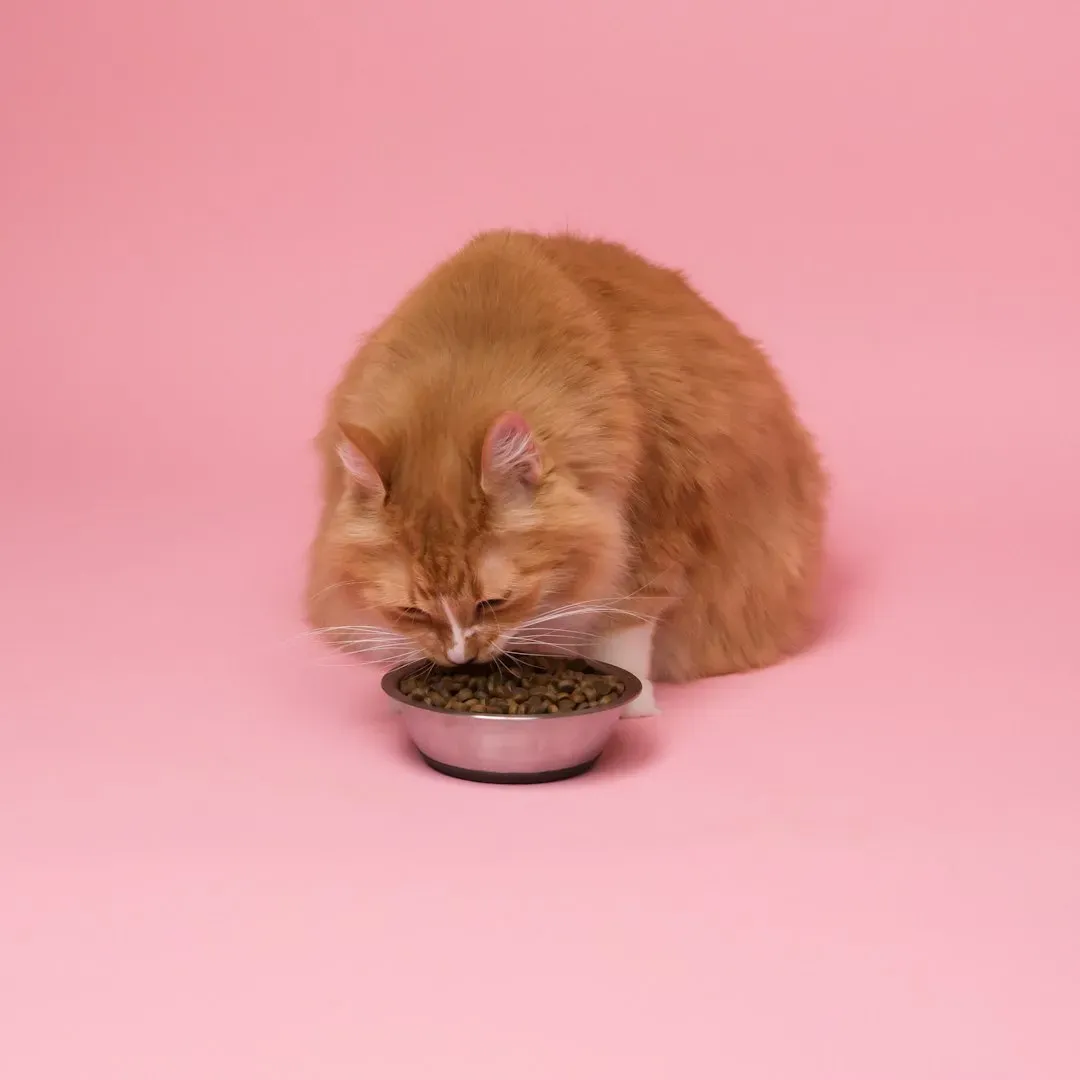
Fear and appetite are directly connected in cats. A stressed cat often eats quickly, in short bursts, while positioned to see every entrance and exit - because eating requires putting your head down, which is dangerous if you don't feel safe. Some rescue cats will only eat once a human leaves the room entirely.
The shift happens gradually: first the cat eats with you nearby but tense, then eats while glancing up occasionally, and eventually eats calmly with its back partially turned to you, completely absorbed in the meal. That total relaxation around food is a strong biological signal that the cat no longer sees you as a threat worth monitoring during a vulnerable activity.
#4 - Choosing to Follow You From Room to Room
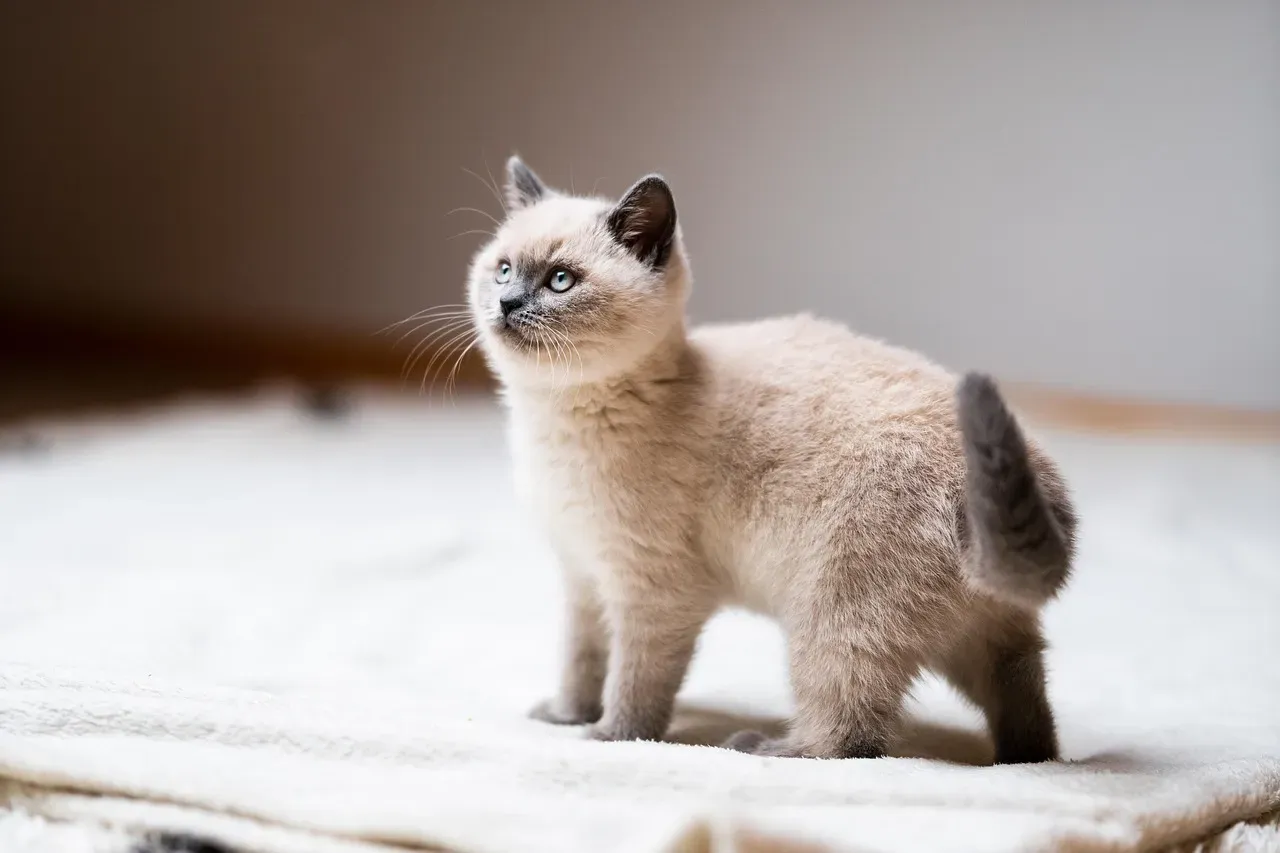
Scared cats hide. Comfortable cats shadow you. When a rescue cat starts trailing behind you into the kitchen, the bathroom, or wherever you go in the house, that's not random - it's attachment behavior forming in real time.
This following behavior mirrors what shelter staff describe as "shadowing," and it typically starts small: a cat peeking around a corner before eventually walking a few feet behind you like a quiet, four-legged companion. It's not about wanting food or attention necessarily; often it's simply about wanting to be near a source of safety. Cats that once bolted at footsteps choosing to actively seek out your presence is one of the clearest behavioral reversals possible.
#5 - The Tail Held Upright With a Curved Tip
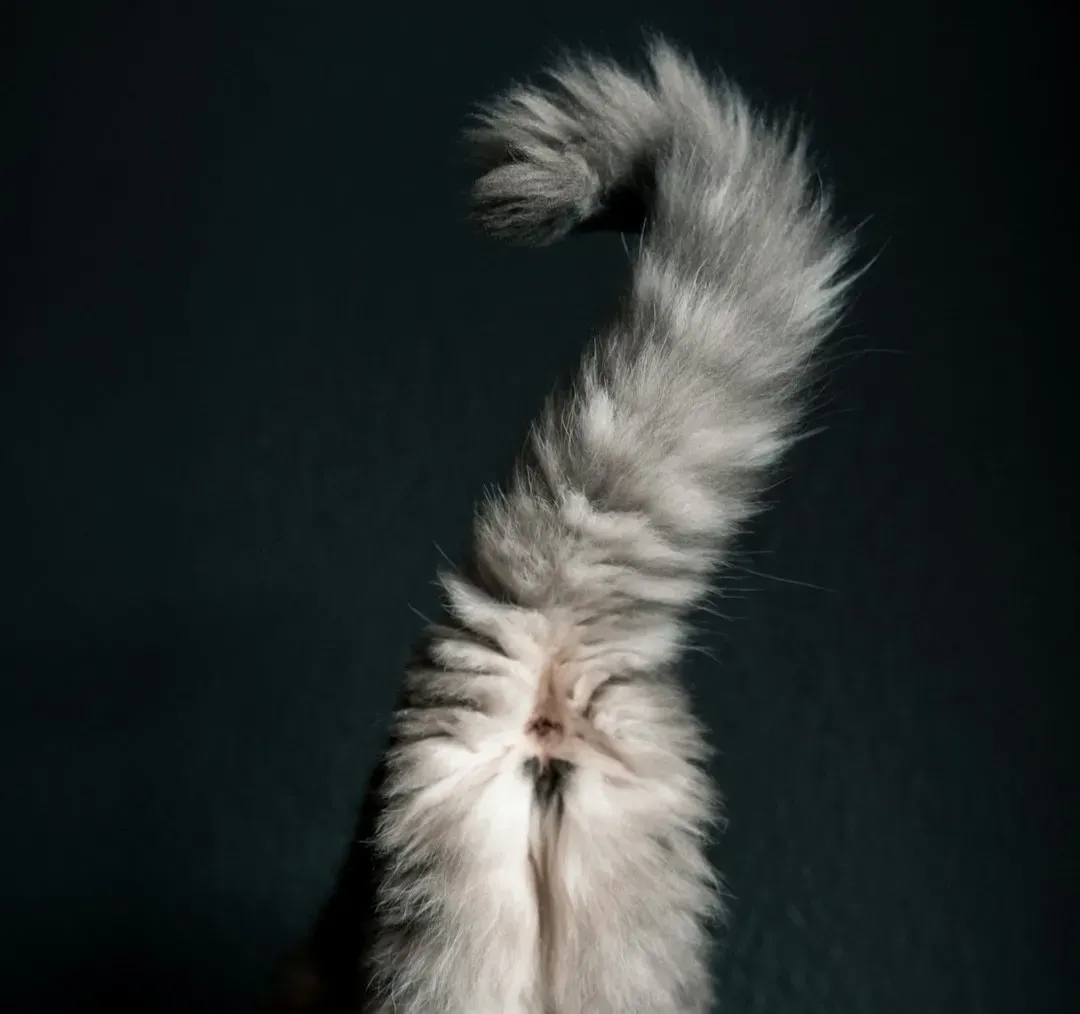
A tucked, low tail signals fear or submission. A tail held straight up, sometimes with a gentle curl or "question mark" hook at the tip, is a friendly, confident greeting - the feline equivalent of a relaxed handshake.
This is one of the fastest tail signals to change once fear subsides, and it's easy to spot even from across a room. A cat that greets you at the door with its tail up and tip curved has crossed a major emotional threshold. It's actively choosing to approach and communicate rather than avoid, which is a dramatically different posture from the flattened, low-slung tail of a frightened rescue during its first weeks home.
#6 - Kneading, Purring, and "Making Biscuits"
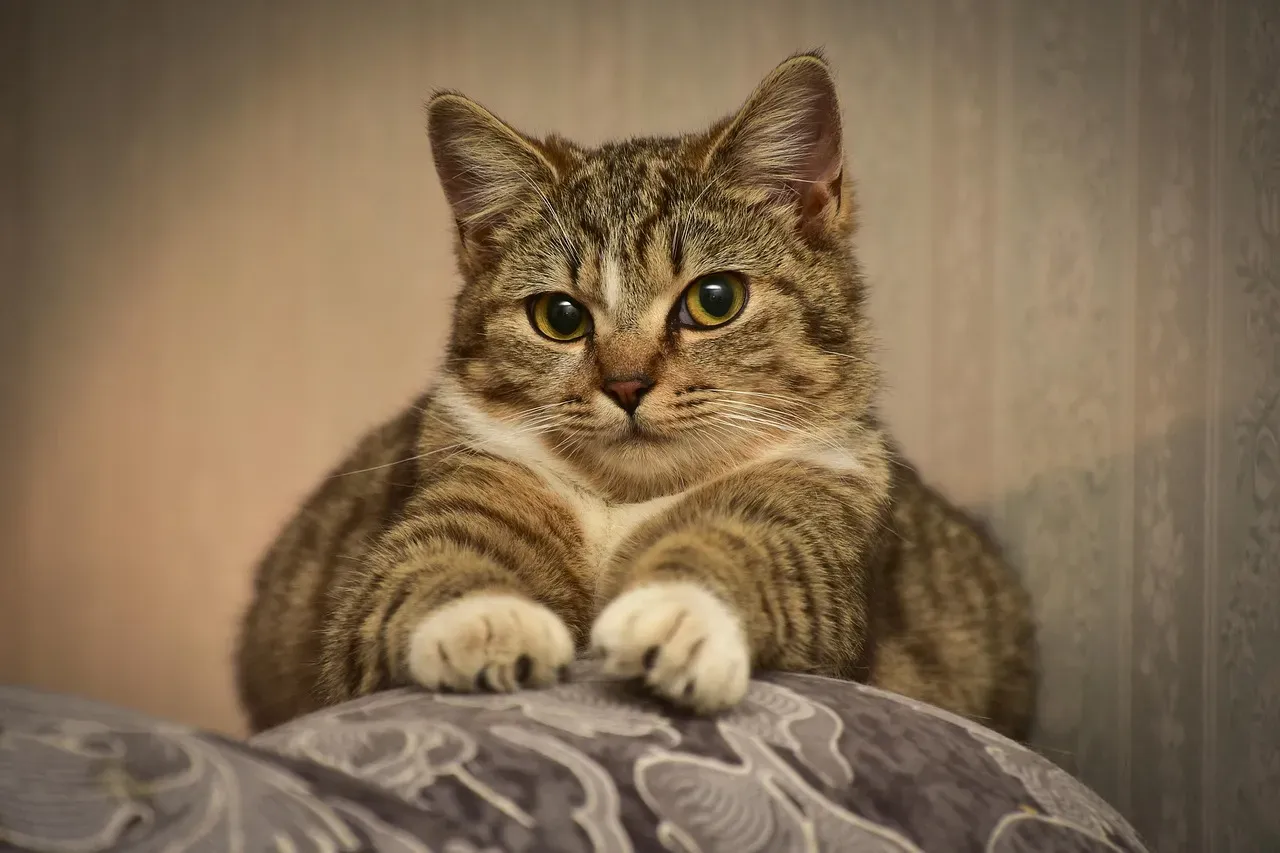
Kneading - that rhythmic pawing motion cats do on blankets, laps, or soft surfaces - is a leftover kitten behavior tied to nursing and comfort. Cats don't knead when they're anxious; it's an almost involuntary expression of contentment.
When a rescue cat starts kneading a blanket while purring, especially in your lap or right next to you, it's regressing to one of the safest, most comforting behaviors it knows. This combination of kneading and purring together is a strong physiological signature of relaxation, not just a cute quirk. It usually appears well after the more cautious signs, marking a deeper stage of emotional settling rather than just tolerance.
#7 - Rubbing Its Head and Body Against You
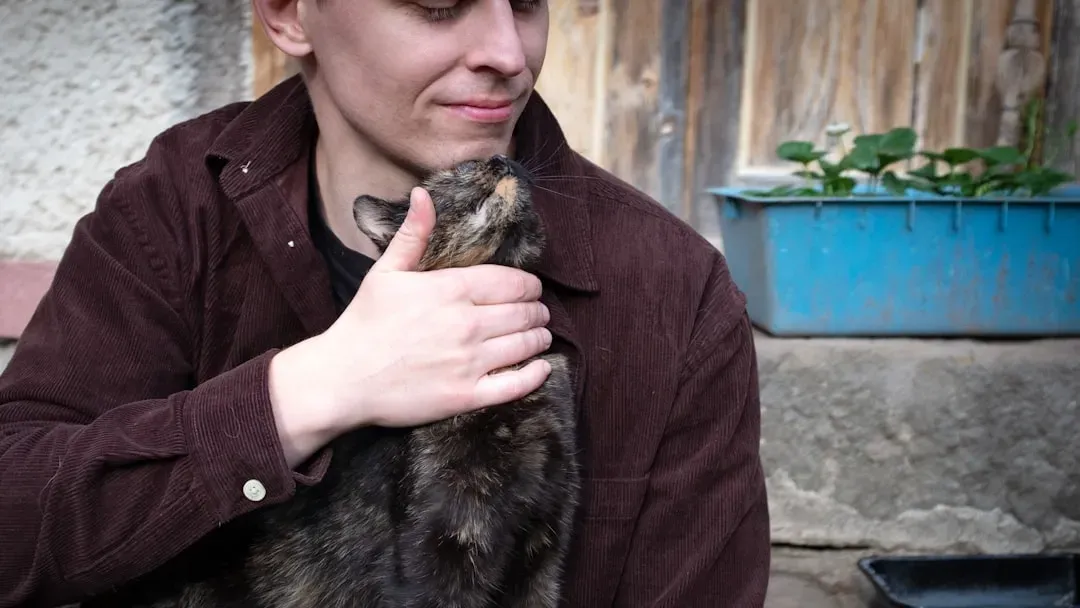
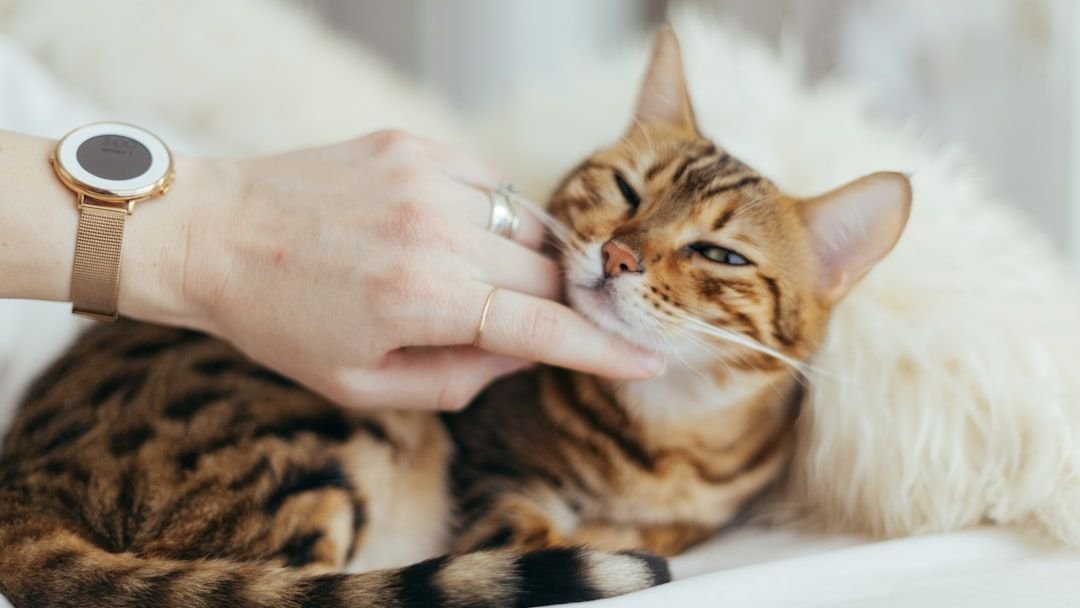
Head-bunting and body-rubbing are scent-marking behaviors, and cats only mark things and people they consider part of their trusted territory. A scared cat won't willingly press its face or flank against a human it's unsure of.
This is the cat literally depositing its own scent onto you from glands near the cheeks, forehead, and base of the tail - essentially claiming you as safe and familiar. Owners often misread this as the cat just wanting attention, but it's actually a territorial trust signal. Once a rescue cat starts initiating these rubs unprompted, rather than only tolerating them, it has mentally filed you under "family" rather than "unknown threat."
Fast Facts
- Cats carry scent glands on their cheeks, forehead, chin, and the base of the tail
- Head-bunting deposits pheromones cats reserve almost exclusively for trusted humans and animals
- Kittens bunt their mothers before they even fully open their eyes, tying the behavior to safety from birth
- Cats rarely bunt unfamiliar people, furniture, or strangers on a first meeting
#8 - Exposing the Belly While Relaxed
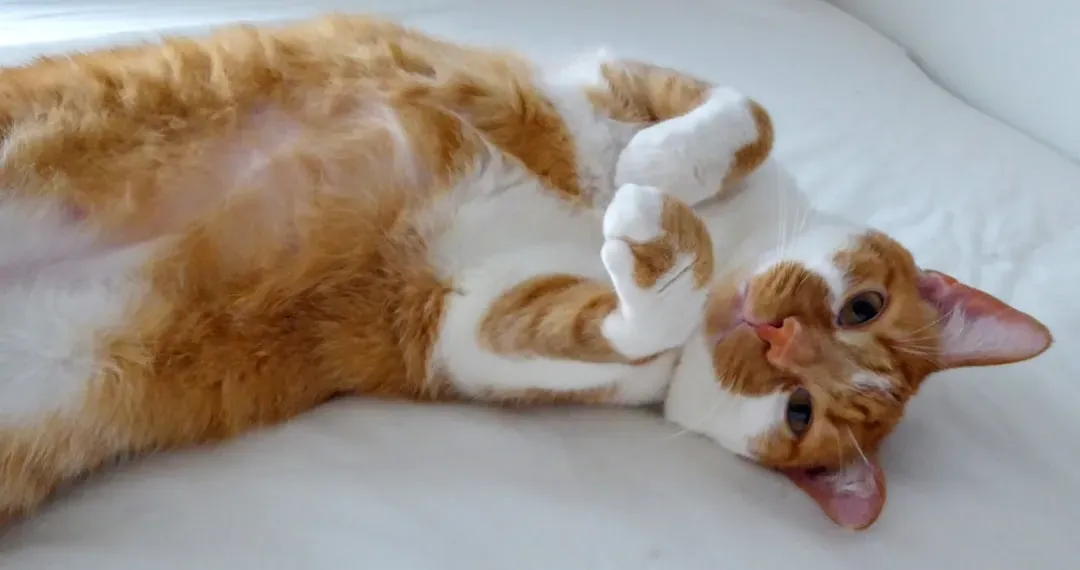
The belly is the most physically vulnerable part of a cat's body, protecting vital organs with almost no muscle or bone coverage. A cat that flashes its belly while lounging is making an enormous statement about how unthreatened it feels in that moment.
Important caveat: belly exposure is not an invitation to touch it - many cats will still flip and grab if you go for a belly rub, since it's a display of comfort, not consent for contact. The real sign of progress is that the cat feels safe enough to expose that vulnerable area at all, stretched out fully with legs splayed, rather than curled defensively with its underside protected.
#9 - Vocalizing More: Chirps, Trills, and Meows
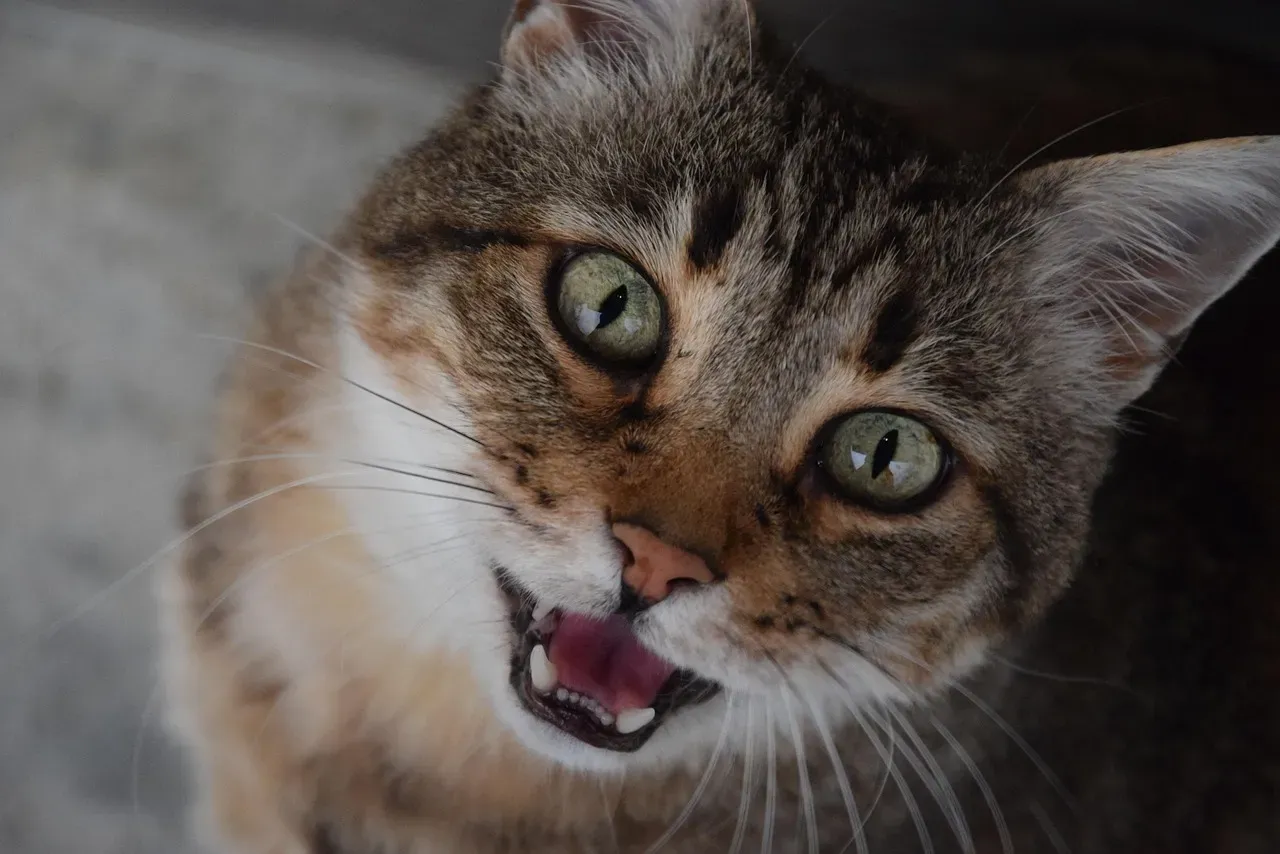
Feral and deeply frightened cats are often eerily silent, because vocalizing draws attention, and attention was historically dangerous. Silence was survival. So when a once-quiet rescue cat suddenly starts chirping at birds, trilling when you walk in, or meowing to greet you, it's a genuinely significant shift.
These sounds - chirps and trills especially - are largely reserved for cats communicating with trusted individuals, often mimicking the sounds mother cats use with kittens. A cat that "talks" to you regularly has decided you're worth communicating with directly, rather than staying invisible. This vocal opening-up frequently surprises owners because it can happen somewhat suddenly after weeks of near-total silence.
At a Glance: What Each Sound Means
- Chirps and trills: friendly greeting, often mimicking a mother cat calling her kittens
- Meowing: a sound adult cats rarely use with each other, largely reserved for communicating with humans
- Purring: usually contentment, though it can occasionally signal self-soothing during stress
- Silence: the default setting for a frightened or feral cat trying to stay unnoticed
#10 - Playing Openly, Even With You Watching
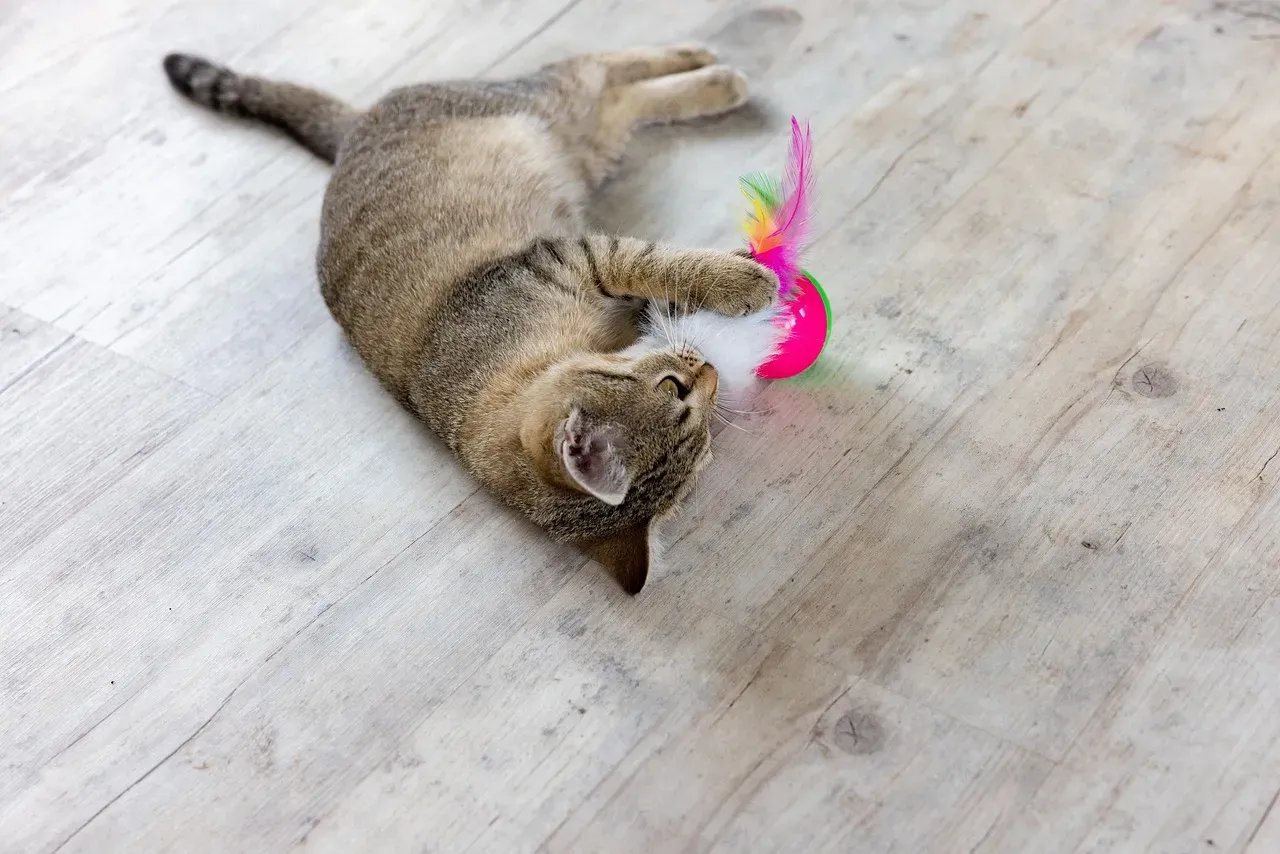
Play requires a cat to feel physically and emotionally secure enough to be silly, clumsy, and momentarily unguarded - three things a frightened cat simply cannot afford. Scared rescue cats often stop playing altogether, sometimes for months, even with toys they clearly enjoy.
The return of play is a major milestone, and it usually starts small: a paw batting at a toy from a hiding spot, then eventually full-body pouncing and chasing while you're sitting right there watching. This isn't just entertainment; it's a direct behavioral indicator that stress hormones have dropped enough for the cat's brain to prioritize fun over vigilance, which is a genuinely rare shift for a formerly frightened animal.
#11 - Approaching You First, Without Being Called
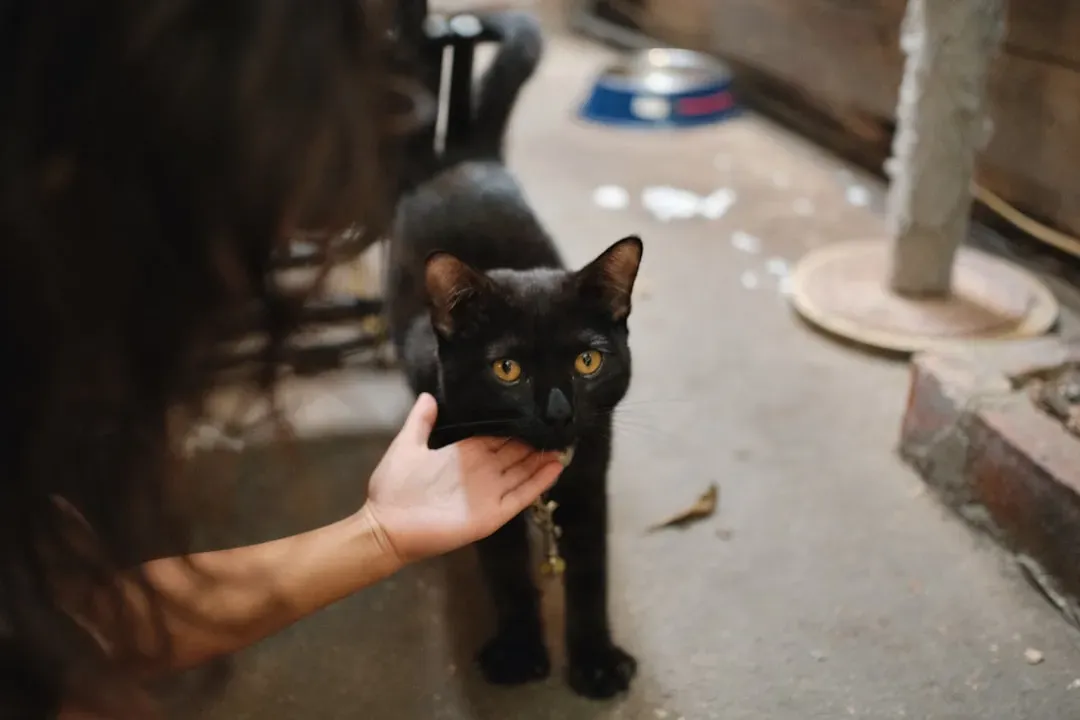
There's a particular moment rescue cat owners describe almost universally: the day the cat walks over on its own, completely uninvited, and chooses to be near you. Before that point, most interactions are owner-initiated - you approach, you call, you wait.
Self-initiated approach flips the entire dynamic. The cat is now making a choice rather than tolerating a situation, and that choice is rooted in the belief that approaching you leads to something good rather than something risky. This is frequently cited by shelter behaviorists as one of the clearest turning points in the entire trust-building timeline, more telling than physical affection alone.
#12 - Using the Litter Box Normally, Without Hiding
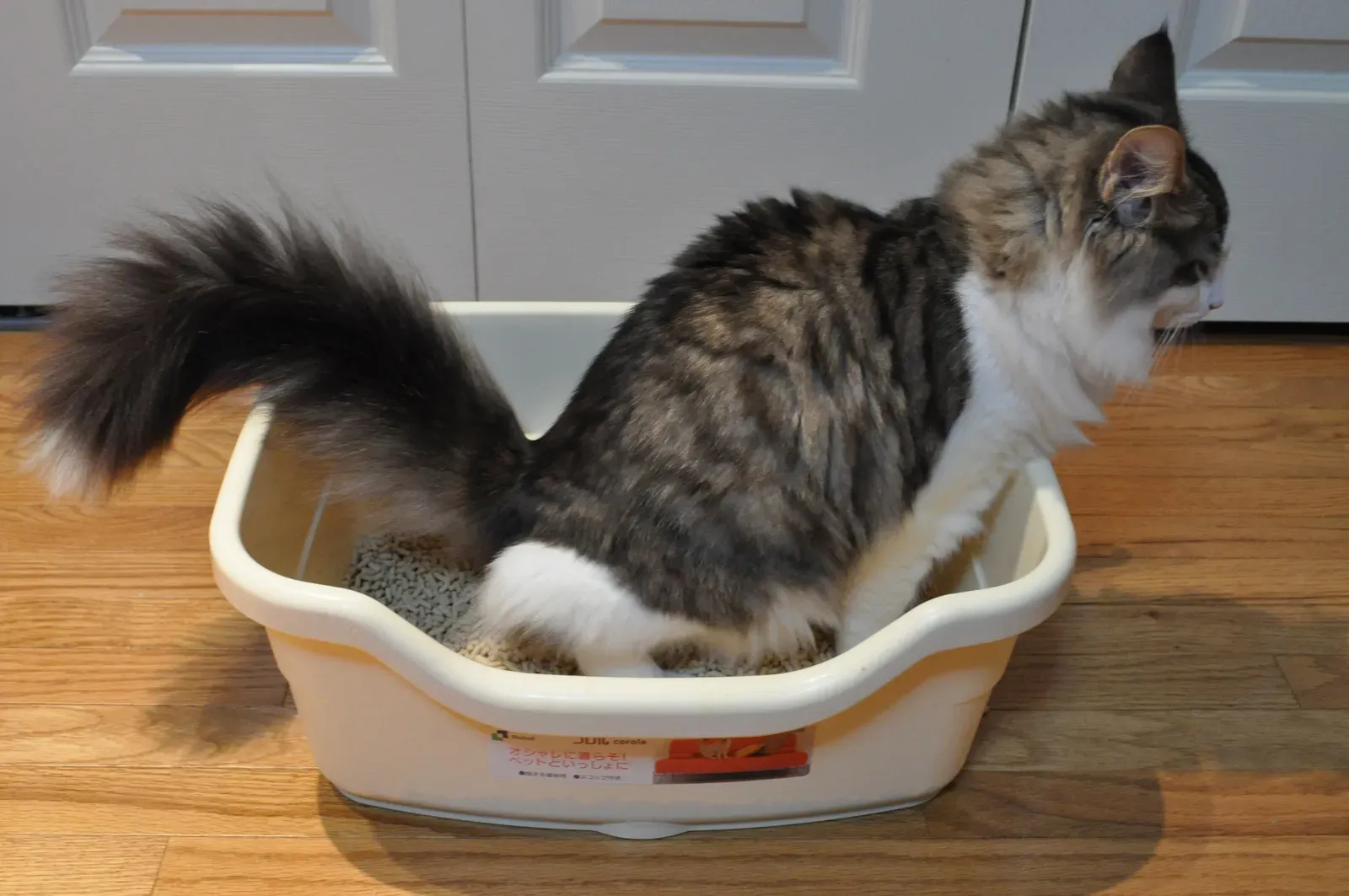
This one sounds unglamorous, but it's scientifically significant. Stress in cats commonly manifests as litter box avoidance, inappropriate elimination, or an obsessive need to use the box only when no one is nearby or watching. It's one of the clearest physical stress markers vets look for.
When a rescue cat starts using the litter box consistently, without accidents, without hiding to do it, and without the tense, rushed body language of a stressed animal, it usually reflects a genuine drop in baseline anxiety, not just improved habit. Veterinarians frequently flag litter box behavior as an early warning system for stress, so its normalization is a quietly powerful sign of underlying comfort.
Worth Knowing
- Litter box avoidance is one of the top stress indicators veterinarians screen for in cats
- Overgrooming or bald patches can signal chronic anxiety, not just seasonal shedding
- A sudden drop in appetite often points to environmental stress before it points to illness
- Hiding for the majority of the day, even weeks after adoption, is a common lingering fear signal
#13 - Tolerating (and Eventually Enjoying) Being Picked Up
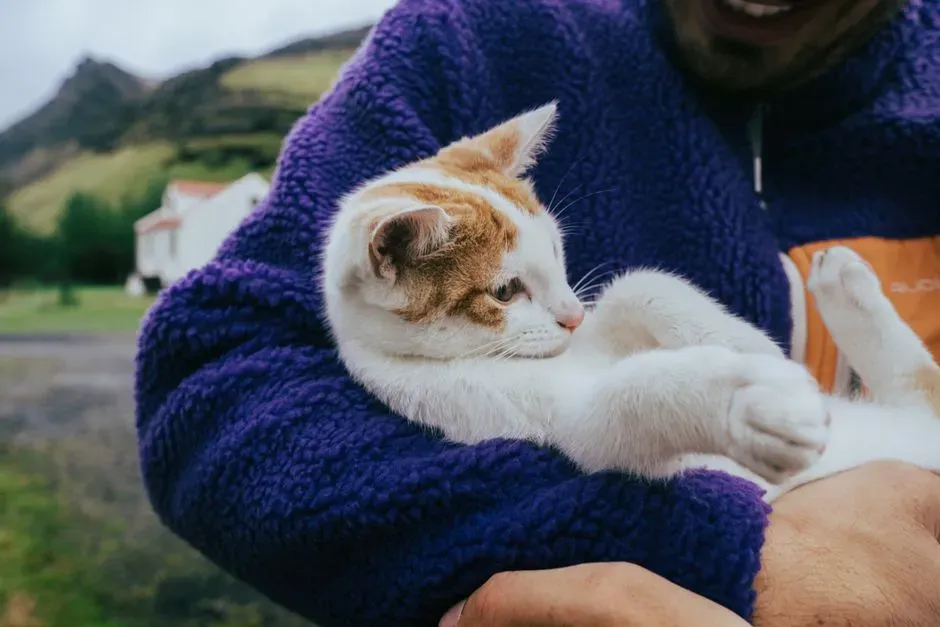
Being lifted off the ground removes a cat's ability to flee, which is its primary defense mechanism. For a scared rescue cat, being picked up can feel like a genuine threat to survival, triggering stiffening, clawing, or panicked struggling.
The transition from rigid tolerance to relaxed acceptance doesn't happen overnight, and pushing it too early can set trust back significantly. But a cat that goes soft and loose in your arms, rather than braced and ready to bolt, has made peace with losing that escape option temporarily. Some cats even begin seeking this out, draping over a shoulder voluntarily - a dramatic reversal from the stiff, clawing rescue cat many owners remember from day one.
#14 - Holding Eye Contact Instead of Fleeing
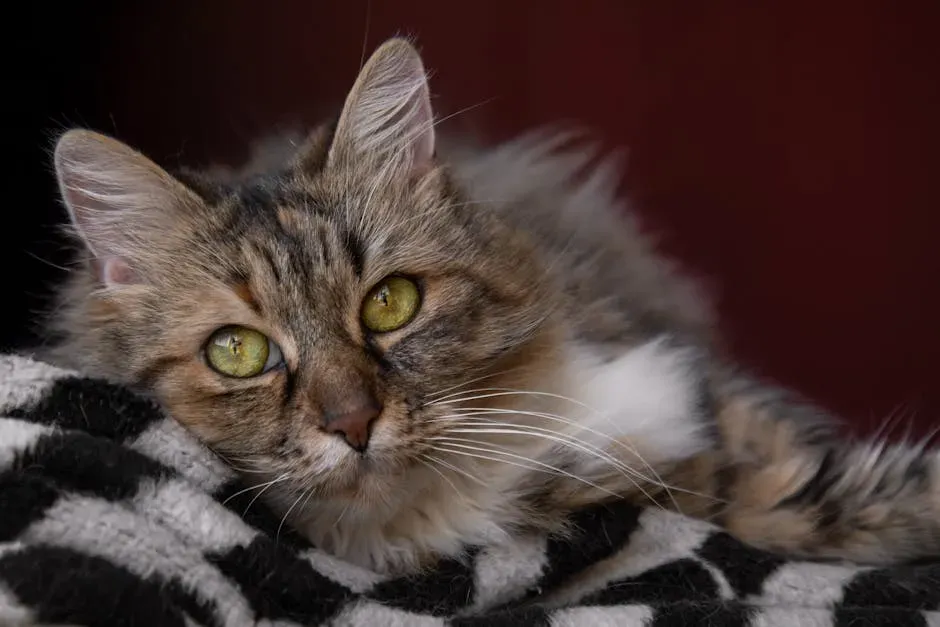
Direct eye contact in the animal world often reads as a challenge or a threat, which is why scared cats avoid it entirely, glancing away or bolting the moment eyes meet. Early on, most rescue cats simply won't hold a gaze.
Watch for the shift where a cat looks directly at you and simply stays put, sometimes even blinking slowly, rather than immediately breaking contact or retreating. This isn't about staring contests - it's about the absence of the flight response that eye contact used to trigger. Many owners report this happening gradually over weeks, appearing first in brief, half-second glances before evolving into sustained, calm eye contact.
#15 - Choosing to Nap Near You, Not Just in the Room
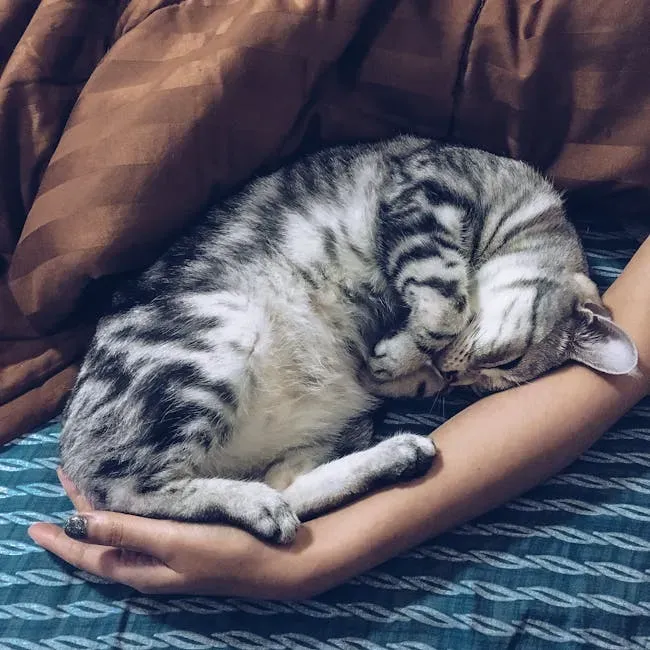
There's a meaningful difference between a cat sleeping somewhere in the house and a cat specifically choosing to sleep touching you - on your lap, against your leg, or curled into the crook of your arm. Proximity during sleep, the most vulnerable state an animal can be in, is the ultimate trust signal.
This is frequently described by behaviorists as the final stage of the trust arc, because a sleeping cat has zero ability to react to danger, making physical closeness during sleep an unmistakable declaration of safety. When a formerly terrified rescue cat starts consistently choosing your body as its preferred nap spot over every other soft surface in the house, the transformation from fear to genuine security is essentially complete.
The Bottom Line
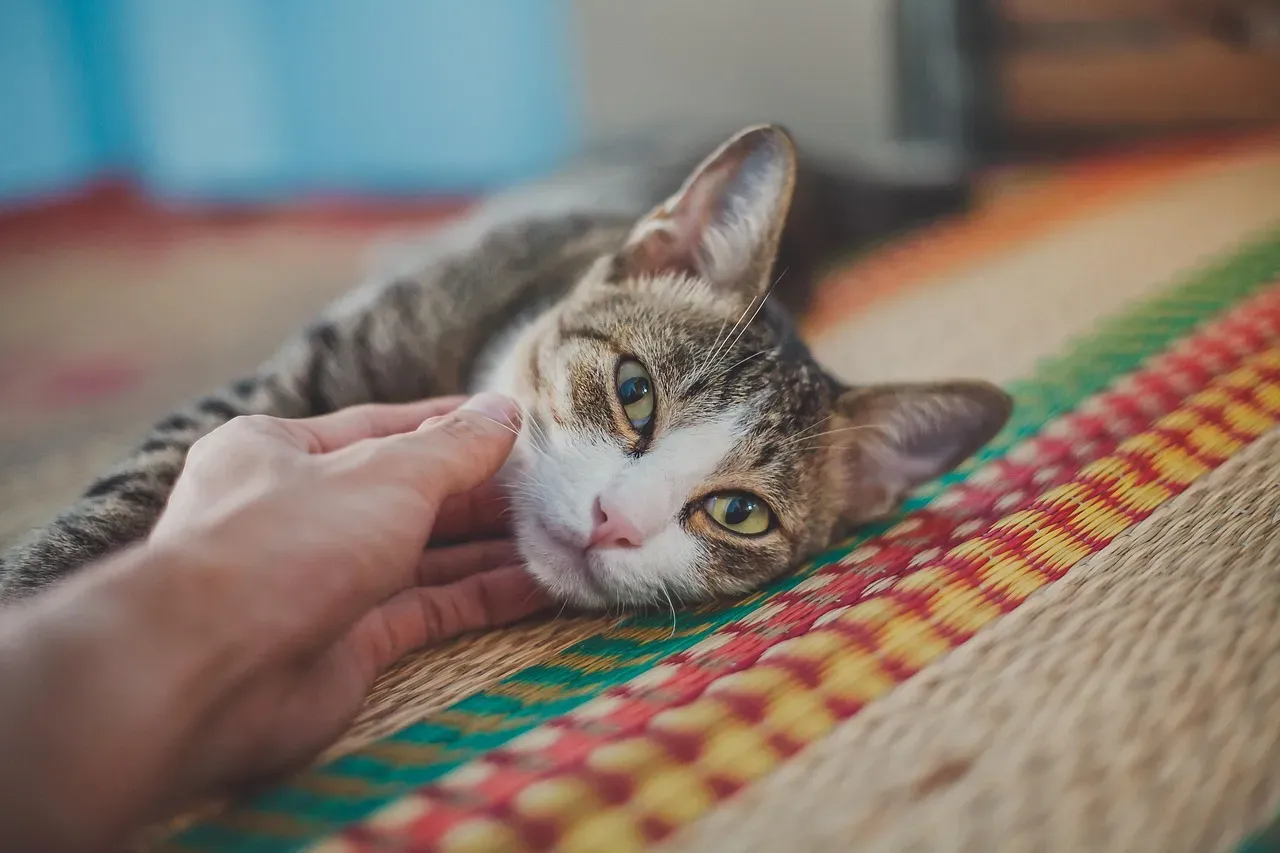
Rescue cats don't announce their recovery with dramatic gestures - they reveal it through small, cumulative shifts: a slow blink, a relaxed nap, a tail held just a little higher than before.
The biggest mistake owners make is expecting instant affection instead of watching for these quiet behavioral upgrades. Trust with a traumatized cat isn't a switch, it's a slow rebuild, and rushing physical affection before these signs appear often backfires.
If you're waiting for your rescue cat to "snap out of it," stop waiting for something dramatic - the recovery already happened, quietly, somewhere between a slow blink and a nap you almost didn't notice.