15 Traits That Set Your Purebred Cat Apart From All the Rest
Most people assume their cat is one-of-a-kind simply because they love it. Fair enough - but if your cat is purebred, centuries of selective breeding already wrote a very specific blueprint into its DNA before it ever met you.
The gap between a purebred cat and a typical mixed-breed goes way past looks. We're talking behavior, health risks, coat structure, and personality wiring that were locked in before birth - and once you see the pattern, you can't unsee it.
#15 - A Documented Lineage That Proves Who They Are
Most cats come with a mystery past. Purebred cats come with receipts.
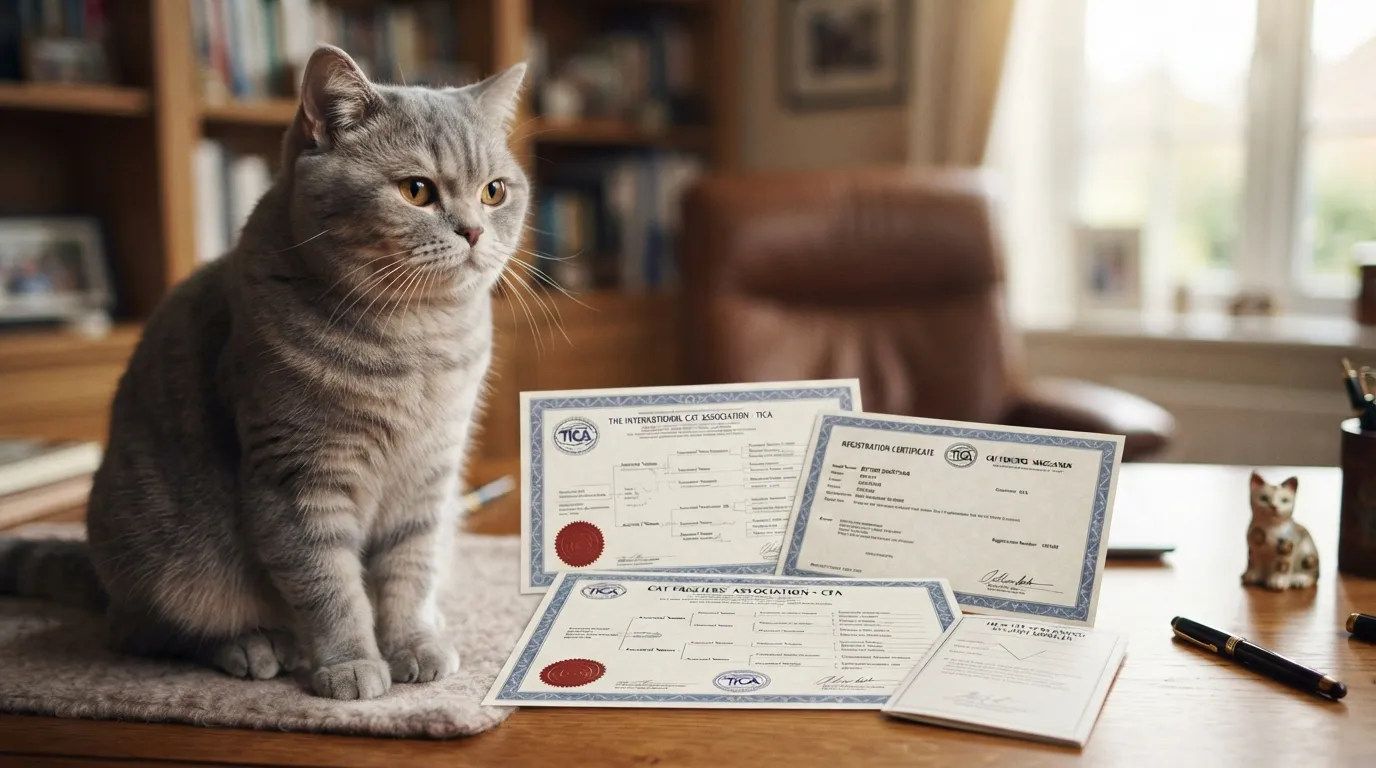
Every genuine purebred arrives with registration paperwork that verifies the breed and often reflects generations of health screening designed to catch hereditary conditions early.
A purebred cat belongs to a recognised breed with defined physical traits, behaviors, and documented ancestry. Unlike mixed-breed cats, both parents share the same breed and meet standards set by organisations like TICA or the CFA.
Without that paperwork, you're guessing. And nobody wants to guess about an animal they're already attached to.
But the paperwork is just the cover page. What's actually written inside that lineage shapes everything else on this list.
#14 - Breed Standards That Govern Every Inch of Their Body
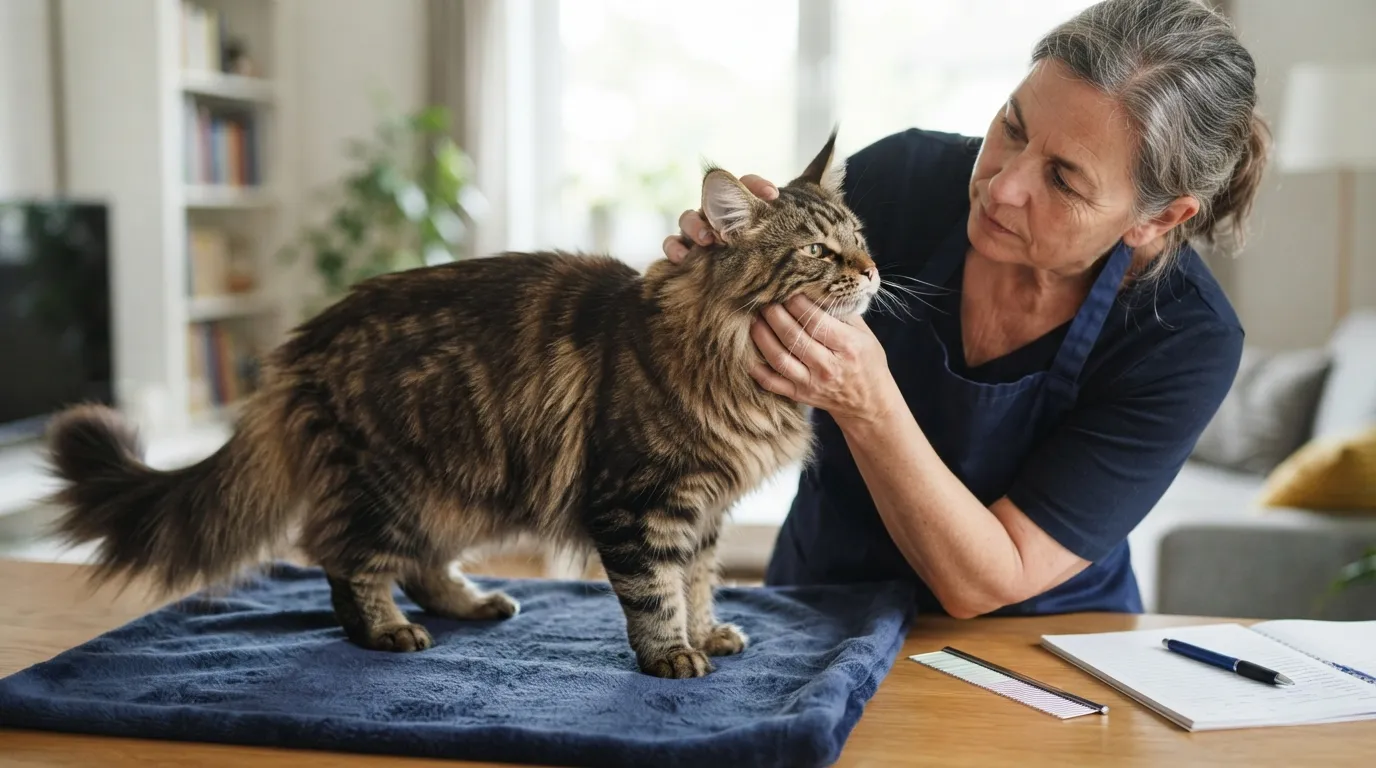
Your purebred cat's appearance isn't an accident. It was engineered, one generation at a time.
Each breed standard spells out body type, coat texture, acceptable colors, eye shape, and structural features down to the smallest detail.
So when you look at a Persian, a Siamese, or a Maine Coon, you're looking at decades - sometimes centuries - of deliberate selection. Not luck. Not chance.
And those standards don't stop at the surface. They go straight into the mind.
#13 - Temperament Wired In, Not Learned
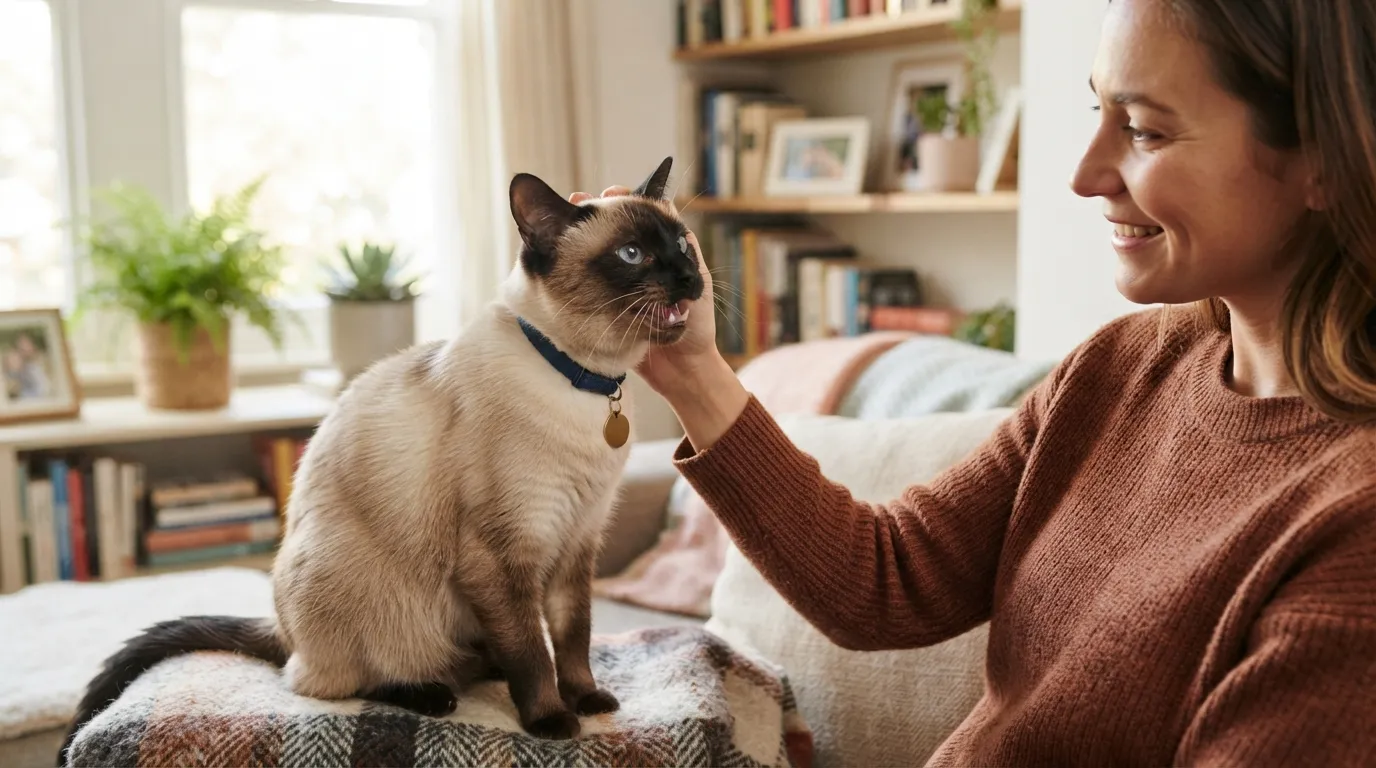
Here's what most casual cat owners never realize: purebred personality is largely inherited, not trained.
Siamese cats are famously chatty and social. Ragdolls are known for going limp with affection the moment you pick them up.
Researchers have noted that some of these behavioral traits weren't a byproduct of a working role - they were selected for on purpose, the same way coat color was.
Breeders didn't just shape how purebred cats look - they shaped how they think and feel.
That reliability is exactly why the next trait matters so much to new owners.
#12 - Size and Build That's Largely Predictable
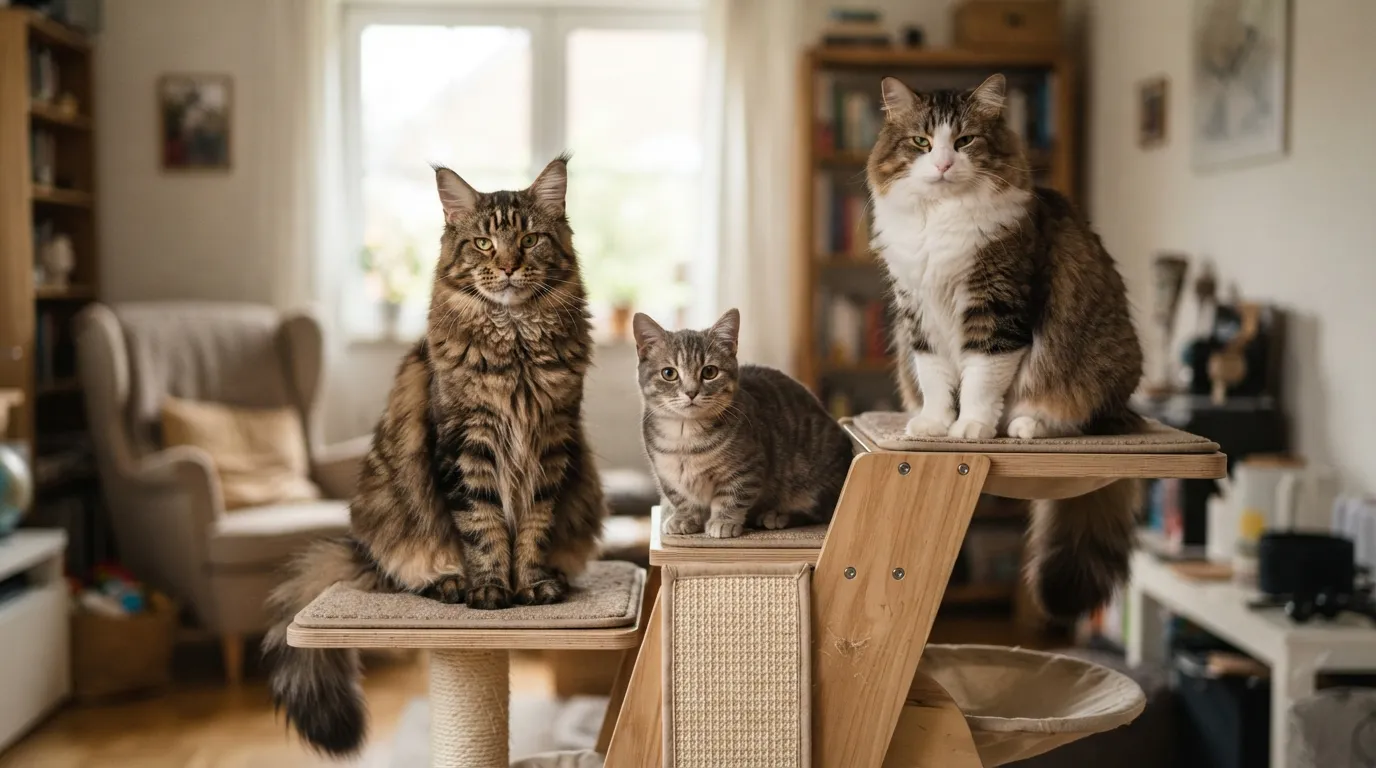
Mixed-breed kitten owners play a guessing game for a year. Purebred owners already know the ending.
A Maine Coon will grow large. A Munchkin will stay low to the ground. A Siberian will end up calm and sturdy.
That predictability lets you plan your home, your furniture, and your life around the actual animal you're getting - not a mystery that unfolds over 12 months.
Knowing adult size isn't a luxury. It's just the first layer of the physical blueprint that comes standard with a purebred.
#11 - A Coat Structure Unlike Any Generic Cat
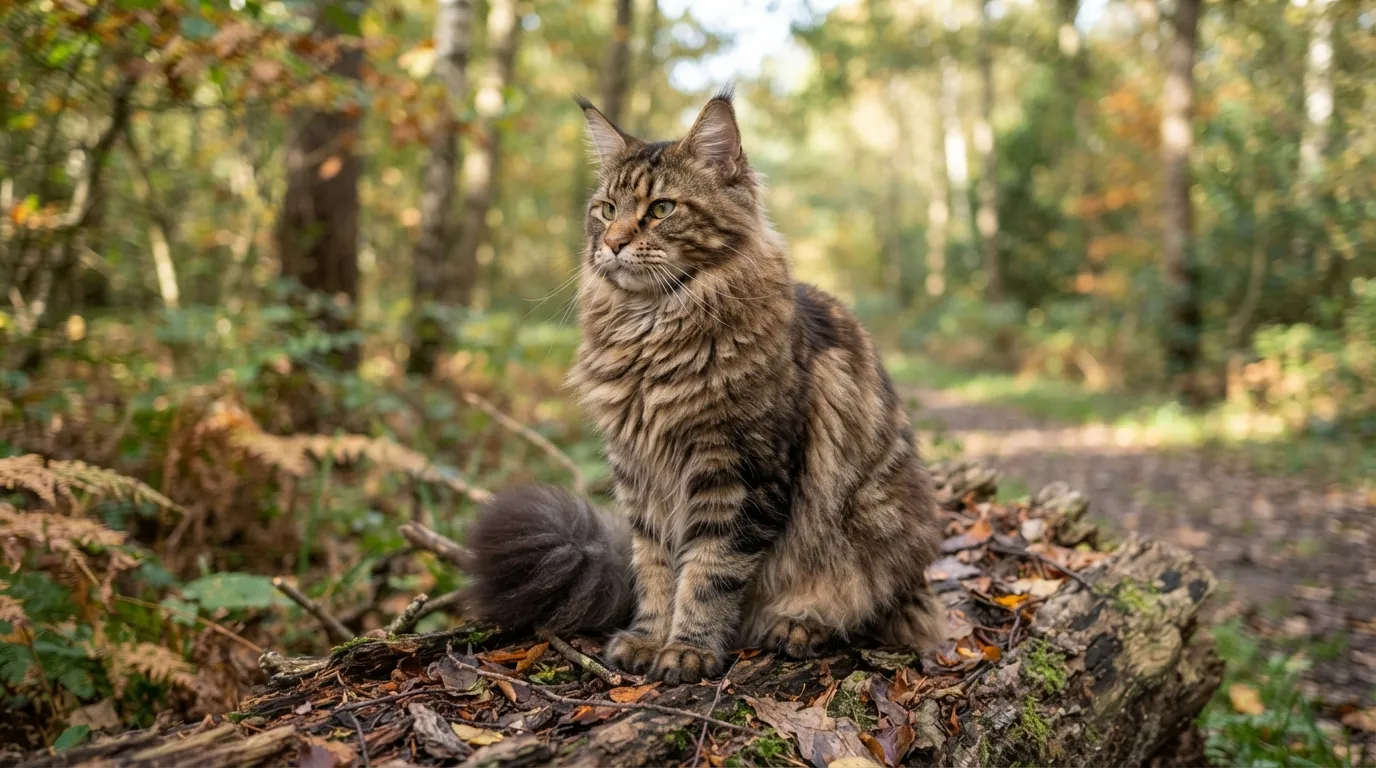
Purebred coats aren't just prettier. They're structurally different in ways that actually matter.
Specific fur textures, ear shapes, and body proportions serve as real indicators of a cat's purebred heritage - not just style choices.
Some coat types evolved for a specific climate and still function that way today. The Maine Coon's semi-long, water-resistant fur wasn't chosen for looks - it was chosen for survival.
Fast Facts
- The longest domestic cat ever verified by Guinness World Records was a Maine Coon named Stewie, measured at 48.5 inches from nose to tail.
- Barivel, the current record holder for longest living cat, measures 47.2 inches and lives in Italy.
- Male Maine Coons can weigh up to 25 pounds, while females typically top out between 12 and 18 pounds.
Speaking of that famous Maine Coon build, there's a story behind it most owners never learn.
#10 - Physical Features Tied Directly to History
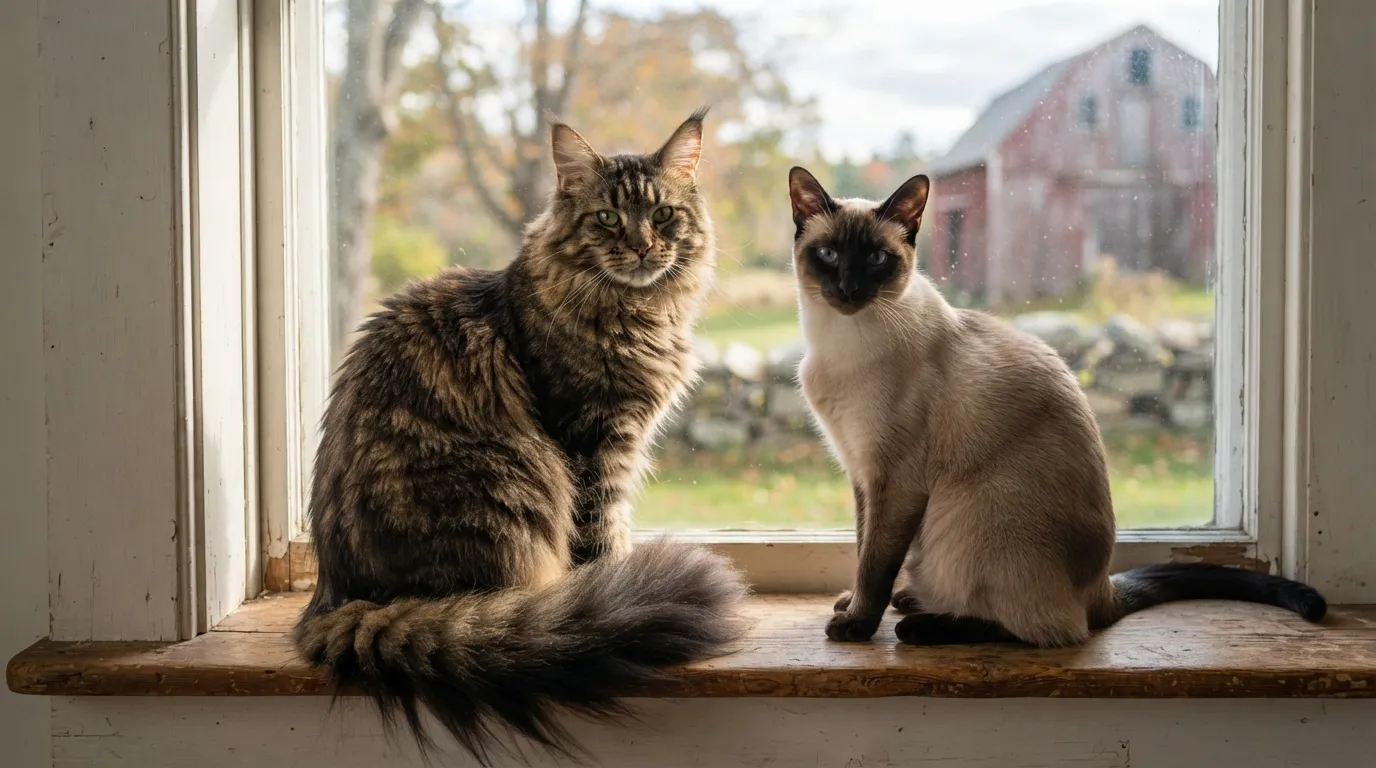
Every unusual physical trait on a purebred cat has a reason. Most owners just never bother to ask why.
The Maine Coon's long, bushy tail worked as built-in insulation during brutal New England winters, and its tufted ears helped guard against frostbite.
The Siamese cat's striking look reflects its origins in Thailand, where it was once revered as a symbol of good fortune.
These aren't quirks. They're centuries of environment and culture written into fur and bone - and it changes how you see your cat once you know it.
#9 - Breed-Specific Health Risks You Can Actually Plan For
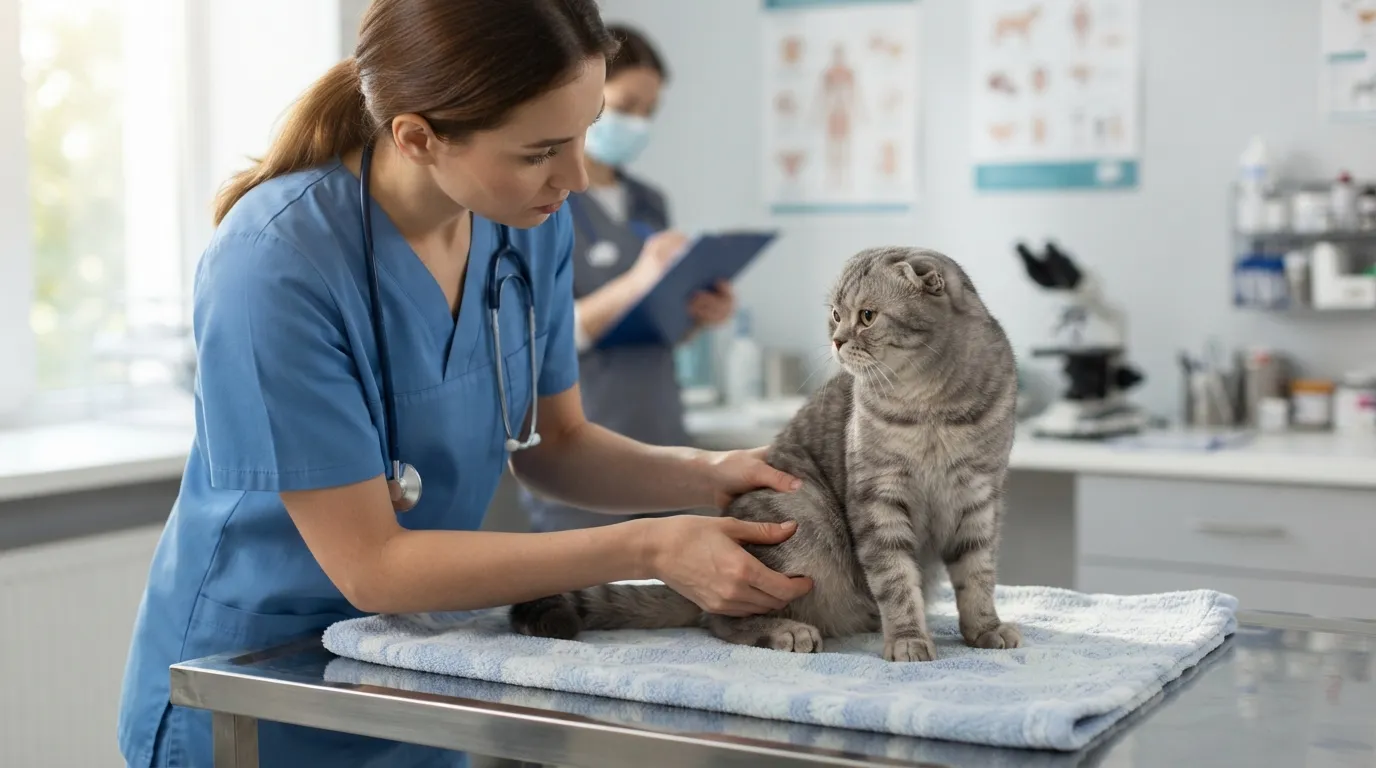
This is the trait nobody wants to talk about - but it could genuinely save your cat's life.
Purebred cats face real health risks tied to being bred for specific traits from a limited gene pool. The difference is that these risks are known in advance.
At a Glance
- Maine Coon: genetic heart disease (hypertrophic cardiomyopathy)
- Devon Rex: hereditary myopathy affecting muscle function
- Ragdoll: elevated risk of heart conditions
- Scottish Fold: joint and cartilage issues linked to the folded-ear gene
Knowing the risk before the diagnosis means you can screen early, ask the right questions, and pick the right vet from day one.
#8 - Coat Color and Behavior Are Scientifically Linked
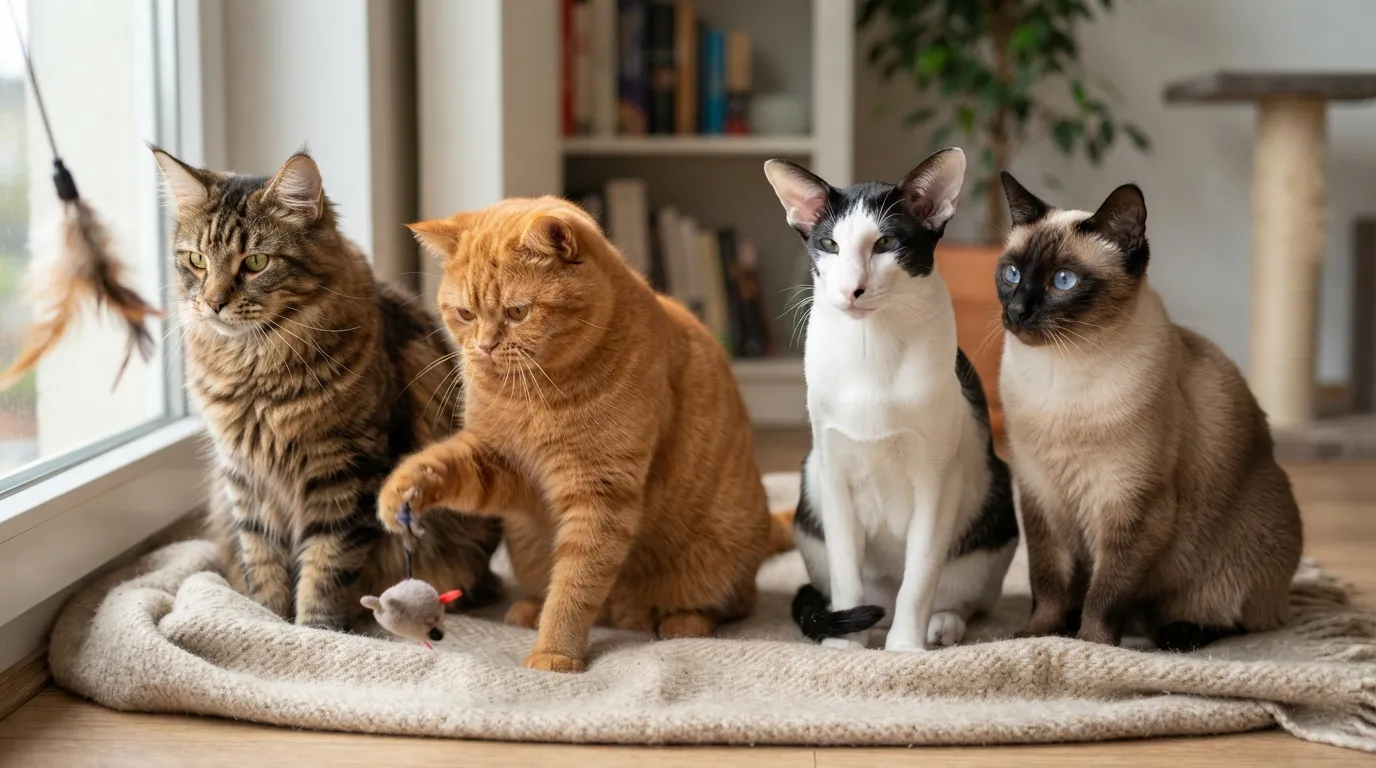
This is the finding that surprises even experienced cat owners.
Studies have found real differences in behavior scores tied to coat color and pattern - increased aggression in agouti cats, stronger prey drive in red cats, and less stranger-directed aggression in piebald cats.
Siamese and Tonkinese patterned cats, specifically, showed a higher likelihood of separation anxiety.
The genetics behind a purebred's coat color are often the very same genes influencing how it behaves. It's not superstition - it's biology.
#7 - Vocalizations That Are Breed-Specific, Not Random
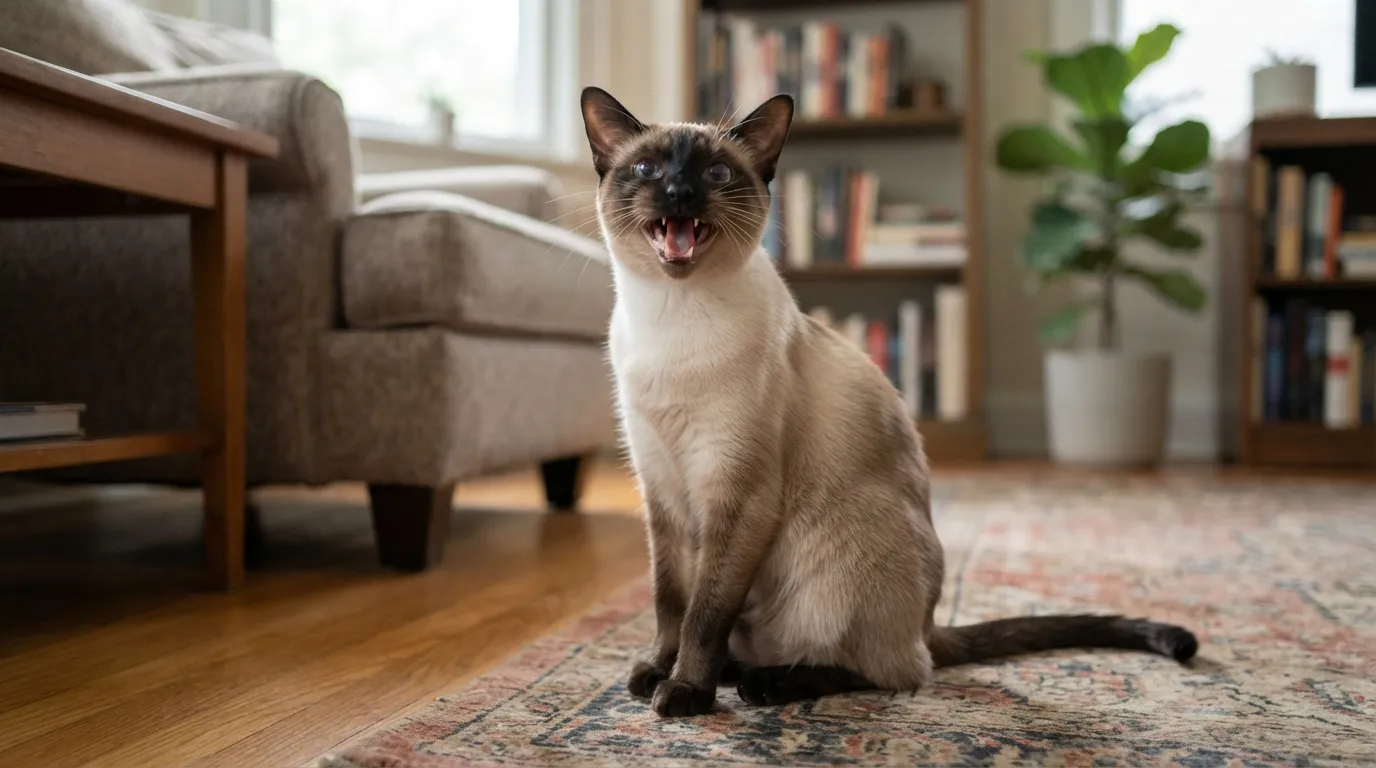
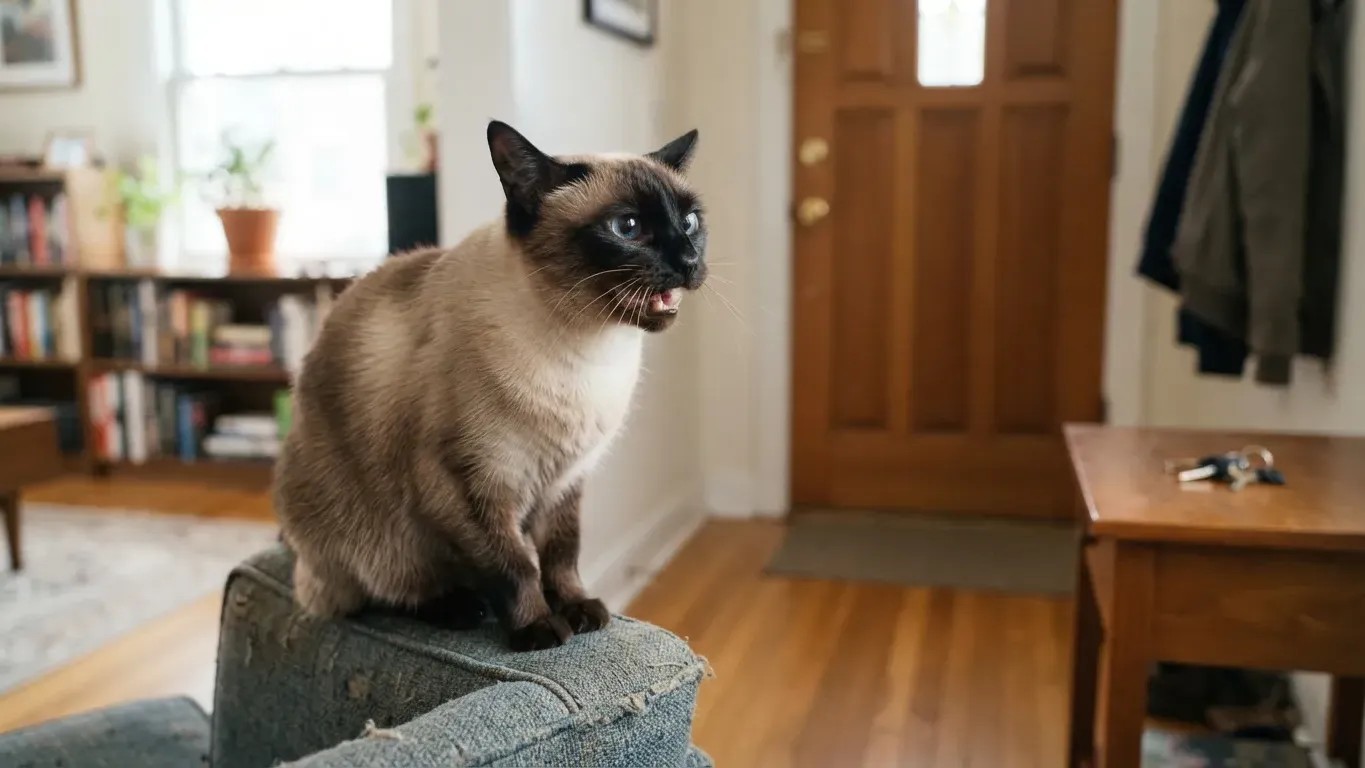
Your purebred cat isn't "just being chatty." It's behaving exactly as its breed was shaped to.
Breed standards describe expected vocalization tendencies right alongside coat and body type, because sound is part of the package too.
A Siamese that never stops talking isn't misbehaving - it's being a textbook Siamese.
Plenty of owners who complain their cat is "too loud" or "too quiet" are simply mismatched with the breed. And that mismatch runs even deeper in the next trait.
#6 - Registration With Formal Cat Organisations
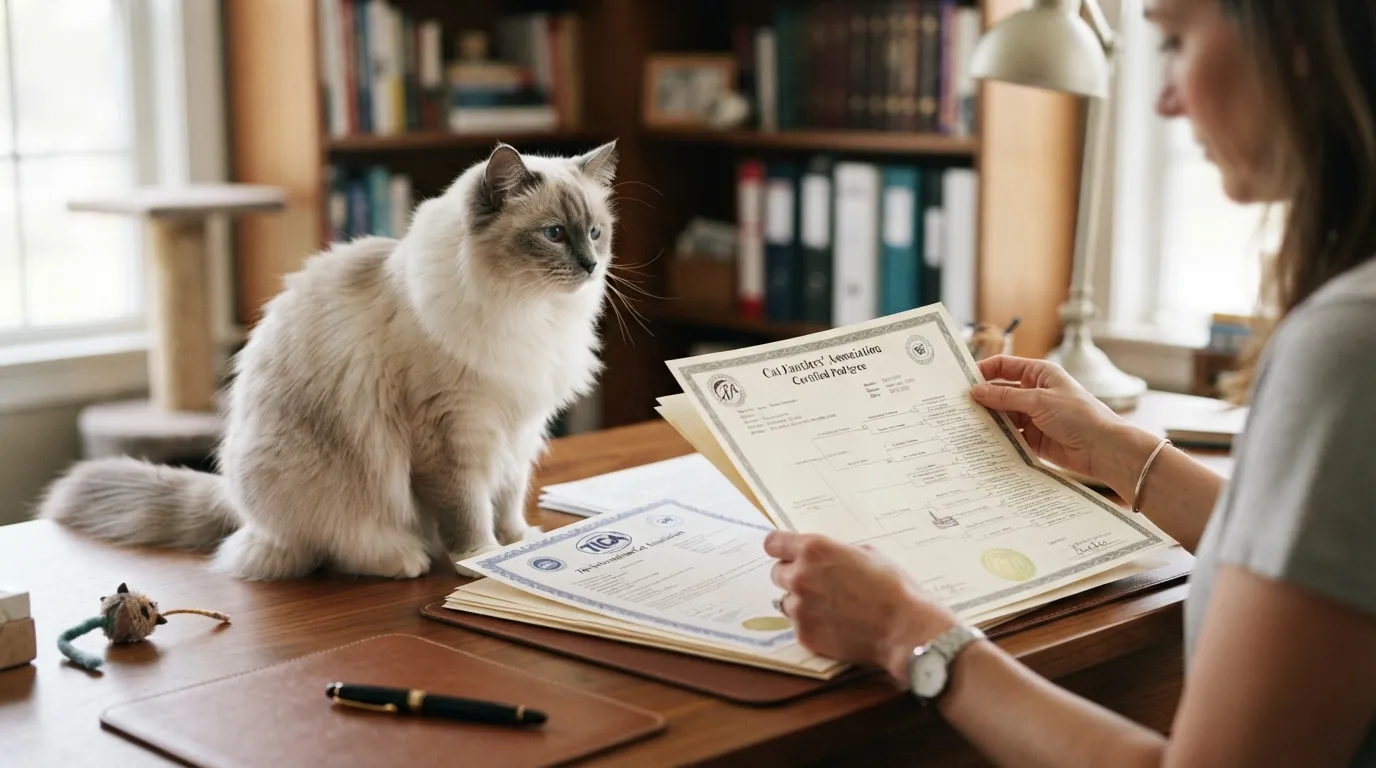
Purebred status isn't self-declared. It has to be verified, on paper, by an outside authority.
Legitimate purebred cats carry documented ancestry within a single recognised breed, registered with organisations like the CFA or TICA.
Worth Knowing
- Founded in 1906, the Cat Fanciers' Association (CFA) is one of the oldest cat registries in the world.
- CFA currently recognizes 45 pedigreed breeds, while TICA recognizes around 75.
- CFA-certified pedigrees can document three to six generations of ancestry.
Registration matters because it creates accountability for the breeder, the bloodline, and ultimately the cat's welfare. No papers, no proof.
#5 - Separation Anxiety That's Genuinely Breed-Driven
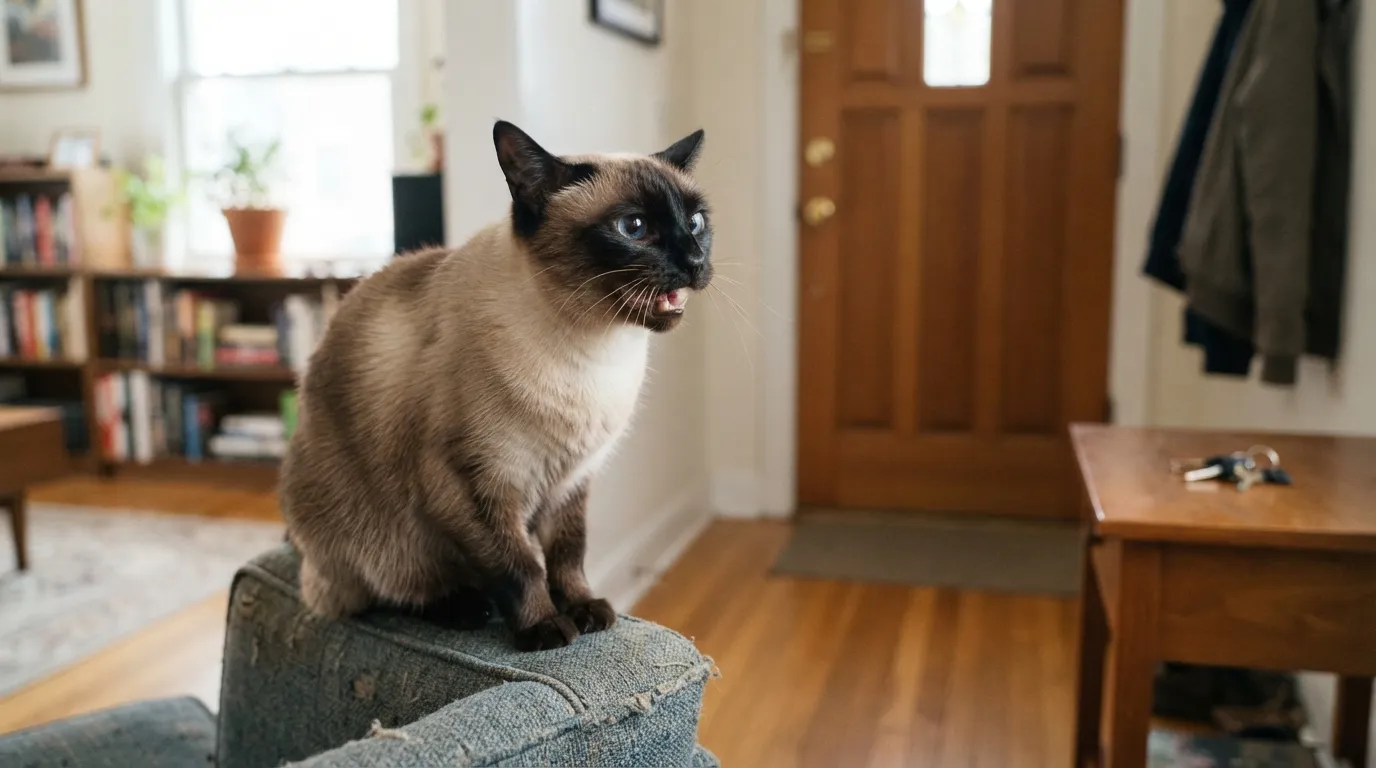
Most people assume an anxious cat is just "needy." In purebreds, it often runs much deeper than that.
Research links increased separation anxiety specifically to Siamese and Tonkinese patterned cats - breeds intentionally shaped to bond intensely with humans.
If your Siamese panics when you leave the house, that's not a training failure. It's a genetic predisposition you can actually plan around.
Understanding this stops owners from blaming themselves - and it clears the way to see something even more visually striking.
#4 - Eye Shape and Color That's Locked to the Breed
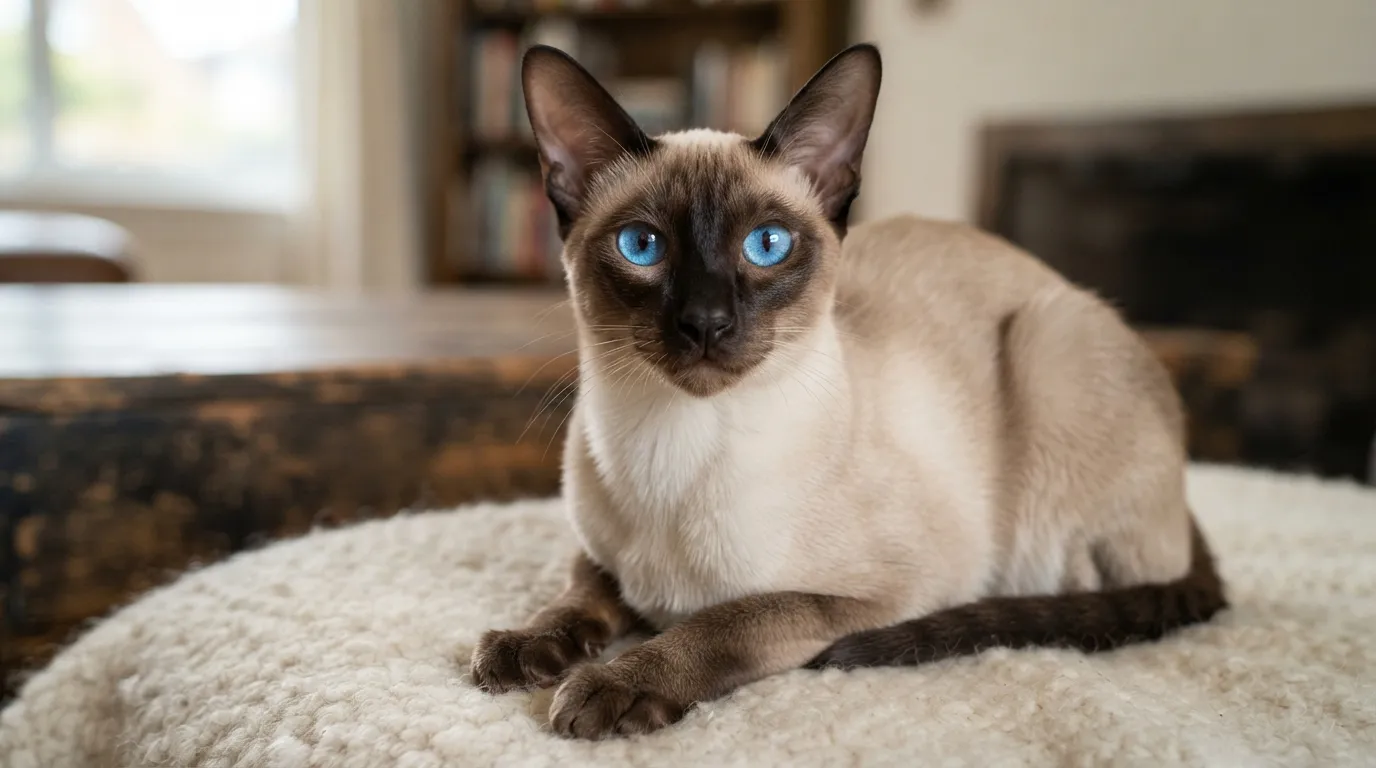
The eyes of a purebred cat are not coincidence. They're specification, down to the shade of blue.
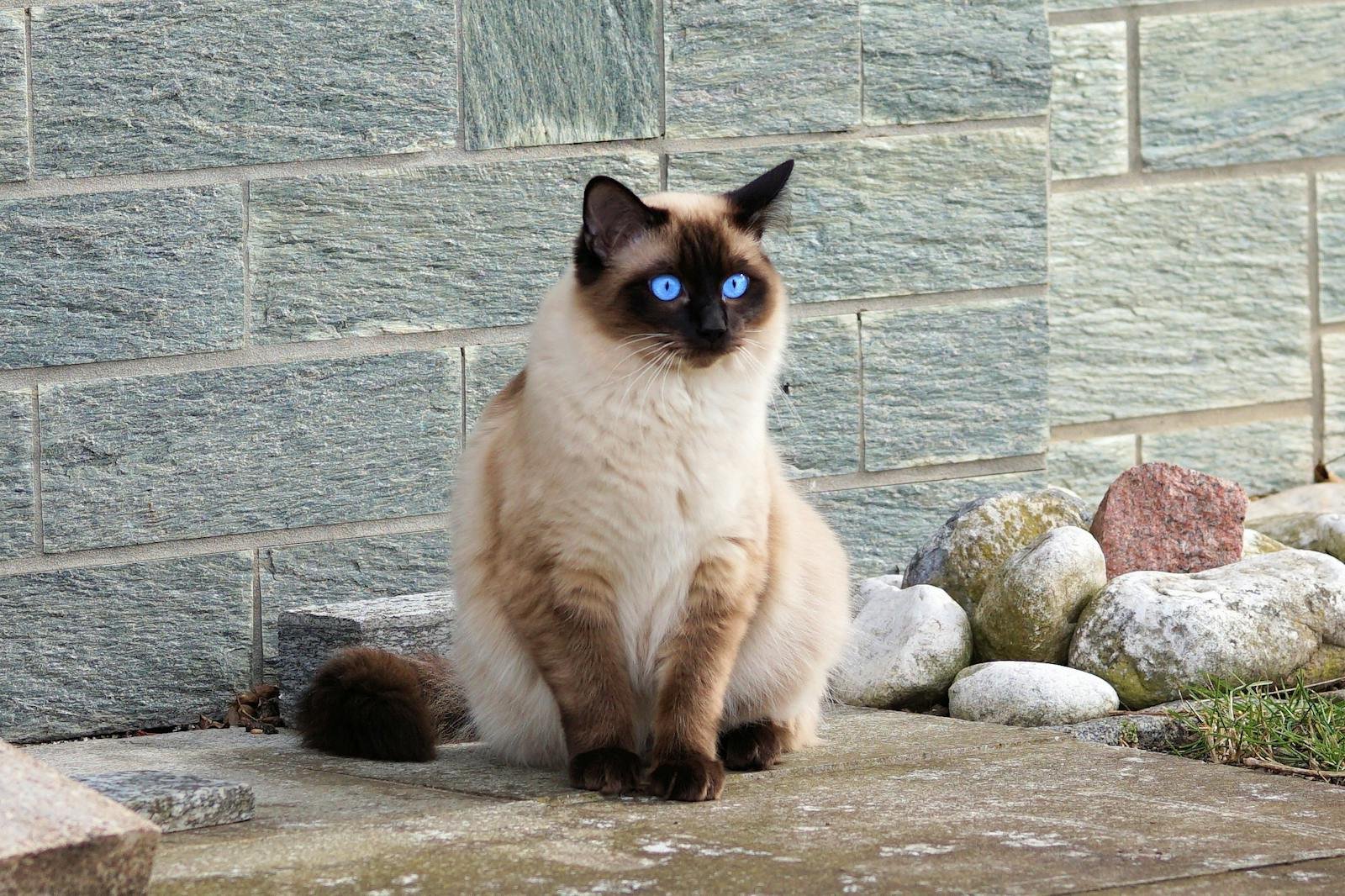
Siamese cats are known for their almond-shaped blue eyes and point coloration - a combination so consistent it became the breed's signature for centuries.
No mixed-breed cat reliably reproduces that exact combination, because it's tied directly to coat genetics, not chance.
It's a package deal, written straight into the DNA. And there's one more physical trait most people notice but never fully understand.
#3 - Structural Extremes That Come With Trade-offs
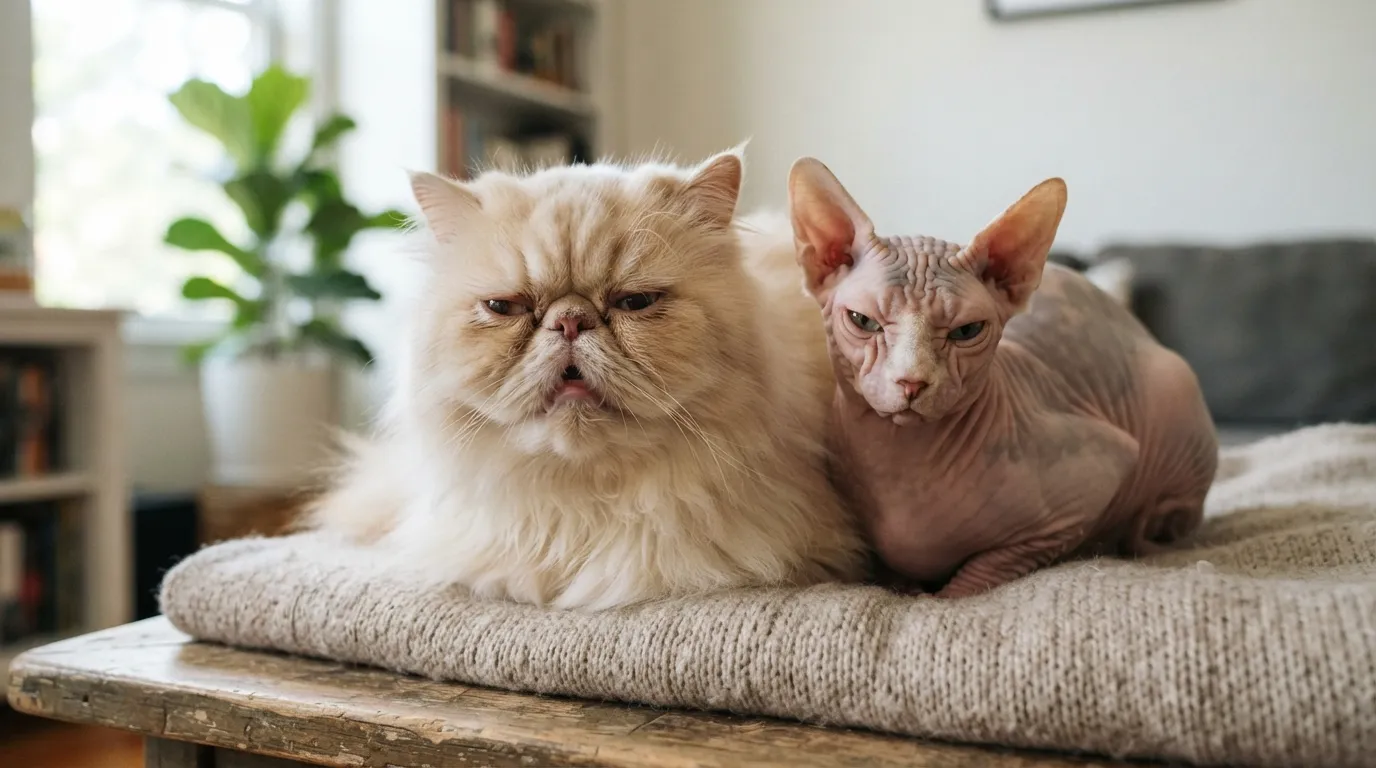
Here's the uncomfortable truth that separates informed purebred owners from everyone else.
Naturally developed cat breeds tend to be sturdy and healthy, without extremes like baldness, dwarfism, or a pushed-in face.
Persian cats' flat faces make breathing genuinely difficult and leave them prone to dental disease. Sphynx cats, bred hairless, often struggle with skin problems and regulating their own body temperature.
The very trait that makes a breed visually iconic is sometimes the same trait that creates its biggest health burden. Know that trade-off before you fall for the look.
#2 - Grooming Needs That Are Predictable and Non-Negotiable
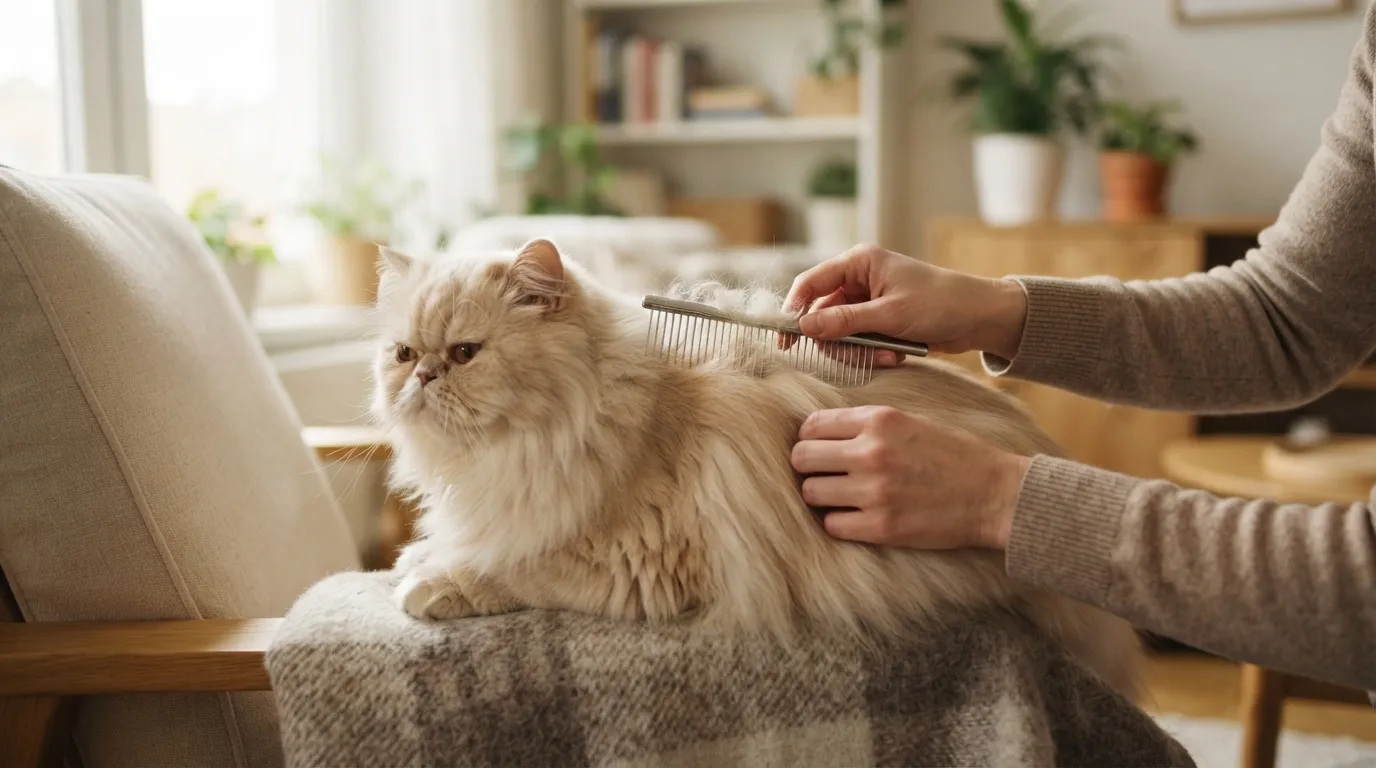
With a purebred, you always know exactly what you're signing up for - which is rarer than it sounds.
Sphynx cats need special skincare despite having no fur. Persians need daily coat combing. Maine Coons need regular ear cleaning.
Quick Compare
- Sphynx: no fur, but needs regular skin wipe-downs to manage oil buildup
- Persian: daily combing to prevent matting around the face and body
- Maine Coon: weekly brushing plus routine ear cleaning
- Devon Rex: occasional bathing since their thin coat traps skin oils
Ignore your breed's specific grooming profile and you're not being lazy - you're inviting preventable health problems.
This is where purebred predictability stops being trivia and becomes something you rely on every single day. But no trait on this list is as defining as the one at number one.
#1 - Intentional Behavioral Selection, Centuries Deep
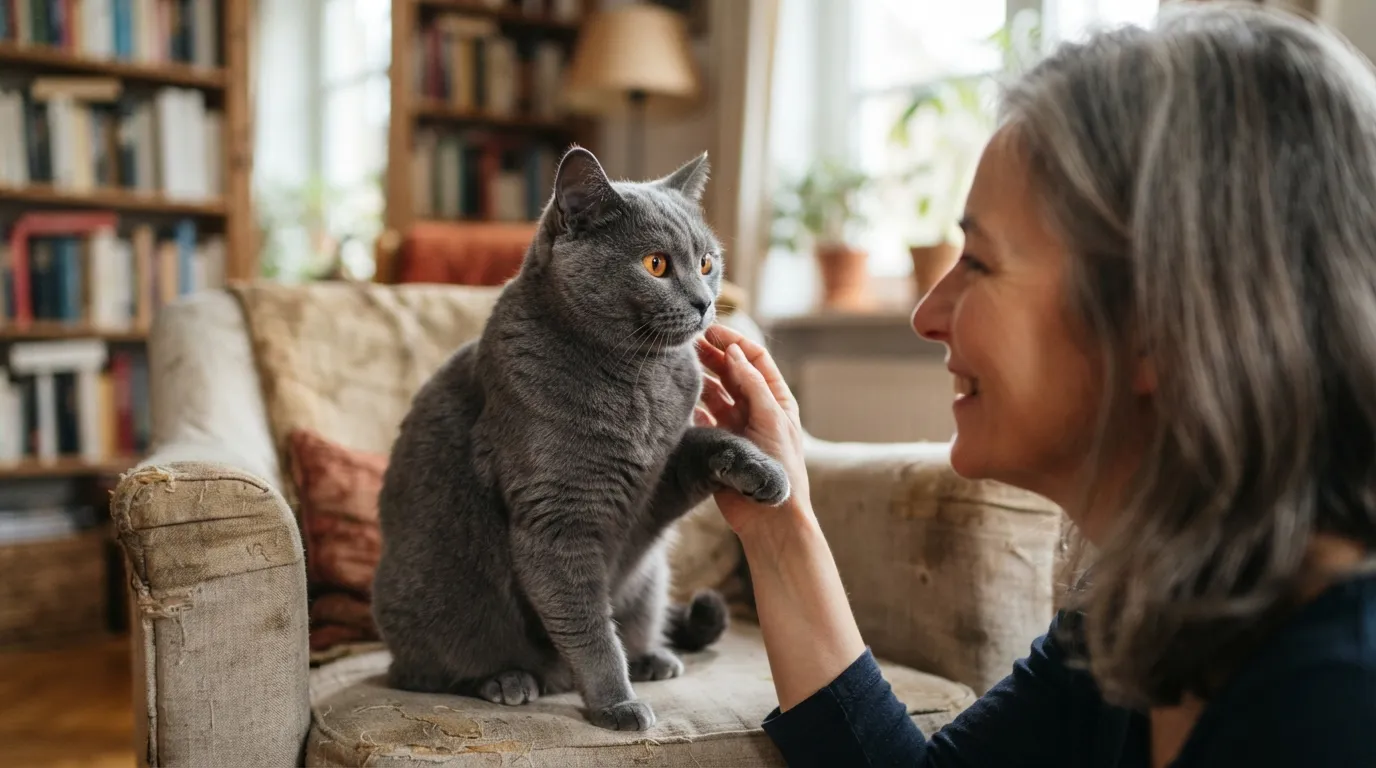
This is the trait that separates purebred cats from every other cat on the planet - and almost nobody talks about it.
Look at the morphology of different breeds and it's obvious cats have been shaped by intense artificial selection. But researchers have also found clear evidence of selection for behavior itself, not just appearance.
Unlike dogs, purebred cats were never bred to work. Their behavioral traits were selected purely for how they connect with people.
Every chirp, cuddle preference, or prey-fixation in your purebred cat is the result of someone, somewhere, deciding that trait was worth keeping. You're not just owning a cat - you're owning the result of a centuries-long conversation between humans and felines.
The Bottom Line
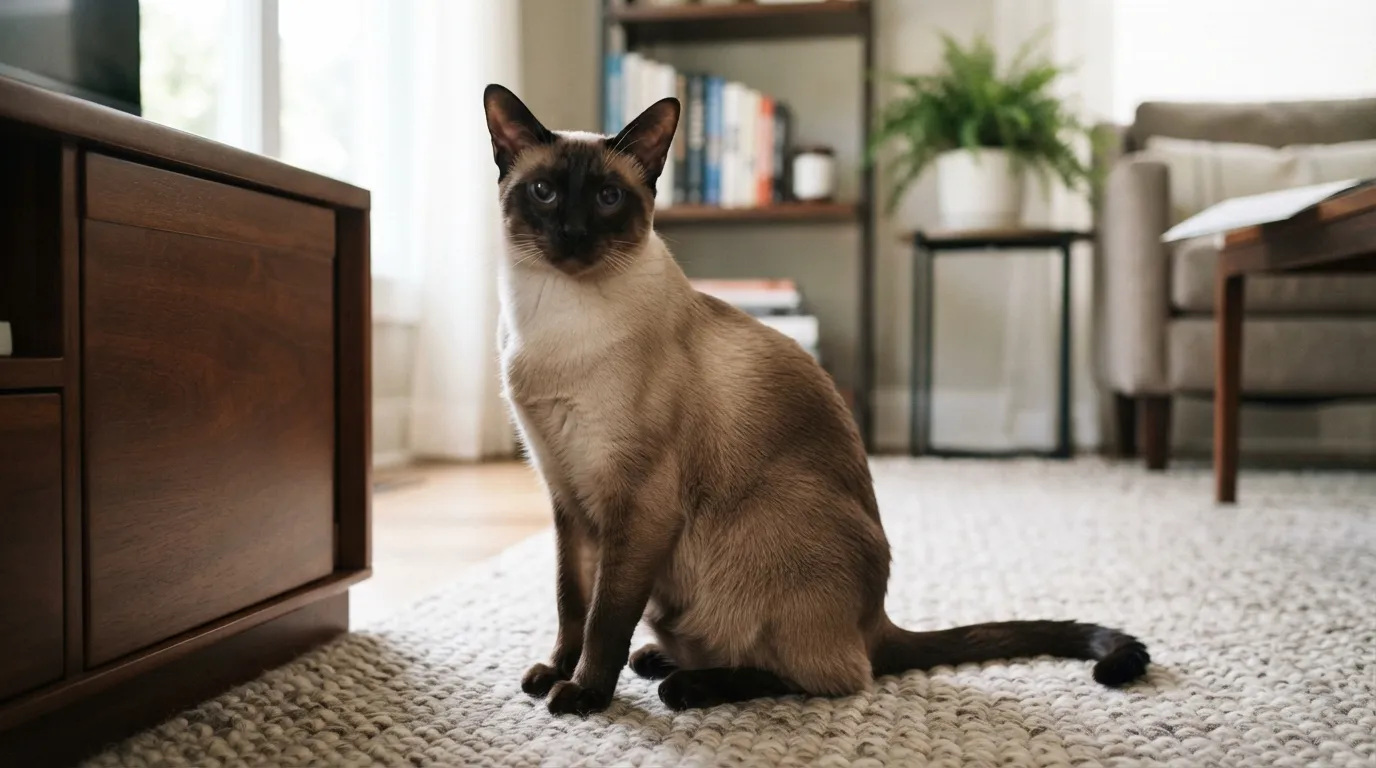
Purebred cats aren't just "fancier" versions of ordinary cats. They carry documented lineages, breed-specific bodies, wired-in temperaments, and health risks you can know about before you ever bring one home.
That predictability is the real defining trait - it runs through coat, behavior, vocalizations, eye color, even anxiety levels. The trade-off is real too: structural extremes and limited gene pools can mean genuine health challenges down the line.
For owners who do their homework, though, a purebred cat is one of the most well-documented, plannable relationships in all of pet ownership. Did we miss a trait your purebred consistently shows? Drop it in the comments.