16 Signs Your Breed Cat Is Healthier Than Owners Usually Expect
Most cat owners assume their purebred is either fragile and high-maintenance, or invincible because it cost a fortune. Both camps are wrong.
Research shows only about 13% of people can correctly read cat emotions above chance, and owners consistently overestimate how happy their cat actually is. That gap means real signs of health, or real signs of trouble, get missed every single day.
But flip it around and there's good news too: genuine green flags exist that prove your breed cat is thriving in ways most owners never even notice. Here's what the data and the vets actually say, starting with the one sign hiding in plain sight.
#16 - Their Tail Goes Up Like a Flag
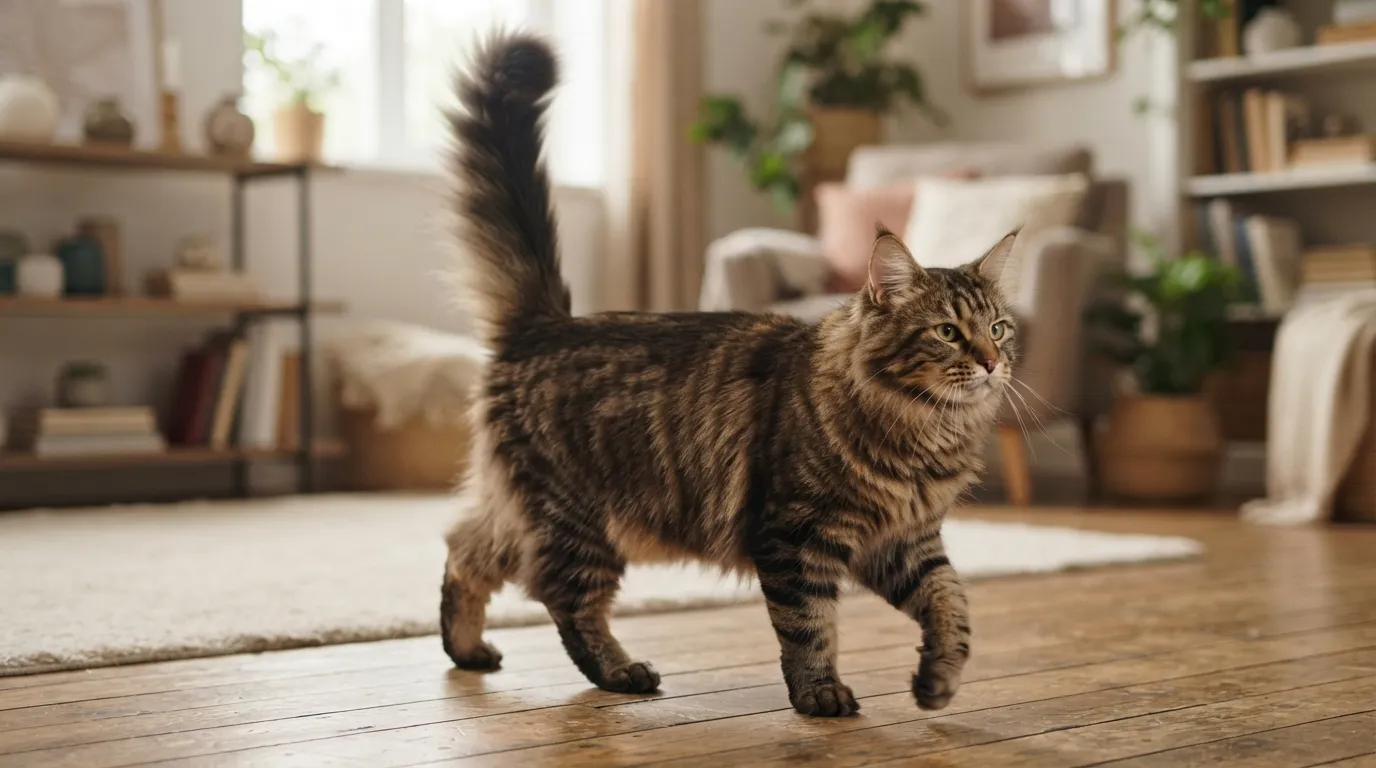
That upright tail isn't just cute. It's a clinical indicator.
When a cat holds her tail high in the air, it's a show of confidence. A twitch at the tip means she's genuinely happy with who's around her.
In a breed cat, this matters even more. Purebreds are selected for temperament, so a confidently held tail signals that genetics, environment, and health are all lining up.
A cat in pain or under stress rarely holds that tail high. Watch for it at mealtime or morning greetings, because a consistently raised tail is one of the most overlooked wellness signals there is.
But wait until you see what the coat is quietly telling you, because that's next.
#15 - The Coat Has a Natural, Consistent Sheen
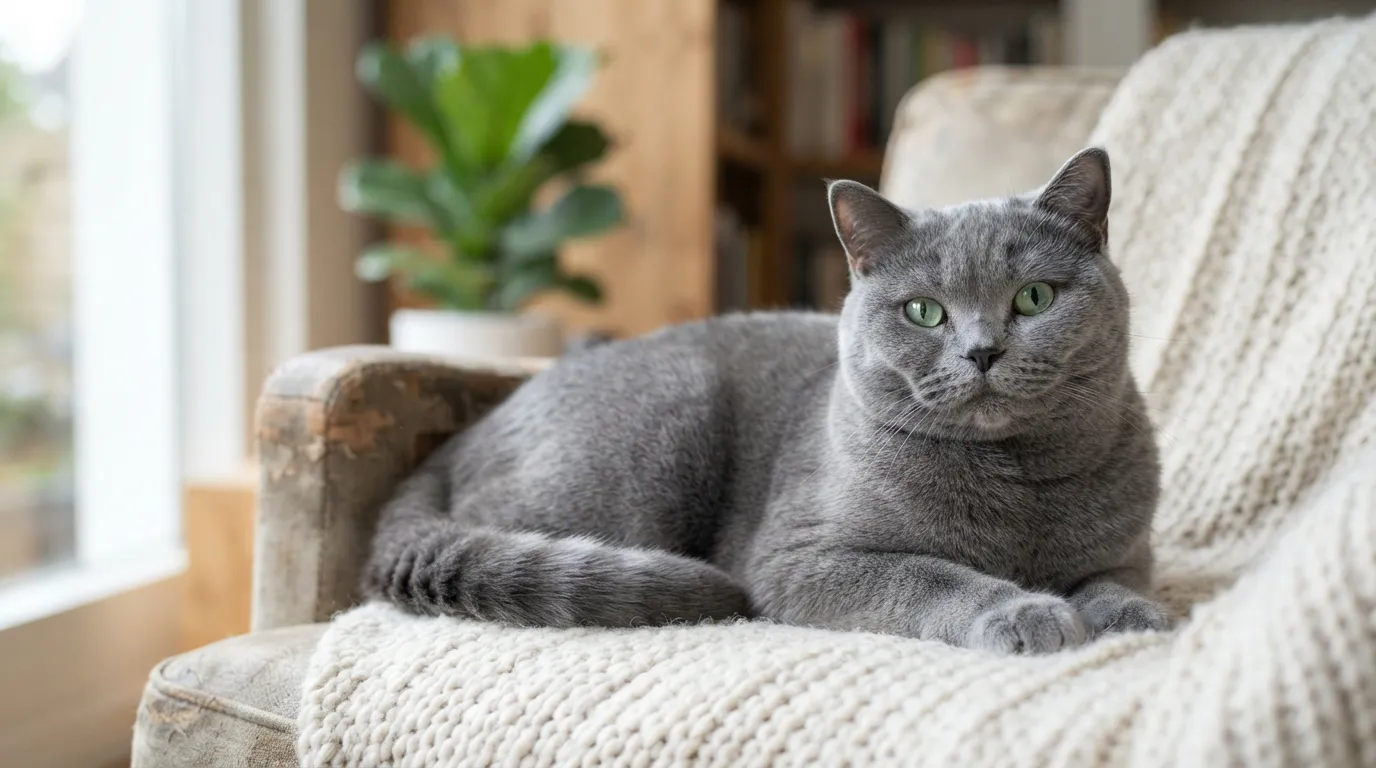
Your breed cat's fur is basically a live health report, updated daily.
A clean, shiny coat shows more than good grooming habits. It shows your cat is getting a balanced diet loaded with the right vitamins, minerals, and fatty acids.
A healthy coat should be soft, smooth, and free of dandruff or bald patches. Dull, dry, or brittle fur is never normal, even if it seems minor.
For breed cats specifically, coat quality is an especially reliable marker because many breeds have a signature texture. When that texture stays consistent between grooming sessions, you're looking at real internal health, not just good brushing.
But the coat only tells part of the story. What's happening underneath it is even more revealing.
#14 - Skin Snaps Back Instantly (The Pinch Test)
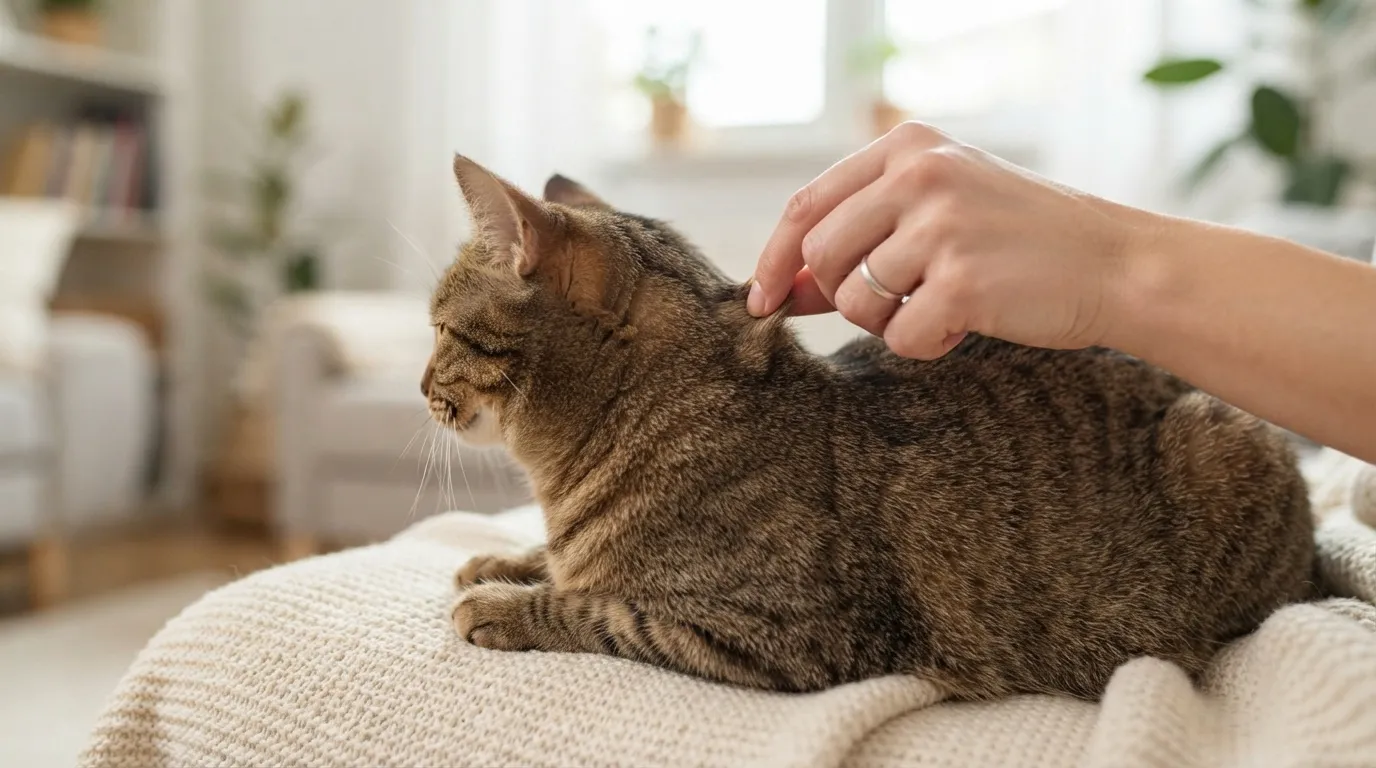
This one takes two seconds, and most owners have never tried it.
Gently pinch the skin at the back of your cat's neck and let go. In a well-hydrated, healthy cat, it snaps back immediately.
Proper hydration keeps skin elastic and fur soft. Insufficient water intake can quietly damage a cat's health long before obvious symptoms appear.
Dehydration can escalate fast, from mild lethargy to a genuine emergency. If your breed cat's skin springs back instantly, that's strong evidence of good hydration and healthy circulation, especially important once they pass age seven.
Think that's impressive? The eyes reveal something even more specific.
#13 - Eyes Are Clear, Bright, and Symmetrical
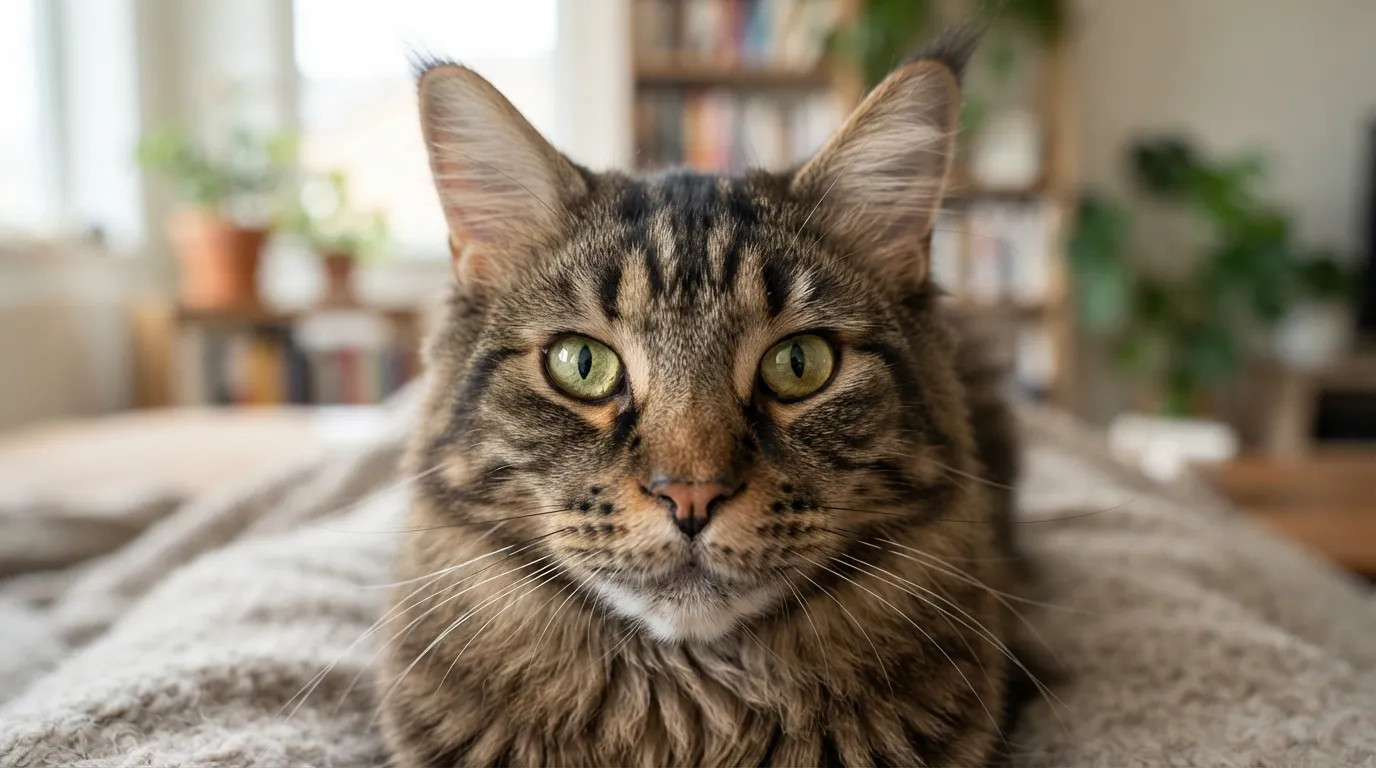
The eyes don't lie, and in breed cats they're one of the fastest health checkpoints you have.
They should be bright, clear, and equal in pupil size, with no redness or discharge. Cloudy or irritated eyes can point to something as simple as conjunctivitis, or something bigger.
Asymmetrical pupils are especially worth watching in purebreds. Vets call this anisocoria, and it can be an early sign of neurological or systemic issues that are far easier to fix when caught early.
Worth Knowing
- Pupils should be equal in size under matching light conditions.
- Anisocoria, or unequal pupil sizes, can be an early clue to neurological trouble.
- A visible third eyelid at rest often signals stress, pain, or illness.
- Watery or crusty discharge beyond a tiny bit each morning isn't normal.
Bright, equal, clean eyes on your breed cat are your green light. But there's a behavioral sign most owners miss even more often than this one.
#12 - They Still Groom Themselves Regularly
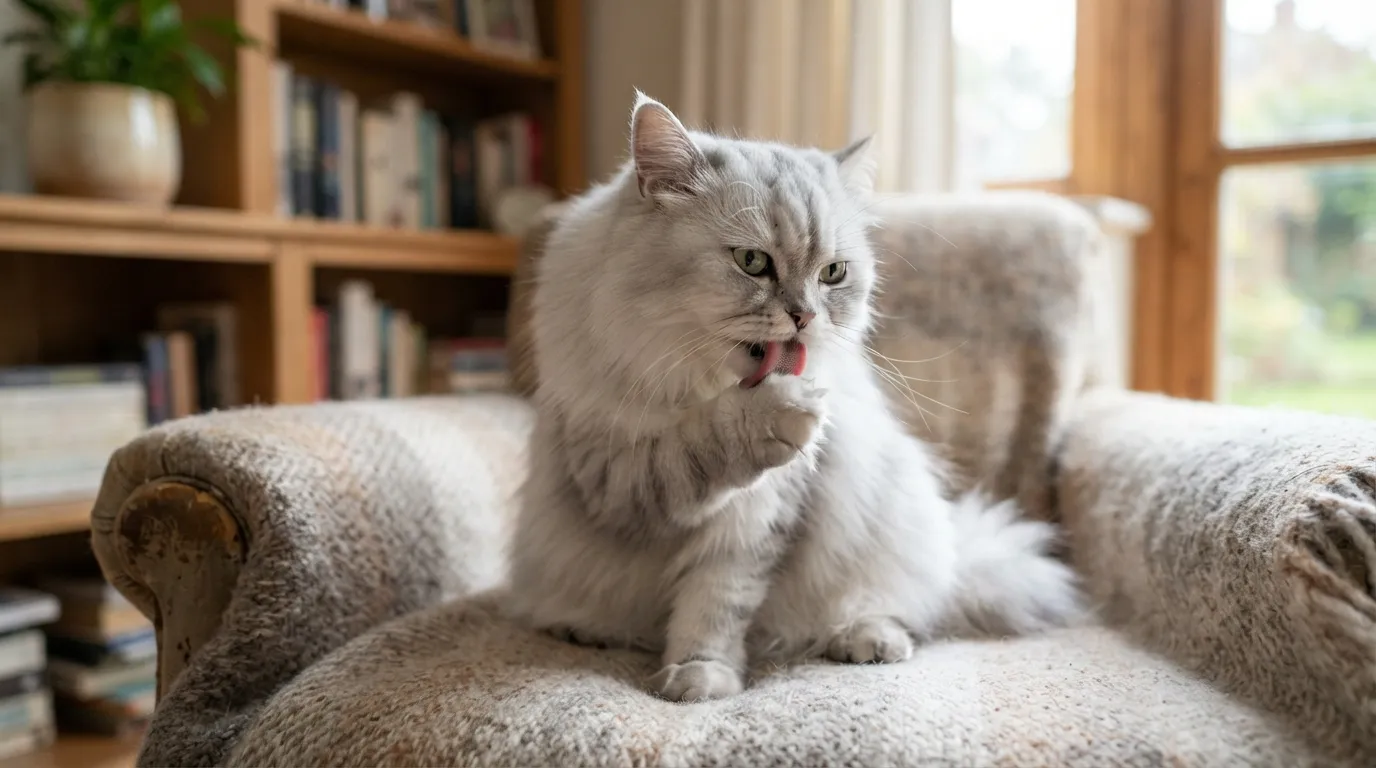
Self-grooming isn't vanity. It's a diagnostic tool hiding in plain sight.
A happy, healthy cat keeps itself well-groomed, and may even extend that habit to other pets or to you. Those "kisses" your cat gives you are actually a sign of trust in your bond.
When a cat stops grooming, it almost always signals pain, obesity, or illness. Breed cats that keep up consistent grooming, cleaning paws after meals, washing their face, staying tidy, are quietly telling you their joints feel fine and their energy is solid.
Matting is common in long-haired cats that have stopped grooming due to pain or illness. No matting and consistent self-care equals a genuinely healthy breed cat.
Now here's where owners get genuinely surprised.
#11 - Their Gums Are Pink and Moist
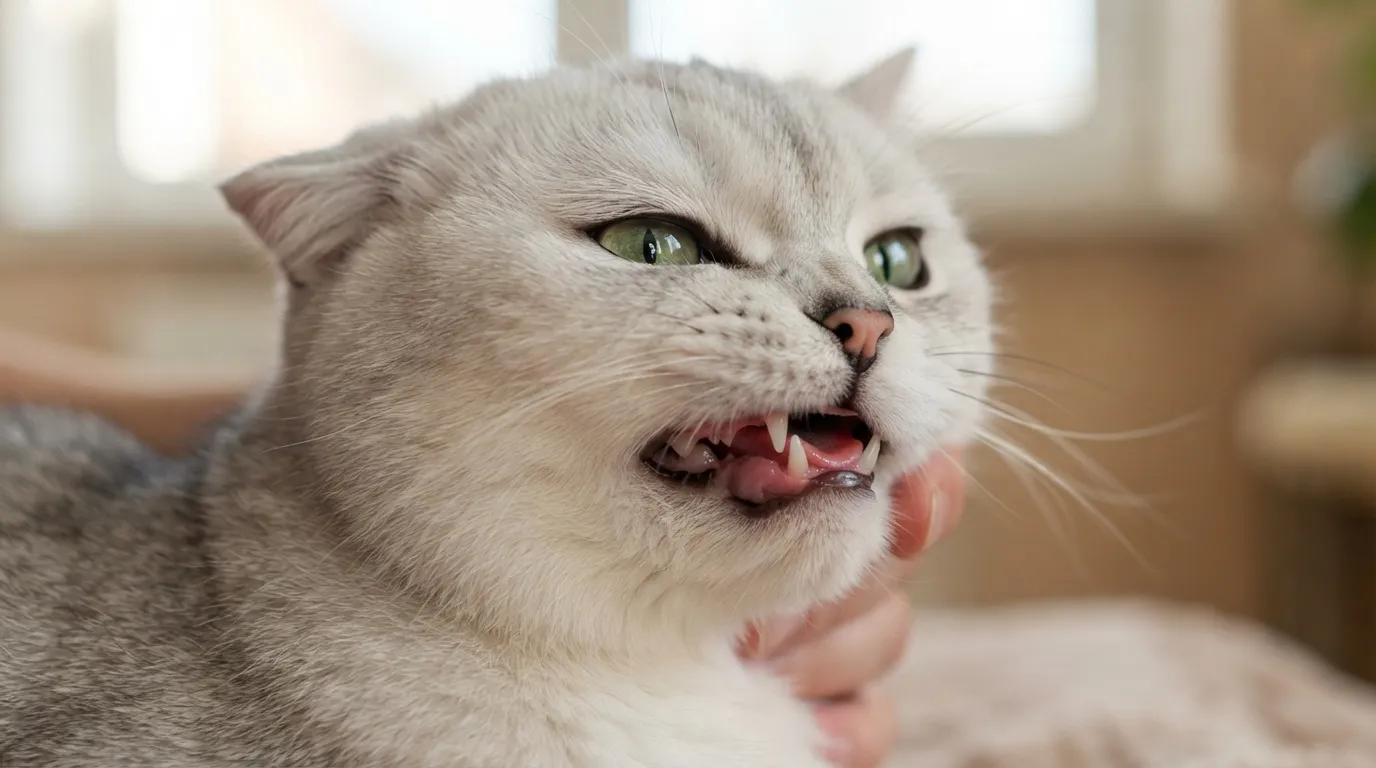
Most owners never check this. That's exactly the problem.
Pink, moist gums indicate good circulation and hydration, while changes in color or texture can signal something urgent. Press a finger gently against the gum and release; color should return within two seconds.
That's called capillary refill time, and vets use it to assess circulation in a matter of seconds. A breed cat with consistently pink, moist gums has solid cardiovascular function and healthy blood flow.
White, gray, yellow, or bright-red gums are emergencies. But healthy pink gums are a sign most owners never think to look for, and one of the most reliable markers there is.
#10 - They Alternate Between Play Bursts and Deep Sleep
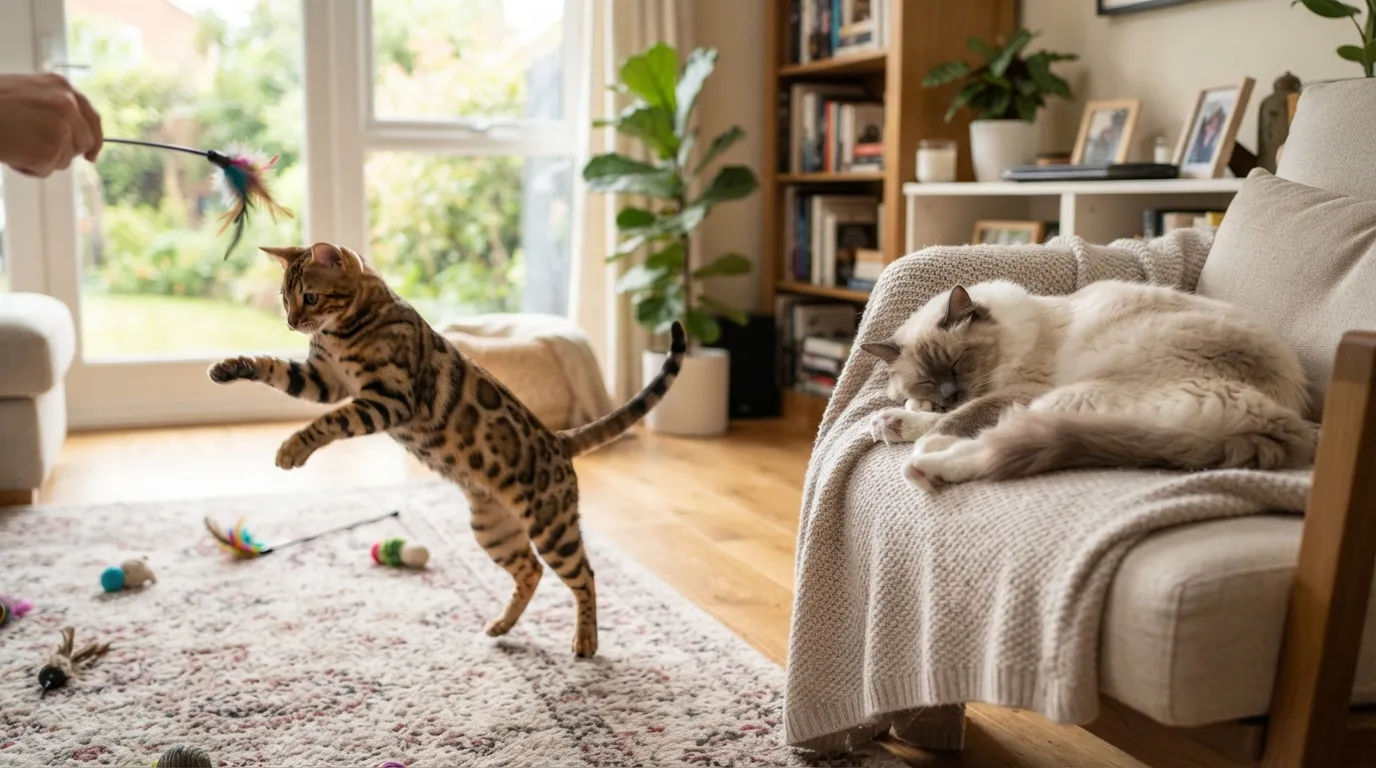
This rhythm is more meaningful than it looks.
One of the most joyful indicators of health is energy level. Healthy cats are naturally curious, often swinging between bursts of play and long naps throughout the day.
For breed cats, this matters because many purebreds are specifically selected for activity traits. A Bengal that suddenly stops playing, or a Ragdoll that loses interest in interaction, is showing you a red flag, not just a mood.
When the rhythm holds steady week after week, both neurological and physical health are checking out fine.
But the litter box is telling you something even more specific.
#9 - The Litter Box Output Is Consistent and Normal
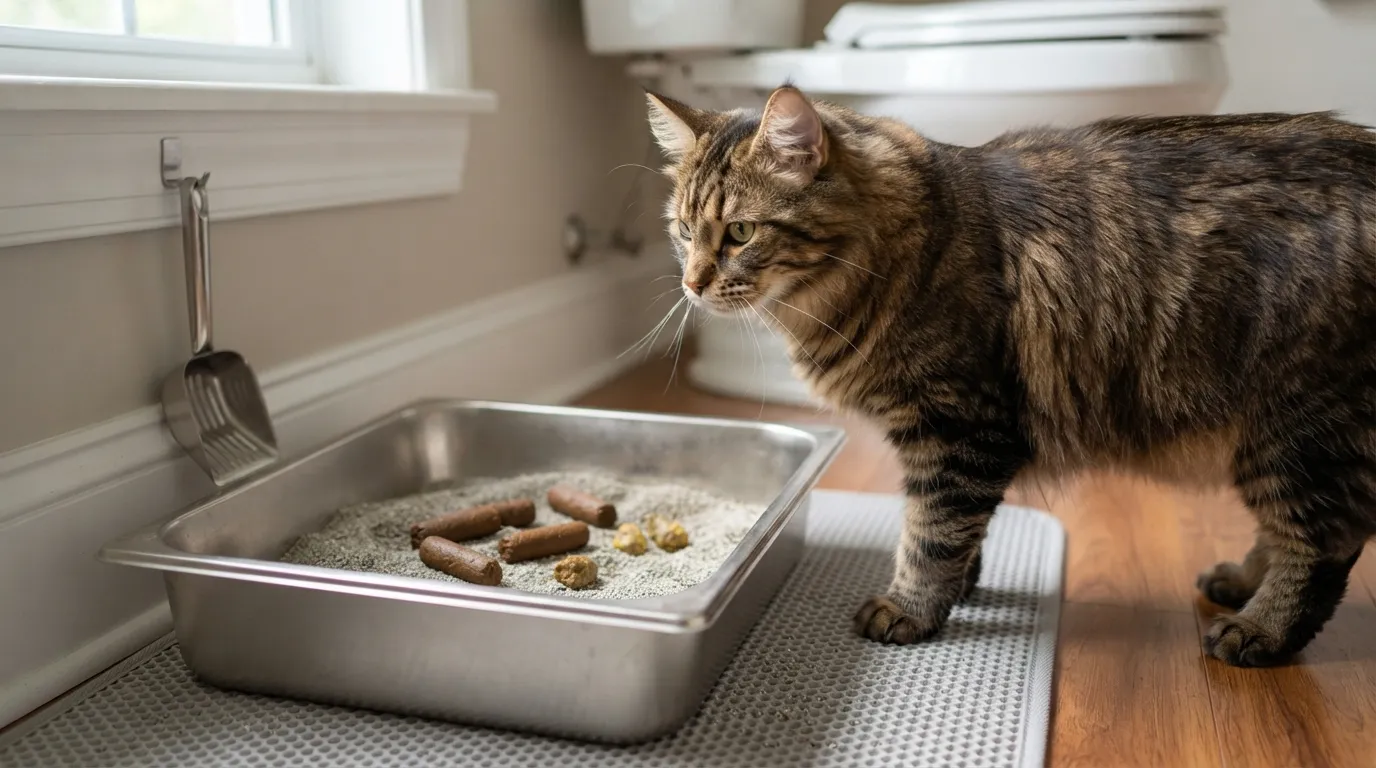
This is the checkpoint owners find awkward to discuss, and it's one of the most important.
Keep an eye on the litter box. Small, firm stools are a sign your cat is actually retaining nutrition from their food.
Pooping one to three times daily is a common, healthy cadence. For a breed cat, consistency is the keyword: same frequency, same appearance, same timing, day after day.
Any sudden shift in stool color, texture, or frequency deserves quick attention, since weight loss and litter box changes can be early clues to renal failure or other serious illness.
At a Glance
- Healthy adult cats typically pass stool once to three times a day.
- Firm, log-shaped stool usually means digestion and hydration are on track.
- Most cats urinate a few times daily; sudden spikes or drops can flag urinary issues.
- Straining, crying, or avoiding the box are never "just quirks."
A breed cat with textbook litter box habits is quietly passing one of the toughest internal health tests there is. And that connects directly to weight.
#8 - Weight Has Been Stable for Months
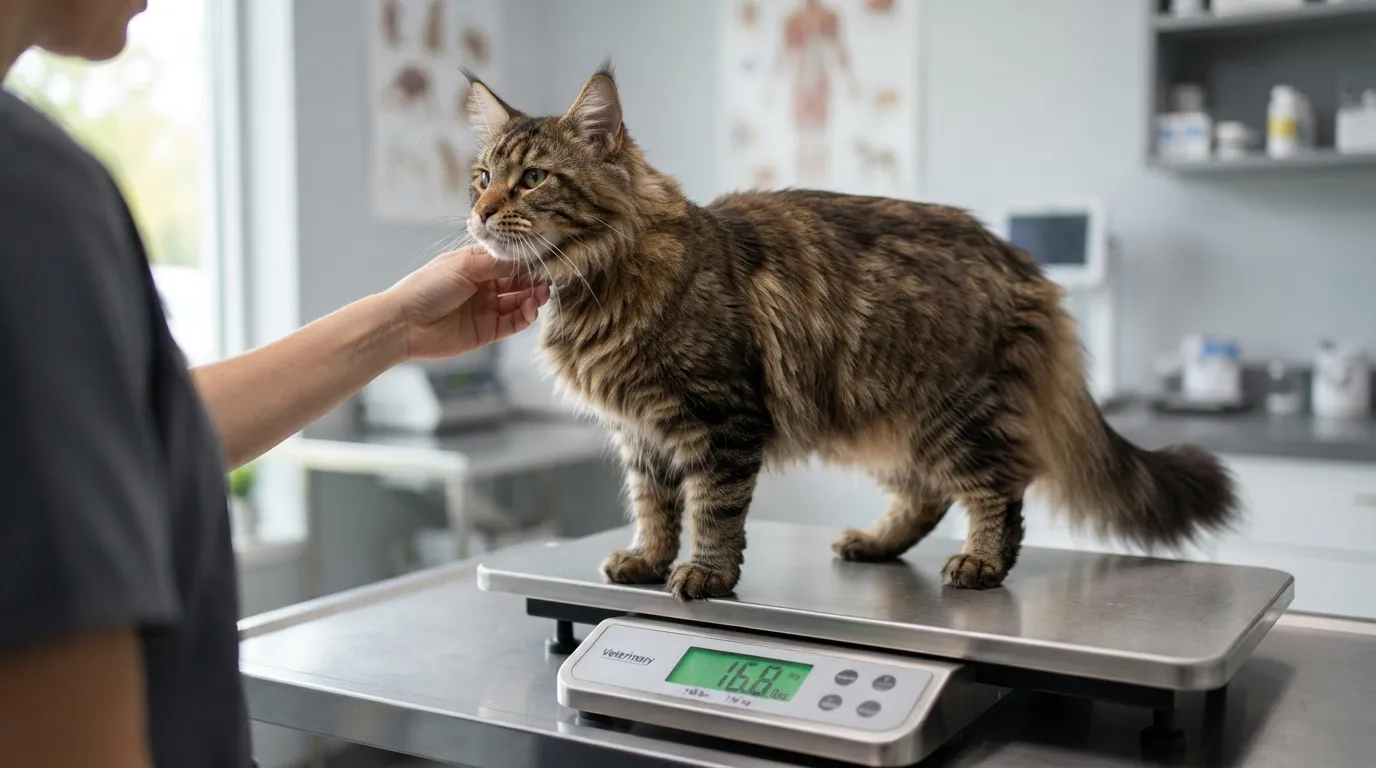
Rapid change in either direction is the warning sign. Steady weight is the actual win.
Losing or gaining weight quickly is never a good sign in cats, and obesity can shorten life expectancy dramatically.
For breed cats specifically, weight stability is especially telling because many breeds have a narrow healthy range. A Maine Coon that holds steady for 12 months has good metabolic function, solid organ health, and an owner who's nailing the diet.
Most owners only worry when something looks obviously wrong. Turns out, the real sign of health is that nothing has changed at all.
#7 - They Finish Meals Consistently Without Fuss
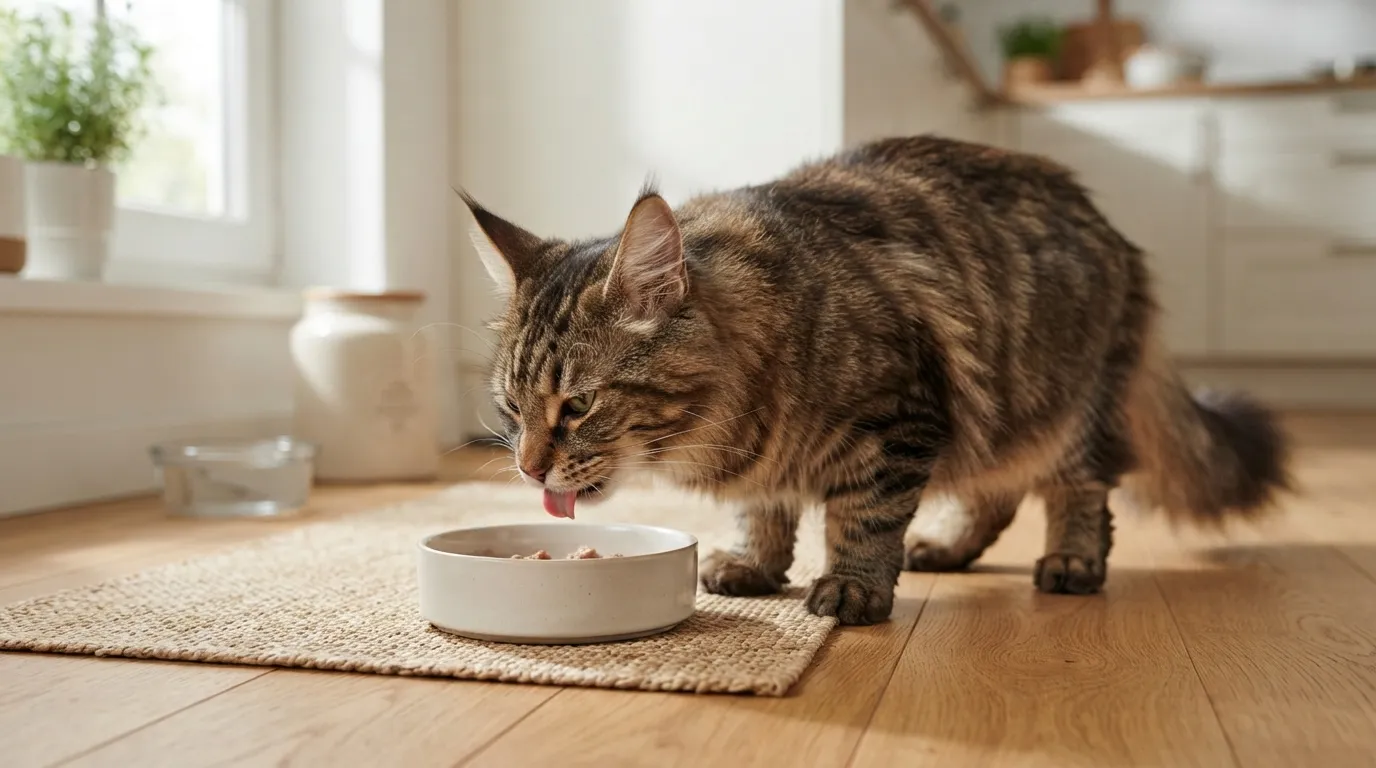
Appetite is the silent daily health referendum, and breed cats vote on it every single day.
If your cat stops finishing food, drinks noticeably more or less water, or shows signs of nausea, it's worth a call to the vet. These small shifts are often early indicators of digestive, dental, or kidney issues.
A breed cat that cleans the bowl every meal and shows real interest at feeding time is giving you one of the clearest daily signals possible. Many serious illnesses, including kidney disease and dental pain, first show up as reduced appetite.
When your breed cat eats well and consistently, digestion, dental comfort, and organ function are all cooperating.
#6 - Ears Are Clean and Light Pink Inside
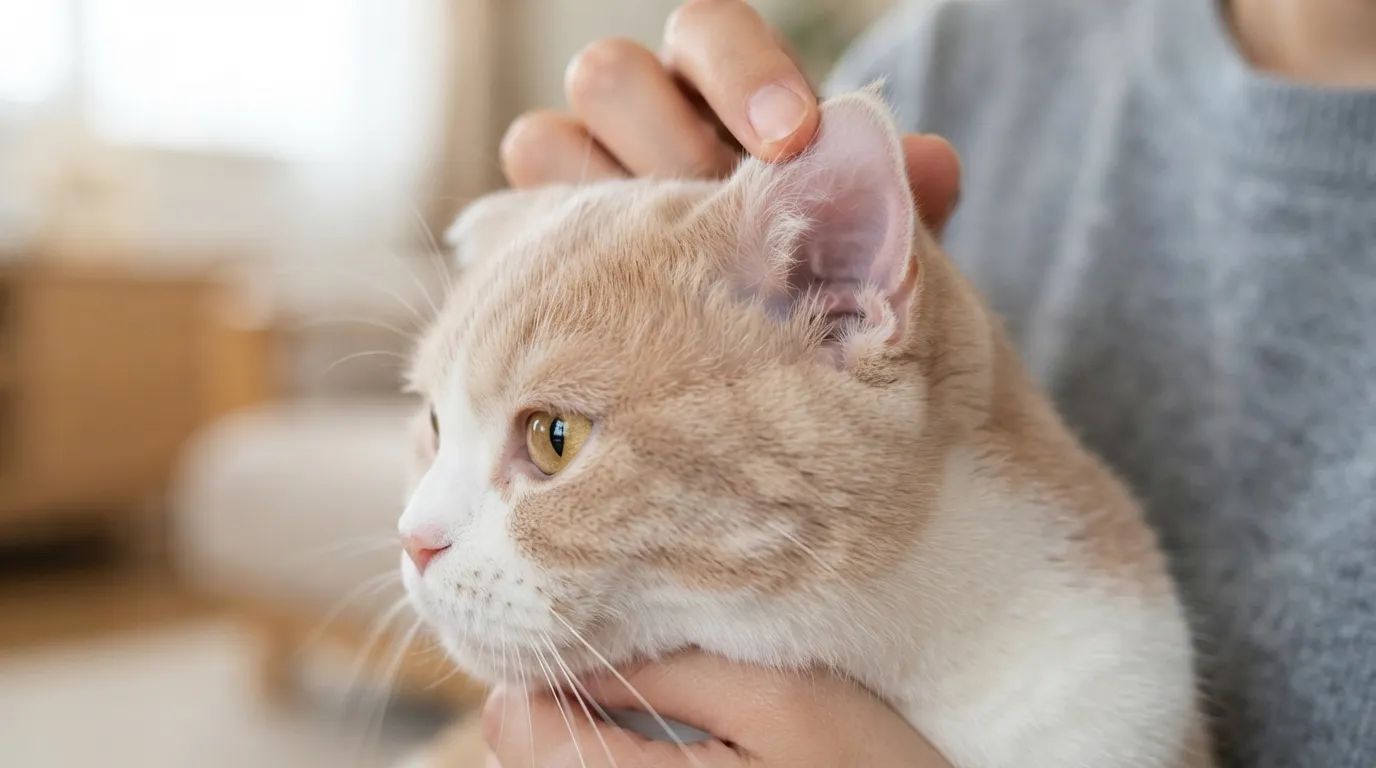
Clean ears are underrated as a health signal, especially in breed cats.
Ears should be clean, light pink, and free of redness, swelling, or debris. Dark waxy buildup, a yeasty smell, or constant pawing all point to mites, infection, or allergy.
In breeds with folded or large ears, like Scottish Folds or Maine Coons, regular checks matter even more because anatomy can trap moisture. A breed cat with clean, light-pink ears and no head-shaking is passing an ear and immune health test at once.
It's one of the fastest two-second checks you can run at home. The next one is where things get genuinely surprising.
#5 - Teeth Are White and Gums Show No Swelling
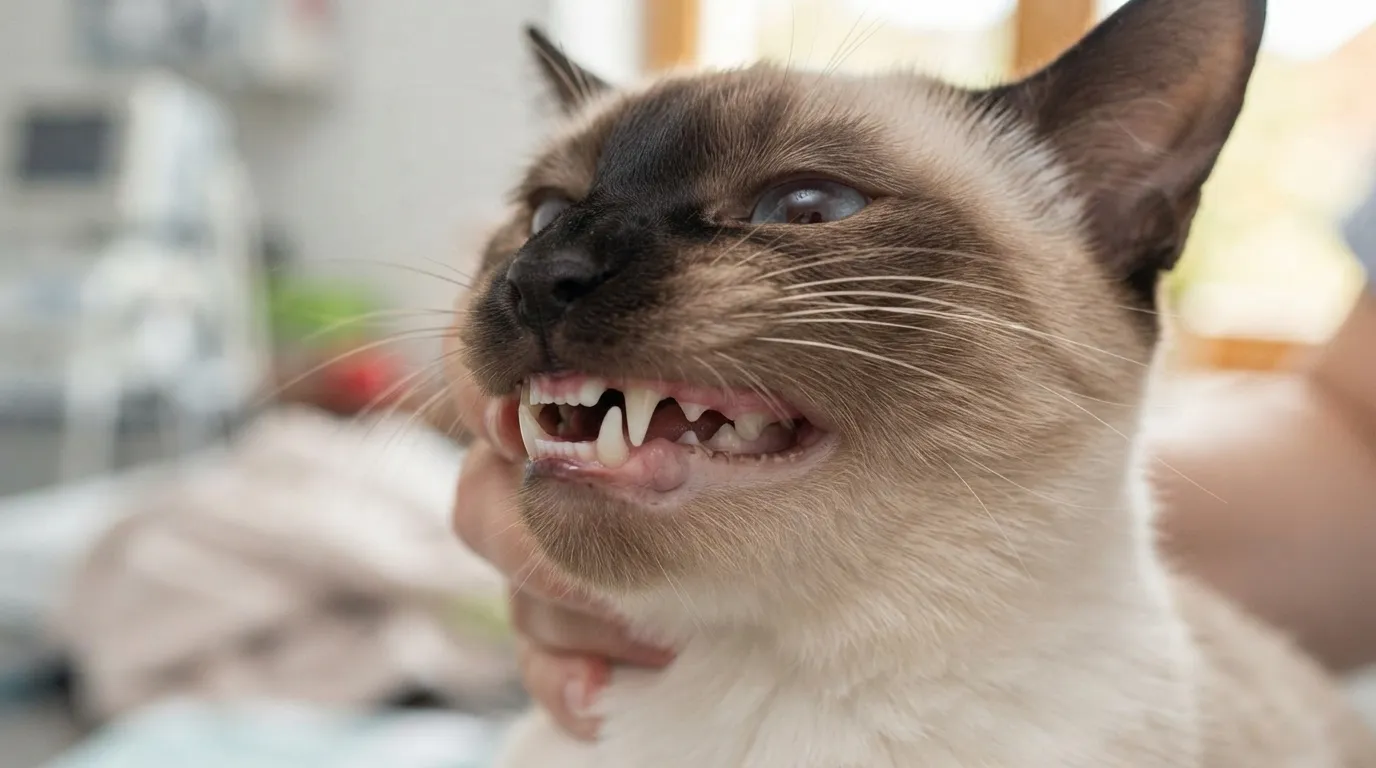
Most owners skip dental checks entirely, and vets say that's a costly mistake.
Healthy teeth should be white and free of plaque or tartar, with gums that are pink and free of swelling. Here's the part that changes the picture entirely.
In a large UK study tracking over 1.2 million cats, periodontal disease was the single most common disorder recorded, now affecting roughly 15% of cats every year. That means most cats carry some degree of dental disease, which makes a breed cat with clean, white teeth genuinely exceptional.
Fast Facts
- Periodontal disease has a one-year prevalence of about 15.2% among UK cats, up from 13.9% in an earlier survey.
- Siamese cats show the highest breed prevalence at 18.7%, with Maine Coons close behind at 16.7%.
- Cats with periodontal disease have roughly 1.8 times higher odds of having at least one other health disorder.
Dental disease is a major hidden killer in cats, quietly feeding into other organ problems. If your breed cat has white teeth and zero gum swelling, you're looking at a level of oral health most cats, purebred or not, never achieve.
#4 - They Actively Seek Social Interaction
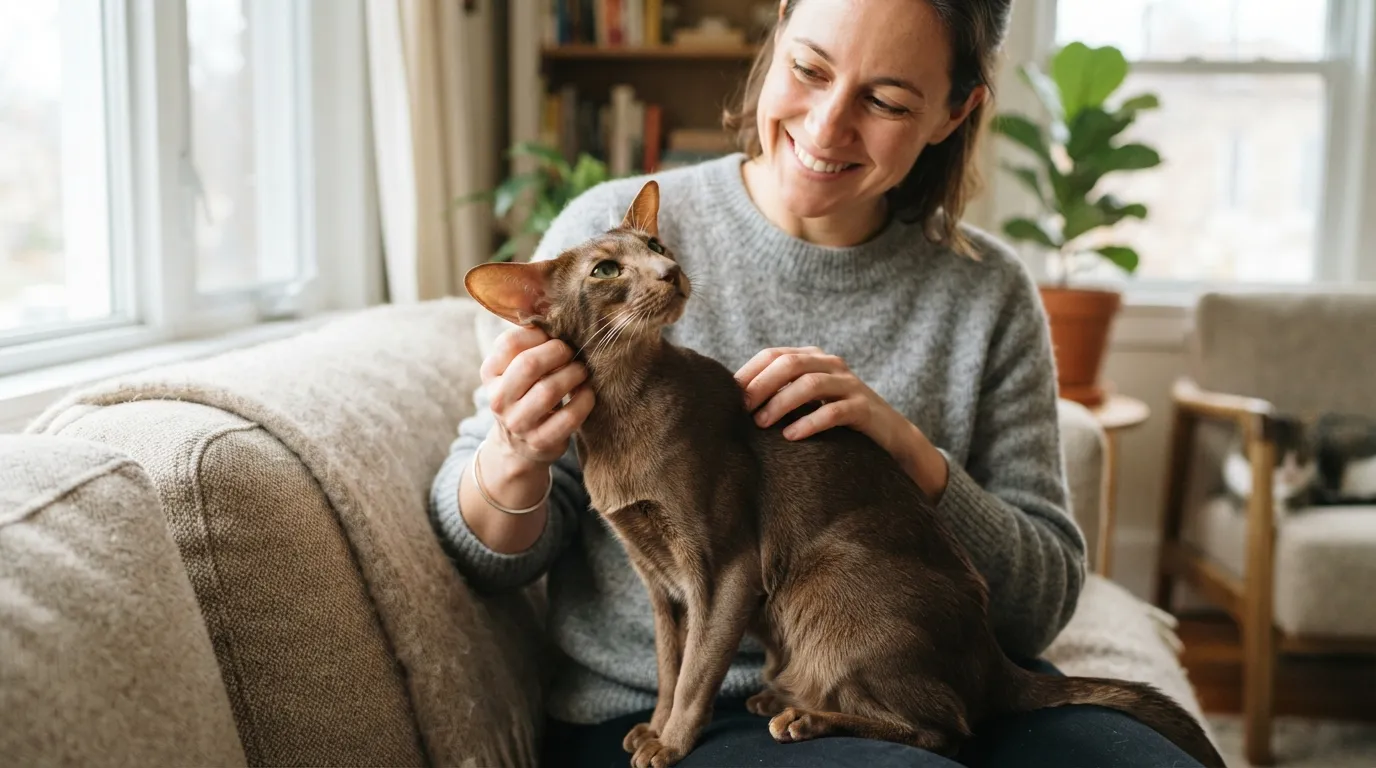
Breed cats that choose to be near you aren't just affectionate. They're healthy.
Playing, climbing, and socializing with you and other pets are all signs of a good quality of life. Cats form real bonds with their humans and need daily interaction to stay balanced.
When a breed cat consistently seeks you out, sitting near you, initiating contact, responding to your voice, it signals low stress hormones and a nervous system working well. Sick or stressed cats withdraw; healthy cats stay engaged.
Many owners assume this is just personality. Turns out, it's also physiology.
#3 - Vital Signs Are Within Normal Range at Checkups
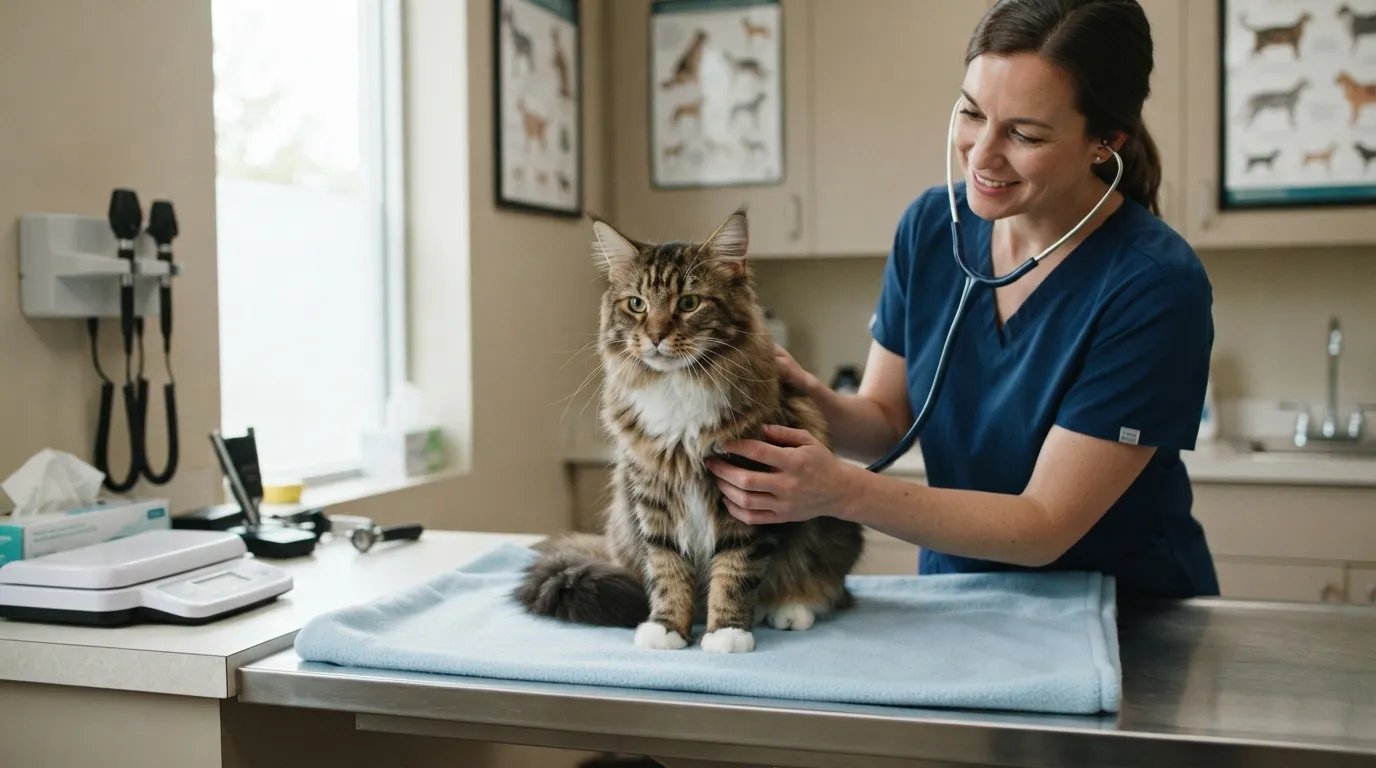
This one requires your vet, but the numbers are worth knowing cold.
Normal temperature runs 100.5°F to 102.5°F. Heart rate sits between 140 and 220 bpm at rest, with respiration around 20 to 30 breaths per minute.
Quick Compare
| Vital Sign | Normal Range |
|---|---|
| Temperature | 100.5°F – 102.5°F |
| Heart rate (resting) | 140 – 220 bpm |
| Respiration | 20 – 30 breaths/min |
Breed cats that hit these numbers consistently at annual visits are passing the most objective health test available. For breeds at known risk for heart conditions like hypertrophic cardiomyopathy, including Maine Coons, Ragdolls, and British Shorthairs, a clean cardiac exam is especially significant.
Most owners don't memorize their cat's baseline vitals. The ones who do catch problems months, sometimes years, earlier.
#2 - Behavioral "Normal" Has Stayed Consistent for Months
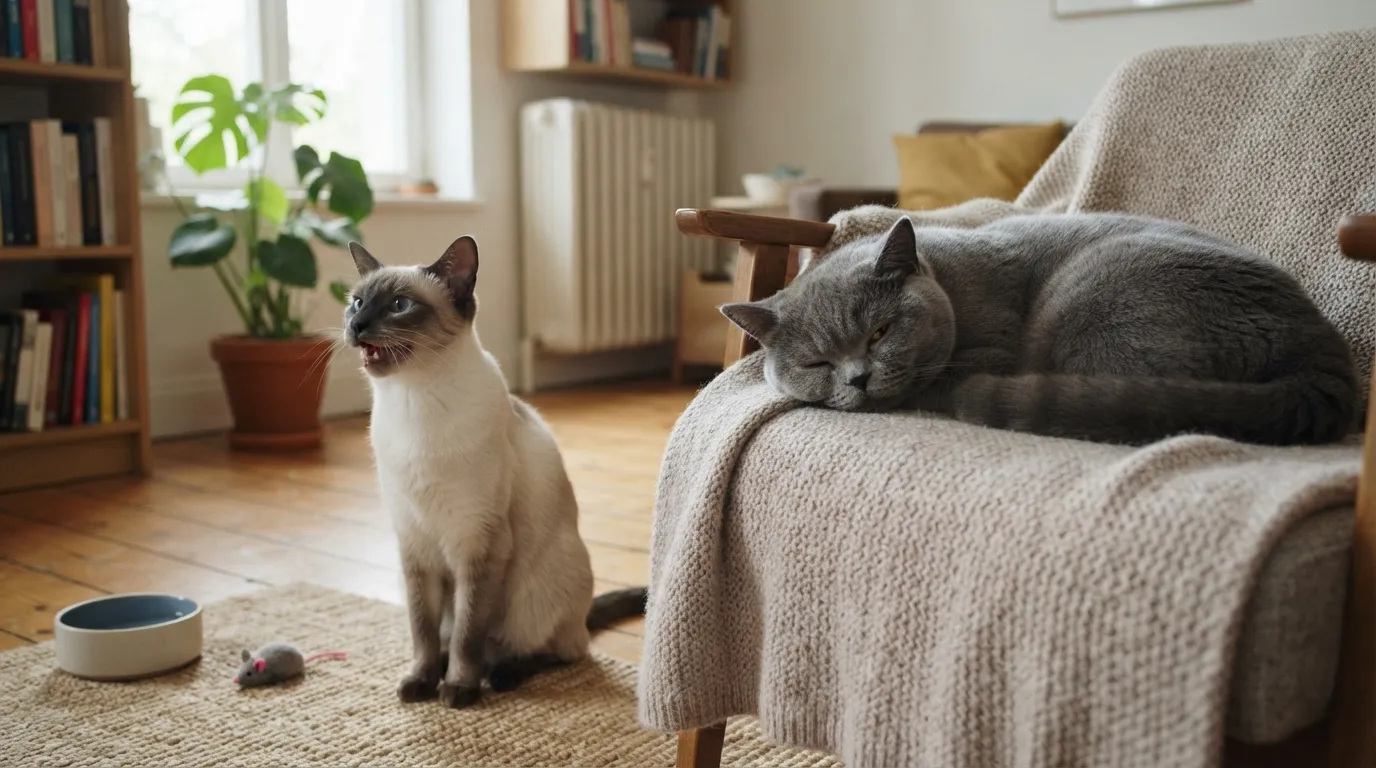
The most overlooked health indicator isn't physical at all. It's consistency.
"Cats tend to hide pain or exhibit it in ways that differ from humans. Knowing your cat's physical and behavioral 'normal' is crucial to help catch warning signs early."
Dr. Jo Myers, Vetster
For breed cats, whose personalities tend to be more predictable than mixed-breeds due to selective breeding, behavioral consistency is an especially reliable baseline. A Siamese that's always vocal should stay vocal, and a British Shorthair that's always calm should stay calm.
When nothing changes across weeks and months, same habits, same preferences, same social patterns, your breed cat is quietly passing the most sophisticated health screening there is.
#1 - Your Vet Finds Nothing New at Annual Exams
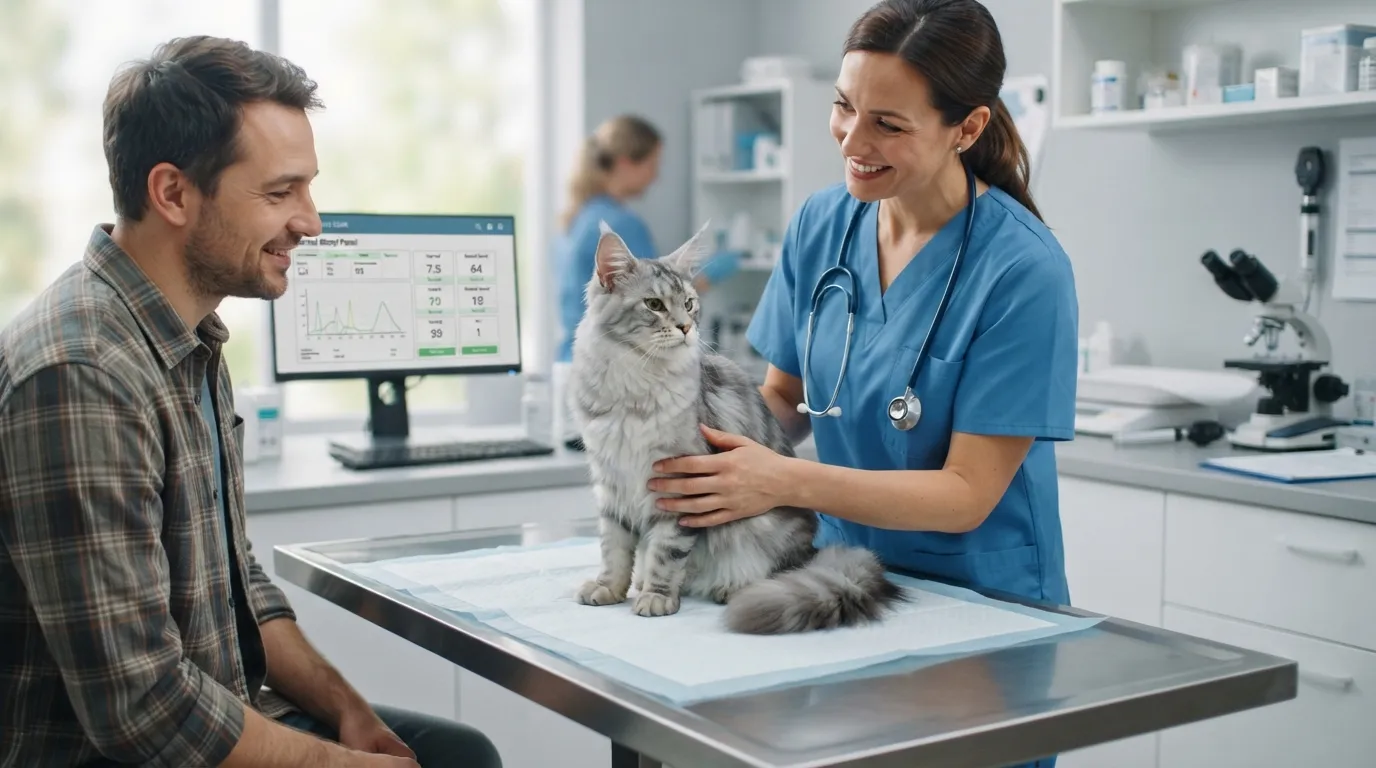
This is the sign that silences every worry, and most owners undervalue it completely.
Diet, environment, genetics, and stress all shape a cat's health. When a breed cat comes through an annual exam with no new findings, stable weight, a normal blood panel, clean ears, and sound teeth, every one of those factors is aligned.
Even a seemingly healthy cat benefits from that yearly check, since catching issues early is the best way to keep them feeling their best. Most owners only visit the vet when something's wrong.
The ones who go annually and hear "everything looks great" are sitting on the most valuable information a pet owner can have. That's the real benchmark, and now you know exactly what to look for.
The Bottom Line
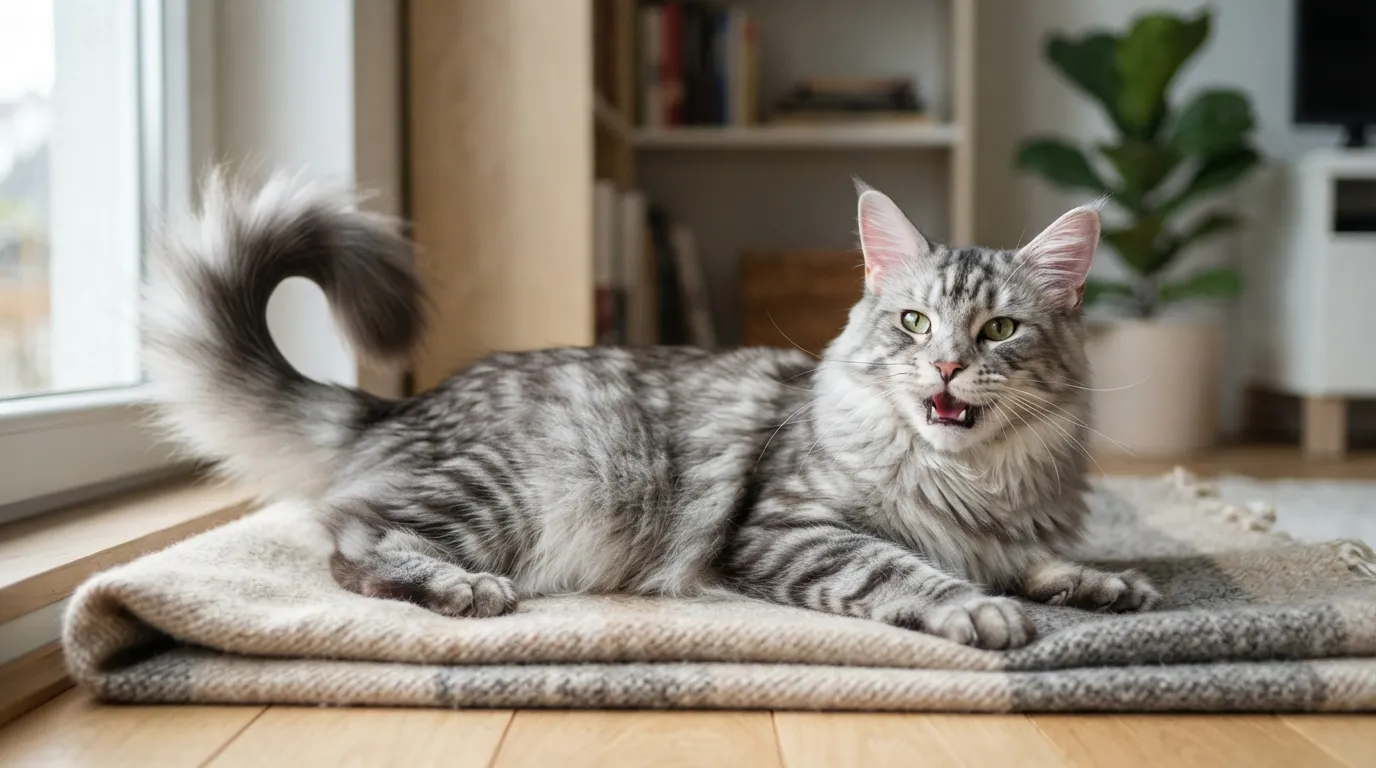
Most breed cat owners are watching the wrong things, worrying about coat length, price tags, and breed stereotypes while the real signals play out silently every day.
A raised tail, consistent behavior, pink gums, clean ears, stable weight, and a clean vet report are the markers that actually matter. Breed cats that consistently show these 16 signs aren't just surviving, they're thriving beyond what most owners ever expect.
Start checking for these today, not after something goes wrong. Which one did you just realize your cat has been showing all along?