20 Reasons Your Cat Watches You While You Sleep
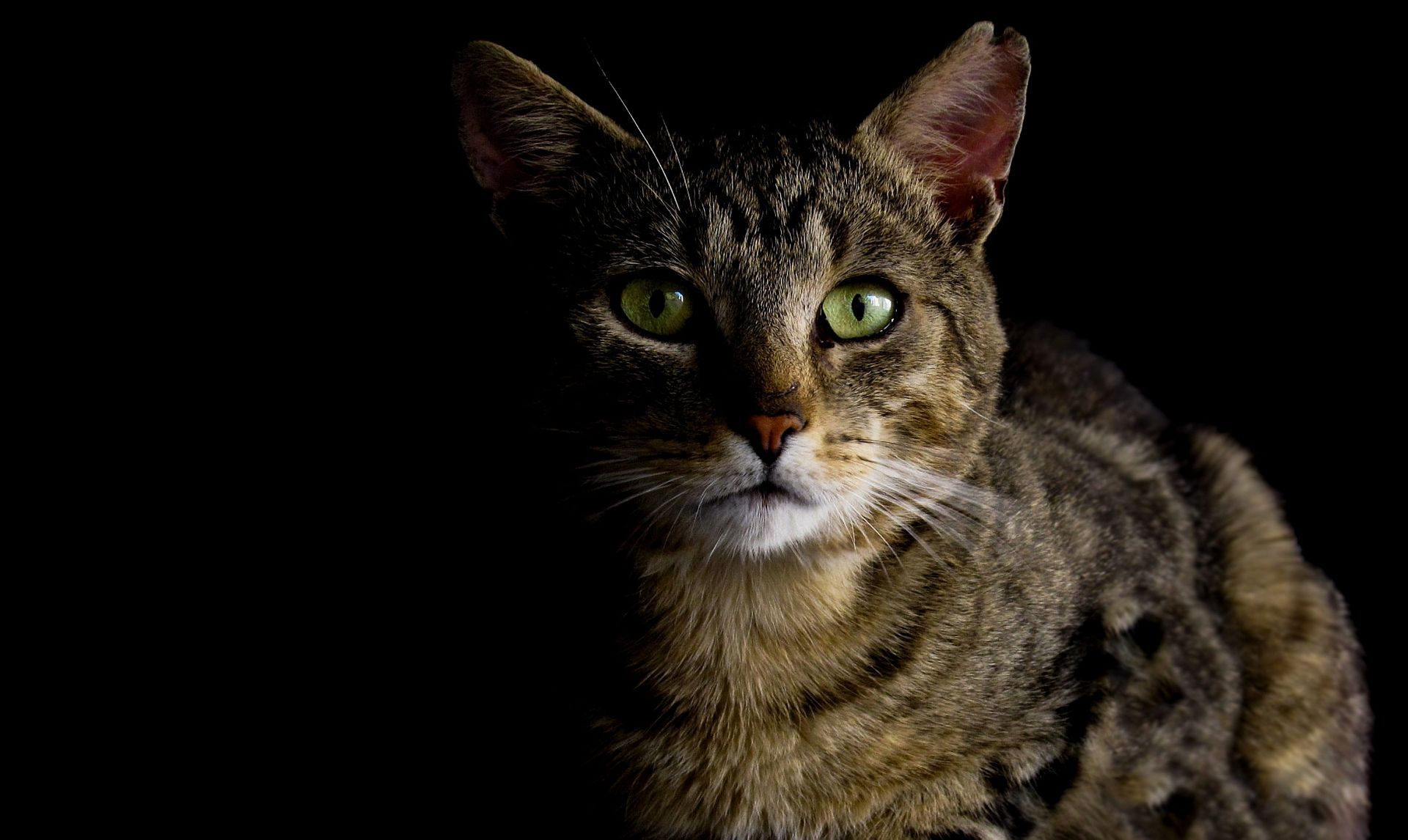
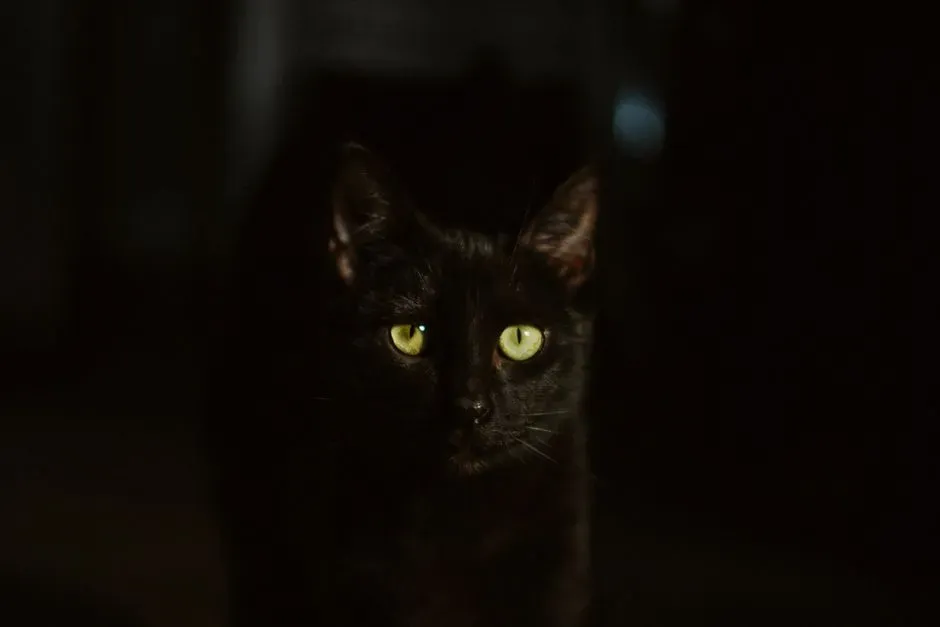
You wake up at 3 a.m. for no reason at all, and there they are - two unblinking eyes, inches from your face, tracking your every breath. No sound, no meow, just pure, silent surveillance. It's the kind of moment that makes you laugh nervously and wonder, just for a second, what exactly your cat is planning.
Most owners write it off as classic cat weirdness. But veterinary behaviorists say that stare is doing a lot more work than you'd think - part ancient survival wiring, part emotional bonding, and occasionally, an early warning sign worth taking seriously. Cats sleep away nearly 70% of their lives, so the moments they choose to stay awake and watch you are anything but random. Here's what's actually happening behind that midnight gaze.
#1 - Cats Are Crepuscular Hunters Wired for Nighttime Activity
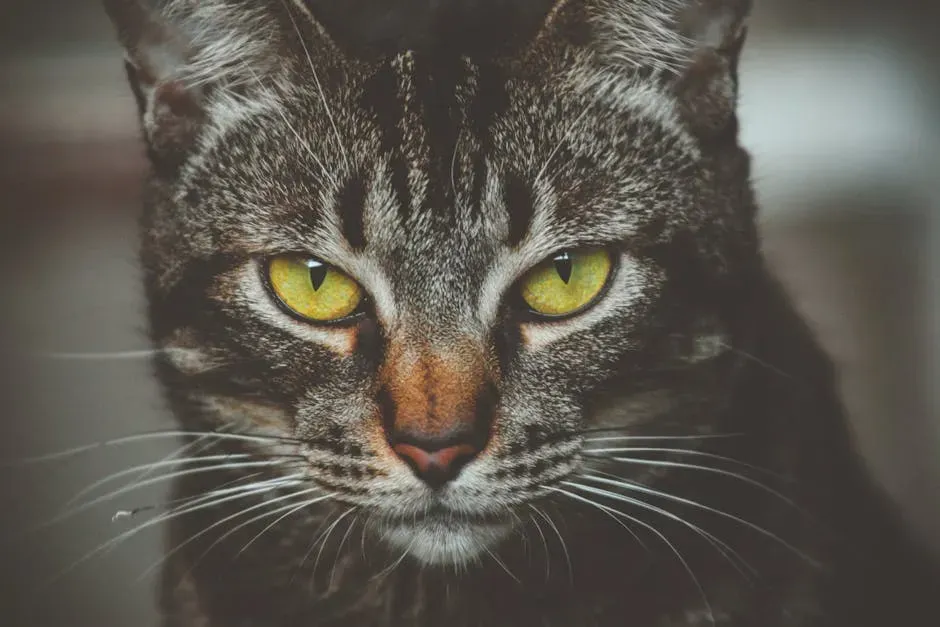
Your cat isn't nocturnal - it's crepuscular, meaning it's biologically programmed to be most alert at dawn and dusk, with residual energy spilling into the night. This scheduling quirk traces directly back to wild ancestors who hunted small rodents during low-light hours when prey was most active.
Domestic cats never fully lost this internal clock, even after thousands of years of living indoors with regular meals. So while you're deep in REM sleep, your cat's body is entering one of its natural high-alert windows. Watching you isn't a glitch in their schedule - it's exactly on schedule.
Fast Facts
- Wild cat ancestors hunted rodents most actively at dawn and dusk, not in total darkness
- This crepuscular rhythm survives in nearly every domestic cat, even lifelong indoor pets
- Nighttime energy bursts often peak in the hours right before sunrise
- Regular feeding times can shift this window slightly, but rarely erase it completely
#2 - They're Actually Studying Your Breathing Patterns
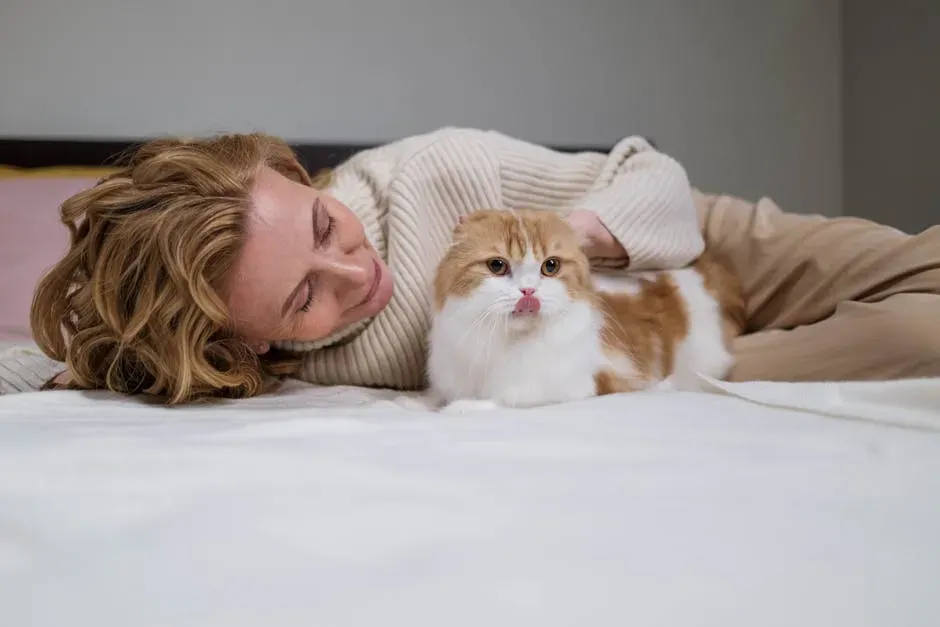
Cats are shockingly perceptive when it comes to reading subtle physical cues, and your breathing rhythm is one of the easiest signals for them to monitor. Slow, steady breaths signal safety and deep sleep, while irregular patterns can trigger curiosity or concern.
Some behaviorists believe this habit stems from social hunting instincts, where reading a companion's state was crucial. A change in your breathing can actually pull a sleeping cat out of its own nap just to check in. It's less about spying and more about built-in vigilance toward the people they consider part of their inner circle.
#3 - It's a Throwback to Kittenhood Bonding
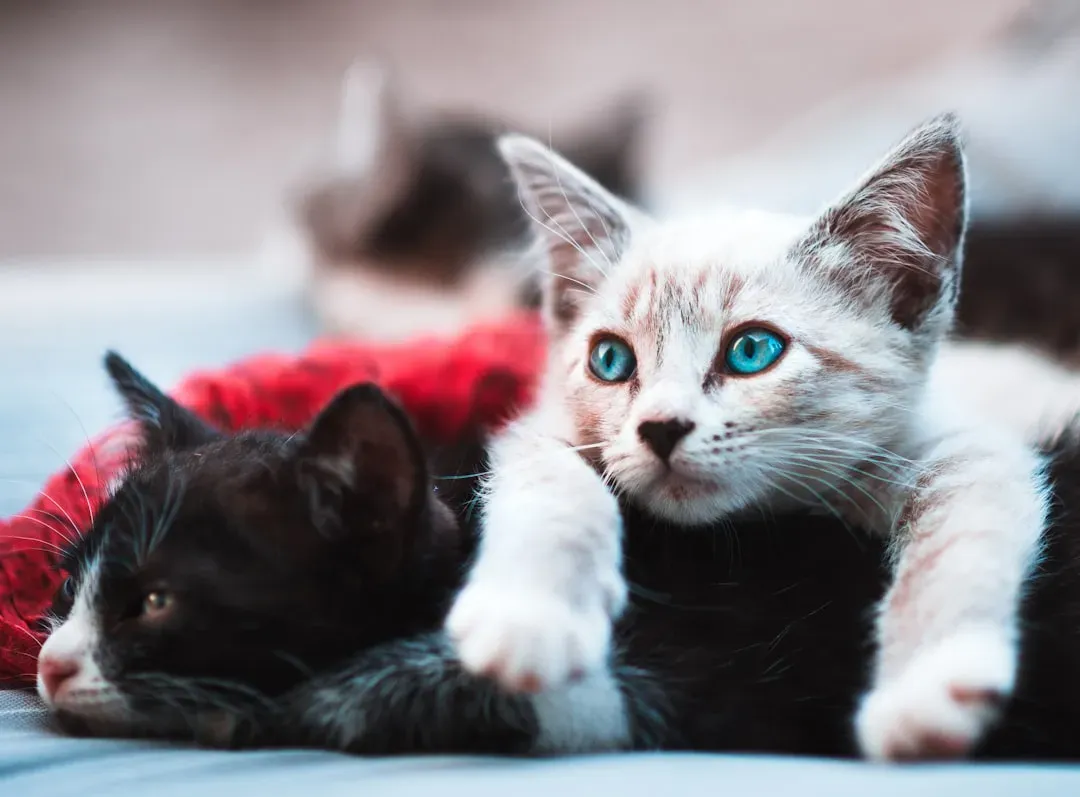
Kittens spend their earliest weeks pressed against their mother, watching her every movement for cues on safety and comfort. That early imprinting doesn't just disappear once a cat grows up - it often transfers directly onto their human owner.
Many adult cats treat their favorite person as a stand-in for that original maternal figure, especially if they were adopted young. This is why so many cats "watch" instead of simply cuddling - it mimics the passive observation kittens use to stay close without being intrusive. It's comfort, not surveillance.
#4 - Your Movement Triggers Their Predator Instincts
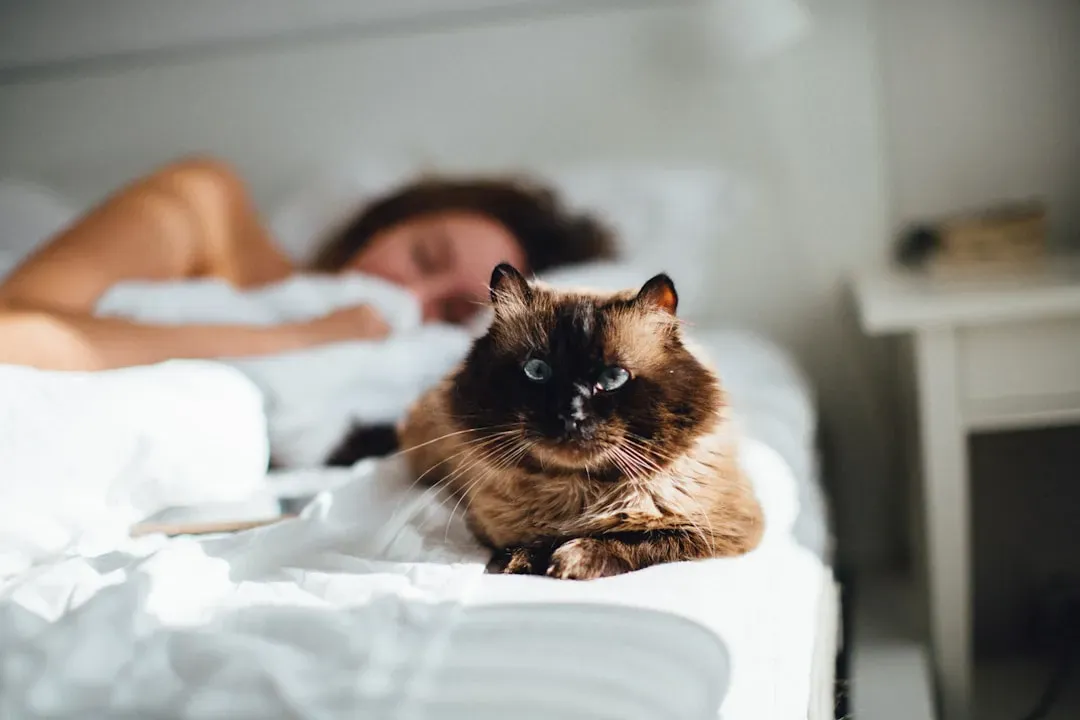
Even the smallest twitch under a blanket can catch a cat's attention, because their vision is finely tuned to detect motion rather than fine detail. A shifting foot or a fluttering eyelid mimics the kind of subtle movement that would signal prey in the wild.
This is instinctual, not aggressive - most cats aren't planning an ambush on your toes (though some absolutely are). Their visual system is built to prioritize movement over stillness, which is why a sleeping human occasionally becomes an accidental object of fascination. Your cat isn't judging you; its eyes are just doing exactly what evolution designed them to do.
#5 - They Might Be Guarding the "Colony"
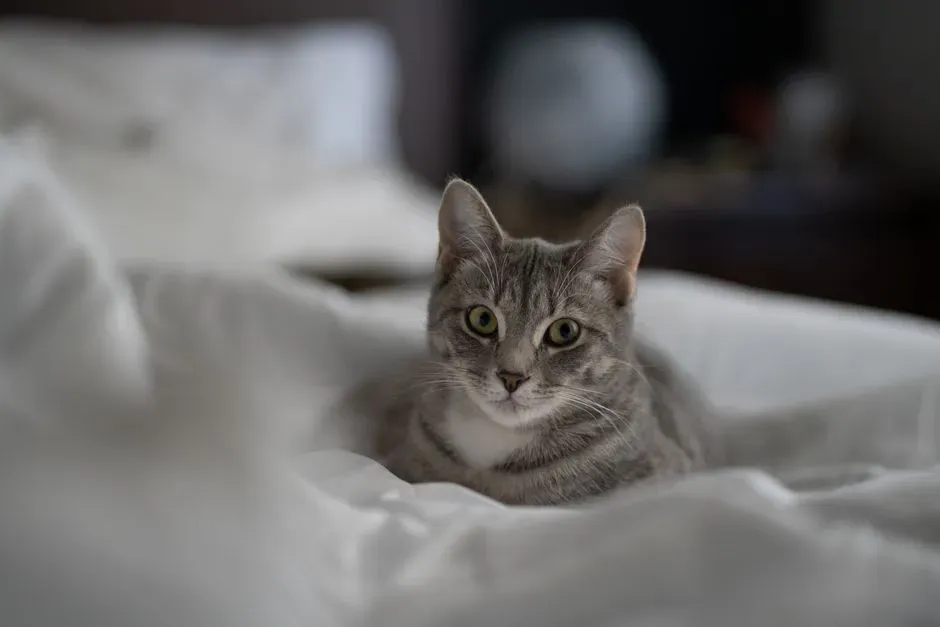
Feral and semi-feral cats often live in loose social groups, and while domestic cats are far more independent, some retain traces of that communal instinct. In multi-pet or multi-person households, a watchful cat may be unconsciously monitoring the group for anything unusual.
This behavior tends to show up more in cats with strong bonds to their household, treating sleeping humans as members of a small, informal "colony." Some experts argue this guarding instinct is stronger in rescue cats, who may have experienced instability before finding a secure home. It's less about protection duty and more about deeply ingrained social wiring.
#6 - Cats See the World Differently at Night
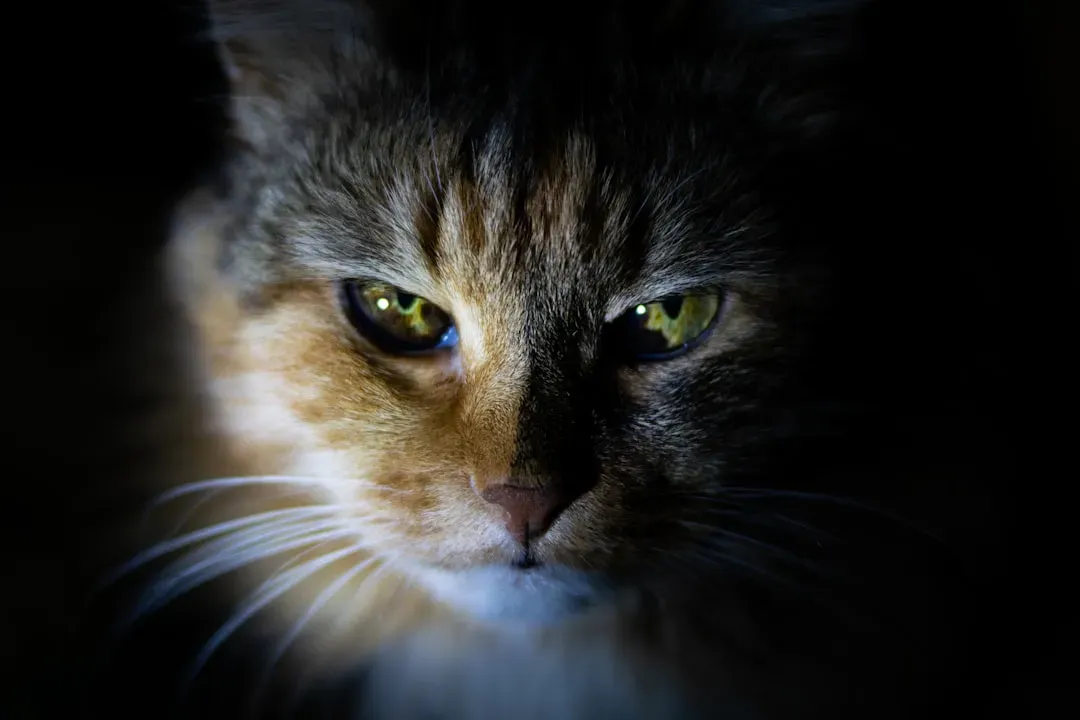
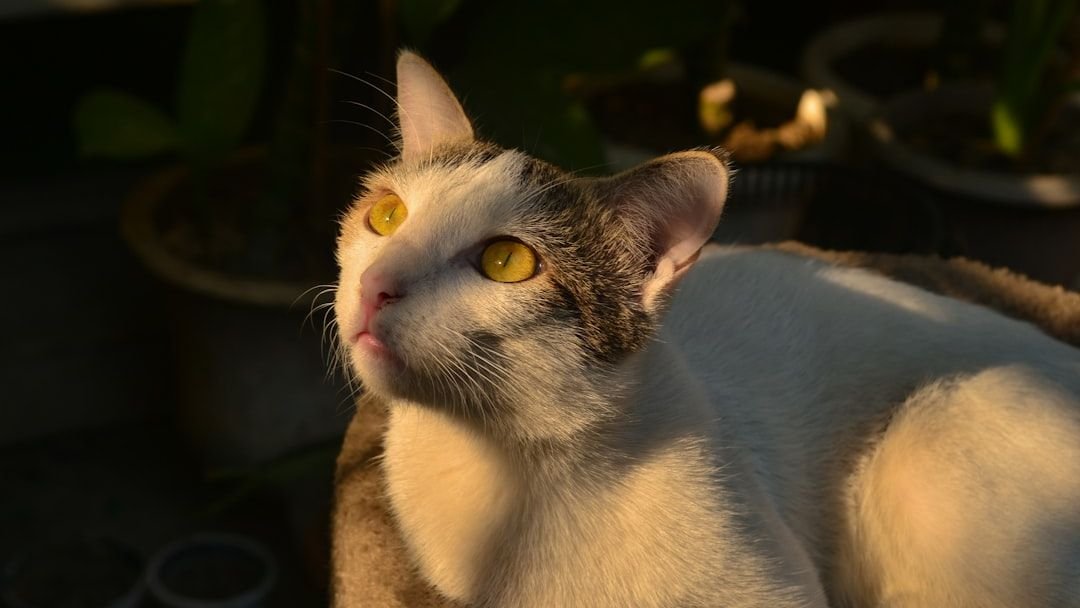
A cat's eyes contain a reflective layer called the tapetum lucidum, which amplifies available light and gives them a major advantage in low-light conditions. This is also why their eyes seem to glow when caught in a beam of light.
Because of this heightened night vision, a dark bedroom that looks pitch black to you looks dramatically clearer to your cat. They can pick up shapes, movement, and even subtle facial expressions in near-total darkness. So when you wake up to two eyes staring at you in the dark, your cat has likely been quietly observing details you can't even see yourself.
#7 - They're Waiting for the Right Moment to Ask for Food
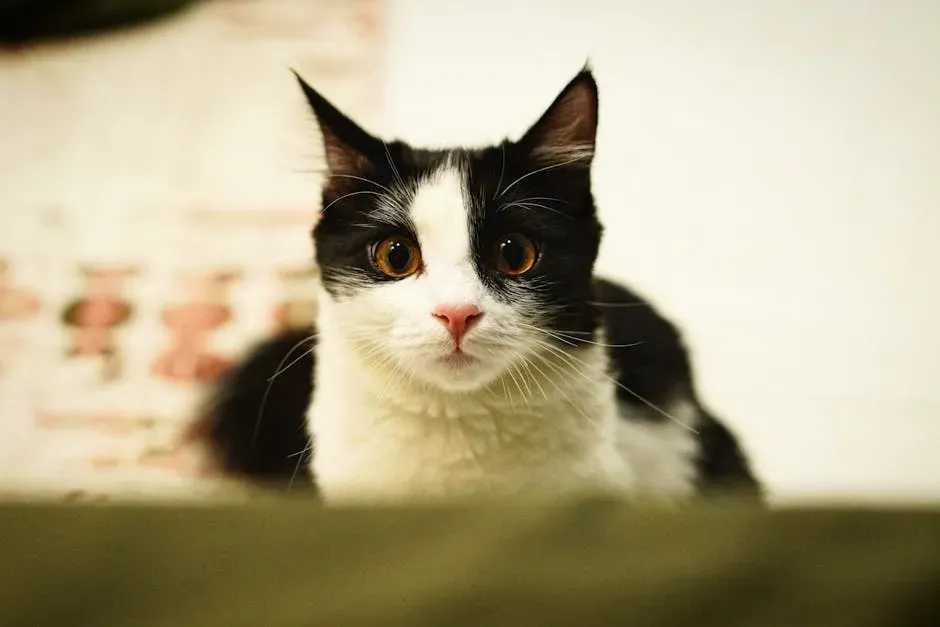
Cats are remarkably strategic when it comes to timing their demands, and mornings are prime real estate for meal-related negotiations. Many cats learn that a stirring human is far more likely to get up and fill a food bowl than one still deep in sleep.
This is a textbook example of operant conditioning - cats quickly learn which behaviors get rewarded. Staring, especially combined with soft meowing or gentle pawing, is a learned attention-getting strategy, not a random habit. If your cat seems to intensify its gaze right before your alarm goes off, it's not a coincidence - it's a routine they've perfected.
#8 - Separation Anxiety Plays a Bigger Role Than You Think

While cats have a reputation for aloof independence, many actually form intense attachments to their owners and experience genuine distress when separated, even overnight. Watching a sleeping owner can be a subtle form of reassurance-seeking behavior.
This is especially common in single-cat households or cats who were separated from their mothers too early. Some behaviorists now classify severe versions of this attachment as feline separation-related behavior, a legitimate psychological pattern rather than simple clinginess. A cat perched nearby, watching intently, may simply be making sure you haven't disappeared.
#9 - Your Scent Changes While You Sleep
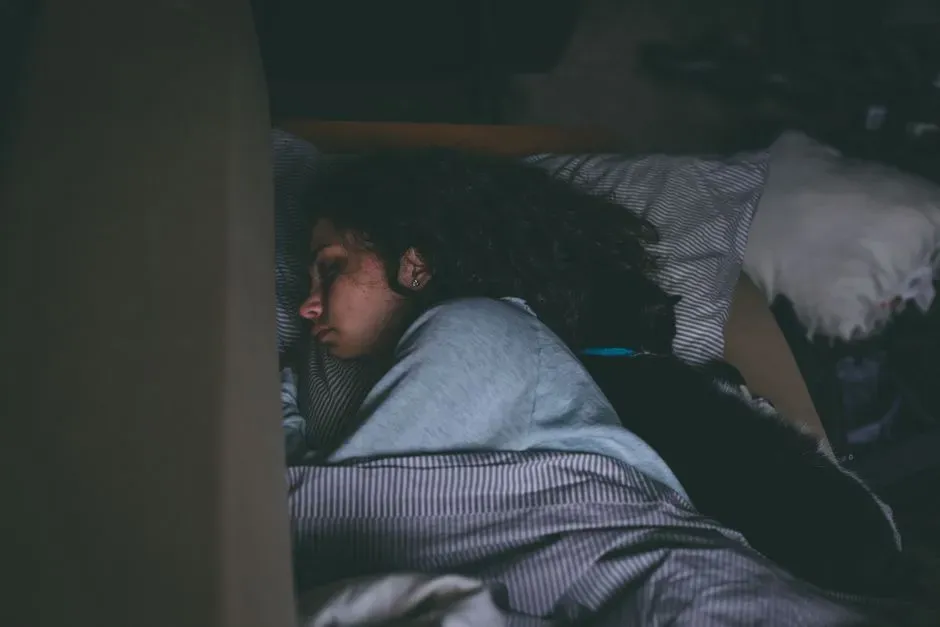
As your body temperature shifts and hormone levels fluctuate overnight, your natural scent profile changes in ways imperceptible to humans but highly noticeable to a cat's incredibly sensitive nose. Cats have significantly more scent receptors than humans, making them acutely aware of these shifts.
This heightened sense of smell may partly explain why cats seem drawn to hover near sleeping owners rather than active ones. Scent changes during sleep can even reflect stress hormones or illness, giving cats an early, instinctive read on your physical state. Their staring may be paired with sniffing, another sign they're gathering sensory information.
#10 - They're Synchronizing Their Sleep Cycle With Yours
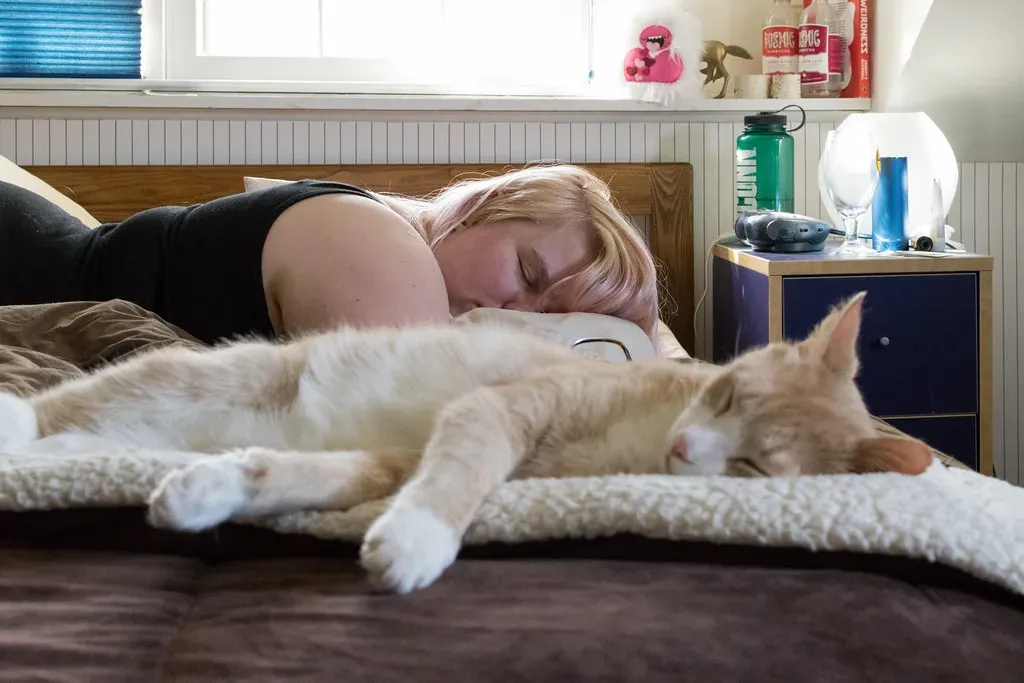
Cats are polyphasic sleepers, meaning they take multiple short naps throughout a 24-hour period rather than one long stretch. Over time, many cats adjust their nap schedule to loosely mirror their owner's habits, especially in households with consistent routines.
This adaptive scheduling means your cat may simply be in a light-sleep or waking phase at the exact moment you're deep in slumber. Their staring is often just a brief window of alertness between naps, not a sustained overnight vigil. It's less about watching you specifically and more about their sleep rhythm briefly overlapping with yours.
#11 - Sound Sensitivity Keeps Them on Alert
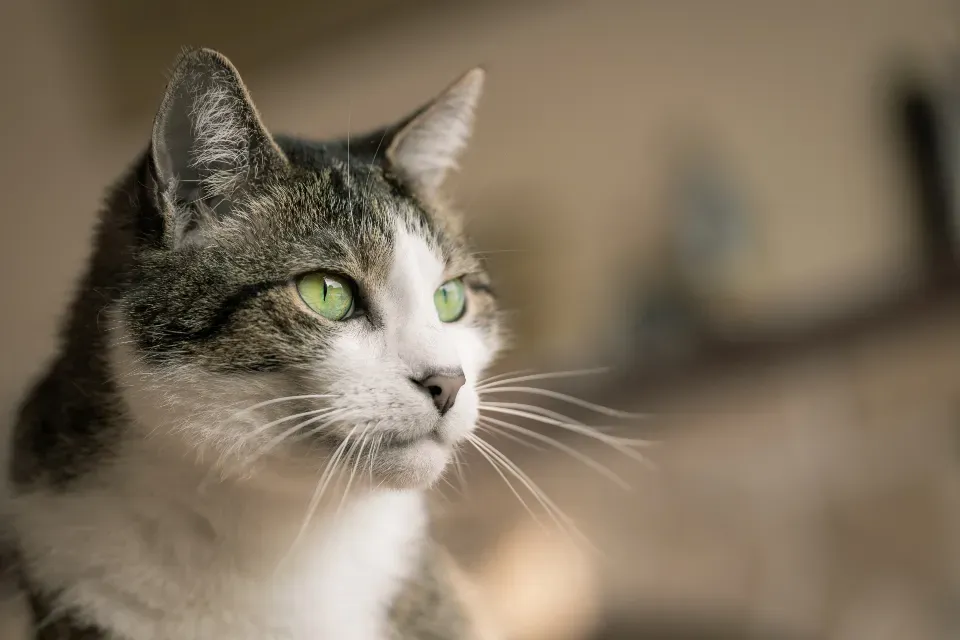
Cats can hear frequencies far beyond human range, picking up on faint noises like pipes settling, distant traffic, or even other pets moving in another room. This heightened auditory sensitivity means their environment is louder and more eventful than it seems to us.
A cat that appears to be intently watching you may actually be reacting to sounds you can't perceive at all. Their ears can rotate independently up to 180 degrees, allowing them to track sound sources with remarkable precision even while lying still. The stare might just be a side effect of their ears doing all the real work.
Worth Knowing
- Human hearing tops out around 20,000 Hz; a cat's range extends well beyond that
- Each feline ear is controlled by roughly 32 individual muscles
- That muscle count allows nearly 180 degrees of independent ear rotation
- This lets a cat pinpoint a sound's source without ever moving its head
#12 - Cats Read Human Facial Expressions - Even at Rest
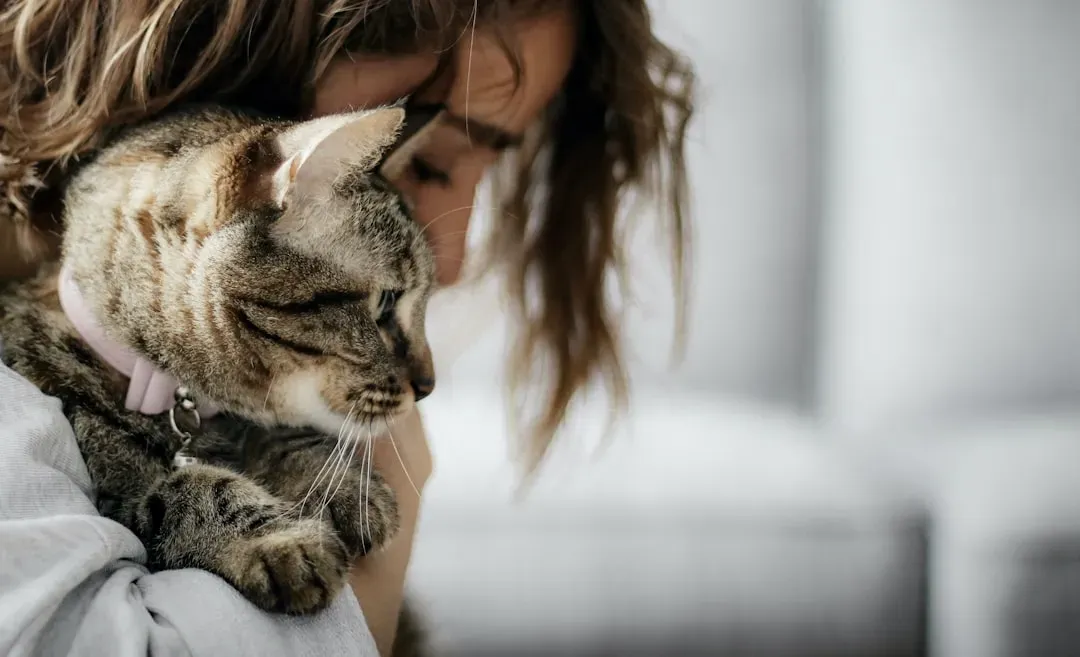
Research into feline cognition has shown that cats are capable of distinguishing between different human facial expressions and associating them with mood or intent. This social skill likely developed through thousands of years of close cohabitation with humans.
Even in sleep, subtle facial twitches, smiles, or grimaces may catch a cat's attention as they instinctively scan for emotional cues. This suggests cats are more emotionally tuned in than most people give them credit for. A watchful stare could simply be your cat quietly checking in on your emotional state, sleeping or not.
#13 - It Could Be a Sign of Feline Cognitive Dysfunction
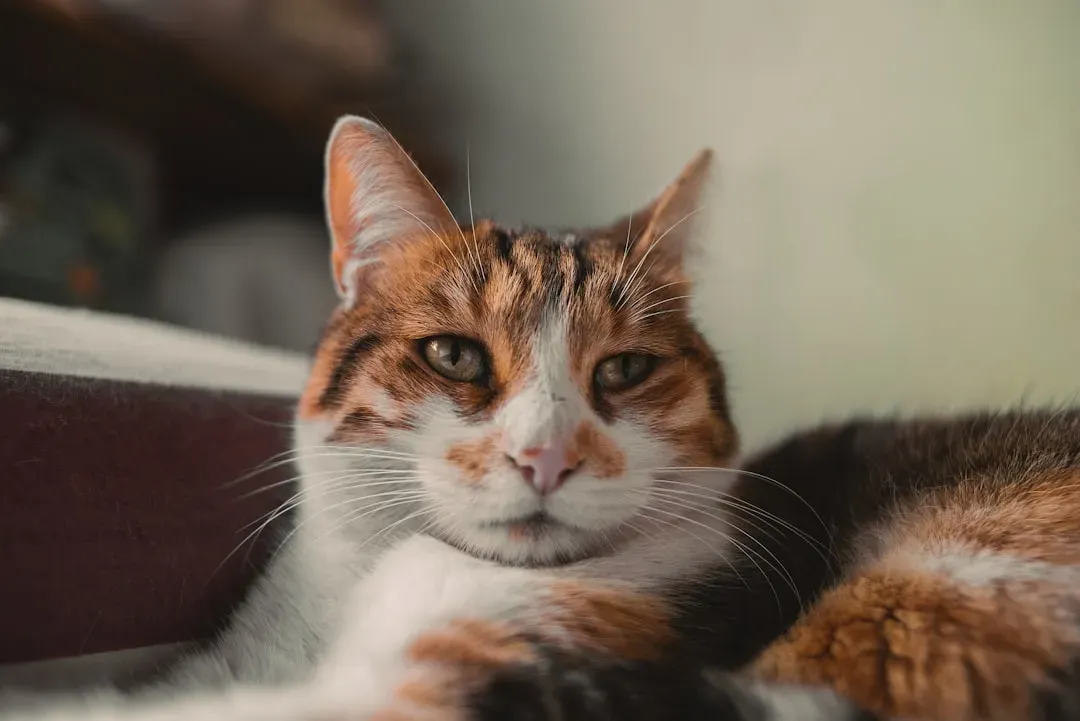
In senior cats, increased nighttime wandering, staring, and vocalization can sometimes point to feline cognitive dysfunction, a condition similar to dementia in humans. This condition often disrupts normal sleep-wake cycles, leading to more nighttime activity and confusion.
While occasional nighttime staring is completely normal, a sudden increase in disoriented pacing or prolonged staring in older cats is worth mentioning to a veterinarian. It's a controversial but increasingly recognized diagnosis in feline geriatric care. Age-related changes are often overlooked simply because cats are so good at masking discomfort.
#14 - They're Marking You as Part of Their Territory
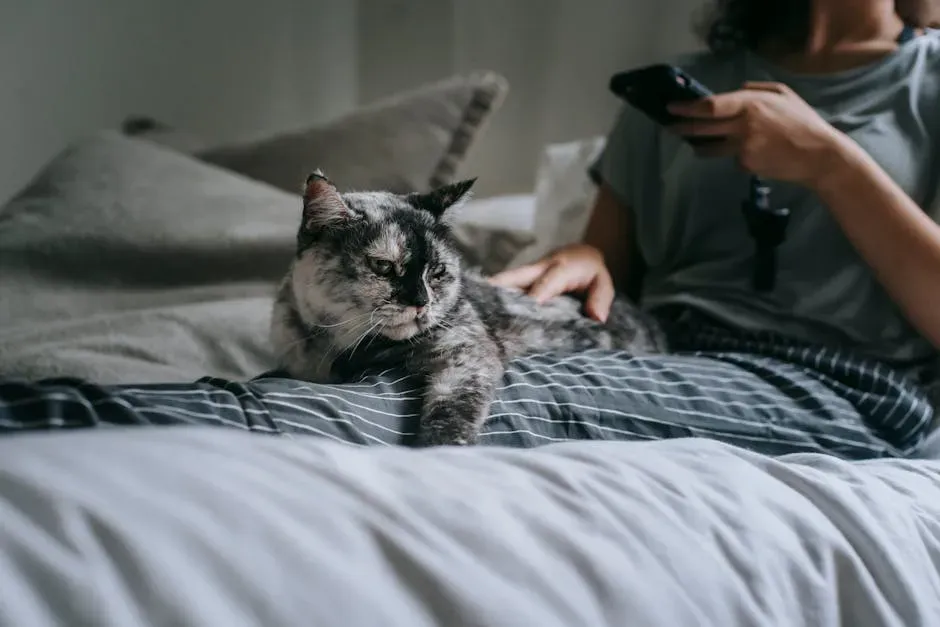
Cats rely heavily on scent marking to establish territory, using glands located on their face, paws, and body. Watching you sleep is sometimes paired with subtle rubbing or kneading, reinforcing your status as "claimed" territory.
This territorial instinct isn't hostile - it's protective and possessive in a distinctly feline way. Cats often treat their favorite human as a valuable resource worth guarding, similar to how they protect food or preferred sleeping spots. The stare can be a quiet, low-effort way of maintaining that claim throughout the night.
#15 - Oxytocin Bonding Works Both Ways
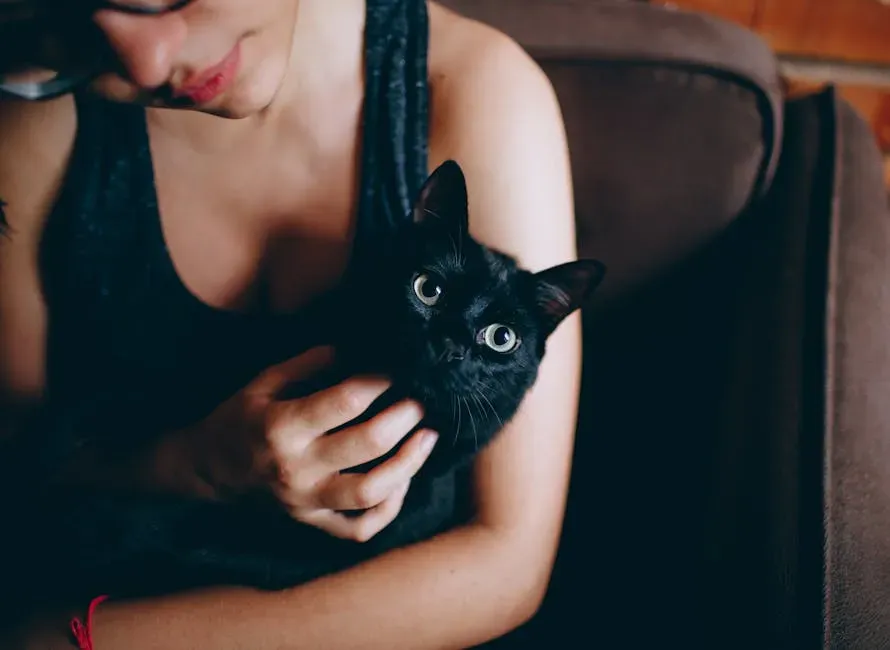
Studies on human-cat interaction have shown that eye contact between cats and their owners can trigger oxytocin release, the same "bonding hormone" involved in human relationships and even human-dog interactions. This chemical response reinforces attachment on both sides.
While the effect appears milder in cats compared to dogs, it's still measurable and meaningful. Prolonged, gentle staring is often listed by behaviorists as a sign of trust and affection rather than aggression. So while you're asleep and unaware, that lingering gaze may actually be a quiet, one-sided bonding ritual.
#16 - Cats Nap in Cycles, Not Straight Through the Night
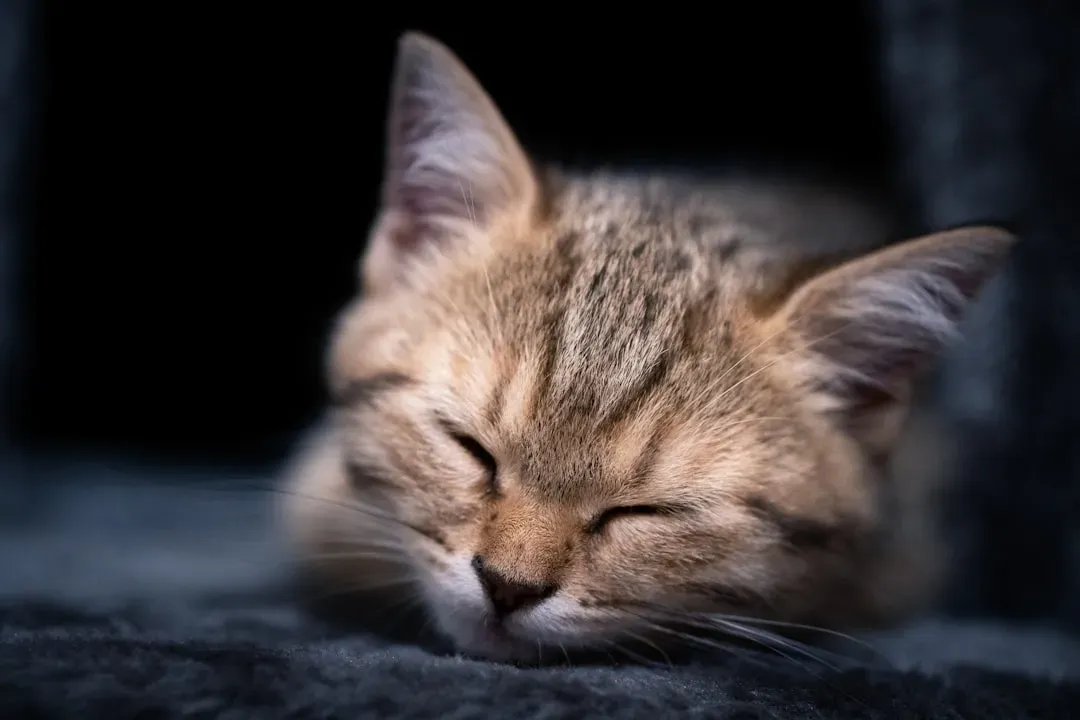
Unlike humans, cats don't experience one long consolidated sleep period. Instead, they cycle through short bursts of light sleep, deep sleep, and brief wakeful stretches multiple times throughout a 24-hour period.
This fragmented sleep pattern means your cat is naturally going to be "awake" at various points throughout your own sleep cycle, purely due to biology. A staring cat at 3 a.m. may simply be in one of these natural wake windows, not intentionally keeping vigil. Their internal clock just doesn't match ours, creating plenty of overlap for those late-night eye contact moments.
#17 - They Might Be Protecting You From Perceived Threats
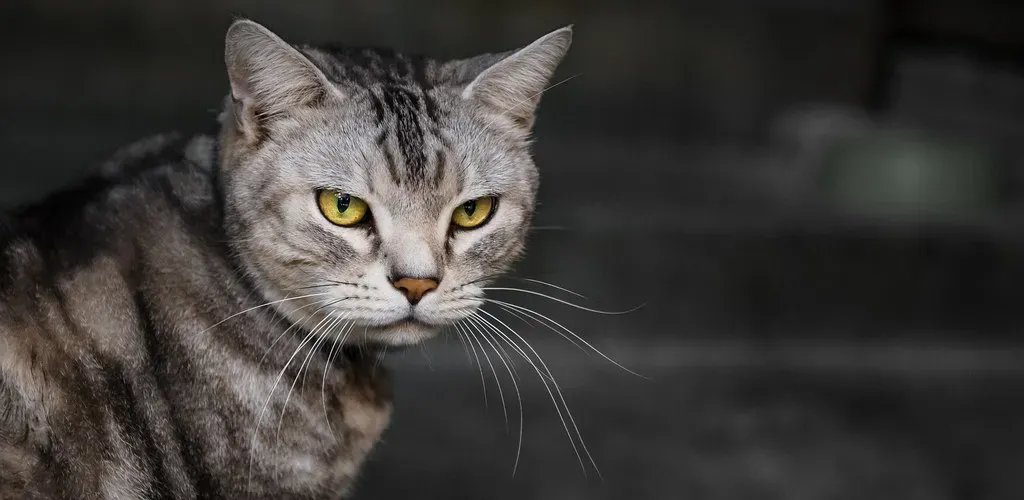
Cats are territorial animals with a strong instinct to monitor their environment for anything unfamiliar or potentially dangerous. A sleeping human is vulnerable and still, which can trigger a cat's protective instincts, especially in homes with strong bonds between pet and owner.
This is more common in cats who already display guarding behaviors around doors, windows, or other pets. Some owners report their cats becoming more watchful during storms, unfamiliar noises, or after a stressful household change. The stare, in these cases, functions almost like an early-warning system rather than casual curiosity.
#18 - Your Cat Could Be Bored and Seeking Stimulation
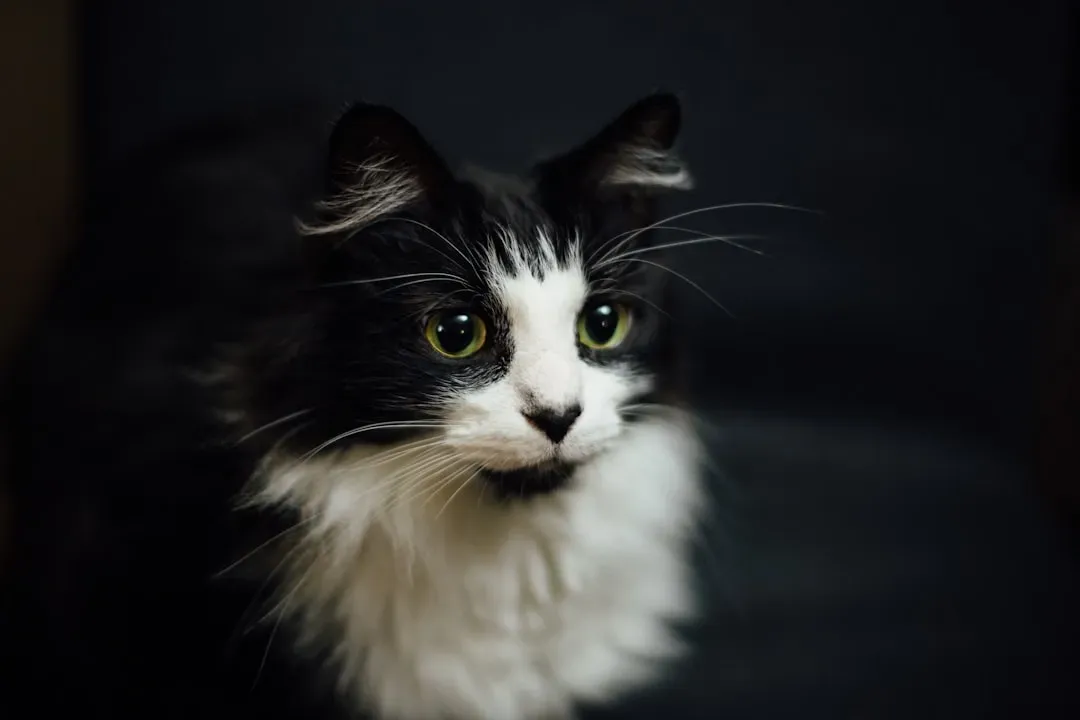
Indoor cats, especially those without much environmental enrichment, can develop boredom-driven behaviors that show up at odd hours. With less physical activity during the day, some cats redirect that pent-up energy toward nighttime observation - or outright nighttime zoomies.
Watching a sleeping owner can become a low-effort form of entertainment when there's nothing else stimulating happening in a quiet house. Veterinary behaviorists often recommend more daytime play to reduce nighttime restlessness caused by under-stimulation. A cat staring at 2 a.m. might simply be looking for something - anything - interesting to happen.
#19 - Medical Issues Like Hyperthyroidism Can Increase Night Activity
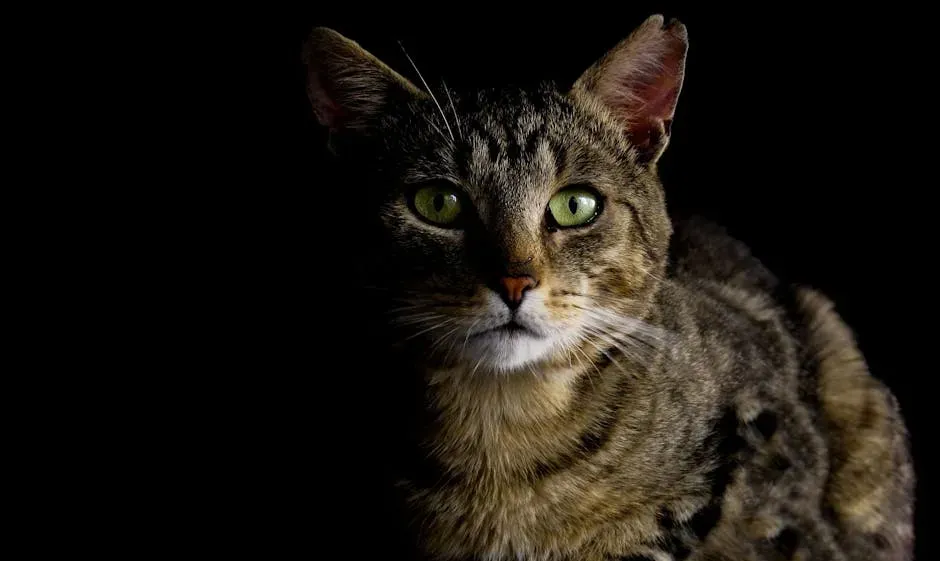
Certain health conditions, particularly hyperthyroidism in older cats, can cause increased energy, restlessness, and vocalization, especially at night. This hormonal imbalance speeds up metabolism, often leading to noticeably more active - and more watchful - behavior after dark.
While occasional nighttime alertness is normal, a dramatic increase in nighttime pacing, staring, or crying out should always be evaluated by a veterinarian, since it can signal an underlying medical issue rather than simple curiosity. Weight loss combined with increased appetite is another common warning sign paired with this behavior. Catching these changes early can make a major difference in long-term feline health.
At a Glance
- Increased appetite combined with unexplained weight loss
- Restlessness, pacing, or vocalizing more at night
- A noticeably faster-than-normal heart rate
- A dull, greasy, or unkempt-looking coat
#20 - It's Simply Trust - The Ultimate Compliment
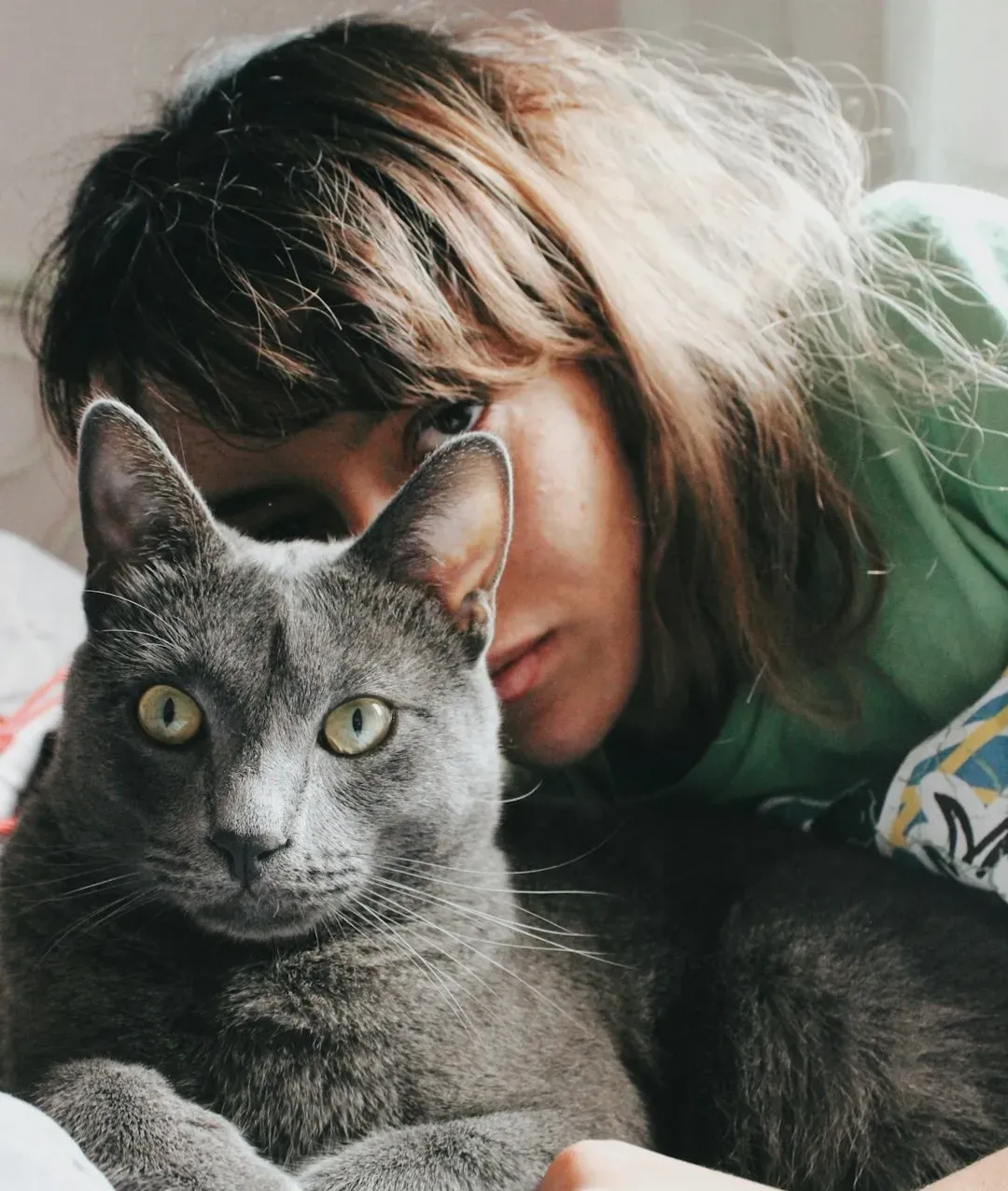
After all the instinct, biology, and evolutionary explanations, the simplest reason is often the most accurate: your cat feels safe enough to watch you in your most vulnerable state. Cats rarely expose themselves to potential threats unless they feel genuinely secure in their environment.
Choosing to linger nearby, eyes open, while you sleep defenseless is a subtle but powerful form of feline trust. Behaviorists frequently point to this quiet closeness as one of the clearest non-verbal signs of feline affection, even more telling than purring or headbutts. In a cat's world, staying close while you're unaware isn't suspicious - it's the highest compliment they know how to give.
The Bottom Line
The truth about nighttime cat-staring is messier and more fascinating than a single simple answer. It's a mix of ancient predator instincts, sensory superpowers like night vision and heightened hearing, genuine emotional bonding, and sometimes early warning signs of medical issues in older cats.
Most owners assume it's either creepy or purely affectionate, but the real answer usually depends on the individual cat, their age, and their environment. If there's one myth worth retiring, it's the idea that cats are emotionally distant - the evidence stacked up here says otherwise.
The next time you wake up to two eyes locked on you in the dark, resist the urge to feel spied on. That's not surveillance - that's loyalty with excellent night vision. Does your cat watch you every night, or only during storms and stressful weeks? Drop your experience in the comments.