7 Reasons Cats Prefer Walking Along the Edge of a Room Instead of Through the Middle
#1 Thigmotaxis: The Instinct to Stay in Contact With Surfaces
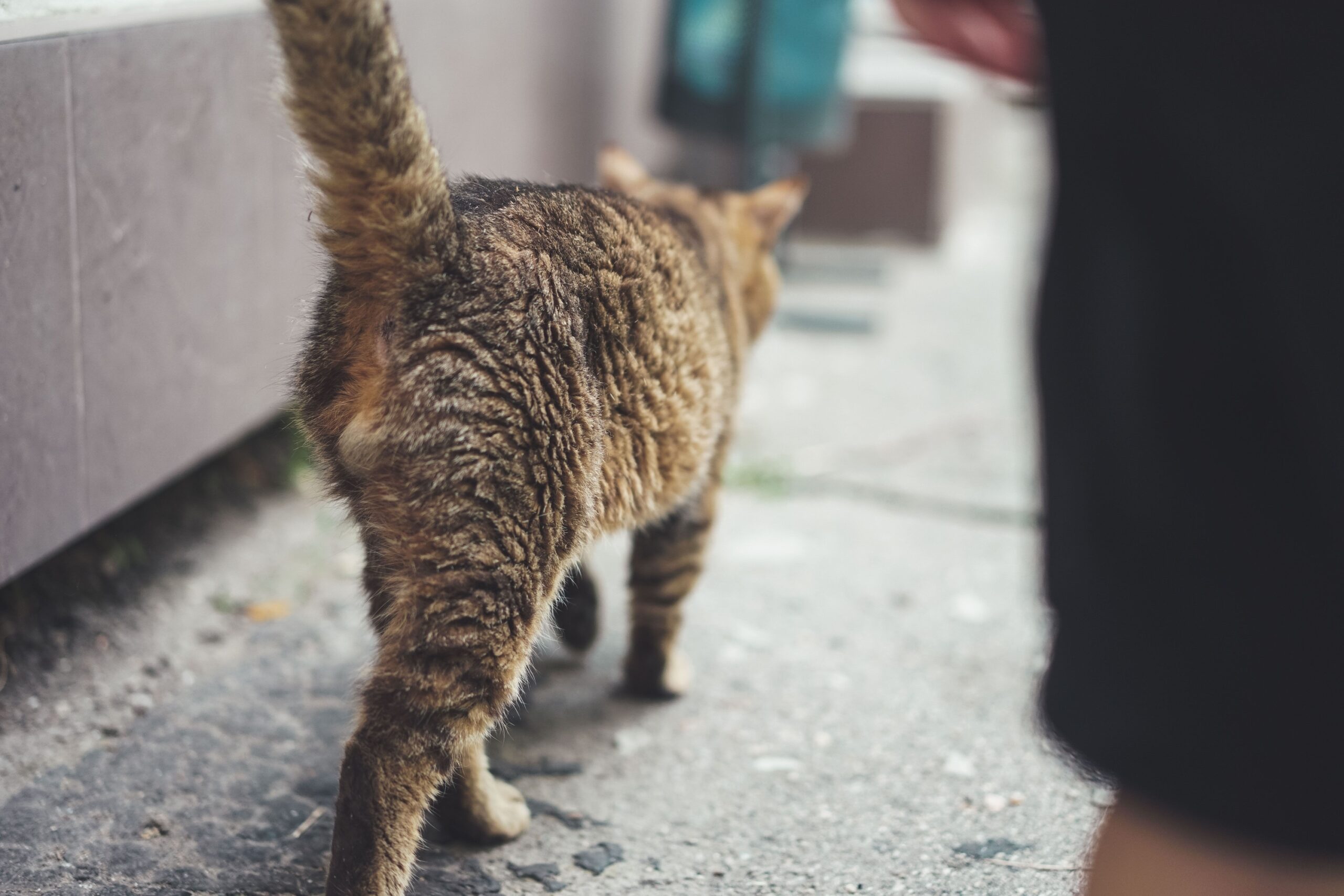
Scientists have a specific term for this edge-hugging tendency: thigmotaxis, which describes an animal's inclination to stay in physical contact with vertical surfaces like walls, furniture, or fences. It's not unique to cats either. Rodents, insects, and many small mammals display the same behavior, and researchers studying anxiety and exploration in lab animals often use wall-hugging as a measurable indicator of comfort versus stress.
For cats, this response appears to be wired in from an evolutionary standpoint rather than learned through experience. A wall or edge offers a fixed reference point, something solid the body can orient against while the eyes and ears scan for anything unpredictable. Moving along a boundary reduces the number of directions a threat could come from, which matters a great deal to an animal that is both a hunter and, at a smaller scale, potential prey itself.
#2 Reduced Exposure to Potential Threats
Domestic cats descend from solitary desert hunters who had no pack to rely on for protection. Every outing meant balancing the hunt for food against the risk of becoming food for something larger. That calculation didn't disappear just because modern cats sleep on heated blankets and eat from bowls twice a day.
Walking along the perimeter of a space limits the angles from which a predator, real or imagined, could approach. A cat pressed against a wall only has to watch what's in front and to the sides, not behind. The open middle of a room, by contrast, leaves an animal exposed on all fronts, which is precisely the kind of vulnerability a cat's instincts are built to avoid, even in the safest of homes.
#3 Whiskers and Sensory Mapping of Nearby Objects
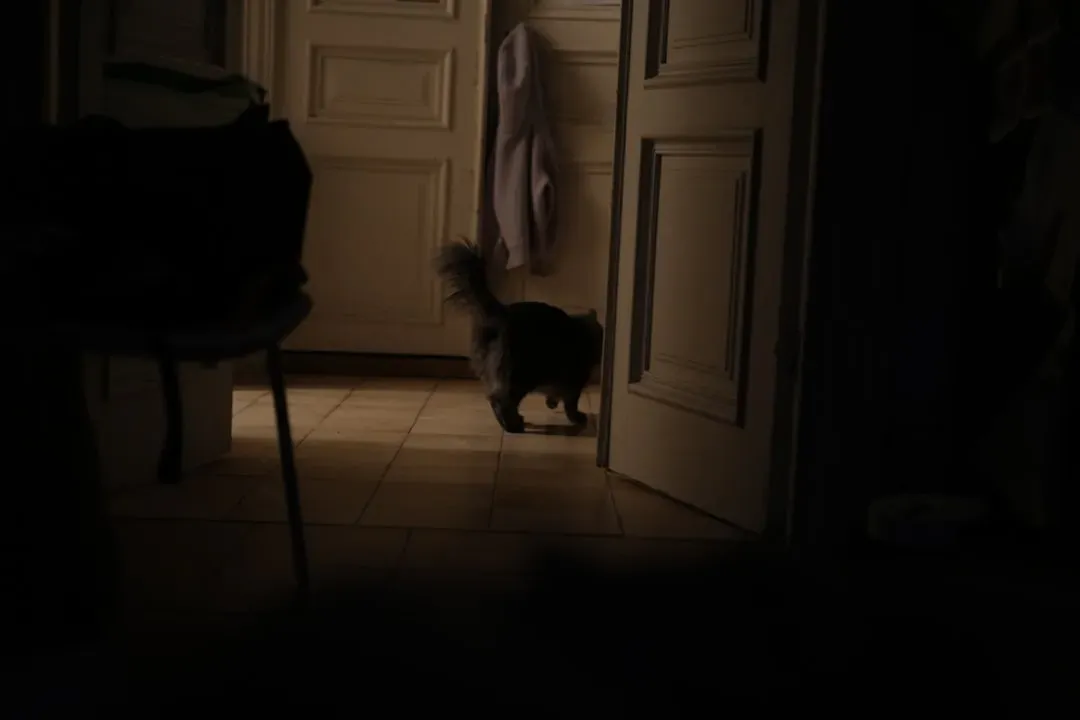
A cat's whiskers are far more than decorative facial hair. They're highly sensitive tactile organs called vibrissae, packed with nerve endings that detect the slightest changes in air currents and physical contact. When a cat travels close to furniture or walls, its whiskers brush against surfaces and feed a constant stream of spatial information back to the brain.
This sensory feedback helps the cat build an accurate mental map of its surroundings, especially useful in dim lighting when vision alone isn't reliable. Sticking near the edges keeps that whisker-based radar active and useful. Cutting across an open floor, in contrast, offers nothing for the whiskers to read, leaving the cat relying purely on sight and hearing, which can feel less secure.
#4 Scent Marking and Familiar Territory Reinforcement
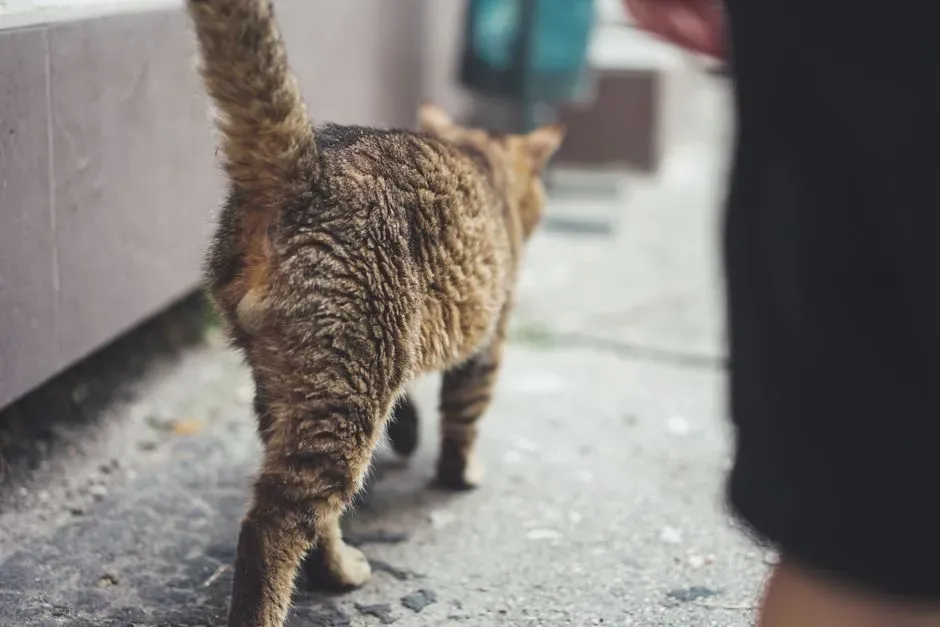
Cats have scent glands located along their cheeks, chin, and the base of their tail, and they use these constantly to mark objects they consider part of their territory. Furniture edges, doorframes, and wall corners tend to collect the heaviest concentration of a cat's own scent over time simply because those are the surfaces it brushes against most often.
Walking the same edge routes reinforces this scent trail and gives the cat a reassuring, familiar olfactory landscape to move through. In a sense, the cat is retracing its own signature, confirming that this space belongs to it. The open middle of a room carries none of that same scent history, making it feel comparatively neutral or even unfamiliar territory by comparison.
#5 Camouflage and the Element of Surprise
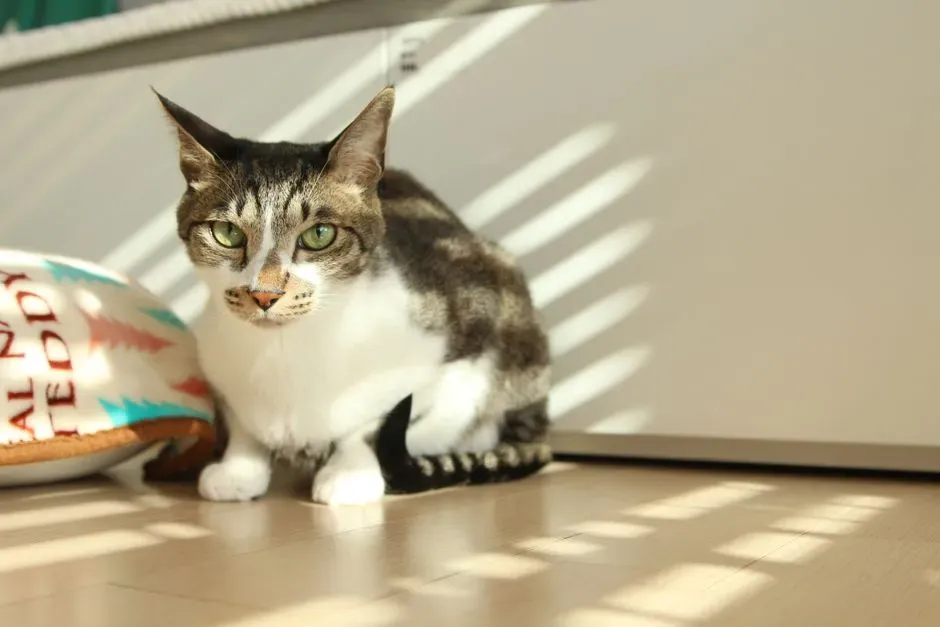
Even well-fed housecats retain strong predatory instincts, and stalking behavior remains deeply embedded in how they move through space. Staying near walls, furniture legs, and shadowed corners allows a cat to break up its silhouette, making it harder for prey, or in a domestic setting, other pets, to notice its approach.
This is the same low, purposeful creeping you might see right before a cat pounces on a toy or ambushes another animal in the house. Edges provide natural cover that the open center of a room simply cannot offer. Even without actual prey around, this instinct to move unseen along the margins doesn't switch off just because the mouse is a crumpled ball of paper instead of a real rodent.
#6 Comfort With Enclosed, Predictable Spaces
Cats generally favor environments that feel enclosed and controllable over those that feel open and exposed, which is part of why so many cats love boxes, bags, and tight nooks. Edges and walls create a partial version of that same enclosed feeling while a cat is on the move, offering one side of protection even when a full hiding spot isn't available.
This preference likely connects to reduced stress hormone activity in confined spaces, a pattern that has been observed in shelter cats who show calmer behavior when given hiding boxes compared to open enclosures. Walking along an edge essentially lets a cat carry a sliver of that enclosed security with it as it moves. It's a mobile compromise between staying hidden and needing to get somewhere.
#7 Learned Habit From Kittenhood and Repetition
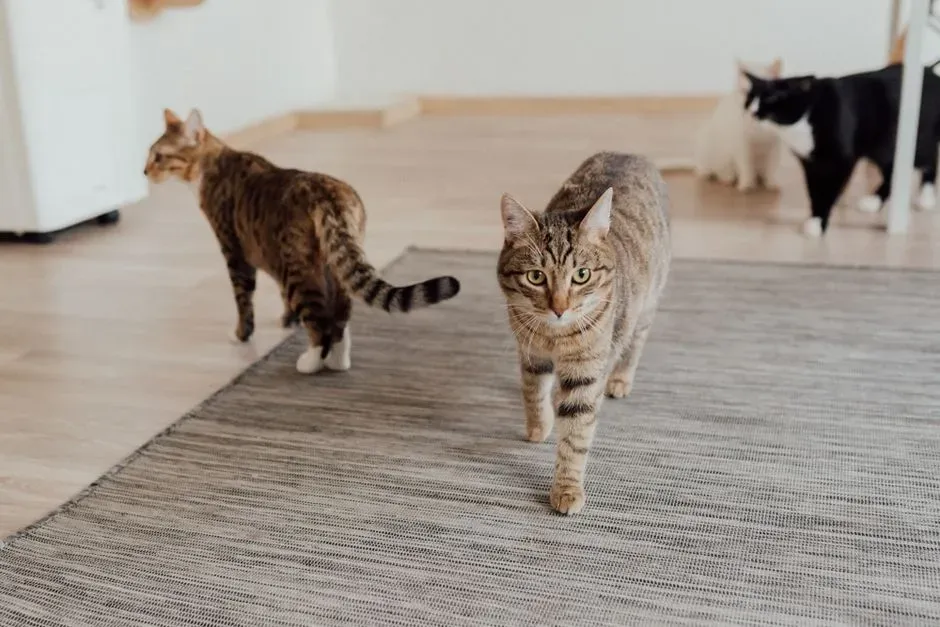
Beyond instinct, simple repetition plays a role too. Kittens that grow up navigating cluttered or busy households often learn early on that sticking close to walls avoids collisions with people, furniture, or other animals. Over months and years, this becomes an ingrained travel pattern rather than a conscious decision made room by room.
Cats are also creatures of habit, quick to establish routines and routes they repeat with remarkable consistency. Once an edge-hugging path becomes the default way to cross a room, there's little incentive for the cat to change it. Familiarity itself becomes a kind of reward, reinforcing the same walking pattern day after day regardless of whether the original reason for it still applies.
Final Thoughts