Most cat owners will tell you they’ve had full-blown conversations with their cat. You know the kind, where you say something in a soft, slightly ridiculous voice, and your cat stares back at you with absolute certainty that it understood every word. Here’s the funny thing: you’re not completely wrong. Cats are far more tuned into human cues than most people realize, and the gap between you and your feline companion is a lot narrower than it appears.
The truth is, speaking ‘cat’ isn’t about learning to meow properly or suddenly transforming into a whisperer. It’s about understanding the specific signals, sounds, and body language that cats genuinely respond to, and then using them consistently. Honestly, once you crack even a few of these, the whole relationship shifts. Let’s dive in.
Master the Art of the Slow Blink
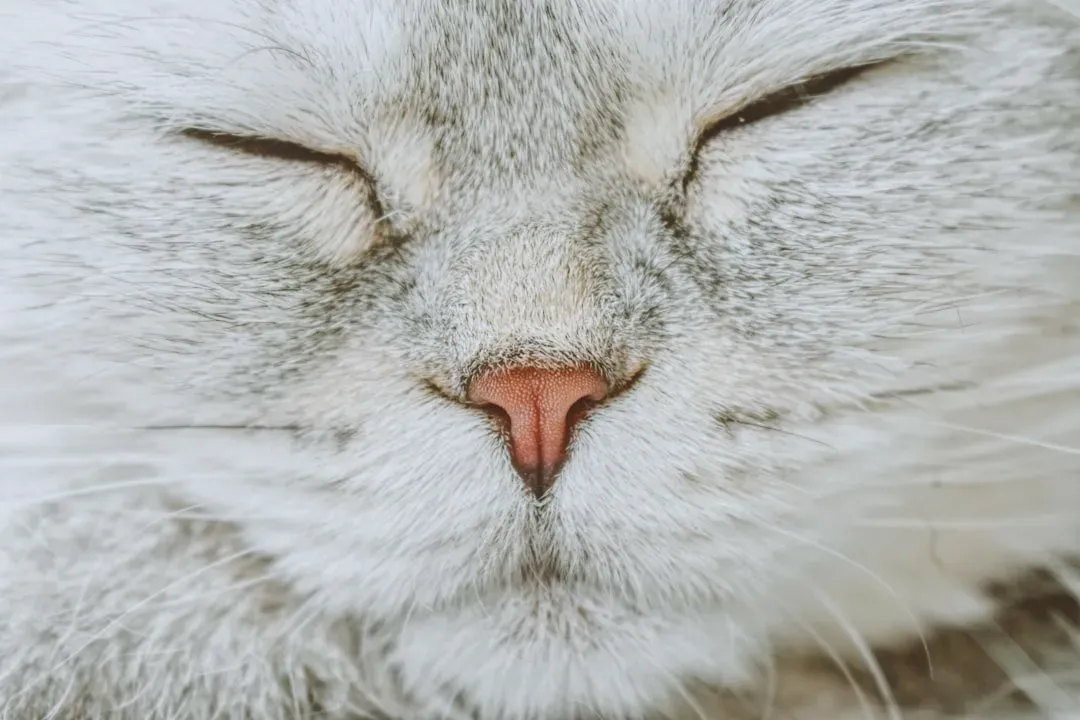
If there’s one single thing you can do starting today to improve your relationship with your cat, this is it. Your cat’s slow blink is a sign that they trust you and feel comfortable around you. It’s as close to an “I love you” from them as you’ll ever get. Think of it as the feline equivalent of a warm smile across a crowded room. No words needed.
Speaking cat fluently involves learning to slow blink yourself. In controlled experiments, cats show unmistakable signs of emotional connection when their owners slowly blink back at them. The animals were also more likely to slow blink at the humans if the people slow blinked at them first. So the next time you’re sitting across from your cat, try it. Close your eyes slowly, hold them shut for just a beat, then open them again. You might be surprised at what you get back.
It’s also worth noting that while communicating through slow blinking requires attention and eye contact between humans and cats, it is recognized that direct eye contact in the form of a prolonged stare can be perceived negatively and as threatening behavior by cats. So keep it soft, relaxed, and non-confrontational. The slow blink is a whisper, not a stare-down. Get that distinction right and you’re already speaking their language better than most.
Learn to Read the Tail Like a Mood Barometer
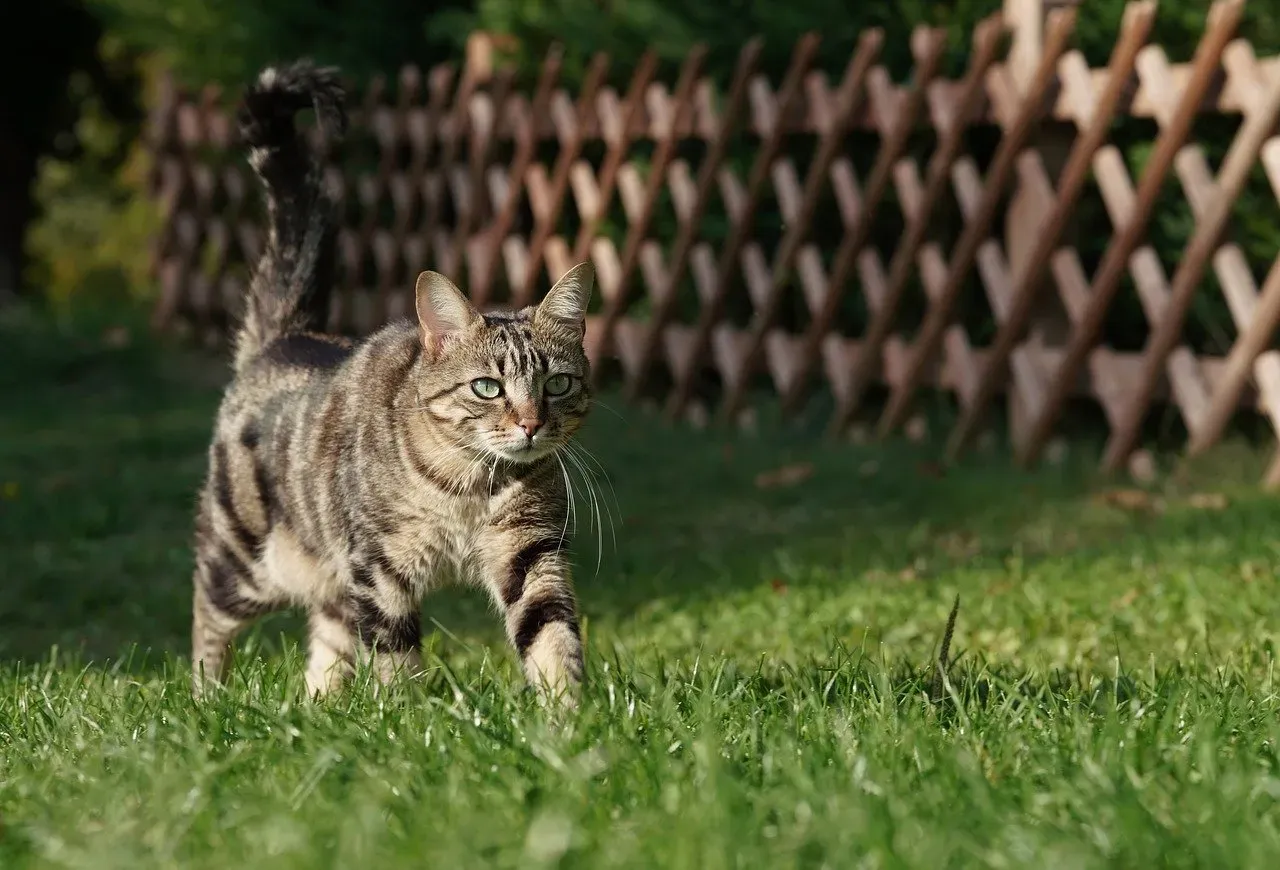
In cats, it’s their tail position that provides the greatest insight into what a cat is feeling. Cats use their tail movements, along with their eyes, ears, and body postures, to communicate. It’s a bit like reading a weather vane, once you know what each position means, you can predict what’s coming before it even arrives.
When a cat’s tail is upright, they are feeling social and confident, and are approaching in a friendly manner. That’s your green light. Engage, talk to them, offer a scratch behind the ears. On the flip side, when your cat thrashes their tail or is thumping it on the ground, they are irritated, annoyed, or angry. This tells you that something is bothering your cat. This is a distance-increasing behavior. In other words, if you are petting your cat and they start thrashing their tail, they are trying to tell you to stop. Respect that signal every single time, and your cat will trust you far more for it.
Use Your Voice Tone Intentionally
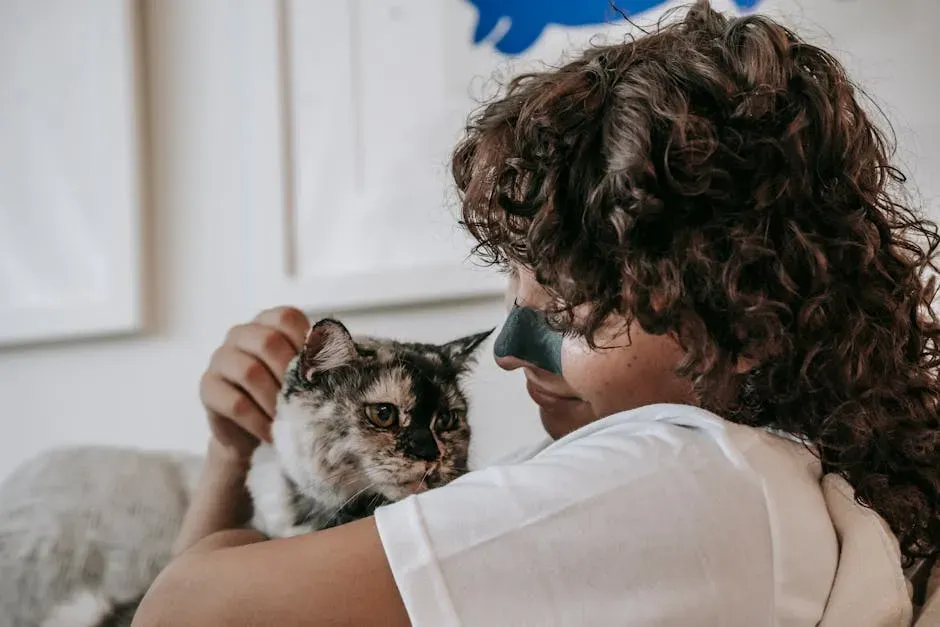
Your cat doesn’t understand your words the way a person does, but that doesn’t mean your voice is background noise to them. Far from it. You would not believe what an effect your voice has on your relationship with your cat. They can pick up on your moods very easily, whether you are happy, sad, angry, or otherwise. If you say something in a happy tone of voice, your cat can pick up on the inflection and know that you are happy.
Just as your cat communicates with you through different sounds, you should take care when communicating with them. Use a gentle, calm voice when speaking to your feline as they’re sensitive to volume and tone. This is a really practical tip that most people ignore. Raising your voice, even in excitement rather than anger, can trigger a defensive response. Keep things measured and warm, and your cat will associate your presence with safety and comfort. Cats speak more when they are spoken to, and like it better when you use positive words alongside their name rather than negative ones.
Decode the Meow by Context, Not Just Sound
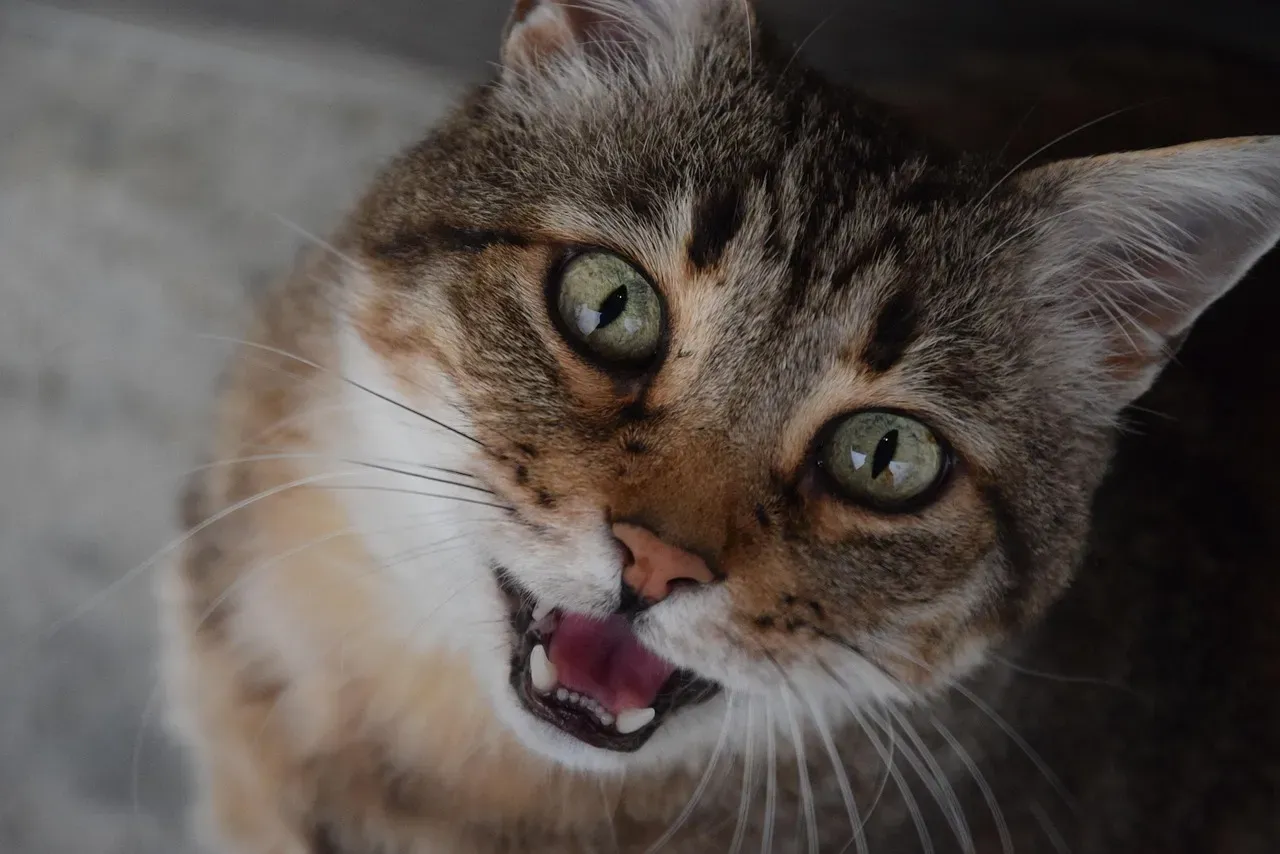
Here’s the thing most people don’t know about meowing: the meow is actually a sound that cats make specifically for humans. Cats don’t meow at one another in the wild. Instead, meowing is a language they’ve developed exclusively for communicating with people. That means every time your cat meows at you, it’s a direct message intended for your ears only. That’s kind of remarkable when you think about it.
A low-pitched meow might mean your cat is complaining or unhappy, while a high-pitched meow could be a friendly greeting or a request for something pleasurable, like treats or petting. Context matters enormously here. Another way to understand your cat’s communication is by paying attention to their environment. A cat sitting by a food bowl and meowing is probably signaling that they are hungry. They are using vocalizations and body language to communicate this, but their environment allows you to make the connection. Treat each meow like a sentence and look for the surrounding clues. Over time, you’ll become fluent in your specific cat’s vocabulary.
Respond to Head Butts and Scent Marking
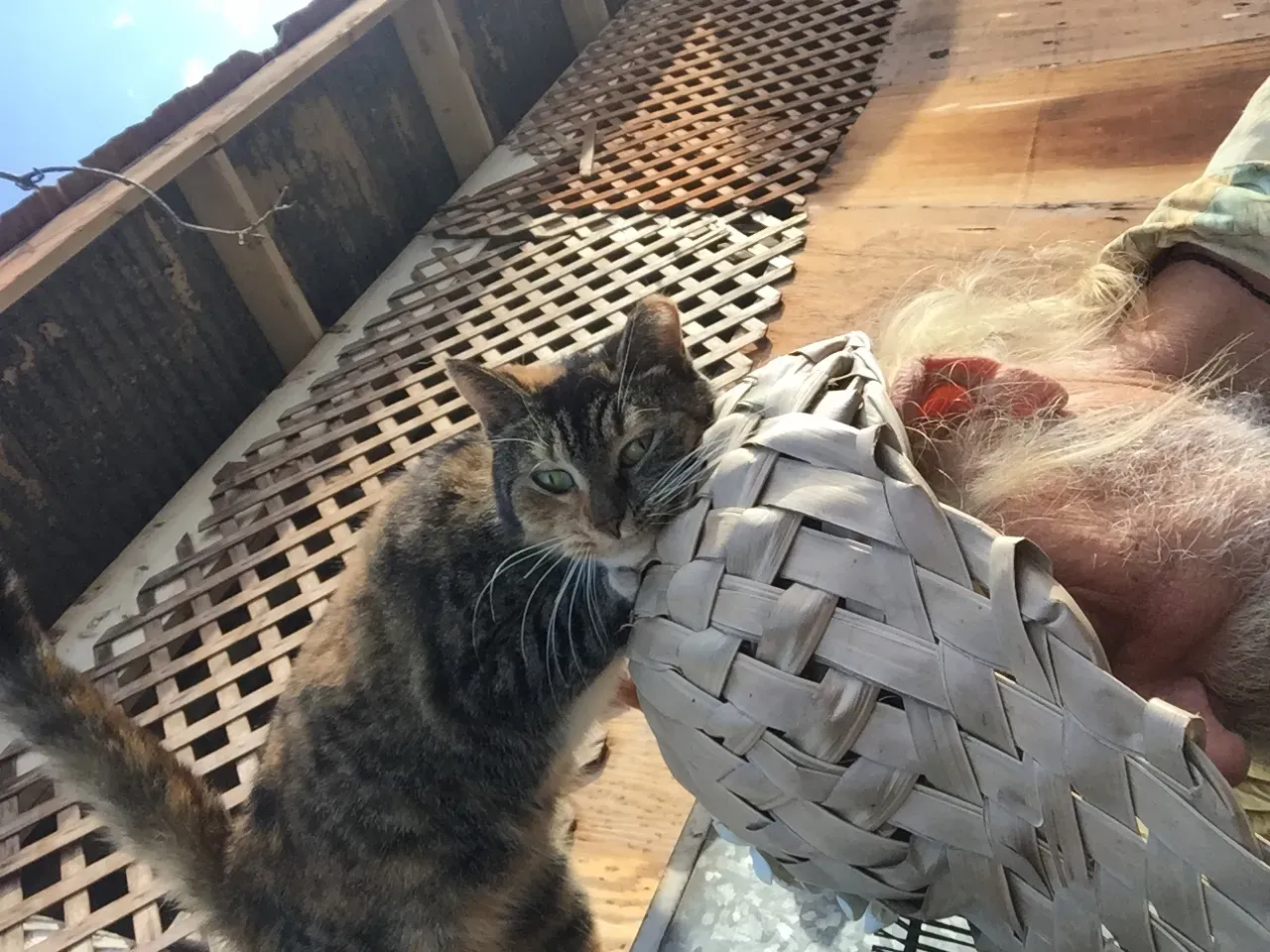
Your cat shoving their forehead into your face isn’t random goofiness. It’s actually one of the highest compliments in the feline world. Head butts and chin rubbing are clear signs that your cat loves you because cats have scent glands in their faces that allow them to claim friends and objects as their own. When your cat bunts you, they are quite literally saying, “you are mine, and I’m proud of that.”
When your cat rubs around your legs to greet you, they are doing the same as they would in greeting another cat by mutual rubbing of the face and body. As they can’t easily reach your face, for convenience, they’ll use your legs. Afterwards, your cat will take themselves off to groom and check out your scent. You can respond by bending down and offering the back of your hand or your chin, giving them the chance to complete that greeting. It sounds small, but this kind of reciprocal acknowledgment builds real trust over time.
Understand What Ear Position Is Actually Saying
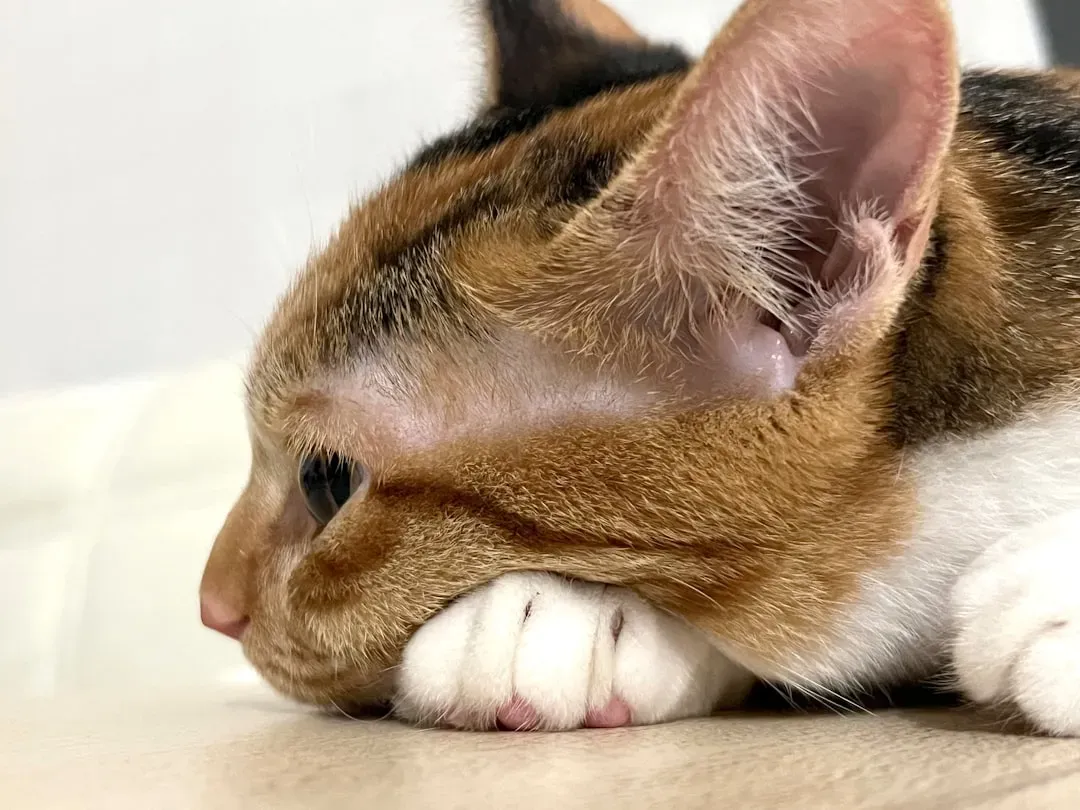
Ears are one of the most expressive features on a cat’s body, and most people barely pay attention to them. Cats can change the position of their ears very quickly, and continuously. They are erect when the cat is alert and focused, slightly relaxed when the cat is calm, and flattened against the head when extremely defensive or aggressive. Learning this takes maybe a day of observation. Once you know it, you’ll never miss a mood shift again.
Ears held naturally means the cat is relaxed, while ears pinned back mean the cat is afraid. When a cat’s ears are facing forward and close together, that means the cat is interested in something. Think of it this way: forward ears are open curiosity, like a child leaning in to hear a story. Flat ears are a red warning light. Understanding and listening to each warning signal and giving your cat space when they ask for it is critical in preventing more serious, escalating behaviors. When observing your cat, take time to assess all of its body language and vocal cues. You’ll avoid a lot of unnecessary hissing if you respect these cues early and consistently.
Mirror Feline Greeting Rituals to Signal Friendliness
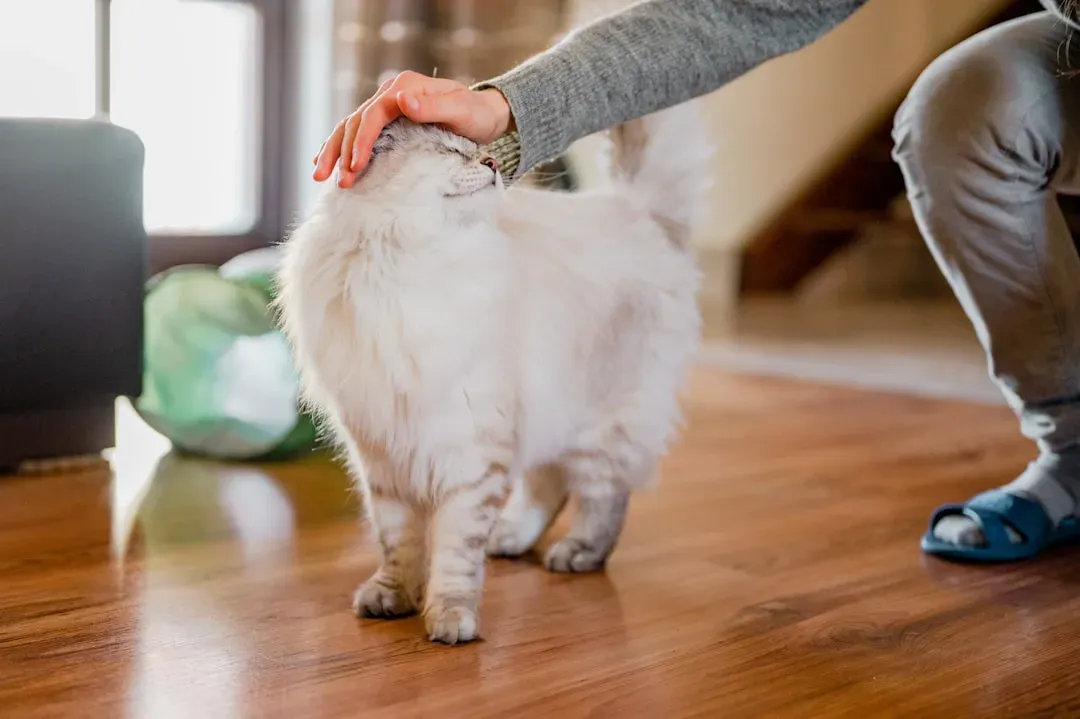
Cats have very specific social rituals, and you can actually participate in them once you know what they are. The chirrup is also used in a friendly manner by cats when they are greeted by another cat or a human. Therefore, people can mimic the sound to reassure and greet pet cats. You don’t have to sound perfect. A soft little rolling trill from you is surprisingly effective at making a cautious cat feel more at ease with your presence.
Research shows cats adjust their body language and vocalizations when interacting with humans, using more eye contact and meows than they do with other cats. That means your cat has already put in serious effort to bridge the communication gap with you. The least you can do is meet them halfway. The main takeaway is that a cat’s body language and behaviors should be looked at as part of one big picture. By using the context of the entire situation, trying to see the situation from the cat’s point of view, and looking for subtle cues in body language, you’ll have an excellent chance at understanding your feline friends. Learning these rituals is a two-way street, and honestly, it’s one of the most rewarding things about sharing your life with a cat.
Conclusion
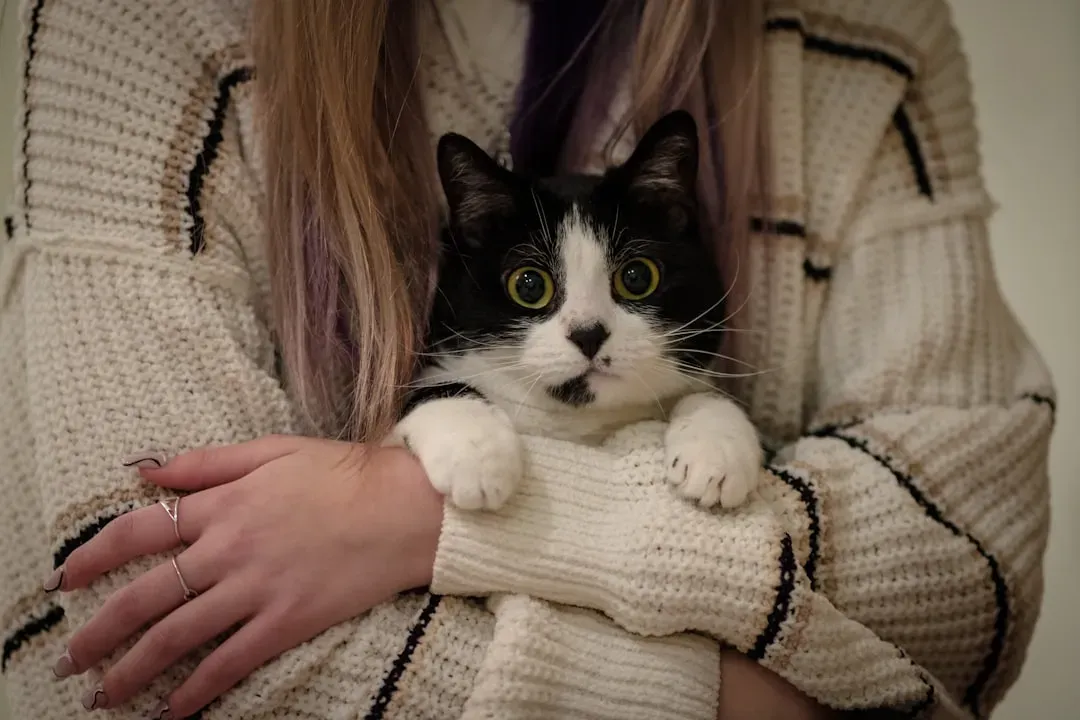
Cats have been communicating with humans for thousands of years, and they’ve quietly become remarkably good at it. The problem has never been on their end. They’ve been sending signals all along. The slow blink, the tail raised high, the chirrup at the door, the headbutt to the knee, all of it is a rich, layered conversation that most of us have simply never been taught to receive.
The good news? You don’t need years of study or a degree in animal behavior to start speaking ‘cat.’ You just need patience, curiosity, and the willingness to pay closer attention to the small creature sharing your space. Start with one tip from this list, maybe the slow blink tonight, and see what happens. The responses you’ll get might just surprise you.
Cats are not mysterious because they’re distant. They’re mysterious because we haven’t been listening closely enough. Now that you have the tools, the real conversation can finally begin. What do you think? Have you ever tried slow blinking at your cat, and did they blink back? Share your experience in the comments below!