7 Weird Household Things Cats Become Obsessed With for Reasons That Actually Make Sense
#1 Cardboard boxes
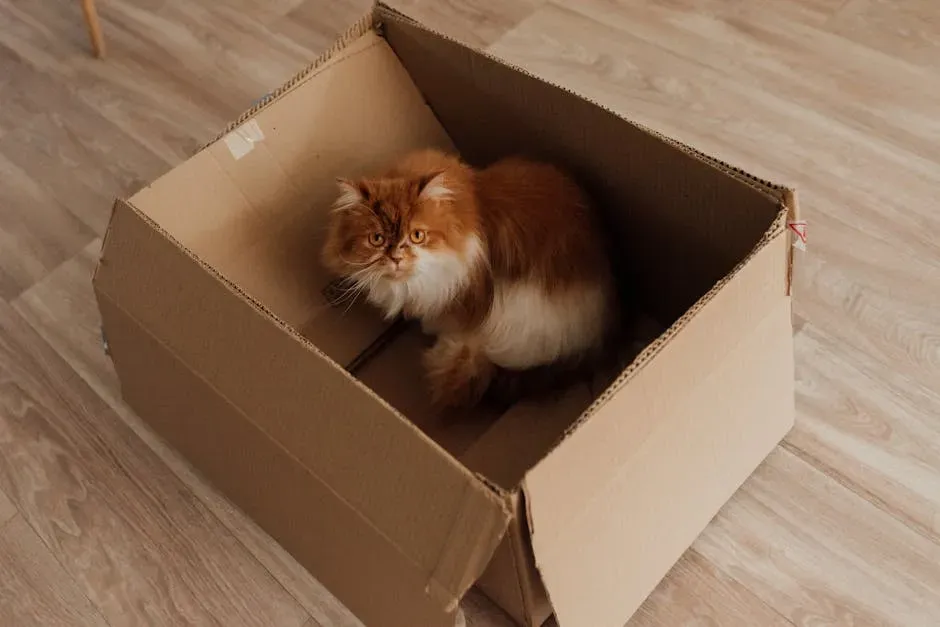
The box obsession is probably the most universally recognized cat behavior there is, and it's rooted in something pretty simple: cats are ambush predators who crave enclosed spaces. A cardboard box offers walls on multiple sides, which taps into a deep instinct to feel hidden while still being able to observe the surrounding environment. Studies on shelter cats have even shown that cats given access to boxes recover from stress faster than those without one, since the enclosed space lowers their cortisol levels significantly.
There's also a thermal component that people rarely consider. Cats prefer warmer temperatures than we do, often seeking out spots in the mid-90s Fahrenheit, and cardboard is a decent insulator that traps body heat far better than open floor or a couch cushion. Combine the security of tight walls with the coziness of trapped warmth, and a plain box becomes something close to a perfect little den, no matter how much money was spent on the toy that came inside it.
#2 Plastic bags and their crinkly sound
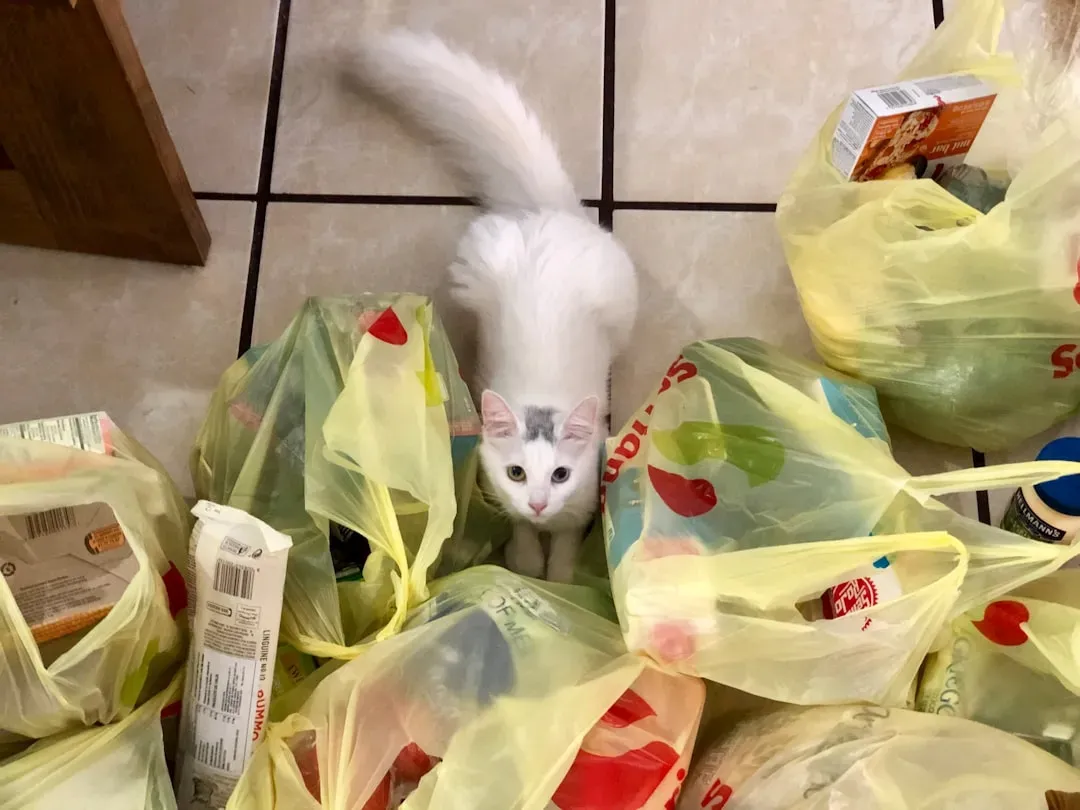
Few sounds trigger a cat faster than the rustle of a plastic bag, and that reaction traces back to how feline hearing is tuned. Cats can detect frequencies up into the tens of thousands of hertz, well beyond human range, which means the high-pitched crinkling of plastic likely sounds similar to the rustling of leaves or small prey moving through underbrush. That auditory resemblance to hunting cues is enough to flip a switch in a cat's brain, prompting play or stalking behavior almost instantly.
Some plastics also carry faint chemical residues from manufacturing, including compounds that may interest cats on a scent level, though this part is less studied and more anecdotal among veterinarians. What's well documented is the safety concern that comes with this fascination, since cats can suffocate if they climb inside bags or ingest plastic while chewing on it. Most vets recommend swapping bags for paper alternatives or supervised play only, since the instinct driving the obsession isn't going away, but the risk is real.
#3 Running water from faucets
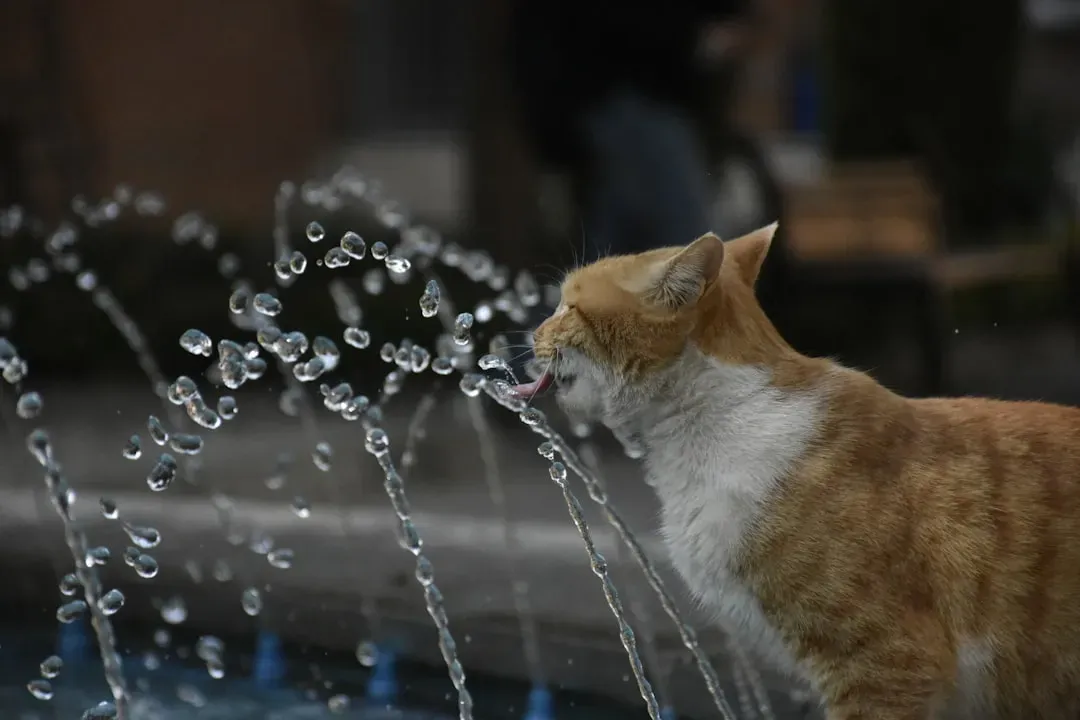
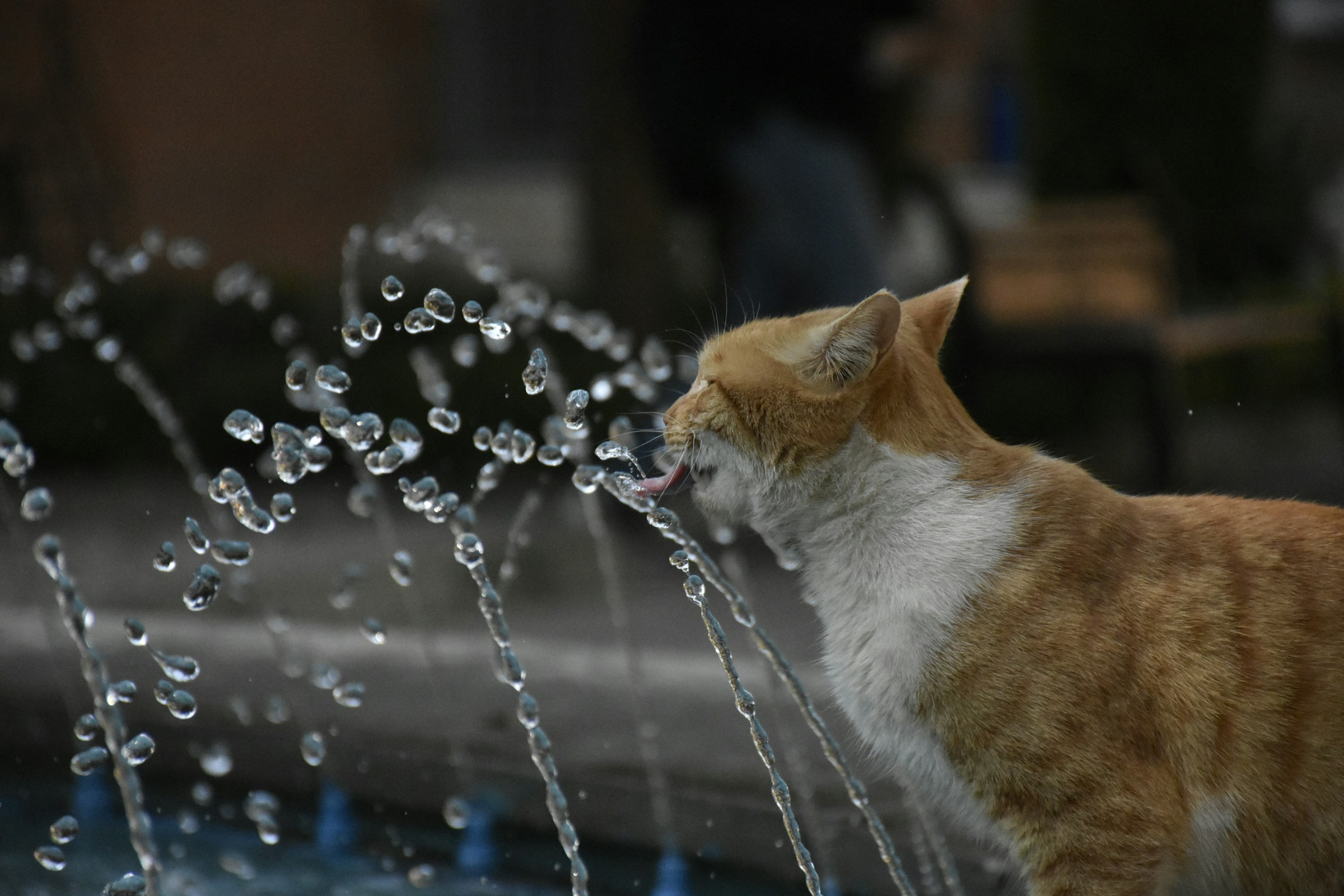
A cat perched on the bathroom sink edge waiting for the tap to turn on is a familiar scene, and it connects to ancestral survival wiring rather than pure mischief. Wild feline ancestors evolved to associate moving water with safety, since standing water is more likely to harbor bacteria or parasites, while flowing water tends to be fresher and less contaminated. That preference got hardwired in, even though modern tap water and bowl water are essentially identical in cleanliness.
There's also a visual attraction at play, since the movement and light reflection off running water catches a cat's motion sensitive vision, which is finely tuned to notice subtle shifts rather than static scenes. This is part of why pet brands now sell water fountains specifically designed for cats, aiming to mimic that trickling movement and encourage better hydration. Cats who are chronically dehydrated or prone to urinary issues often benefit the most, since the fountain format taps into an instinct that a still bowl simply doesn't trigger.
#4 Human hair and scalps
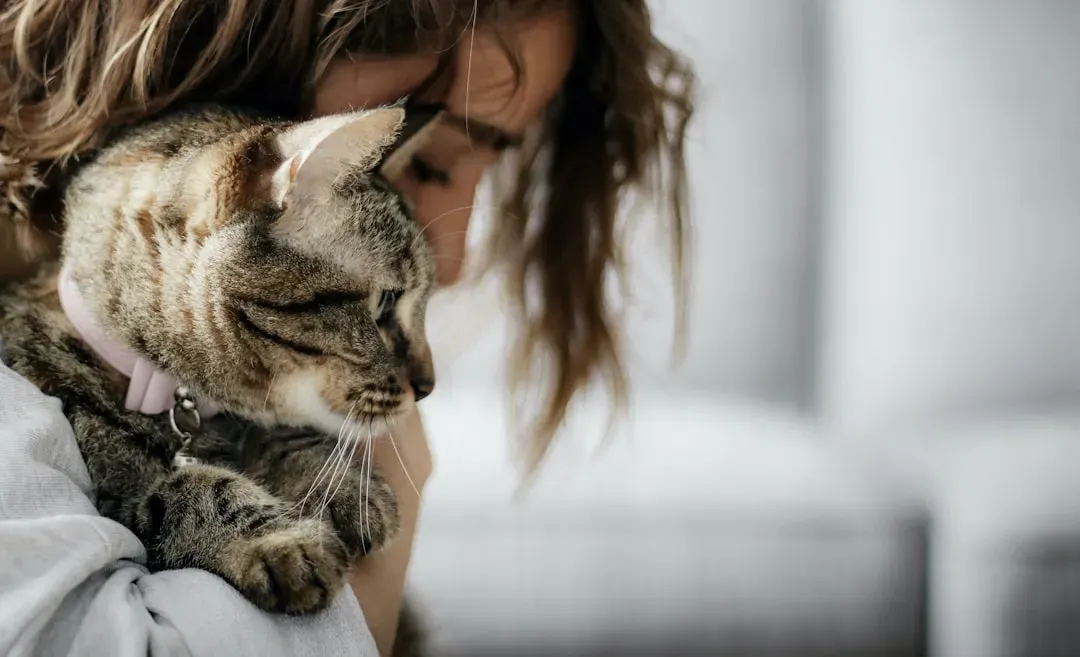
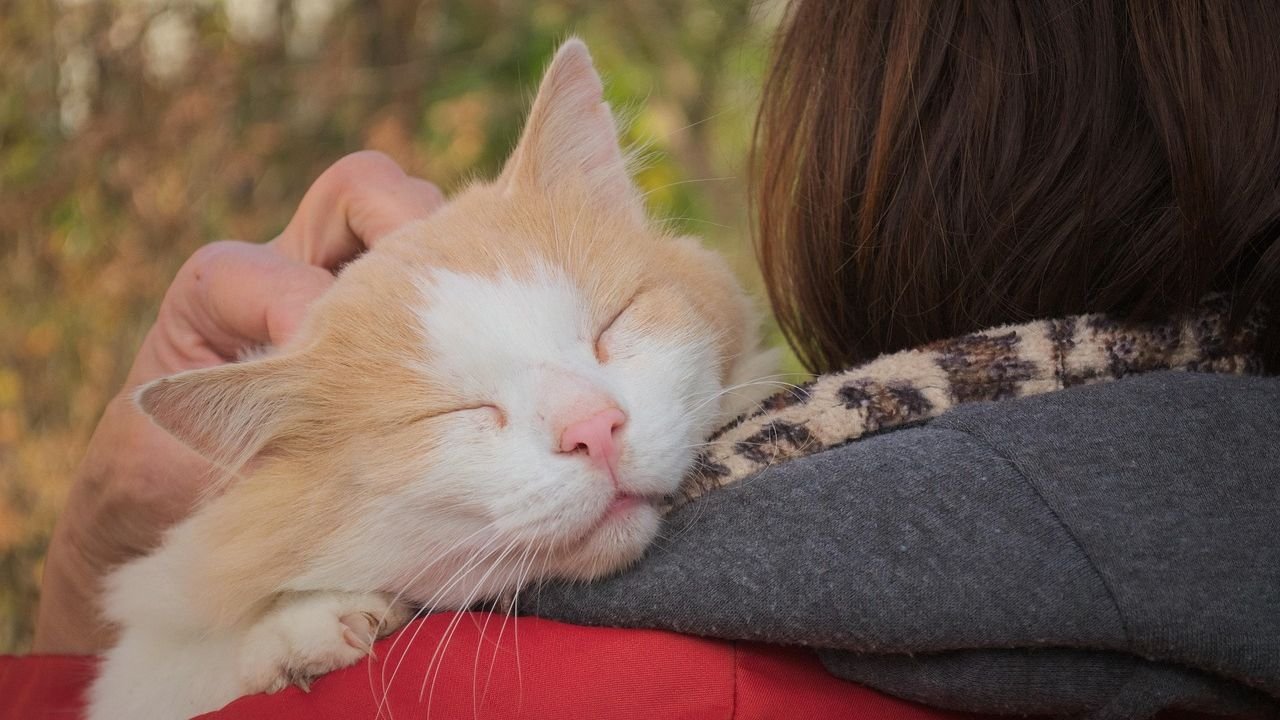
It might feel oddly intimate when a cat nuzzles into someone's hair or insists on sniffing a scalp repeatedly, but this behavior ties back to scent marking and social bonding. Cats have scent glands concentrated around their cheeks and head, and rubbing against a person's hair is a way of exchanging pheromones, essentially marking a person as part of their territory or social group. Hair also holds onto scent for a long time, which makes it an efficient surface for a cat to both deposit and pick up familiar smells.
Body heat plays a role here too, since the scalp radiates warmth that a cat can sense even from a slight distance, drawing them toward it the same way they're drawn to a sunlit windowsill. For cats who already show strong attachment behaviors, hair sniffing or nuzzling can double as a comfort ritual, similar to how kittens knead against their mother during nursing. It's less about oddity and more about a cat treating a favorite human as an extension of home base.
#5 String, yarn, and dangling cords
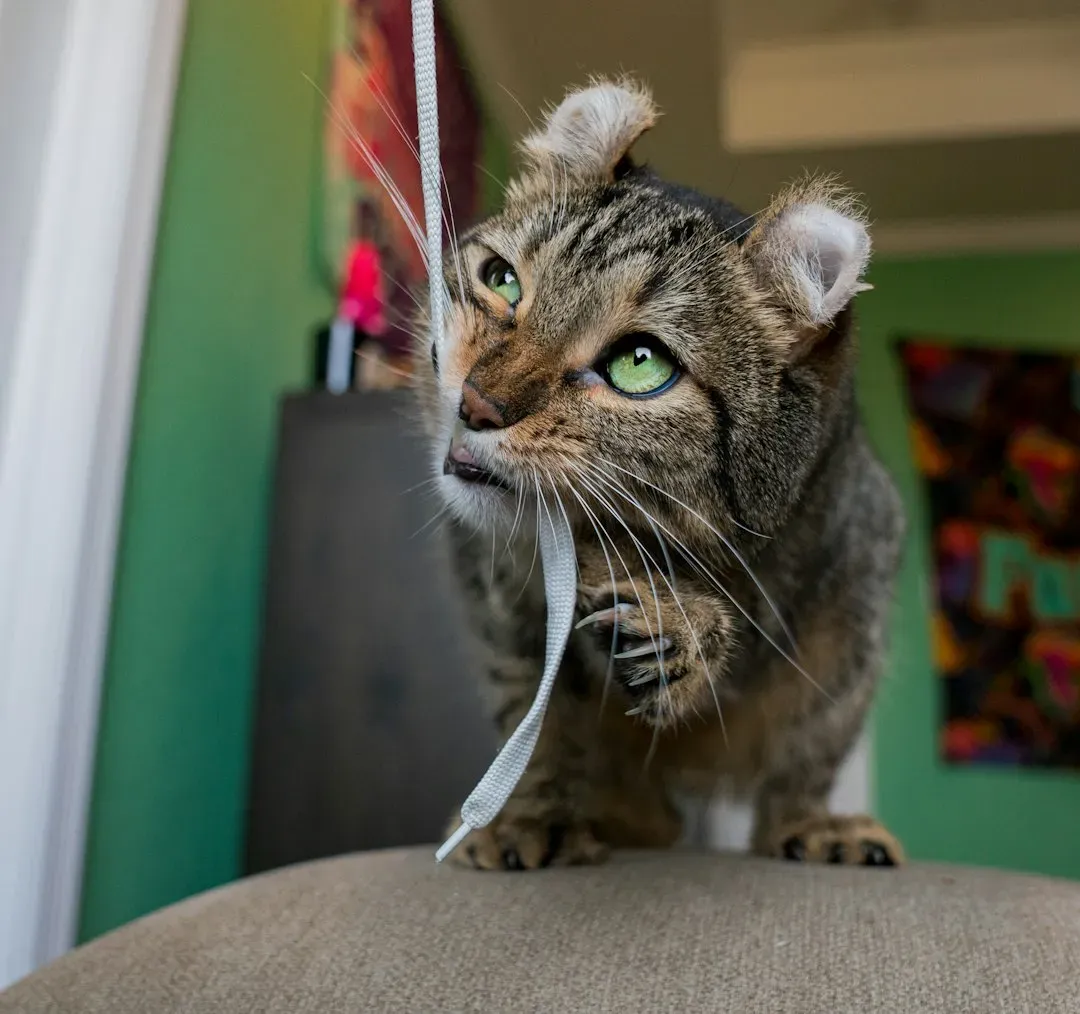
The fascination with string isn't just a cartoon cliché, it reflects genuine predatory triggers built into feline vision. Cats are highly sensitive to erratic, thin, moving objects, since that visual profile closely resembles the movement of a snake, worm, or small rodent's tail darting through grass. The jerky, unpredictable motion of dangling string or a loose cord activates the same neural pathways used during actual hunting sequences in the wild.
This is also why string play is often recommended by veterinary behaviorists as a form of enrichment, since it lets indoor cats rehearse hunting motions they'd otherwise never get to use. The catch is that string poses a genuine medical risk if swallowed, since it can cause linear foreign body obstructions that sometimes require emergency surgery. Vets generally suggest supervised interactive toys on a wand rather than loose string left lying around, which satisfies the instinct while cutting the danger significantly.
#6 Sunny spots on the floor
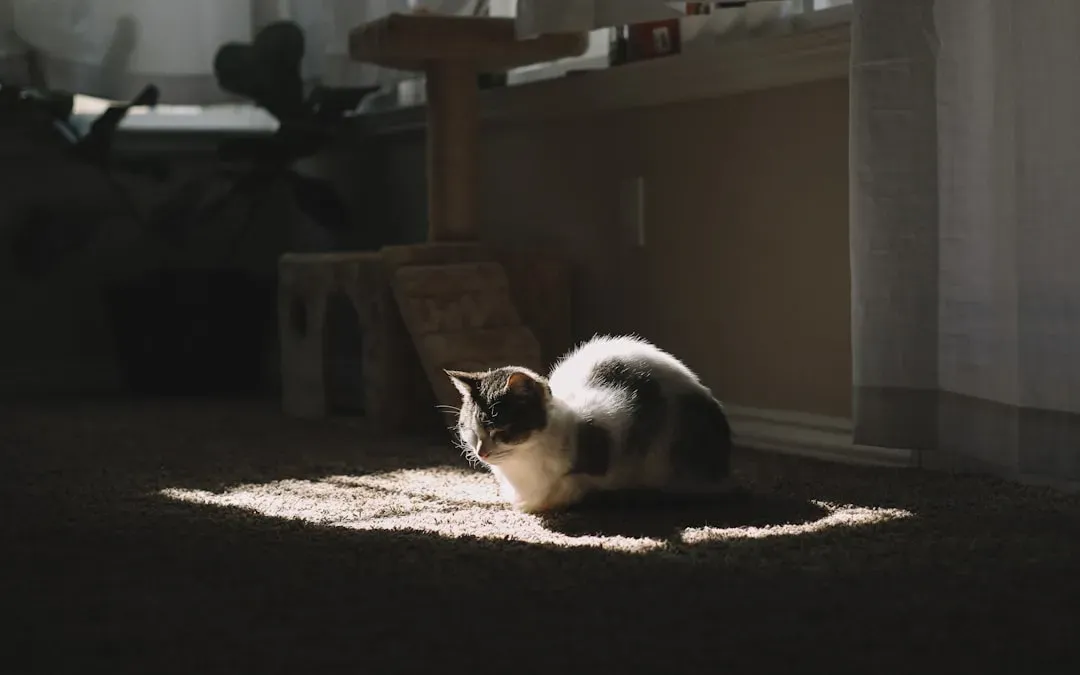
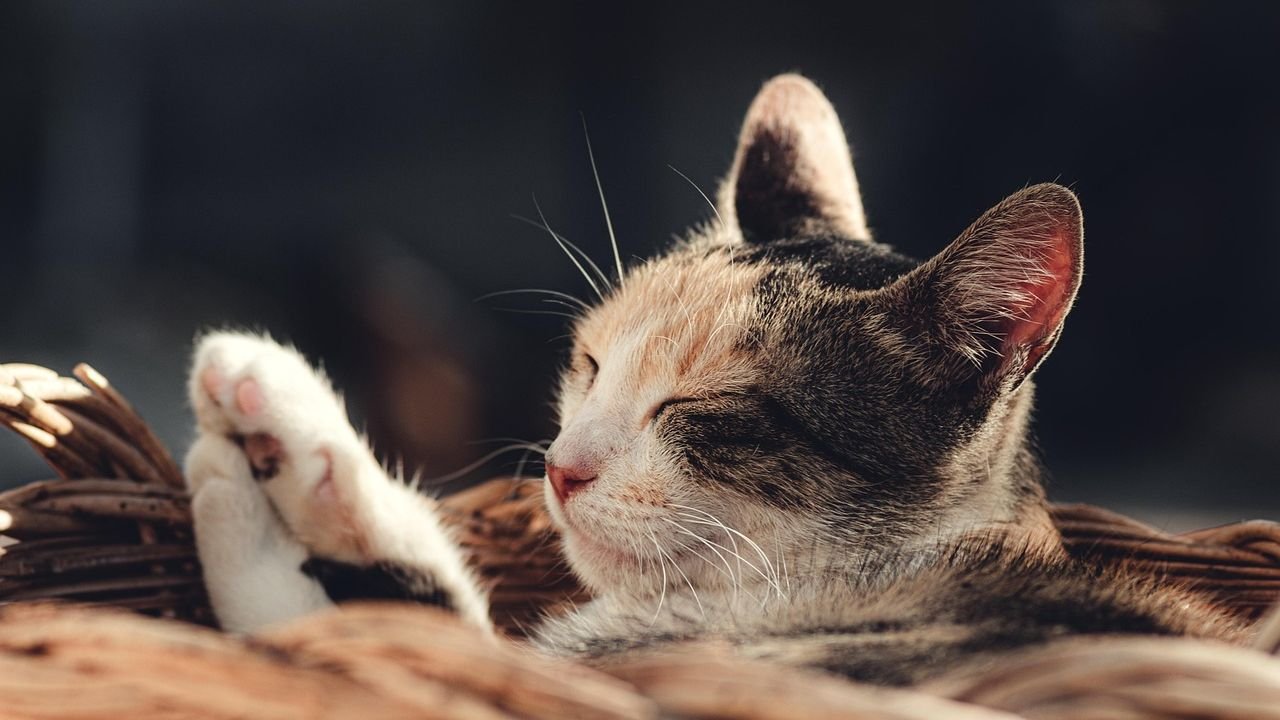
The image of a cat stretched out in a patch of sunlight isn't just aesthetically pleasing, it's a behavior grounded in thermoregulation. Cats have a naturally higher core body temperature than humans, typically hovering around 101 to 102 degrees Fahrenheit, and they instinctively seek warmth to help maintain that baseline with minimal energy expenditure. Sunbathing is essentially a free, passive way to stay warm without burning calories, which matters a lot to an animal built around conserving energy between short bursts of activity.
There's a secondary benefit tied to vitamin D synthesis, though cats process this differently than humans since their skin doesn't produce vitamin D from sunlight exposure the same way. Most of their vitamin D actually comes from diet, so the sunbathing habit is driven almost entirely by comfort and warmth rather than any nutritional need. Older cats and those with arthritis often seek out sunny spots even more aggressively, since warmth can genuinely ease joint stiffness in a way that's medically recognized in veterinary pain management.
#7 Boxes, bags, and containers that are too small for them
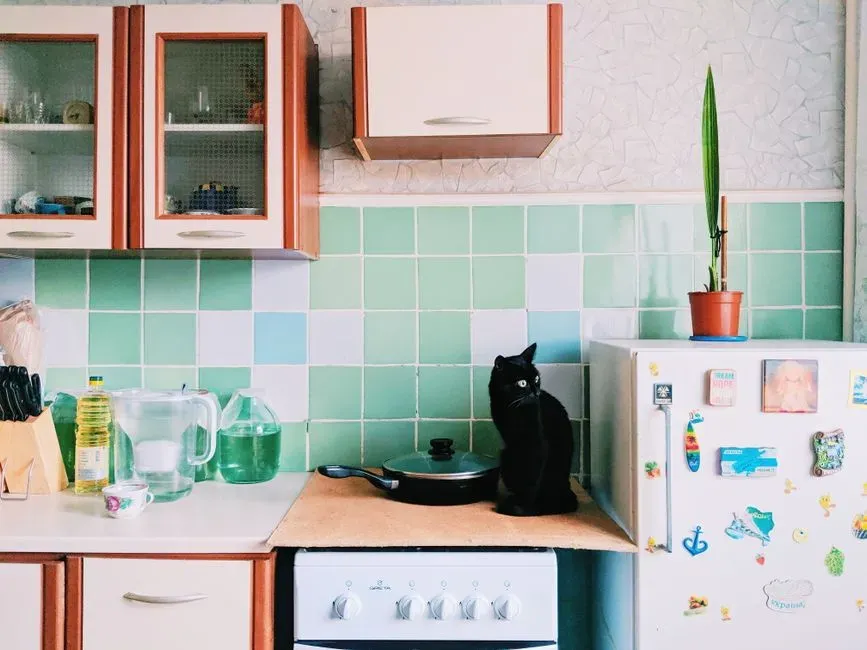
This one deserves its own entry separate from the general box obsession, because the specific pull toward containers that are clearly undersized is its own psychological phenomenon. Researchers have observed what's sometimes called the Tetris effect in cats, where they seem compelled to squeeze into any receptacle regardless of fit, driven by the same instinct that makes tight spaces feel protective. A cat folding itself into a cereal bowl or a shoebox half its size isn't confused about proportions, it's chasing the sensation of pressure and containment that mimics denning behavior.
There's a calming physiological effect tied to this too, similar to how swaddling soothes human infants, since gentle full body pressure can lower a cat's heart rate and reduce anxiety. Veterinary behaviorists have used this principle deliberately, designing calming wraps and compression garments for anxious cats during vet visits or storms. So when a cat wedges itself into something absurdly small, it's less about being weird and more about self soothing through pressure, using whatever container happens to be lying around the house.
Final Thoughts