8 Reasons a Cat May Carry One Particular Toy to a Different Room Every Night
#1 It Mimics Prey Delivery Instincts
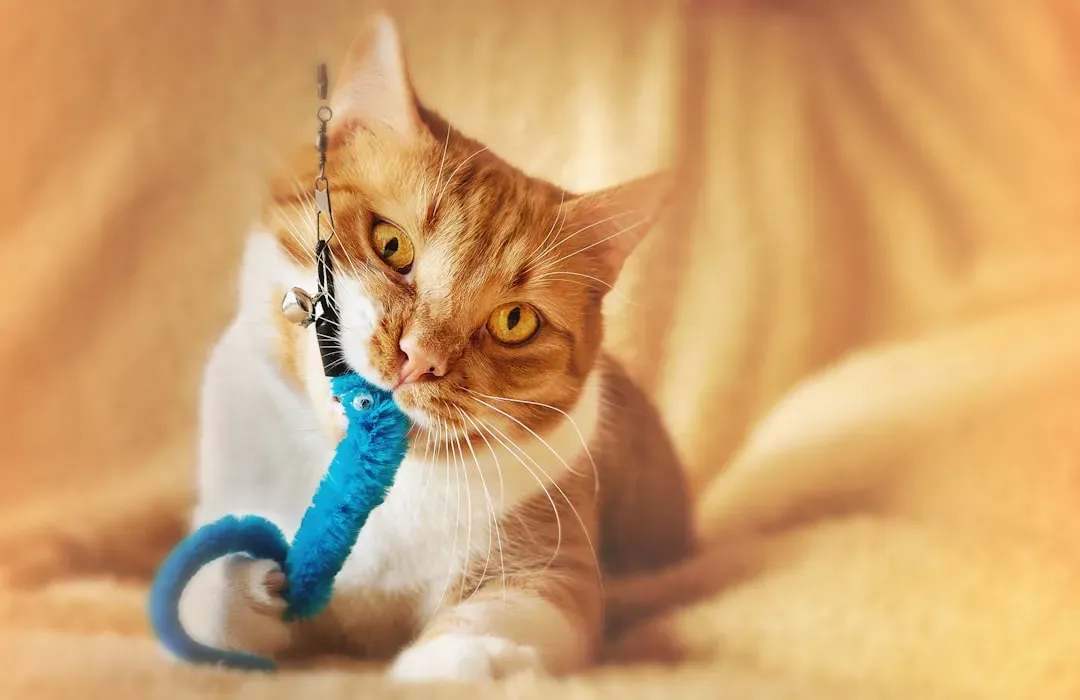
Domestic cats are still hunters underneath the fur and the food bowl routine. In the wild, a mother cat carries prey back to a den to feed her young or to eat somewhere safer than out in the open. That instinct doesn't disappear just because dinner now comes from a bag with a picture of a smiling cat on it.
When your cat picks up that one specific toy and moves it, they may be acting out a miniature version of this delivery behavior. The toy has essentially become their symbolic prey, something small, soft, and satisfying to "catch" and bring home. It's a leftover instinct with nowhere real to go, so it plays out on your living room rug instead.
#2 The Toy Has Become a Scent Anchor
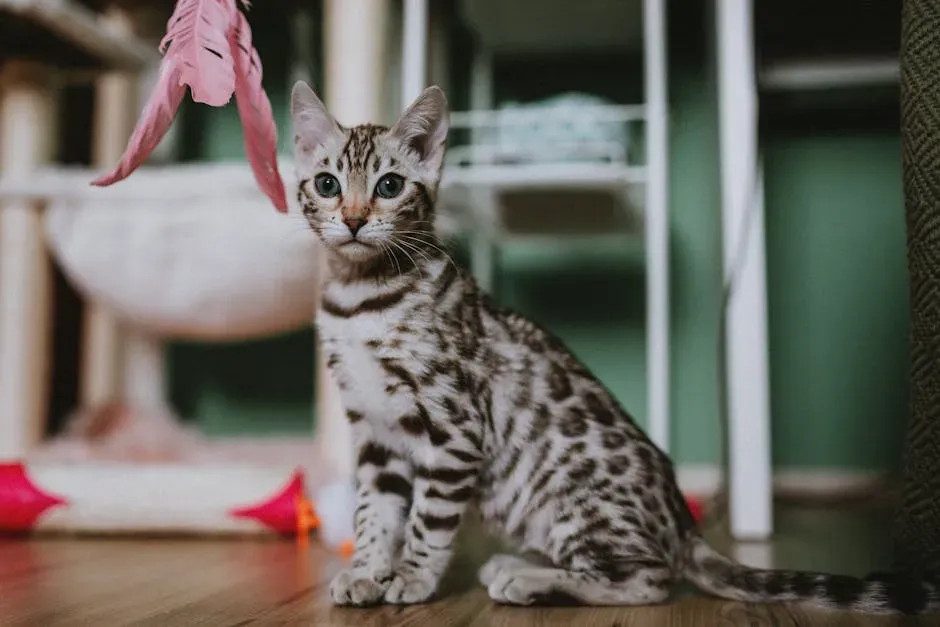
Cats rely heavily on scent to feel secure, and objects that carry their own scent become oddly comforting over time. A toy that's been mouthed, pawed, and slept next to night after night eventually smells like the cat itself, layered with traces of the house, their bedding, maybe even you. That familiar smell can act almost like a security blanket.
Moving that toy from room to room might be a way of spreading their scent around, marking territory in a soft, low-key way that doesn't involve claws or spraying. It's a gentler version of scent marking, the kind that says "this is mine" without any drama attached to it. The specific toy matters because it's the one saturated most in that familiar scent profile.
#3 Nighttime Energy Needs an Outlet
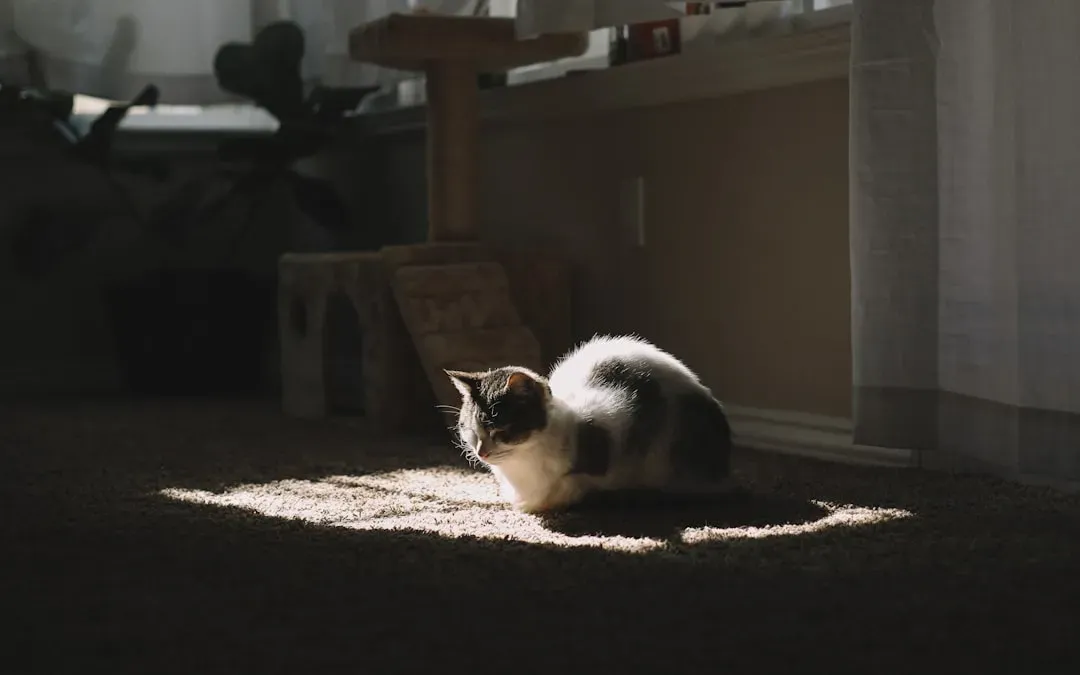
Cats are crepuscular, meaning they're naturally more active at dawn and dusk, and many indoor cats shift that energy burst into full nighttime activity since their days are spent lounging and napping. All that pent up energy has to go somewhere, and toy carrying can become part of a broader burst of nighttime zoomies and play.
The specific toy chosen often becomes the "go-to" object simply because it's easy to carry, satisfying to grip, and has become part of an established pattern. Once a cat settles into a favorite nighttime object, repetition itself reinforces the habit. It's less about the toy being special and more about consistency feeling good to a creature that thrives on routine.
#4 It's a Form of Communication With You
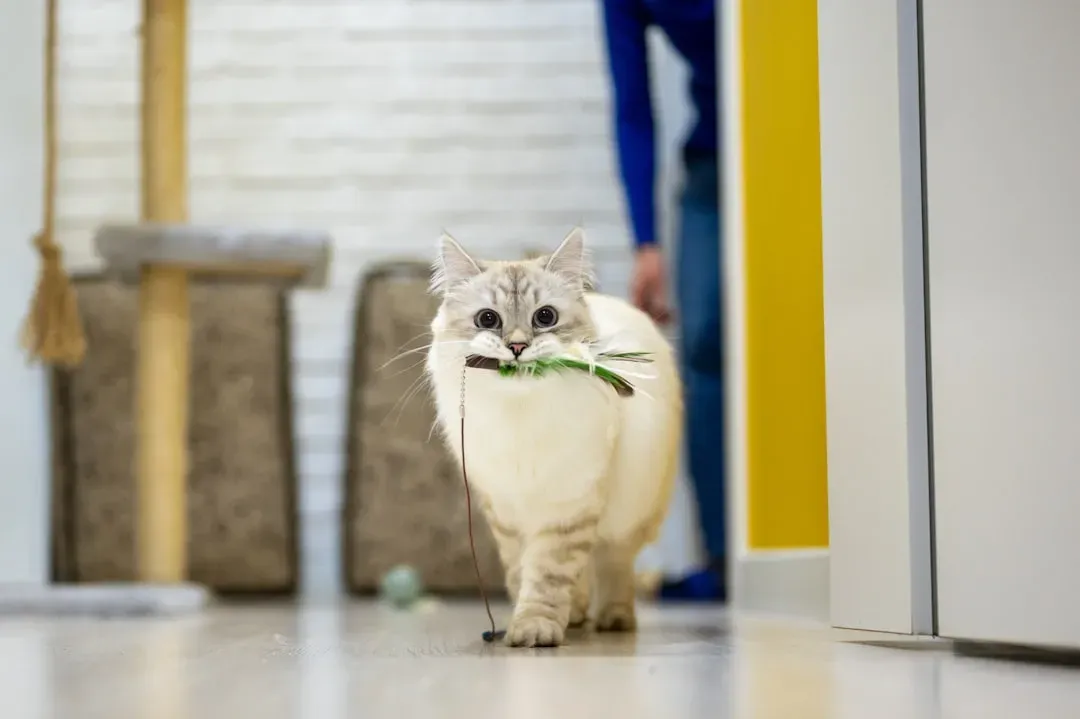
Some cats develop toy carrying as a way to get attention, especially if it's ever been met with a reaction from their owner, even a mildly annoyed one. Cats are surprisingly good at cause and effect, and if moving the toy once led to you picking it up, talking to them, or giving them a scratch behind the ears, that connection gets filed away.
Repeating the behavior every night could simply be a bid for interaction, a way of saying "I'm here, notice me" in the quietest hours of the house. This is especially common in vocal or highly social cat breeds that crave engagement. The toy becomes a conversation starter, even if the conversation is one-sided and happens at three in the morning.
#5 Anxiety or Stress Can Play a Role
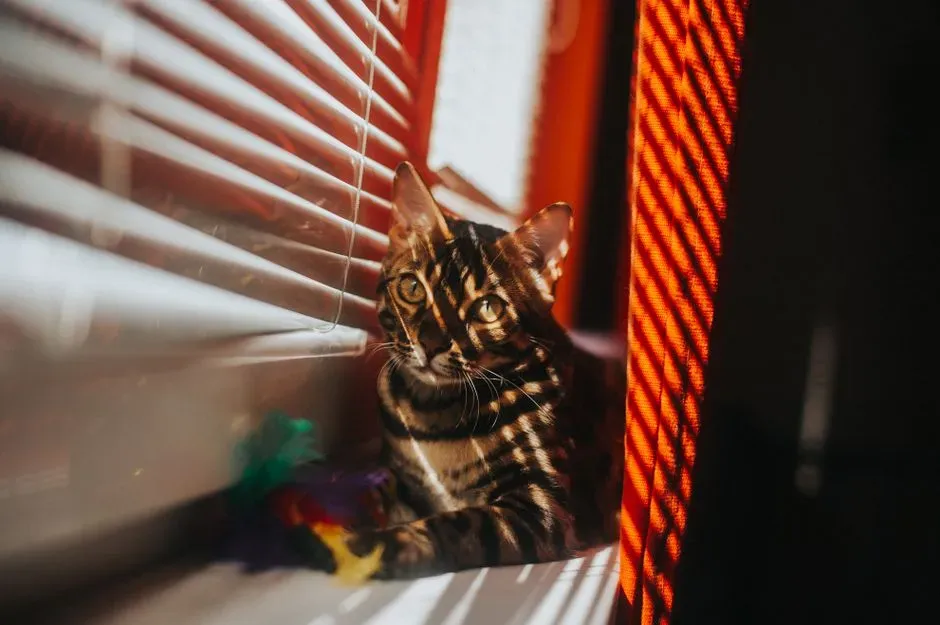
Repetitive behaviors in cats sometimes point toward underlying anxiety, and toy carrying can fall into that category for certain individuals. Changes in the household, a new pet, rearranged furniture, or even shifts in your schedule can unsettle a cat more than people realize, and small rituals can become a coping mechanism.
Carrying the same toy nightly might offer a sense of predictability during moments when everything else feels slightly off. It's worth watching for other signs of stress alongside this behavior, like excessive grooming, hiding, or changes in appetite. If those show up together, it may be less about instinct and more about your cat working through some quiet unease.
#6 The Toy Resembles Actual Prey
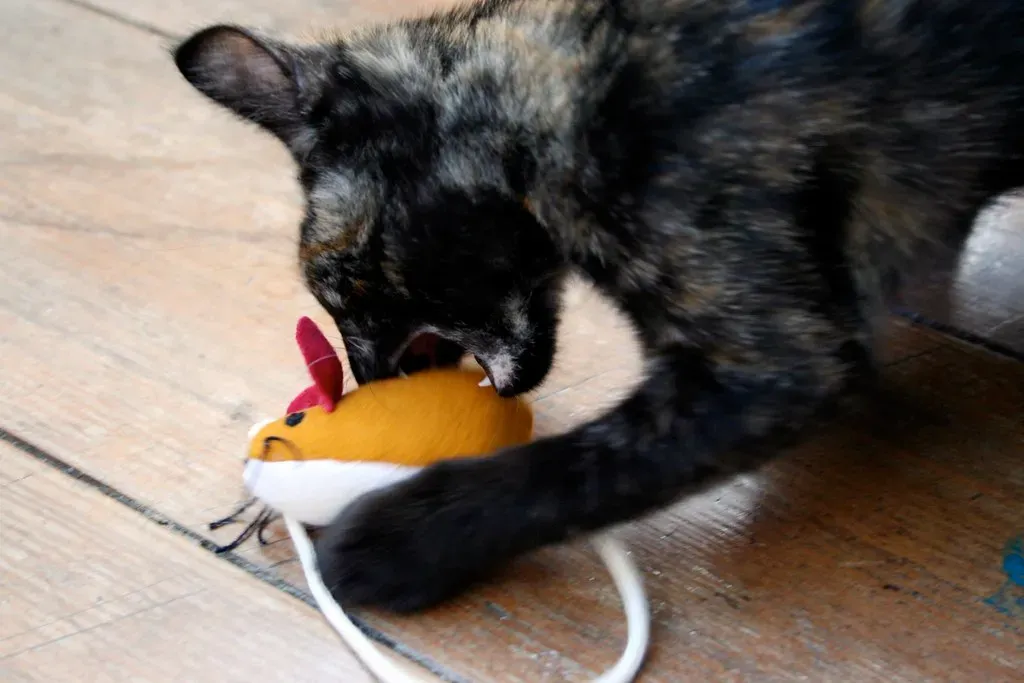
Not all toys are created equal in a cat's eyes. Ones shaped like mice, birds, or small furry creatures often trigger a stronger predatory response than a plain ball or a crinkly piece of foil. Texture matters too, cats often gravitate toward toys with fur-like material or feathers because it more closely resembles something they'd actually hunt.
If your cat has settled on one particular toy for their nightly rounds, there's a good chance it hits some sensory sweet spot, the right size for their mouth, the right texture against their teeth, maybe even a faint jingle or squeak that mimics a small animal's sound. Once a toy checks enough of these boxes, it tends to become the chosen one, night after night, while the others gather dust nearby.
#7 It Reflects an Established Nightly Routine
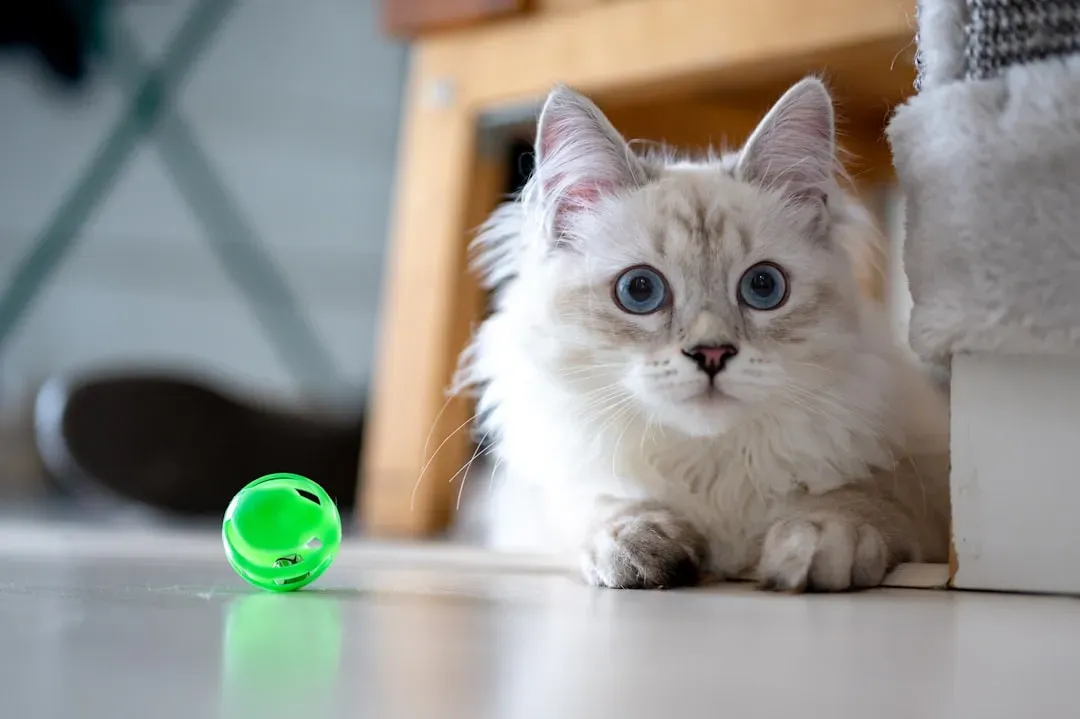
Cats are creatures of habit in a way that can surprise even experienced owners. Once a behavior gets repeated a few times, it can quickly harden into a fixed routine, almost like a ritual they feel compelled to complete. Toy carrying at night may have started as a one-off, then simply stuck.
This kind of routine building isn't unique to toy behavior either, plenty of cats develop specific patterns around feeding times, favorite napping spots, or even the order they visit different rooms. The nightly toy relocation might just be one small piece of a much larger internal schedule your cat has quietly built for themselves. Breaking that pattern, oddly enough, sometimes causes more restlessness than continuing it.
#8 Maternal or Nurturing Behavior in Spayed and Neutered Cats

Even cats that have been spayed or neutered can retain maternal or caregiving instincts, and toy carrying sometimes taps into this. Female cats especially may treat a soft toy the way they would a kitten, carrying it gently, occasionally "grooming" it, or tucking it into a cozy spot like a makeshift nest.
This behavior tends to intensify in cats that were separated from their mothers too early or in ones with a naturally nurturing temperament. The specific toy chosen for this role usually has a soft, plush texture that more closely resembles a kitten than a hard plastic toy would. Watching for this pattern alongside soft chirping or trilling sounds can help confirm whether nurturing instinct is the real driver behind the nightly ritual.
Final Thoughts