8 Reasons Cats Pause With One Paw Raised When Something Catches Their Attention
#1 The Ancient Hunting Freeze Is Kicking In
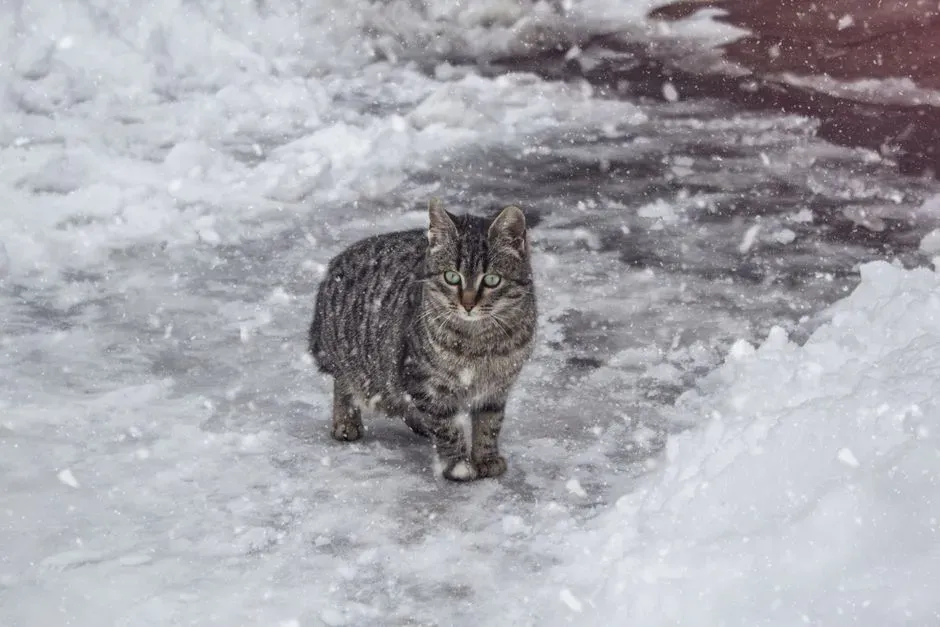
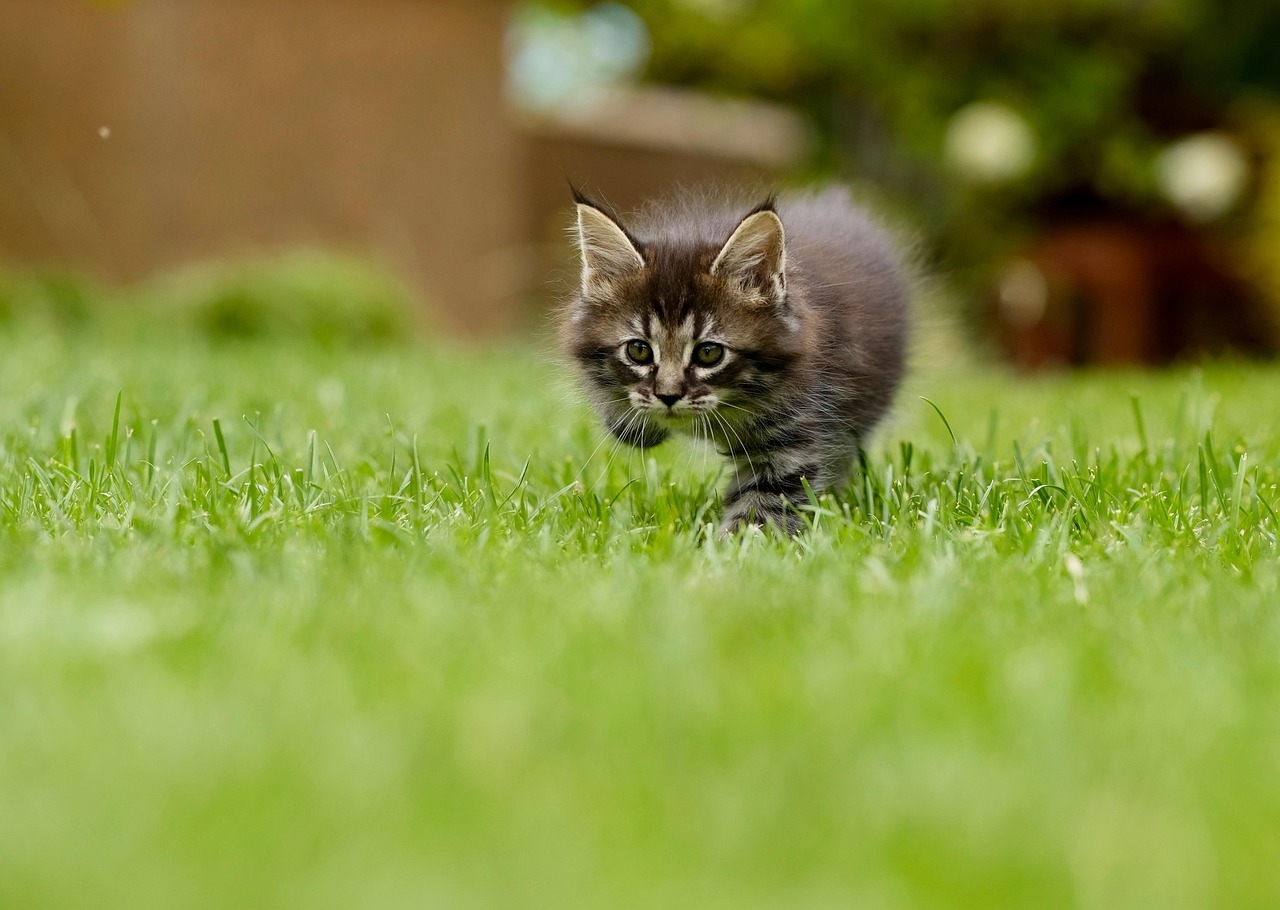
Cats are ambush predators, and one of the oldest tricks in that playbook is the freeze. When a cat spots potential prey, whether it's a real mouse or a stray sock sliding across the floor, her body often locks up mid-motion. This isn't hesitation in the nervous sense. It's a calculated pause that lets her assess distance, timing, and the best angle of attack before committing to a pounce.
The raised paw specifically comes from interrupted movement. She was mid-stride when something grabbed her focus, so her leg simply stops where it is rather than completing the step. Wild cats use this same freeze to avoid spooking prey with sudden motion, and domestic cats never lost that wiring even after generations of living on couches.
#2 She's Gathering Sensory Data Before Acting
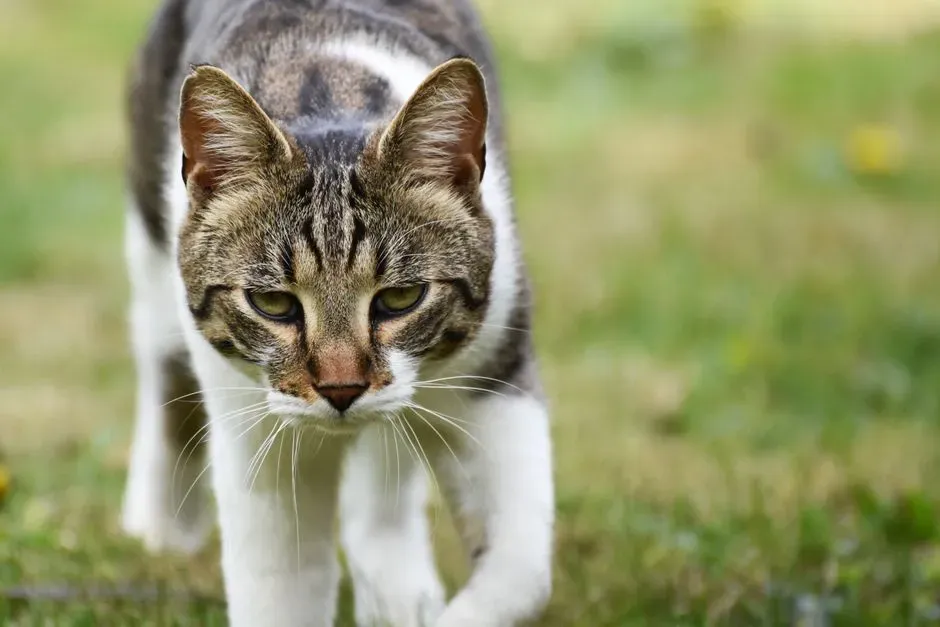
Cats process the world through layered senses, and when something unexpected appears, their brains basically hit pause on the body to prioritize input from the eyes, ears, and whiskers. That paw-up stance isn't laziness, it's active information gathering. Her ears will often rotate toward the source of interest while her eyes lock on, all while the rest of her body stays perfectly still to avoid missing subtle cues.
This kind of sensory triage matters because cats rely heavily on peripheral vision and motion detection rather than sharp focus at a distance. Freezing reduces visual noise from her own movement, making it easier to track whether that object across the room is actually moving or just sat oddly in the light. It's less "what is that" and more "let me confirm what that is before I decide anything."
#3 Balance and Readiness Are Being Calculated
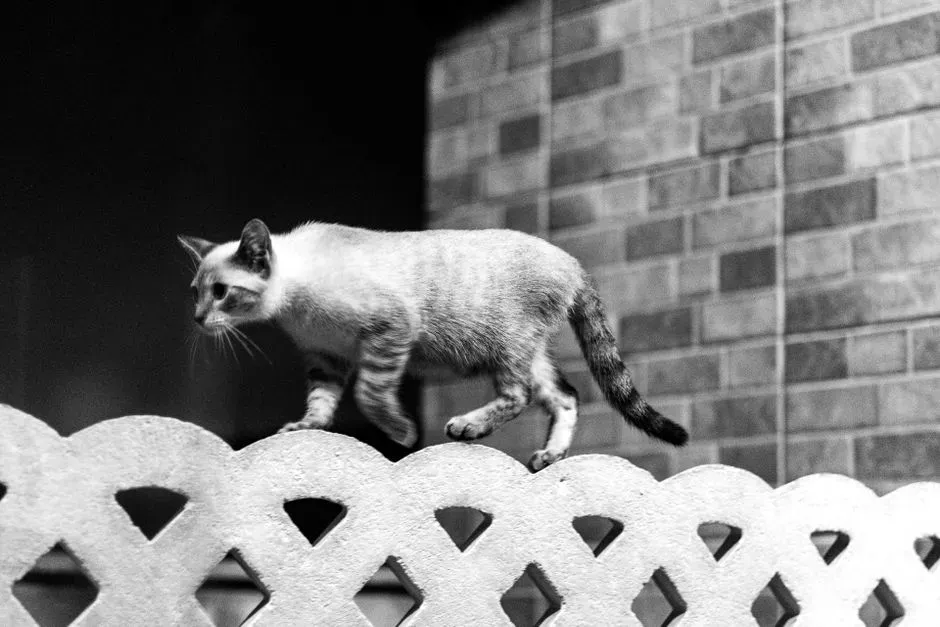
A cat's body is essentially a finely tuned spring system, and that raised paw often reflects a mid-recalibration of balance. Cats constantly make tiny weight shifts to stay ready for sudden bursts of speed, and pausing with one foot lifted lets her keep three points of contact with the ground while testing how quickly she could move if needed. It's a physical readiness stance as much as a mental one.
This is part of why the pose can look so deliberate, almost sculptural. Her muscles are engaged, not relaxed, even though nothing appears to be happening. If you watch closely, you'll often notice a slight tension in her shoulders or haunches, evidence that her body is primed to spring forward, backward, or sideways depending on what happens next.
#4 Curiosity Is Overriding Autopilot Walking
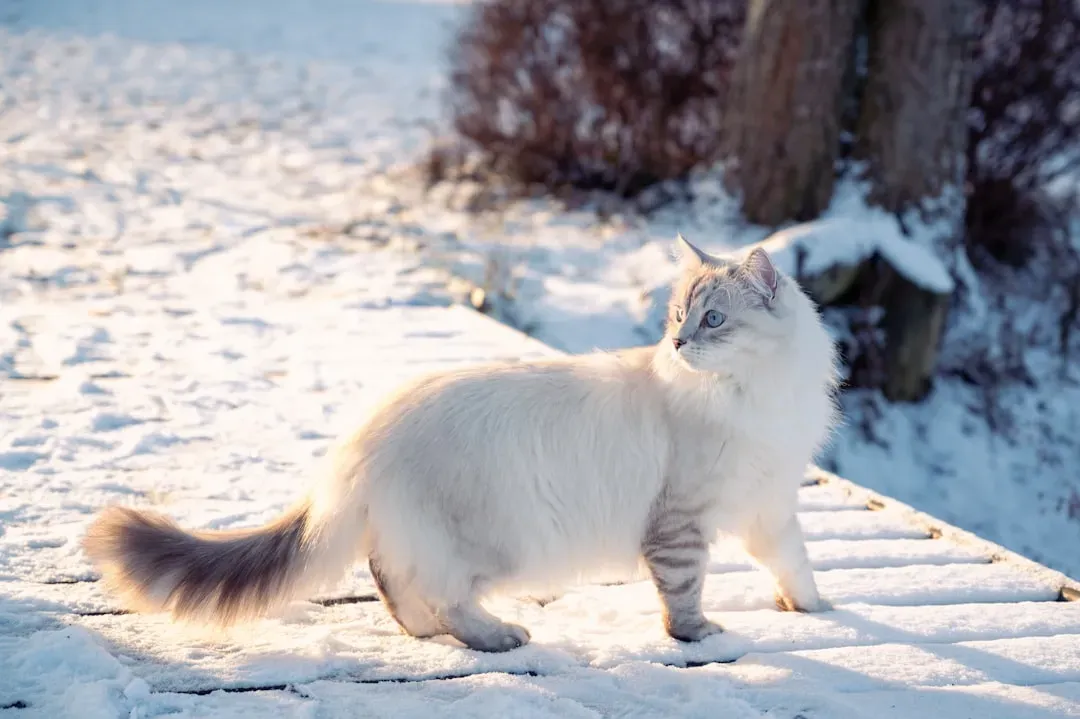
Cats spend a lot of their day on a kind of mental autopilot, walking familiar routes through the house without much conscious thought. When something breaks that pattern, whether it's a new smell, an unfamiliar sound, or an object that wasn't there yesterday, her brain essentially interrupts the autopilot mid-step. The paw stays raised because the walking program got paused, not canceled.
This reaction shows just how alert cats are to changes in their environment, even small ones humans might not notice. A shifted piece of furniture or a new candle scent can be enough to trigger this curious freeze. It's her way of saying "wait, that's different" before deciding whether to investigate further or simply carry on.
#5 There's a Genuine Element of Caution or Uncertainty
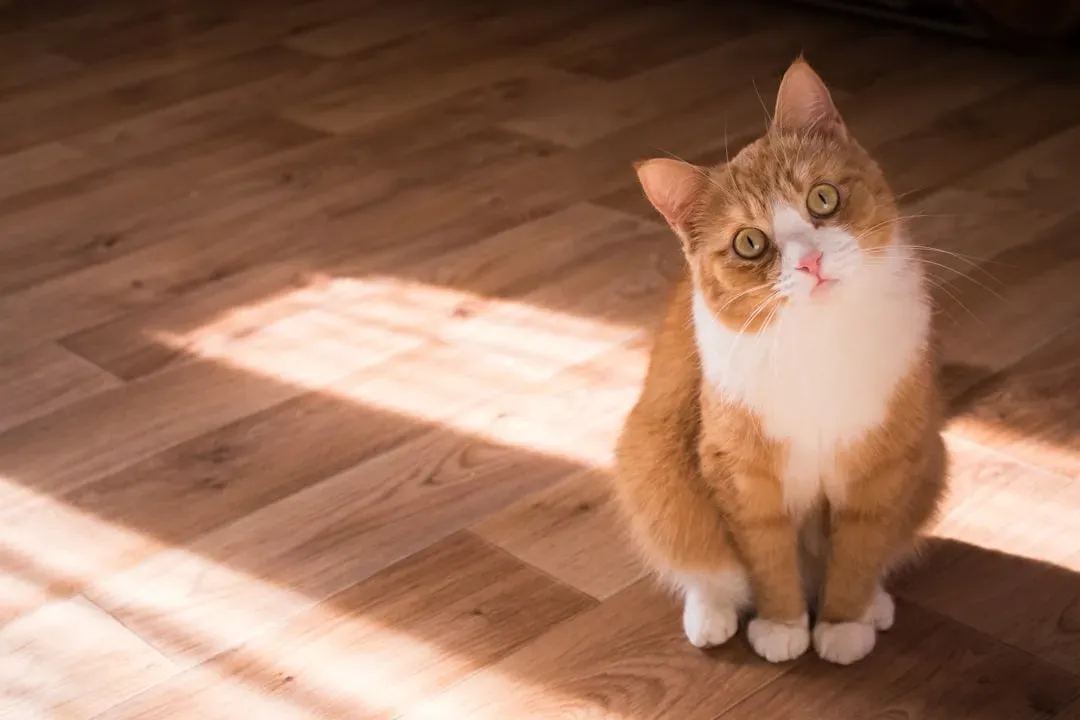
Not every paused paw is about hunting excitement. Sometimes it reflects genuine uncertainty, especially if the stimulus is unfamiliar or slightly unsettling, like a strange noise from another room or an object that moved unexpectedly. In these cases, the paw-up stance functions almost like a built-in hesitation button, giving her body a moment to decide whether to advance, retreat, or wait it out.
This cautious version of the pose often comes with other subtle cues, like a lower body posture, wider eyes, or a stiffer tail. It's a reminder that cats are prey animals as well as predators, and their nervous systems are built to weigh risk before committing to any action, even something as small as taking the next step.
#6 It's Rooted in Kittenhood Play and Learning
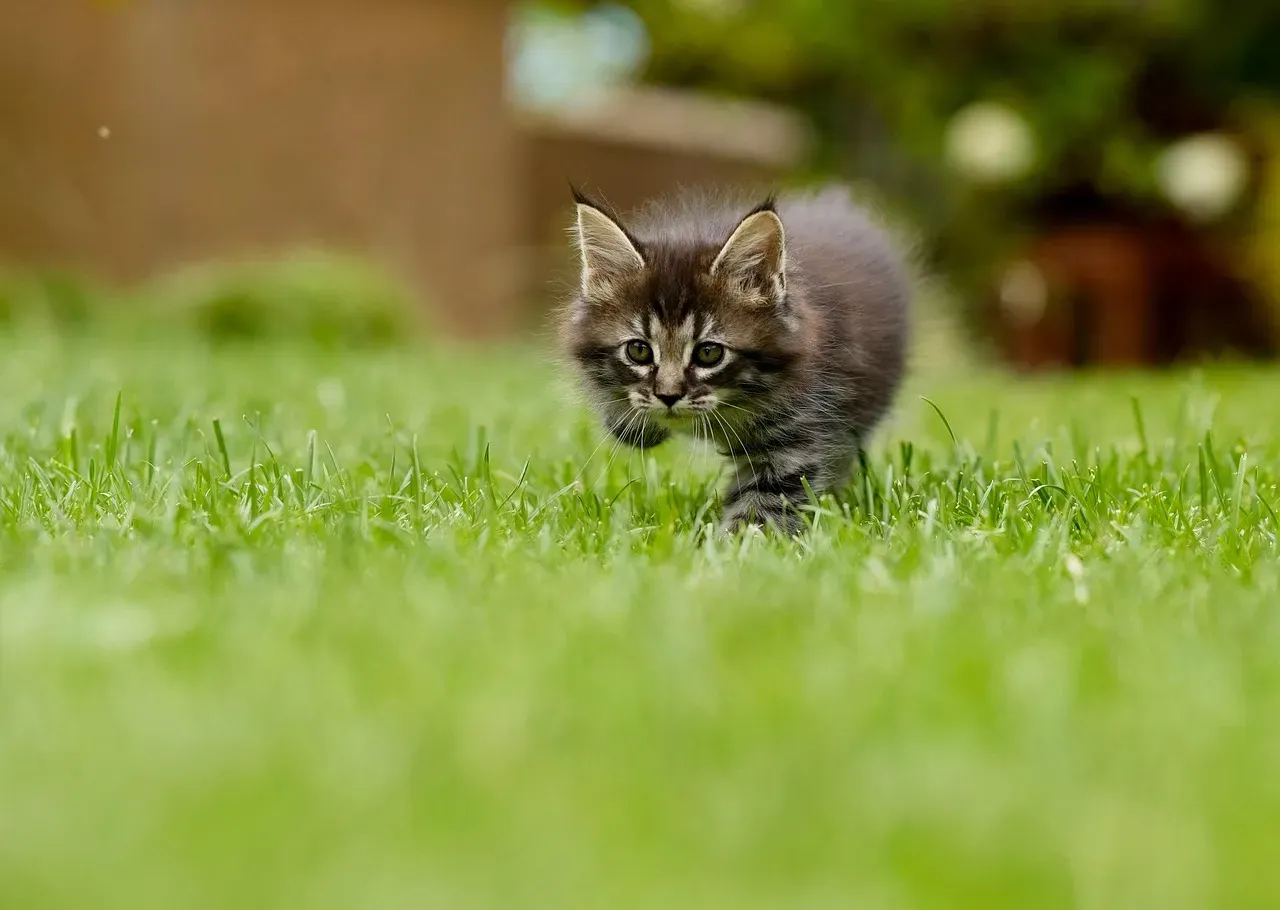
Kittens practice hunting skills constantly through play, pouncing on toys, litter mates, and pretty much anything that moves. That early practice hardwires the freeze-then-pounce sequence into muscle memory long before adulthood. The paused paw seen in grown cats is often just an adult echo of that same practiced sequence, refined over months of batting at feather toys and ambushing siblings.
This learned pattern explains why the pose can look almost theatrical or exaggerated at times. She's not consciously performing, but the sequence has been rehearsed so many times that it comes out smooth and stylized, almost like a dancer hitting a familiar pose without needing to think about it.
#7 It Doubles as a Subtle Communication Signal
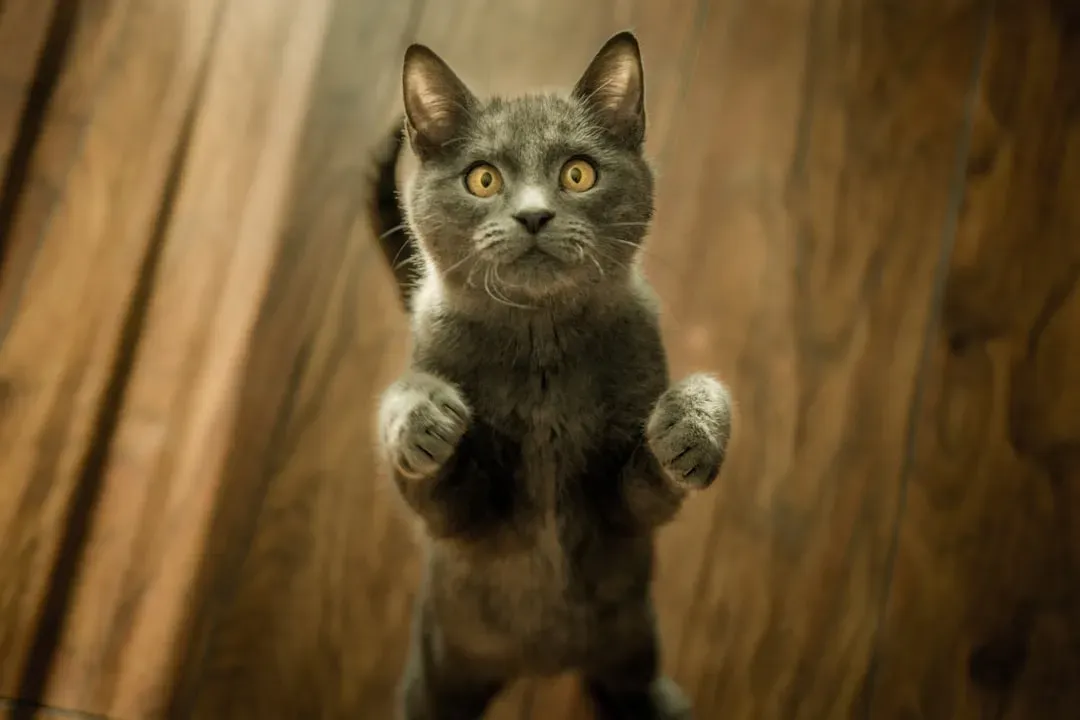
Cats communicate constantly through body language, and a paused, raised paw can carry meaning for other animals in the room, including other cats or even attentive humans. This still, alert posture often signals "something has my attention" without the aggression or intensity of a full stalking crouch. Other pets in the house may pick up on this cue and become more watchful themselves.
In multi-cat households, this kind of paused signal can also function as a quiet warning or announcement, letting other cats know that focus has shifted toward something specific. It's a low-key form of nonverbal communication, part of the larger vocabulary of tail flicks, ear positions, and posture shifts that make up feline social language.
#8 The Paw Itself Is a Highly Sensitive Sensory Tool
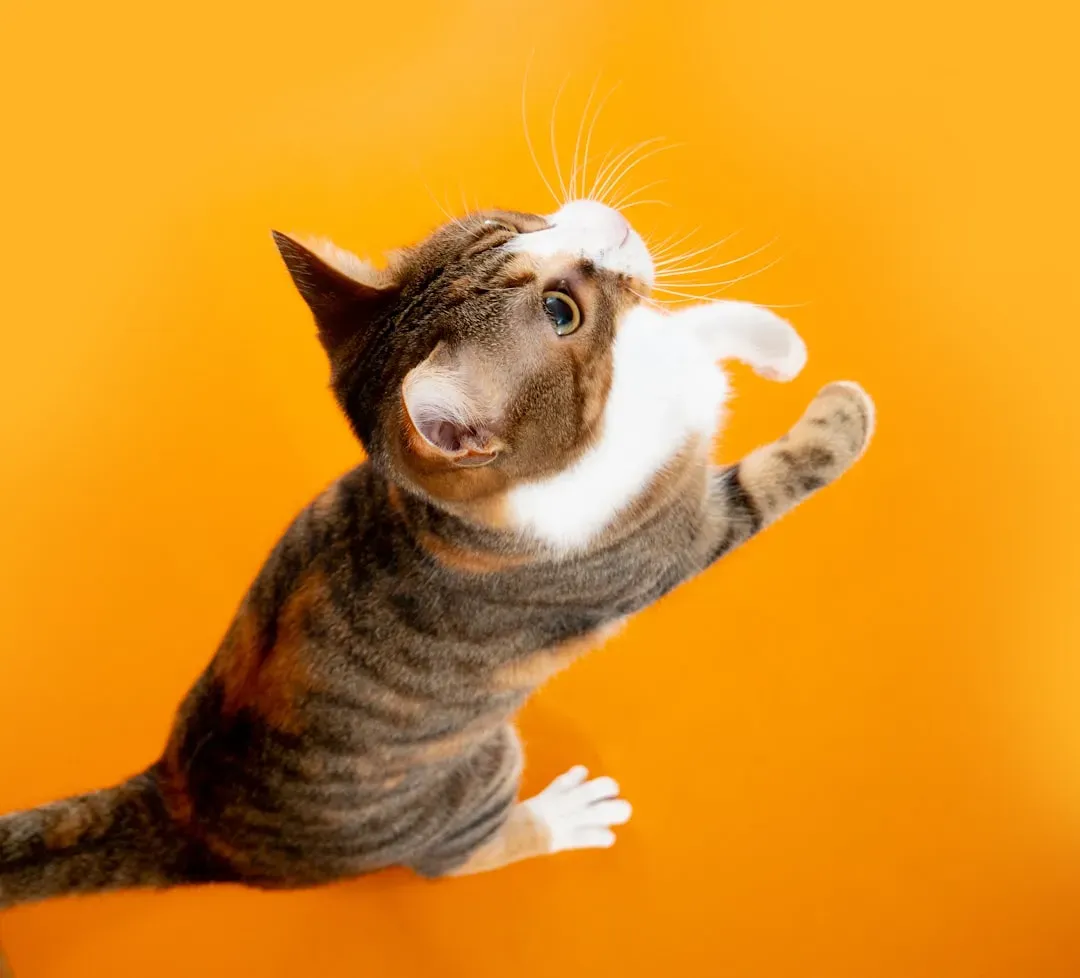
Cat paws aren't just for walking, they're packed with sensory receptors that help detect vibration, texture, and subtle changes in surface or air movement. When something catches her attention, holding a paw slightly raised and still can actually help her gather more precise sensory feedback before deciding whether to place it down. This is especially true if the object of interest is unfamiliar or potentially unstable underfoot.
This sensory pause is part of why cats are so good at moving quietly and precisely, even in cluttered environments. Rather than committing weight to a step blindly, she's using that hovering moment to essentially "read" the situation through touch as well as sight, adding one more layer to an already sophisticated system of environmental awareness.
Final Thoughts
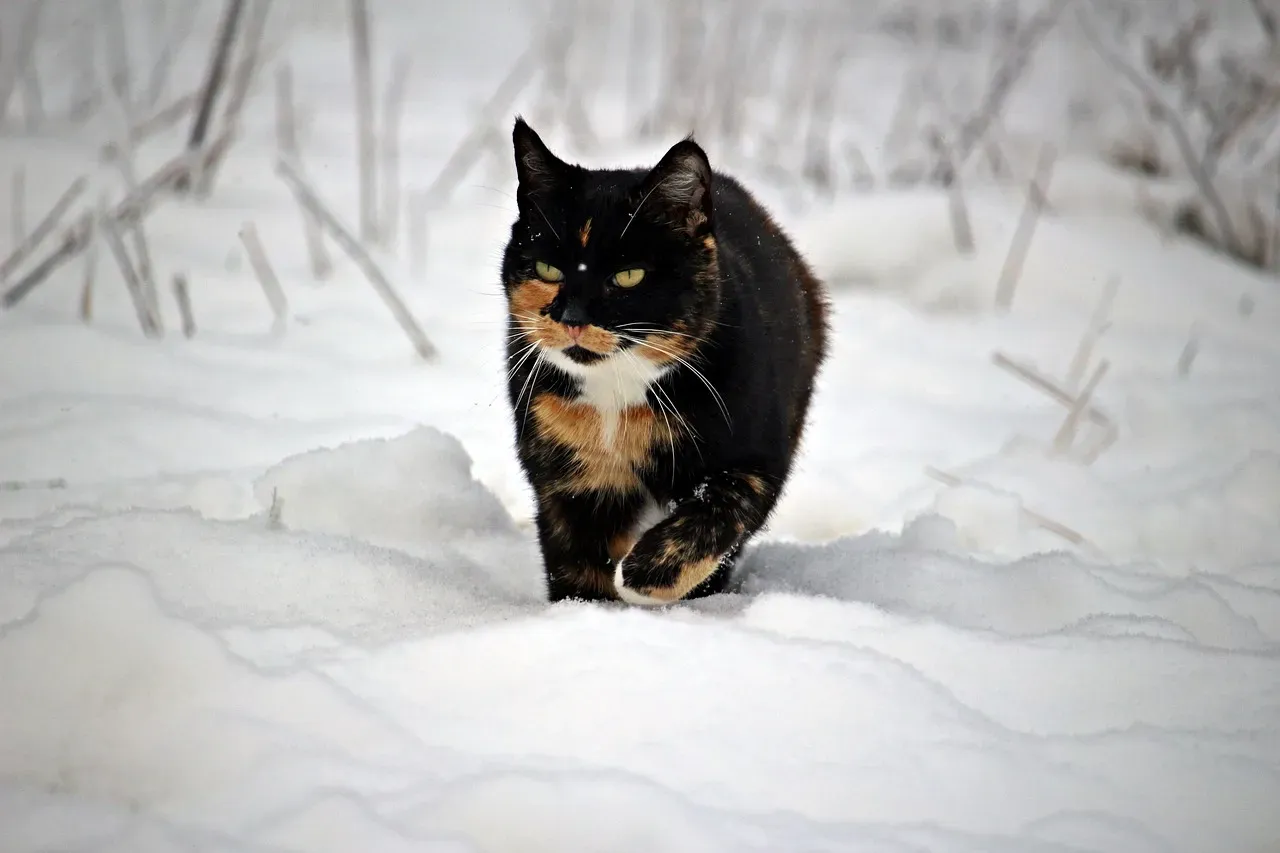
Once you break it down, that frozen, one-paw-up moment stops looking like a random quirk and starts looking like exactly what it is: a finely tuned survival behavior dressed up in an oddly adorable pose. Cats aren't overthinking anything when they do this. They're running ancient software that's kept their species alive and successful long before anyone was filming it for laughs.
If there's one thing worth taking from all this, it's that cats deserve more credit for how much is happening behind those still, staring moments. The pause isn't empty space, it's the whole engine of feline instinct working quietly in real time. Next time your cat freezes mid-step with a paw hanging in the air, it's worth pausing right along with her, if only to see what she's actually noticed.
- The Truth About Your Cat's 'Stares': They're Communicating, Not Just Judging You
- 7 Things Cats Learn From Smelling Another Cat's Cheek Marks
- Animal Behavior Says Cats Who Approach You With Their Tail Trembling May Be Expressing a Stronger Social Response Than It Looks
- Are You Ready for a Cat? Your Zodiac Sign Might Have the Answer