8 Reasons Cats Touch an Unfamiliar Object With One Paw Before Getting Closer
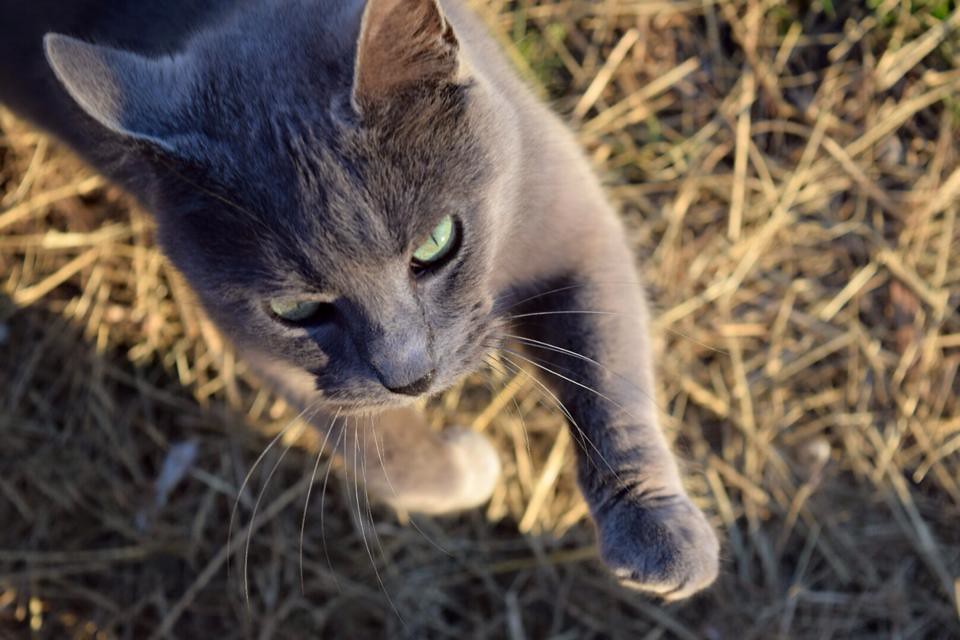
#1 Testing for Danger Without Full Commitment
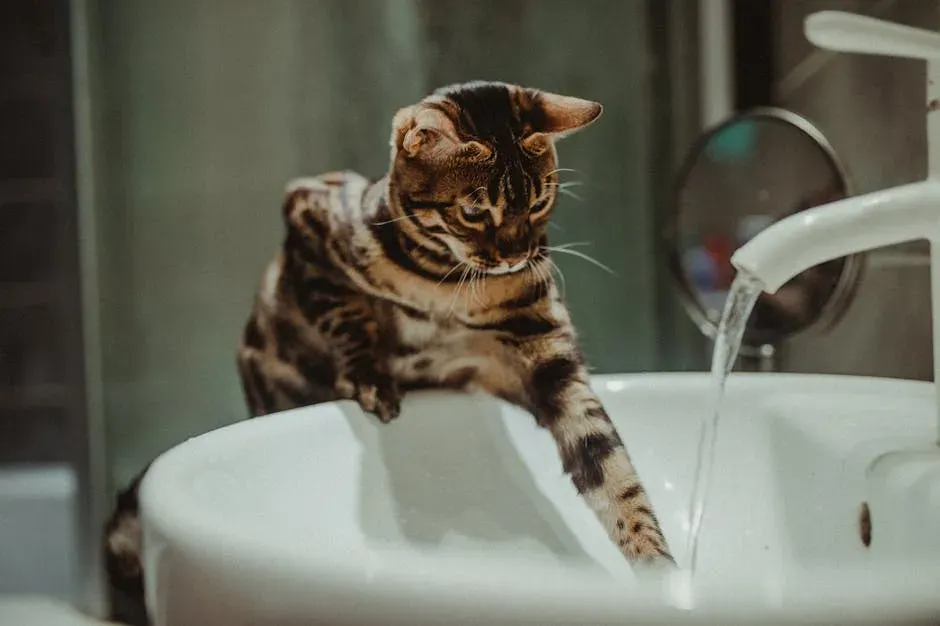
Cats are both predators and prey in the natural world, which means their instincts are built around minimizing risk while still investigating potential food, threats, or resources. A single paw tap lets a cat gather sensory information about an object while keeping the rest of its body ready to flee. This partial commitment is a survival strategy passed down from wild ancestors who couldn't afford to get too close to something that might be venomous, sharp, or alive.
By keeping three paws on solid ground, a cat maintains its balance and escape route in case the object reacts unexpectedly. If the item moves, hisses, or does anything unusual, the cat can push off and bolt in a fraction of a second. This calculated caution is far more efficient than a full-body approach, since it protects the animal from injury while still satisfying its curiosity.
#2 Gathering Tactile Information Before Visual Confirmation
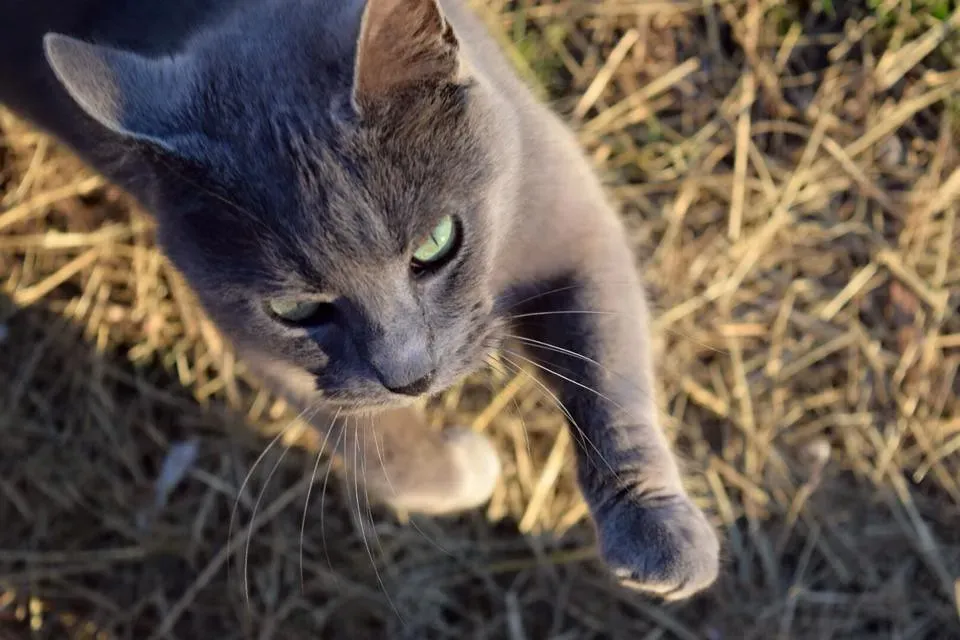
Cats have surprisingly sensitive paw pads packed with nerve endings that can detect texture, temperature, and even vibration. A quick tap gives the cat immediate tactile feedback that complements what its eyes and whiskers have already picked up from a distance. This layered sensory approach means the cat isn't relying on sight alone, which can be less reliable up close since cats are actually somewhat farsighted. Because their vision struggles to focus sharply on objects within a few inches, cats compensate by using touch to fill in the gaps. The paw becomes an extension of their investigative toolkit, allowing them to confirm whether something is soft, hard, cold, warm, sticky, or textured in a way their eyes couldn't fully determine from farther away. This combination of distance vision and close-range touch creates a more complete picture of the unfamiliar object.
#3 Checking Whether the Object Is Alive
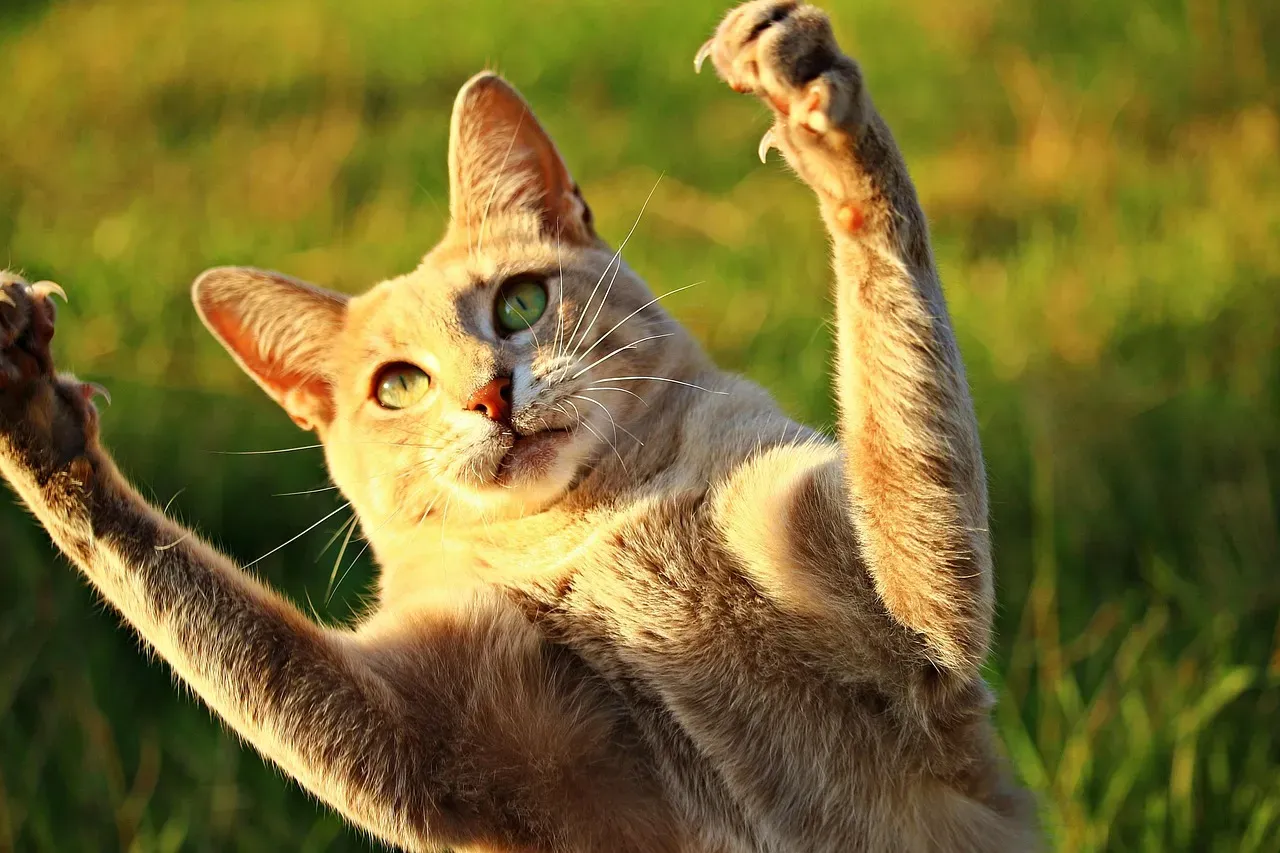
One of the most practical reasons for the single paw tap is determining whether the object might actually be a living creature. Insects, small reptiles, and even sleeping rodents can look remarkably similar to inanimate objects at first glance, especially in dim lighting or from a distance. A light tap can trigger movement, giving the cat crucial information about whether it's dealing with prey, a threat, or simply a toy. This behavior likely stems directly from hunting instincts, since a cat's ancestors needed a fast way to distinguish between something that could run away and something that couldn't. The tap essentially acts as a trigger test, provoking a reaction that reveals the object's nature without requiring the cat to fully engage. If the item springs to life, the cat's next moves shift instantly from cautious investigation to active pursuit or retreat.
#4 Assessing Stability and Structure
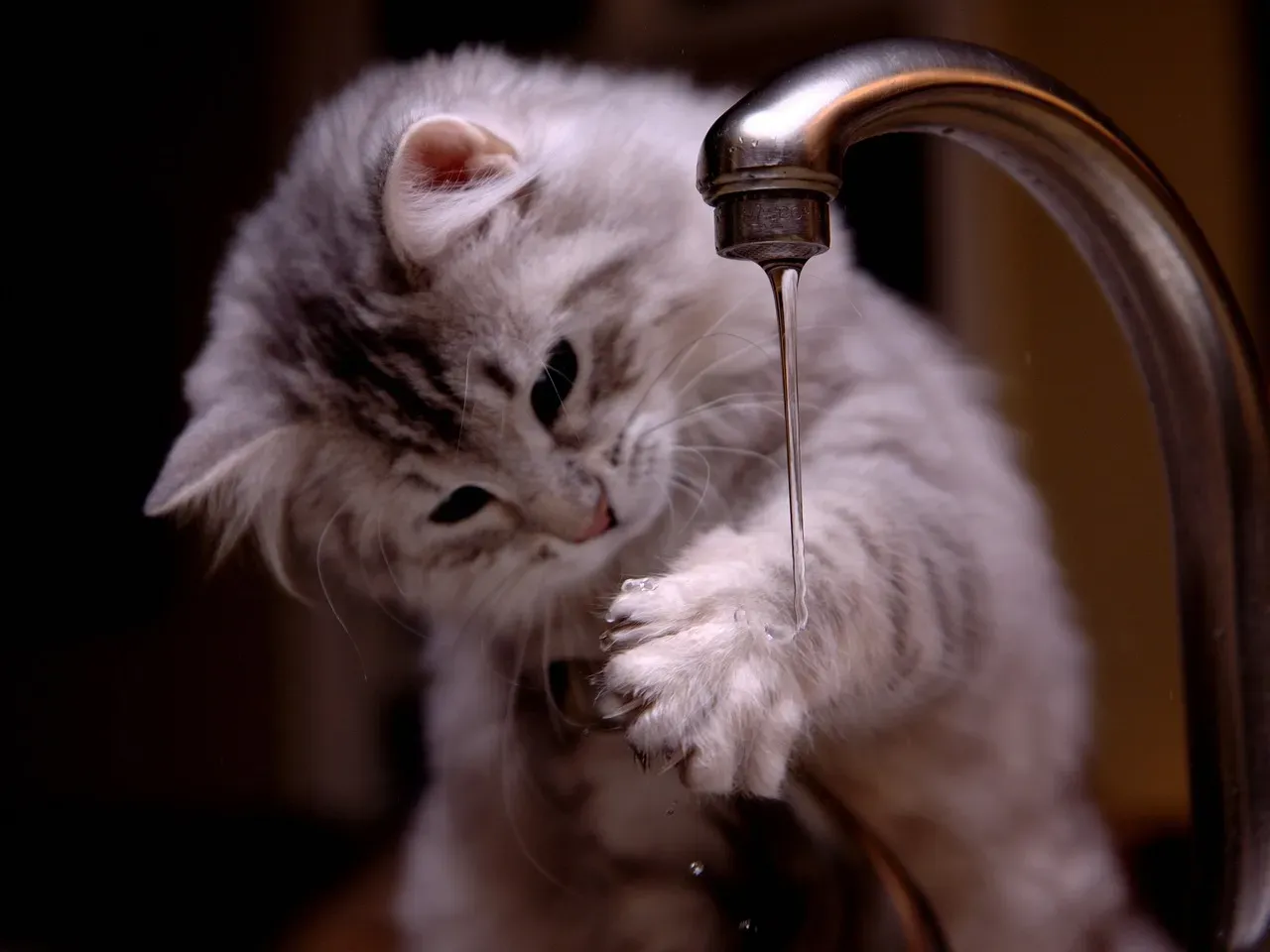
Not every object that catches a cat's attention needs to be alive to warrant investigation. Cats also use their paws to test whether something is stable enough to walk on, sit near, or interact with further. A tap can reveal whether an object is going to tip, roll, wobble, or collapse, which matters a great deal to an animal that values balance and controlled movement. This kind of structural testing is especially common with items like boxes, bags, or loosely stacked objects. Cats seem to instinctively understand that committing their full weight to something unstable could result in an awkward fall or a startling collapse, both of which are embarrassing and potentially dangerous. The paw tap essentially functions as a mini engineering assessment before any further exploration takes place.
#5 Scent Marking and Information Gathering Through Glands
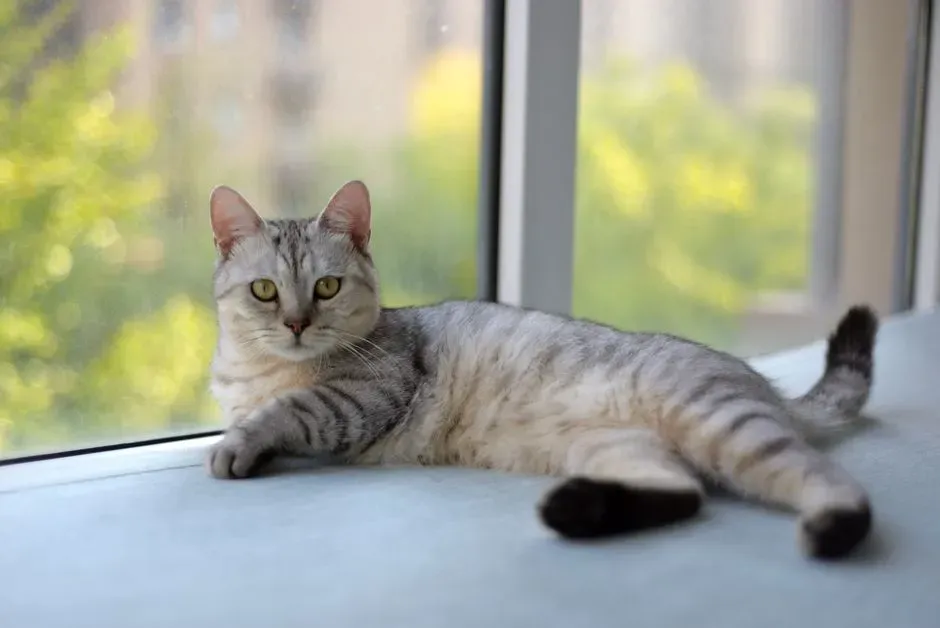
While cats are famous for marking territory with their cheeks, their paws also contain scent glands that release pheromones during contact with objects. A light tap doesn't just gather information, it can also deposit a small trace of the cat's own scent onto the item. This subtle marking behavior helps cats claim unfamiliar objects as part of their territory, even before they've decided the item is safe. At the same time, the paw pads can pick up scent information from the object itself, which the cat may later investigate further by sniffing its own paw. This creates a feedback loop where touching and smelling work together to build a fuller understanding of what the object is and where it might have come from. It's a surprisingly efficient two step system built into a single, quick motion.
#6 Avoiding Whisker Fatigue or Overstimulation
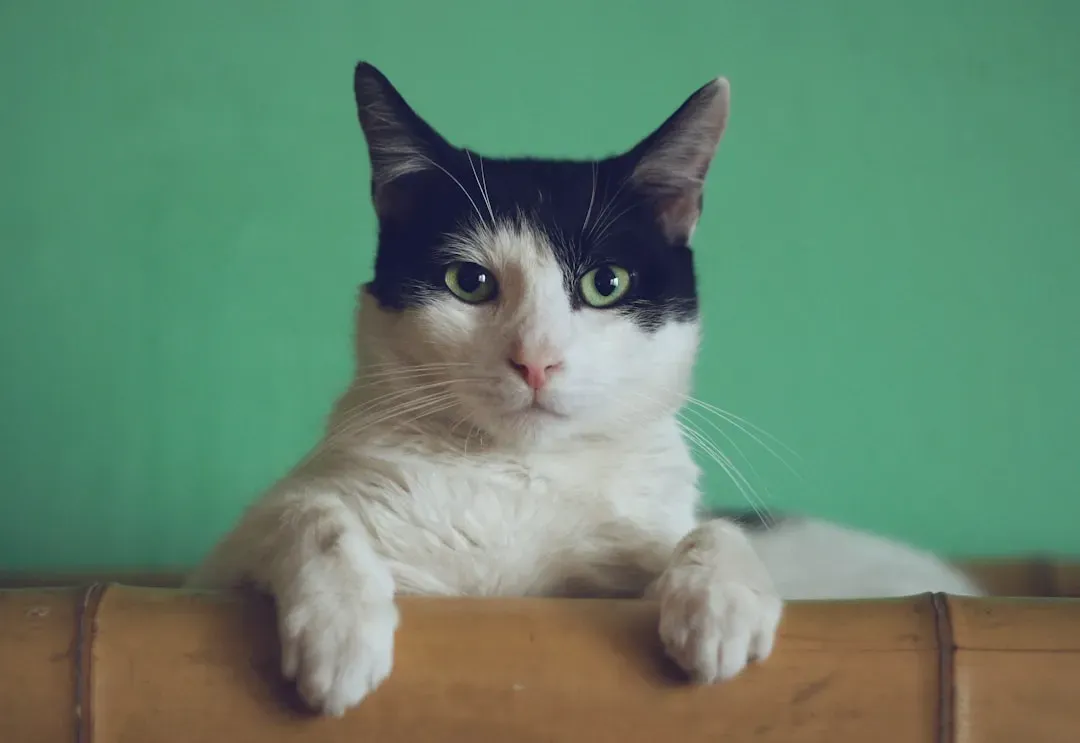
Cat whiskers are incredibly sensitive and can become overwhelmed if they make direct contact with something unfamiliar too soon, a phenomenon sometimes referred to as whisker stress. By using a paw first, cats can investigate an object without forcing their whiskers into premature contact with an unknown surface or substance. This allows the whiskers to remain available for detecting subtle air currents and spatial information rather than being tied up in direct tactile investigation. This paw first approach essentially protects one of the cat's most important sensory tools while still allowing for close range investigation. It reflects a broader pattern in feline behavior where different senses are deployed strategically depending on the situation. The paw becomes the frontline scout, sparing the more delicate whiskers for tasks they're better suited for, like detecting movement and judging tight spaces.
#7 Managing Uncertainty Through Incremental Exposure
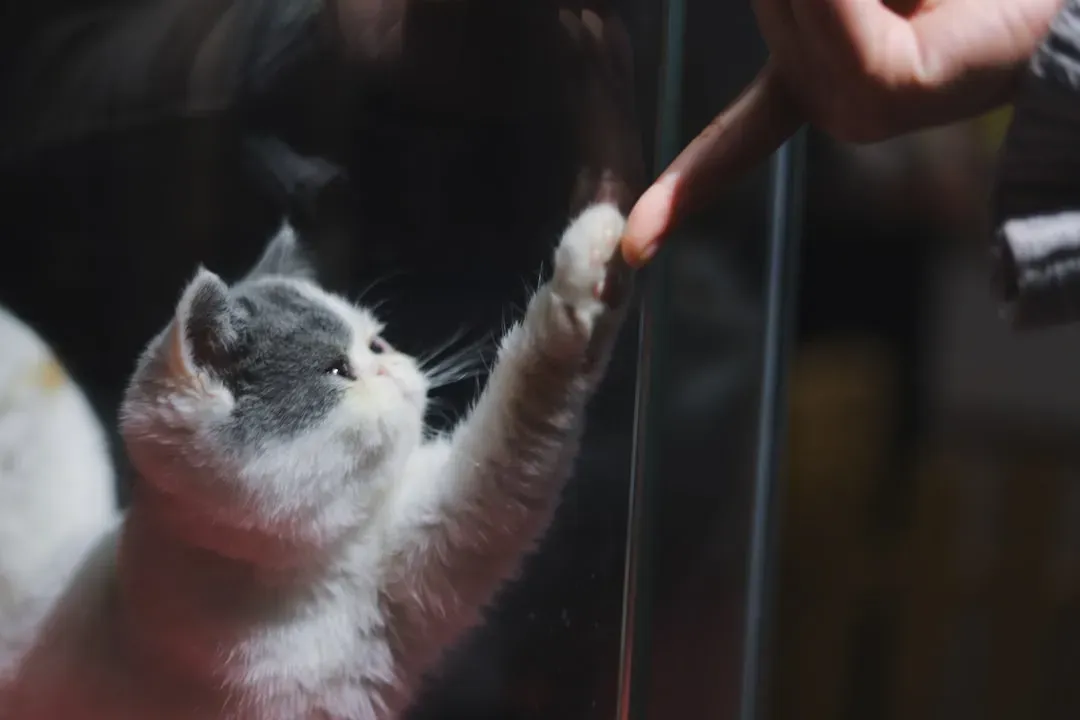
Psychologically, this cautious tapping behavior mirrors a broader pattern seen in many animals when facing something new, sometimes described as neophobia or fear of the unfamiliar. Rather than avoiding new objects entirely or rushing in in without hesitation, cats often choose a middle path that allows them to gradually build confidence. This incremental approach reduces stress by breaking down an intimidating situation into smaller, more manageable steps. Each successful tap without negative consequences reinforces the cat's sense that the object is likely safe, encouraging further investigation like sniffing or a second, bolder touch. This step by step process shows a level of behavioral flexibility that goes beyond pure instinct and touches on learning and risk assessment. Over time, cats that repeatedly encounter certain types of objects, like cardboard boxes or paper bags, tend to skip the cautious tap altogether since prior experience has already established these items as harmless.
#8 Individual Personality and Past Experience Shaping the Response
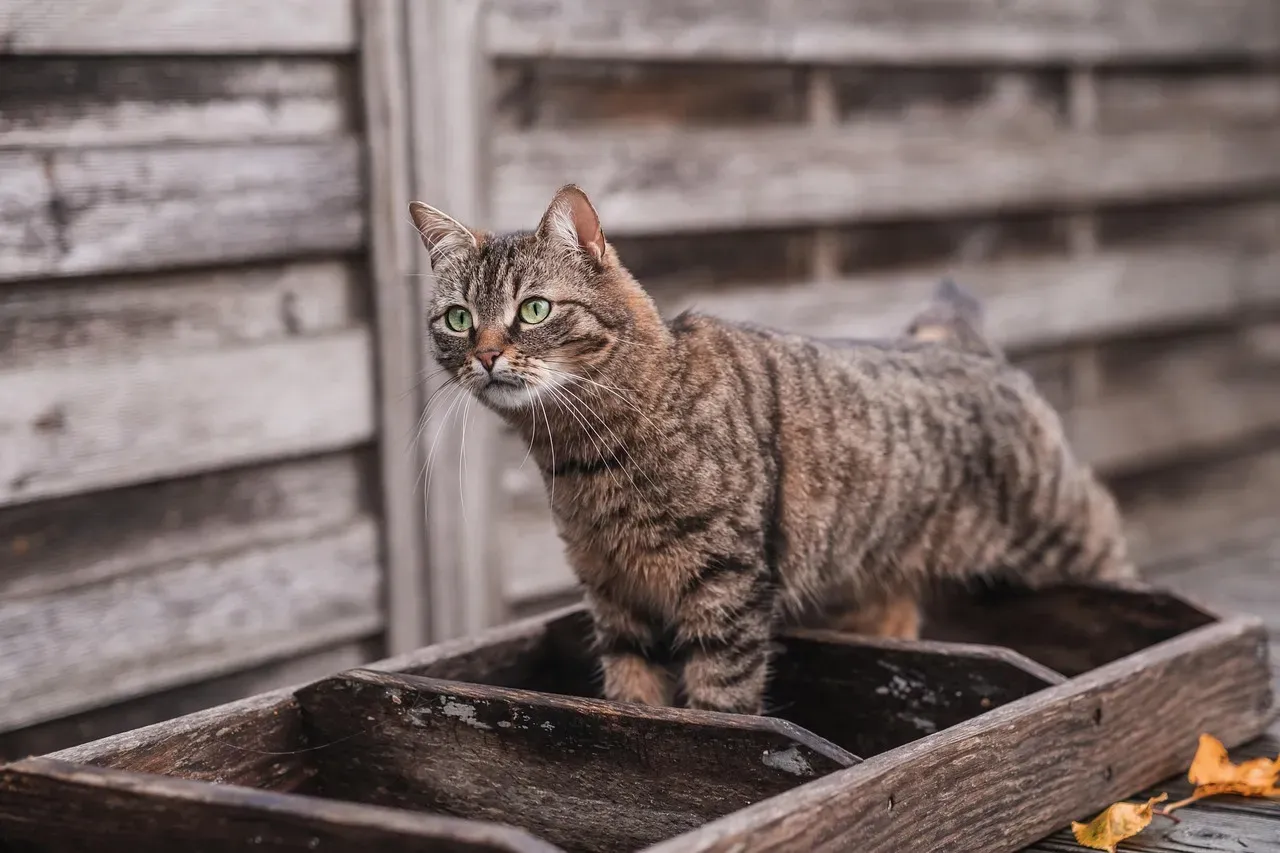
Not every cat approaches new objects with the same level of caution, and individual personality plays a real role in how pronounced this paw tapping behavior appears. Bold, confident cats may skip straight to sniffing or pawing more assertively, while naturally timid or anxious cats might repeat the single paw tap several times before committing to closer inspection. Past experiences, including any negative encounters with unfamiliar objects, can also make certain cats more hesitant across their entire lives. Kittens and younger cats often show more exaggerated tapping behavior since they haven't yet built up a mental catalog of safe versus unsafe objects. Older cats, having encountered thousands of new items over their lifetime, may rely on this behavior less frequently because they've already learned general patterns about what's typically safe. This variation across individuals is a good reminder that feline behavior, while rooted in shared instincts, is also shaped by each cat's unique history and temperament.
Final Thoughts
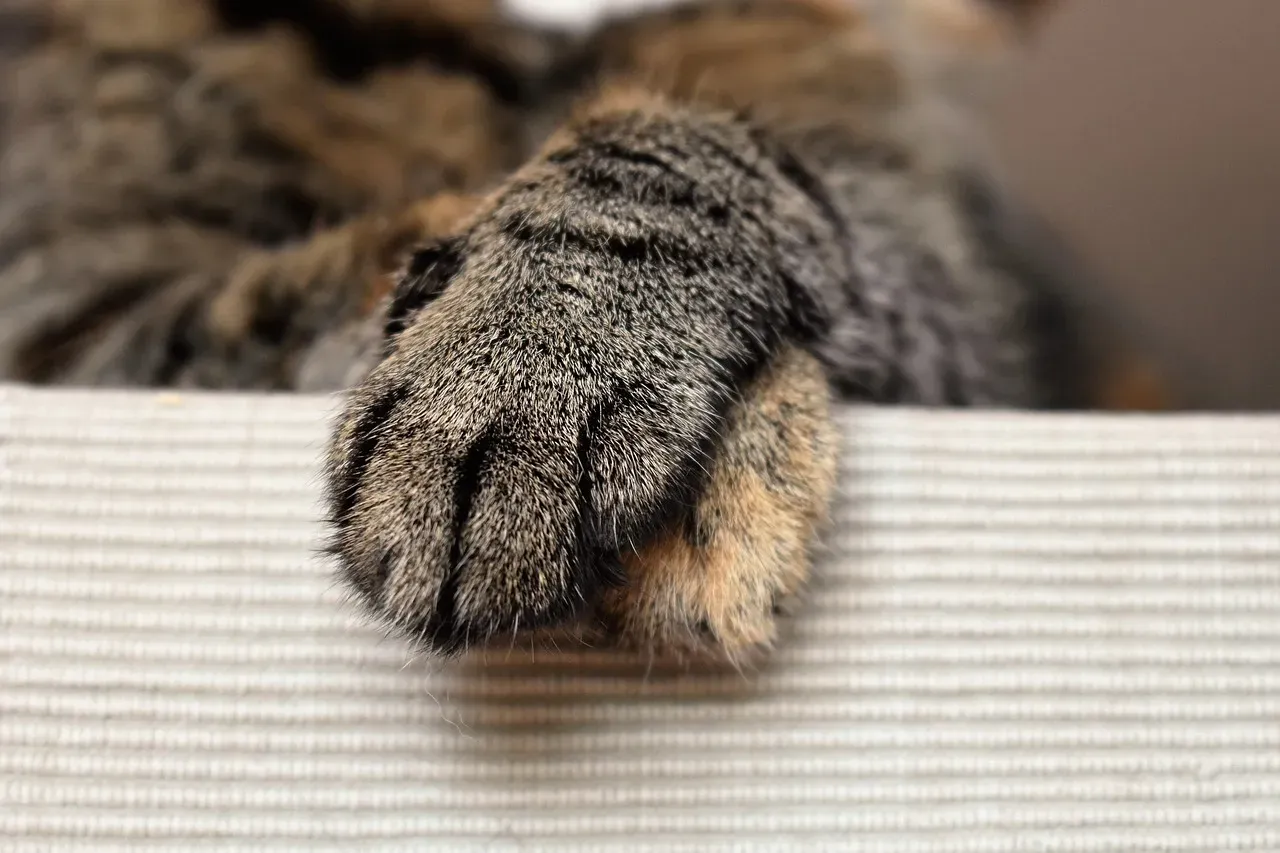
Watching a cat gingerly poke at a new object with one paw might seem like a small, throwaway moment, but it actually reveals an impressive amount about how these animals process the world. It's not indecision or hesitation for its own sake, it's a genuinely smart strategy that balances curiosity with self preservation, built from instincts that have been refined over thousands of years of evolution. If anything, cats deserve a bit more credit for this behavior than they usually get. In a world where humans often rush into decisions without gathering enough information first, there's something quietly admirable about an animal that insists on a quick safety check before fully committing. The next time your cat taps something new with a single paw, it's worth remembering that you're watching a tiny, four legged risk assessment in real time, and honestly, that's not a bad approach to life.