Have you ever noticed your feline friend letting out a gentle yawn right as you settle into your meditation practice? It’s not just coincidence, honestly. This fascinating behavior speaks to something much deeper happening between you and your cat.
As soon as you shift into a meditative state, your cat mysteriously appears beside you. There’s something almost magnetic about the way cats respond to our moments of inner stillness. Let’s dive into this mysterious energetic dance between human mindfulness and feline consciousness.
The Science Behind Feline Energy Sensitivity
Cats possess remarkable abilities to detect subtle changes in their environment. They’re sensitive to energy and vibrations in their environment, often responding to shifts in energy with calm curiosity. This sensitivity extends far beyond what we might expect from our seemingly aloof companions.
Meditation helps shift our energy and supports us in raising our vibration, which cats can feel. Think of cats as living tuning forks, naturally attuned to the energetic frequencies around them. When you begin meditating, your brainwave patterns shift, your breathing deepens, and your entire energetic signature transforms.
They are greatly attracted to your energy because they are high vibe seekers, and your energy raises when you meditate. Your cat isn’t just being clingy or seeking attention. They’re actually drawn to the elevated state of consciousness that meditation creates, like a moth to a peaceful, warm flame.
The Mirroring Effect in Cat-Human Relationships
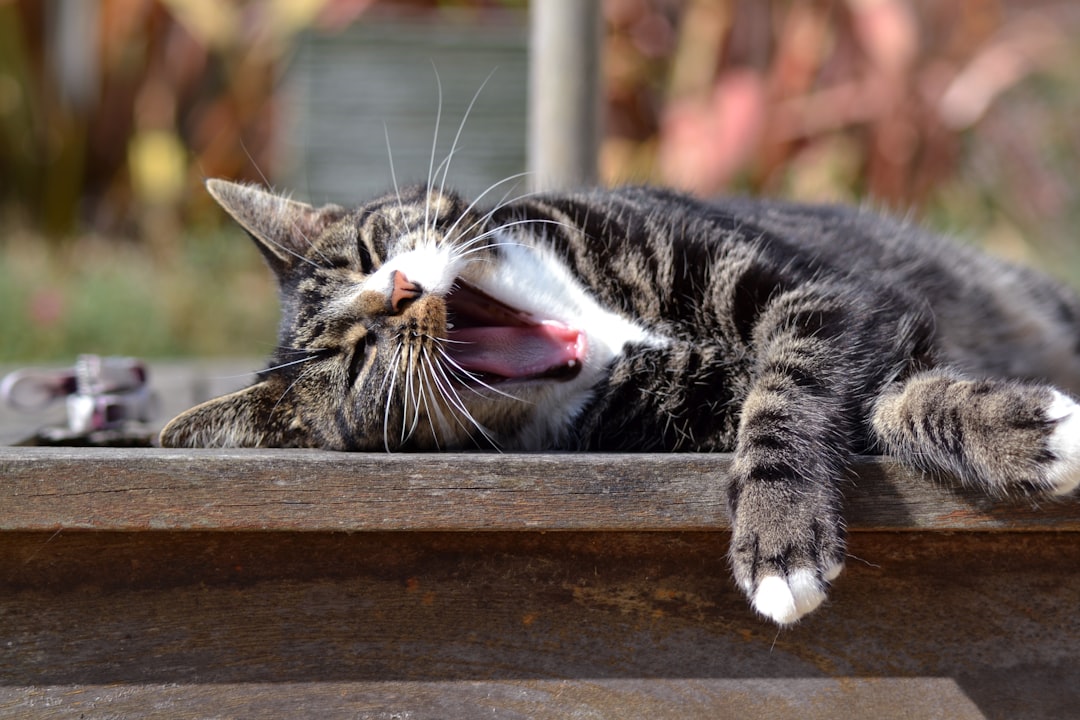
Cats possess remarkable sensitivity to human feelings, and when you feel joyful and energetic, your cat often mirrors that liveliness. This emotional mirroring extends to your meditative states as well. When you enter a calm, centered space, your cat naturally begins to mirror this tranquil energy.
If you’re calm and relaxed, your cat is likely to exhibit a more tranquil demeanor as well. This phenomenon isn’t limited to obvious emotional states either. Studies indicate that cats often mirror their owners’ personality traits, with calm owners tending to have more relaxed cats.
The yawning you observe during your meditation sessions might be your cat’s way of synchronizing with your relaxed state. The very act of yawning is calming for cats, taking that deep breath into the lungs relaxes and prepares them for sleep. In essence, your cat is matching your meditative energy with their own form of conscious relaxation.
Understanding Contagious Yawning in the Animal Kingdom
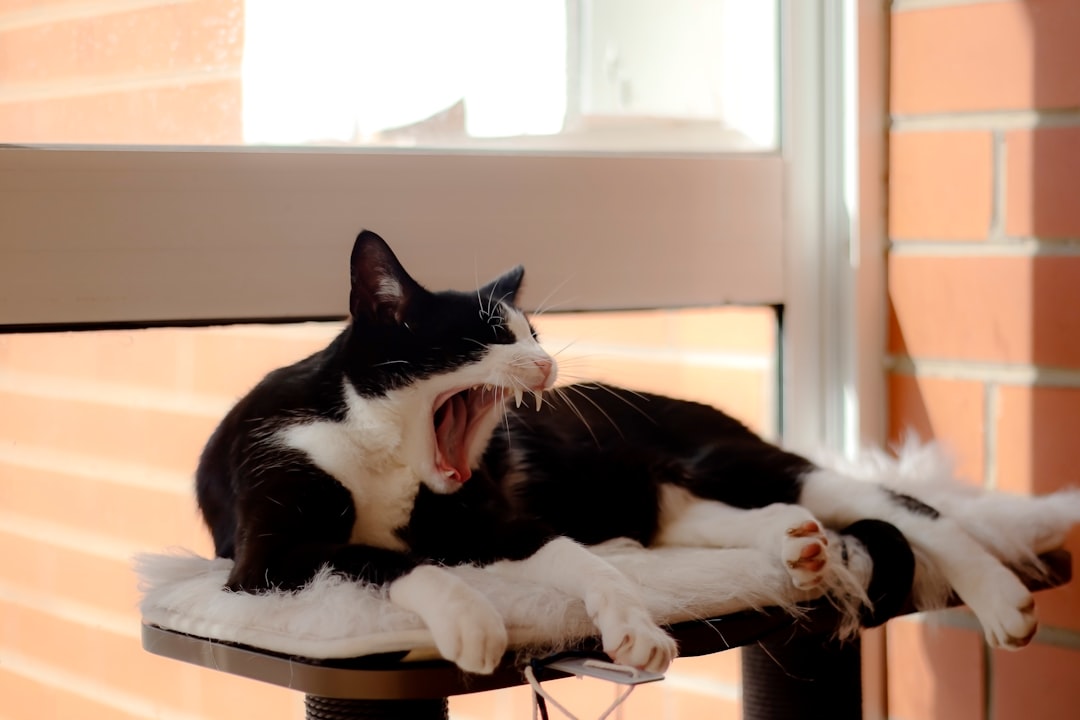
Contagious yawning has been well-documented in chimpanzees and other primates, with some evidence in dogs, though research on cats, birds, and reptiles remains limited. This fascinating behavior isn’t just about tiredness or boredom. Research reveals something much more profound at play.
Theories suggest that yawning serves to synchronize mood in gregarious animals, similar to howling in a wolf pack, signaling fatigue among members of a group to synchronize sleeping patterns. When your cat yawns during your meditation, they might be attempting to harmonize their state of consciousness with yours.
Studies show support for contagious yawning in humans, with approximately 45 to 60 percent reporting yawn contagion during testing. This response wasn’t altered by phylogenetic proximity, suggesting that yawn contagion mechanisms are generalized across species. Your cat’s yawn during meditation could be an involuntary response to your own deep, meditative breathing.
The Spiritual Dimension of Yawning
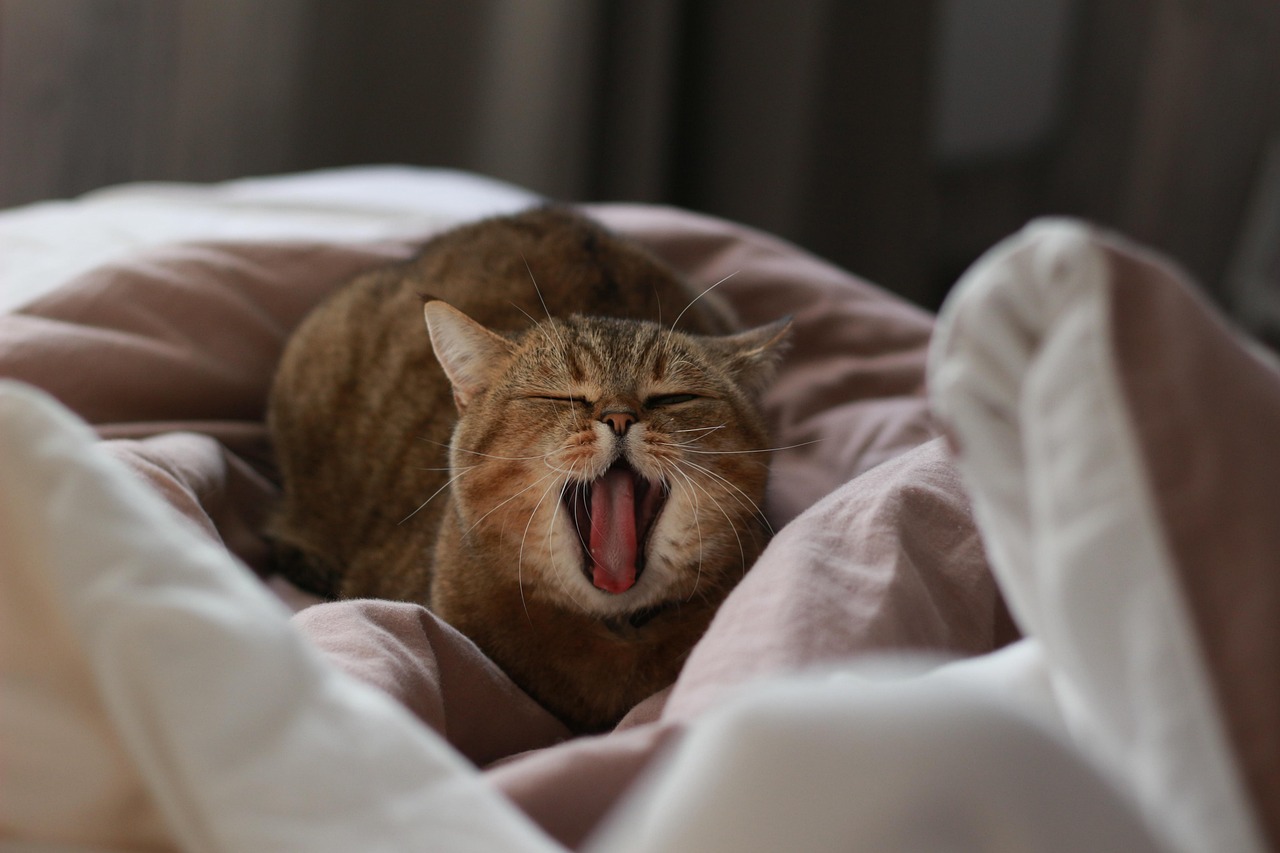
Yawning can facilitate access to altered states of awareness, acting as a gateway to higher consciousness, with some individuals reporting profound insights during or immediately after yawning. From a spiritual perspective, yawning serves purposes far beyond simple physiology.
Many spiritual practitioners believe that yawning allows us to dispose of emotional and energetic baggage, much like exhaling stale air from our lungs. When your cat yawns during your meditation session, they might be participating in their own form of energy clearing.
Many psychics report increased yawning at the beginning of sessions or when connecting with spiritual energies, as this phenomenon may be related to the body’s natural response to energy shifts. Your cat could be responding to the same subtle energetic changes that occur when you enter meditative states.
Synchronized Relaxation Response
Watching a cat breathe can serve as a reminder to slow down and focus on our own breath, with their rhythmic breathing guiding us into deeper meditative states. This creates a beautiful feedback loop of mutual relaxation.
The rhythmic breathing during meditation can synchronize both your heartbeats, with engaging in meditation alongside pets encouraging synchronization of breathing and energy levels. Your cat’s yawn might signal their entry into this synchronized state of peaceful awareness.
When cats join meditation sessions, it feels like souls have realigned together, creating changes that benefit both human and feline participants. This shared experience transcends simple companionship and enters the realm of energetic communion. Your cat isn’t just present physically, but participating energetically in your practice.
The Purr Connection to Meditation
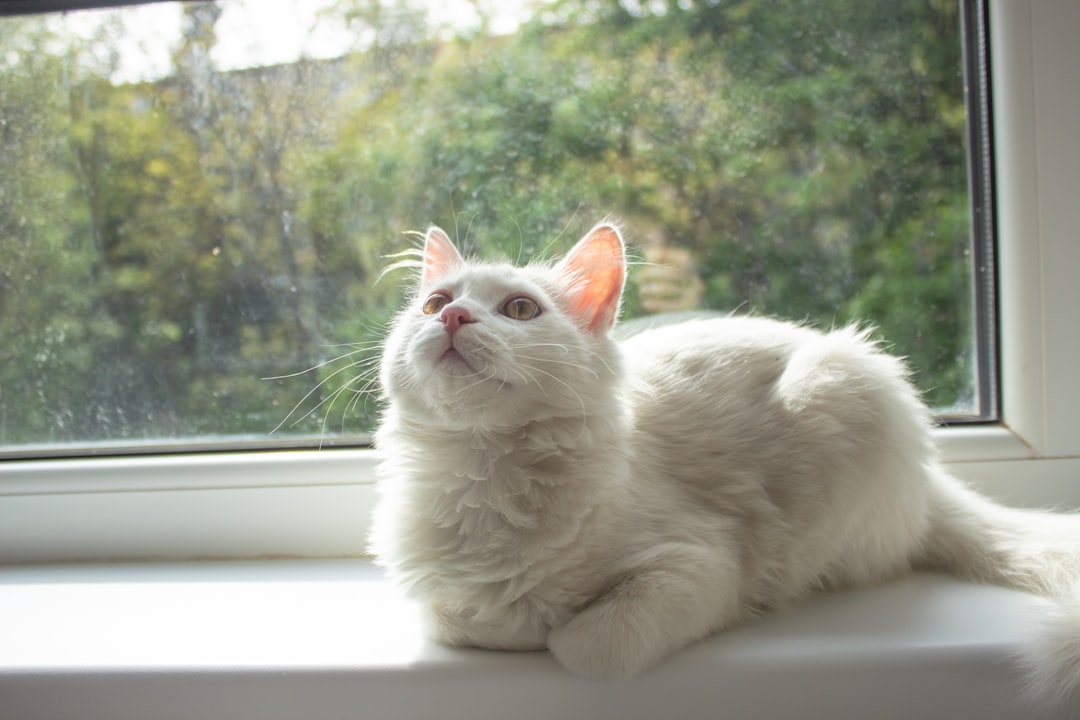
Cats purr at a frequency ranging between 20 and 50 Hertz, which has therapeutic effects on the human body and promotes healing of muscles and bones. This healing frequency naturally complements meditative practices, creating an environment conducive to deeper states of consciousness.
Cat purring has a healing and calming effect, which can help dispel negative energies and promote tranquility and focus during meditation. When your cat yawns and begins to purr during your session, they’re essentially offering sonic healing support for your practice.
The sound of a cat’s purr has a calming effect that can enhance our meditation experience. This therapeutic vibration works in harmony with your meditative breathing, creating layers of relaxation that benefit both you and your feline companion. The yawn often precedes this purring response, signaling your cat’s transition into their own meditative state.
Environmental Energy Harmonization
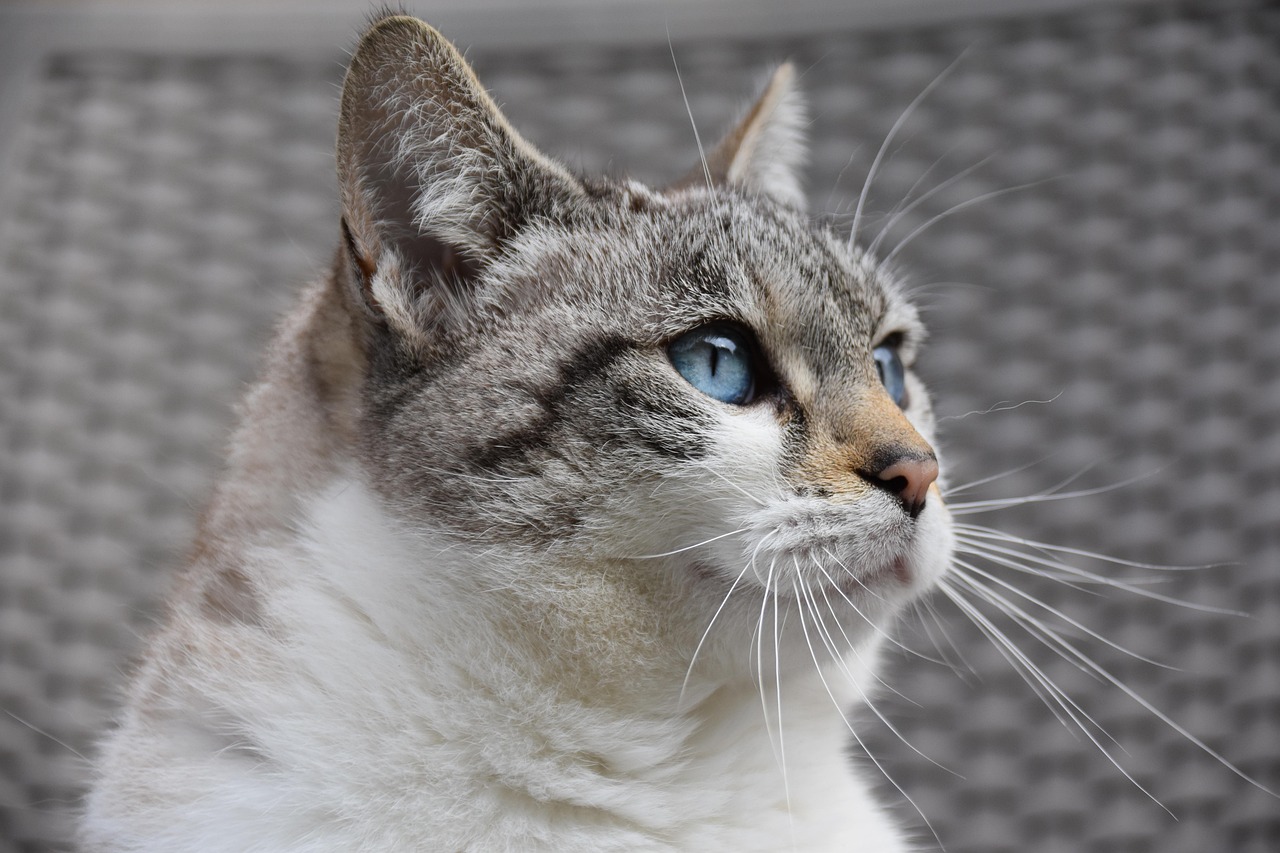
Cats may attune to your energy shifts, creating a harmonious atmosphere for mindfulness, like having a tuning fork that resonates with your vibrations. Your meditation space becomes an energetic sanctuary where both you and your cat can access deeper states of awareness.
Cat presence in the home contributes to maintaining a positive and balanced energy environment, which is beneficial for spiritual practices and overall wellbeing. This energetic balancing happens automatically when cats are present, but becomes amplified during meditation sessions.
Pets pick up on human stress and emotions, and there’s always an energetic interchange when you live in close contact with someone. Cats are incredibly sensitive beings capable of copying a wide variety of moods and emotions. During meditation, this sensitivity allows them to join your practice on a profound energetic level.
The Trust Factor in Meditative Moments
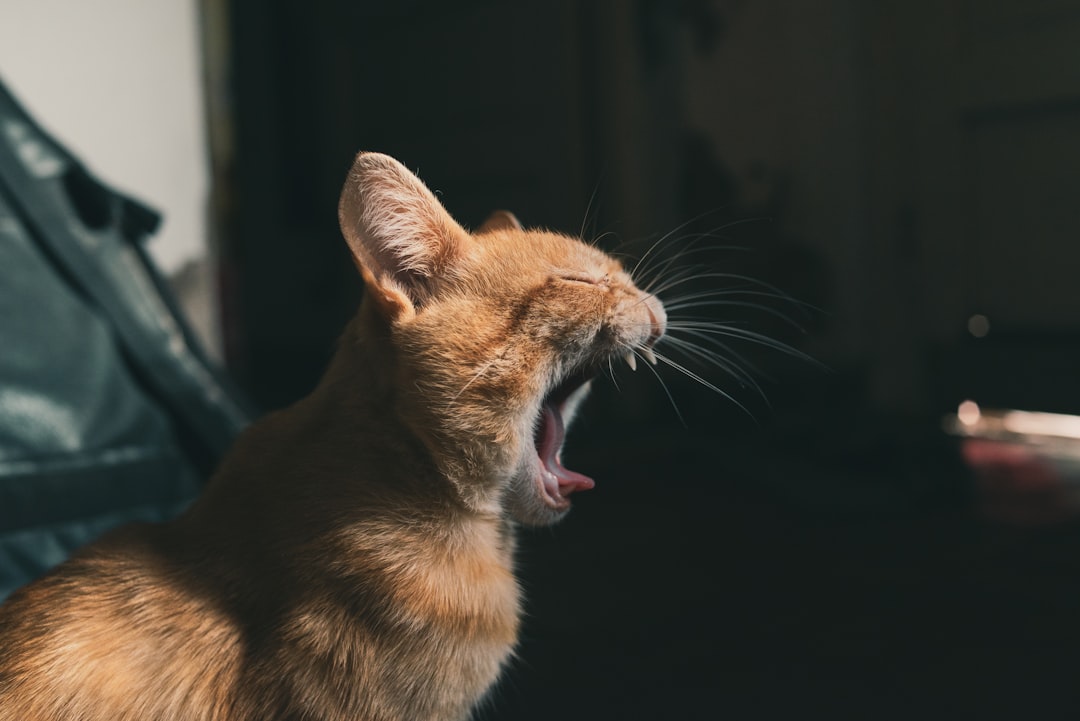
A cat that is very relaxed and feeling content might yawn as a result, with cats stretched out in sunny spots often yawning with half-closed eyes and relaxed postures, signaling ultimate contentment and trust. When your cat yawns during meditation, it’s a powerful indicator of their complete comfort with you and the environment.
When cats assume relaxed positions during meditation, they’re displaying significant trust, exposing vulnerable areas which wild cats would never do in uncertain situations. This position requires cats to feel completely secure, making it a powerful indicator of their emotional wellbeing.
As your cat settles beside you, their calm presence invites stillness into your mind, creating shared tranquility that fosters trust and connection. The yawn becomes part of this trust-building ritual, signaling your cat’s willingness to be vulnerable and open in your meditative presence.
Brain Cooling and Alertness Connection
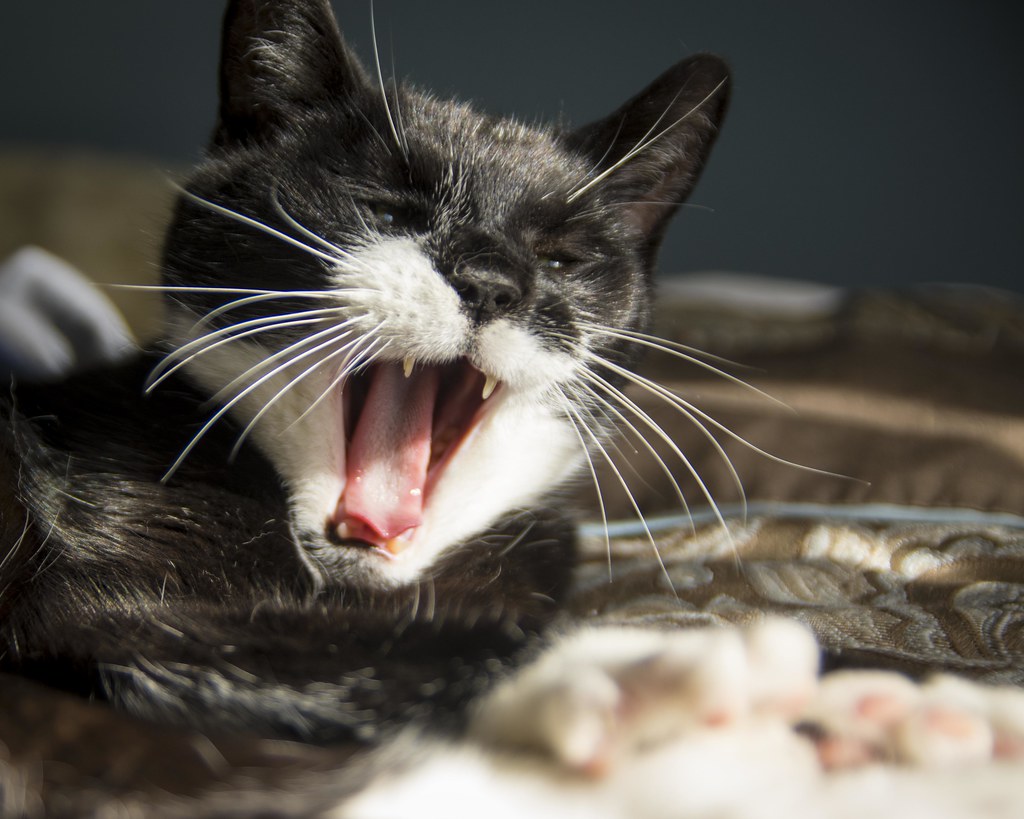
Yawning may be the body’s way of controlling brain temperature, with researchers proposing yawning as a means to keep the brain cool. This physiological function becomes particularly relevant during meditation when both you and your cat are shifting into altered states of consciousness.
Yawning increases oxygen levels, releases excess carbon dioxide, and signals increased blood flow to the head, which cools the brain to lessen tiredness and encourage alertness. When your cat yawns during your meditation, they might be unconsciously preparing their nervous system for heightened awareness.
In lions, as in humans, yawning increases blood flow and brain cooling, likely enhancing alertness. This same mechanism operates in domestic cats, suggesting that their meditative yawns serve to optimize their brain function for the peaceful yet alert state that characterizes quality meditation.
Group Consciousness and Collective Awareness
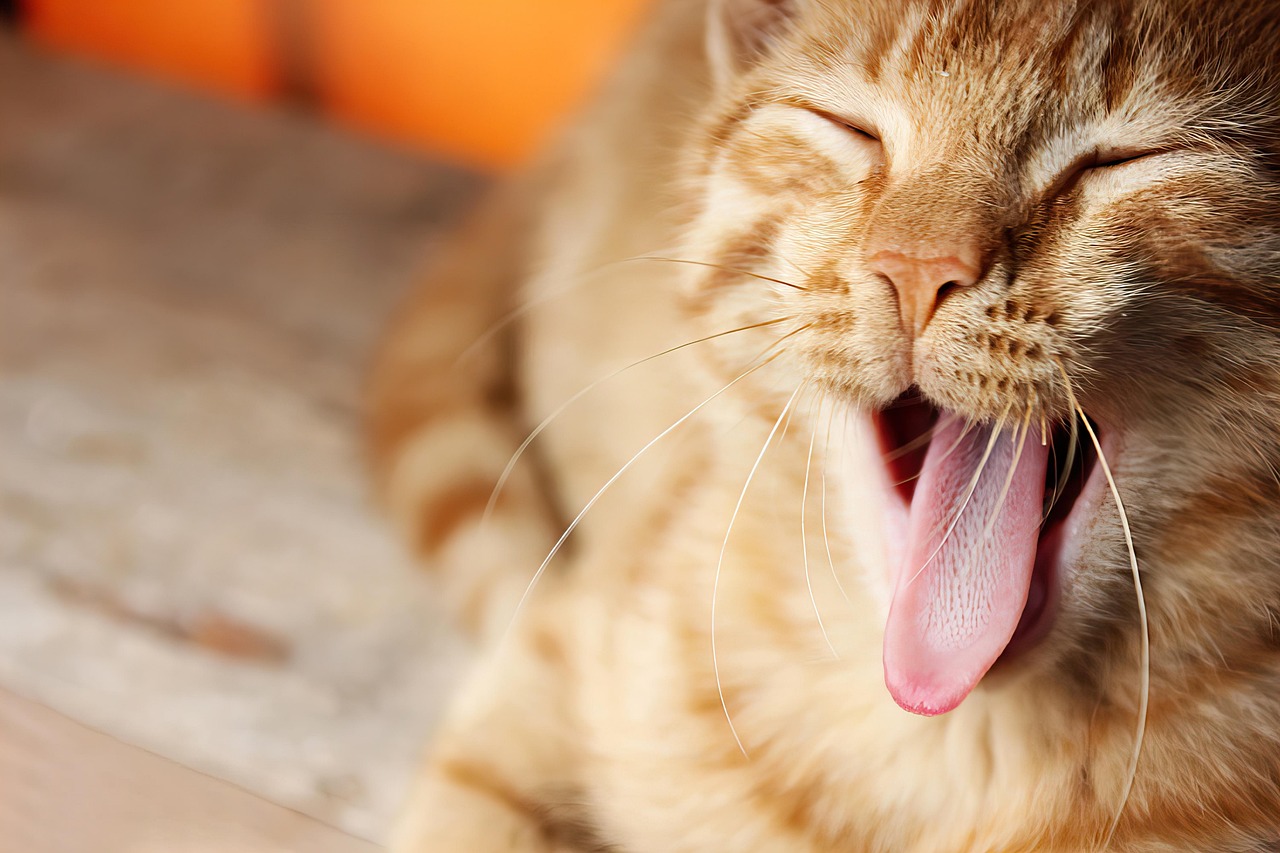
Recent studies provide evidence that yawns serve as a cue that improves observer vigilance and that contagious yawning functions to synchronize group activity patterns. Your meditation session with your cat creates a micro-community where this synchronization can occur naturally.
The contagion effect of yawning may be a response in highly social animals that need to synchronize behavioral activities, with coordinating activities promoting social cohesiveness. Though cats are often perceived as solitary, they form deep bonds with their human companions and engage in this group consciousness phenomenon.
Contagious yawning improves social bonds and may boost overall group vigilance, becoming a silent language that enhances group cohesion. In your meditation practice, this creates a shared field of awareness where both you and your cat benefit from heightened consciousness and mutual support.
Your cat’s yawn during meditation represents far more than simple mimicry or coincidence. It’s evidence of a profound energetic connection that transcends species boundaries, creating opportunities for shared consciousness and mutual healing. The next time you settle into meditation and notice your feline friend joining you with a gentle yawn, recognize it as an invitation into deeper communion.
What do you think about this mysterious bond between meditation and cats? Have you noticed your own feline companion responding to your spiritual practices?