A California family’s bond with their pet cat endured unimaginable separation until technology and human kindness bridged the gap. Dodger, adopted as a kitten in 2016, vanished in 2018 amid preparations for a cross-country relocation. Seven years later, a routine scan revealed his identity, setting off a chain of events that brought him back to the Davidsons.
Late-Night Email Shatters Years of Silence
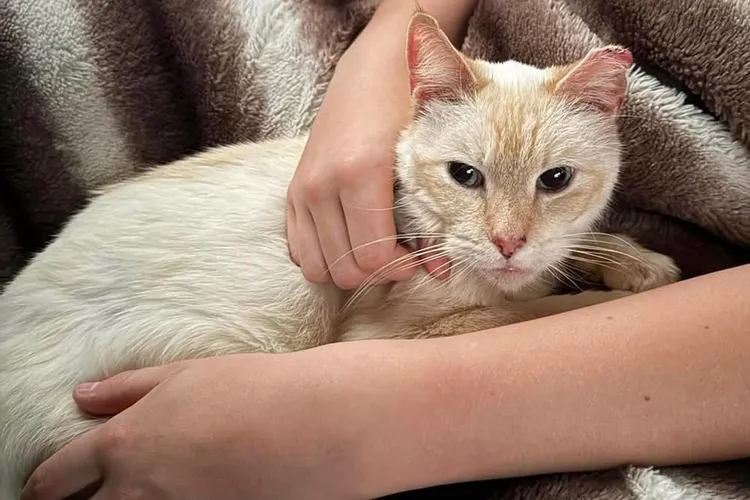
Amber Davidson stared at her screen in disbelief one evening. “It was like 11 o’clock at night, and I get this email saying Dodger has been scanned into Fresno TNR,” she recalled. The message came from Sydney Sherman, a volunteer with the Fresno Trap-Neuter-Release nonprofit. Dodger had turned up in nearby Madera, brought in for routine care like countless stray cats.
Veterinarians noticed something unusual right away. The cat was already neutered and carried a microchip. Sherman scanned it, expecting a local contact. Instead, the details pointed far beyond California’s 559 area code – to Georgia, where the family now resided. “I was like, oh my gosh, where do these people live,” Sherman said.
Roots of a Heartbreaking Loss
The story began in Clovis, where the Davidsons welcomed Dodger home from the Miss Winkles Pet Adoption Center. The kitten quickly won over Amber and her young sons, who carried him everywhere. He embodied comfort during tough times.
Tragedy struck when the children’s father passed away. The family planned a fresh start in Florida and arranged for an acquaintance to transport their belongings, including Dodger. Circumstances shifted abruptly. Dodger slipped away before the trip, leaving the grieving household without closure. They relocated anyway, eventually settling in Georgia, always wondering about their missing companion.
Kindness Fuels an Epic Voyage
Sherman refused to let distance deter the reunion. She traveled frequently to Florida and had a wedding scheduled there on March 24. “I was like, well, I’m going to a wedding in Florida… I can try to bring him to you guys if you can meet me in Florida,” she offered Davidson. Dodger hitched a ride across more than 2,500 miles, safe in Sherman’s care.
The Davidsons piled into their vehicle for a seven-hour drive from Georgia. They arrived at the predawn meeting spot at 5 a.m. Tears flowed as Dodger recognized his family. Sherman captured the magic: “That moment, of ‘He’s finally home, he gets to be with his people again’… It’s very special.” One son, Schylar, praised his mother’s composure: “Mom, you did so good, you didn’t cry.”
Lessons from One Cat’s Odyssey
Dodger’s tale underscores simple yet powerful protections for pets. Microchipping proved indispensable, linking him to his owners despite years and miles apart. Sherman highlighted its impact: the procedure, combined with neutering, enabled the entire process.
Nonprofits like Fresno TNR play vital roles too, handling thousands of community cats annually. Their routine work uncovered this extraordinary case. Pet owners often overlook such groups, yet they bridge gaps between loss and recovery.
Key Takeaways
- Microchips offer lifelong identification, surviving collar loss or time away.
- Neutering supports health and community efforts like trap-neuter-release programs.
- Compassionate individuals and organizations turn long shots into reunions.
Dodger’s return reminds us that hope persists even after years of absence. Families everywhere face pet losses, but stories like this inspire action. What do you think about the power of microchips? Tell us in the comments.
Kristina is a young writer from India. An arts graduate and an avid content creator, Kristina is passionate about animals and wildlife. She enjoys exploring topics related to pet care, animal behavior, conservation, and nature, combining thorough research with engaging storytelling.