#1 Bengal
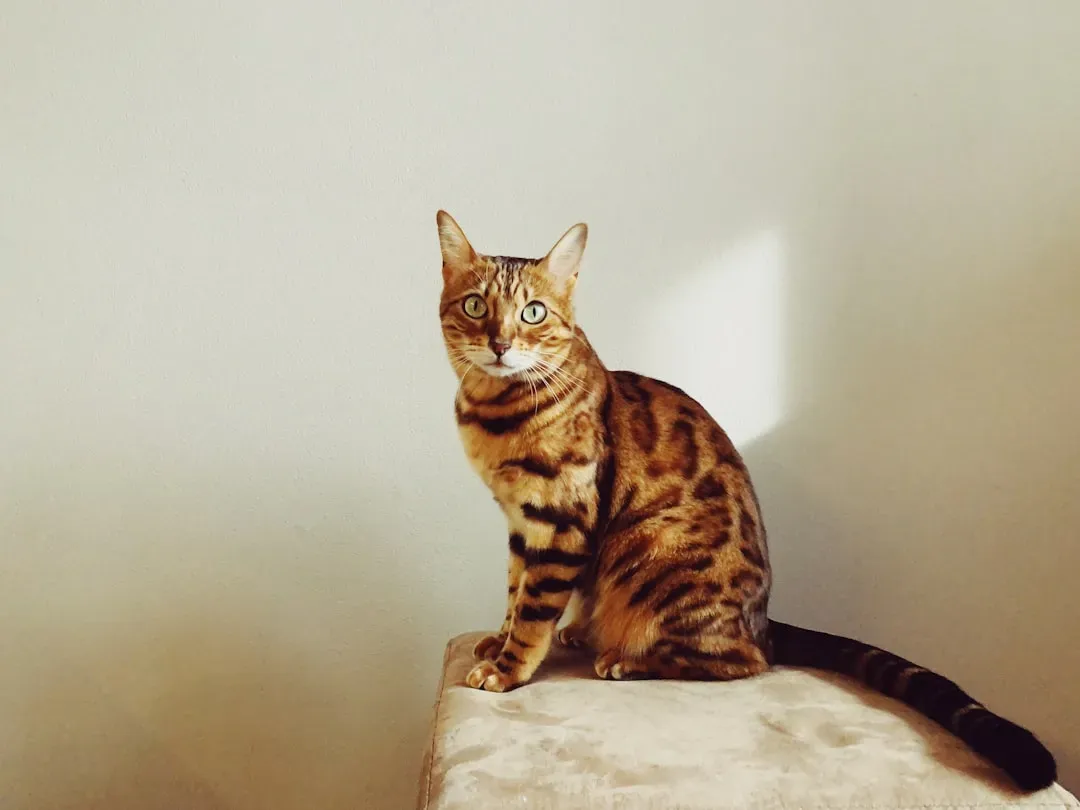
Bengals carry genes from the Asian leopard cat, and that wild ancestry shows up in more than just their spotted coats. Bengals carry strong hunting instincts from their Asian leopard cat ancestry and display high energy, dominance, and territorial behavior, and without daily stimulation and structured play, they may act out through biting, scratching, or chasing. That combination of prey drive and restlessness makes them tricky around small children who move unpredictably.
The breed’s reactivity tends to spike in chaotic households. It is particularly common in households with children because kids are often loud and unpredictable, and if a Bengal feels threatened by something family members do, they’ll react aggressively. Add in their reputation as high maintenance cats, and it becomes clear why families with young kids often find them exhausting rather than charming.
#2 Bombay
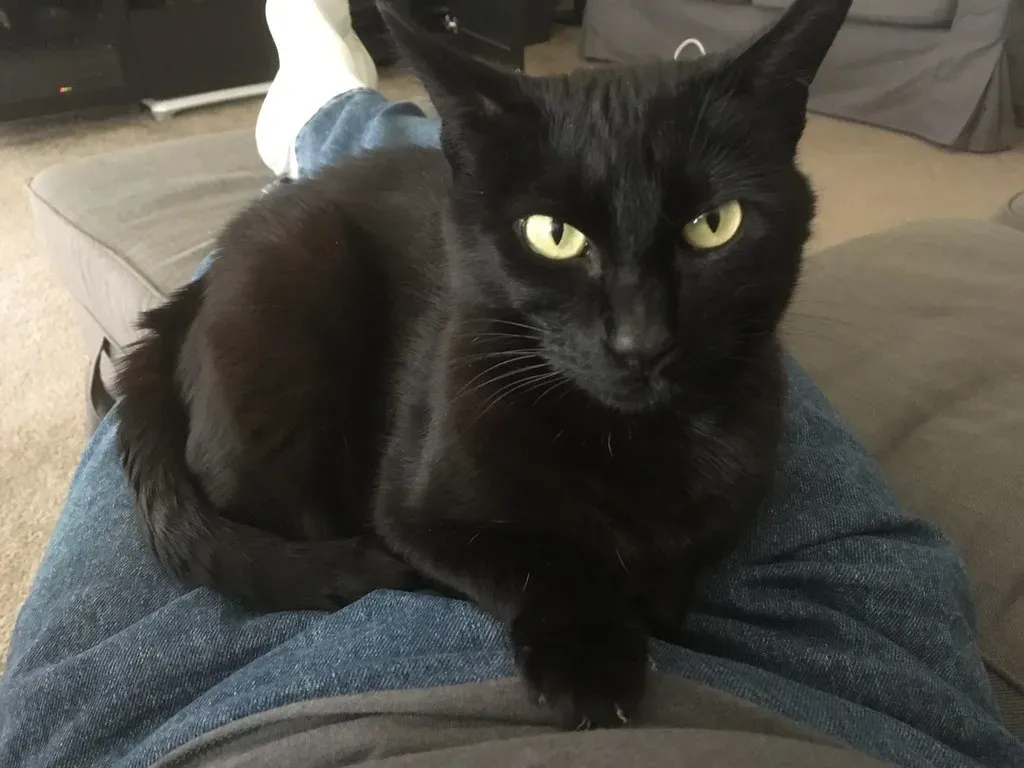
The Bombay’s sleek, black, panther like appearance is part of its appeal, but that same wild look comes with a genuinely sensitive temperament. These sleek, panther-like cats may look stunning, but their temperament can be challenging around children; they love their quiet and are exceptionally sensitive to loud noise, making it difficult for them to live in a home that enjoys music or children. A toddler’s shriek or a sibling squabble can be enough to send this cat into a defensive posture.
Bombays are not typically aggressors, but they don’t always retreat quietly either. While they won’t strike unless seriously provoked, it’s not uncommon for a Bombay to hiss and keep its distance from others, and as a hybrid mix, the breed has strong traits including being fearless and aggressive, having a litter box aversion, and being surprisingly forceful for its size during playfights. That mix of attention seeking and low noise tolerance is a tough balance for households with young kids to strike.
#3 Siamese
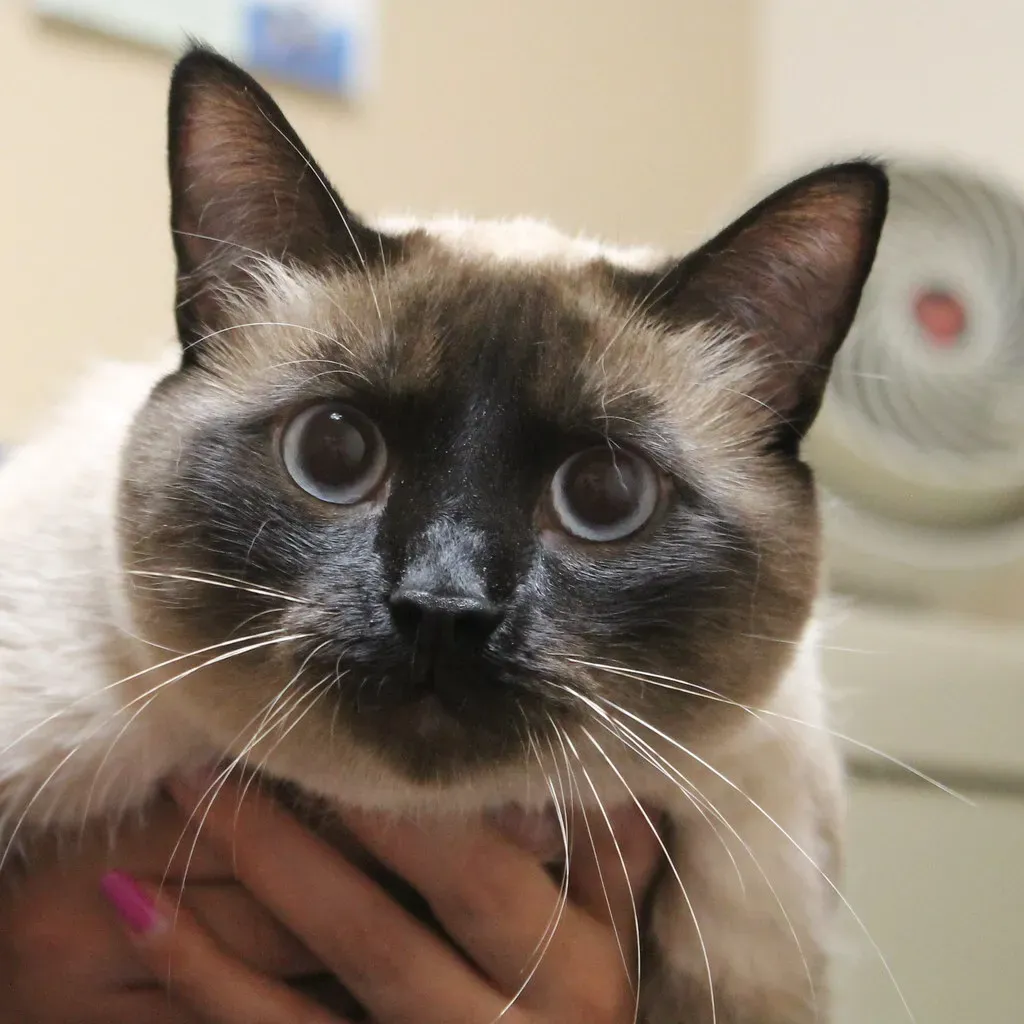
Siamese cats are famous for their chatty, affectionate personalities, but that affection has a narrow focus. The Siamese cat might seem like a great family pick, but they often bond with a single family member and can turn aggressive if another person in the family tries to interrupt their snuggles, a habit that can be nearly impossible to break, and a young child who doesn’t understand feline social hierarchies is going to find this bewildering. For a house with multiple kids all wanting equal attention from the family cat, this can create friction fast.
Their intensity extends beyond bonding preferences. Siamese cats are known for their intense personalities, highly vocal, territorial, and sometimes possessive of their favorite humans, and while affectionate, they can become jealous or demanding, which can turn into aggressive behavior, especially if they feel ignored or displaced, and they don’t tolerate being left alone for long, sometimes lashing out due to stress or boredom. Busy family life, where attention naturally gets divided, isn’t always kind to a breed that craves exclusive companionship.
#4 Sphynx
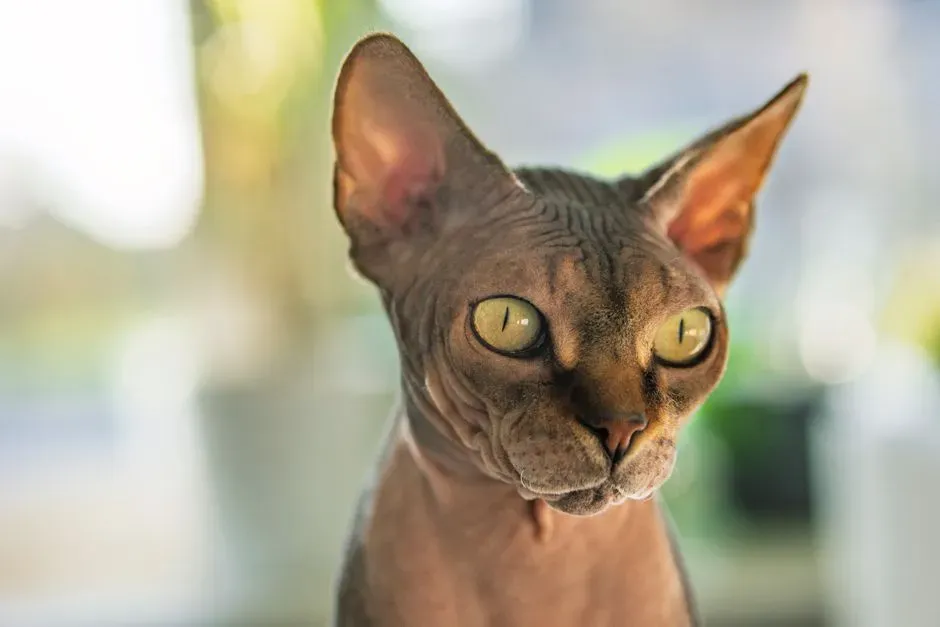
Hairless and striking, the Sphynx is often assumed to be a lap cat simply because it seeks warmth. In reality, its personality runs far more independent than that image suggests. Sphynx cats are intelligent but have a very independent streak that can make them aggressive, they do not want to be told what to do so training them is difficult, and their high energy level causes fights with other pets around them.
This isn’t a breed that thrives on being handled constantly by small, unpredictable hands. Sphynx cats are generally friendly toward strangers as long as the owner approves of their presence, but in an ideal situation they are left alone a lot because they do not interact well with other animals or children. That preference for solitude clashes directly with the constant physical attention kids tend to want to give a pet.
#5 Chausie
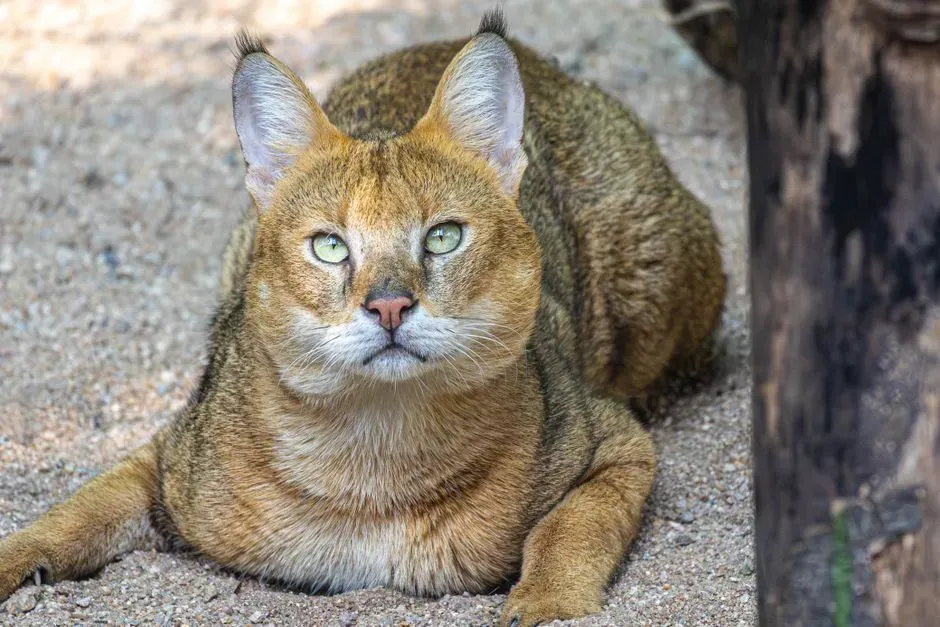
The Chausie is one of the more extreme entries on this list, and for good reason. The Chausie is a crossbreed of a domestic cat and the jungle cat, incredibly large and energetic, and without proper socialization, these cats may view small pets and even children as prey. That’s not a phrase to take lightly when there are toddlers or babies in the house.
Even well socialized Chausies demand a level of handling experience that many parents simply don’t have time for. Chausies are athletic, intense, and extremely territorial, they don’t adapt easily to new people or pets and require experienced owners who understand feline body language, and their aggression often comes from stress, overstimulation, or a lack of a clear social hierarchy in the household. A household full of kids, guests, and general noise is close to a worst case scenario for a cat that needs calm, structured routines.
#6 Savannah
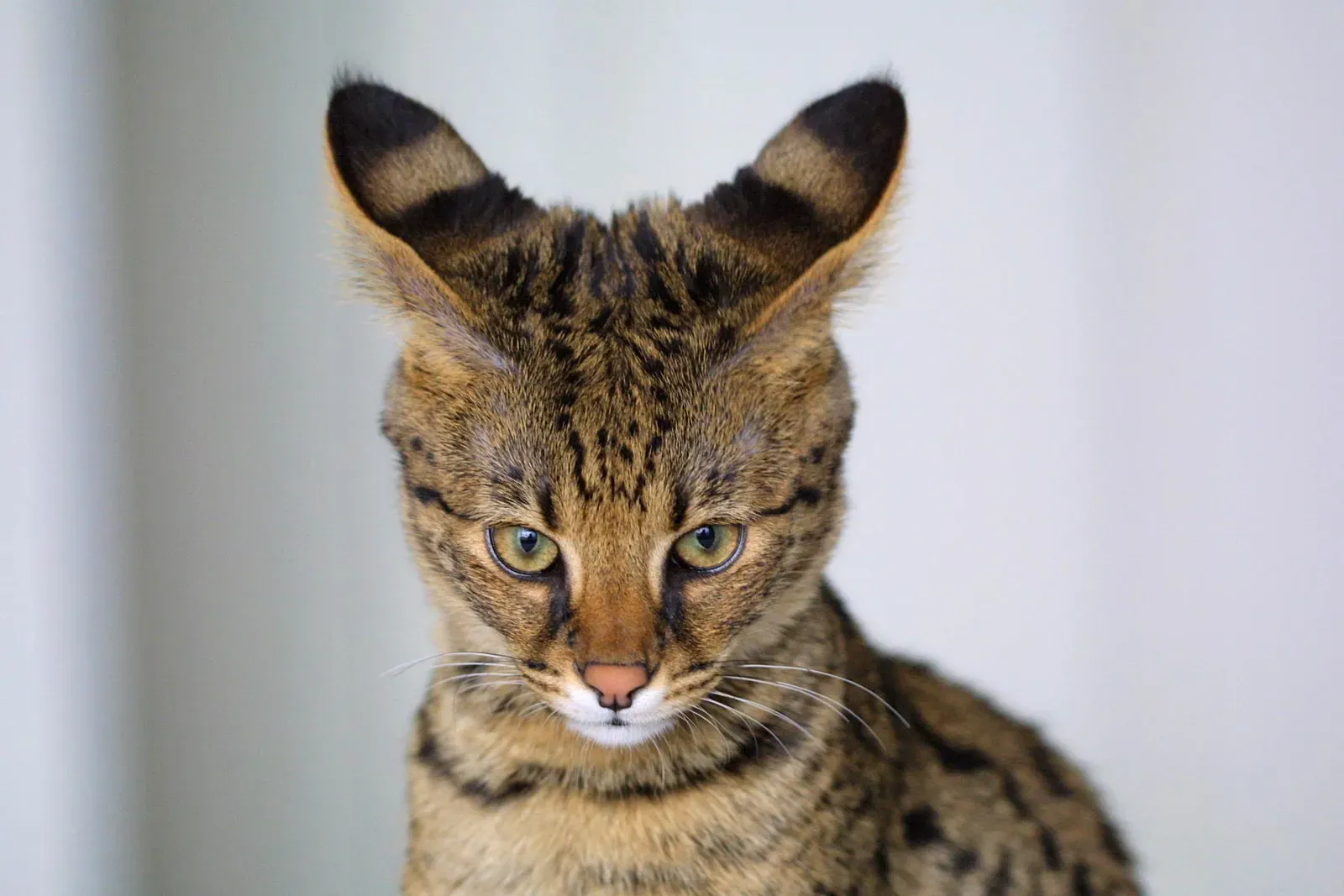
Part domestic cat, part African serval, the Savannah brings serious size, athleticism, and unpredictability into a home. It is not designed to be a passive couch companion. If you want a cat that loves to snuggle with you while you watch TV, Savannah is not the right breed for you, since this hybrid cat gets a lot of the traits of its serval ancestor.
Their energy needs are enormous, and unmet needs in this breed don’t just mean a bored cat, they mean a cat looking for an outlet. Combined with strong prey instincts inherited from wild ancestry, a Savannah in a home with small, fast moving children can turn play into something rougher than intended within seconds. This is a breed best suited to experienced owners without toddlers underfoot.
#7 Abyssinian
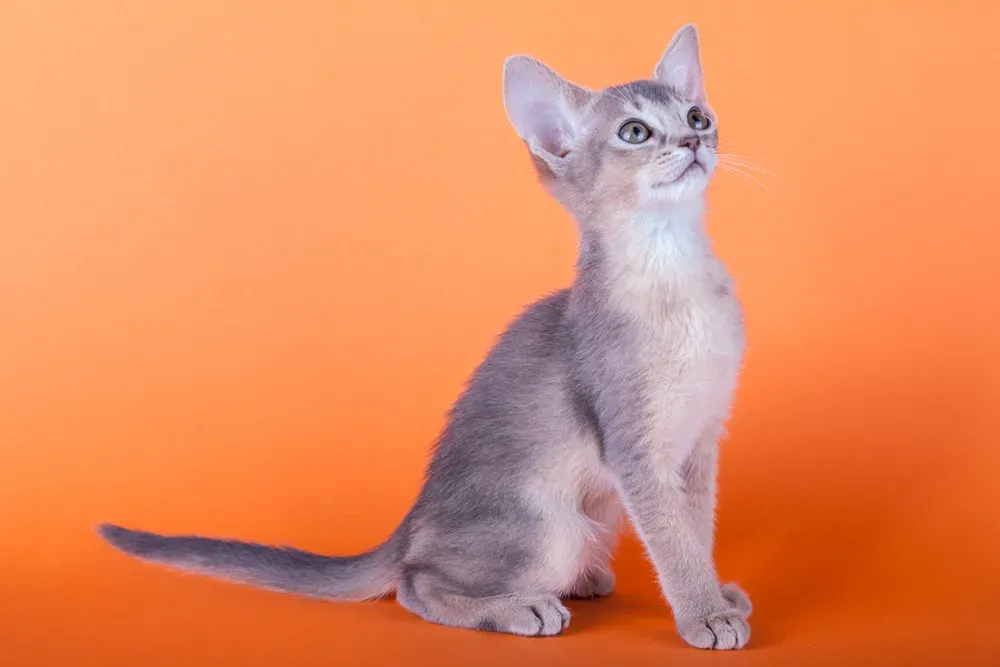
Abyssinians are often praised for their playful energy, and in the right setting that energy is a genuine asset. The trouble is that their need for control over interactions doesn’t always mesh with how kids handle pets. Abyssinians are playful and curious but can also be dominant, liking to be in control and not always getting along with other pets, and their high energy and independence mean they don’t tolerate being handled on others’ terms, preferring things on theirs, so without enough stimulation they may nip or swat as a form of frustration or protest.
That combination of high energy and a preference for autonomy means an Abyssinian in a busy household needs an outlet for its drive that doesn’t involve being scooped up mid stride by an excited child. Some of the cat breeds known to exhibit higher levels of aggression include the Sphynx, Abyssinian, and Siamese, breeds that are often more demanding of attention and can become aggressive if they do not receive the interaction they crave, with intelligence and energy levels that mean they require owners who can provide stimulating environments matching their high activity levels. Families short on time for that kind of structured engagement may find the mismatch frustrating for everyone involved.
#8 Scottish Fold
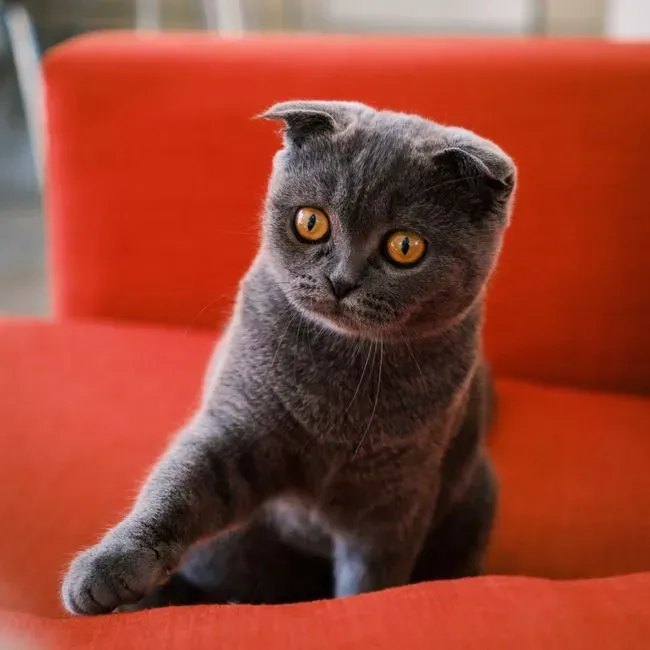
The Scottish Fold’s folded ears and rounded face give it an almost cartoonish charm, which is part of why it has become so popular in recent years. That cuteness can be misleading, though, since the breed’s temperament is more complicated than its looks suggest. Scottish Folds may look cute with their ears folded, but their moods can change quickly, and if someone gets too close to them or makes them feel unsafe, they might lash out, with aggression often showing up in homes with more than one pet where there is a lot of competition.
There’s also a physical factor at play that many families overlook. Scottish Folds often appear calm, but they can react defensively when uncomfortable, and many develop joint pain due to genetic cartilage issues, with pain increasing irritability and leading to swatting or biting when handled. For a cat that may already be dealing with discomfort, the enthusiastic squeezing and carrying that comes naturally to young children can turn an otherwise sweet pet defensive without warning.
Final thoughts
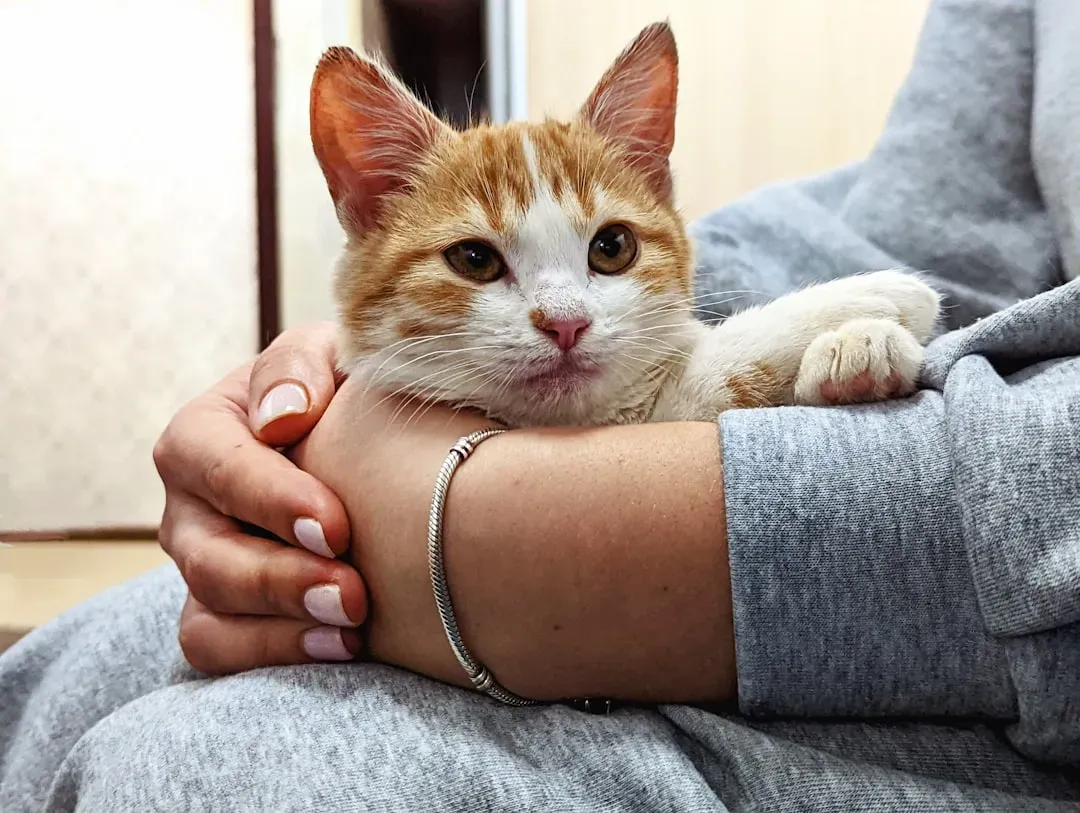
None of these breeds are villains, and it would be unfair to paint them that way. Every one of them has devoted owners who adore their intensity, independence, or wild ancestry precisely because those traits make life interesting. The real issue is fit, and fit matters more with cats than most people assume before they bring one home.
My honest take, after digging through how these breeds actually behave, is that families with young children are usually better served by cats bred for tolerance rather than intensity. A Bengal or a Chausie can be a wonderful companion for the right adult, but pairing high prey drive, low noise tolerance, or physical fragility with a toddler’s unpredictability is asking for trouble that nobody in the house signed up for. If a family has their heart set on one of these breeds anyway, meeting the individual cat first, asking breeders and shelters pointed questions about temperament, and committing to serious supervision aren’t optional extras. They’re the bare minimum for keeping both the kids and the cat safe and happy.
Kristina is a young writer from India. An arts graduate and an avid content creator, Kristina is passionate about animals and wildlife. She enjoys exploring topics related to pet care, animal behavior, conservation, and nature, combining thorough research with engaging storytelling.