You’ve probably heard that tigers are the ultimate lone wolves of the big cat world, gliding silently through forests and grasslands, avoiding others at all costs. That image is powerful, but it’s also incomplete. When you look more closely at what biologists have learned in the last couple of decades, you start to see that tiger life is less about pure isolation and more about a complicated, quiet social system that you can easily miss if you only look for obvious interaction. As you walk through what science now knows about tigers, you begin to realize that “solitary” does not mean “anti‑social” or “emotionless.” It means something more subtle: a lifestyle where contact is carefully managed, communication is mostly silent, and relationships are often spread out across miles of forest instead of a single visible group. Once you understand that, you start to see why the way you talk about, protect, and design habitats for tigers might need a serious update.
Why “Solitary” Does Not Mean “Socially Empty”

When you hear that tigers are solitary, it’s easy to picture an animal that simply does not care about others of its kind. But if you watch closely, you notice that a tiger’s whole life is actually shaped by the presence of other tigers, even when you can’t see them in the same frame. They space themselves out, avoid needless fights, and still manage to find mates and raise cubs in landscapes that can be extremely crowded with threats and competitors. In other words, you’re dealing with a predator that has chosen distance over constant physical contact, not one that has abandoned social structure altogether. Tigers communicate in ways that do not require them to stand nose to nose: scent marks, tracks, vocal calls, and timing their movements so they overlap with some tigers and avoid others. If you only look for direct group behavior, you’ll miss an entire hidden layer of their social world.
The Hidden Language of Scent, Scratches, and Roars
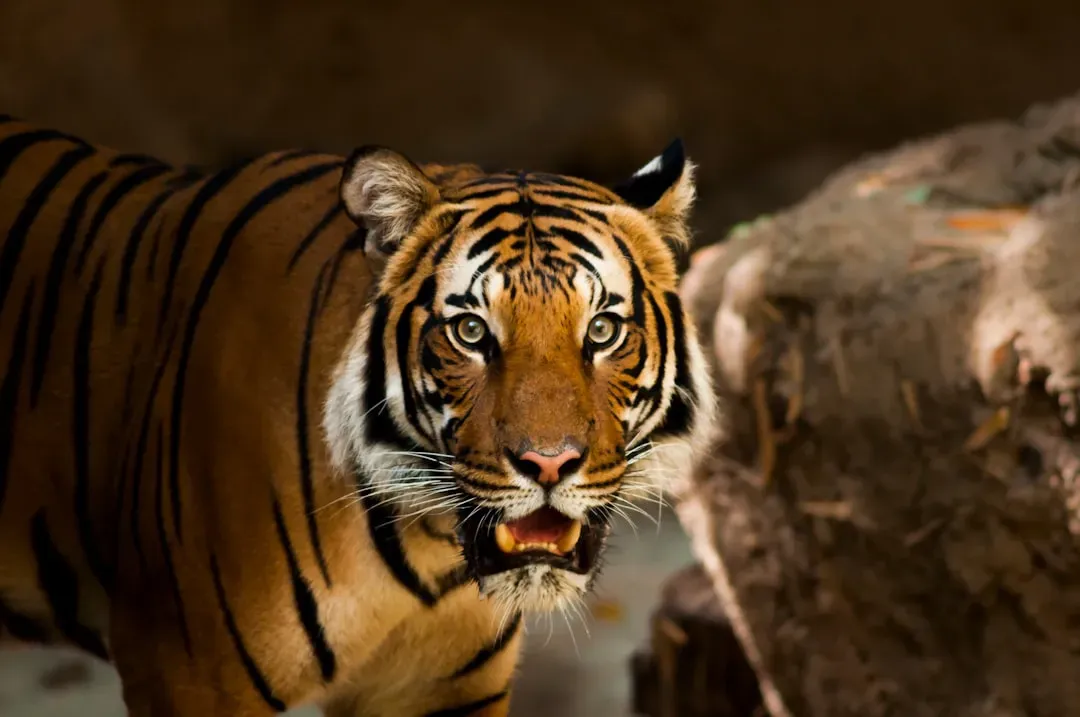
If you walked through tiger habitat, you might think it was empty, but the forest is full of messages you simply can’t read. A tiger leaves scent marks on trees, sprays urine on bushes, and scratches bark high above your head, not just to say “I was here,” but also “this is who I am, this is my sex, this is my status, and this is roughly when I passed through.” To another tiger, that trail of information can be as rich as a conversation thread on your phone. You also have the long, carrying roars that can travel over surprising distances, letting potential mates know where to find each other and warning rivals to keep their distance. Instead of gathering face to face, tigers hold a kind of long‑distance meeting through smell and sound, with every mark and call shaping where each individual chooses to walk, rest, and hunt next. When you view them this way, you’re not looking at a silent loner but at a quiet communicator using tools you rarely see.
Territories, Neighbors, and Invisible Boundaries

You might imagine a single tiger ruling a territory like a king with absolute control, but research paints a more layered picture. Typically, a male tiger’s territory overlaps with those of several females, while females defend smaller core areas that matter most for raising cubs and finding prey. These home ranges can shift with food availability, human pressure, and other tigers moving in or dying, so what looks “fixed” on a map is actually more like a slowly changing puzzle. Within that puzzle, you find rules that tigers seem to follow, even if nobody taught them. They often avoid direct conflict by moving at different times or keeping to different sections of overlapping space. Instead of fighting every possible rival, they appear to negotiate boundaries through scent marks and careful timing. You can think of it as living in the same apartment building but rarely running into each other in the hallway because everyone has quietly agreed on a schedule.
Mother Tigers and the Intense Social World of Cub Rearing
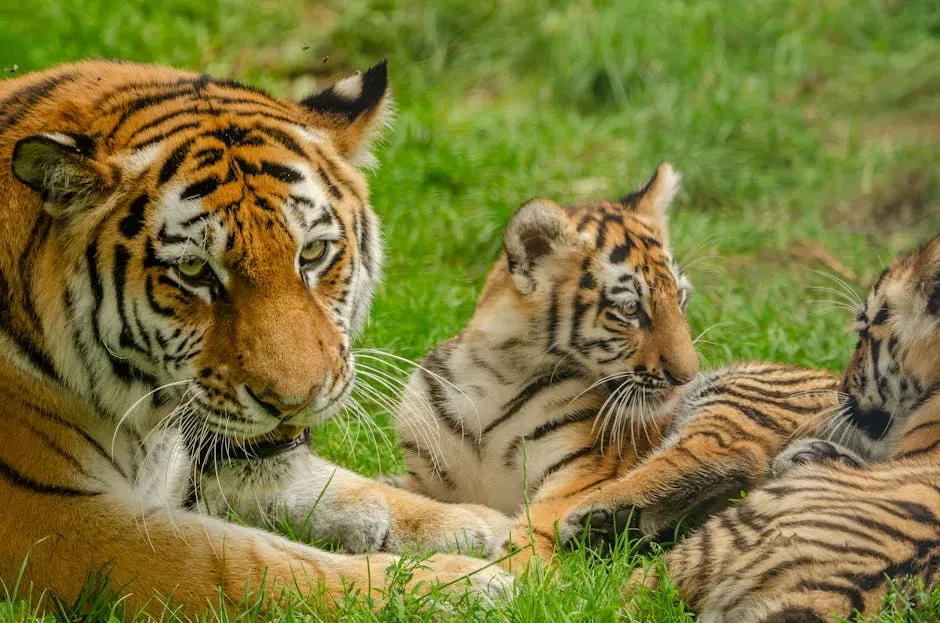
If you want to see tigers at their most obviously social, you need to look at mothers and cubs. A tigress spends nearly every waking moment of the early months caring for, nursing, and teaching her young, moving them between safe hiding spots and bringing back meat from kills they are too small to help hunt. In that small family unit, you see play, affection, discipline, and protection that would look familiar to you in many other mammals. What’s striking is how long this period can last. Cubs often stay with their mother for well over a year, sometimes close to two years, learning how to stalk, judge distance, and survive alone. During that time, the mother adjusts her hunting patterns and even her territorial movements to shield the cubs from threats, including other tigers. When those young finally disperse, they do not just walk into emptiness; they carry a kind of social memory of where it’s safer to go and who might be nearby.
Brief Alliances, Shared Meals, and Rare Group Moments
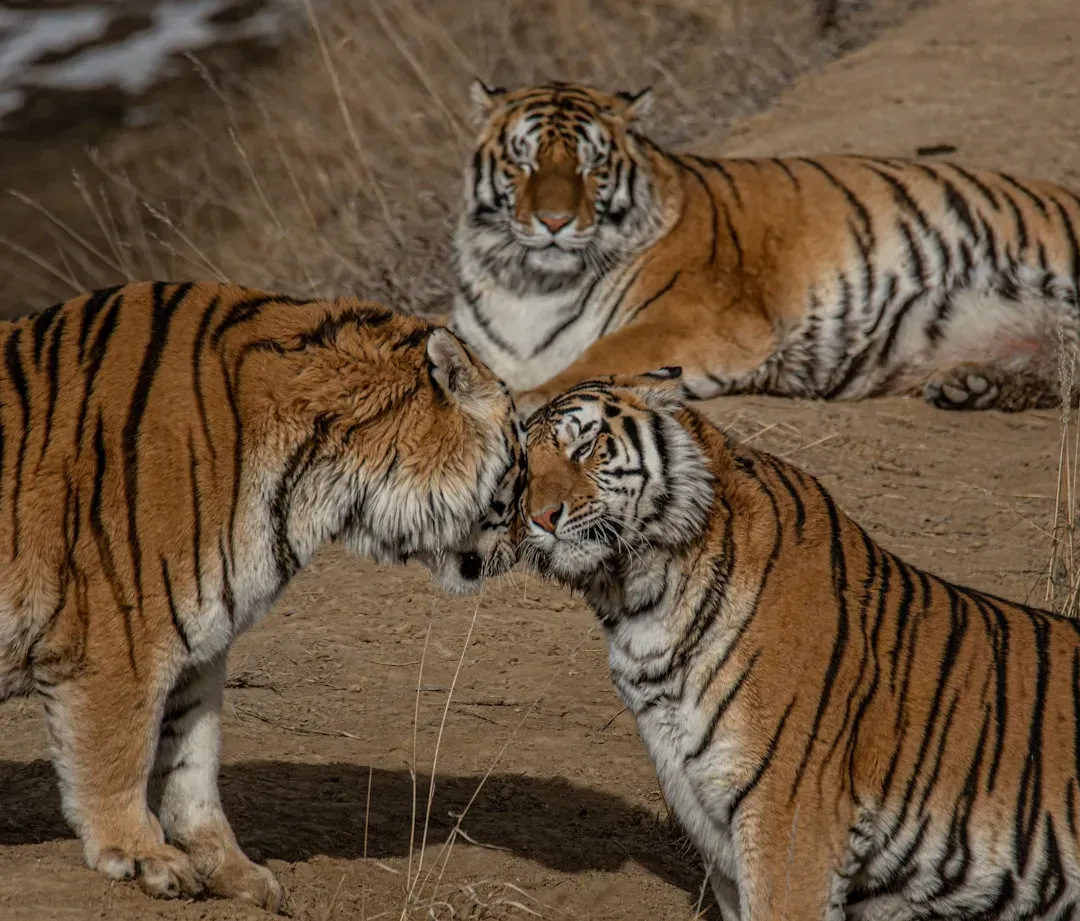
Every now and then, tigers flip the script and surprise you by tolerating each other around a large kill or during mating. You might see a male sharing food with a female and her cubs, or siblings lingering together for a while even after they’re technically old enough to leave. These moments are not the norm, but they show that tigers are capable of flexible behavior when the conditions are right and the benefits outweigh the risks. Some long‑term field studies have even documented areas where related females occupy neighboring territories generation after generation. That suggests a loose network of kin whose ranges touch and overlap in ways that cut down on the chance of deadly conflict. You are not looking at group living like you see in lions, but you are also not looking at complete emotional isolation. The truth sits awkwardly in between, in a space most people rarely think about.
How Captive Tigers Reveal Their Social Potential
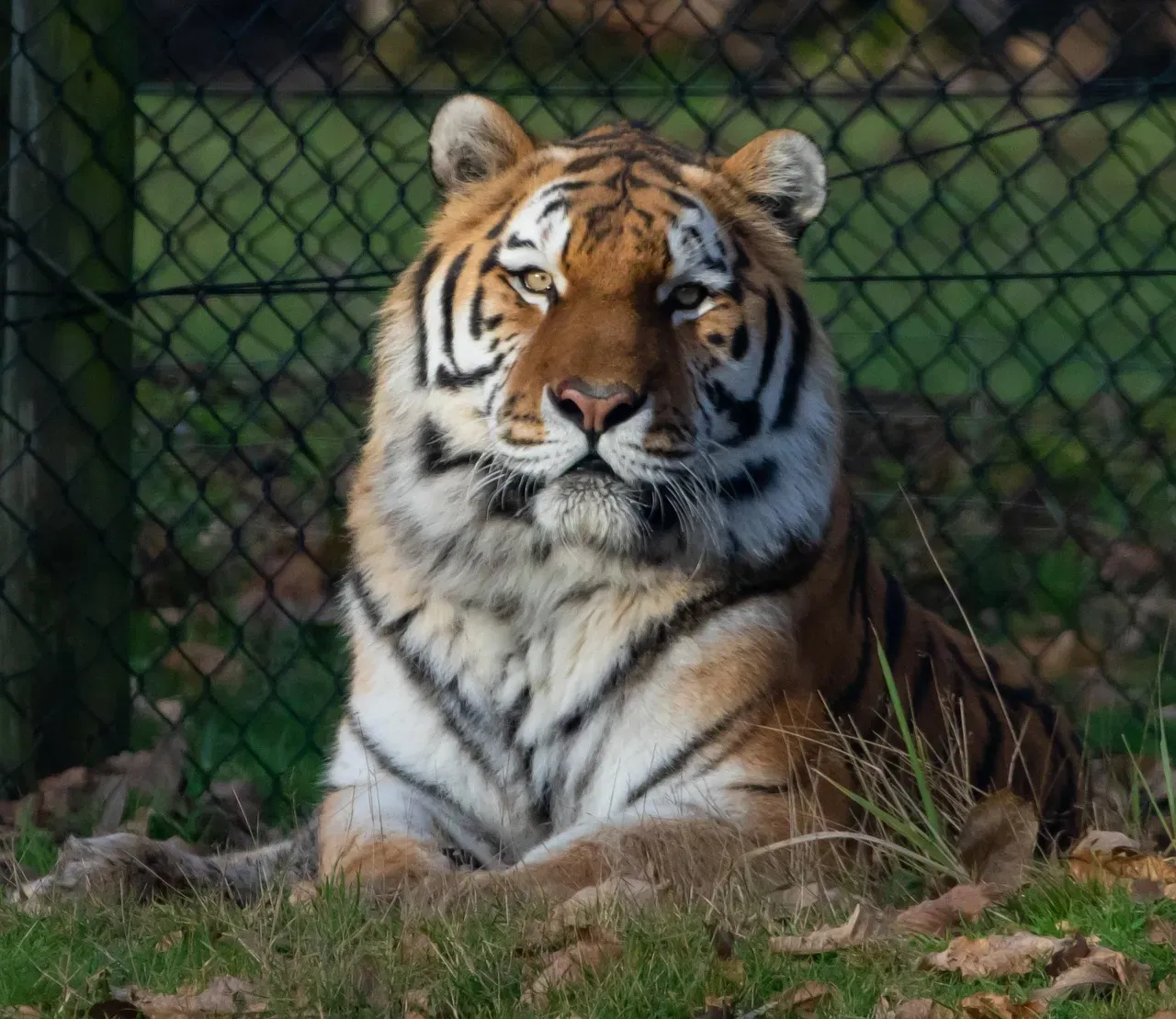
You see another side of tiger social flexibility in captivity, for better and for worse. In some well‑managed protected centers, keepers have documented tigers forming stable pair bonds or tolerating limited group housing when space, enrichment, and escape options are carefully designed. These setups show that tigers can cope with more social contact than their old stereotype would suggest, as long as they have ways to retreat and control their personal distance. On the flip side, when zoos, roadside attractions, or private owners cram tigers together in tight, barren spaces, you often get stress, aggression, and serious injuries. That is not proof that tigers are hopelessly anti‑social; it is evidence that you are forcing a naturally distance‑loving animal into an unnatural crowd. If you underestimate their need for personal space and fail to read their subtle signals, you end up mistaking human error for tiger nature.
Why Conservation Must Respect Both Space and Relationships
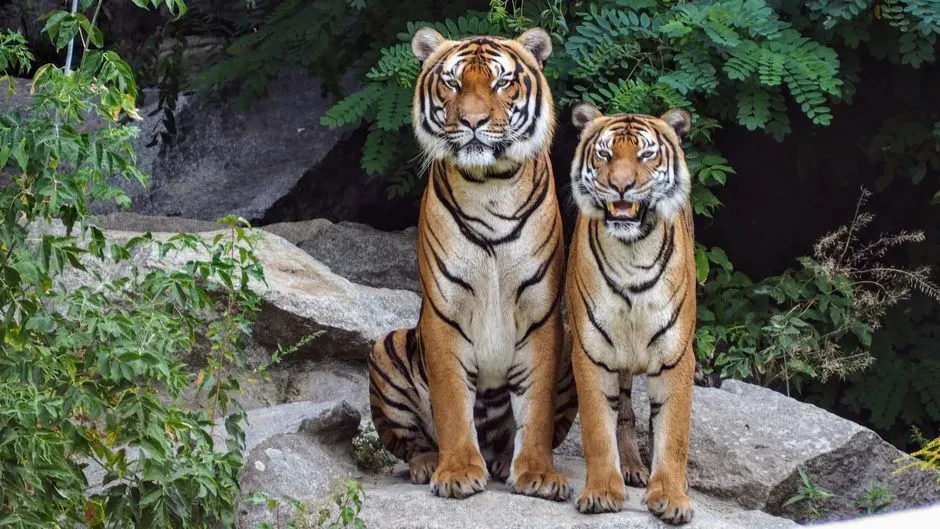
If you only see tigers as isolated units, you might think conservation is simply about counting individuals and adding more forest. But you also need to think about how those individuals interact, how they move, and how their territories line up. A corridor that allows a dispersing young tiger to reach a new area safely is not just a strip of trees; it is a lifeline that keeps genetic exchange, mating opportunities, and the entire quiet social network from breaking apart. At the same time, you have to remember that crowding too many tigers into small, broken habitats can trigger conflict and stress. When you protect large, connected spaces with enough prey, you are not just feeding solitary hunters; you are supporting a living map of territories, overlaps, and relationships that allows each tiger to find a place without constant violence. Seeing them as socially aware animals changes how you judge the quality, not just the quantity, of habitat.
Rethinking Human–Tiger Conflict Through a Social Lens
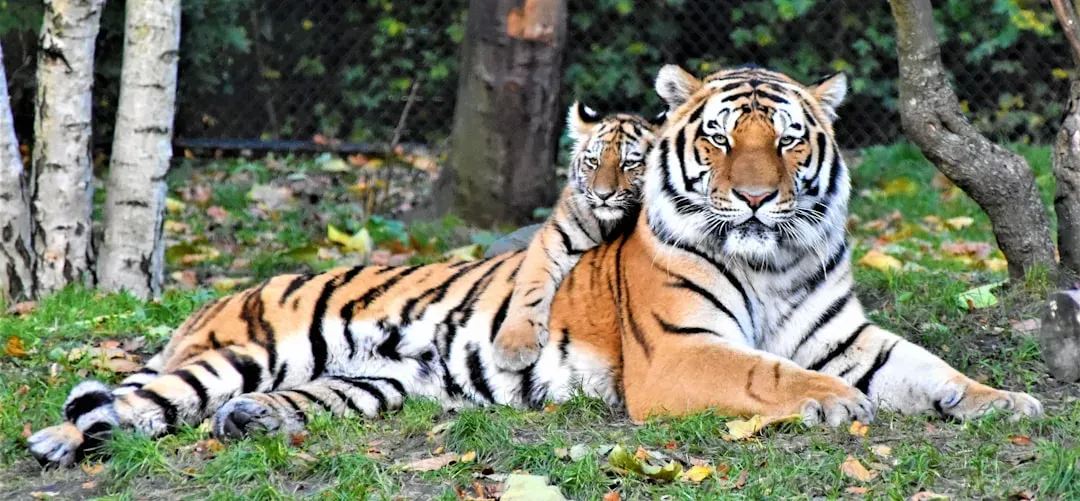
When you look at human–tiger conflicts, it’s tempting to frame problem animals as rogue loners that simply turned bad. A more social perspective tells you that many such cases grow out of disrupted territories, missing prey, or the vacuum left when a resident tiger is killed and a younger, less experienced animal moves in. That new tiger might explore closer to villages or livestock because it has not yet learned the invisible social and spatial rules of the area. If you treat each conflict in isolation, you miss how your actions reshuffle the entire social layout of a landscape. Removing or relocating one tiger affects neighbors, cubs, and potential dispersers that you may never see. By paying attention to how tigers share space, avoid each other, and communicate, you can design better responses: strengthening wild prey, securing livestock at peak risk hours, and targeting interventions in ways that respect the underlying social structure instead of smashing it.
What Tiger Social Awareness Teaches You About Respecting Wild Minds

In the end, tiger science nudges you to drop the lazy idea that animals are either social or solitary, friendly or fierce, like switching a light on or off. Tigers show you a third way: individuals who crave space yet depend deeply on others they may rarely touch. Their lives play out like overlapping circles on a map rather than tidy groups on a savanna, and once you see that, it becomes hard to go back to simple labels. You also get a quiet lesson in humility. For years, people treated tigers as emotionally distant killers, when in reality they move through a landscape dense with invisible conversations you’re only beginning to decode. If one of the most famously “solitary” animals turns out to have a rich, subtle social life, what else in the wild might be living a deeper story than its reputation suggests, and how ready are you to notice it?
Kristina is a young writer from India. An arts graduate and an avid content creator, Kristina is passionate about animals and wildlife. She enjoys exploring topics related to pet care, animal behavior, conservation, and nature, combining thorough research with engaging storytelling.