You probably know that feeling: there are several people in your home, but your cat has clearly picked a favorite. Maybe it is you, maybe it is the one person who did not even want a cat. It is tempting to assume it all comes down to whoever fills the food bowl most often, but animal science suggests the story is much more complex – and a lot more interesting for you as a cat guardian. When you start to look at how cats form social bonds, you see patterns that look surprisingly similar to how young children bond with caregivers, mixed with all the quirks that make cats so famously independent. As you read on, you will see that your cat’s “chosen person” status has less to do with the can opener and more to do with emotional safety, body language, smell, past experiences, and your ability to respect that tiny, furry bundle of boundaries on four legs.
You Are a Safe Base, Not Just a Walking Food Dispenser
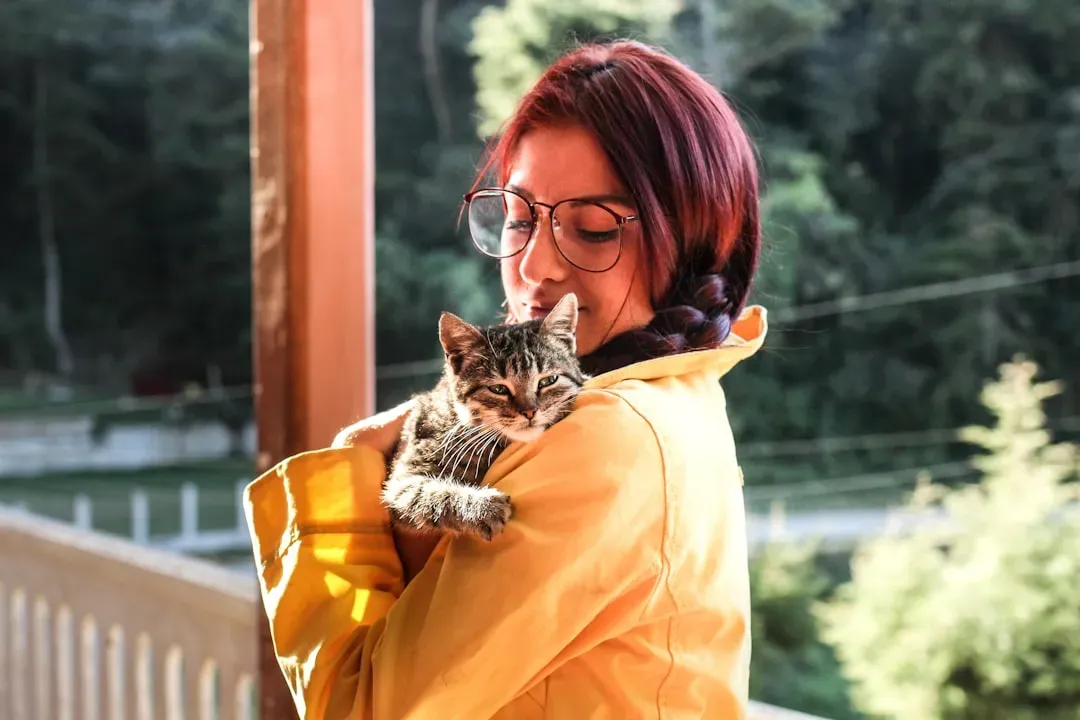
You might assume your cat only comes to you because you are the one topping up the bowl, but research on feline social behavior tells a different story. In controlled studies, many cats behave with their preferred humans in ways that resemble secure attachment in toddlers: they explore more confidently when you are nearby, check back in with you, and show visible stress when you leave. You are not just the provider of snacks; you are the predictable, calming anchor in a noisy, confusing world. Think about how your cat acts when something suddenly changes – guests arrive, a loud noise outside, furniture moves. If your cat tends to move closer to you, sit where it can see you, or even touch you lightly with a paw or lean against you, that is a strong sign you function as a safe base. The chosen person is often the one whose presence lowers the cat’s stress level, not only the one who buys the food.
Your Body Language May Be Whispering “I Get You” in Cat
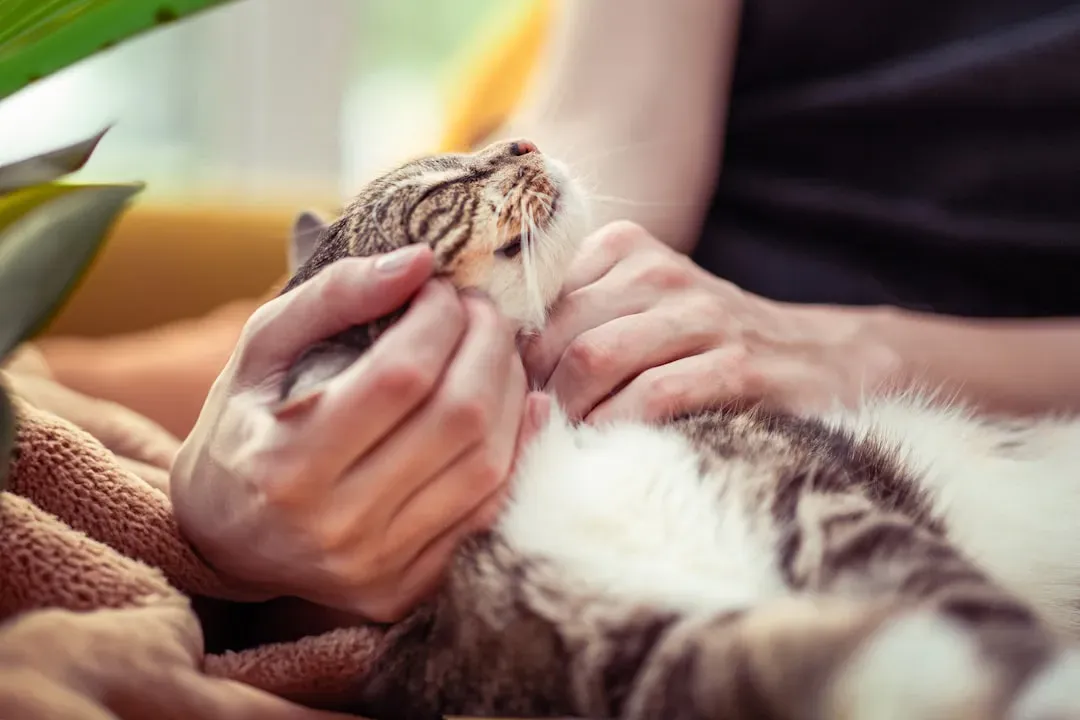
You might not realize it, but your posture, movements, and eye contact can make you either wonderfully approachable or totally overwhelming to a cat. Cats are experts at reading subtle cues: the angle of your shoulders, how fast you move through a room, whether you walk straight at them or curve your path slightly to the side. If you naturally move more calmly and avoid looming over them, your cat may decide you are the safest human in the house. Soft, slow blinks and relaxed shoulders tell your cat that you are not a threat. Holding out a hand but letting your cat come to you, rather than scooping it up, shows respect for its personal space. Over time, your cat may notice that you are the one who always moves in a way that feels predictable and non-threatening, and that is a huge reason it may choose you – even if someone else is the primary feeder.
Your Emotional State Affects How Your Cat Feels Around You
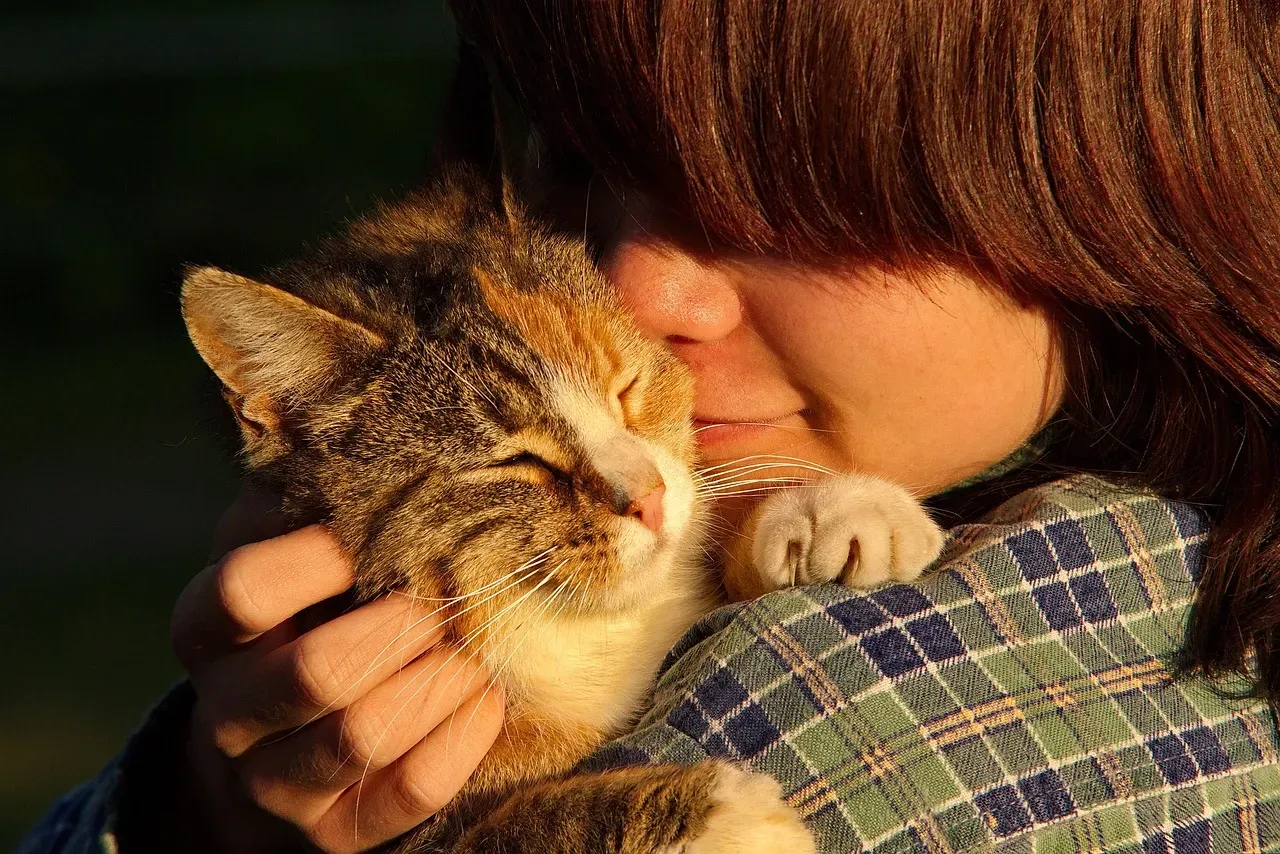
You have probably noticed that your cat sometimes appears right when you are upset, anxious, or tired, as if it is checking on you. There is growing evidence that cats can pick up on human emotional cues through tone of voice, facial expression, and body tension. If you tend to be more emotionally steady, or if you regulate your voice and movements even when you are stressed, your cat may find you more comforting than other people in your home. On the flip side, if someone else in the family is often loud, moves erratically, or expresses anger in ways that create sudden noise or fast movements, your cat may quietly decide that person is less safe. You might not feel especially “calm” in your own mind, but if you speak gently, move smoothly, and avoid venting through slamming doors or shouting, your cat experiences you as emotional shelter. That emotional safety can matter more to your cat’s choice than whoever opens the food bag.
Consistency and Routine Make You the Reliable One
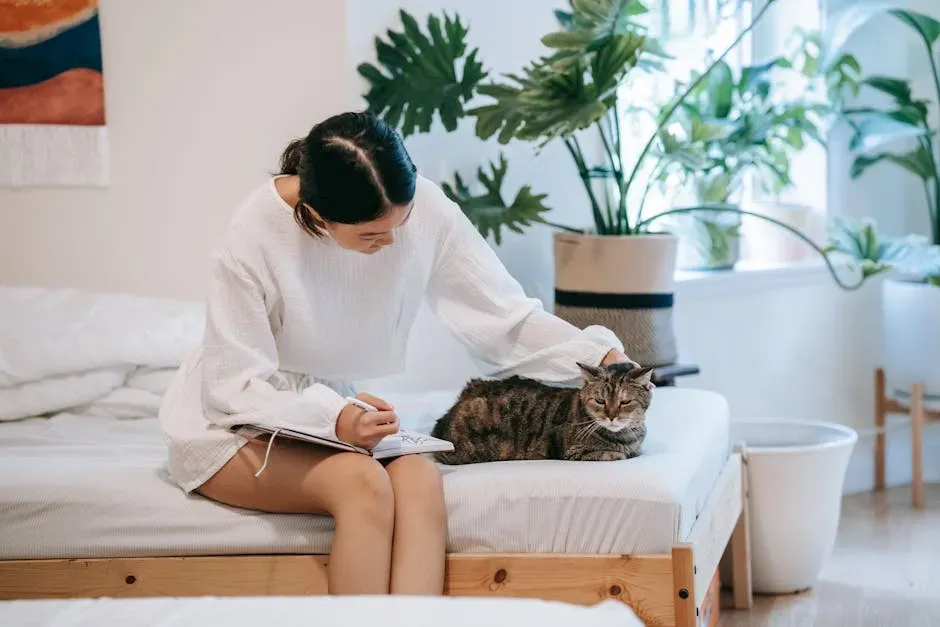
Cats are routine addicts. They feel safer when the world behaves in predictable patterns: meals at similar times, lights going off in the usual order, doors opening and closing in familiar ways. If you are the person who most consistently handles the daily rhythm – waking up at roughly the same time, working or relaxing in a predictable spot, following small rituals with your cat – your cat may bond more closely with you, even if someone else occasionally steps in to feed. When you greet your cat the same way each morning, play around the same time each evening, or always invite it to join you on the couch in a similar way, you become the stable center of its little universe. That reliability is especially powerful for anxious or previously traumatized cats. To them, your predictability is not boring; it is priceless. The cat is not just looking for food – it is looking for the human who makes tomorrow feel less scary.
Touch and Handling: You May Simply “Handle” Them Better
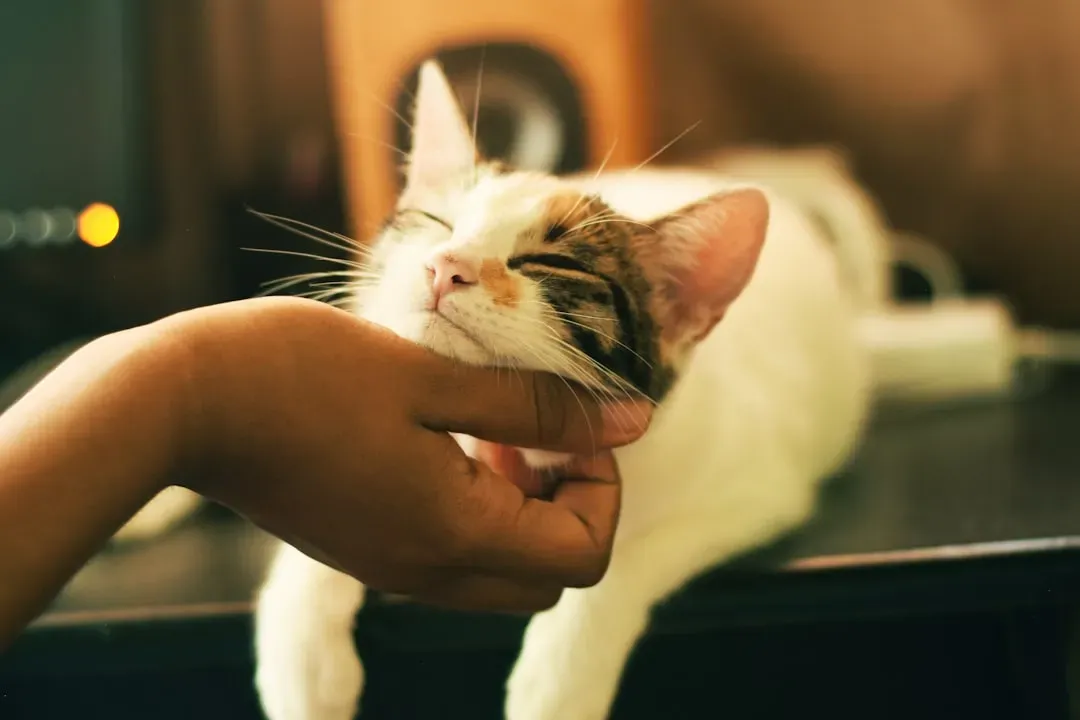
Not all touch feels good to a cat, even if it is given with love. Many cats prefer being petted around the head, cheeks, and shoulders rather than along the belly or tail base. If you are the one who naturally follows your cat’s cues – stopping when it stiffens, slowing down when it leans away, or avoiding sensitive spots – it learns that your hands are safe. Another family member might give more total petting time but ignore subtle signs that the cat has had enough. You also might be the person who never forces interactions. If you do not pick your cat up unless you have to, avoid hugging it tightly, and never chase it when it hides, you are showing deep respect for its boundaries. That kind of respect is rare in a cat’s world. From your cat’s point of view, the best person is not the one who touches it the most, but the one who listens when it says “no” with its body.
Early Experiences and Personality Shape Who They Gravitate Toward

Your cat’s history plays a big role in its current preferences. If your cat was socialized with people who resembled you in age, voice, or general manner – perhaps quieter adults or gentle teenagers – it may feel more at ease around you now. Conversely, if it had frightening experiences with, say, loud men or grabby children, it may be wary of family members who fit that rough pattern, even if those people are kind. The cat’s individual personality matters too. Some cats are bold and people-focused, others are cautious observers who need extra time. If your temperament lines up with your cat’s style – laid back with a laid-back cat, or playful with an energetic one – your relationship feels smoother for both of you. In that case, your cat’s choice is not personal rejection of anyone else; it is simply a naturally better fit, like two people who instantly click at a party.
Scent, Sound, and Tiny Sensory Details You Do Not Notice
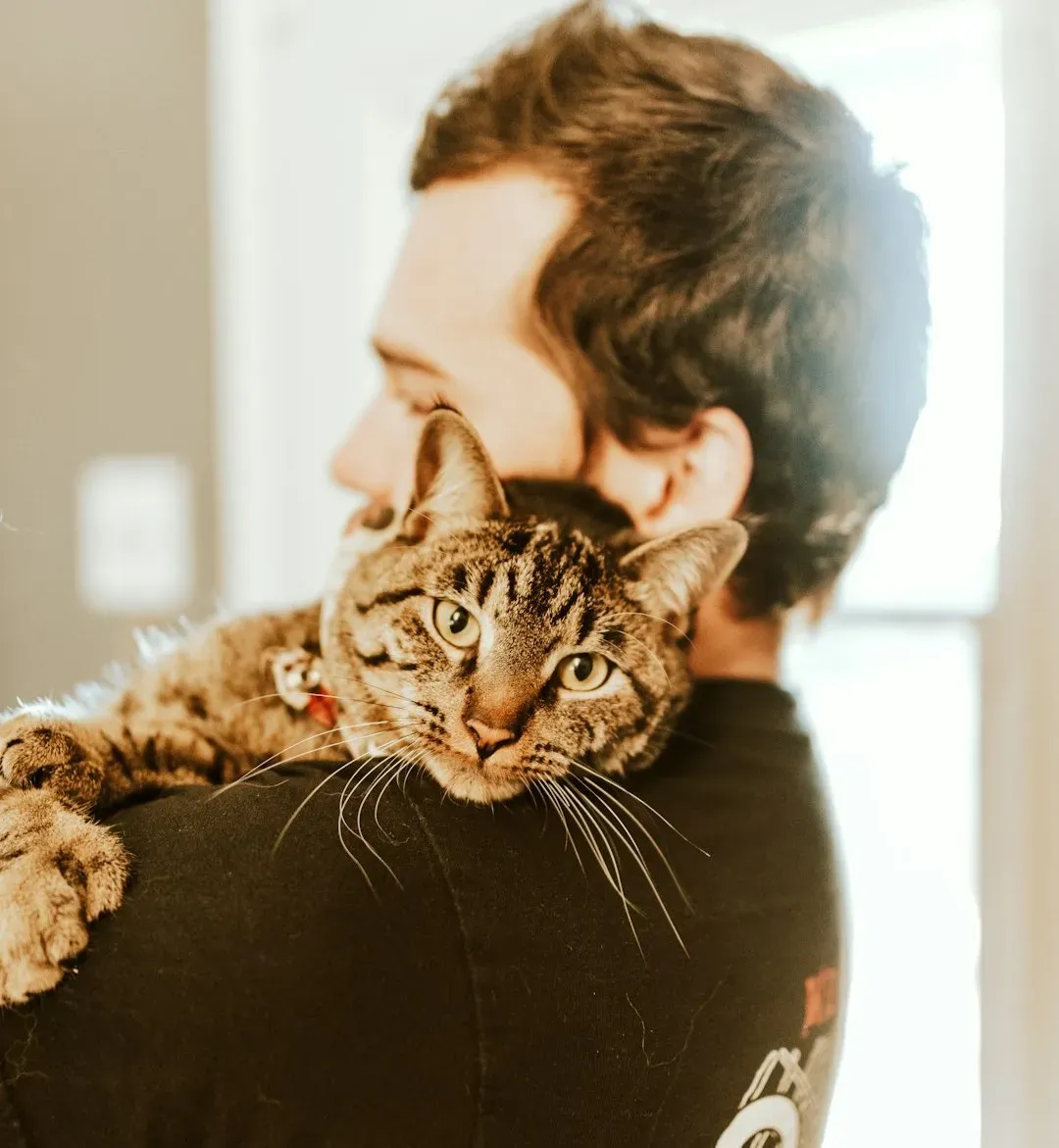
To your cat, you are a walking bundle of smells and sounds. Your shampoo, laundry detergent, skin chemistry, even what you eat all blend together into your unique “you” scent. If your scent is associated with comfort, warmth, naps, or gentle touch, your cat will seek it out the way you might gravitate toward a favorite blanket. Another person might smell sharper, wear stronger perfume, or handle cleaning chemicals more often, and the cat quietly categorizes that scent as less cozy. Your voice matters too. A softer, more melodic tone is usually easier for a cat to relax around. If you naturally speak in a gentler register, or if you tend to talk to your cat in a calm way, that repeated pattern gets stitched into its sense of security. Over time, your footsteps, your way of breathing when you sleep, even the sound of you typing or flipping pages can become part of a soundscape that tells your cat: this is my person, this is home.
How You Can Deepen the Bond, Even If You Are Not “The One”…Yet
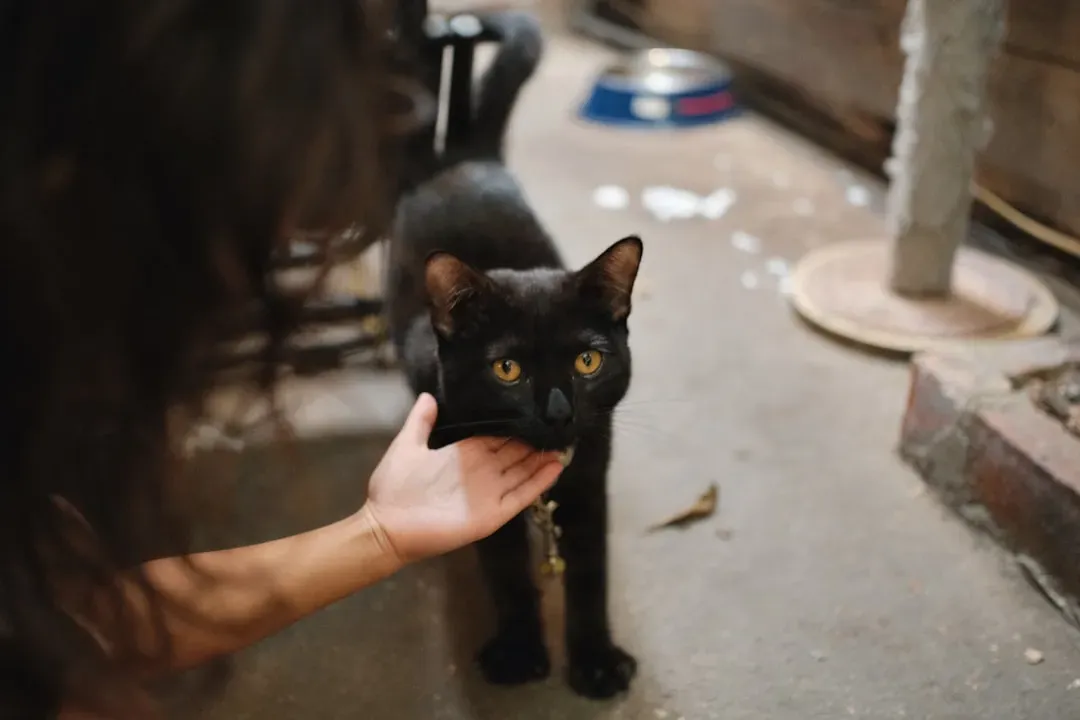
If you are not currently your cat’s chosen favorite, you are not stuck. You can gently shift the relationship by becoming a source of positive, predictable experiences. Short, daily play sessions using wands or interactive toys, followed by a few minutes of calm petting (only if your cat wants it), can change how your cat feels about you. Let the cat decide the pacing – invite it to interact, then reward every moment of engagement without pushing for more. You can also build trust by pairing your presence with small good things: quiet treats dropped nearby, cozy blankets that smell like you, soft words when you pass by instead of ignoring or startling your cat. Over weeks and months, those tiny investments add up. Even if your cat always has a primary favorite, it can still form a rich, satisfying bond with you. The goal is not competition; it is giving your cat a wider circle of humans it can genuinely trust.
Conclusion: Your Cat’s Choice Is About Trust, Not Just Treats
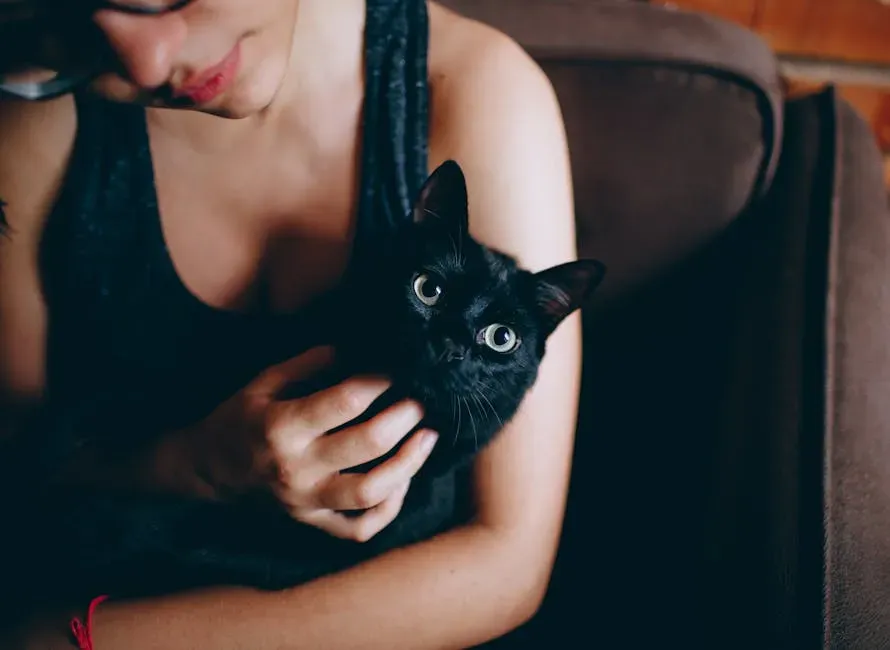
When your cat chooses you, it is rarely just because you are the one with the food. Underneath that choice is a layered mix of safety, routine, respectful touch, emotional stability, and a hundred quiet signals your cat has been reading and storing away. You become the chosen person when you consistently make your cat feel understood, not just full. If you pay attention, you start to see that your relationship with your cat is a living, responsive thing that changes every day you share a home. By moving a little more gently, respecting boundaries, and being emotionally predictable, you can become the human your cat leans on when the world feels too loud. Now that you know what really drives that choice, how will you show your cat you are more than just the one who fills the bowl?
Kristina is a young writer from India. An arts graduate and an avid content creator, Kristina is passionate about animals and wildlife. She enjoys exploring topics related to pet care, animal behavior, conservation, and nature, combining thorough research with engaging storytelling.