You know that heart-melting moment when your cat flops on the floor, rolls to the side, and exposes their fluffy belly like a soft, purring invitation? It feels like you just unlocked a secret level of your relationship. But then, the second you reach out to rub that irresistible tummy, you get claws, teeth, or a lightning-fast rabbit kick. It can leave you wondering if your cat is mixed up, moody, or secretly out to prank you.
In reality, that exposed belly is one of the most misunderstood cat signals. From an animal psychology perspective, you are usually looking at a sign of trust, comfort, and emotional safety, not a literal request for hands-on contact. When you start seeing that pose through your cat’s eyes instead of your own, their behavior suddenly makes a lot more sense – and your bond gets a whole lot smoother.
The Belly: A Vulnerable Zone with a Powerful Message
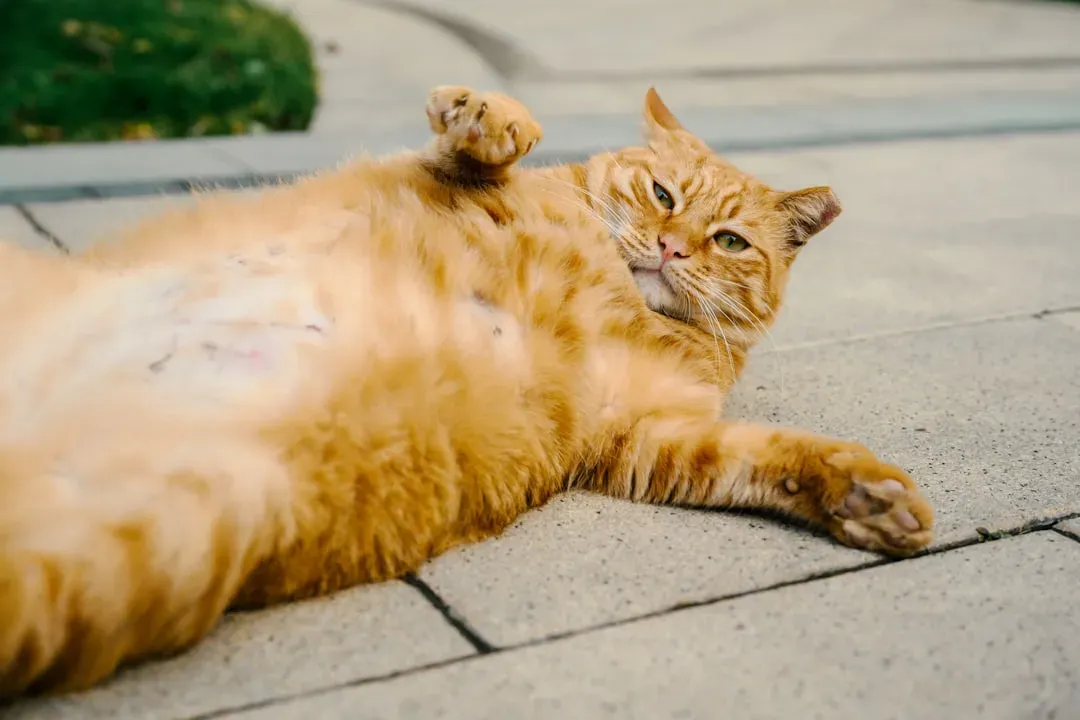
In the animal world, the belly is like a password-protected area. It covers vital organs; if a predator attacked there, it could be game over. So when your cat stretches out and exposes their belly around you, they’re doing something they would never casually do in a dangerous or unpredictable situation. They’re telling you that, in that moment, you feel safe to them.
That doesn’t automatically mean they want touch, though. Think of it more like your cat saying, “I trust you enough to relax completely here,” not “Please put your hand right there.” It’s a posture about emotional security, not a direct invitation. When you treat it as a trust display rather than a belly-rub coupon, you stop taking it personally if your cat swats when you reach in.
Why Your Cat Might Show Their Belly but Reject Your Hand
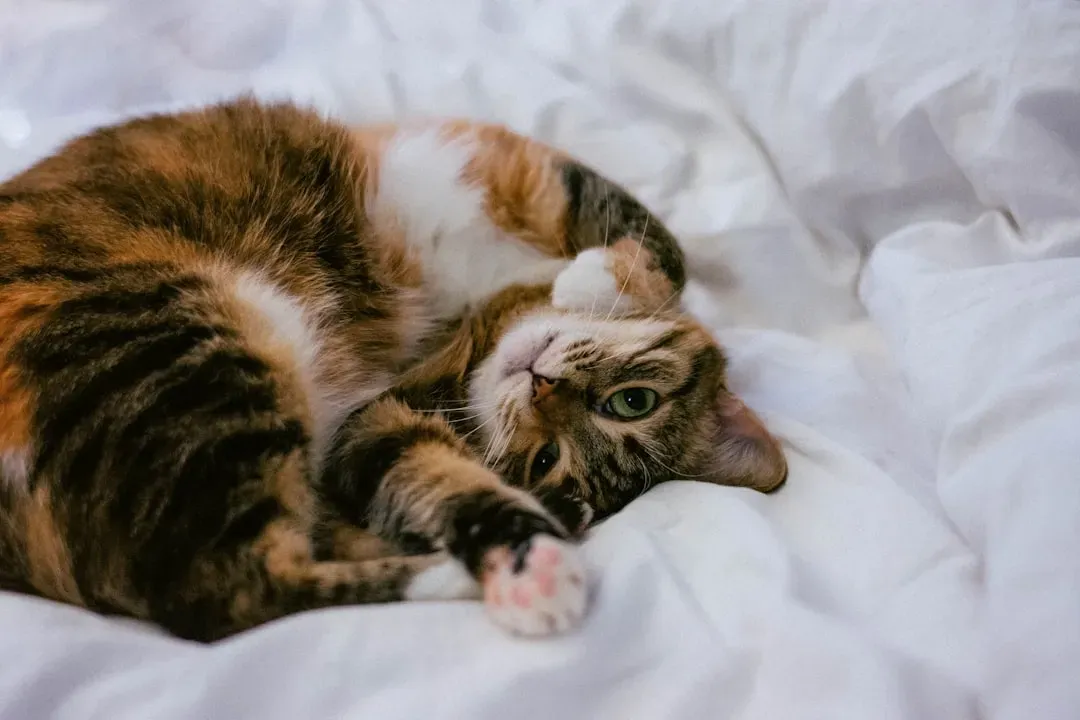
If you’ve ever gone in for a belly rub and gotten nailed, you’re not alone. From your point of view, it looks like your cat is offering a cuddly spot and then punishing you for accepting it. But from your cat’s perspective, you just poked one of the most sensitive, vulnerable parts of their body at a moment when they were peacefully off-guard. That can trigger a reflexive, defensive reaction, even if they adore you.
Some cats also turn belly exposure into a game. They roll, flash the belly, and then use that same position to grab, kick, and gently bite as part of play. You might misread this playful ambush as mixed signals, when your cat is actually just switching into hunt-and-wrestle mode. When you see the claws and teeth coming, it doesn’t mean you broke trust – it usually means you accidentally joined a wrestling match.
Reading the Rest of the Body: Context Is Everything
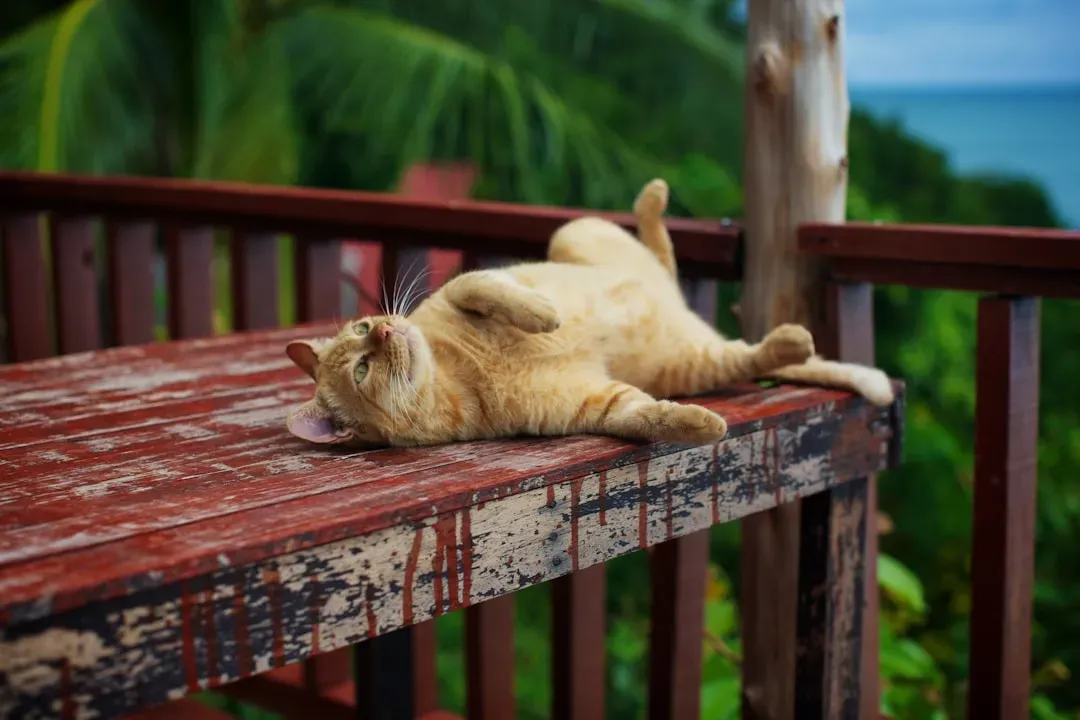
To really know what your cat is saying when they show you their belly, you have to zoom out and read the whole body, not just the pose. If their eyes are soft or half-closed, whiskers are relaxed, tail is still or gently swishing, and their muscles look loose, you’re seeing a sign of deep relaxation and trust. You might even hear a slow purr or see slow blinks that add to the message that they feel safe around you.
On the other hand, if your cat is on their back with pupils wide, tail flicking sharply, ears slightly turned back, or body a bit tense, that belly display is very different. It can be a defensive position, where they’re ready to use all four paws and their teeth if needed. In that case, the belly is more like a trap-line than a doormat: they’re prepared to grab and kick, not cuddle. Once you get used to checking those small details, you’ll make far fewer “wrong moves.”
How to Respond When Your Cat Shows You Their Belly
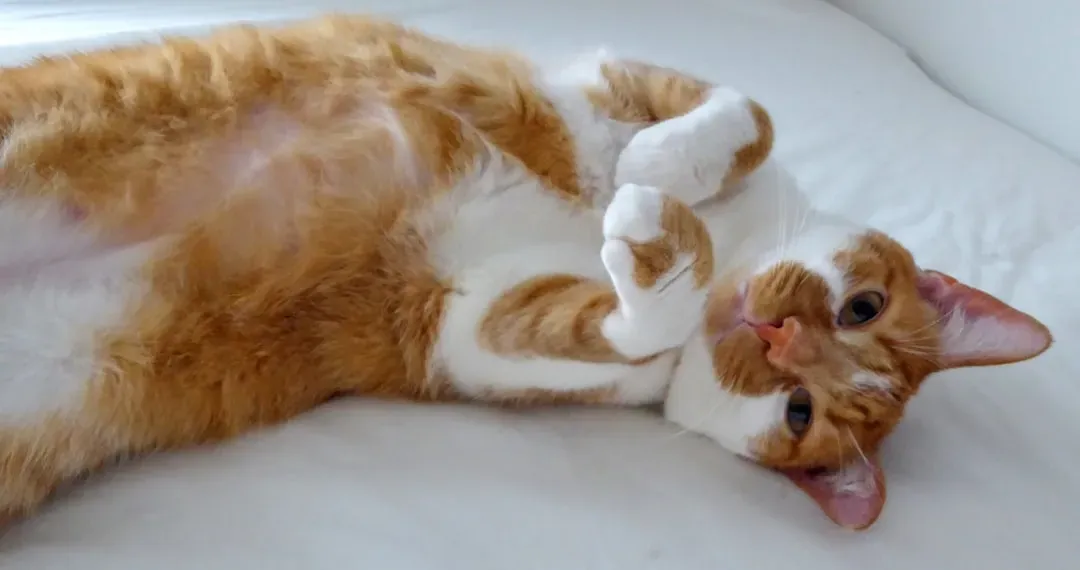
When your cat rolls over and exposes their tummy, the best first move is actually no move. You can talk to them softly, blink slowly, or offer a finger near their head for a cheek or chin rub rather than diving in mid-belly. If they lean into those safer touches, you know you’re on the right track without crossing their boundary too fast.
If you really want to know whether belly touch is on the table, you can test gently and briefly. Try lightly moving your hand near, not on, the belly and watch their reaction. If they tense, stop purring, grab your hand, or start kicking, that’s a clear “no thanks.” If they stay relaxed and maybe even lightly nudge your hand, you might have permission for a second or two of very gentle strokes – then pause again to see if they still seem comfortable.
Building Deeper Trust So Your Cat Feels Safe Around You
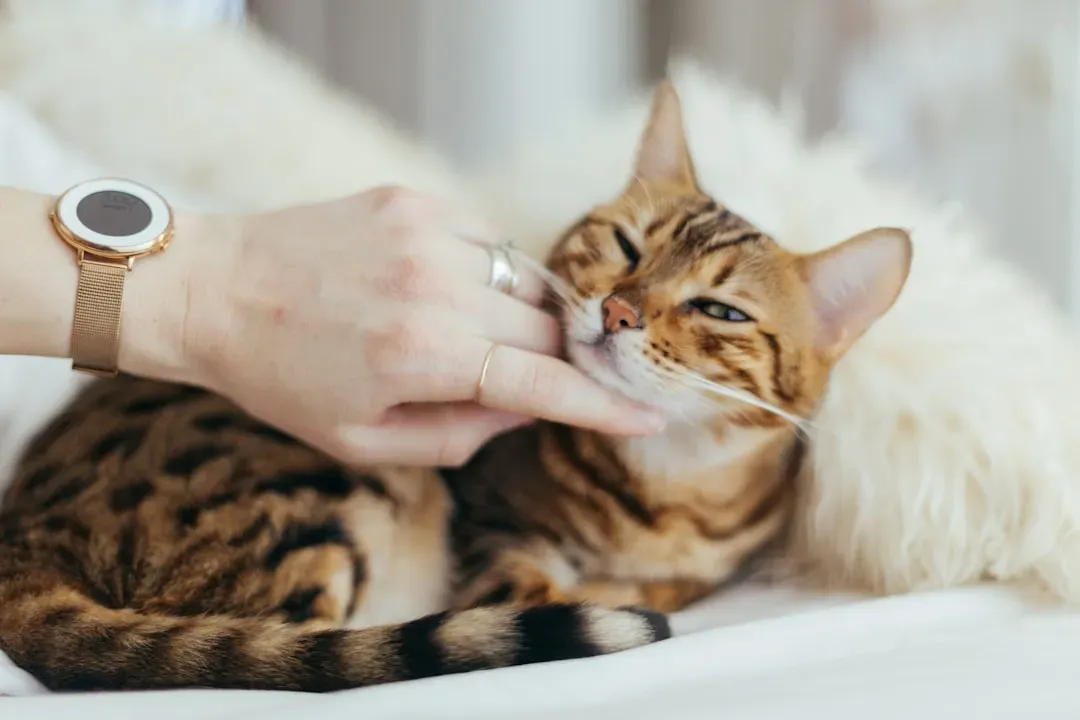
The more predictable and respectful you are, the more often your cat will feel safe enough to show you their vulnerable side. When you let them choose when and how they’re touched, you teach them that you notice their comfort zone instead of forcing your own agenda. Over time, this makes them more likely to relax near you, sleep in the open, and even seek out your lap or your bed for naps.
You build that trust through consistency: feeding them on a routine, playing daily, using gentle handling, and giving them escape routes like high perches and cozy hideouts. When your cat knows you won’t chase, grab, or push touch when they’re not in the mood, they stop bracing for it. That emotional safety often matters more than any single cuddle session and leads to those magical moments when they choose you as their safe place.
Individual Personalities: Some Cats Love Belly Rubs, Others Never Will
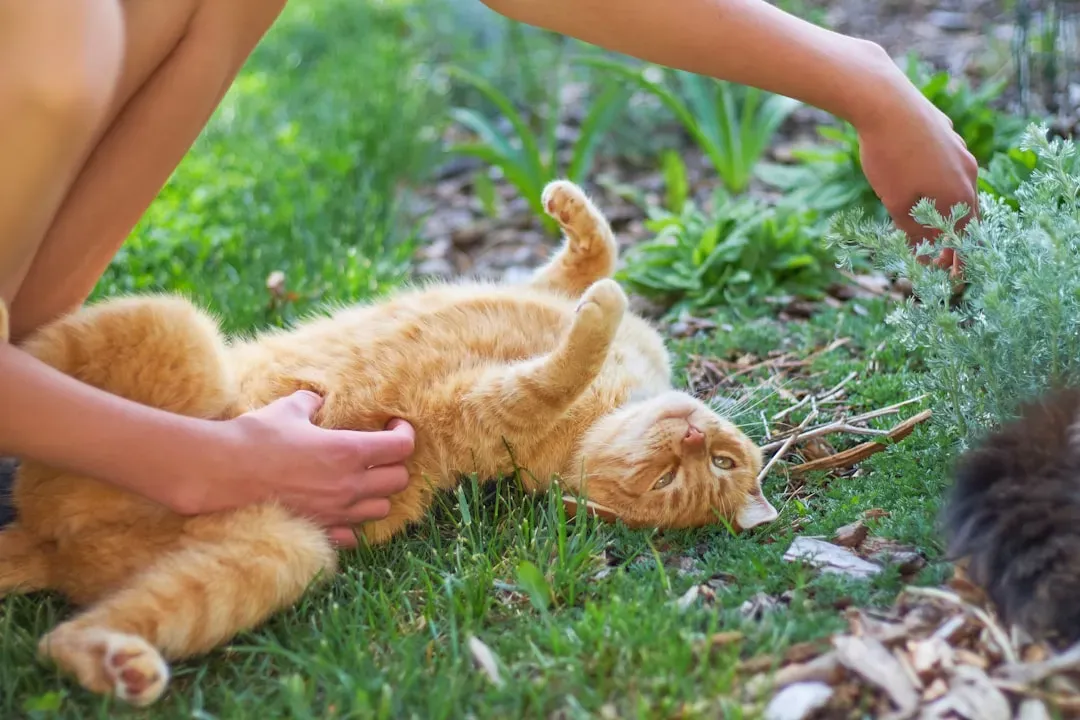
Just like some people love back scratches and others hate being touched, cats have individual preferences. You might have one cat who sprawls on their back and begs for full-on belly massages, and another who will never, ever enjoy it. Past experiences, temperament, and even genetics can all shape how sensitive and touch-tolerant a particular cat is, especially around the stomach.
Your job is to treat your cat as an individual instead of comparing them to other cats you know or see online. The more you pay attention to their unique quirks – where they like to be petted, how long they enjoy touch, and what instantly annoys them – the smoother your relationship becomes. When you adapt to them rather than expecting them to adapt to your favorite way of cuddling, they feel more understood and less on edge.
Signs Your Cat Actually Wants Petting (Belly or Otherwise)
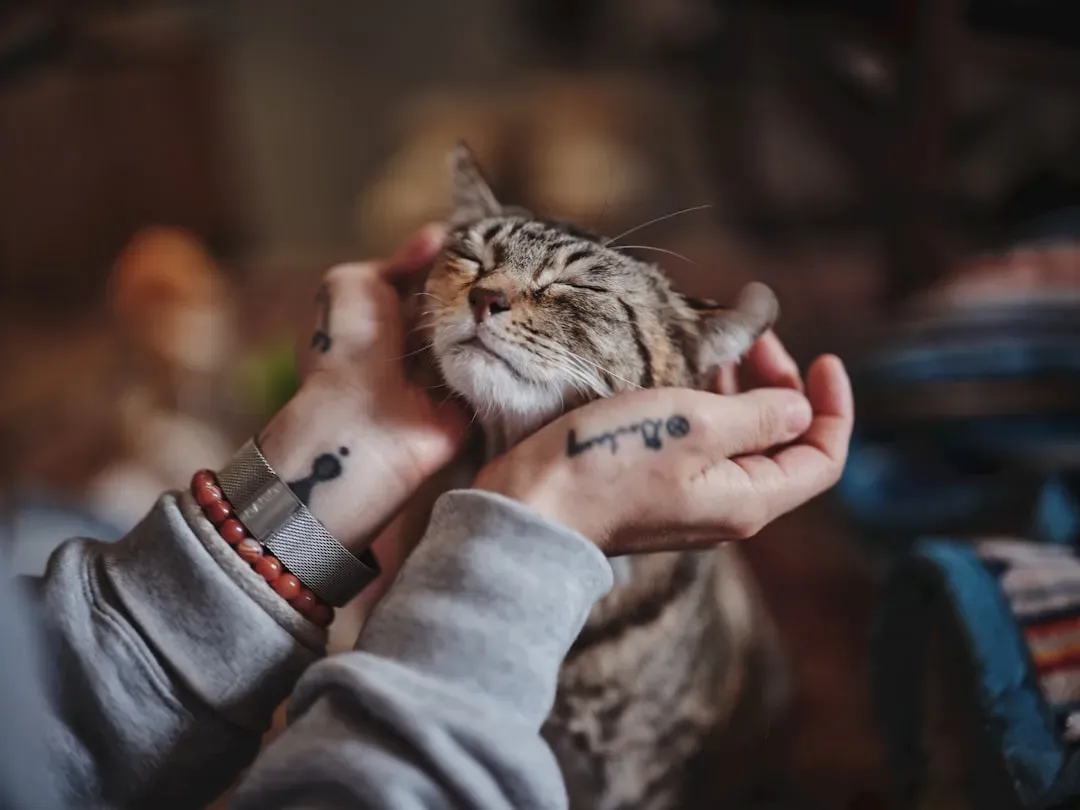
When your cat truly wants contact, they rarely leave you guessing. They usually move toward you instead of freezing, bump their head into your hand, rub against your legs, or lean into your touch when you start. They might purr, knead with their paws, or follow your hand for more instead of turning away or walking off. Those are all your green lights.
With the belly specifically, a cat who genuinely enjoys tummy rubs often looks loose and wiggly, maybe even stretching into your hand instead of trying to hold or kick it. If they grab your hand gently but don’t claw or bite, and their body stays relaxed, that can still be playful affection rather than a warning. As soon as you see stiffening, tail lashing, or the purr stopping, pull back – you’re crossing from “this feels good” into “this is too much.”
Preventing Overstimulation and Avoiding Scratches
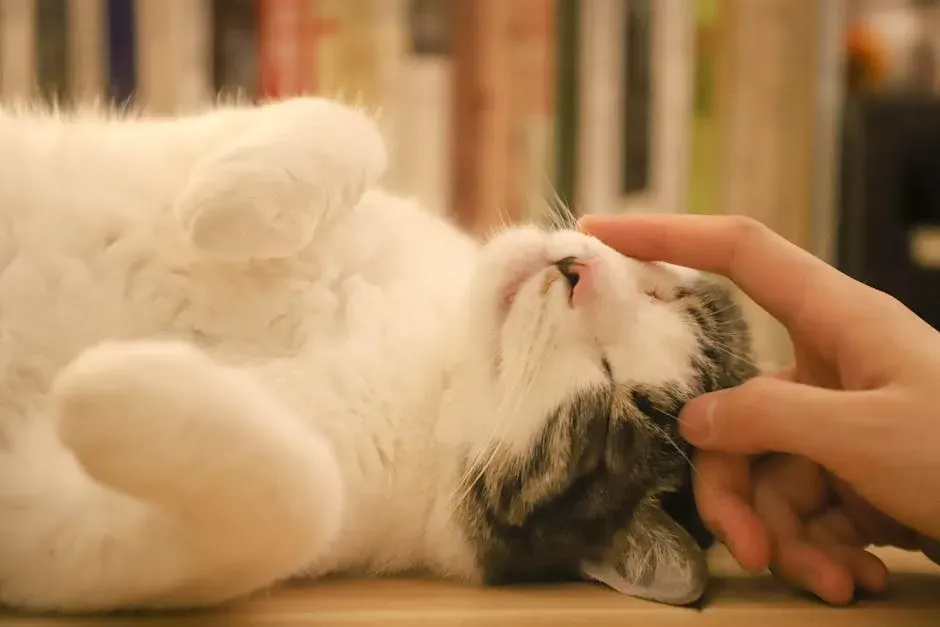
Even friendly cats have a touch limit, and the belly is one of the fastest routes to overstimulation. Nerves there are highly sensitive; what feels like a pleasant, soothing stroke for one second can feel like too intense a sensation the next. Your cat’s reaction might look sudden, but their body was probably giving you smaller early signs that you missed, like a twitching tail tip or subtle muscle tension.
To avoid scratches, keep belly contact – if your cat allows it at all – short, gentle, and optional. Focus most of your petting on safer zones like cheeks, under the chin, the base of the ears, or along the shoulders. Think of it like knowing when to stop tickling a friend who is laughing but also clearly about to shove you away; if you quit while your cat is still enjoying it, you protect the good feeling instead of turning it into annoyance.
Turning Belly Moments into Connection, Not Conflict
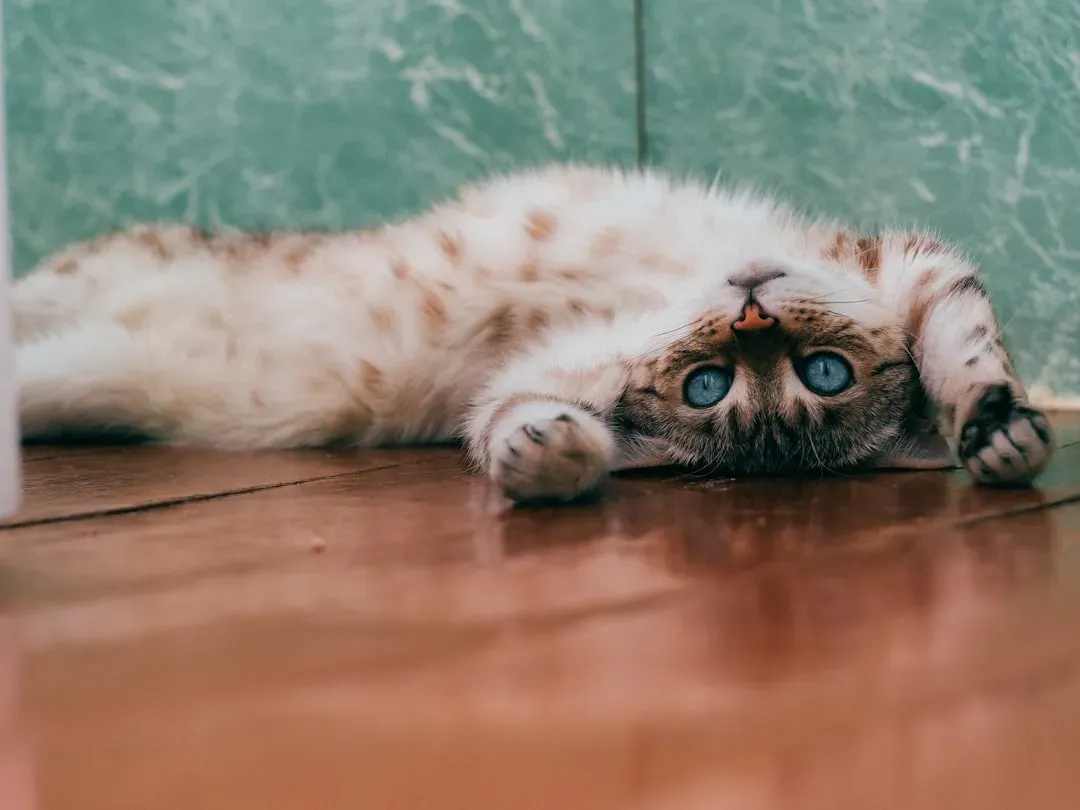
When you stop treating every exposed belly as a petting challenge you have to “win,” you turn those moments into quiet victories for trust and understanding. You can sit nearby, talk softly, maybe gently stroke their head, and simply enjoy the fact that your cat feels safe enough to let their guard down around you. That alone is a big compliment from an animal that is wired to hide vulnerability.
Over time, noticing and respecting what your cat’s body language is really saying creates a calmer, more cooperative relationship. You get fewer scratches, less confusion, and more of those slow-blink, soft-belly afternoons where your cat naps peacefully within arm’s reach. In the end, the real reward isn’t sneaking in a belly rub – it’s knowing your cat trusts you enough to fall completely, gloriously, defenselessly asleep at your side.
Conclusion: Trust the Message, Not Just the Fluff
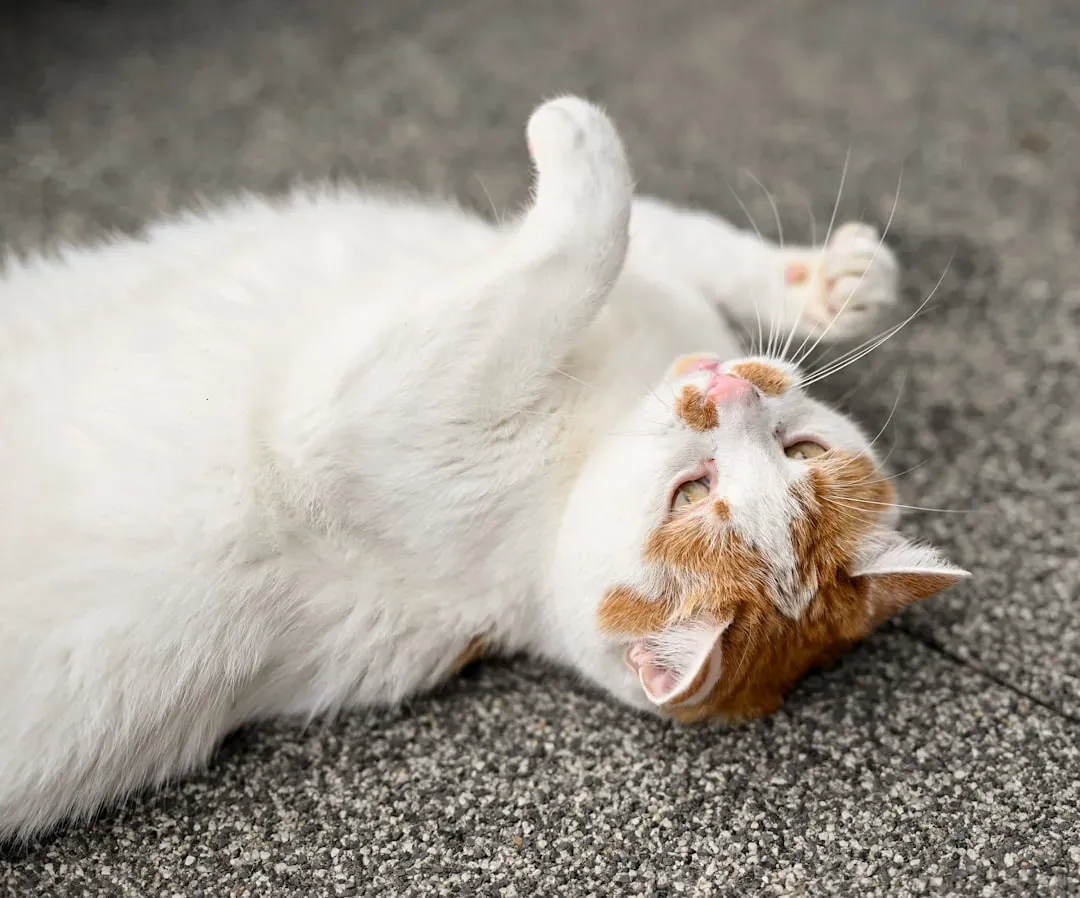
When your cat shows you their belly, you’re not just looking at fur – you’re looking at trust, vulnerability, and a glimpse into how safe they feel with you. Animal psychology suggests that this pose is more about emotional comfort than a direct request for contact, and once you accept that, your expectations become a lot more realistic. You stop feeling rejected when a belly rub goes wrong and start feeling honored that your cat chose to relax so fully in your presence.
If you meet that trust with respect – reading their signals, letting them lead touch, and honoring their limits – you’ll build a deeper, more peaceful bond that lasts far beyond any single cuddle session. The next time your cat rolls over and flashes that tempting tummy, you might smile, stay where you are, and simply appreciate the moment for what it is: a quiet, powerful “I feel safe with you.” Knowing that, do you really need to touch it to know how much that matters?
Kristina is a young writer from India. An arts graduate and an avid content creator, Kristina is passionate about animals and wildlife. She enjoys exploring topics related to pet care, animal behavior, conservation, and nature, combining thorough research with engaging storytelling.