You close the bathroom door, and within seconds, there it is: a soft thump, a tiny meow, paws under the gap like a horror movie with whiskers. If you live with a cat, this scene probably plays out multiple times a day. It feels oddly personal, like your cat has chosen this exact moment to test the limits of your privacy.
But there’s actually a lot going on in that little furry head. When you look at it through the lens of cat behavior, territory, bonding, and routine, the bathroom becomes more than a tiled room with running water. It turns into one of the most fascinating social stages in your cat’s world – especially because you keep closing the door.
Your Cat Hates Closed Doors More Than You Realize
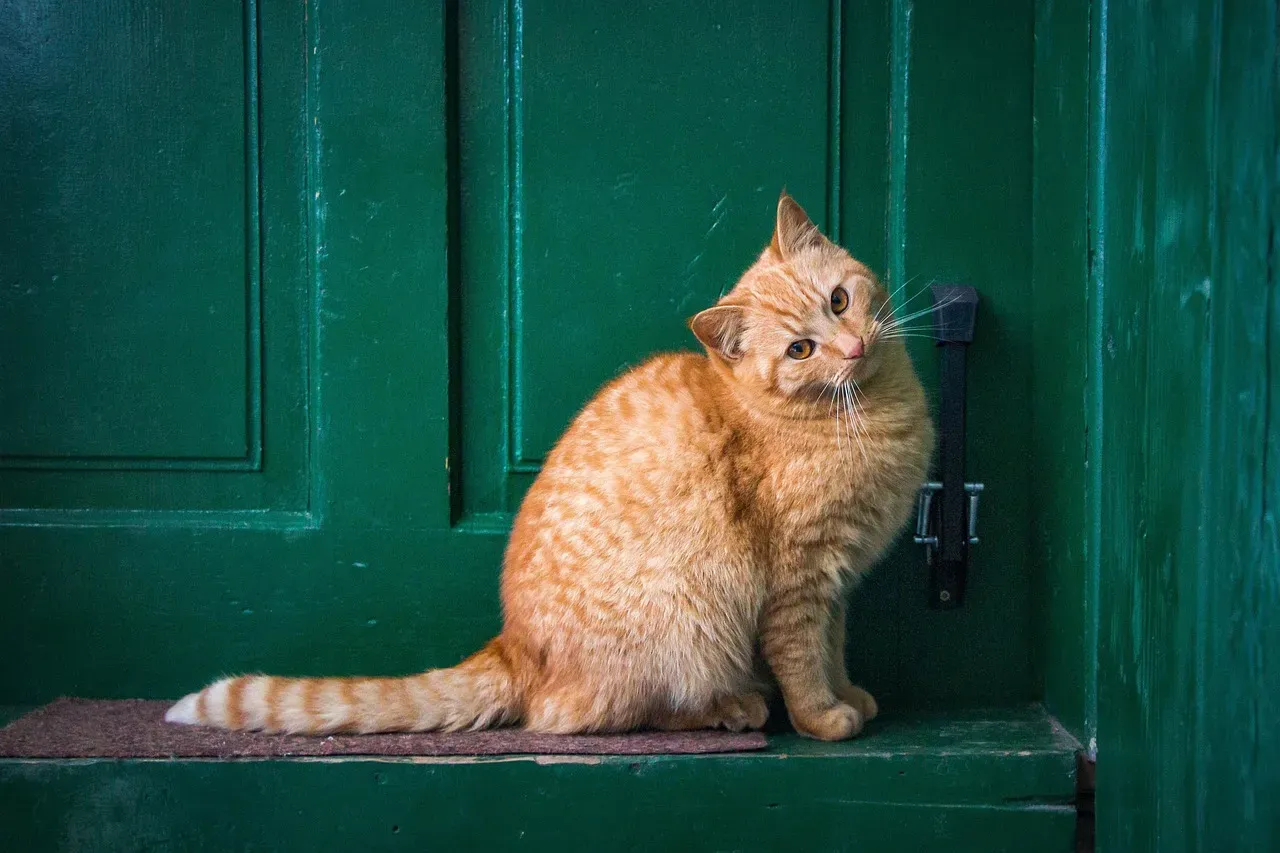
You might think your cat is being dramatic, but to your cat, a closed door is a serious problem. In your cat’s mind, your home is shared territory, and suddenly blocking off a section of it – while you vanish behind it – goes against how your cat thinks life should work. That door isn’t just wood or plastic; it’s a barrier to access, control, and safety.
When you close the bathroom door, you’re doing something unpredictable and a bit rude by cat standards: you’ve disappeared into a space and shut them out of the decision. Scratching, meowing, or waiting outside is your cat’s way of saying you’re not supposed to be behind there without them having at least the option to follow. It’s less about the bathroom and more about the barrier.
You’re Suddenly a Captive Audience (And Your Cat Knows It)
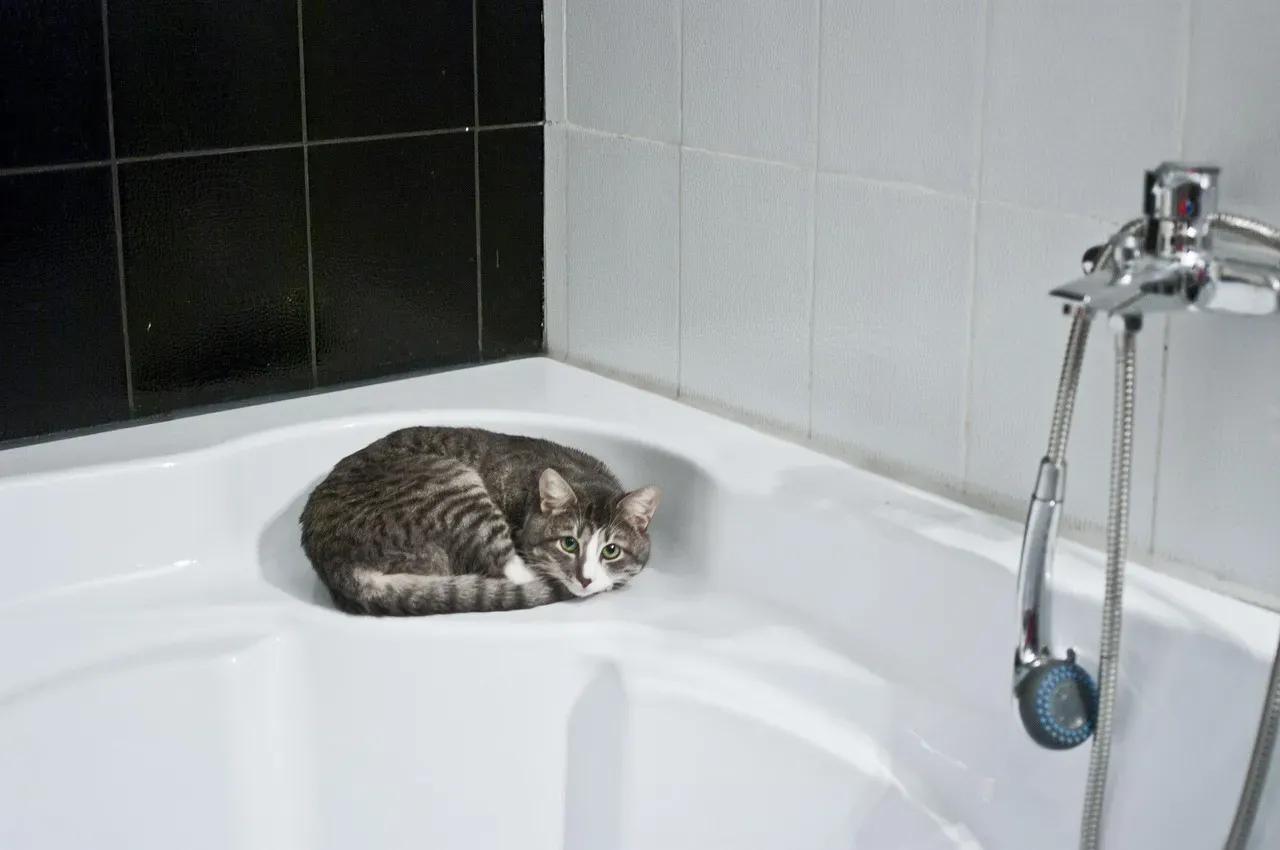
In the bathroom, you’re one of the rare things cats value most: still. You’re not rushing around, cooking, working on a laptop, or walking from room to room. You’re seated, focused on essentially nothing interesting, which makes you finally available. Your cat figures this out very quickly and treats bathroom time as prime social time.
When your cat waits by the door or insists on coming in, it’s partly because you’re the most predictable and boring object in the house for a few minutes – perfect for getting attention. From your cat’s point of view, this is when you’re least likely to ignore petting, head bumps, or a full-body lean against your legs. You’re trapped in the best way possible, and your cat knows how to cash in.
The Bathroom Smells Like You, Intensely
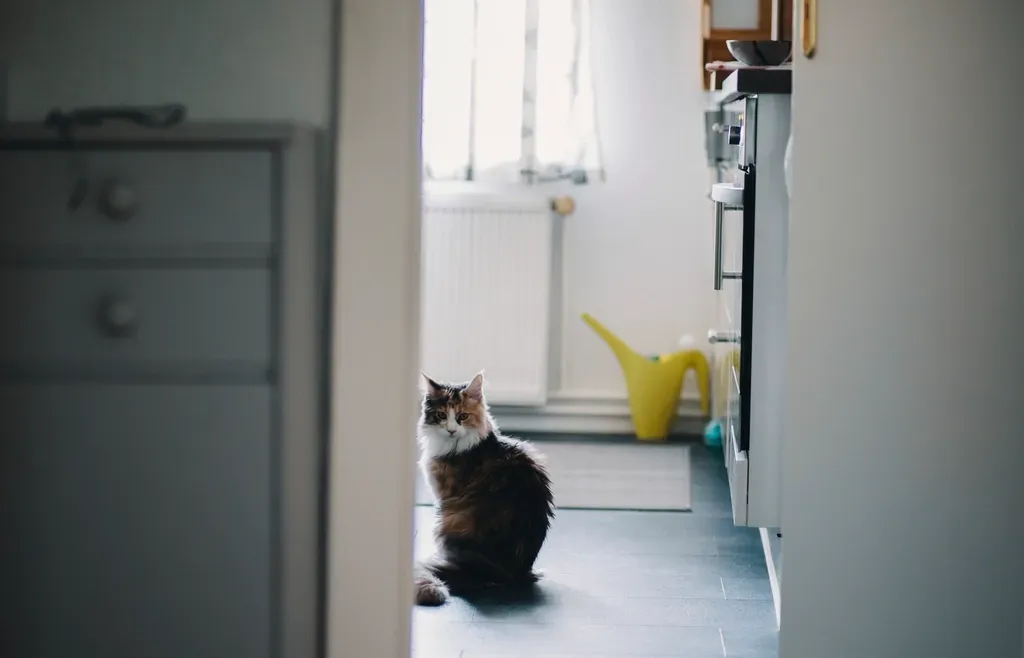
Your scent is everything to your cat. It’s how your cat identifies you, feels safe, and keeps track of where you’ve been. The bathroom is packed with concentrated versions of your smell: towels, bath mats, laundry, your skin, your hair, and all the products you use. To your cat, this room is basically a museum of you.
When you go in there and close the door, you’re stepping into the center of your own scent zone and leaving your cat outside of it. Of course they want in – or at least want to stay close to the entrance. Even if they just wait outside the door, they’re still bathing in your scent-heavy air. It’s comforting, familiar, and a powerful anchor in your shared environment.
Your Cat Is Guarding You While You’re Vulnerable
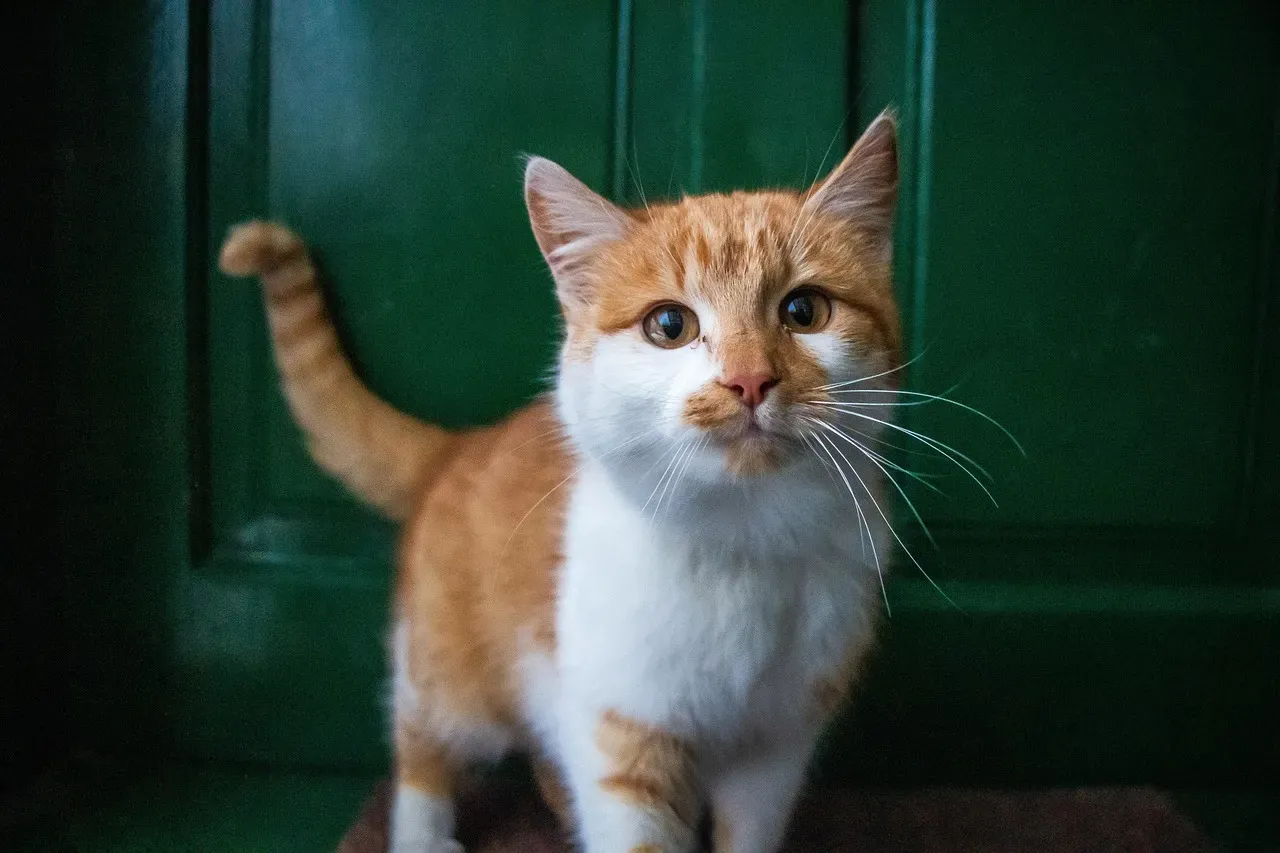
From a cat’s perspective, the bathroom is a small, echoey box where weird water sounds happen and you sit in one place for a suspiciously long time. You might not feel vulnerable in there, but your cat reads the situation differently. You’re distracted, half-dressed, and not paying attention to potential “threats,” so your cat may park itself outside the door like a silent little bodyguard.
Even if there is no real danger in your modern home, your cat’s instincts don’t know that. Waiting outside, listening, sometimes even meowing or pacing, can be a low-key way of checking that everything is fine. Your cat isn’t consciously thinking they’re a hero in a spy movie, but their behavior lines up surprisingly well with a protective, watchful role.
The Bathroom Is a Surprisingly Interesting Place
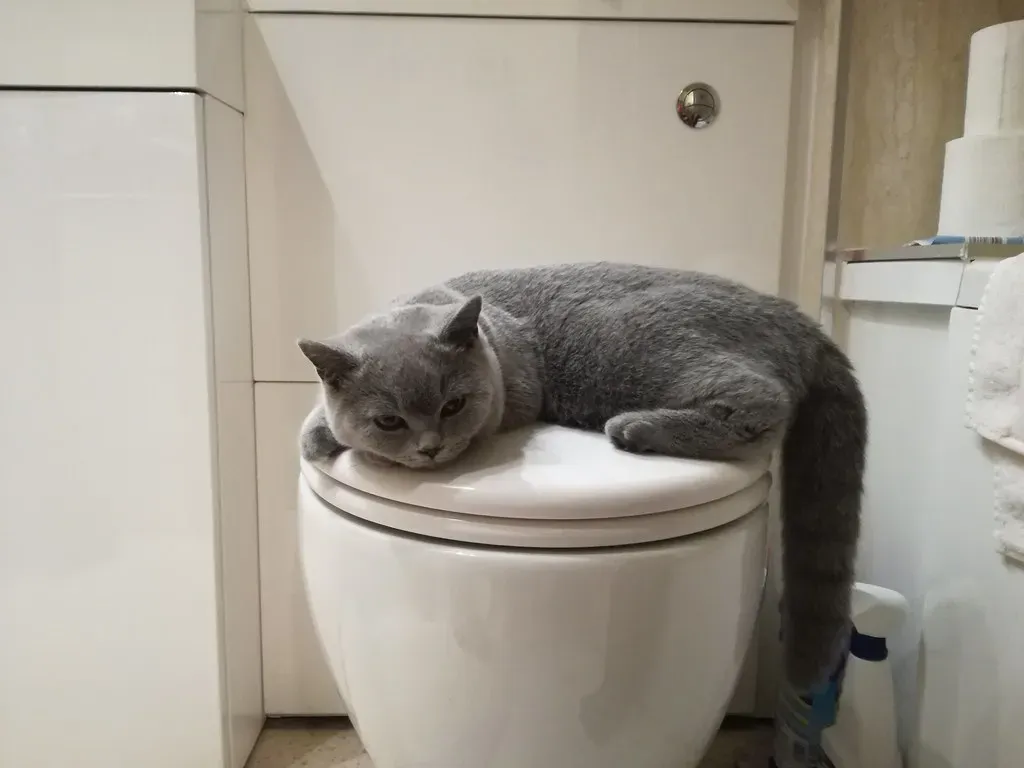
To you, the bathroom is pretty boring. To your cat, it is a wonderland of textures, sounds, and moving parts. There’s running water, dripping faucets, slippery floors, towels to knead, and sometimes even a forbidden roll of toilet paper to shred. This is enrichment central, especially if the rest of your home is relatively calm and predictable.
When you head into the bathroom, your cat may think you’re going to interact with all these intriguing things without them. Waiting at the door – or trying to dart inside when it opens – is your cat’s way of saying they don’t want to miss out. Curiosity is wired into cats, and the bathroom is one of the few places that keeps changing a little every day: new towel, new soap, flushing sounds, doors opening and closing.
Your Routine Becomes Their Routine
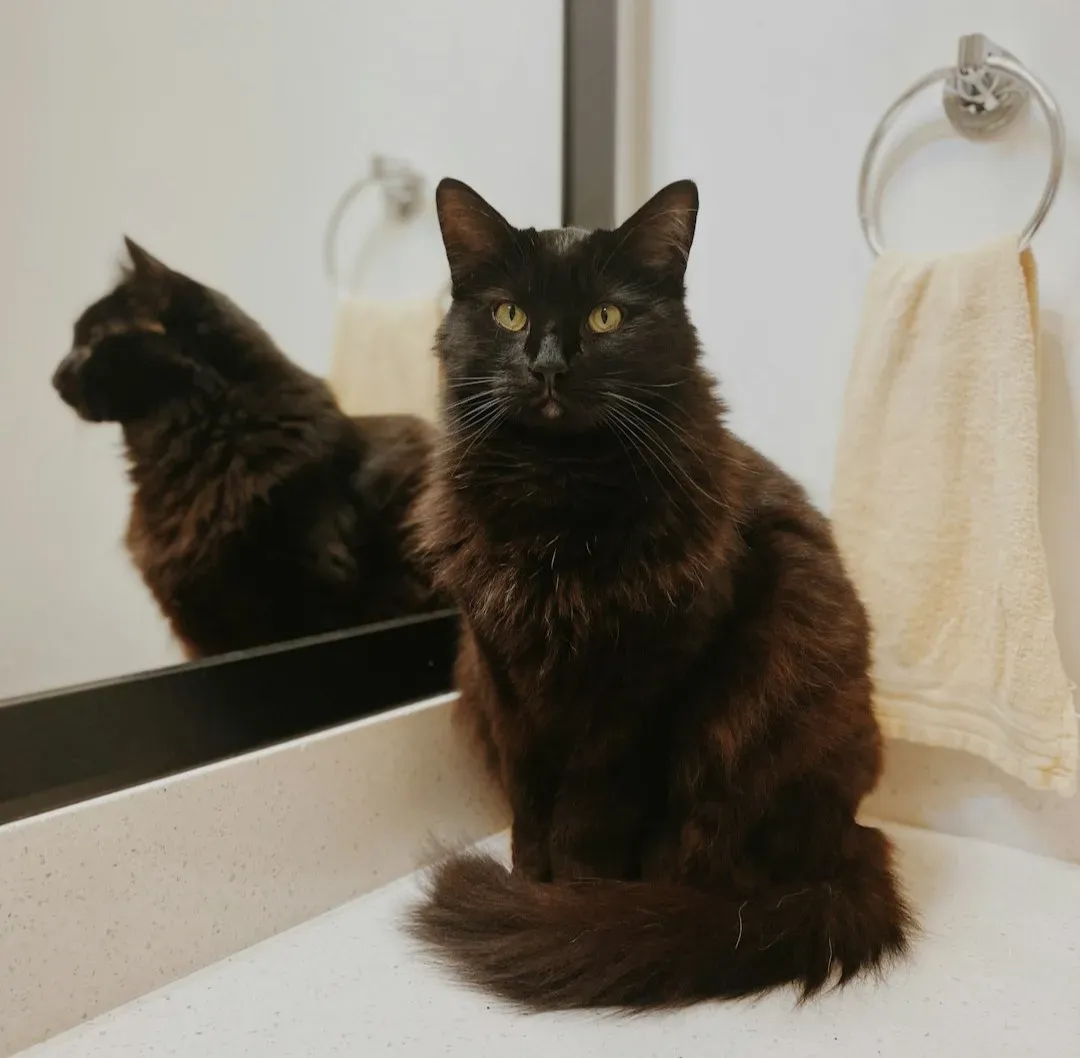
Cats are incredibly tuned in to patterns, almost like tiny, furry historians of your daily life. If you usually go to the bathroom after waking up, before bed, or before leaving the house, your cat starts to treat these moments as important markers in their own schedule. Soon, your bathroom trips become predictable events they can anticipate and participate in.
Over time, your cat learns that when you walk in that direction, something familiar happens: you disappear, the door closes, then you reappear. Waiting outside the door becomes part habit, part ritual. It’s similar to how a cat might wait by the window at the same time every day, even if nothing special happens. The routine itself is comforting, and your presence on the other side of the door is part of that rhythm.
Your Cat Is Claiming You (And the Bathroom) as Theirs
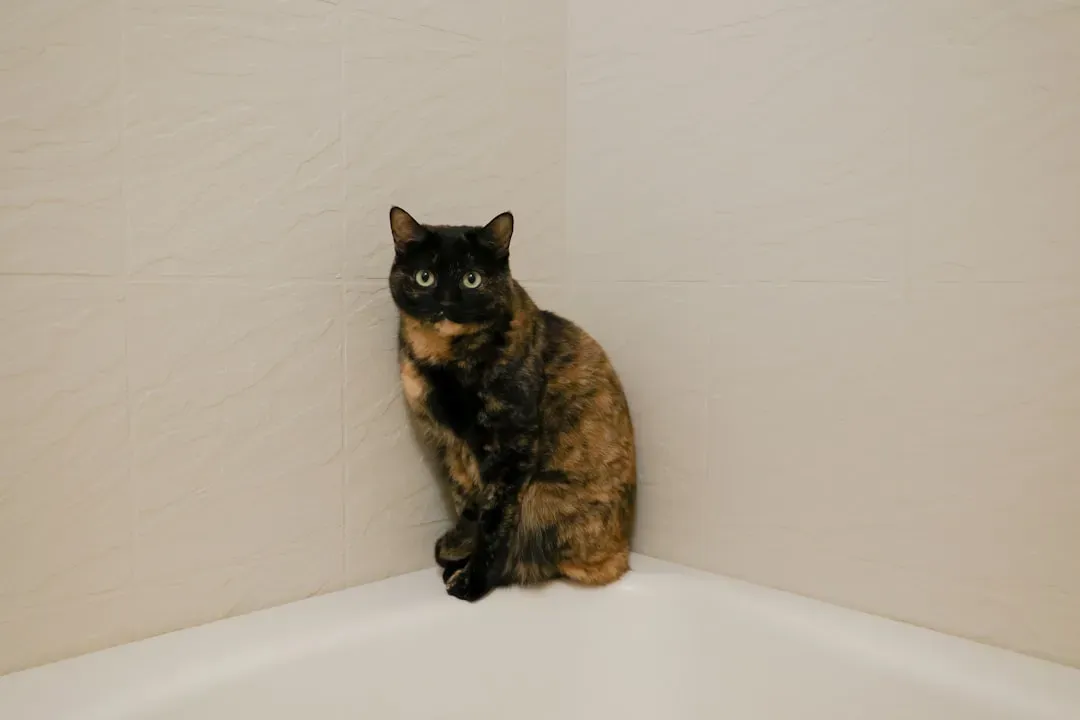
When your cat rubs against the bathroom door frame, paws at the side, or rolls on the mat once you come out, they’re not being random. They’re marking. Cats have scent glands in their cheeks and paws, and when they rub or scratch near the bathroom, they’re laying down a message: this human, this room, this spot – I’m part of it. Waiting outside the door is yet another way of reinforcing that bond.
In your cat’s inner world, you’re not just a roommate; you’re a crucial part of their territory. Your cat may not be allowed to control the door, but they can control their presence around it. By hovering at the threshold whenever you’re inside, they’re quietly folding the bathroom into your shared space, even if they’re technically stuck on the other side.
Anxiety and Attachment Can Amplify the Behavior
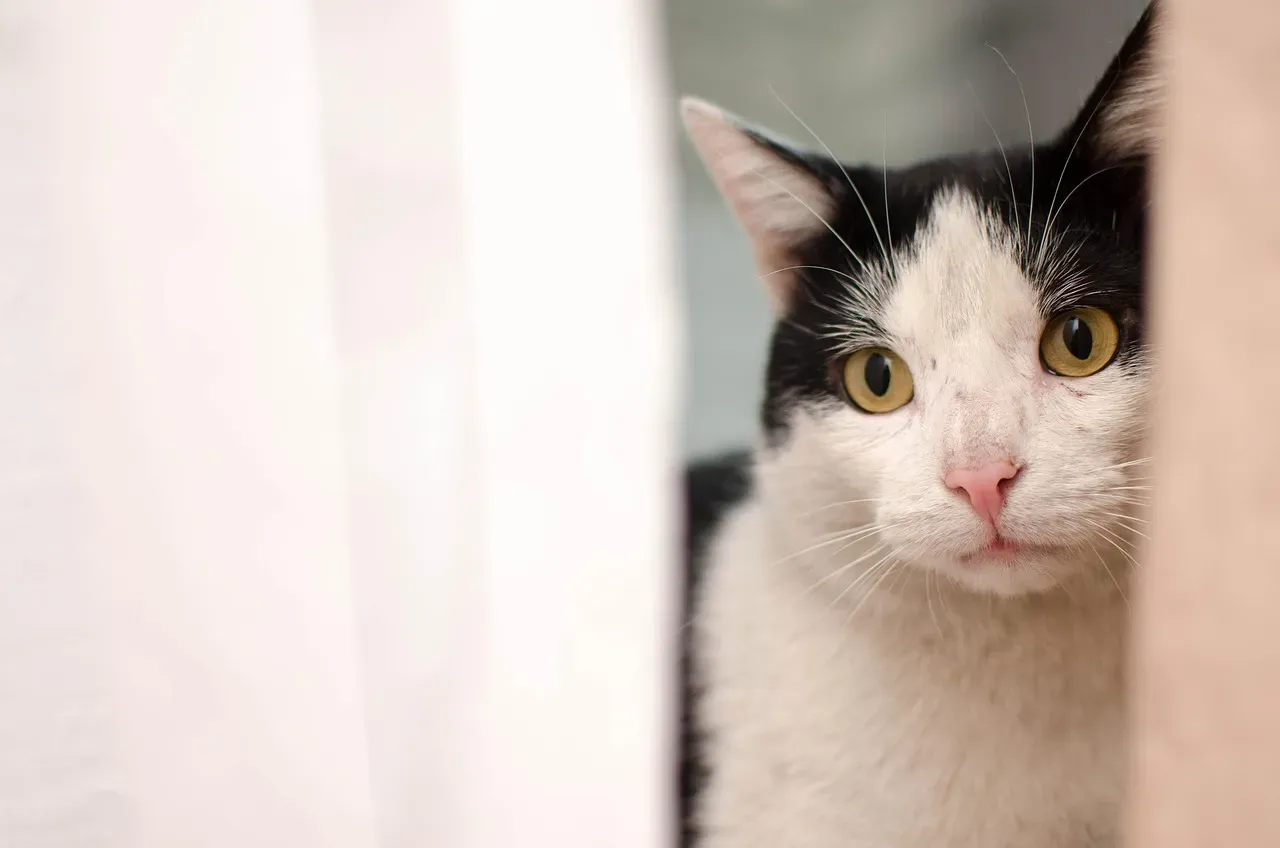
If your cat is especially attached to you or prone to anxiety, the bathroom door ritual may be even more intense. Some cats cry, scratch loudly, or pace until you come out, especially if they already struggle with being alone or separated from you in other situations. In those cases, the closed bathroom door feels less like a minor annoyance and more like a sudden separation they don’t understand.
You might notice that on stressful days – loud visitors, changes in routine, travel – your cat becomes extra clingy around the bathroom. Waiting outside the door can be a way to cope, to make sure you’re still there, and to maintain a sense of connection when other things feel off. If this is your cat, giving them extra reassurance, playtime, and predictable routines outside the bathroom can slowly take the edge off that urgency.
How You Accidentally Reward the Waiting Behavior
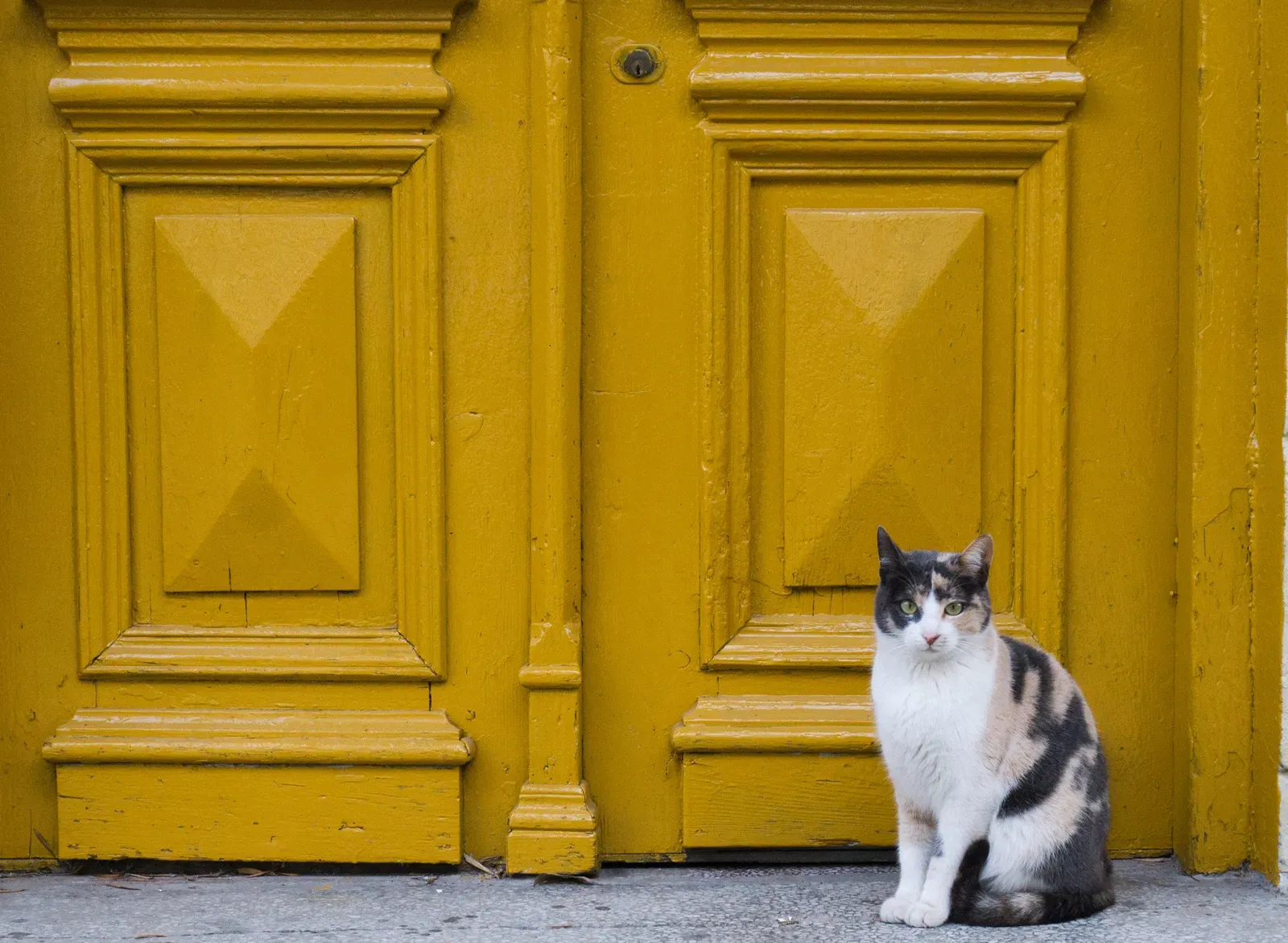
Without realizing it, you probably train your cat to keep repeating the bathroom-door act. When you open the door and greet them, talk to them, pet them, or laugh and pick them up, you’re reinforcing the idea that waiting there leads to positive attention. To a cat, that is a powerful payoff, and animals repeat what works.
Even if you sometimes ignore them, the moments when you do react are enough to keep the behavior strong. Think of it like a slot machine: your cat does the thing, and every so often, they hit the jackpot of affection. If you genuinely want less bathroom stalking, you’d need to respond more neutrally and give more affection in other contexts – otherwise, your cat will keep parking themselves at that door like it’s their favorite front-row seat.
What You Can Do If It’s Too Much
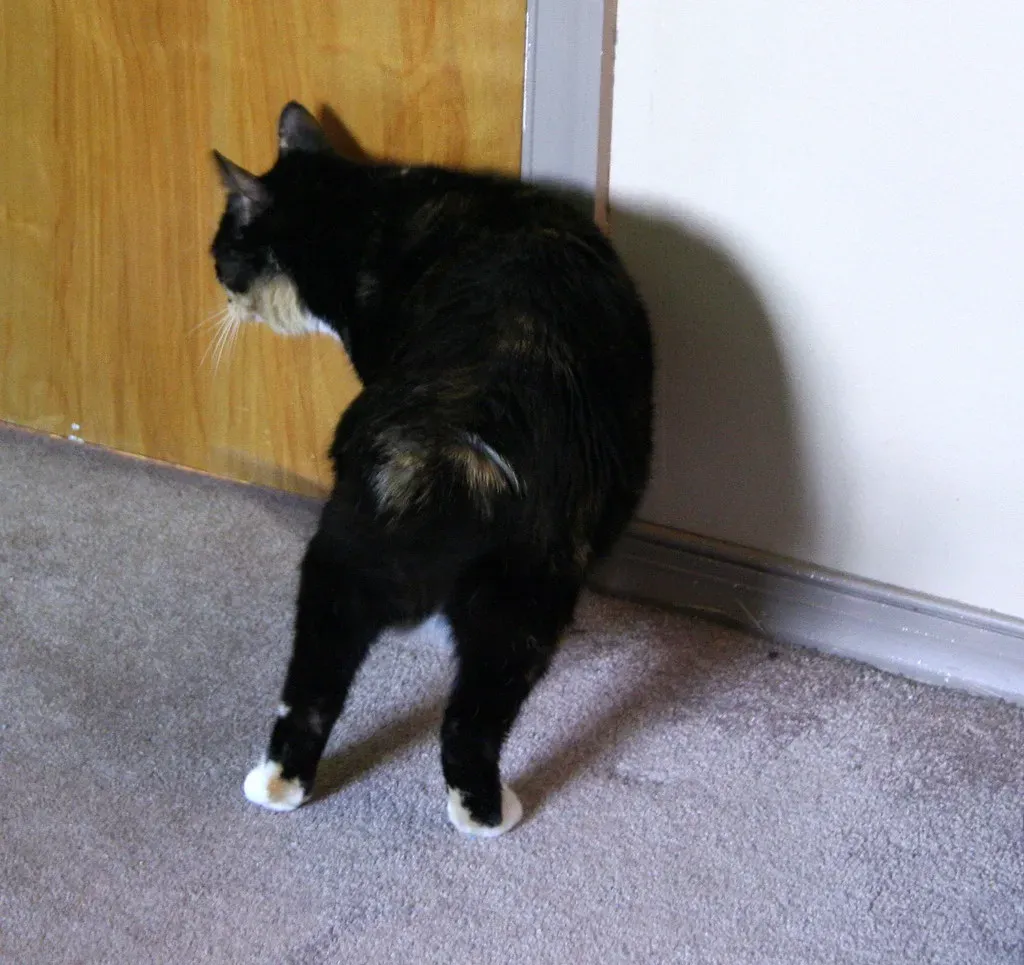
If your cat’s bathroom obsession is driving you up the wall, you don’t have to just accept it. You can gently shift the habit by giving your cat something better to do at the same time, like a treat puzzle, a toy that only comes out during your bathroom breaks, or a cozy spot near, but not right at, the door. Over time, your cat can start to associate your bathroom trips with their own little side activity.
You can also work on building their confidence and independence in general: more play, more vertical spaces, safe hiding spots, and a predictable daily rhythm. The more secure your cat feels overall, the less desperate they’ll be to monitor your every move, even the ones that involve toilet paper and running water. You may never fully get rid of your tiny bathroom shadow, but you can soften the intensity and make it easier on both of you.
Conclusion: The Bathroom Door Is a Tiny Window Into a Huge Bond
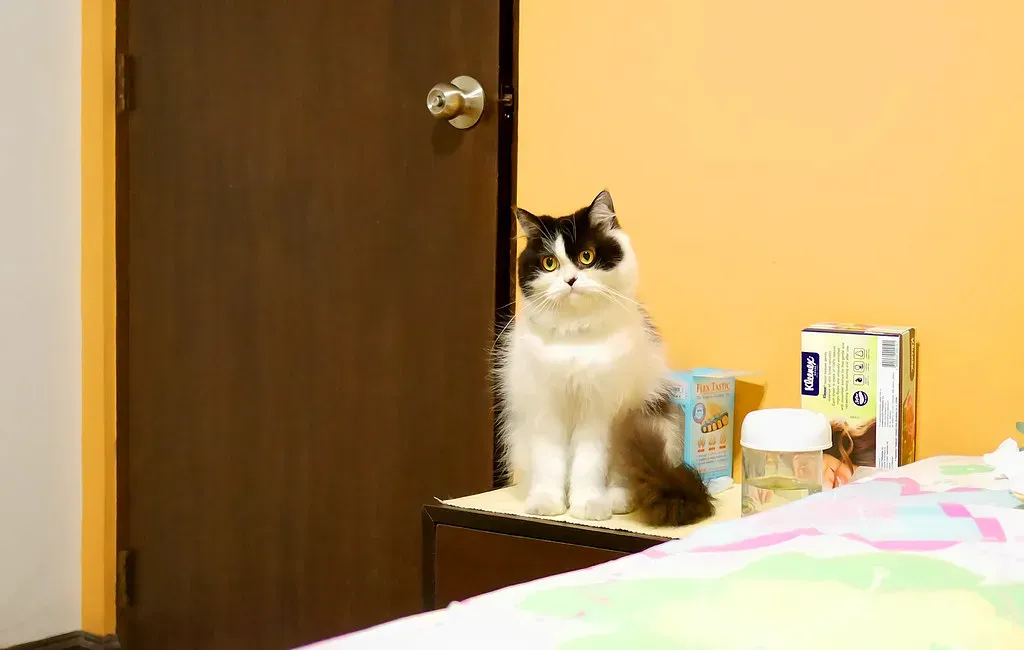
The next time you see a paw slide under the bathroom door or hear a soft, impatient meow outside, you can see it for what it really is: a mix of curiosity, routine, attachment, and instinct wrapped up in one strangely endearing habit. Your cat is not trying to ruin your privacy; they’re trying to keep you within their orbit, understand what you’re doing, and stay close to the person who anchors their world.
In a way, that little furry silhouette outside the door is a quiet compliment: you matter so much that even a closed bathroom door feels like one boundary too far. So when you open it and find your cat right there, staring up at you as if you’ve been gone for ages, you might find yourself asking a new question: is this about the bathroom at all, or is it just about how deeply your cat has claimed you as their own?
Kristina is a young writer from India. An arts graduate and an avid content creator, Kristina is passionate about animals and wildlife. She enjoys exploring topics related to pet care, animal behavior, conservation, and nature, combining thorough research with engaging storytelling.