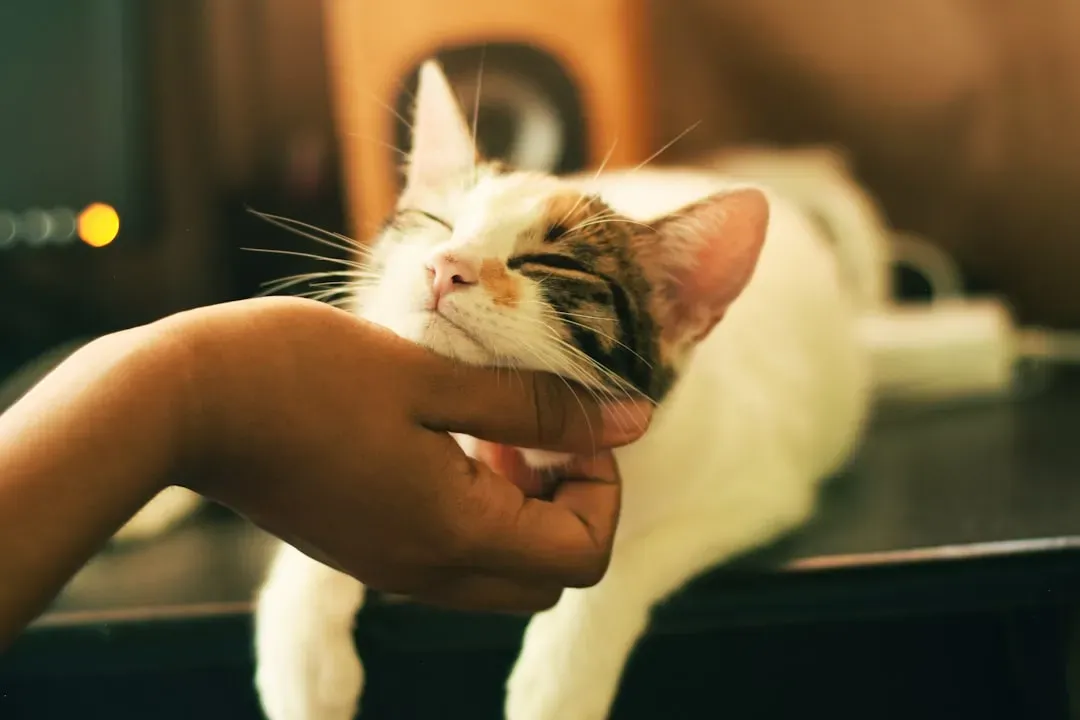
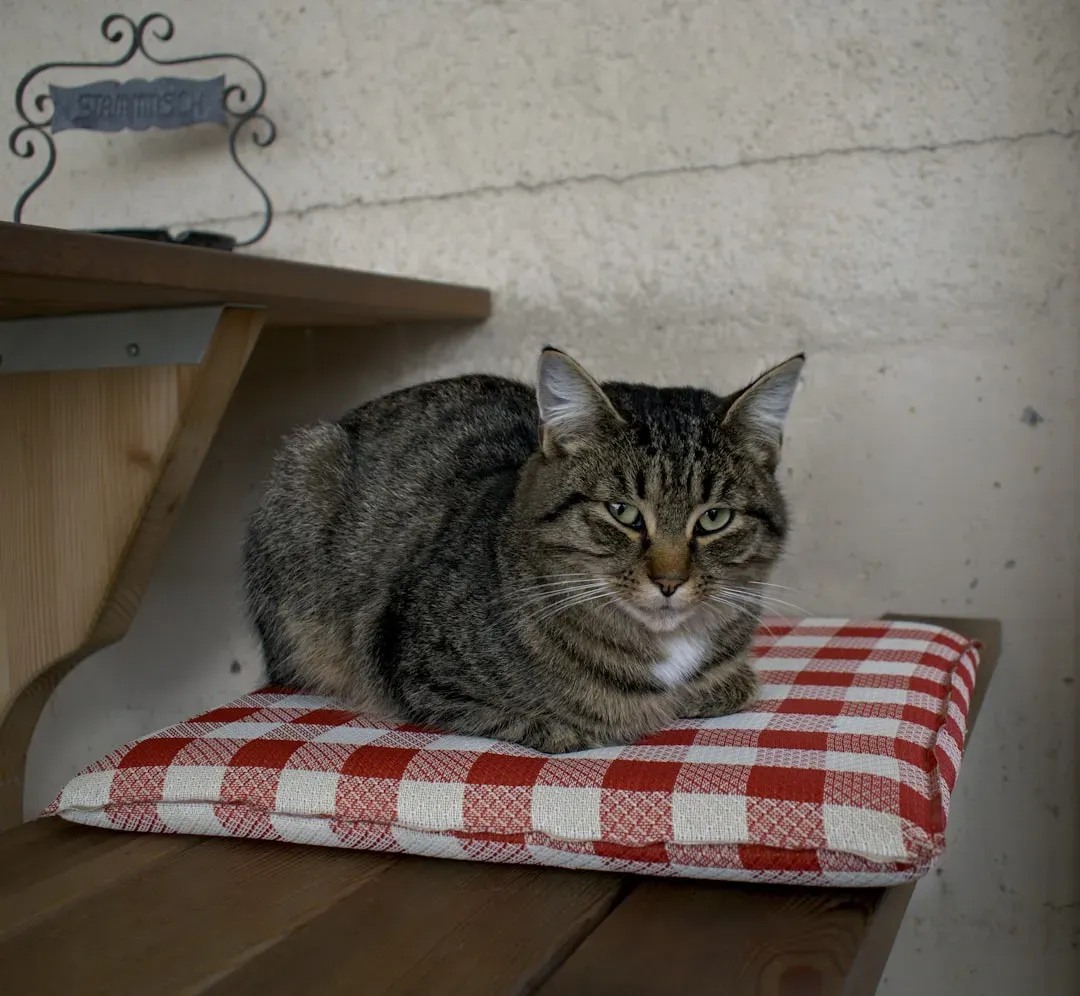
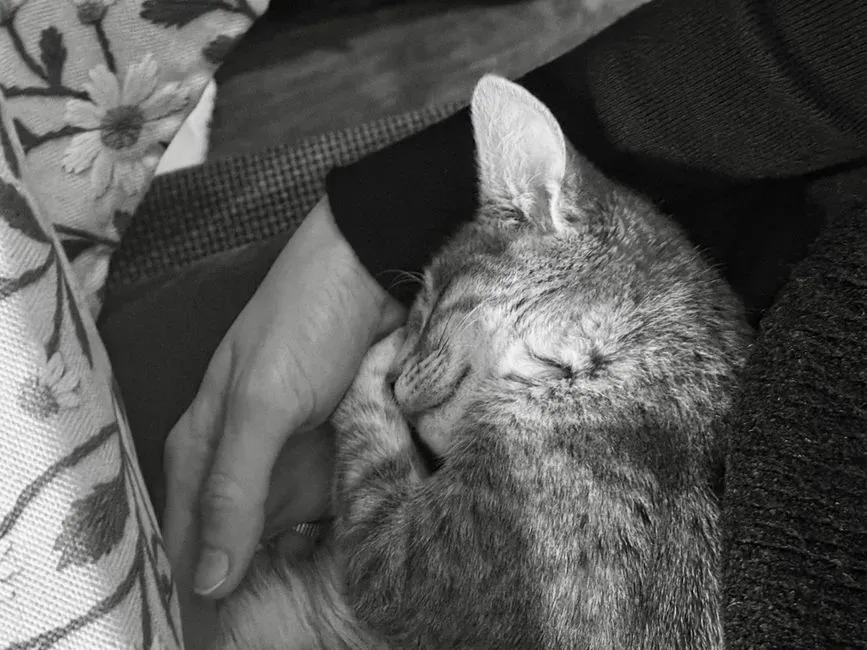
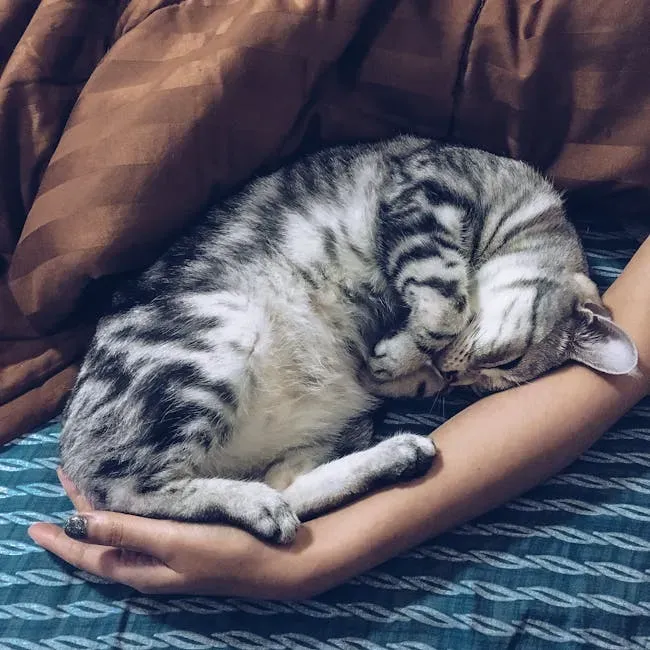
You leave for a weekend trip, and when you get back, there’s a suspicious dent right where your pillow usually sits. Your cat, who normally treats the foot of the bed like neutral territory, has clearly claimed your spot. It’s such a common little mystery that cat owners swap stories about it online constantly, half amused and half genuinely curious about what’s going on in that furry head.There’s actually a decent amount of feline behavior science that explains this pattern, and it’s more interesting than “cats are weird.” Some of it comes down to scent, some to temperature, and some to instincts that have barely changed since cats were solitary hunters rather than pampered roommates. Let’s get into what’s really happening when your absence turns your side of the bed into prime real estate.
#1 Your scent works like a security blanket
#1 Your scent works like a security blanket (Image Credits: Rawpixel)Cats experience the world heavily through smell, and a bed that carries your scent is loaded with information for them. Your pillow and sheets hold traces of your skin, your shampoo, even the subtle chemical signals your body gives off, and cats are remarkably tuned in to these cues. When you’re gone, that scent becomes the closest available substitute for your actual presence.This isn’t just a cute theory, either. Researchers who study feline olfaction have long noted that scent marking and scent recognition play a bigger role in cat social bonds than most owners realize. Sleeping where your smell is strongest lets your cat stay close to something familiar, which can genuinely ease the low-grade stress that comes with a household routine being disrupted.
#2 It’s a territory move, not just sentiment
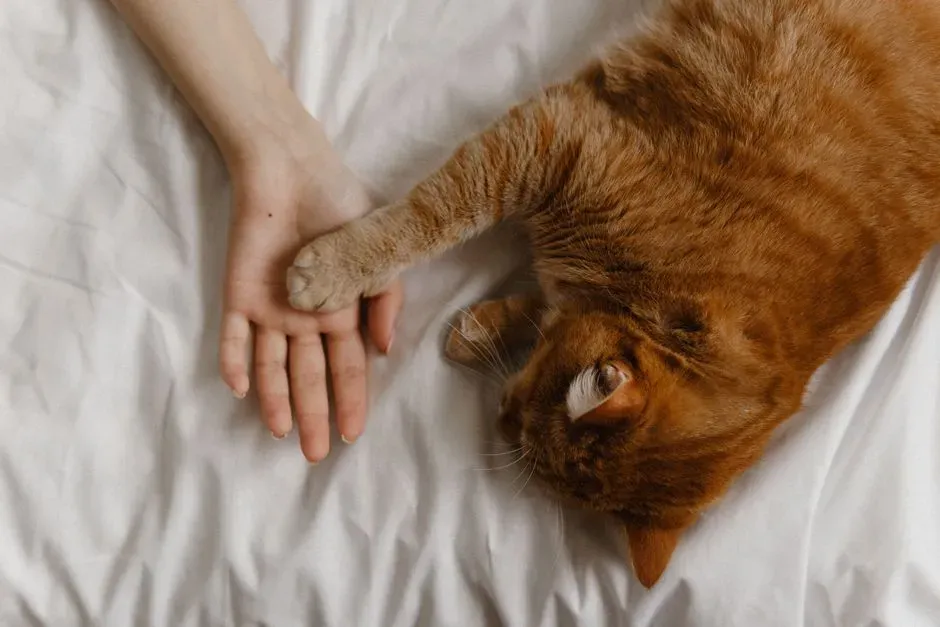
#2 It’s a territory move, not just sentiment (Image Credits: Pexels)Cats are territorial animals by nature, and beds are one of the most valuable pieces of real estate in a home because they combine softness, warmth, and height. When you’re not occupying your spot, it becomes an opening, and cats are quick to notice openings. This isn’t necessarily about missing you emotionally so much as recognizing that a prime resting spot has suddenly become available.There’s also a subtler layer here involving scent marking. Cats have scent glands on their cheeks and paws, and rubbing against or kneading a surface leaves pheromones behind that mark it as theirs. By settling into your spot, your cat may be reinforcing its own claim on the territory while your competing scent is temporarily out of the picture.
#3 Warmth and texture matter more than people assume
#3 Warmth and texture matter more than people assume (Image Credits: Rawpixel)Cats seek out heat instinctively, since their preferred body temperature runs warmer than ours and they’re wired to conserve energy. Your side of the bed, especially if you’ve just gotten up or been gone only a short while, often retains more warmth and a familiar shape that’s comfortable to curl into. Even after you’ve been away for days, the general texture and structure of “your spot” tends to hold its shape in a way that appeals to a cat looking for the coziest possible option.This preference isn’t unique to your absence, by the way. Many cats already gravitate toward laptops, freshly vacated chairs, or sunny windowsills for the same reason. Your side of the bed simply becomes the best available heat and comfort option once you’re not there to occupy it yourself.
#4 Cats notice when routines break
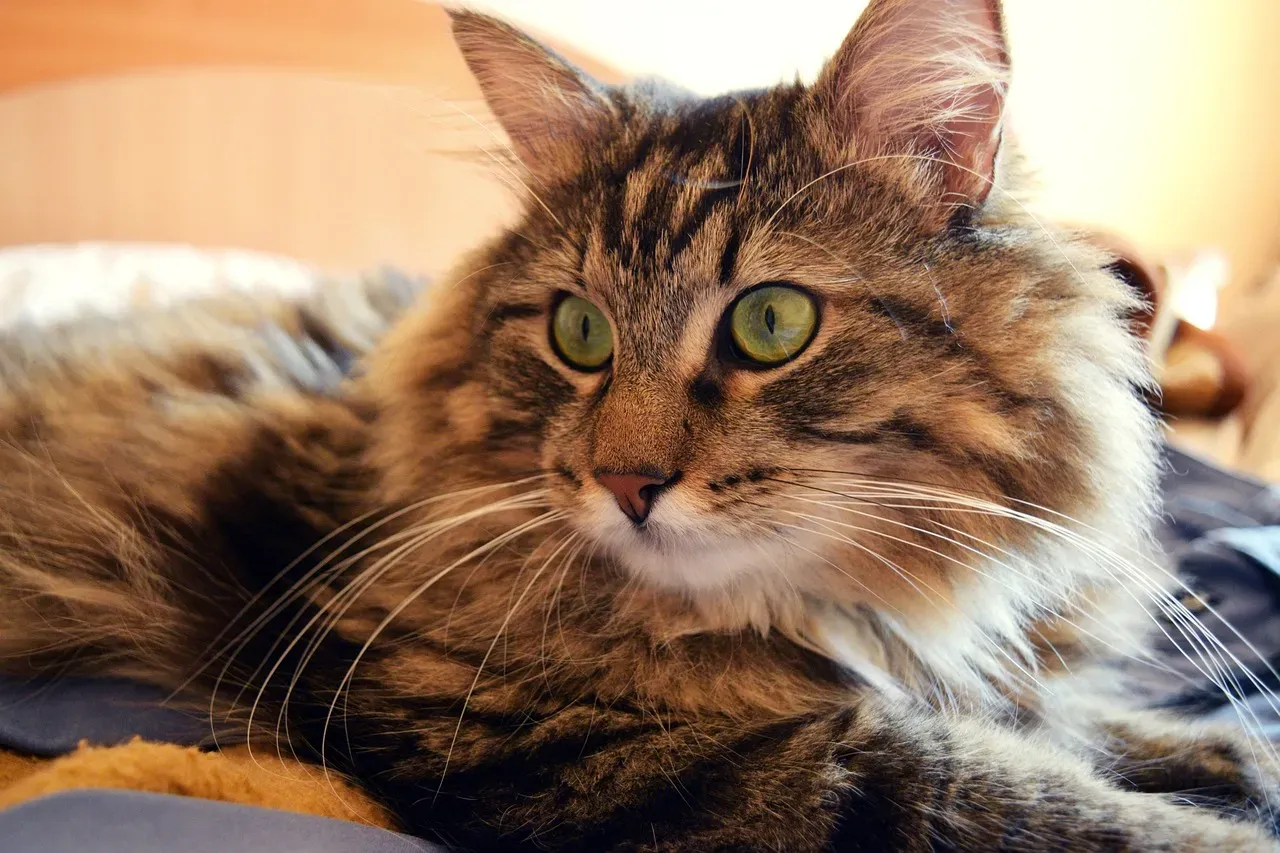
#4 Cats notice when routines break (Image Credits: Pixabay)Cats are creatures of habit, and they pick up on patterns far more precisely than most owners give them credit for. They learn who sleeps where, when meals happen, and which sounds signal someone’s about to leave or come home. When your usual nighttime routine suddenly changes because you’re traveling, your cat often reacts by shifting its own behavior to compensate.Sleeping in your spot may be one small piece of a cat trying to restore a sense of normalcy during an unfamiliar stretch. It’s less a grand emotional statement and more a practical adjustment, similar to how cats often become more vocal or clingy right when you return, as though recalibrating the routine back to what they expect.
#5 Mild separation anxiety is a real phenomenon in cats
#5 Mild separation anxiety is a real phenomenon in cats (Image Credits: Unsplash)For a long time, cats had a reputation as fiercely independent animals immune to the kind of separation stress dogs experience. That reputation has been softened by more recent behavioral research, which suggests a meaningful number of cats do show signs of anxiety when their primary person is away for extended periods. Signs can include changes in appetite, increased vocalization, or shifts in where they choose to sleep.Gravitating toward your side of the bed fits neatly into this picture. It gives an anxious cat proximity to your scent and your usual sleeping area without you needing to be physically present, which can genuinely take the edge off mild stress. It’s worth noting this varies enormously by individual cat, since some barely register your absence while others clearly do.
#6 An elevated, enclosed spot feels safer
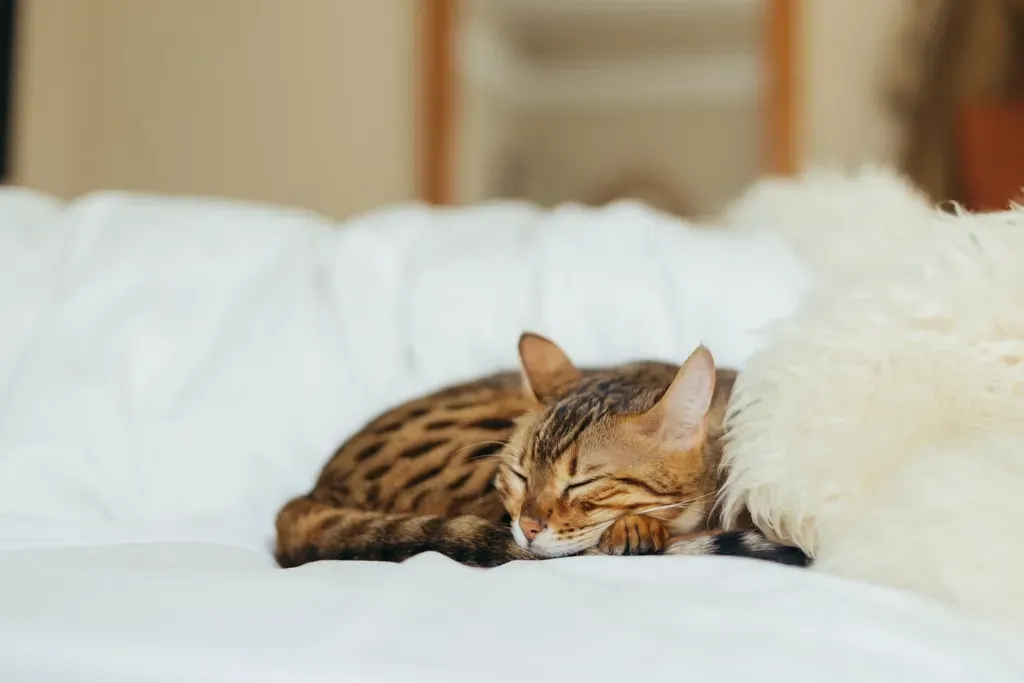
#6 An elevated, enclosed spot feels safer (Image Credits: Unsplash)Beds check a lot of boxes for a cat’s sense of security. They’re elevated off the floor, which matters to an animal whose instincts still lean toward avoiding ground-level threats, and they’re often somewhat enclosed by blankets, pillows, or headboards. Your specific side, tucked against the edge or wall, can feel like an even safer pocket within that already secure space.This instinct traces back to how cats evaluate resting spots in general, favoring locations that offer a good vantage point along with some sense of shelter. When you’re gone and the house feels a little different, your cat may lean harder into whichever spot on the bed offers the most reassurance, and that’s frequently the exact spot you’d normally occupy yourself.
#7 It says something about the bond, without being purely sentimental
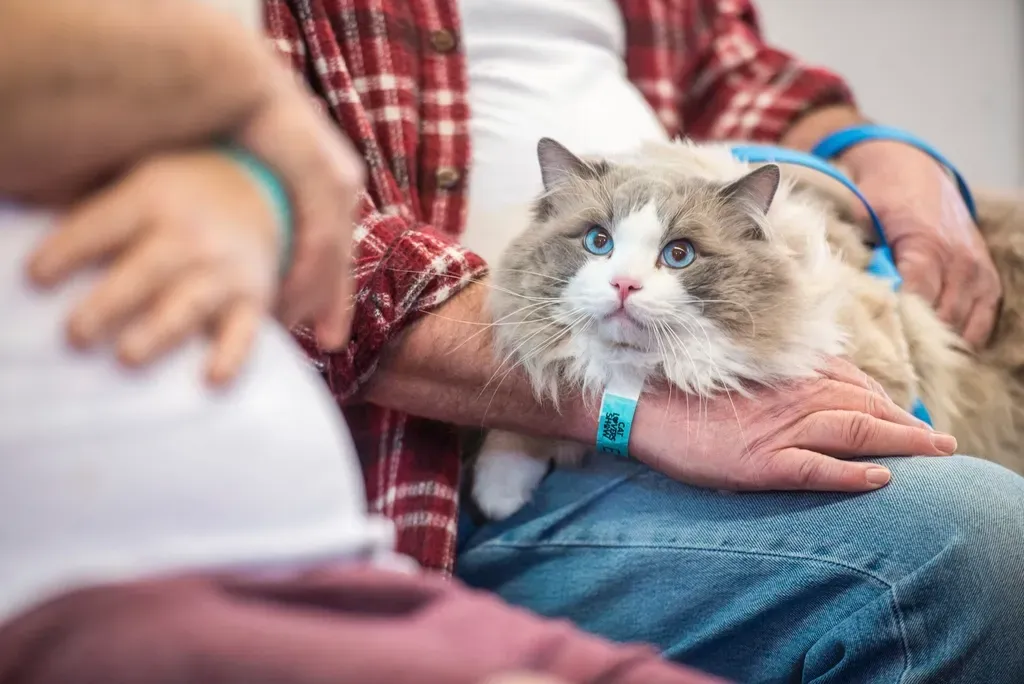
#7 It says something about the bond, without being purely sentimental (Image Credits: Pexels)It’s tempting to read this behavior as your cat simply missing you, and there’s likely some truth buried in that interpretation. Cats do form attachments to their owners, and studies on cat-human bonding have found patterns that resemble attachment styles seen in other social animals. Choosing your spot over any other empty space in the house suggests some level of preference tied specifically to you.That said, it’s worth resisting the urge to fully humanize the behavior, since it’s almost certainly a blend of scent-seeking, warmth-seeking, and mild anxiety rather than a single tidy emotion. Cats aren’t wired to process absence the way people do, but they are wired to notice change and respond to it in practical ways. Your side of the bed just happens to be where several of those practical needs overlap at once.
Final Thoughts
Final Thoughts (Image Credits: Pexels)After digging into the behavioral reasoning, I’ll admit I’ve landed on a fairly confident take: this habit says more about feline instinct than feline sentiment, and that’s honestly the more interesting explanation anyway. There’s something genuinely compelling about an animal solving a small comfort problem through scent, warmth, and territory rather than through anything resembling human-style longing.None of that makes the behavior less endearing, though. If anything, understanding the mechanics behind it makes those little moments, finding your cat curled up exactly where you sleep, feel less like a coincidence and more like a small window into how differently cats experience the world. It’s a reminder that our pets are constantly reading their environment in ways we rarely notice until we go looking for the explanation.
Kristina is a young writer from India. An arts graduate and an avid content creator, Kristina is passionate about animals and wildlife. She enjoys exploring topics related to pet care, animal behavior, conservation, and nature, combining thorough research with engaging storytelling.