You probably already know your cat should not be living on pizza crusts and leftovers, but the real danger is how fast a curious paw can swipe something off your plate when you look away. A lot of people assume that if a food is safe for humans, it must be harmless for cats in small amounts. Sadly, that belief sends far too many cats to emergency vets every year.
When you see those begging eyes or feel that little head nudging your hand at dinner, it is tempting to think one tiny bite will not hurt. But cats are much smaller than you, their bodies process food differently, and some everyday ingredients can damage their red blood cells, kidneys, liver, heart, or nervous system. Once you really understand what certain foods can do, it becomes much easier to ignore the guilt, pick up your plate, and protect your furry troublemaker from their own curiosity.
1. Onions, Garlic, and Anything in the Allium Family
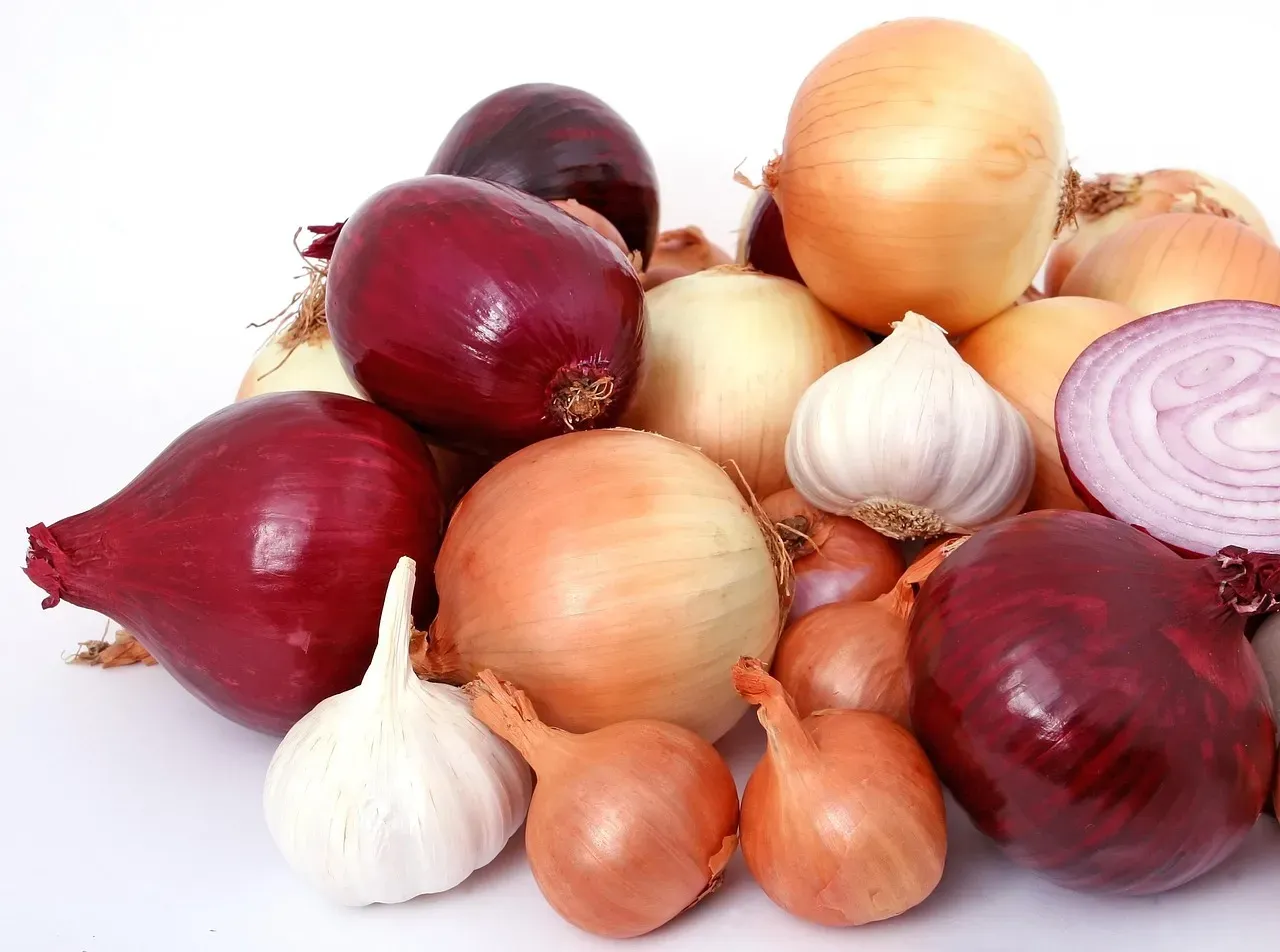
If you cook often, there is a good chance almost everything on your plate contains onion, garlic, or some seasoning blend with powdered versions of them. To you, it is just flavor; to your cat, it can quietly destroy red blood cells and lead to a type of anemia. You might not see anything wrong at first, but over days your cat can become weak, tired, and even start breathing faster because their body is struggling to carry oxygen.
What makes this tricky is that many foods contain hidden onion or garlic, like gravies, sauces, soups, and even certain baby foods. You may think, it is only a lick of broth, how bad can it be, but the compounds are concentrated and your cat is tiny. The safest rule is simple and strict: if a food was cooked with onion, garlic, leeks, chives, or shallots in any form, you keep it entirely off-limits, no matter how convincing the begging performance is.
2. Chocolate in Any Form (Even a Single Crumb)
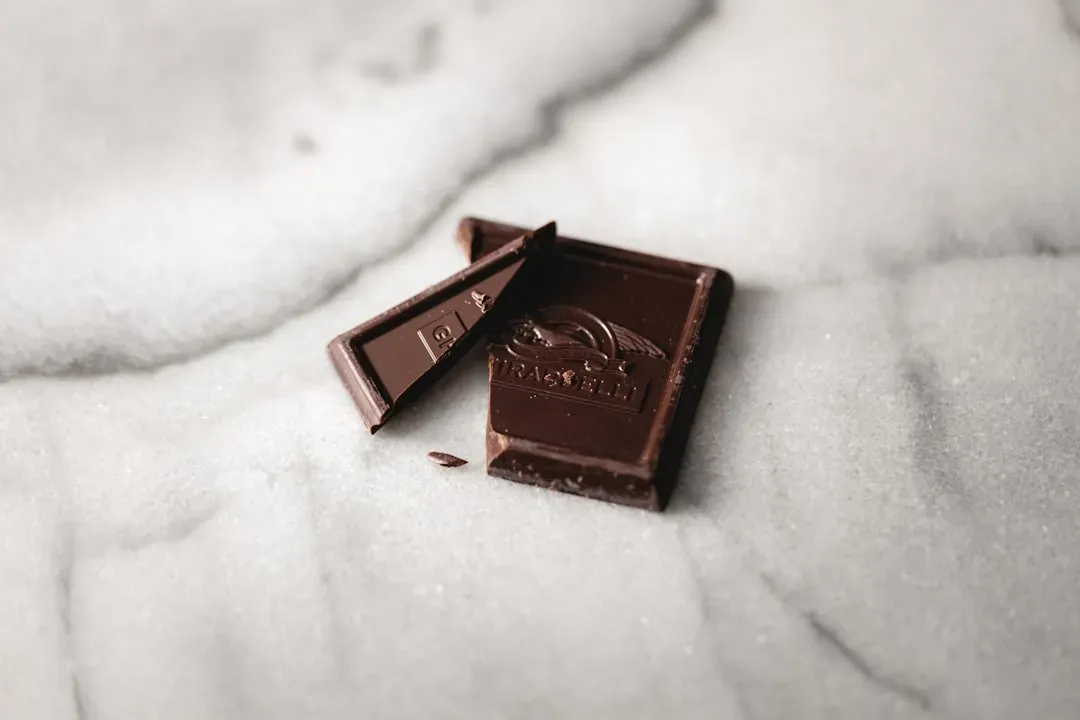
You already know chocolate is not for dogs, but many people underestimate how risky it can be for cats as well. Chocolate contains stimulants that cats cannot handle well, and even a surprisingly small amount can trigger vomiting, restlessness, a racing heart, or seizures. Dark chocolate and baking chocolate are the worst offenders because they are more concentrated, but milk chocolate and cocoa powder are not harmless either.
Because most cats are not naturally drawn to sweet tastes, you might assume yours would never touch chocolate. Then one day you leave a half-eaten brownie on the coffee table, or a smear of frosting on a plate, and curiosity wins. You need to treat chocolate like a chemical and not a snack where your cat is concerned: keep it out of reach, clean up crumbs, and never let your cat lick even a spoon or wrapper that touched chocolate.
3. Grapes, Raisins, and Foods Baked with Them
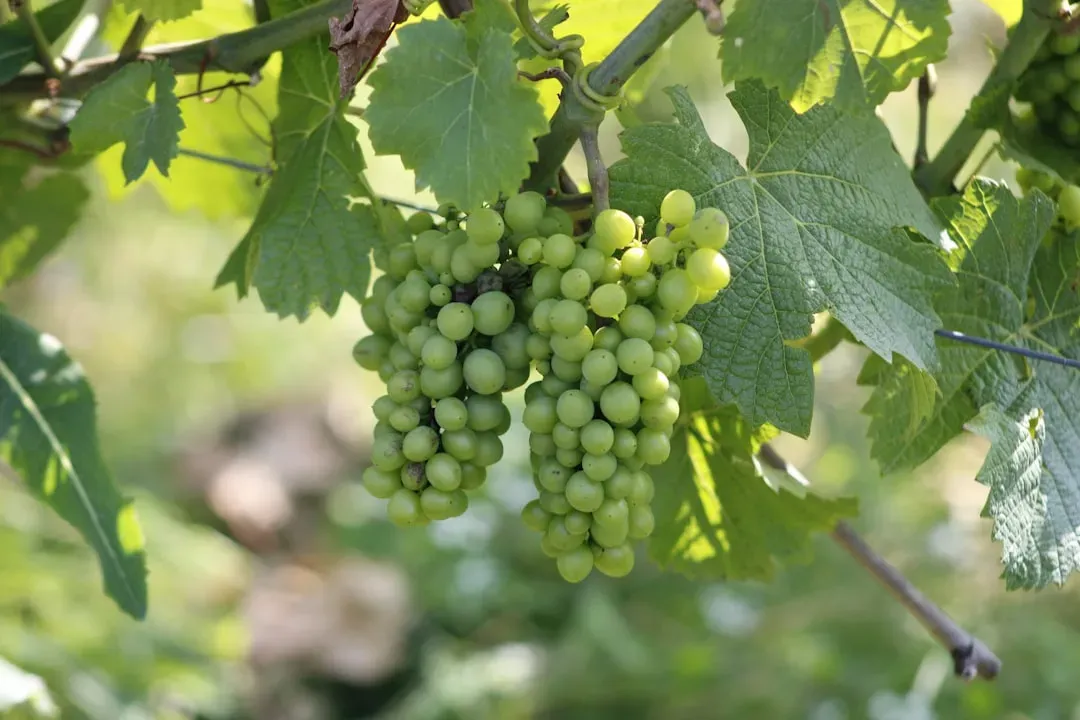
Grapes and raisins have a nasty reputation in pet medicine because they can lead to sudden kidney failure in some animals, and the exact reason is still not fully understood. That uncertainty makes them even more frightening, because you cannot predict which cat might get very sick from what looks like a harmless single grape or tiny dried raisin. With kidney damage, the first signs might just be vomiting or your cat acting tired, but it can escalate into a medical emergency far faster than you would ever expect.
The catch is that raisins and small bits of grape turn up in a lot more foods than you probably realize: breakfast cereals, trail mix, granola bars, cookies, breads, and fruit salads. If your cat is a counter surfer or a plate licker, you should treat every one of those foods as dangerous. Never assume that picking out the visible raisins makes something safe; it is just not worth gambling your cat’s kidneys over one bite of a muffin.
4. Alcohol, Including Cooked Dishes and Fermented Foods
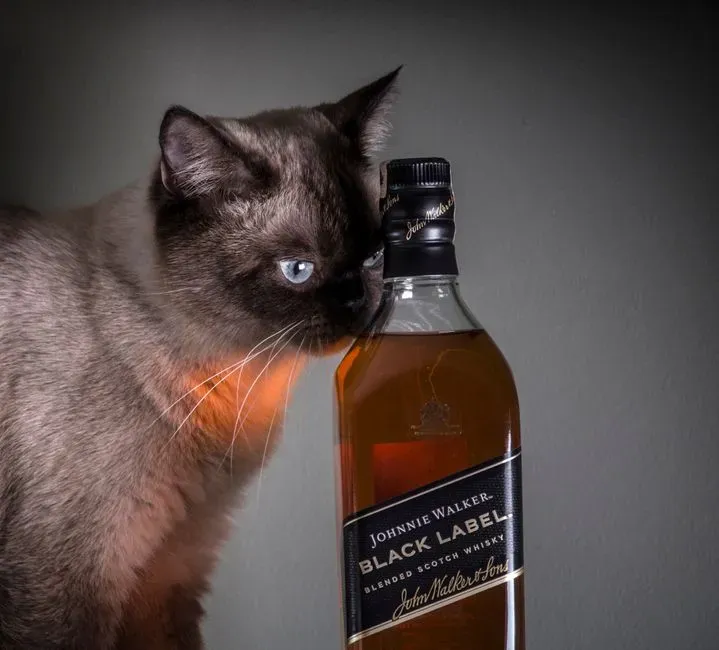
Another sneaky risk is raw bread dough made with yeast, which can actually produce alcohol as it rises inside a warm stomach. If your cat manages to grab a piece of dough, it can expand and ferment internally, creating gas and alcohol at the same time, which is both painful and potentially life-threatening. You may laugh at the idea of your cat becoming tipsy, but the reality is closer to poisoning than partying, so keep any alcoholic dish and raw dough absolutely out of reach.
5. Cooked Bones from Chicken, Pork, or Steak
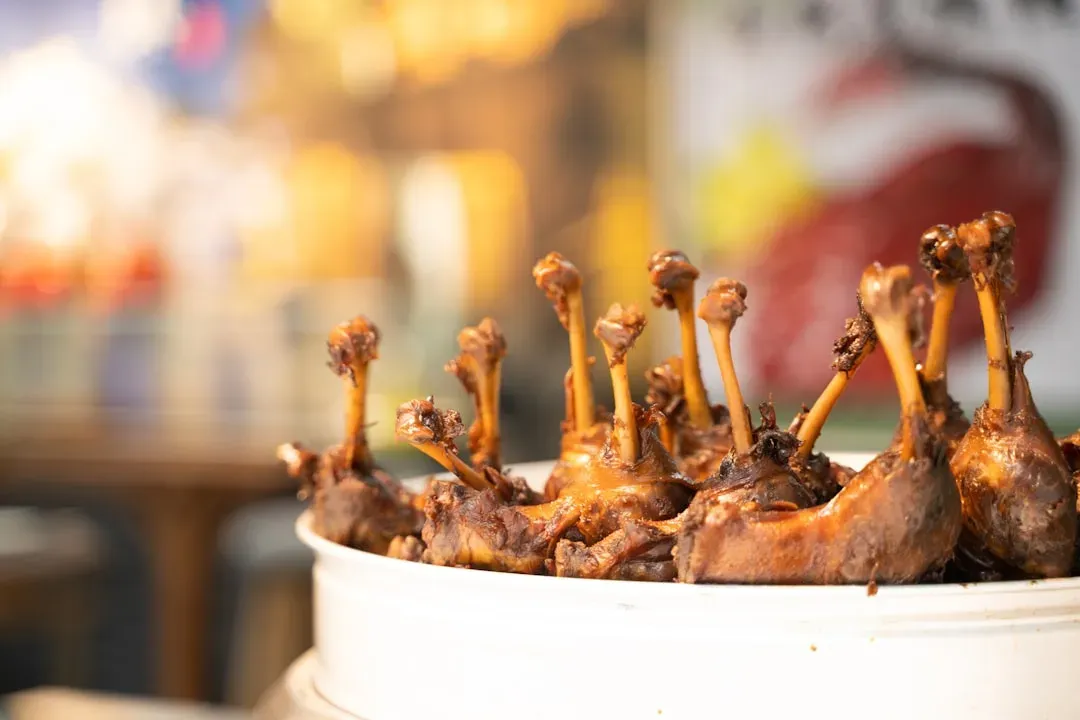
Handing your cat a leftover chicken bone might feel like a natural, even generous, thing to do, especially if you grew up seeing people treat pets that way. The problem is that cooked bones become brittle and can splinter into sharp shards, turning every bite into a potential emergency. Those fragments can lodge in the throat, puncture the stomach or intestines, or cause painful blockages that do not fix themselves.
Your cat’s teeth and jaws are strong, but they are not designed to handle cooked bones safely, and their digestive tract is much more delicate than you might imagine. Even if your cat seems fine right after sneaking a bone, hidden damage can show up hours later as vomiting, drooling, blood in the stool, or signs of severe pain. The safest choice for you is to clear plates quickly, throw bones into a covered trash can, and stick with vet-approved chews rather than risky leftovers.
6. Fatty Trimmings, Bacon, and Greasy Table Scraps
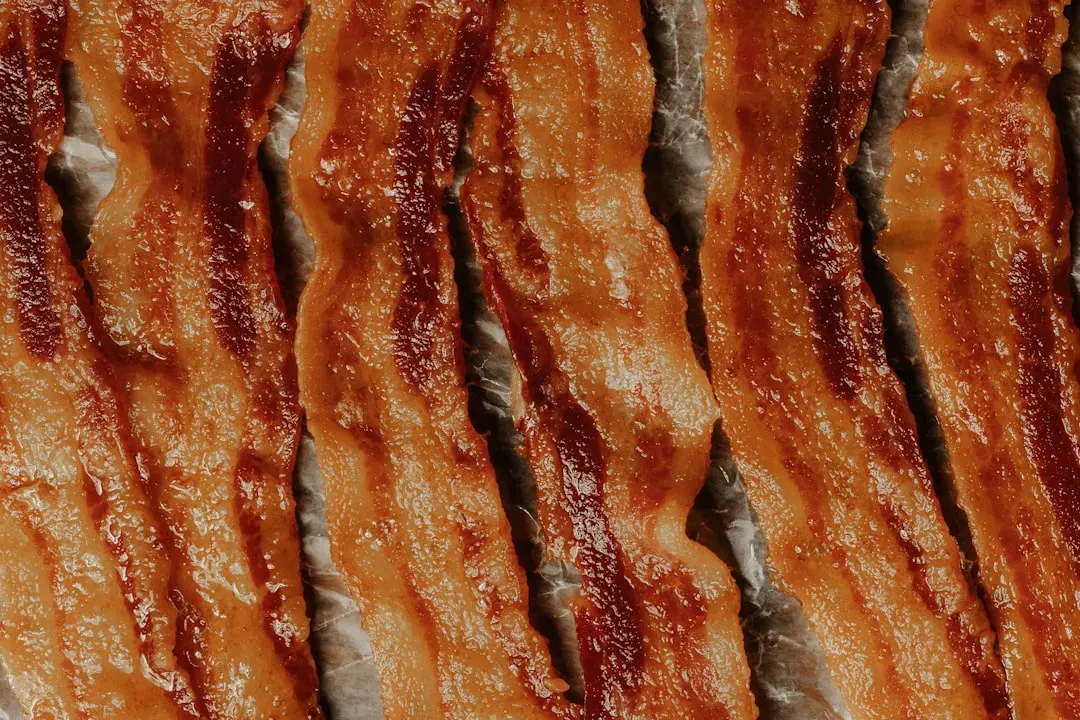
When your cat stares at your crispy bacon or the fatty edge of a steak, it is easy to think a little indulgence will just make them happy. In reality, very fatty foods can upset your cat’s stomach quickly, leading to vomiting, diarrhea, and a very unpleasant mess for you to clean up. Repeated fatty treats can also contribute to weight gain, which quietly raises the risk of diabetes, joint pain, and other long-term health problems.
There is also a more serious concern: a very high-fat meal or sudden overload of grease can inflame the pancreas, a painful condition that sometimes becomes life-threatening. You might not identify the connection right away, since the signs can look like a simple stomach upset at first. If you want to show love through food, you are far better off with lean, plain, cat-safe snacks in tiny portions than anything that leaves a shiny grease mark on your plate.
7. Dairy Products Like Milk, Cheese, and Ice Cream
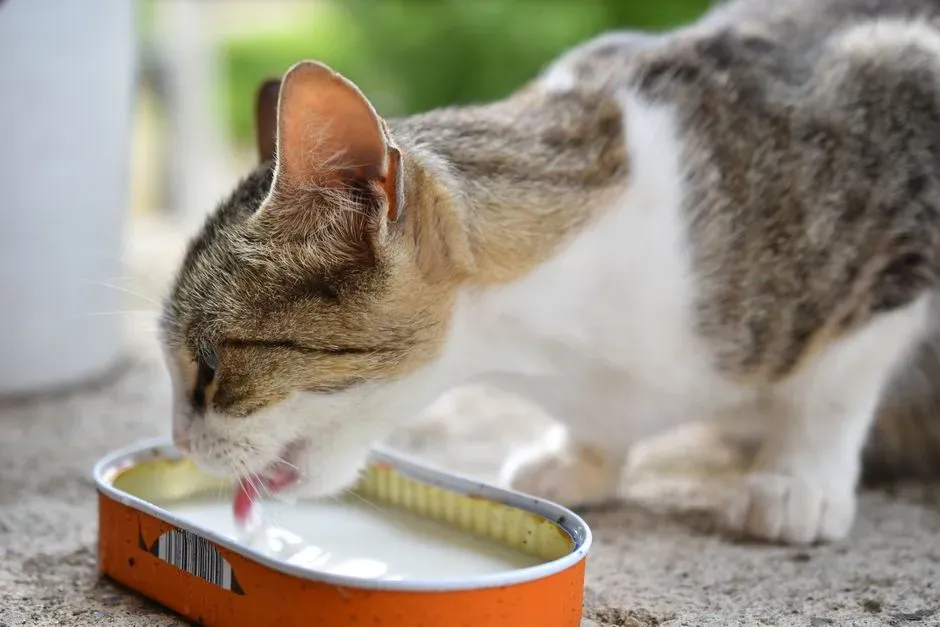
Cats lapping up a saucer of milk is one of the most stubborn myths in popular culture, and it tricks a lot of caring owners. Most adult cats do not produce enough of the enzyme needed to break down lactose, the sugar in milk, which turns their milk treat into a recipe for gas, bloating, and diarrhea. Your cat might act excited about cheese or ice cream because they love the smell and texture, not because their body can actually handle it.
The reaction to dairy can be different for every cat, but you have no way of knowing you are doing harm until you see loose stools, vomiting, or a suddenly messy litter box. While a tiny accidental lick is not usually an emergency, making dairy a habit will likely catch up with your cat’s digestive system. If you like the idea of a milky treat, you can look for lactose-free cat milks or dairy-free, pet-safe alternatives rather than sharing straight from your own bowl.
8. Caffeinated Drinks and Foods (Coffee, Tea, Energy Drinks)
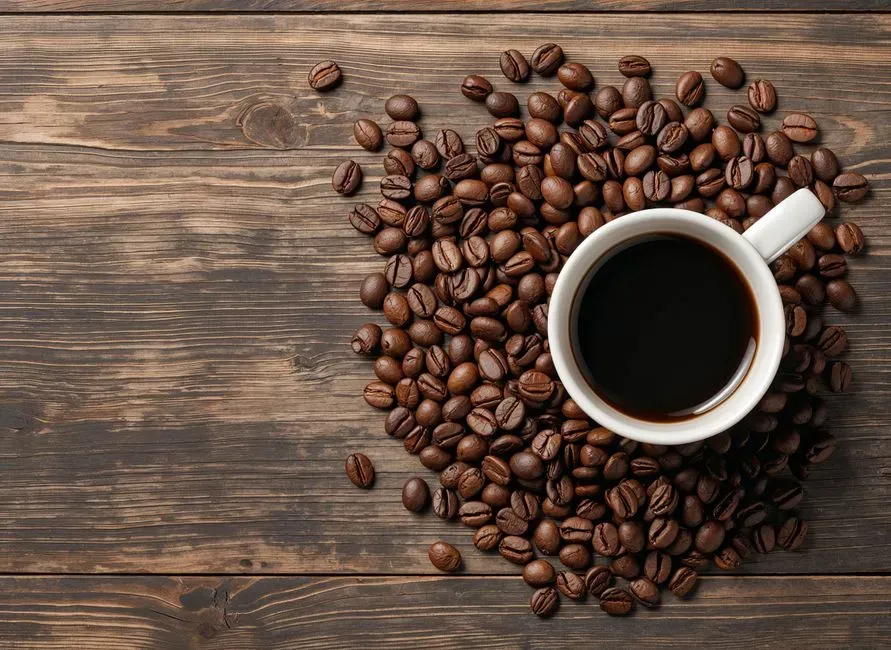
If your cat tries to sneak a sip from your coffee mug, it might seem funny in the moment, but caffeine is nothing to joke about for small animals. Caffeine is a stimulant that can make your cat’s heart race, raise their blood pressure, and disturb their nervous system. Even a little coffee, strong tea, soda, or energy drink can trigger restlessness, tremors, vomiting, or a dangerously fast heartbeat.
The trouble is that caffeine hides in more places than your morning drink, such as energy shots, some pain medications, and certain sports products. If you like to leave half-finished cups on the table or bedside, you are giving your cat an easy chance to experiment with something their body cannot handle. You are much better off treating caffeine around your cat the way you would around a toddler: keep it sealed, put it away between sips, and clean up spills right away.
9. Xylitol and Other Sugar-Free Sweeteners
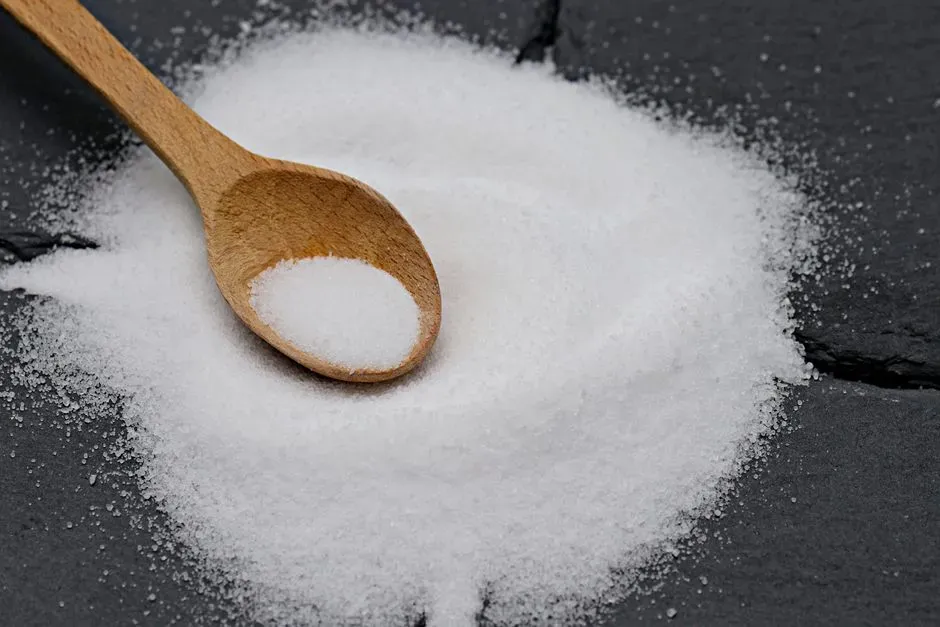
As sugar-free products have become more popular, they have quietly turned into one of the scariest hidden hazards for pets. Some sugar substitutes, especially xylitol, can cause a sudden drop in blood sugar in dogs, and while cats seem a bit less likely to consume sweet foods, the risk is still serious enough that you should never test it. Even a small exposure could potentially trigger weakness, wobbliness, or more severe problems if certain organs are affected.
The challenge for you is that these sweeteners are not just in diet gum and candy, they can be found in sugar-free syrups, baked goods, peanut butter, and even some dental or medicinal products. Because labels change and new products arrive constantly, it is almost impossible to keep track of every risk. The simplest, safest approach is this: anything labeled sugar-free or reduced sugar stays firmly off-limits to your cat, no matter how harmless it might look to you.
10. Salty Snacks: Chips, Pretzels, and Processed Meats
That crunch of a potato chip or pretzel feels like such a harmless little pleasure, and you might be tempted to toss one to your cat for fun. Cats, however, are naturally adapted to much lower salt levels than most human diets contain, and too much sodium can throw off their fluid balance and put stress on their heart and kidneys. In the short term, a high-salt treat can make your cat very thirsty and cause extra urination; in extreme cases, it can even lead to sodium poisoning.
Processed meats like deli slices, hot dogs, and cured sausages are not just salty; they often contain preservatives, spices, and other additives that do your cat no favors. Over time, salty and heavily processed treats can quietly contribute to health problems you never intended to cause. Instead of sharing your chips or cold cuts, keep those snacks for yourself and give your cat something simple and unsalted if you really want to include them.
11. Raw Eggs, Raw Meat, and Raw Fish
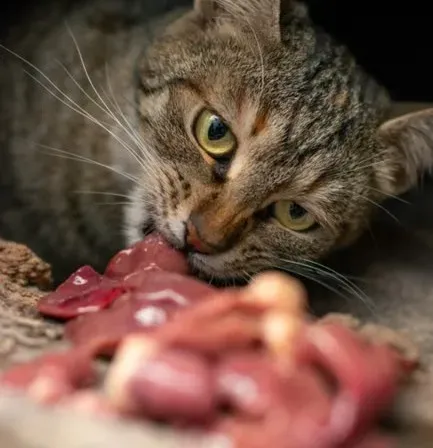
The idea of feeding raw food often gets romanticized because it sounds closer to what cats might eat in the wild. In reality, raw eggs, meat, and fish from your kitchen can carry harmful bacteria like salmonella or other pathogens that do not care how natural your intentions were. Your cat might seem fine after eating raw scraps, but a hidden infection can leave them with vomiting, diarrhea, fever, and dehydration that require veterinary care.
Raw egg whites also contain a compound that can interfere with how your cat uses certain B vitamins if fed regularly, adding another layer of risk. Raw fish can create specific nutritional imbalances when it is a frequent part of the diet, and store-bought seafood is not the same as a fresh wild catch in nature. If you are curious about raw-style feeding, you are much better off having that conversation with your vet and using properly formulated, safe diets instead of handing over random kitchen scraps.
12. Avocado, Guacamole, and Avocado Toast Toppings
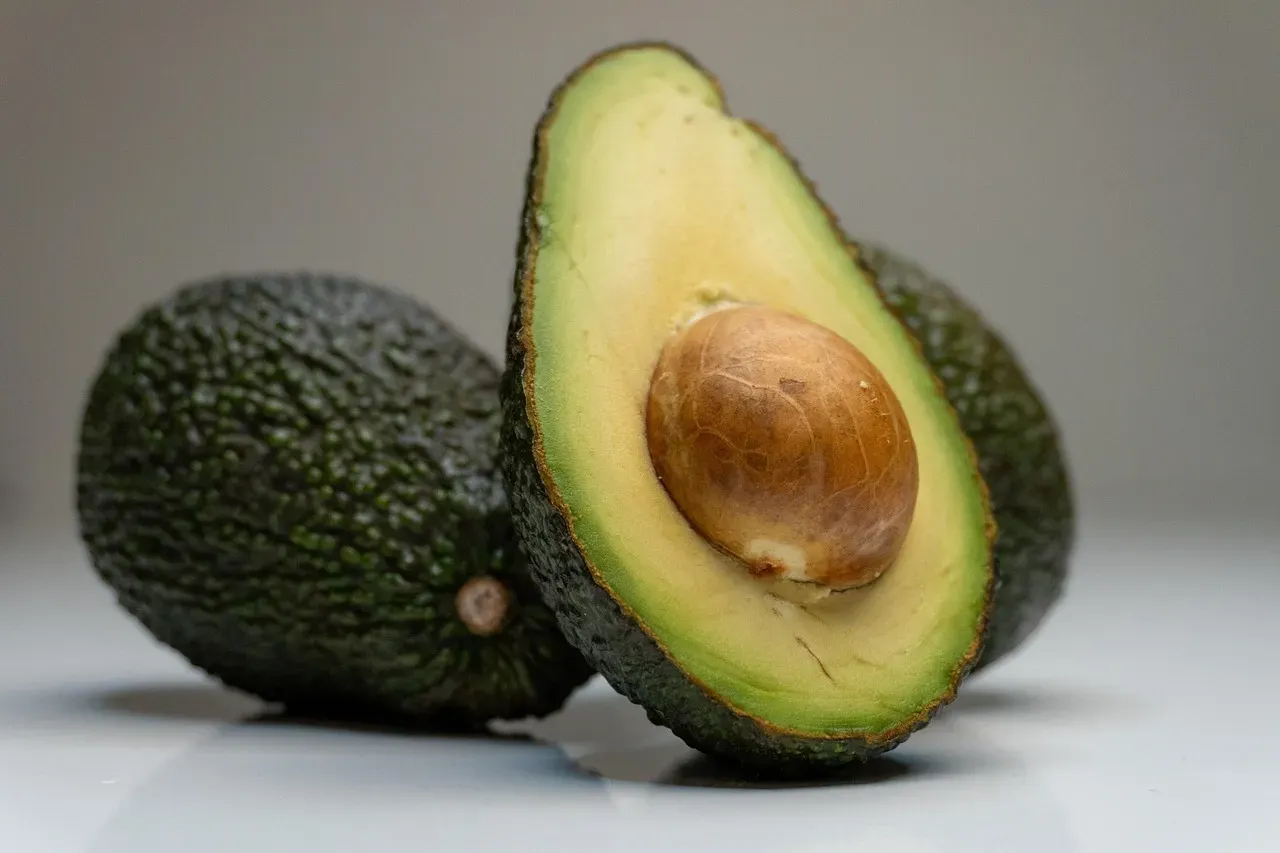
Avocado is often praised as a health food for humans, so it feels strange to think it might be a bad idea for your cat. While small nibbles of the flesh are less dramatic than some other foods on this list, avocado contains compounds that can irritate your cat’s stomach and are not considered safe in larger amounts. Guacamole makes things worse by adding onion, garlic, spices, and salt, turning it into a kind of hazard stew for any curious feline tongue.
Avocado toast is another modern trap, since it often combines avocado with seasonings, oil, and maybe even egg or bacon on the same plate. To your cat, it is just one fragrant pile to investigate, and they do not know which part is most dangerous. Instead of letting your cat lick the remains of your brunch plate, you can show affection with their own safe snack and a cuddle, and treat your avocado obsession as strictly human business.
Conclusion: Keep the Plate Yours and the Bowl Theirs
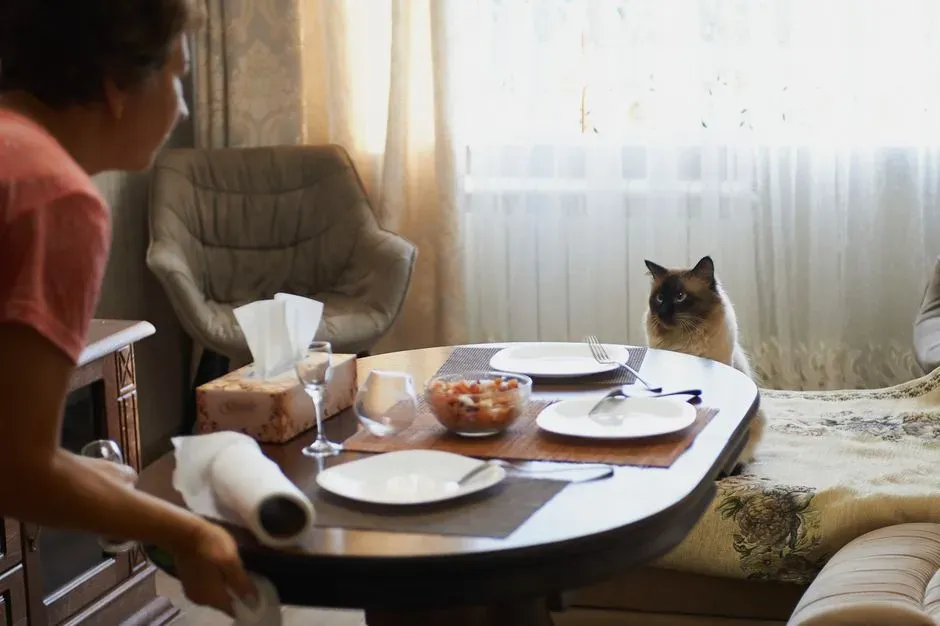
Once you realize how many everyday foods can hurt your cat, you start to see your dinner plate in a whole new light. It is not just about being strict or stingy; it is about understanding that a creature a fraction of your size with a very different biology simply cannot share everything you eat. What looks like a tiny scrap to you can pack a huge punch of salt, fat, toxins, or stimulants in your cat’s much smaller body.
That does not mean you can never treat your cat, it just means you do it on their terms with foods designed for them and guidance from your vet rather than whatever happens to be left on your fork. If you build the habit of clearing plates, covering trash, and saying no to begging eyes, you are not being cold-hearted, you are being the guardian your cat actually needs. The next time a paw reaches toward your plate, will you see a spoiled pet you want to indulge, or a vulnerable little predator you are determined to protect?
Kristina is a young writer from India. An arts graduate and an avid content creator, Kristina is passionate about animals and wildlife. She enjoys exploring topics related to pet care, animal behavior, conservation, and nature, combining thorough research with engaging storytelling.