#1 String, yarn, and thread
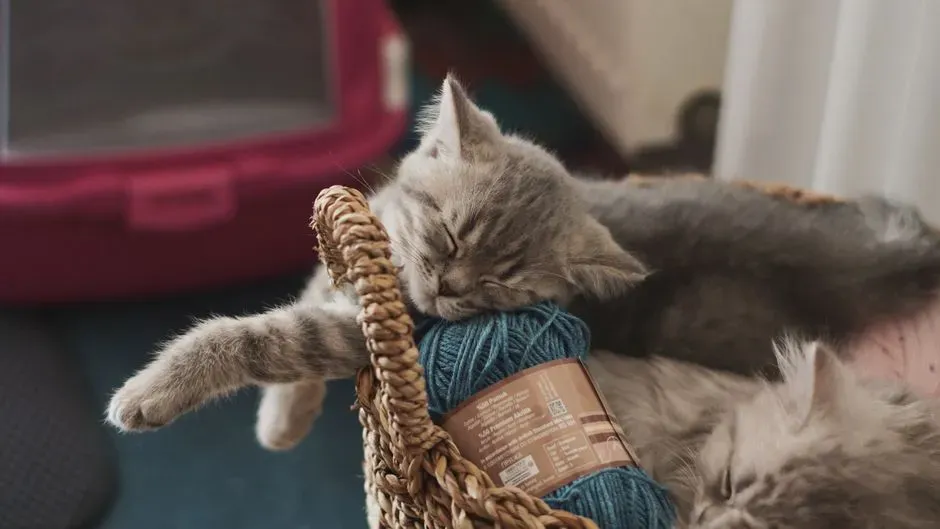
Cats are drawn to string because it moves like prey. The wiggle and drag of a loose thread or a ball of yarn taps directly into a hunting instinct that never really switched off just because a cat lives indoors. Cats are naturally drawn to string, yarn, dental floss, and similar objects due to their texture and movement, which mimic prey.
The real danger shows up if a cat actually swallows it. An especially dangerous type of foreign body, most common in cats, is referred to as a linear foreign body, describing long, thin objects such as string, yarn, and tinsel. Linear material becomes uniquely dangerous when anchored, commonly under the tongue, in the stomach or pylorus, or within the intestine, because once anchored, the bowel climbs the material and becomes bunched, increasing the risk of intestinal tearing, perforation, and peritonitis. If you ever spot a string trailing from a cat’s mouth, resist the urge to pull, since visible string should not be tractioned because anchored linear material can damage the intestines if it is pulled.
#2 Lilies and other toxic houseplants

A vase of fresh lilies looks harmless enough sitting on a windowsill, but for cats it’s one of the most dangerous things allowed indoors. A common flower veterinarians warn cat owners against is lilies, since even eating a small amount of this flower can cause deadly kidney failure in cats, and multiple species of lilies are toxic. That danger isn’t limited to chewing the petals either, since lilies of all varieties are among the most toxic plants for cats, and even a small nibble or exposure to pollen can cause kidney failure.
Lilies aren’t the only offenders in this category. Common toxic plants include sago palms, lilies, azaleas and tulips. Before bringing any new greenery home, it’s worth checking a plant against a trusted toxicity list, because the line between a pretty houseplant and a veterinary emergency can be thinner than most people assume.
#3 Essential oil diffusers and concentrated oils
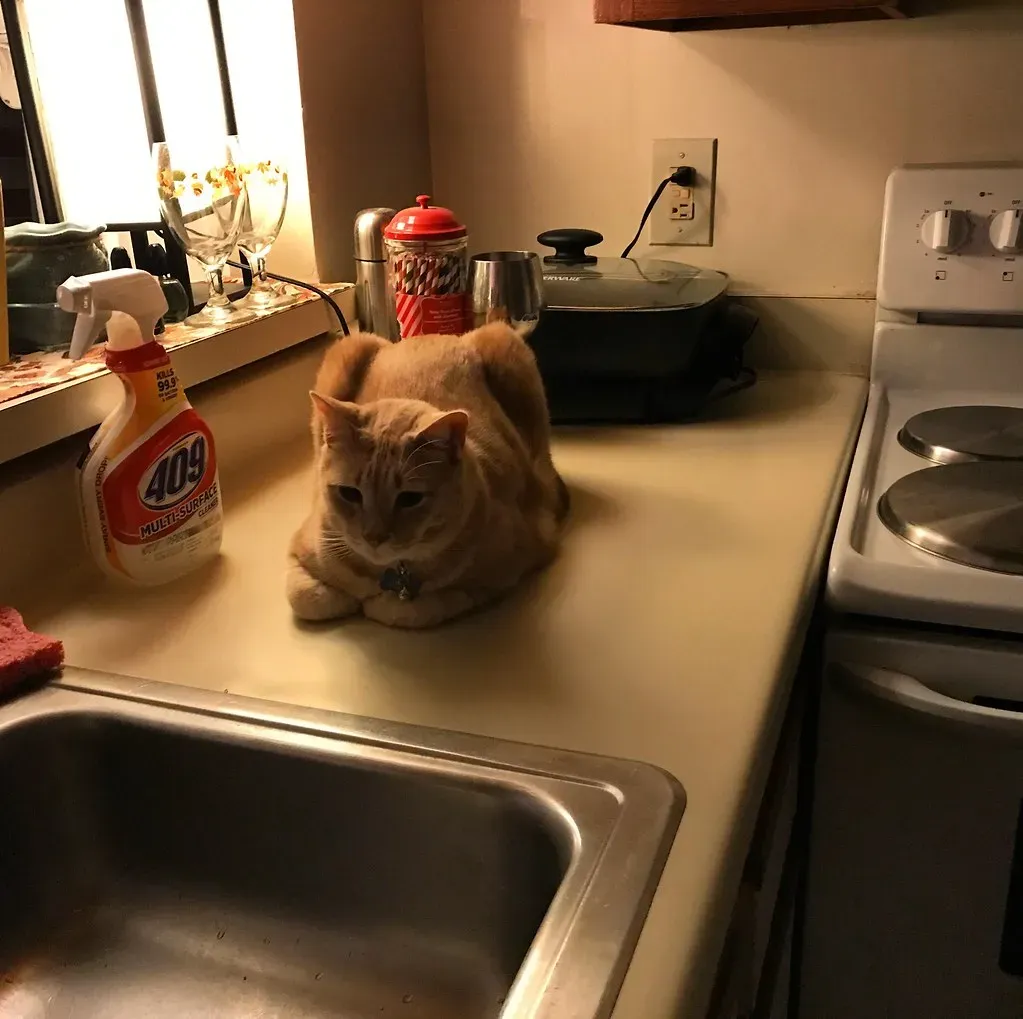
Essential oils have become a fixture in a lot of homes, whether for relaxation, cleaning, or just making a room smell nice. Cats, however, process these compounds very poorly. Cats lack certain liver enzymes that are crucial for metabolizing many of the compounds found in essential oils, making them particularly vulnerable to toxicity.
Some oils carry a higher risk than others. Tea tree oil is highly toxic and can cause neurological depression and tremors, eucalyptus oil can lead to respiratory distress and drooling, and peppermint oil causes vomiting and lethargy. Exposure doesn’t require direct ingestion either, since cats metabolize oils poorly, so it’s best to avoid using diffusers or scented sprays in areas where a cat spends time. A diffuser left running in a closed room is essentially a slow, invisible exposure that a cat has no way to escape.
#4 Human medications left on nightstands or counters
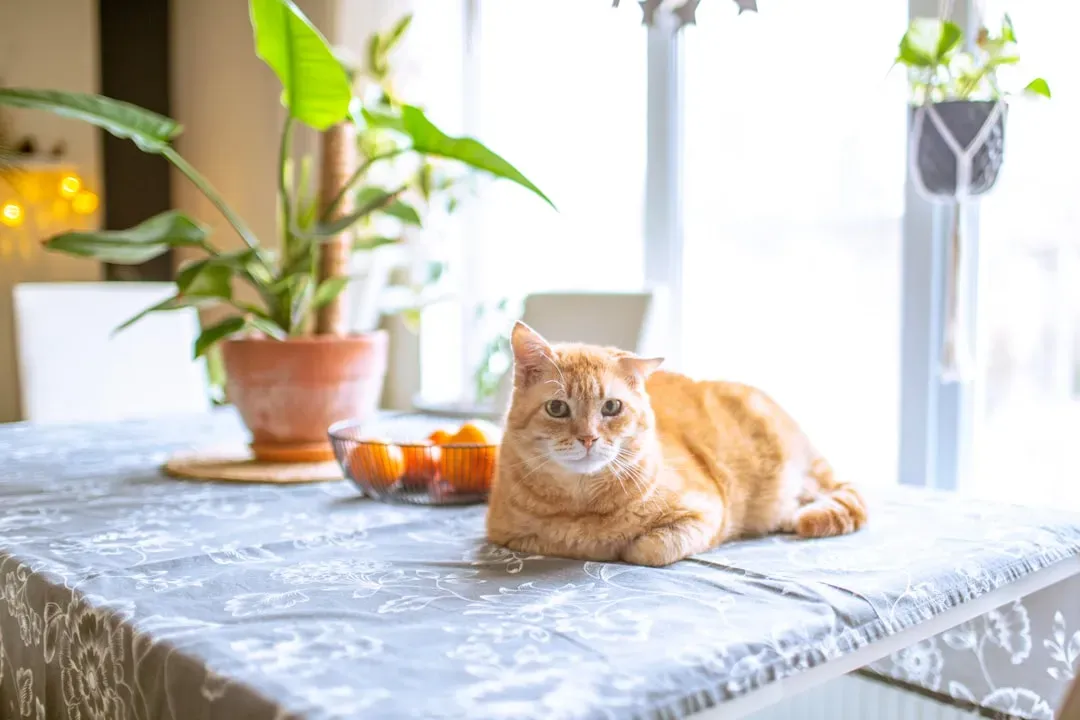
A single dropped pill can be a serious problem for a cat that finds it before you do. Medication is consistently one of the top reasons cats end up at emergency vet clinics, and the categories involved are often things people keep close at hand, like antidepressants, anti anxiety medication, or vitamin supplements. Antidepressants and antianxiety medications are the third most common toxin for cats, followed by vitamin D3 supplements as the fourth most common toxin.
Prescription bottles on a nightstand, a pill organizer left open, or a dropped tablet under the bed can all become targets for a curious paw. Many prescription and over-the-counter medications can be harmful to pets, even in small doses, so it’s important to keep all medicines securely stored out of reach and never administer human medications to pets without consulting a veterinarian. Even something as ordinary as a bottle of ibuprofen deserves a closed drawer rather than an open counter.
#5 Household cleaning chemicals
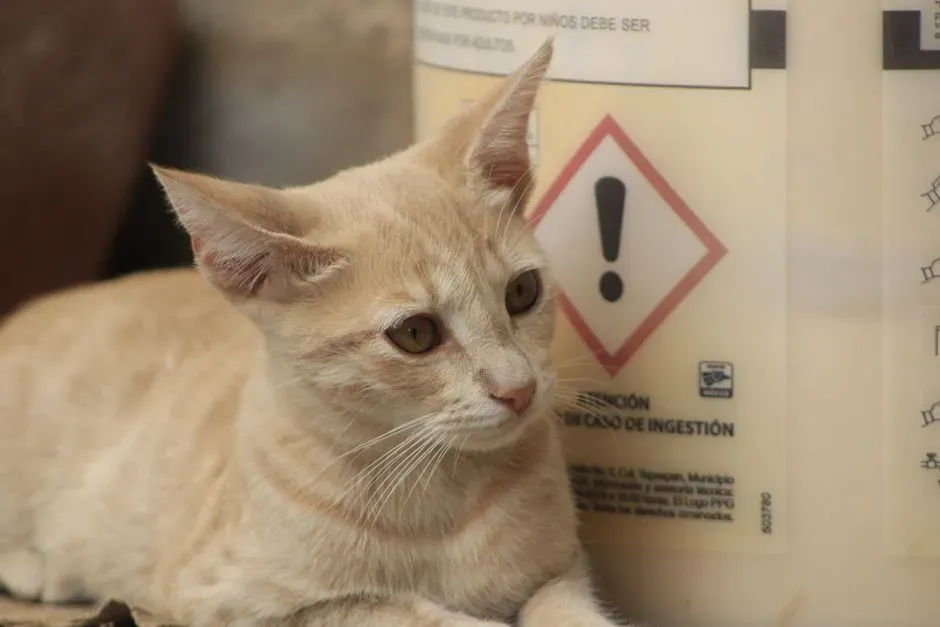
Cleaning supplies are often stored under sinks or left out mid task, which puts them at exactly the height a curious cat might investigate. The chemicals in many everyday cleaners are far more dangerous to a small animal than to a person. Ammonia, bleach, chlorine, formaldehyde, isopropyl alcohol, and phenols are highly toxic to cats, and these chemicals can irritate a cat’s respiratory system, cause burns or irritation to their skin and paws, and pose serious risks.
Part of the danger comes from how a cat interacts with its environment after exposure. A cat that walks through a puddle of cleaner or brushes against a freshly wiped surface will often lick its paws afterward, ingesting whatever residue is left. The ingredients found in household cleaners and chemicals can be deadly to pets, so it’s important to keep these items secured and out of reach, preferably in areas a pet cannot access.
#6 Chocolate, coffee, and other caffeinated foods
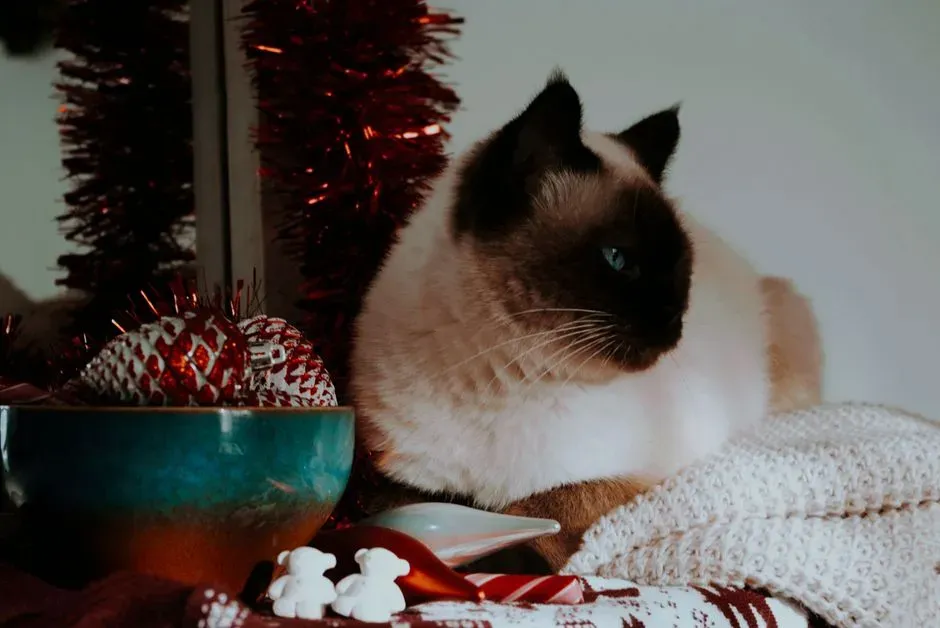
Leftover coffee grounds, a half eaten chocolate bar, or an energy drink can all pose real risks if a cat gets curious about the smell. The compounds responsible aren’t unique to one product, which is part of why this category catches people off guard. Chocolate, coffee, and caffeine contain methylxanthines, which affect the heart and nervous system.
Cats are generally less inclined toward sweets than dogs, so this hazard often shows up more through curiosity about a spilled drink or an unattended plate than deliberate interest in the food itself. Still, the safest habit is simple. Keep chocolate, coffee, and caffeinated snacks covered and cleared away rather than trusting a cat to ignore them.
#7 Grapes, raisins, onions, and garlic
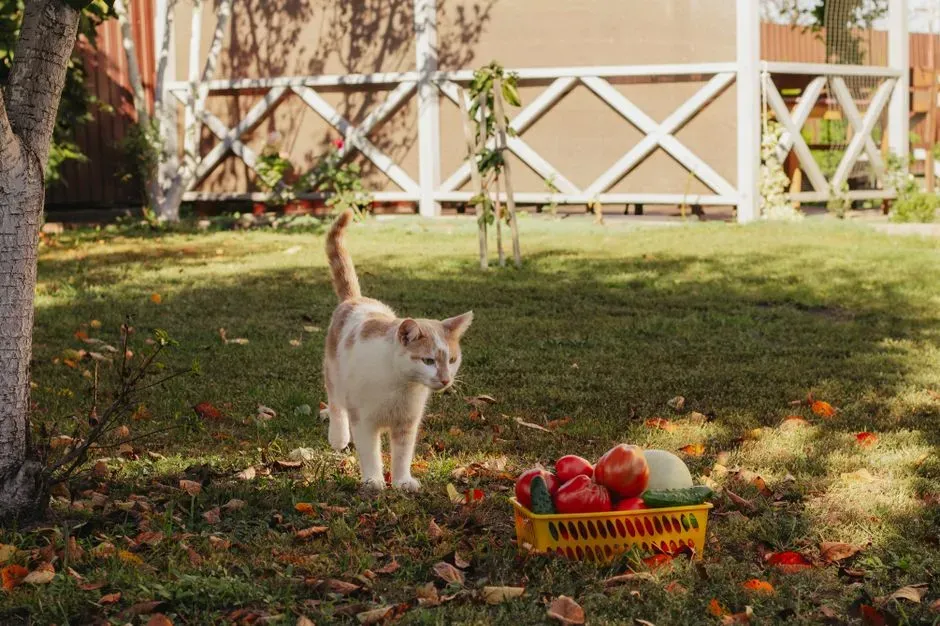
These are staples in a lot of kitchens, tucked into salads, sauces, and snack bowls, which makes them easy to underestimate. Onions, garlic, and chives damage red blood cells, leading to anemia. The effect isn’t always immediate, and a cat that snags a stray piece of onion from a cutting board might seem fine for a day or two before symptoms appear.
Grapes and raisins carry a separate but equally serious risk. Grapes and raisins are linked to kidney failure in pets. Because both categories can cause delayed reactions, it’s worth being just as careful with cutting board scraps and snack bowls as with anything more obviously dangerous.
#8 Rubber bands, hair ties, and small elastic bands
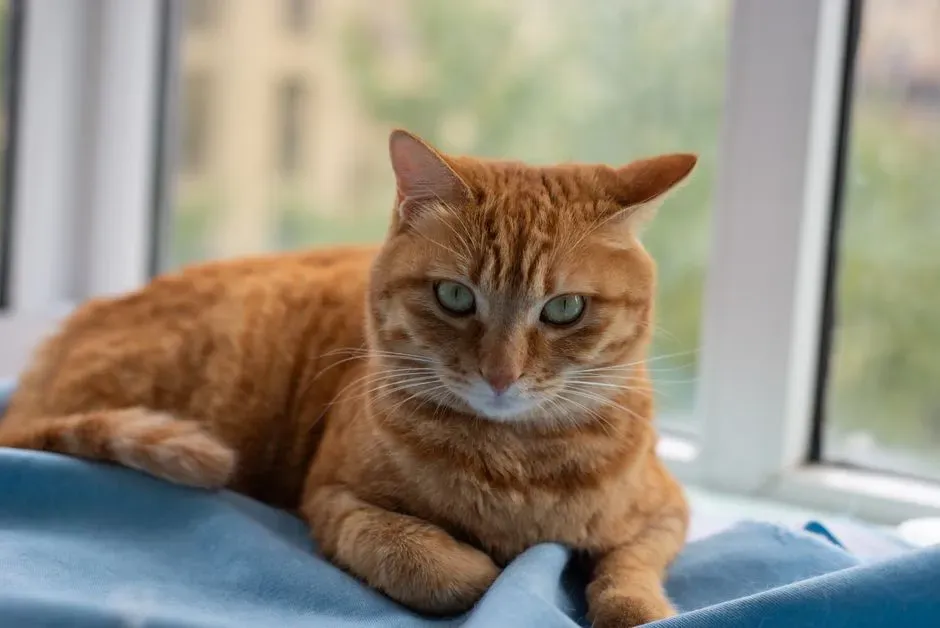
These small stretchy objects share a lot in common with string when it comes to how a cat interacts with them. A cat batting a hair tie across the floor is playing out the same predatory instinct that makes yarn so appealing, and the object is small enough to disappear into a mouth in seconds. Once swallowed, a rubber band behaves like any other linear foreign body, which is exactly the mechanism described earlier with string and thread.
What makes rubber bands and hair ties particularly sneaky is how easily they end up on floors, under couches, or on bathroom counters without anyone noticing. A single stray hair tie rolled under a bed can sit there for weeks, waiting for a cat to find it during an idle afternoon of exploring. Keeping these items in closed drawers rather than loose on surfaces removes an easy opportunity.
#9 Dental floss and sewing supplies
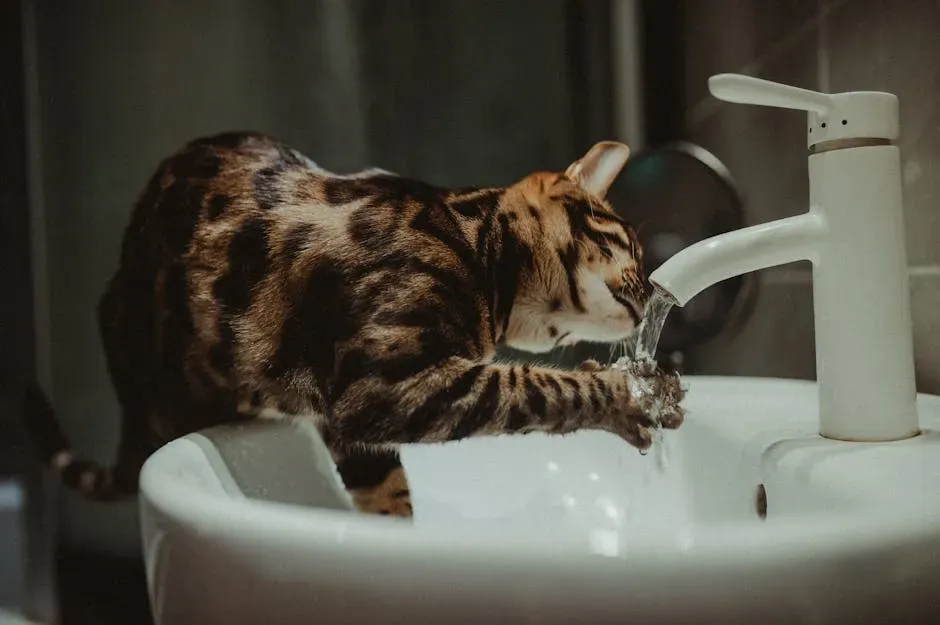
Floss and thread deserve their own mention because they combine the risks of linear foreign bodies with an added complication, sharp objects. Needle-thread combinations are especially dangerous. A sewing needle trailing a length of thread can seem like an ideal toy to a cat, and that combination is one of the more severe versions of the hazard described earlier.
Even without a needle attached, floss presents the same bunching and slicing risk as string does. String, yarn, dental floss, sewing thread, and similar linear materials can cause a life-threatening obstruction in cats, and the string can slice through the intestines as they attempt to move it along, causing peritonitis and sepsis. Sewing kits and floss containers are worth storing somewhere a cat genuinely cannot access, not just somewhere it seems unlikely to look.
#10 Holiday decorations, especially tinsel
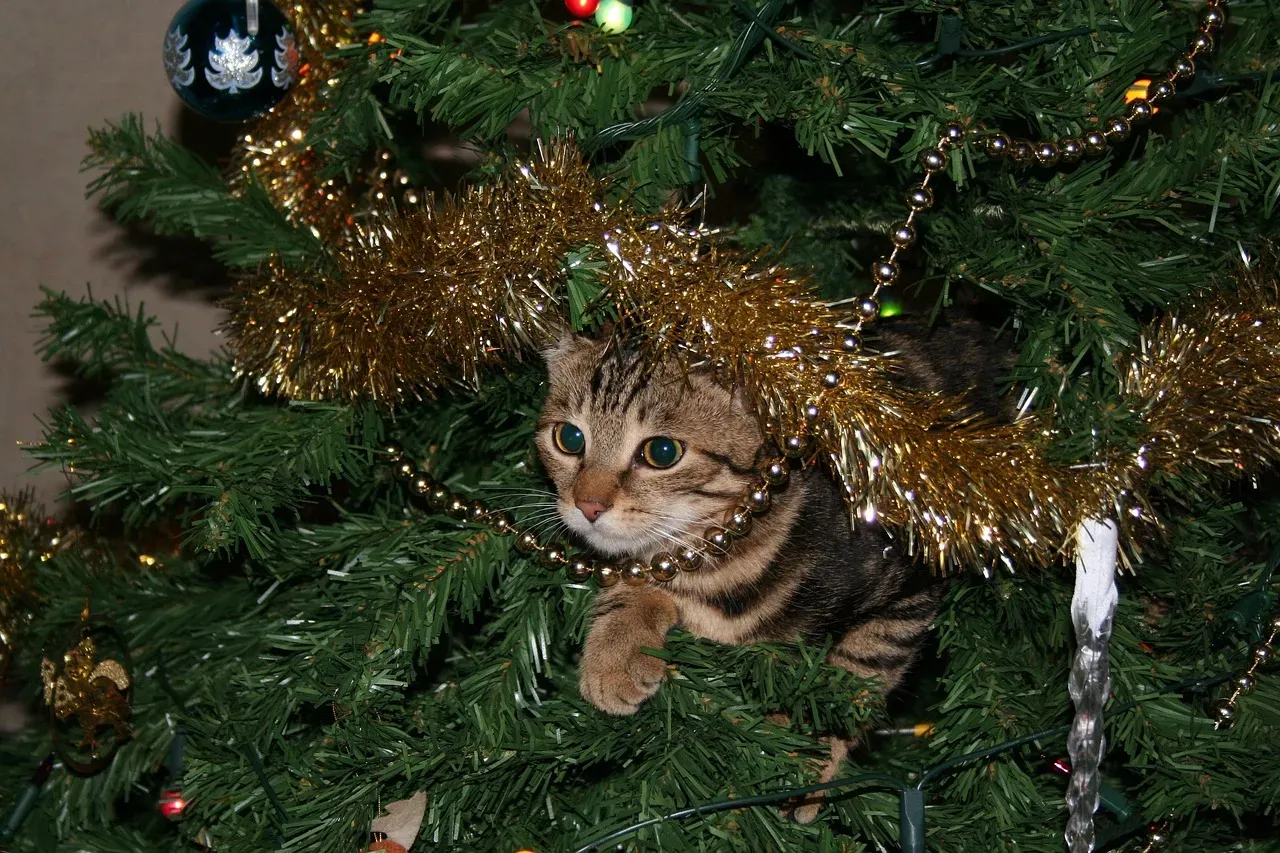
Seasonal decor brings a wave of new textures and movements into a home, and cats notice every bit of it. Tinsel in particular checks every box a cat finds irresistible, shiny, lightweight, and prone to drifting when batted. Tinsel, twine, yarn, and string are all very enticing to feline friends, yet if ingested they can create a potentially deadly predicament called a linear foreign body.
The timing of this risk matters too, since decorations tend to appear for weeks at a stretch rather than being a one time exposure. As the holiday season approaches, homes begin decorating with materials like tinsel and handmade garland on twine, alongside personalized gifts like hand knitted clothing. Ribbon on gift wrap falls into the same category, so it’s worth clearing wrapping debris promptly rather than leaving it in reach overnight.
Final thoughts
Kristina is a young writer from India. An arts graduate and an avid content creator, Kristina is passionate about animals and wildlife. She enjoys exploring topics related to pet care, animal behavior, conservation, and nature, combining thorough research with engaging storytelling.