If cats had dating profiles, half of them would be guilty of serious false advertising. Big eyes, plush fur, tiny paws… and a personality that sometimes says: please admire me from a respectful distance. A lot of people fall in love with a cute cat photo online and only later discover they’ve basically adopted a tiny, opinionated roommate rather than a living teddy bear.
This doesn’t mean these breeds are bad, broken, or unloving. It just means they often show affection on their own terms, and they can react badly if you push for cuddles they never signed up for. Knowing this upfront can save you from scratches, tears, and the guilt of feeling like you “failed” as a cat parent. Let’s walk through nine gorgeous breeds that can be amazing companions, as long as you respect their boundaries and don’t expect a cartoon-level lap cat.
#1 Bengal: The Jungle Athlete, Not Your Plush Pillow
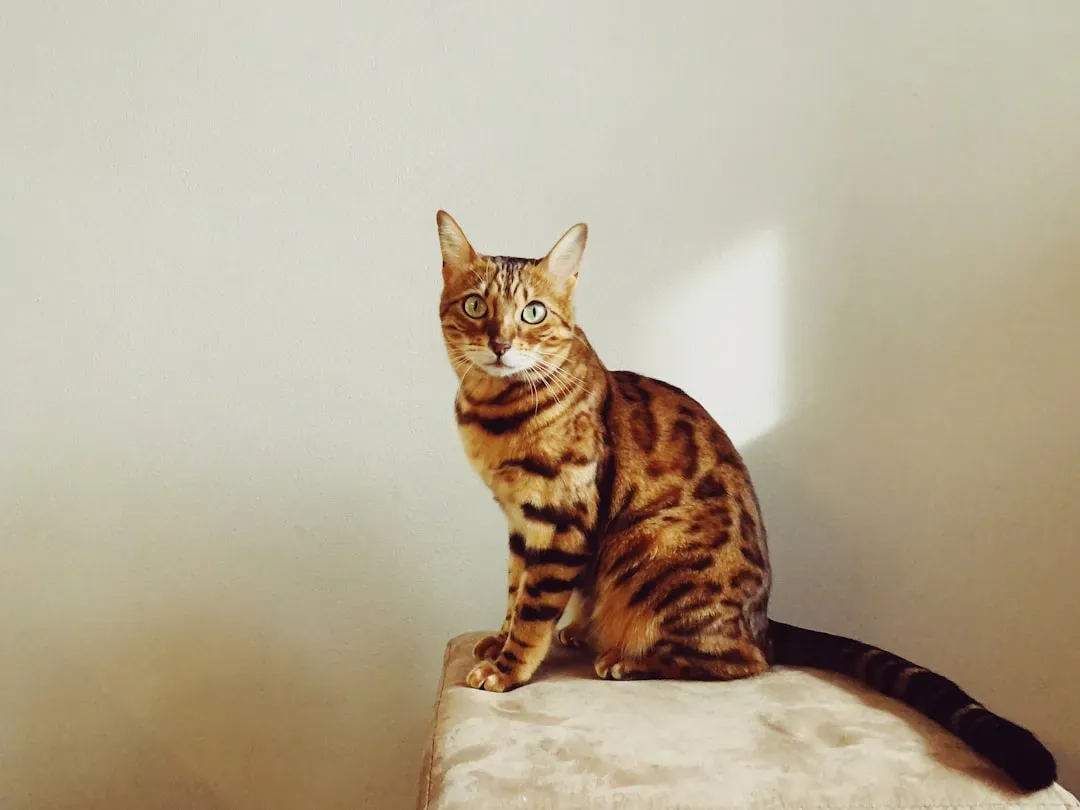
Bengals look like wild, miniature leopards, and their energy level absolutely matches that look. They’re brilliant, athletic, constantly on the move, and often more interested in climbing the highest shelf than melting in your arms. Many Bengals prefer interactive play, puzzle toys, and exploring vertical space over quiet nap sessions on your chest.
Because of their strong prey drive and intense curiosity, they can get overstimulated by constant petting or being held too long. A bored Bengal is more likely to nip, swat, or zoom around the house like a furry hurricane. If you think of a Bengal more like adopting a border collie in cat form – needing jobs, enrichment, and respect for their independence – you’ll have a much happier relationship than if you expect a soft, snuggly couch ornament.
#2 Siamese: Vocal Velcro Cat… on Their Terms
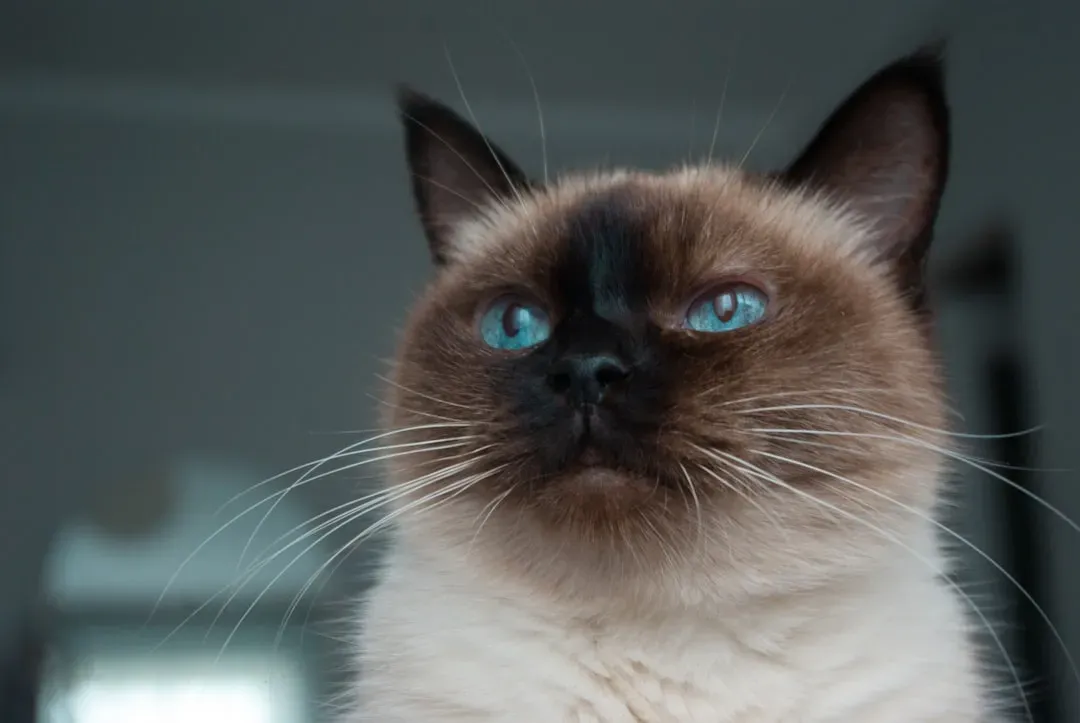
Siamese cats are famous for being social, chatty, and deeply bonded to their humans, but that doesn’t automatically translate into cuddly. They want your attention, conversation, and engagement, and they’re not shy about demanding it with surprisingly loud voices. However, some Siamese absolutely hate being restrained, cradled like a baby, or forced into long cuddle sessions.
They tend to have high emotional intensity: when they’re in the mood, they may curl up next to you, follow you from room to room, or sleep at your feet. But if you ignore their signals and hold onto them when they want to move, you may see swishing tails, frustrated wriggles, or an annoyed swat. With Siamese, the key is to think of affection as a partnership – listen as much as you “talk,” and let them set the pace of contact even if they seem obsessed with you otherwise.
#3 Scottish Fold: Cute Ears, Potentially Sensitive Bodies
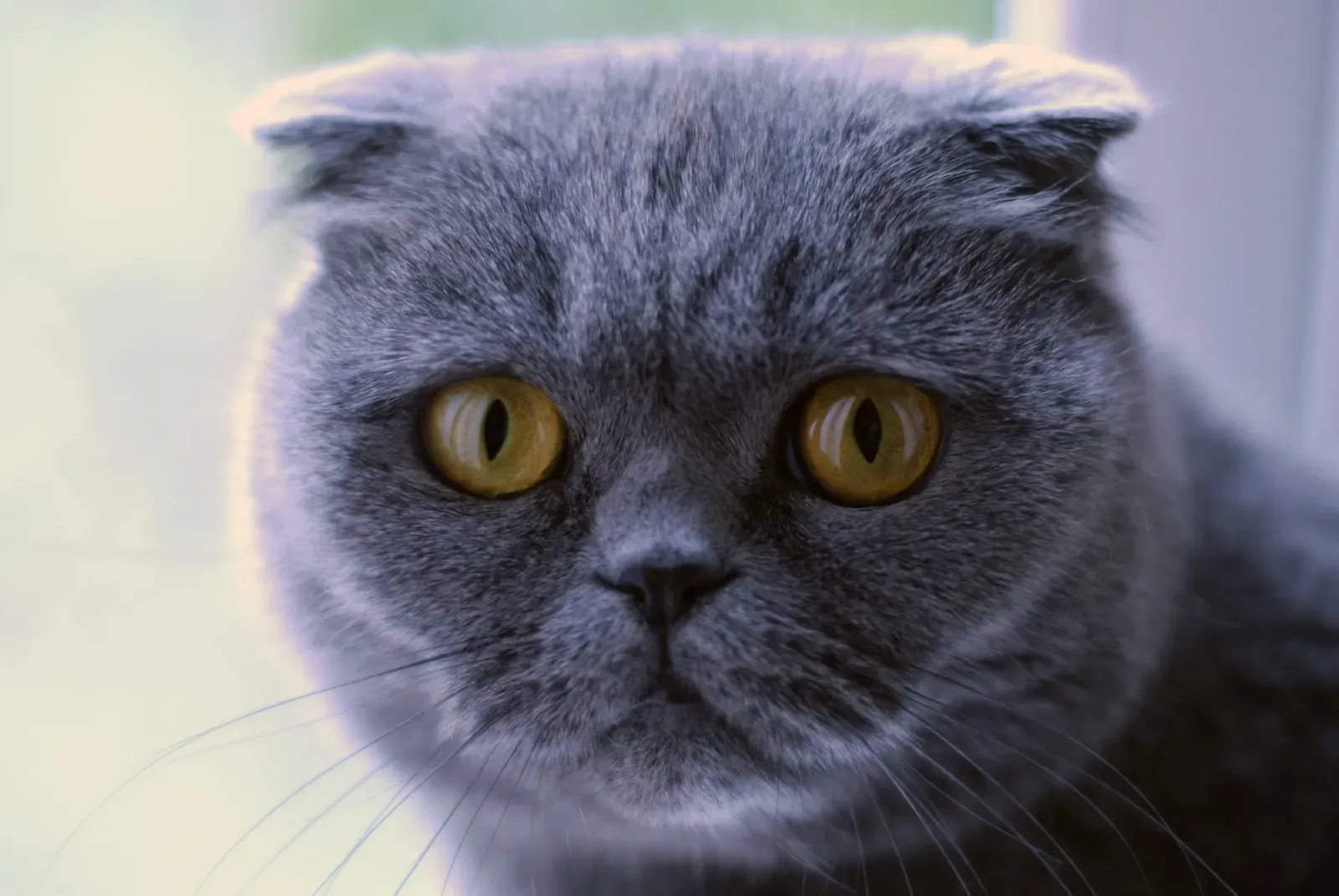
Scottish Folds look like living plush toys, with round faces and those iconic folded ears, but their genetics can come with a heavy price. The same mutation that folds their ears is linked to cartilage and joint issues, which can make some Scottish Folds more sensitive to touch, especially around their legs, tail, or spine. A cat that’s in low-grade pain is not going to enjoy being squeezed, picked up constantly, or handled roughly by kids.
Many owners report that their Folds are sweet, people-oriented cats who enjoy being nearby rather than pinned in a tight hug. Gentle head scratches, calm laps, and short cuddle bursts may be welcome, but anything that puts pressure on sore joints can trigger defensiveness or withdrawal. With this breed, you really have to respect subtle signs of discomfort and work closely with a vet, instead of assuming an adorable appearance equals an endlessly tolerant cuddle toy.
#4 Sphynx: Clingy, Yes – But Not a Toy
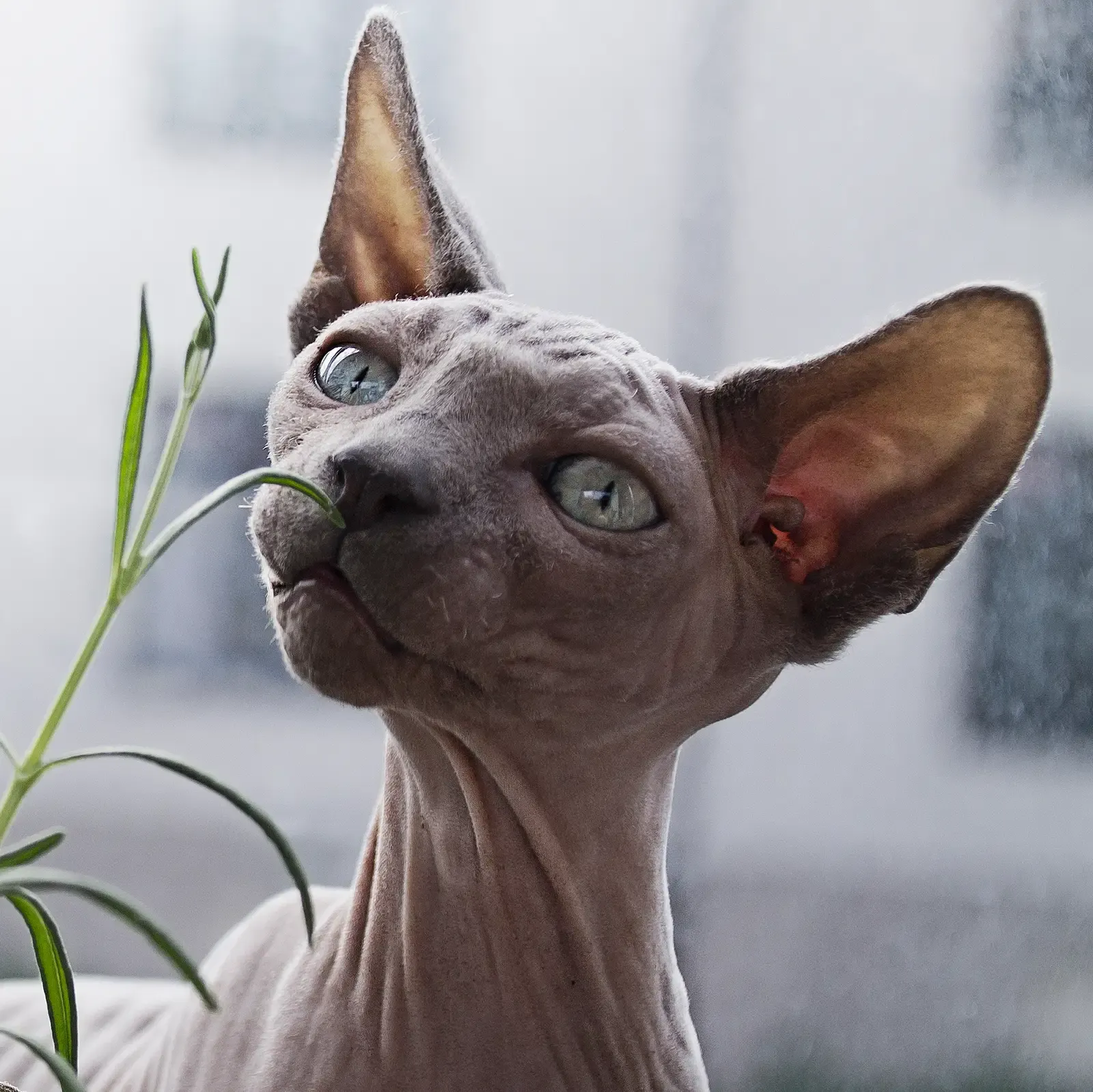
The Sphynx is often described as almost doglike in its devotion, and many of them truly are little heat-seeking missiles who love warmth and human company. But that reputation can be misleading, because being social and being physically tolerant of any kind of handling are two different things. Their bare skin is sensitive, and rough petting, grabbing, or constant squeezing can be uncomfortable, even if they adore being near you.
Because they get cold easily, Sphynx cats often seek out laps, blankets, and body heat, which people sometimes interpret as unlimited consent to cuddle however they like. In reality, they can still become overstimulated, irritated, or stressed if they can’t move away when they want to. Treat a Sphynx like a friend who loves hugs but still needs bodily autonomy: let them approach, keep sessions gentle, and always give them an easy escape route if they shift or tense up.
#5 Russian Blue: The Shy Sophisticate
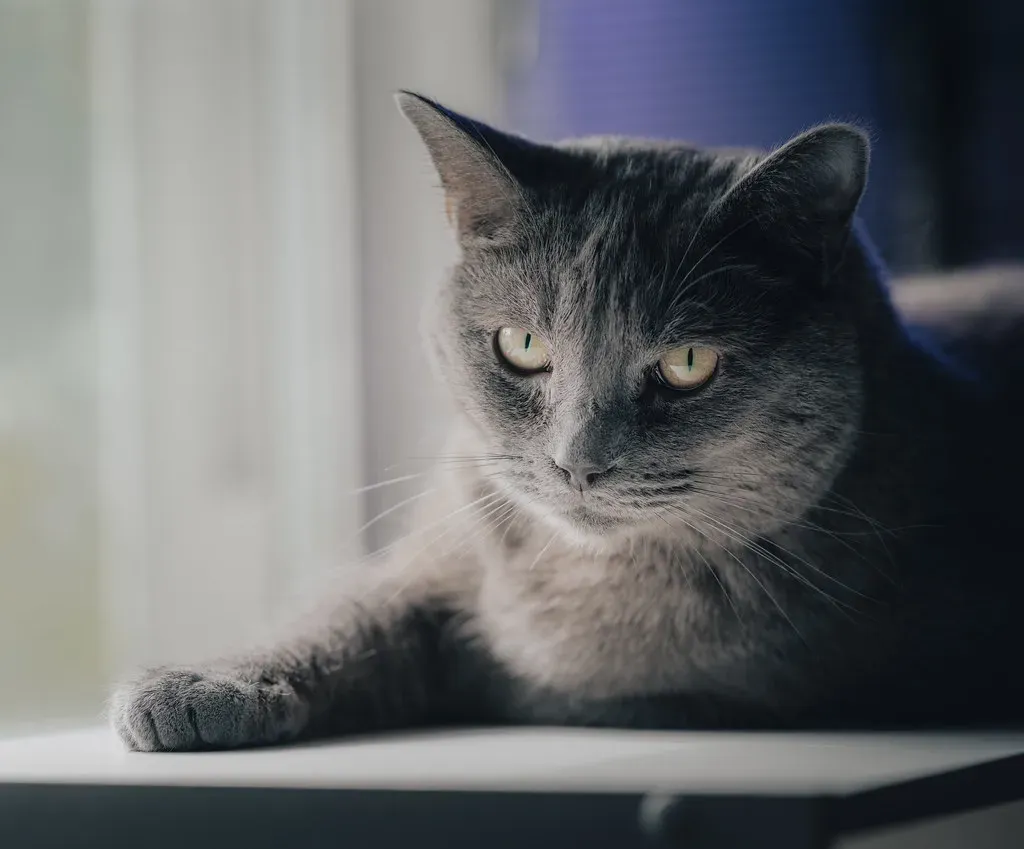
Russian Blues often bond deeply with one or two people but stay reserved or cautious with everyone else. Their short, shimmering coat and calm expression make them look like natural lap cats, yet many are actually quite sensitive to noise, sudden movements, and unfamiliar hands. A Russian Blue forced into cuddles by visitors or children is likely to retreat, hide, or develop a strong dislike for handling in general.
In a quiet, predictable home, they may choose to curl up beside you, follow you to bed, or gently nudge you for petting, but they typically prefer subtle, controlled contact. Think of them like that introverted friend who loves you but gets drained by too much social intensity. If you let a Russian Blue come to you, and you accept that they might prefer a bit of gentle stroking over being carried around, you’ll uncover a very loyal companion hidden under that cool exterior.
#6 Oriental Shorthair: Drama Queen With Boundaries
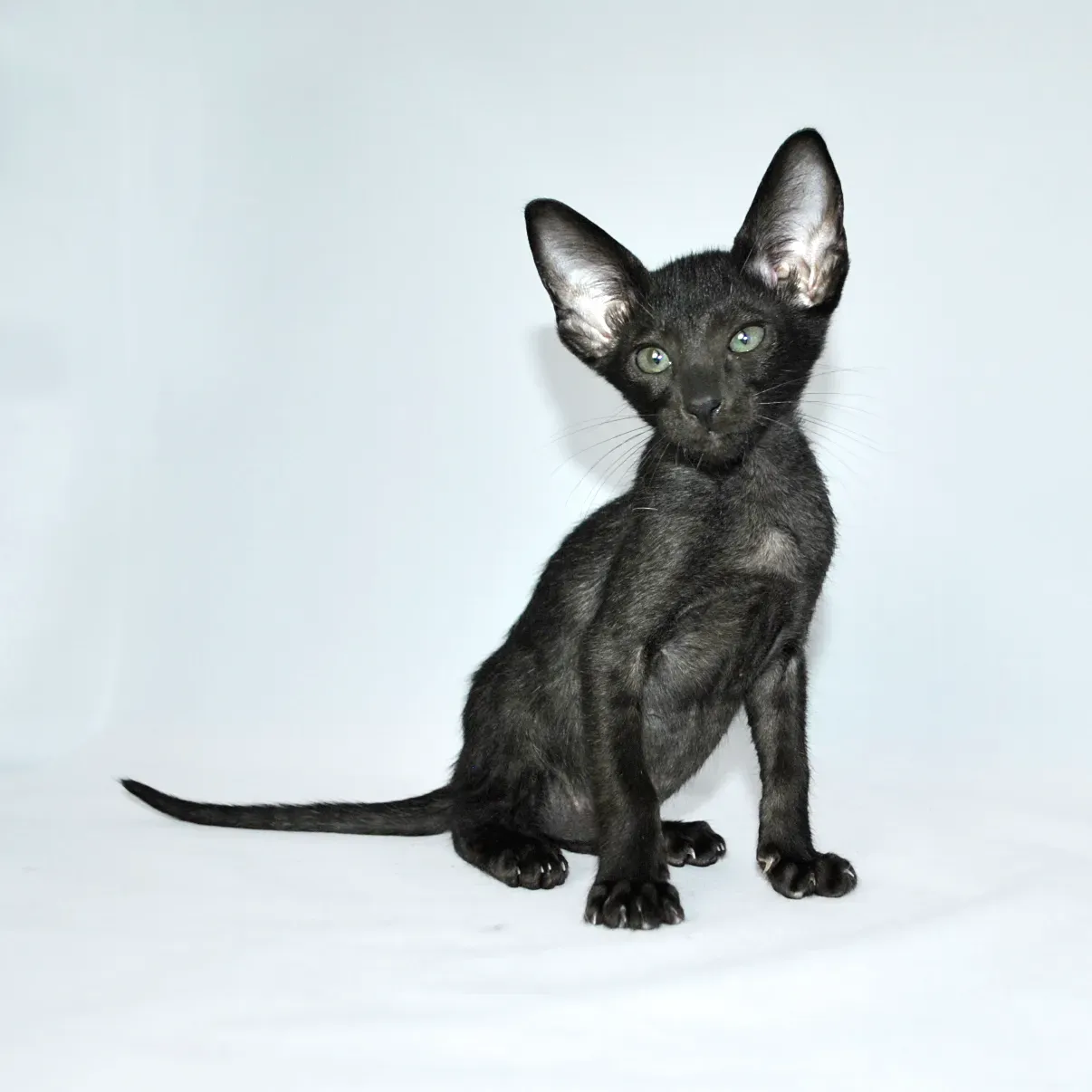
Oriental Shorthairs are related to Siamese cats and share their high energy, intelligence, and tendency to form intense bonds with their humans. They’re expressive, theatrical cats who may seem fascinated by everything you do, from brushing your teeth to typing on a laptop. But constant drama does not necessarily mean constant cuddles, and many Orientals will protest if you over-handle them or ignore their signals.
They often want to be involved, to supervise, to talk back, and to perch near you rather than be pinned in your lap for long stretches. If they feel trapped, they may vocalize loudly, squirm, or get nippy out of sheer frustration. Living happily with an Oriental Shorthair is like living with an opinionated roommate: they crave connection and stimulation, but they want to choose when and how it happens, and they won’t hesitate to tell you when you’ve crossed a line.
#7 Turkish Van: The Athlete Who Might Prefer Swimming to Snuggling
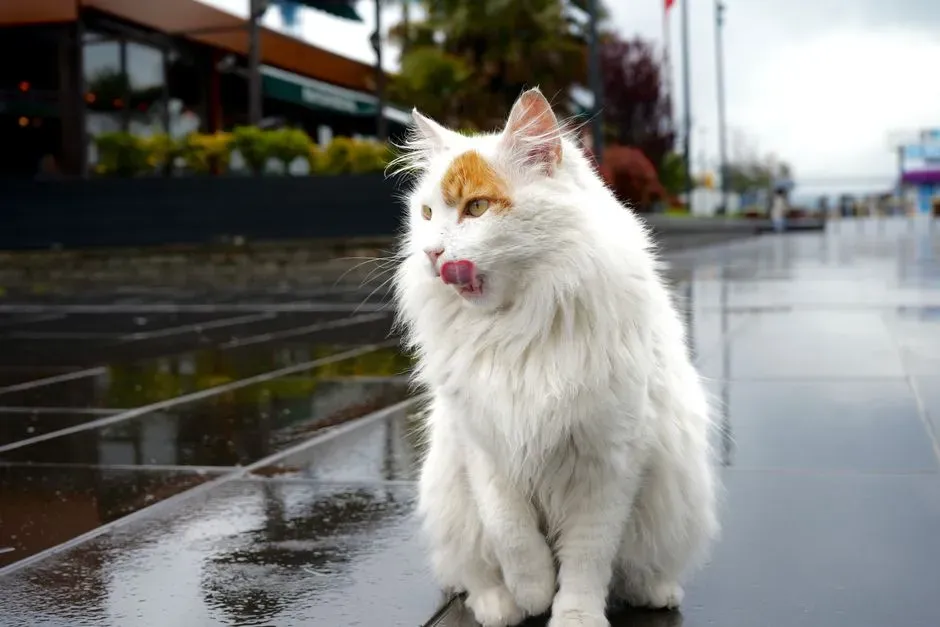
Turkish Vans are sometimes called “swimming cats” because many of them show an unusual interest in water, including bathtubs and sinks. They’re strong, muscular, and often quite active, more like feline athletes than floppy lap loungers. While some individuals are affectionate, as a breed they tend to be more independent and may not tolerate long cuddle sessions, especially if they are interrupted during play or exploration.
They can also be a bit more assertive in their communication style, which might be misread as aggression when they are simply saying no in cat language. If a Turkish Van is swishing its tail, stiffening, or trying to jump away and you keep holding them, you’re almost asking for a scratch. These cats are usually much happier if you engage them with climbing, games, and positive training, and let any cuddling be the side dish rather than the main course of your relationship.
#8 Norwegian Forest Cat: Cuddly-Looking, Outdoors at Heart
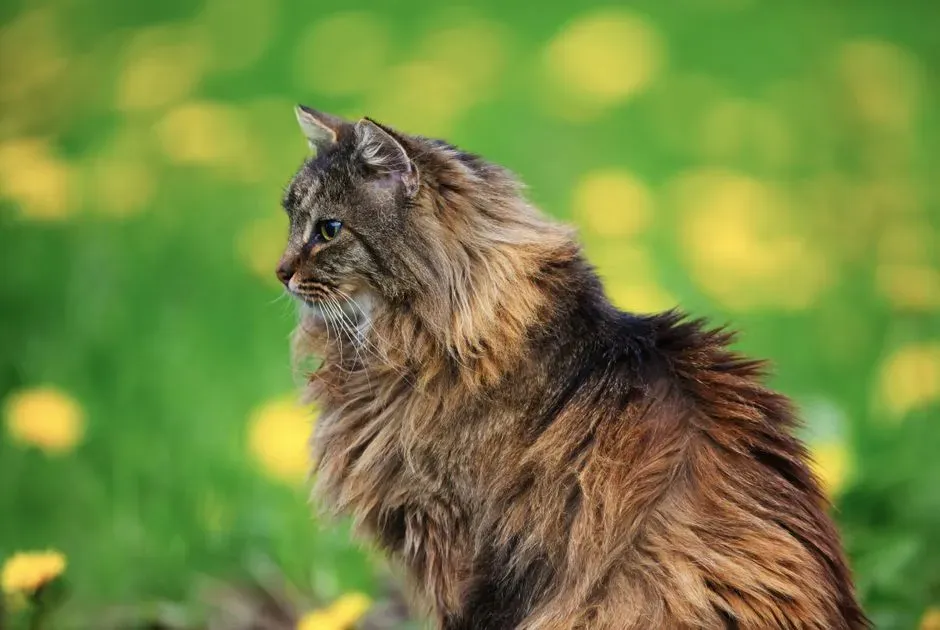
With their thick coats, big paws, and calm faces, Norwegian Forest Cats often look like fairy-tale companions who should be purring in your lap by a roaring fire. Historically, though, they evolved as hardy, outdoor-working cats in cold climates, and that independent streak is still strong in many of them. They may enjoy being near you, lounging on the same couch, or sleeping at the foot of the bed, without necessarily craving nonstop physical contact.
Many “Wegies” will tolerate some petting and may even relish it in short bursts, but being restrained or passed around like a plush toy can quickly make them uncomfortable. Their size and strength also mean that if they decide they’re done, you will know it. If you treat a Norwegian Forest Cat as a dignified housemate who chooses when to grace you with affection, you’ll likely get more of those magical, quiet bonding moments than if you chase them around with grabby hands.
#9 Egyptian Mau: Fast, Watchful, and Selective With Affection
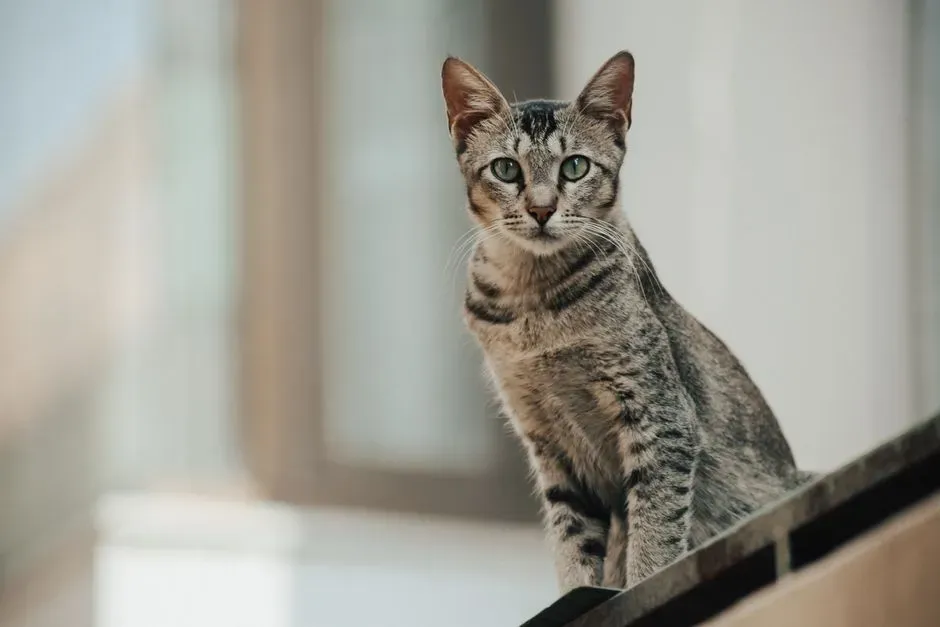
Egyptian Maus are among the fastest domestic cats, built for sprinting and sudden bursts of energy. They are usually alert, observant, and highly tuned into their environment, which can make them a bit jumpy with too much handling. While they often form deep attachments to their families, many Maus remain wary of strangers and do not appreciate being picked up or cuddled by people they don’t fully trust.
They’re the type of cat that may sit nearby, watch you intently, and occasionally rub against your legs, but balk when someone tries to scoop them up for a selfie. Forcing contact can erode their trust, making them more skittish and defensive over time. If, instead, you give an Egyptian Mau the freedom to initiate touch, reward calm interactions, and let affection grow gradually, you’ll earn a bond that feels much more special than any forced cuddle ever could.
Conclusion: Loving the Cat You Actually Have, Not the Cartoon in Your Head
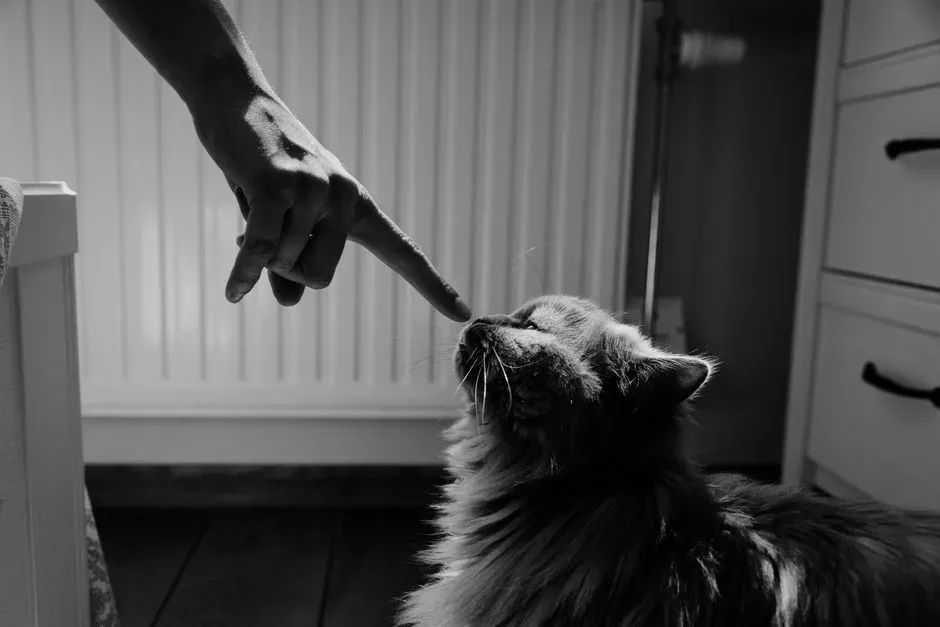
Here’s the uncomfortable truth a lot of people discover only after adoption: not every adorable, fluffy cat wants to be your emotional support pillow. Some breeds are wired for motion, vigilance, or independence, and when we treat them like stuffed animals, everybody loses. I learned this the hard way with my own first cat, who was stunning and sweet but hated being held; once I stopped trying to make her a lap cat and simply let her sit beside me, our relationship finally clicked.
If you’re drawn to these nine breeds, there’s nothing wrong with that – in fact, they can be some of the most fascinating, intelligent, and rewarding cats you’ll ever live with. You just have to trade the fantasy of automatic cuddles for the reality of consent, body language, and patience. In the end, the best kind of affection is the kind your cat freely offers, not the kind you insist on. So if a cat could swipe left on forced hugs, would yours secretly do it, or would they choose you exactly as you are?
Kristina is a young writer from India. An arts graduate and an avid content creator, Kristina is passionate about animals and wildlife. She enjoys exploring topics related to pet care, animal behavior, conservation, and nature, combining thorough research with engaging storytelling.