#1 The slow blink stare-down
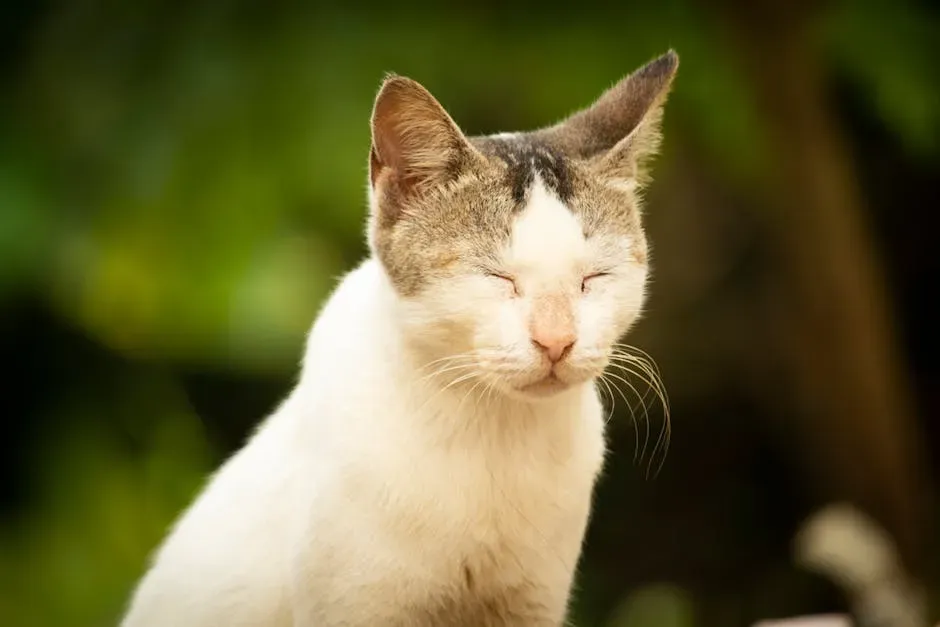
Cats have a habit of locking eyes with you from across the room and then slowly closing and opening their eyes, almost like a wink in slow motion. Behaviorists often describe this as a feline version of a smile, a way of signaling comfort and trust rather than aggression. When a cat does this while you are busy on your laptop or scrolling your phone, it is usually a gentle nudge that says “notice me” without a single sound.
What makes this gesture so charming is its subtlety. Unlike a bark or a meow, the slow blink requires you to actually be paying attention to catch it, which almost feels like the cat is testing whether you are tuned in to their frequency. If you blink back slowly, many cats will repeat the gesture, turning it into a quiet, wordless conversation that somehow feels more intimate than any meow could.
#2 Sitting directly on your keyboard or paperwork
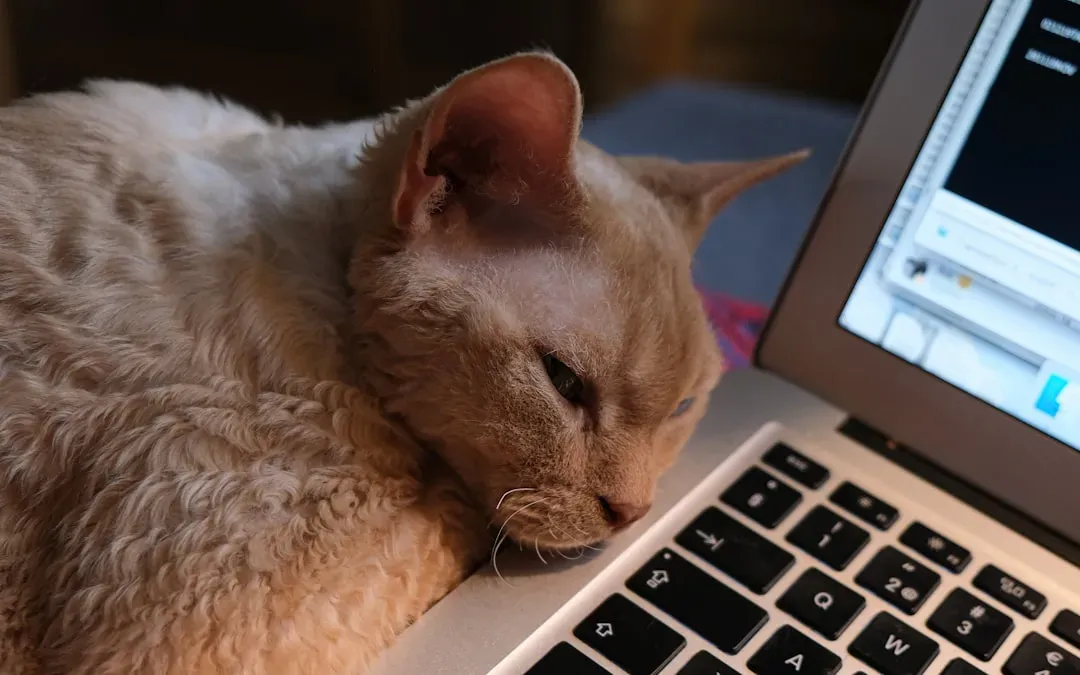
There is a reason this has become one of the most universally recognized cat behaviors in the world of work-from-home memes. The moment you open a laptop or spread out paperwork, some cats treat it as an invitation to plant themselves right in the middle of it. It is not really about the warmth of the laptop, though that helps, it is about physically inserting themselves between you and whatever is stealing your focus.
This behavior likely stems from a cat’s territorial instincts combined with a very direct approach to problem solving. If your attention is on an object, the simplest solution in a cat’s mind is to become that object, or at least sit on top of it. It is blunt, it is a little inconvenient, and it works almost every time, which is probably why cats keep doing it.
#3 The gentle paw tap on your face
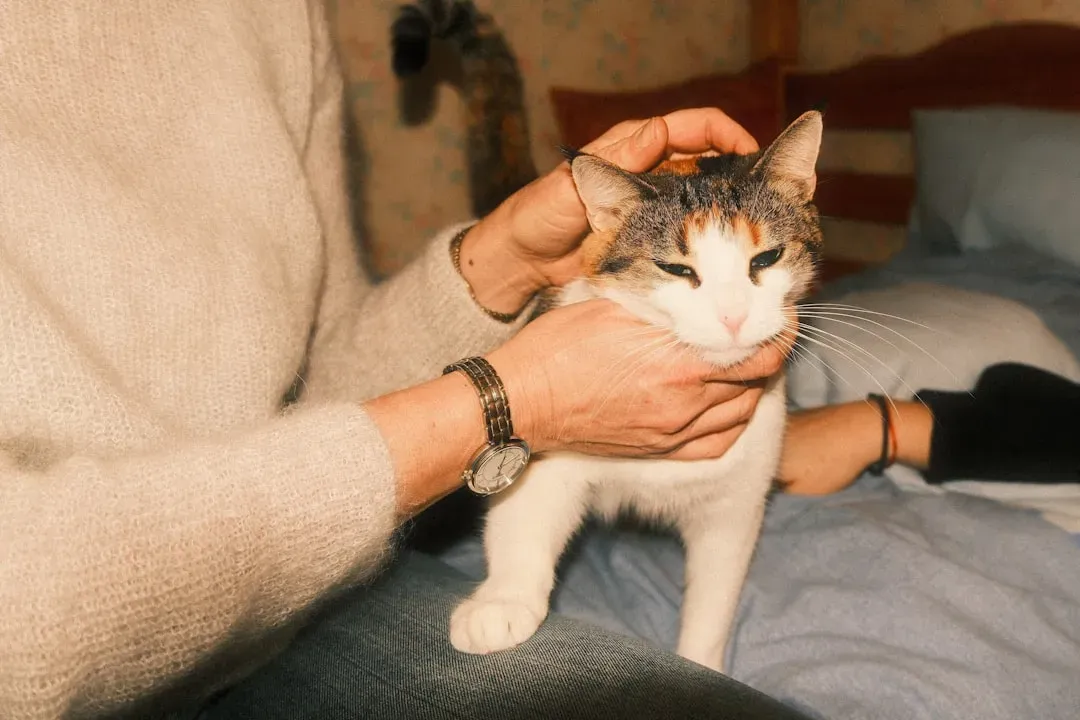
Few things wake a person up faster than a soft paw pressing against their cheek or nose. Cats often use this technique in the early morning hours, especially if breakfast is running late or if they simply want company. Unlike a scratch or a bite, the paw tap is deliberately gentle, almost like they know exactly how much pressure will rouse you without causing alarm.
Some researchers believe this touch-based communication mirrors how kittens interact with their mothers, using soft physical contact to signal a need. As adult cats, they seem to repeat this instinctive gesture with their human caregivers, treating us as a sort of substitute parent figure. It is oddly touching once you think about it, even if it happens at five in the morning.
#4 Knocking objects off tables while maintaining eye contact
This one tends to divide cat owners into two camps: those who find it endlessly frustrating and those who cannot help but laugh every time. A cat will approach a pen, a glass, or a decorative item, place a paw on it, and then stare directly at you before nudging it off the edge. The dramatic eye contact is what separates this from an accident, it is clearly a performance.
Some experts suggest this behavior is rooted in predatory play, where batting at small objects mimics hunting movements. Others argue it is simply an efficient way to get a reaction, since very few humans can ignore a falling glass. Whatever the underlying reason, the combination of destruction and direct eye contact makes it one of the more theatrical ways cats seek attention.
#5 Head bunting and body rubbing
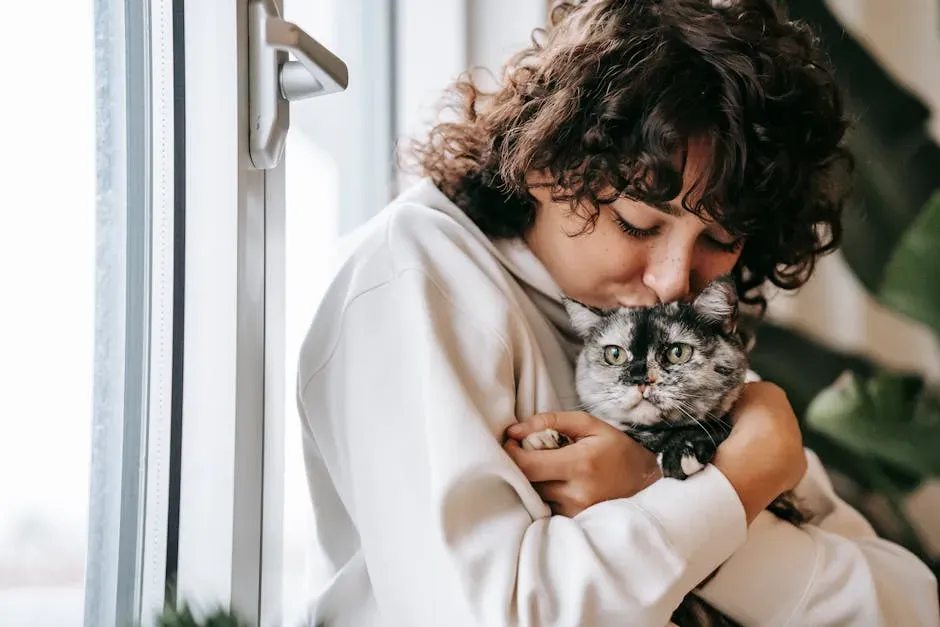
Cats have scent glands located around their face, cheeks, and the base of their tail, and when they rub these areas against you, they are doing more than just being affectionate. This behavior, often called bunting, is a way of marking you with their scent while simultaneously seeking physical closeness. It is a two-in-one gesture that says both “you are mine” and “please pay attention to me.”
What is interesting is how consistent this behavior is across different cats, regardless of breed or personality type. Even more reserved cats that avoid extended petting sessions will often still headbutt a hand or a leg as a quick, low-commitment way of checking in. It is a small gesture, but it carries a surprising amount of social meaning in the feline world.
#6 Sitting on top of the TV remote or phone
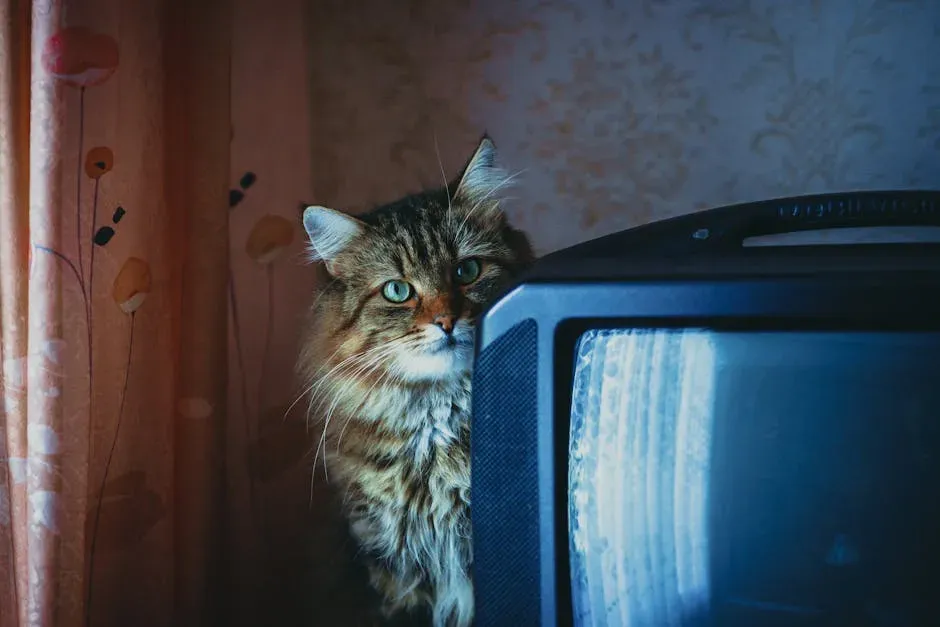
This particular tactic feels almost too clever to be coincidental, yet many cat owners report the same experience. The cat waits until you reach for your phone or the remote, then swoops in to sit directly on top of it, effectively becoming an obstacle between you and your device. It is less about the object itself and more about disrupting whatever is competing for your focus.
Cats are highly attuned to patterns in household routines, and many learn to associate certain objects with reduced human interaction. Once a cat picks up on this connection, blocking access to a phone or remote becomes a surprisingly effective, if mildly obstructive, way to redirect attention back to themselves. It is less mystical than it sounds, mostly just clever pattern recognition paired with excellent timing.
#7 Following you from room to room without making a sound
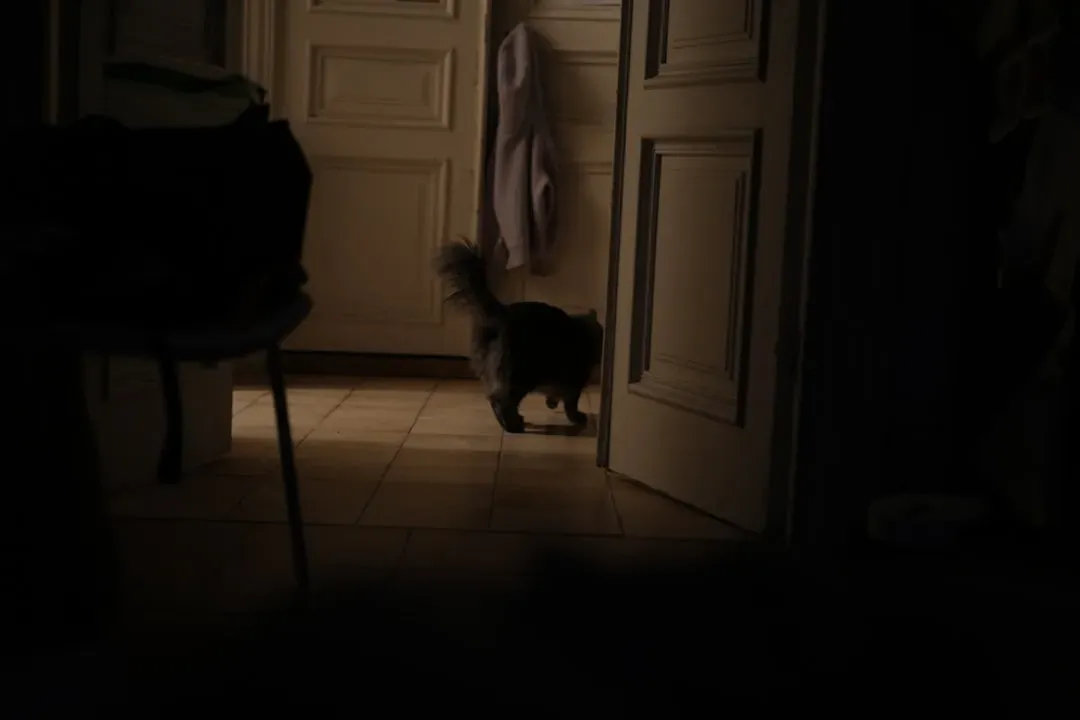
Some cats become quiet little shadows, trailing behind their owners as they move through the house, all without a single meow. This silent following behavior is often a sign of strong social bonding, since cats generally will not expend the effort to trail after something they consider irrelevant. It also reflects a cat’s natural curiosity about routines and spaces, since they tend to want to know what is happening in every room.
Unlike more dramatic attention-seeking tactics, this one is subtle enough that owners sometimes do not notice it happening until they turn around and find their cat sitting quietly in the doorway. It is a low-key form of companionship that does not demand immediate interaction, but it clearly communicates a desire to stay close. In many ways, it is one of the more understated compliments a cat can pay a person.
#8 Sitting just out of reach and staring
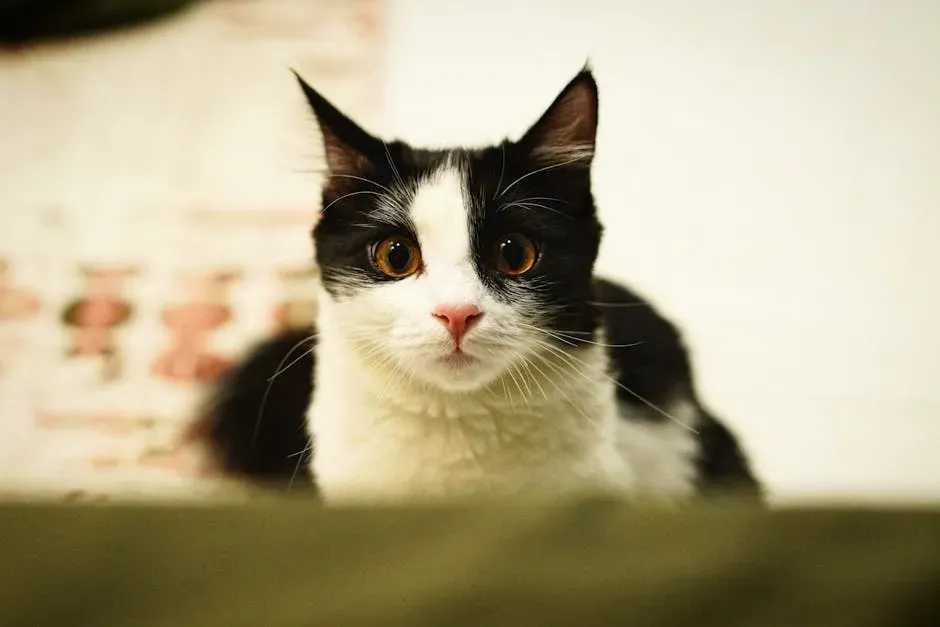
There is a particular brand of feline behavior where a cat positions itself a few feet away, just beyond arm’s reach, and simply stares. No sound, no movement, just steady, unblinking observation. This can feel unsettling at first, but it is often simply a cat’s way of waiting for you to notice them and initiate contact on their terms.
Cats are known for valuing a sense of control in their interactions, and this behavior allows them to signal interest without fully committing to closeness. It is a bit like standing near someone at a party without starting the conversation yourself, hoping they will make the first move. Once you engage, many cats will close the distance quickly, as if the staring was simply an invitation waiting to be accepted.
#9 Nudging your hand repeatedly for pets
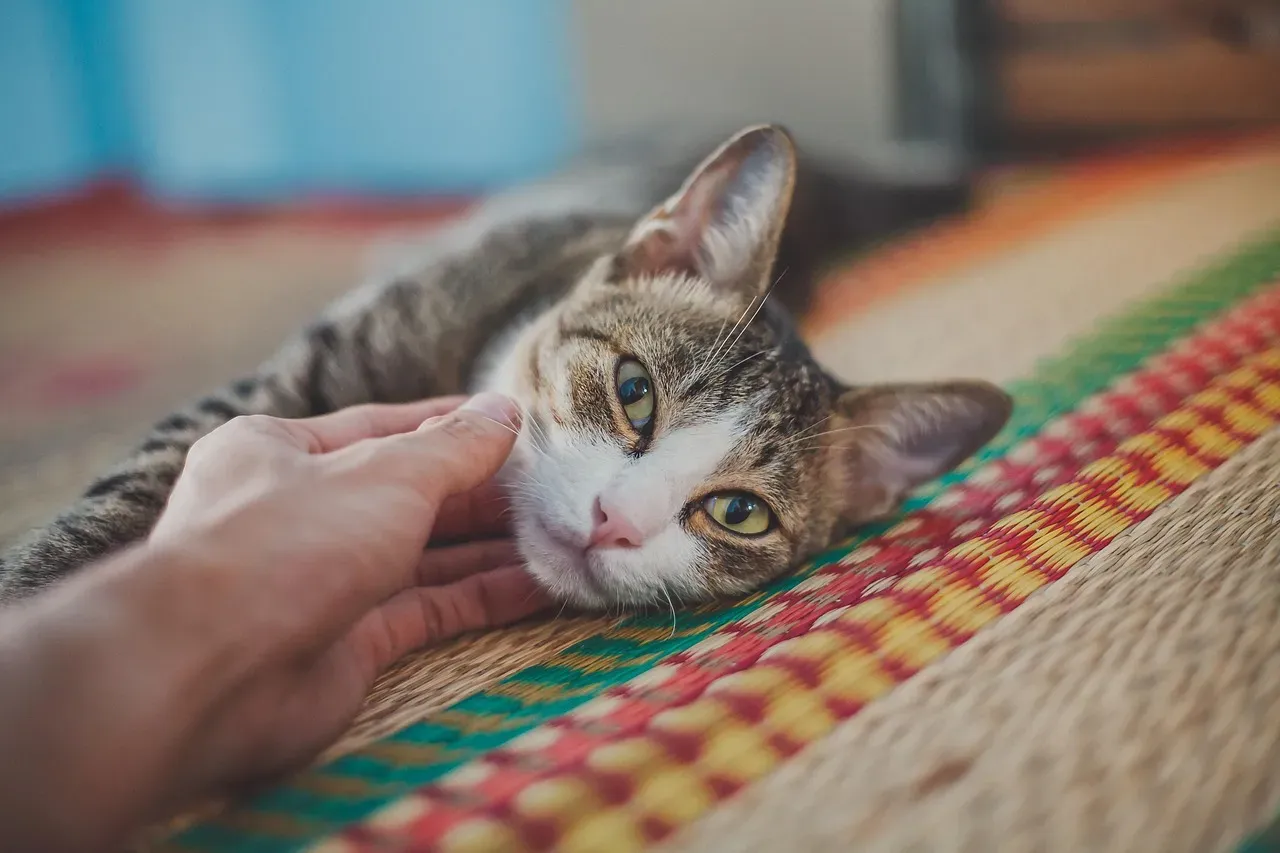
This is one of the more straightforward tactics on the list, yet it remains endlessly effective. A cat will walk up, push its head or body against your hand, and if you stop petting even for a moment, nudge you again until you resume. It is essentially a physical version of tapping someone on the shoulder repeatedly.
This persistence highlights how cats often understand cause and effect within their environment, learning that a specific action reliably produces a desired outcome. The repeated nudging is not random, it is a calculated, low-effort strategy that tends to work because most people find it hard to resist a cat gently insisting on more affection. It is simple, but it is also oddly effective, which might explain why so many cats rely on it.
#10 Perching dramatically in doorways or on stairs
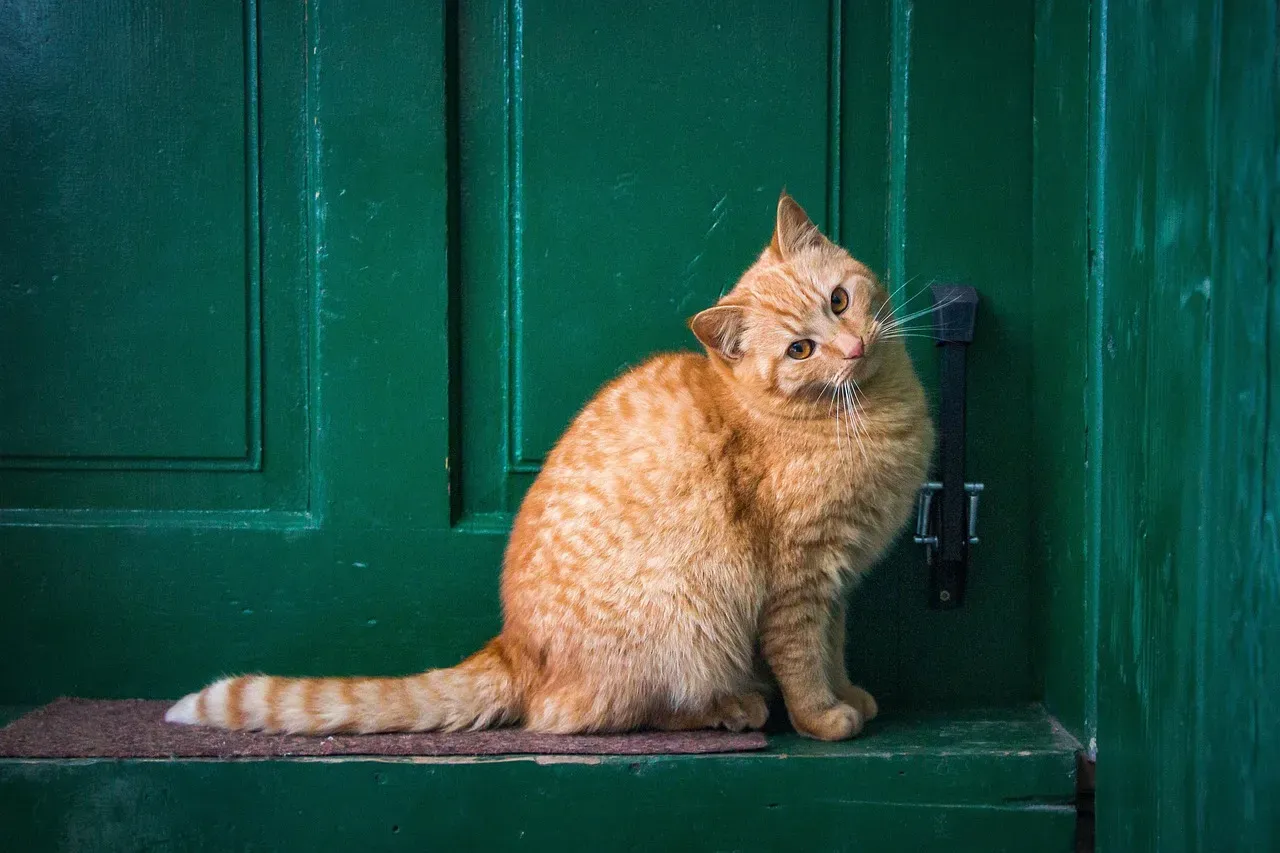
Some cats seem to have an uncanny ability to select the most inconvenient possible spot to sit, right in the middle of a doorway or halfway up a staircase. This is rarely accidental. By positioning themselves somewhere you cannot avoid, cats guarantee that you will have to acknowledge them, even if that acknowledgment comes with a gentle scoot to the side.
This behavior may also relate to a cat’s instinct to monitor movement and activity within its territory, since doorways and stairways naturally offer a wide view of the household. Combining surveillance with guaranteed attention seems to be an efficient use of feline logic. It might be inconvenient for us, but from a cat’s perspective, it is simply smart placement.
Final thoughts
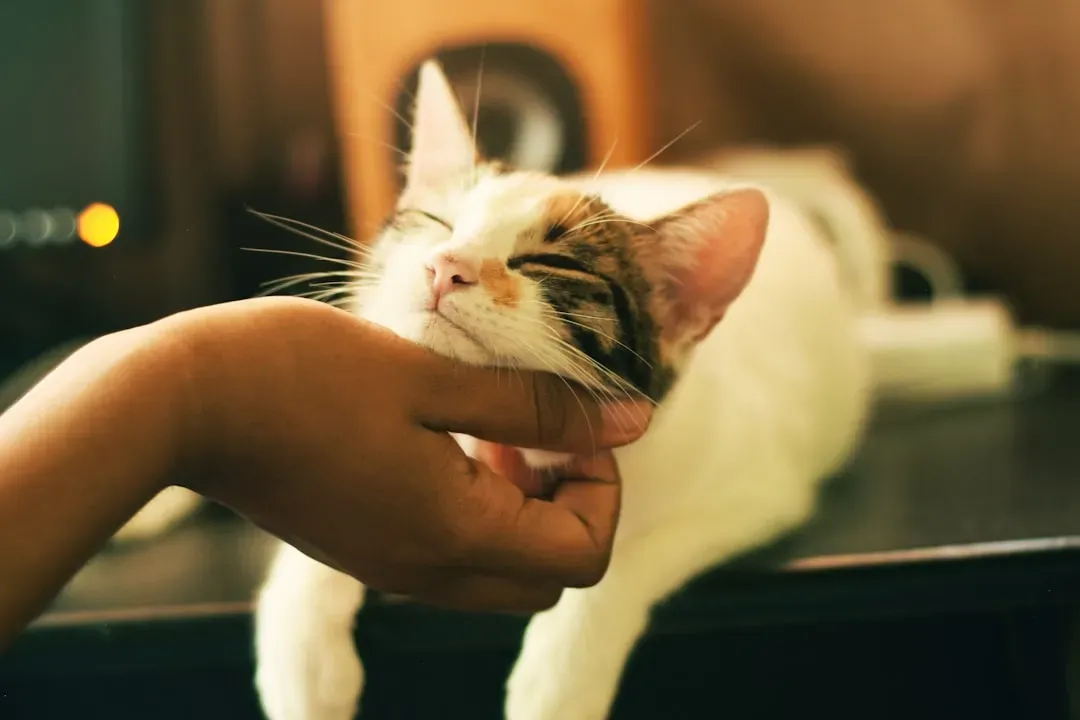
What stands out across all ten of these behaviors is how much cats rely on physical presence, timing, and subtle body language rather than vocalization to get what they want. It is a reminder that communication does not always need sound to be effective, and honestly, some of these silent tactics are more persuasive than an actual meow could ever be. If anything, these behaviors reveal how emotionally attuned cats are to their humans, even if they express it in ways that occasionally involve a toppled water glass or a paw to the face at dawn.
My honest take is that these quiet, quirky habits are part of what makes cat companionship so rewarding. Dogs wear their needs on their sleeve, but cats make you work a little for the payoff, and that subtlety is exactly what makes the bond feel earned rather than automatic.
Kristina is a young writer from India. An arts graduate and an avid content creator, Kristina is passionate about animals and wildlife. She enjoys exploring topics related to pet care, animal behavior, conservation, and nature, combining thorough research with engaging storytelling.