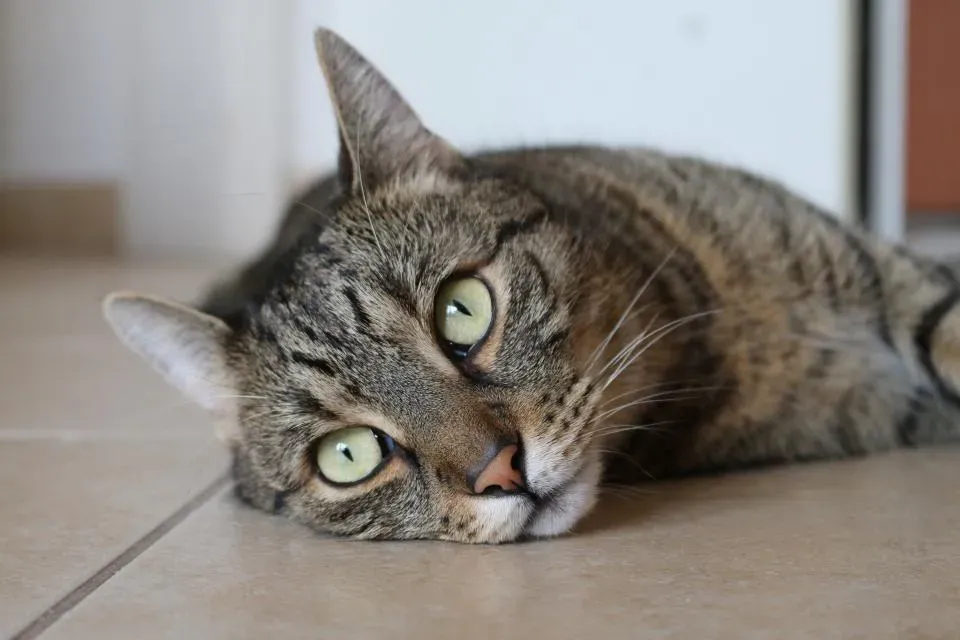
#1 The room smells or sounds different to them

Cats experience the world through scent and sound far more intensely than humans do. A room that recently got new furniture, a fresh coat of paint, or even a different cleaning product can suddenly become fascinating or slightly alarming to a cat. Their curiosity kicks in, and following you there becomes a way of investigating the change while staying close to someone they trust.
Sound plays a role too. If that room has a humming appliance, a dripping pipe, or even faint noises from outside like birds or traffic, your cat might be trying to locate the source. Bringing you along, in their mind, is like bringing backup. They’re not just curious, they’re cautiously curious, and that’s a very catlike distinction.
#2 It’s where the food or treats are kept

This one sounds almost too simple, but it’s often the actual answer. If you’ve recently moved the food storage, treat jar, or even just started keeping snacks in a different cabinet, your cat may have picked up on it fast. Cats are remarkably good at associating rooms with resources, and once they make that connection, they don’t let it go easily.
Even subtle behavioral training counts here. If you’ve been giving treats in the kitchen a few times, your cat’s brain files that room under “good things happen here.” From that point on, following you toward that space isn’t affection exactly, it’s expectation, though the two often look identical from the outside.
#3 They’ve found a new favorite hiding or resting spot
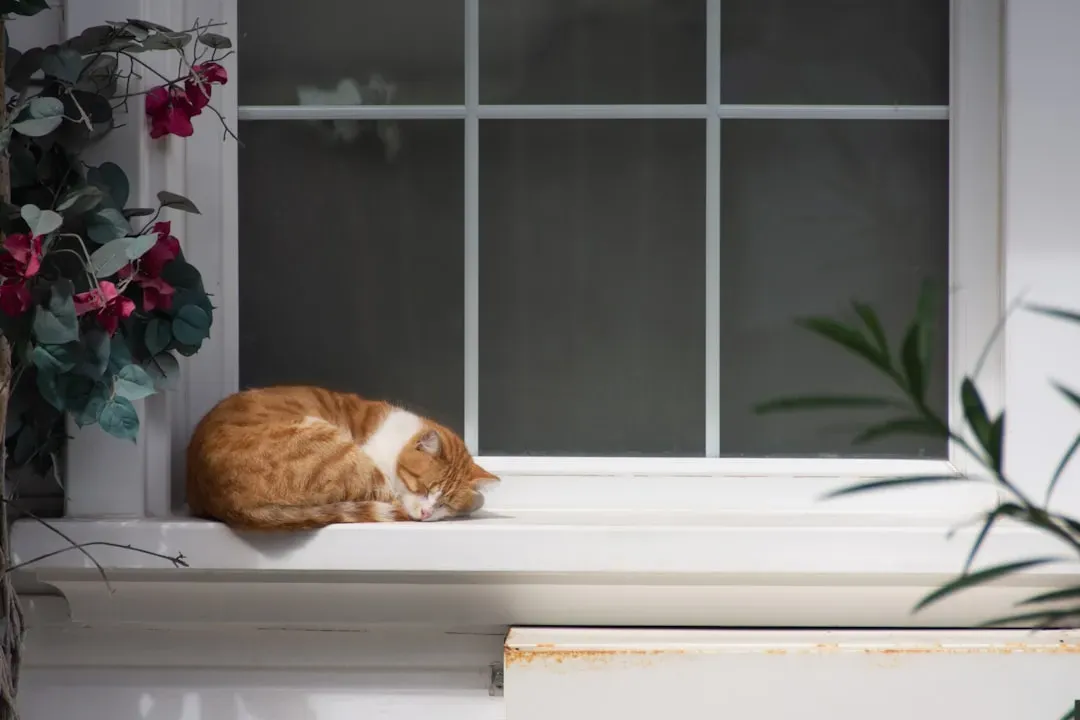
Sometimes the pull toward a specific room has nothing to do with you at all, and everything to do with a spot they’ve discovered. Maybe there’s a windowsill with better afternoon light, a closet with soft blankets, or a heating vent that keeps the floor warm. Cats are opportunists when it comes to comfort, and once they find an ideal little nook, they want easy access to it.
Following you into that room might simply be their way of using you as a door opener or a reason to check if the spot is still available. If you notice your cat lingering near a particular corner or piece of furniture once inside, that’s usually confirmation. They’re not that interested in you at that moment, they’re interested in what you’re standing next to.
#4 They’re monitoring a change in their environment

Cats are territorial by nature, and any shift in their environment, even a small one, can trigger a period of increased vigilance. New furniture, a repositioned litter box, or even a houseguest’s belongings left in a room can make a cat feel the need to supervise. Following you into that space becomes less about you and more about keeping tabs on what’s different.
This behavior often fades once the cat has fully processed and accepted the change, sometimes within days, sometimes over a couple of weeks. If your cat seems tense or overly alert while in that room, rather than relaxed, it’s a good sign that they’re still working through the adjustment rather than just enjoying your company.
#5 There’s a new pet, baby, or person in the house

A significant household change, like a new pet, a baby, or even a new roommate, can shift a cat’s entire sense of security. If that new presence tends to occupy a specific room, your cat may start shadowing you there simply to observe from a safe distance while staying near someone familiar. It’s a coping mechanism, not necessarily nervousness, though it can look that way.
Cats process social changes slowly, and following a trusted person into the room where the “unknown” resides gives them a controlled way to get used to it. Over time, as the newcomer becomes part of the normal routine, this specific following behavior tends to soften. Patience matters here, since forcing interactions rarely speeds up a cat’s own timeline.
#6 They sense something physically off in that space
Cats have sensory abilities that outperform ours in several ways, including hearing frequencies humans can’t detect and a strong sensitivity to vibration and airflow. If a room has a subtle draft, an electrical hum, or even minor structural shifts like a loose floorboard, your cat might notice it long before you do. Their reaction is to stay close to you while investigating, since safety in numbers is a deeply ingrained instinct.
This doesn’t mean every case is something dramatic, most of the time it’s mundane, like a new appliance vibrating slightly or a pipe behind the wall. Still, if the behavior is intense, paired with hissing, growling, or refusal to enter alone, it may be worth checking that room for anything unusual, from pests to electrical issues. Cats rarely fixate without some kind of sensory trigger behind it.
#7 They simply want more of your attention right now

Sometimes the explanation is refreshingly uncomplicated: your cat just wants to be near you, and that particular room happens to be where you spend a chunk of your day. A home office, a bedroom where you read at night, or even a bathroom where you’re a captive audience for a few minutes can become the designated “togetherness zone.” Cats are far more social than old stereotypes give them credit for, and many genuinely enjoy proximity to their favorite humans.
This kind of following often intensifies during times of change, like a shift in your work schedule, a period of stress they’ve picked up on, or even after you’ve been away more than usual. It’s less about the room itself and more about consistency, since that space represents predictable access to you. If the timing lines up with a change in your routine, attention seeking is very likely the simplest and most accurate explanation.
What Your Cat Is Really Trying to Tell You