10 Ways Your Cat Tells You It Loves You Which Most Owners Don't Notice
#1 The slow blink that says more than words
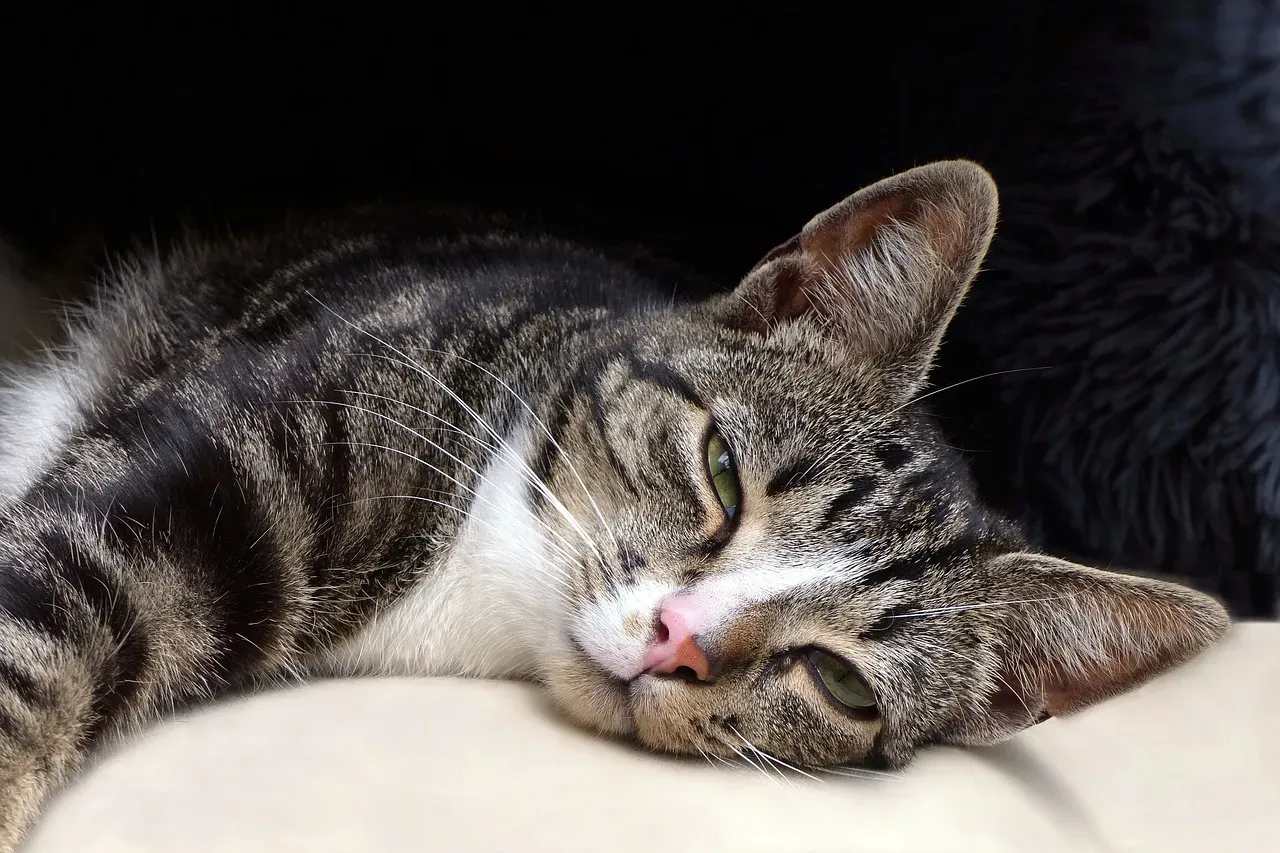
Cat behaviorists often call this the "cat kiss," and for good reason. When your cat looks at you and slowly closes its eyes, holding the blink for a beat longer than a normal one, it's doing something vulnerable. In the wild, closing your eyes near another creature is a risk, so a slow blink is essentially your cat saying it trusts you enough to be vulnerable in your presence.
What makes this gesture so easy to overlook is that it happens quietly, often when you're not even looking directly at your cat. Try returning the gesture next time you catch one. Slowly close your own eyes while looking at your cat, and you might notice they do it right back, almost like a conversation happening in blinks instead of words.
#2 Head bunting isn't just for scratching an itch
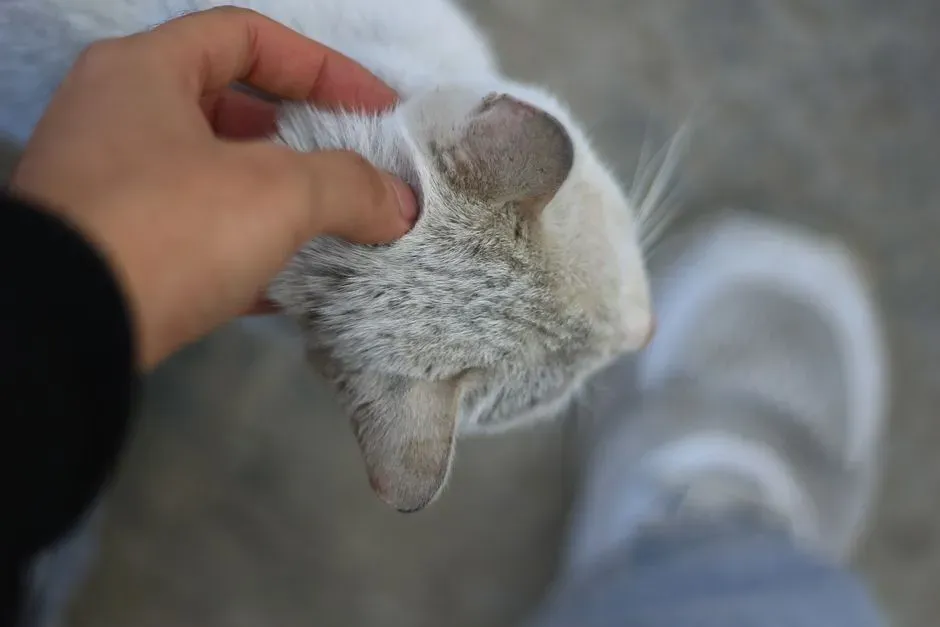
When your cat presses its head or the side of its face against you, it's not just relieving an itch. Cats have scent glands concentrated around their cheeks, forehead, and chin, and head bunting is a way of marking you with their scent. This is a deeply territorial behavior, but in this context it means something closer to claiming you as part of their trusted circle rather than marking territory defensively.
Owners often mistake this for the cat wanting attention or food, and sometimes it is a bit of both. Still, the underlying message is one of belonging. Cats don't bunt against things or people they consider threats or strangers, so if your cat is rubbing its head against your hand, leg, or face, consider it a genuine sign of comfort and affection.
#3 Kneading you like bread dough
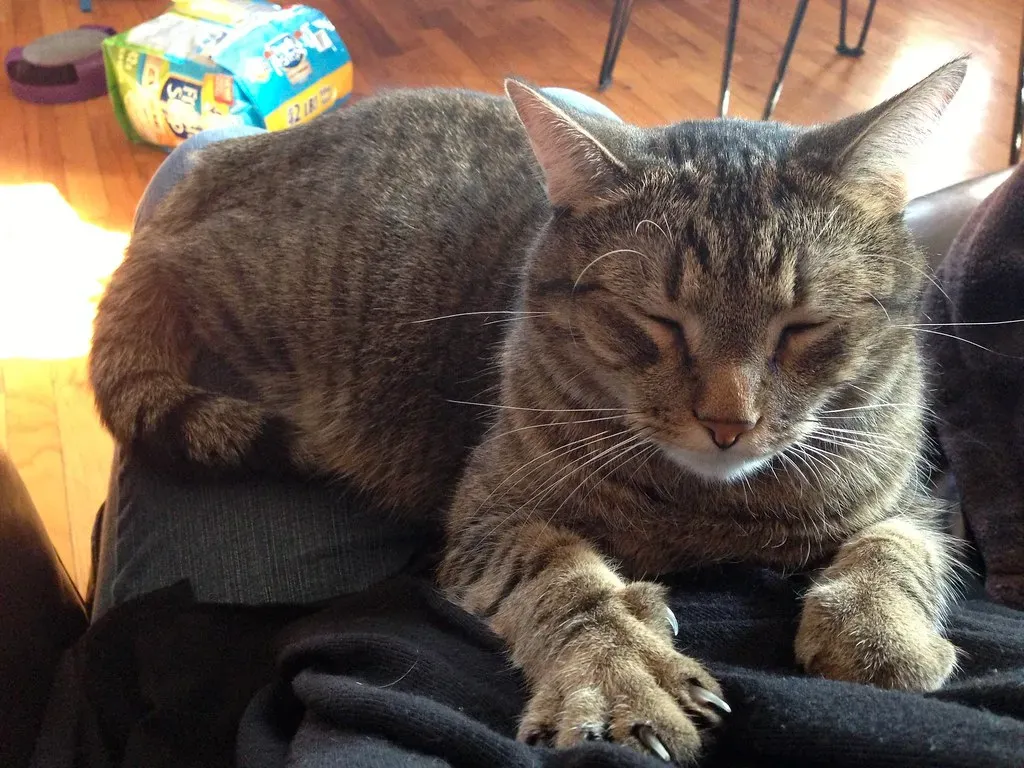
That rhythmic pushing motion with the paws, often called making biscuits, traces back to kittenhood. Kittens knead their mother's belly to stimulate milk flow, and many cats carry this instinctive behavior into adulthood, especially when they feel safe and content. When a cat kneads you, it's essentially recreating that early feeling of security and closeness from nursing.
It doesn't always feel pleasant, especially if your cat has sharp claws and you're wearing shorts. But the discomfort is a small price for what it represents. A cat that kneads on your lap or blanket is telling you, in its own physical way, that being near you feels as safe as being with its mother once did.
#4 Bringing you gifts you didn't ask for
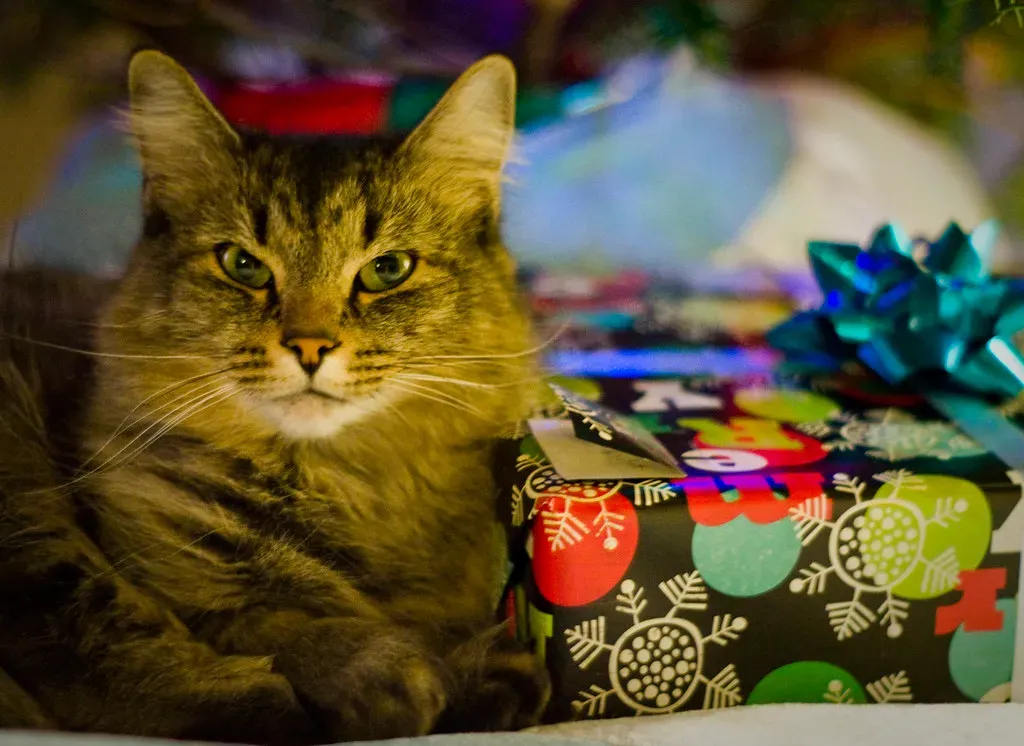
Few things confuse cat owners more than finding a dead bug, a mangled toy, or occasionally something far less pleasant left on the doorstep or bed. This behavior actually stems from instinct. Cats that hunt, even indoor cats with strong prey drives toward toys, sometimes bring their catch back to share with those they consider part of their social group.
In feral cat colonies, mothers bring prey back to teach kittens hunting skills, and some domestic cats extend a similar logic to their human families. It's not glamorous, and it can be genuinely gross depending on what's on offer. Still, in the emotional logic of a cat, it's a generous act, essentially their version of bringing you a gift because they see you as someone worth providing for.
#5 Following you from room to room
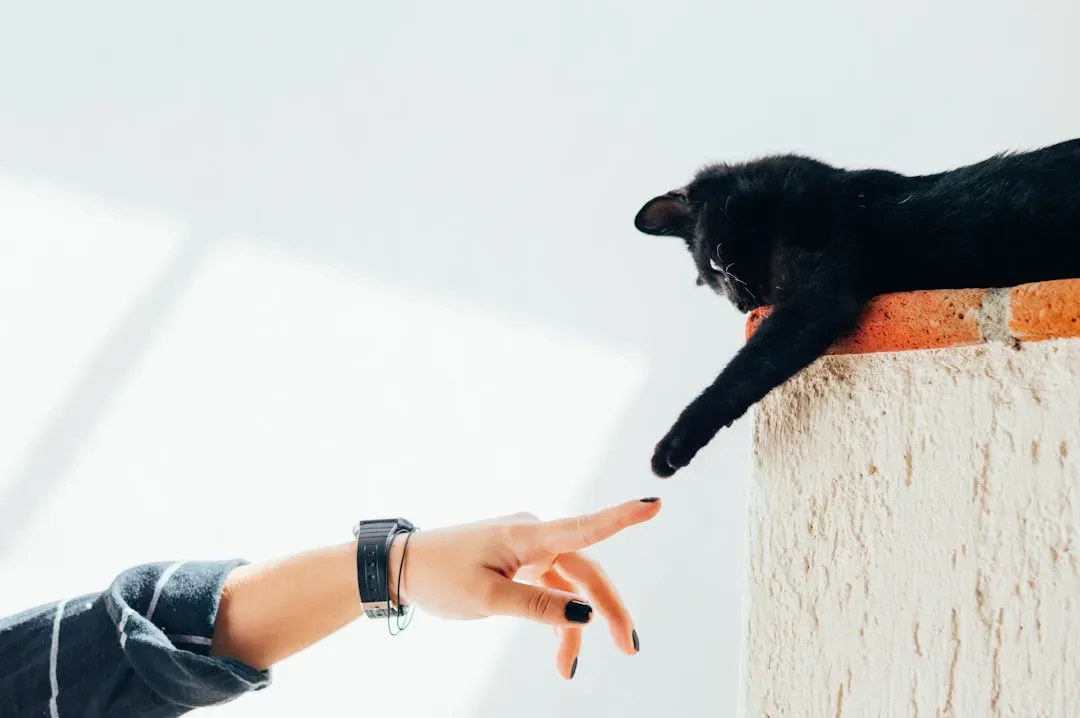
Cats have a reputation for independence, so when one suddenly turns into your shadow, it stands out. If your cat trails you to the kitchen, the bathroom, and back to the living room without any obvious reason like food or play, that persistent presence is a form of attachment. Cats that feel secure with their humans often want to stay near them simply because proximity itself feels rewarding.
This isn't about needing constant interaction either. Sometimes a cat will just sit nearby while you work or watch television, not asking for anything at all. That quiet companionship, choosing your presence over solitude, is one of the more understated but consistent signs of feline attachment.
#6 The tail language most people never learn to read
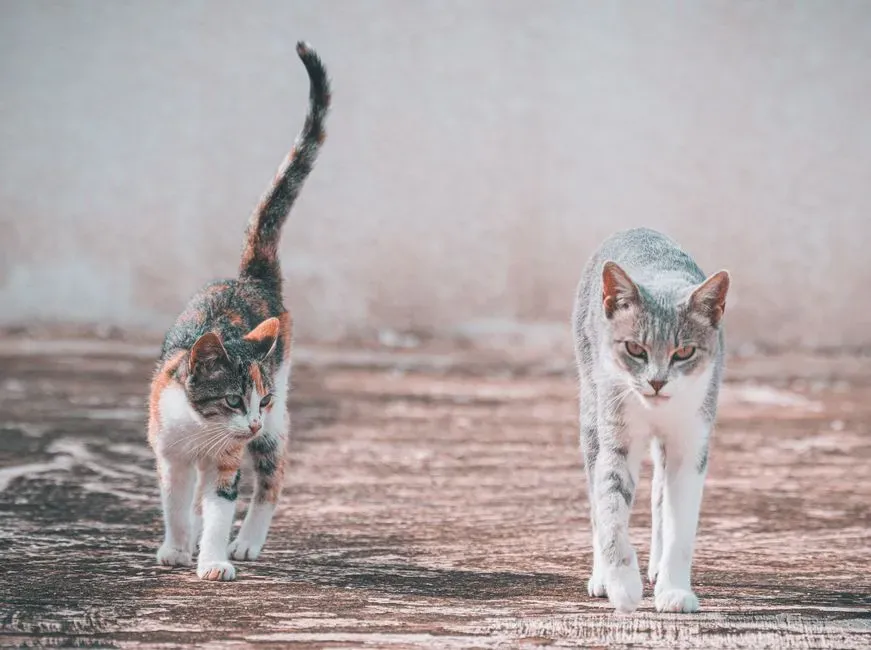
A cat's tail is basically a mood dashboard, but most owners only notice it when it's puffed up in fear or twitching in irritation. A tail held high, sometimes with a slight curve or question-mark shape at the tip, generally signals confidence and friendliness toward whoever it's directed at. This is very different from a tail tucked low or lashing aggressively.
Watch for the tail quivering slightly while held upright, almost vibrating with excitement, which often happens when a cat greets someone it's genuinely happy to see. This is sometimes mistaken for spraying behavior, but in a greeting context it usually just reflects enthusiasm. Learning to read these subtle tail positions gives you a much clearer picture of how your cat actually feels in any given moment.
#7 Showing you its belly without expecting a rub

The exposed belly is one of the most misunderstood signals in the feline world. Many owners assume it's an invitation for belly rubs, only to get bitten or scratched the moment they try. The behavior itself, though, is still meaningful even if a rub isn't welcome.
A cat exposing its stomach, arguably its most vulnerable area, is showing a level of trust that it wouldn't extend to something it feared or disliked. It's less an invitation to touch and more a declaration of safety. Think of it as your cat saying it feels secure enough around you to let its guard down completely, even if it still wants you to admire from a respectful distance.
#8 Sleeping near you, or better yet, on you
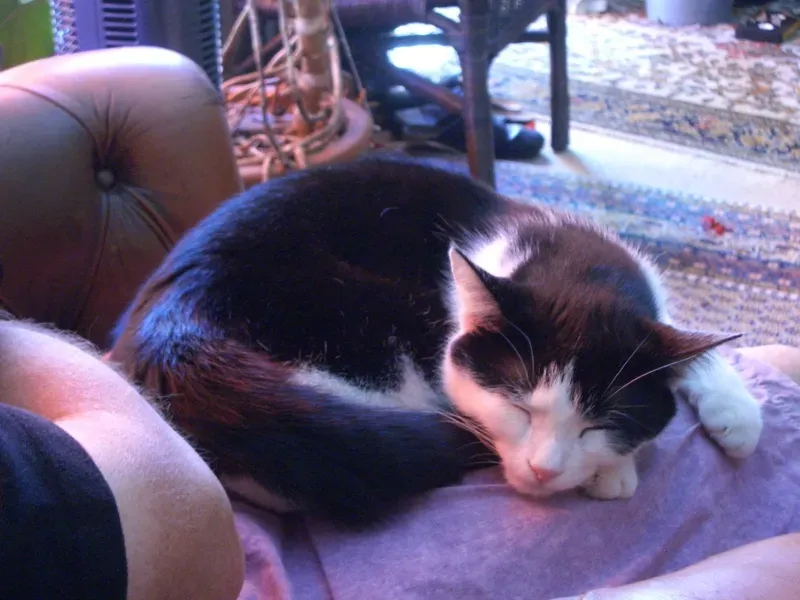
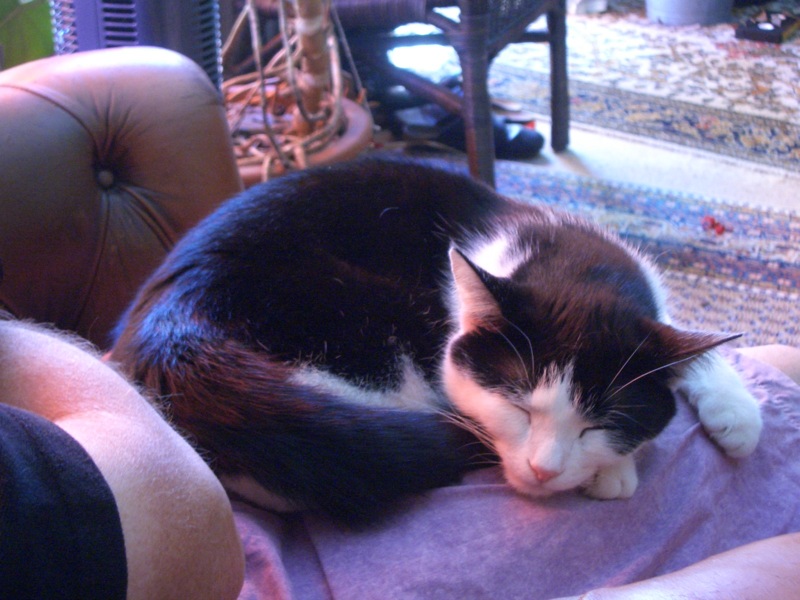
Sleep is a vulnerable state for any animal, and cats are no exception. A cat choosing to nap near you, especially somewhere it could easily be disturbed, reflects genuine trust in its environment and the people in it. When that napping spot happens to be directly on your lap or chest, the message becomes even clearer.
Body heat and rhythmic breathing likely play some role in why cats favor sleeping on their humans, but the emotional component matters too. Cats are selective about where they let their guard down completely enough to sleep. If your cat regularly chooses your body as its preferred napping spot over a soft bed or blanket elsewhere, that preference says something real about the bond between you.
#9 The chirps, trills, and murmurs reserved just for you
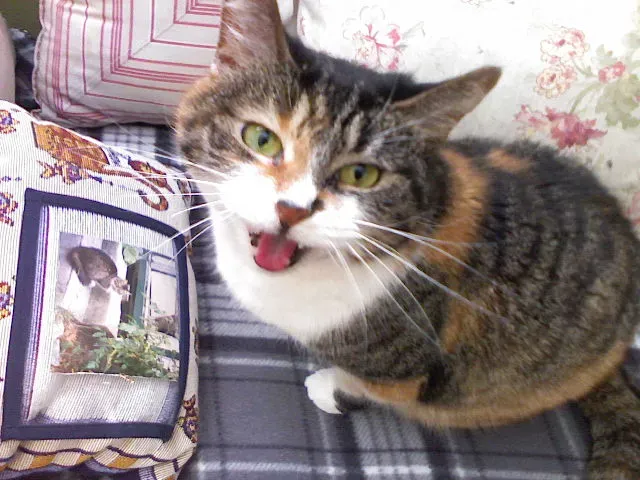
Cats develop a surprisingly wide vocal range specifically for communicating with humans, since adult cats rarely meow at each other in the wild. Chirps and trills, in particular, are often associated with friendly greetings and positive social interaction. If your cat greets you with a short trilling sound rather than a flat meow, it's likely expressing something closer to excitement or welcome.
Every cat develops its own vocal quirks over time, and owners who pay close attention often notice their cat uses different sounds for different situations and different people. A trill reserved specifically for you, distinct from the sounds used with other family members, suggests a level of individualized recognition and preference. It's a small detail, but it points to a relationship that's more personalized than people often assume.
#10 Slow, deliberate grooming sessions directed at you
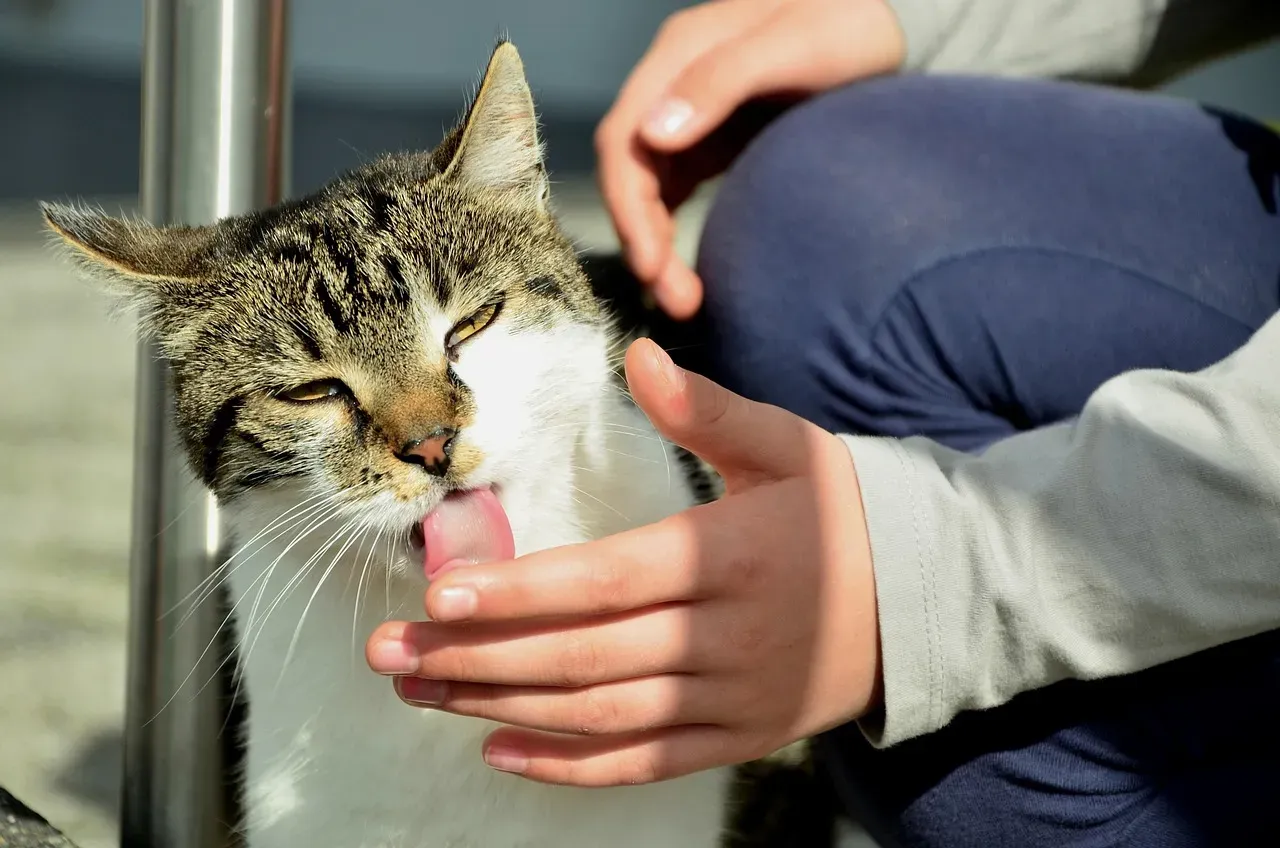
Allogrooming, or grooming between animals, is a well documented social bonding behavior among cats living in groups. When your cat licks your hand, hair, or face, it's extending that same social grooming instinct toward you as though you were part of its close social circle. This isn't hygiene related on your end obviously, since you don't need the grooming, but the gesture carries the same relational weight it would between two bonded cats.
The sensation isn't always pleasant, given how rough a cat's tongue can feel, but the intention behind it is worth appreciating. Cats are typically selective about who they groom, reserving it for those they feel genuinely close to. If your cat spends time methodically grooming you, even briefly, it's engaging in one of the more labor intensive ways cats express closeness.
Final thoughts