You probably think your cat is the weirdest creature on earth, and honestly, you’re not wrong. Even people who work with animals all day, like veterinarians and behaviorists, regularly admit that cats manage to surprise them with the strange, hysterical things they do. The best part? Many of those behaviors that make you laugh are actually rooted in pretty clear instincts and emotions once you know what you’re looking at. As you read through these classic cat antics, you’ll start to recognize your own cat in almost every one. You’ll see where the comedy ends and the science begins, and you’ll pick up a better sense of what your cat might be trying to tell you when they zoom, chirp, flop, or stare at you like you just offended their royal lineage. By the end, you may not stop laughing at them, but you’ll definitely understand them better.
1. The 3 a.m. Zoomies
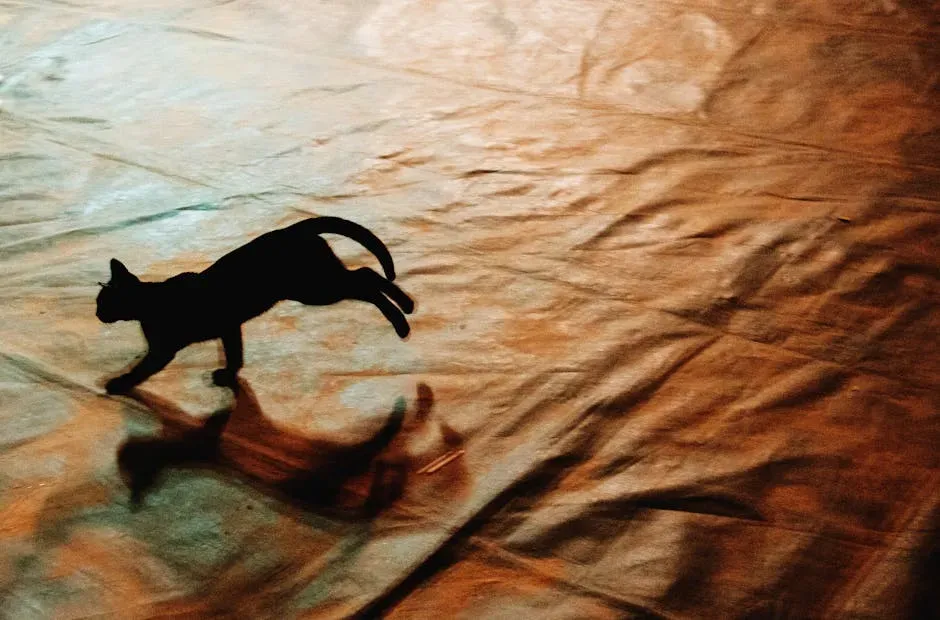
You know that moment when the entire house is silent and suddenly your cat turns into a stampeding herd of tiny horses? That late‑night or early‑morning sprinting – up the hallway, off the couch, across your sleeping face – is a textbook example of what vets and behaviorists often call “zoomies.” In more technical terms, it’s a burst of pent‑up energy that your cat has to dump somewhere, and the quiet of the night just happens to be when the urge hits hardest. If your cat spends most of the day napping, those short windows of wild activity are their way of staying both physically and mentally healthy. In nature, a cat would spend a big chunk of its time hunting, stalking, and pouncing, which burns far more energy than indoor life usually allows. When you add a little more playtime before bed with a wand toy or a chase game, you often see those 3 a.m. marathons calm down, because you’ve already given your cat a healthy way to burn off the “crazy.”
2. The Random Sideways “Crab Walk”
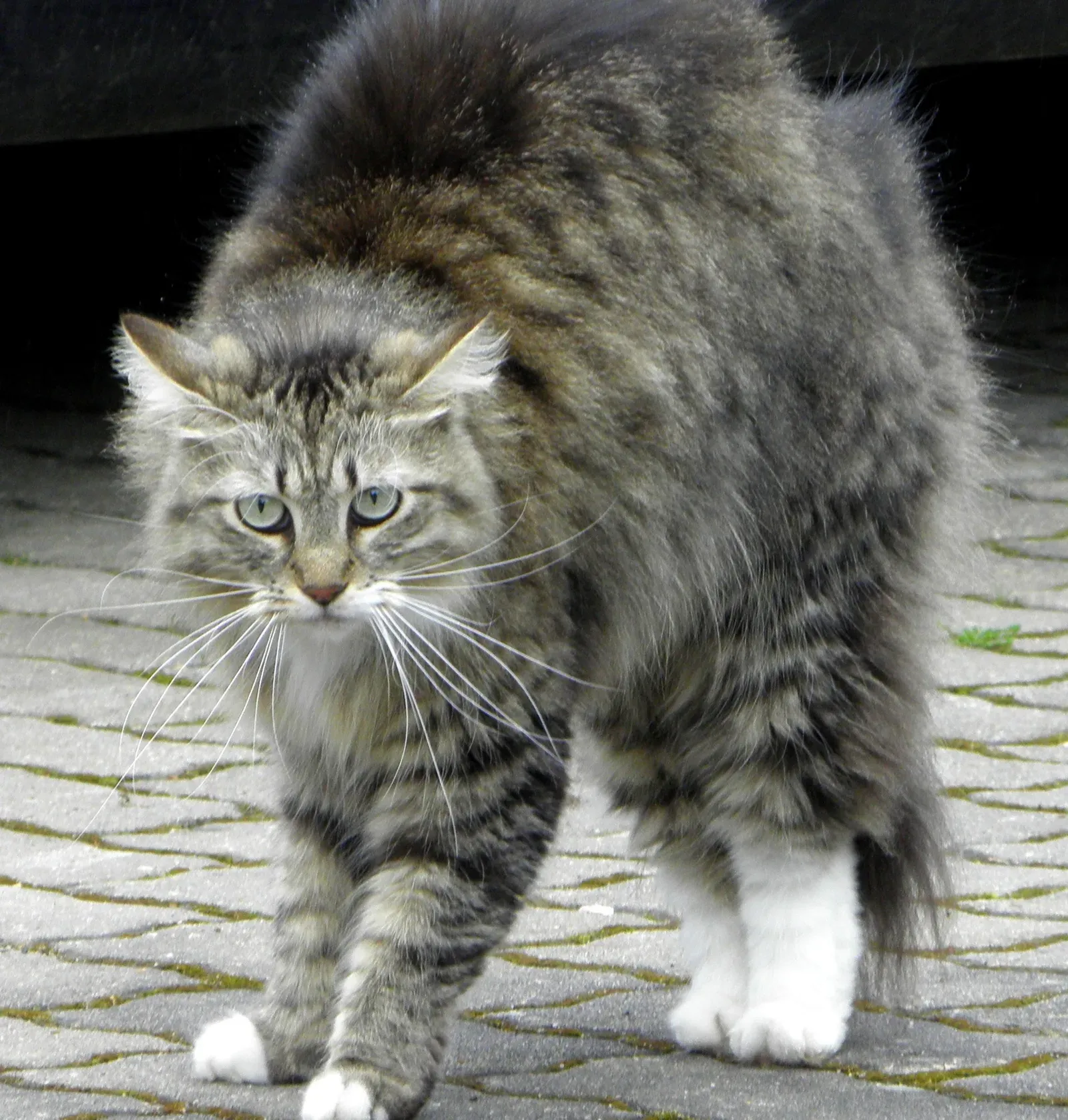
You’ve probably seen your cat suddenly puff up, arch sideways, and do this ridiculous little hopping crab walk across the room. It looks silly, but underneath the comedy, it’s a kind of bluff display – with your cat trying to look bigger, scarier, and more impressive than they actually feel in that moment. Often, you’ll see it when your cat is excited, startled, or unsure, like during play or when they first meet another animal. From your cat’s point of view, this side‑shuffled dance is halfway between play and self‑defense. The arched back and puffed tail are classic ways to appear larger, while the sideways hops let your cat keep their body angled, so they can spring away if things get too intense. If you respond gently – maybe with calm words and a slow blink – you show your cat that this is a safe, playful moment, not one where they actually need to stay on high alert.
3. The Sudden “Cat Loaf” With Tucked Paws
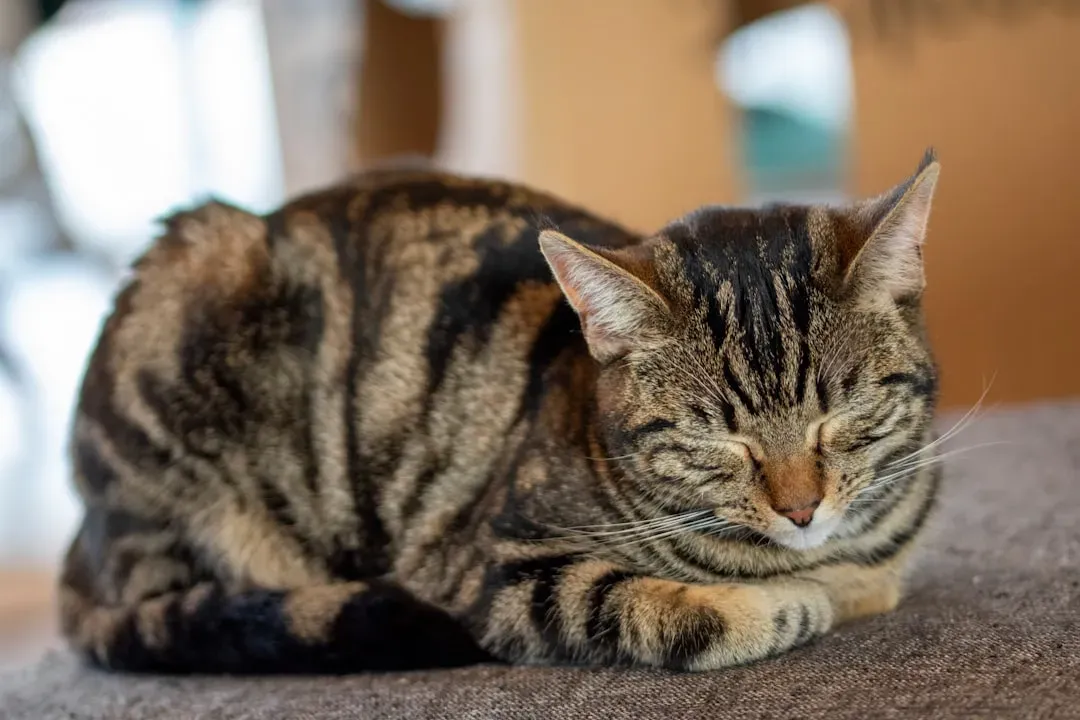
When your cat folds their paws neatly under their body and turns themselves into a perfect “loaf,” it can look so funny that you almost expect someone to slice them like bread. Underneath that adorable shape, you’re seeing a strong signal that your cat feels fairly relaxed and secure. With their paws tucked away, they’re not preparing to sprint or swat, which means they’re not expecting immediate danger. You might notice that your cat often loafs in warm spots or places where they like to supervise the household, such as a sunny window ledge or the back of your couch. In those positions, they’re not totally asleep, but they are comfortable enough to rest their muscles and curl into a compact, energy‑saving pose. If you keep the environment calm – soft voices, gentle petting on the head or cheeks – they’re more likely to stay loafed and content rather than popping back into vigilant mode.
4. The Head‑Butt “Bonk” You Get Out of Nowhere
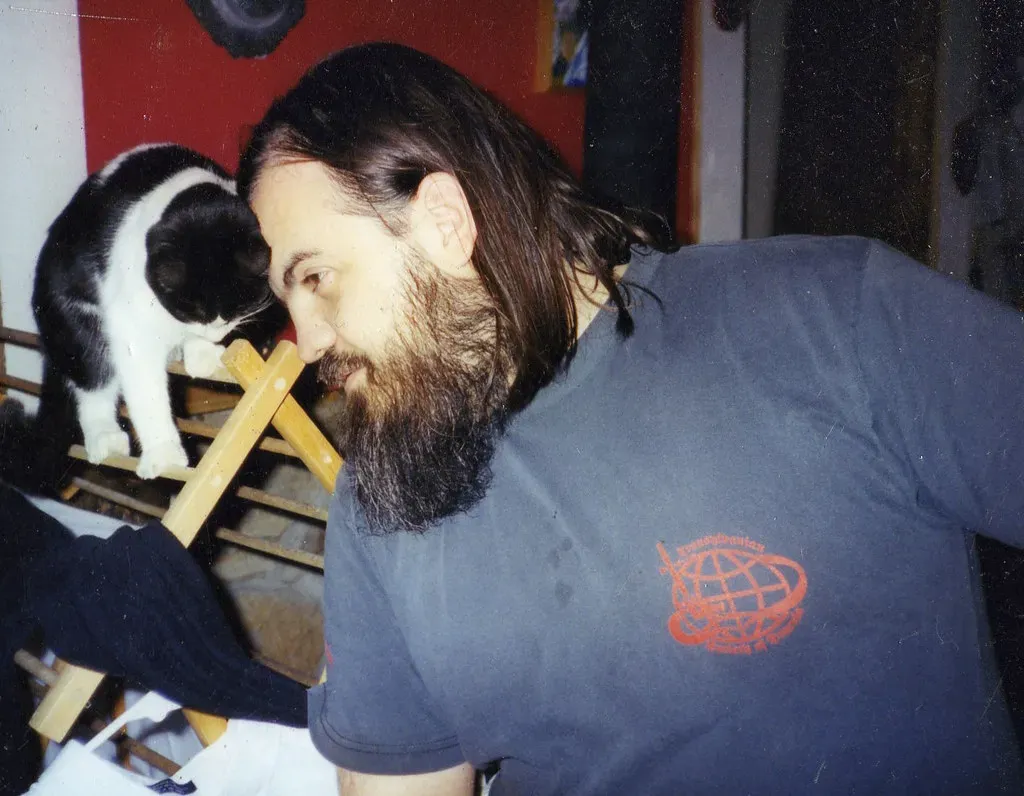
When your cat marches up and bonks their head into your face, phone, or even your coffee mug, it feels a bit like they’re trying to tackle you with their forehead. That behavior, often called head‑butting or bunting, is actually one of the clearest signs of affection and trust you can get from a cat. In that moment, your cat is mixing their scent with yours, treating you like part of their inner social circle. Along their cheeks and forehead, your cat has special scent glands that release odorless chemicals you can’t smell but other animals can. By rubbing or bonking you, they’re essentially tagging you as “safe” and “mine.” If you respond with gentle petting around their cheeks and a calm voice, you reinforce that bond. Over time, you’ll probably see them choose you for more head‑butts whenever they’re feeling relaxed, affectionate, or looking for a bit of attention.
5. The Hilarious “Slow Blink” Stare‑Down
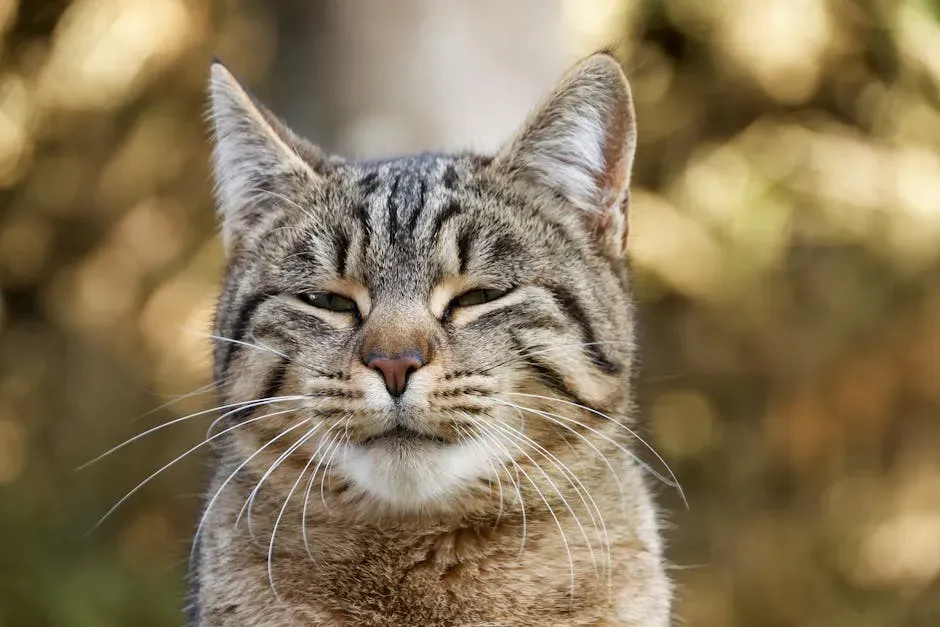
You might catch your cat staring at you from across the room, only to slowly close and reopen their eyes in this strangely deliberate way. It can feel a bit like they’re silently judging you, but that slow blink is actually one of the sweetest things a cat can offer. When your cat does this, they’re telling you they feel safe enough to briefly let their guard down. In feline body language, prolonged, hard staring can be a threat, but a soft gaze followed by slow blinking is more like a friendly nod. You can even try slow‑blinking back at your cat, lightly closing your eyes for a second or two before opening them again. Many cats respond by relaxing their posture, flicking their tail more gently, or even coming closer, as if you’ve just spoken their secret language and told them you’re not a threat.
6. The Obsession With Boxes, Bags, and Too‑Small Spaces
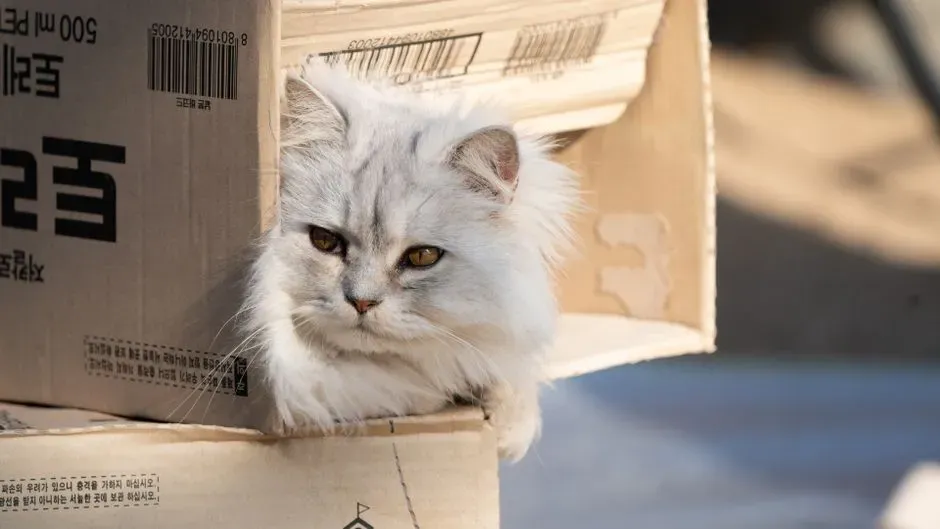
Whenever you bring home a cardboard box or a crinkly paper bag, your cat acts like you’ve just delivered the most luxurious piece of furniture ever invented. Squeezing into tight spaces, even ones that look way too small, taps into your cat’s instinct to find safe hiding spots where they can watch without being easily seen. Enclosed areas help your cat feel protected on all sides, which lowers stress and makes them feel more in control. You’ll see similar behavior when your cat curls into shelves, laundry baskets, or even sinks. These spots offer warmth, partial cover, and a view of the room, which together create a perfect little observation post. You can support this instinct in a healthy way by providing cozy hideouts like covered beds or strategically placed boxes. Just make sure any bags don’t have handles that could catch around your cat’s neck, and avoid plastic bags that could pose a suffocation risk.
7. The Dramatic Flop and Belly Display
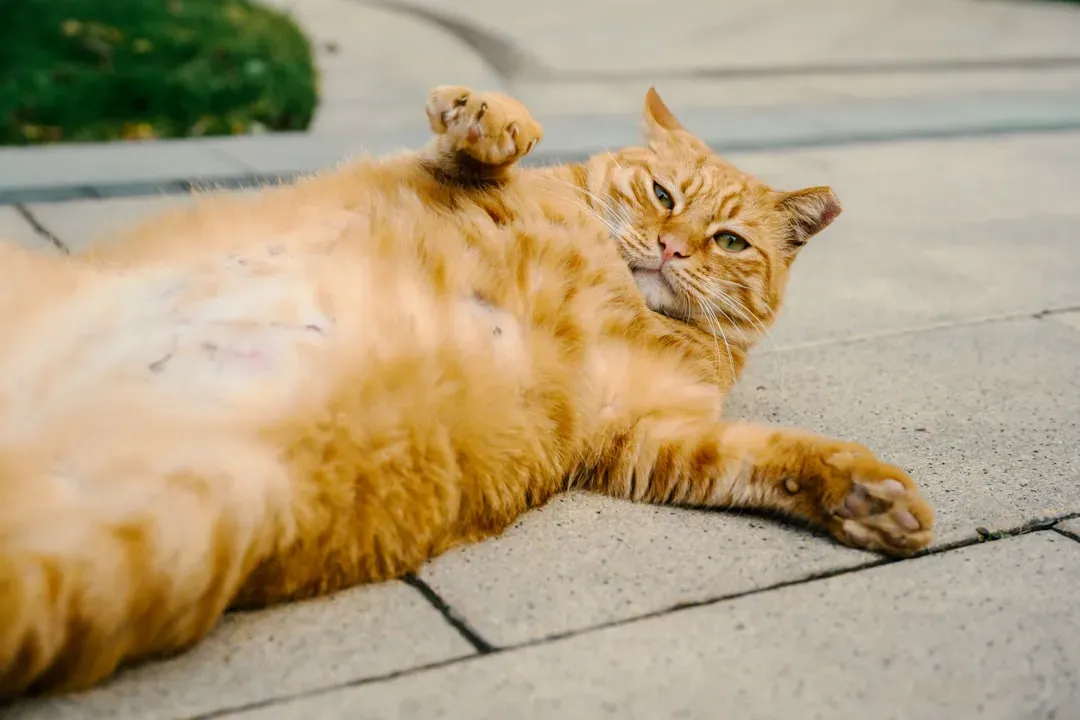
When your cat throws themselves onto the floor in front of you, flops onto their side, and shows you their belly, it can look like a theatrical performance. That exaggerated roll is a strong sign that your cat feels comfortable in your presence and is willing to put themselves in a more vulnerable position. They might do it when you walk into a room or when they’re trying to get you to stop and interact. However, that exposed belly is not always an invitation for belly rubs. In the wild, the stomach area is one of the most sensitive and vulnerable parts of a cat’s body. Many cats will tolerate only a second or two of belly contact before they grab your hand with all four paws and maybe even nibble. If you see their tail twitching or their ears shifting back, it’s usually kinder to stick to petting the head, neck, and shoulders, where most cats feel more comfortable.
8. The Random “Chattering” at Birds or Squirrels
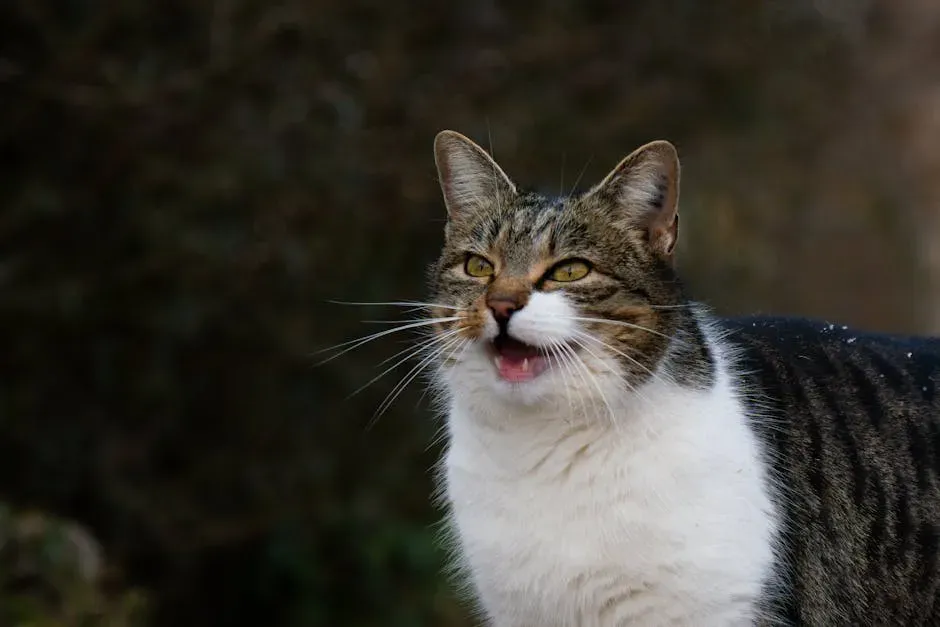
You might notice your cat sitting in the window, laser‑focused on a bird or squirrel, and suddenly their mouth starts to chatter or make little clicking sounds. It can sound like a broken toy, but it’s likely a mix of excitement and frustration. Your cat’s predatory instincts are fully switched on, but as an indoor cat, they can’t actually chase or catch what they see. Some experts think that the chattering may also mimic the rapid jaw movements used during a killing bite, almost like your cat is rehearsing what they would do if they could reach their prey. Whatever the precise reason, you can view this as a clear sign that your cat needs more interactive play. Teaser toys, feather wands, and puzzle feeders give them a safe outlet for that hunting energy and can help keep them calm and mentally satisfied after their “window watching” sessions.
9. The Sudden “Attack” on Your Moving Feet
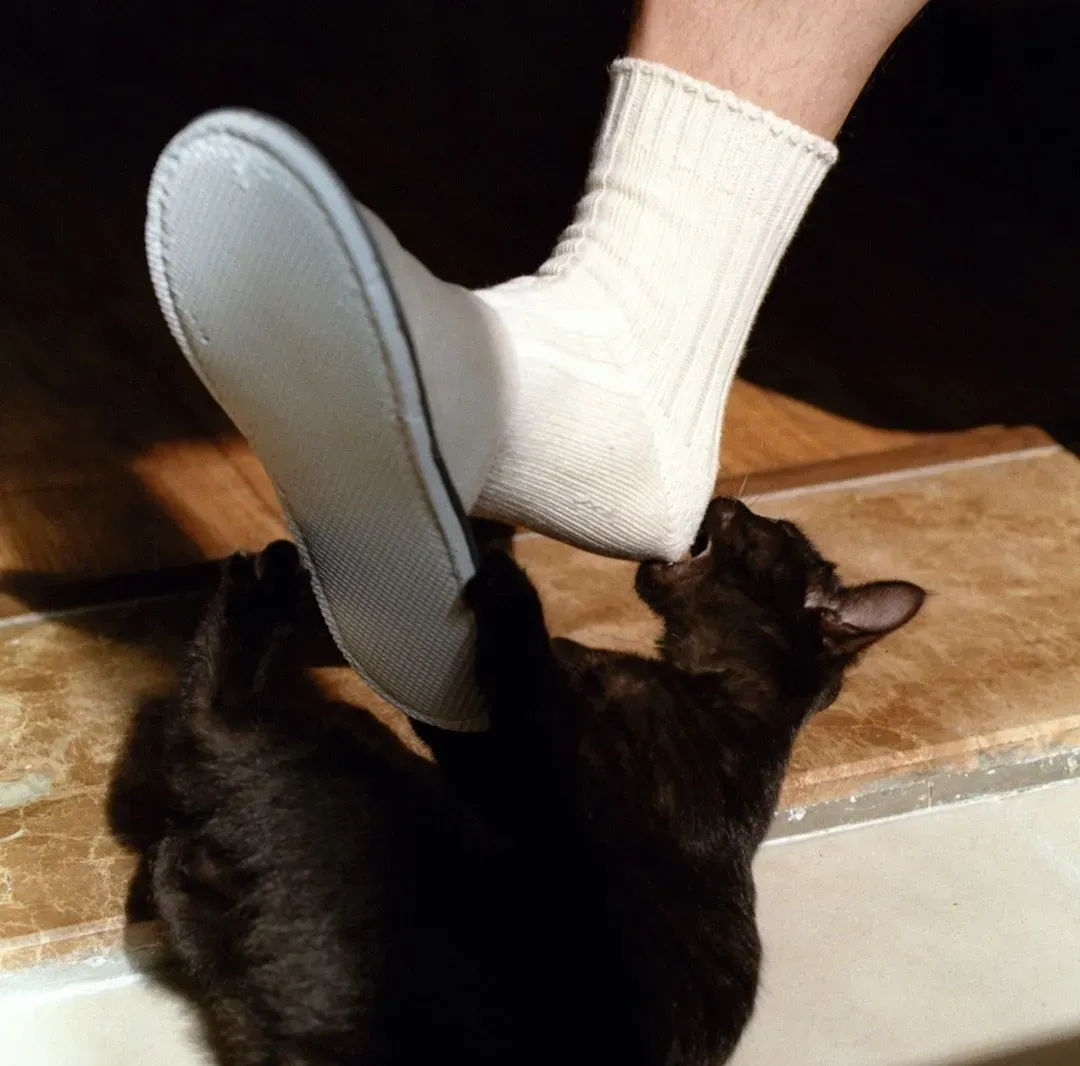
If you’ve ever been ambushed around a corner by your own cat pouncing on your ankles, you know how startling – and funny – it can be. To your cat, your moving feet under a blanket or walking down the hall look very much like small, chaseable prey. Pouncing, grabbing, and bunny‑kicking are all natural parts of a cat’s play sequence, especially in younger or high‑energy cats. When your cat uses your feet as a toy though, it can quickly slide from amusing to painful. Instead of scolding, which can confuse or scare them, you can redirect that instinct by offering appropriate toys. Keep a wand toy or kicker toy nearby, and as soon as you see the “stalk” posture – tail low, eyes focused, wiggle in the back end – distract with the toy and move your feet out of the action. Over time, this teaches your cat what’s fair game to hunt and what isn’t.
10. The Ritual of Knocking Things Off Tables
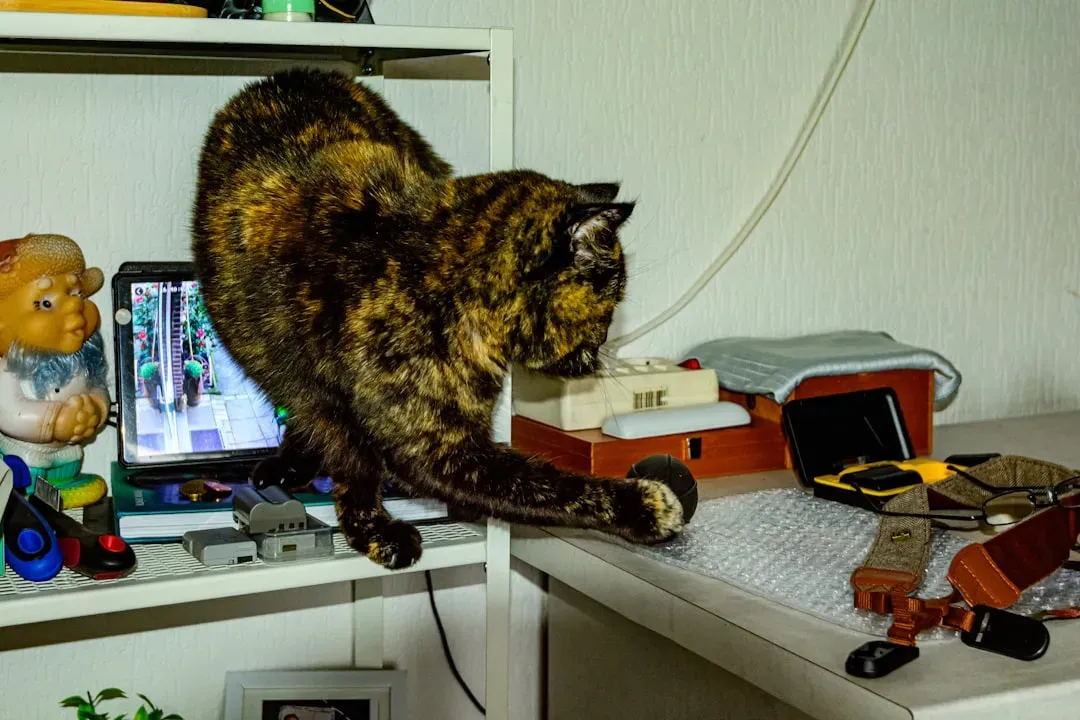
You put something nicely on a shelf, and your cat walks up, looks you straight in the eye, and bats it to the floor. It can feel personal, but it usually isn’t. Knocking items off surfaces is your cat’s way of exploring objects with their paws and testing how the world reacts. For a curious animal, watching an object move, spin, and crash is actually quite stimulating and, let’s be honest, probably a bit entertaining. There is also a social layer to this behavior. When you react – by talking, rushing over, or picking the object up – your cat learns that this is one reliable way to get your attention. If you want to reduce this habit, try giving your cat more appropriate things to paw and swat, like small toys or treat balls, and keep fragile items away from tempting edges. When they do knock something off, staying calm and not turning it into a dramatic event helps avoid reinforcing the behavior.
Conclusion: Laugh First, Learn Second, Love Always
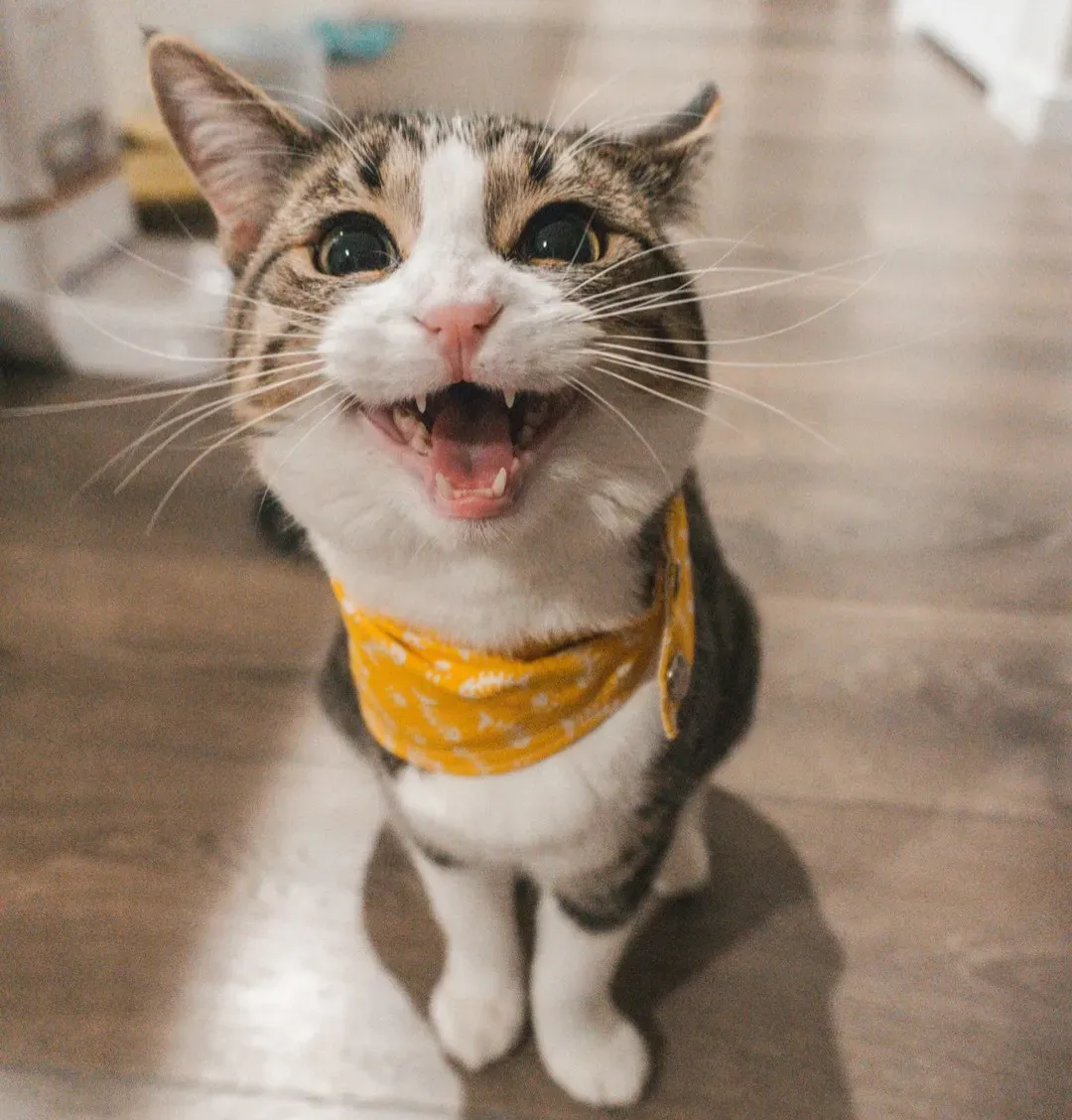
When you look at these funny behaviors through your cat’s eyes, you start to see that what makes you laugh is often your cat doing exactly what their body and instincts are designed to do. Zoomies, flops, chatters, and head‑bonks may seem random, but each one tells you something about how your cat feels, what they need, and how much they trust you. The more you pay attention, the more those weird little moments become a kind of private language between you and your pet. As someone who has spent far too many evenings pausing a movie because a cat decided to do something ridiculous, you learn that the comedy is part of the bond. When you respond with patience, play, and a bit of curiosity, you turn those quirks into opportunities to deepen your connection. The next time your cat does something that would make even a veterinarian laugh, will you just shake your head – or will you also pause and ask what they might be trying to say?
Kristina is a young writer from India. An arts graduate and an avid content creator, Kristina is passionate about animals and wildlife. She enjoys exploring topics related to pet care, animal behavior, conservation, and nature, combining thorough research with engaging storytelling.