7 Behaviors Cats Use to Avoid a Fight Without Leaving the Room
#1 Slow blinking to signal peaceful intent
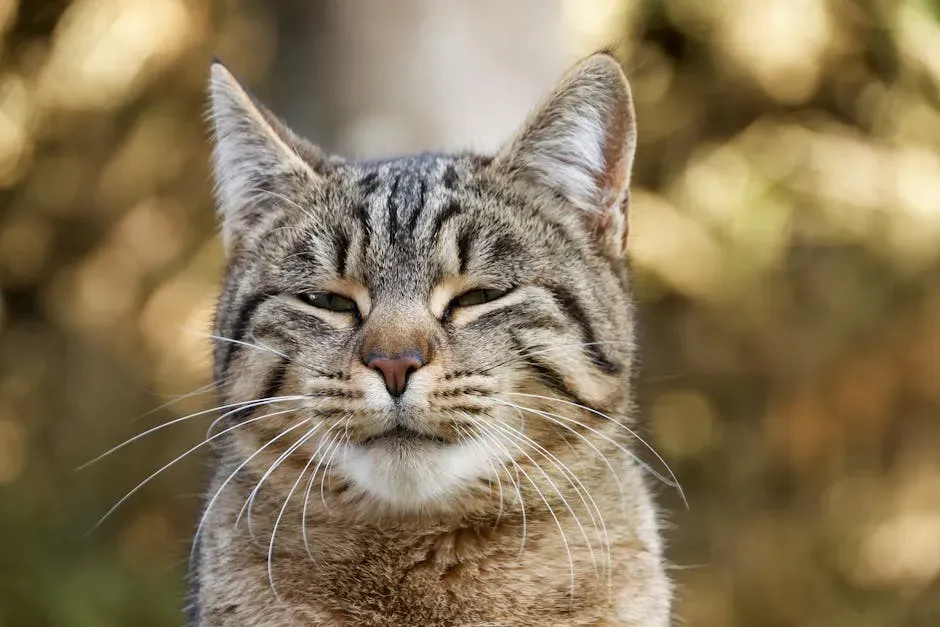
When a cat feels cornered but doesn't want to escalate things, one of the first tools it reaches for is the slow blink. This isn't the same as the sleepy half closed eyes a cat gives you on the couch. It's a deliberate, almost exaggerated closing and opening of the eyes, often paired with a softened facial expression, aimed directly at whatever is making them uneasy.
Behaviorists sometimes call this a calming signal because it communicates the opposite of a threat stare. A hard, unblinking stare between cats usually precedes conflict, so breaking that stare on purpose tells the other animal there's no challenge intended. It's a small gesture, but it can defuse a tense stretch of eye contact before it turns into something louder.
#2 Turning the body sideways instead of facing off
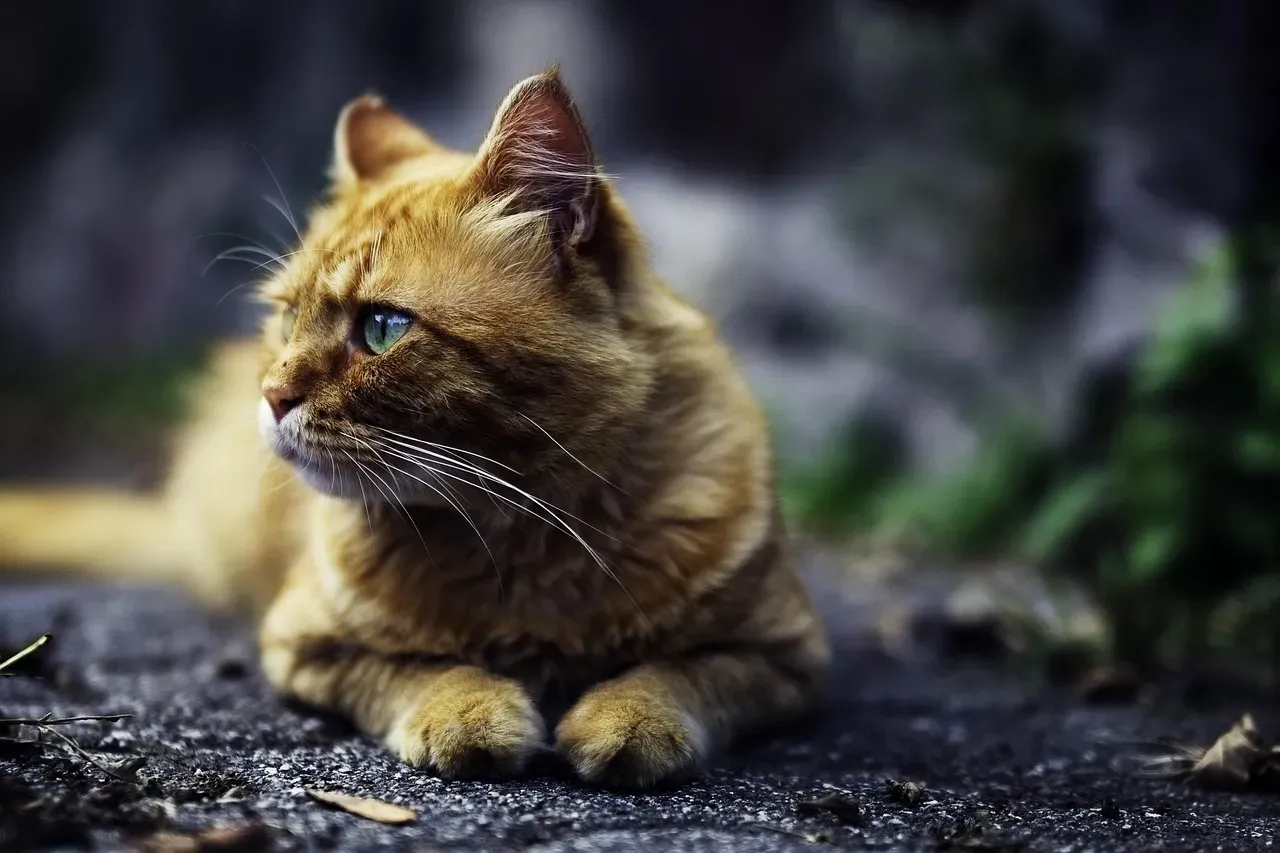
A cat that wants to avoid a fight will often angle its body sideways rather than square up head on. Facing an opponent directly, chest forward, is a classic precursor to aggression in most animals, cats included. By rotating even slightly, a cat reduces the visual threat it presents while still staying alert and ready to react if needed.
This sideways posture also gives the cat an easy exit route without looking like it's fleeing outright. It's a subtle compromise between standing ground and backing off, letting the animal save face while quietly lowering the temperature of the encounter. Watch closely and you'll notice this happens a lot near food bowls or doorways, common flashpoints in multi-cat homes.
#3 Freezing in place rather than reacting
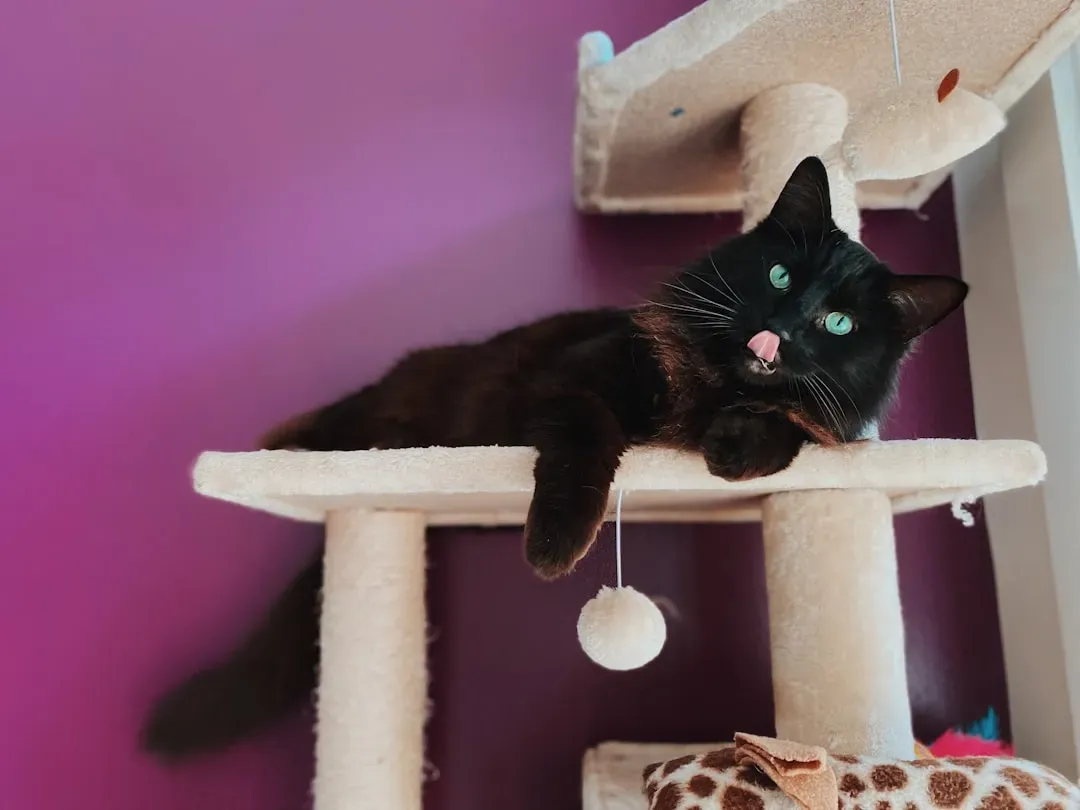
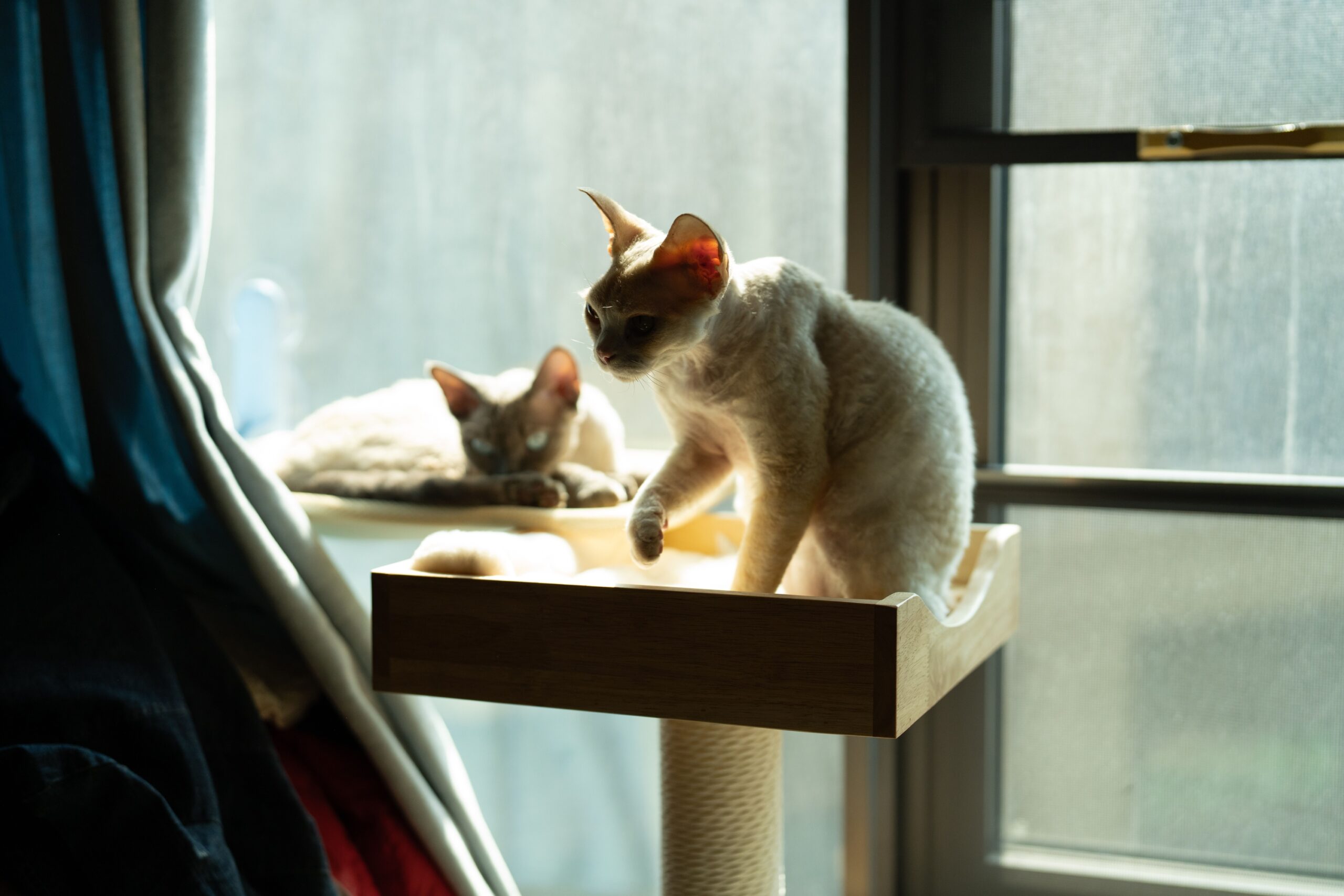
Sometimes the least dramatic option is the most effective one, and cats seem to know this instinctively. When faced with a sudden challenge, a cat may simply freeze, going completely still for a few seconds rather than hissing, swatting, or bolting. This pause allows the animal to assess the situation without committing to any action that might be read as provocation.
Freezing also buys time. It lets the other cat, or the source of tension, make the next move, and often that next move is simply walking away once no threat response appears. This behavior is easy to miss because it looks like nothing is happening, but that stillness is doing real communicative work.
#4 Grooming as a distraction and de-escalation tool
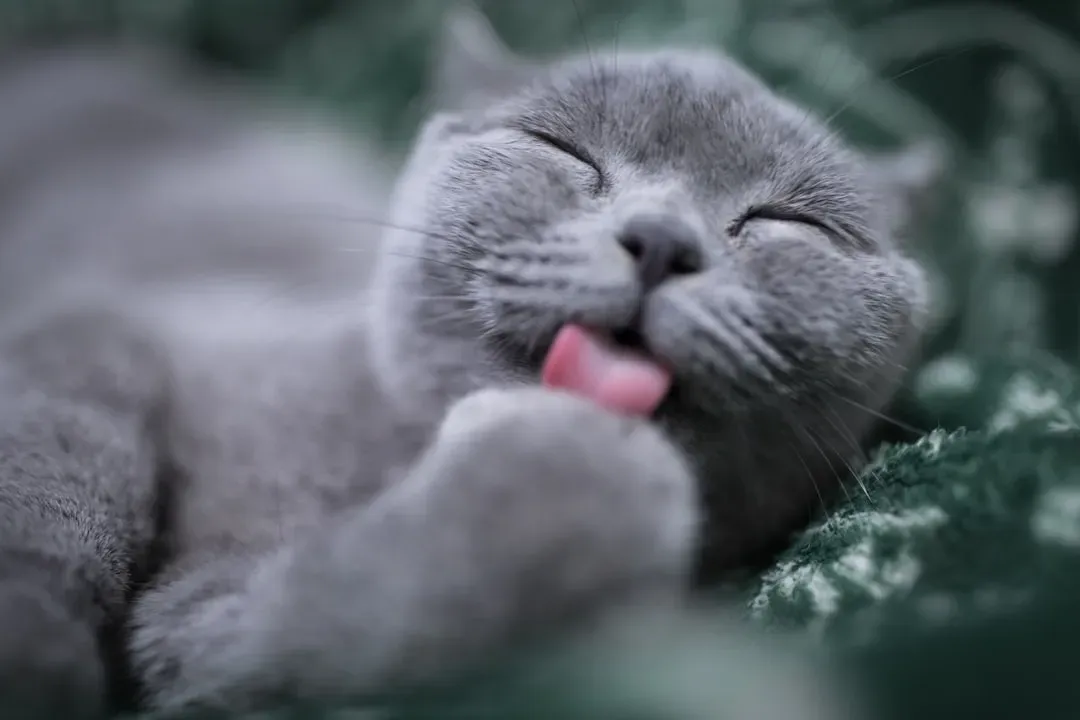
Few things look more relaxed than a cat suddenly stopping to groom itself, and that's exactly the point. Displacement grooming, as it's often described, happens when a cat is caught in an awkward or tense moment and responds by licking its paw or flank instead of reacting to the trigger. It's a bit like a person suddenly checking their phone during an uncomfortable silence.
This behavior signals to nearby animals that the cat isn't focused on conflict anymore, at least not visibly. It also seems to help the cat itself regulate its own stress, since grooming has a soothing, repetitive quality. Multi-cat households often see this play out right after a near miss confrontation, with one cat grooming intensely a few feet from the other as things quietly cool down.
#5 Flattening the ears without fully attacking
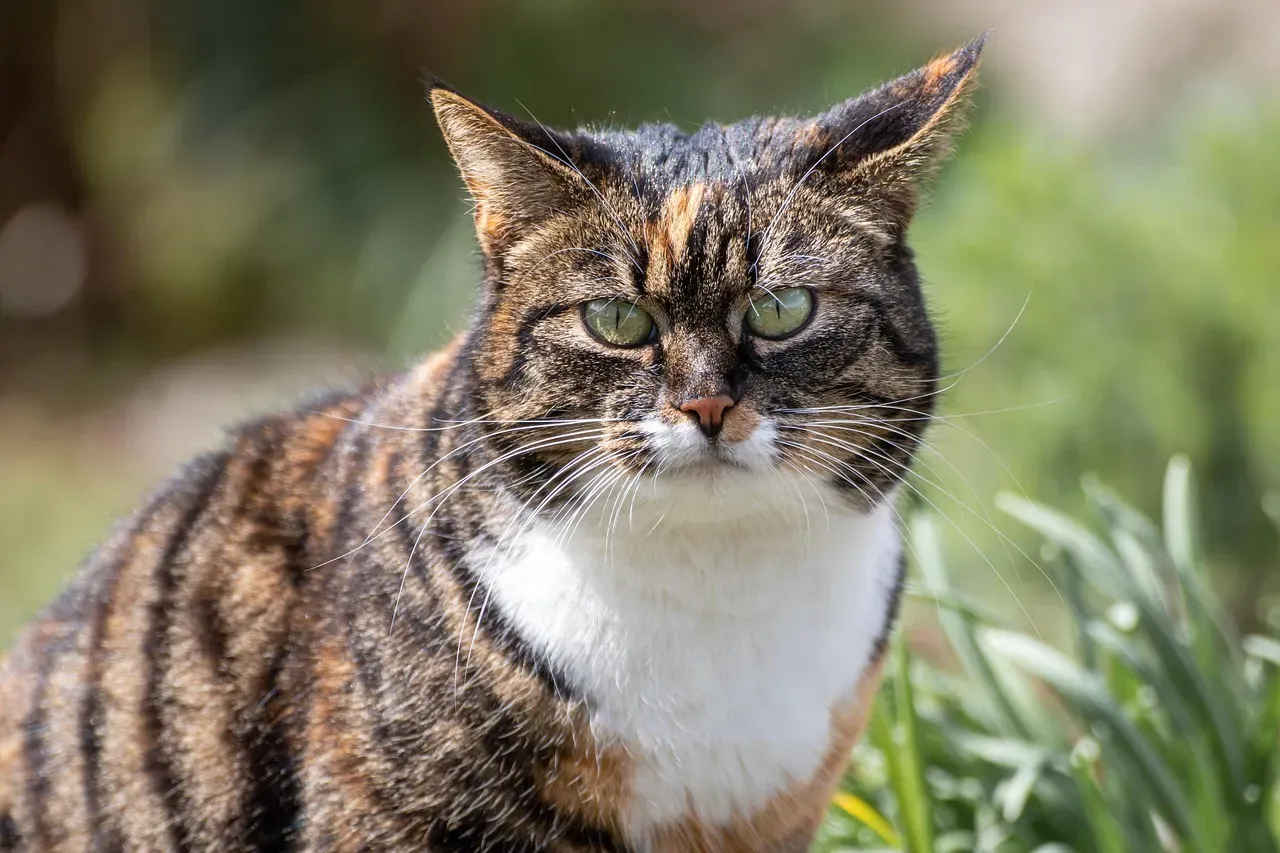
Ear position is one of the most reliable indicators of a cat's internal state, and partially flattened ears often show up in situations where a cat feels uneasy but isn't ready to fight. Fully pinned ears usually mean serious aggression or fear, but a partial flattening can be more of a warning shot, a way of saying "I'm uncomfortable" without committing to anything physical.
This middle ground posture lets other cats or even people read the room correctly and back off before things get worse. It's a useful reminder that feline body language exists on a spectrum rather than a simple on off switch. A cat showing this ear position is often still choosing whether to stay or go, and giving it space usually resolves things quietly.
#6 Redirecting attention to a neutral object
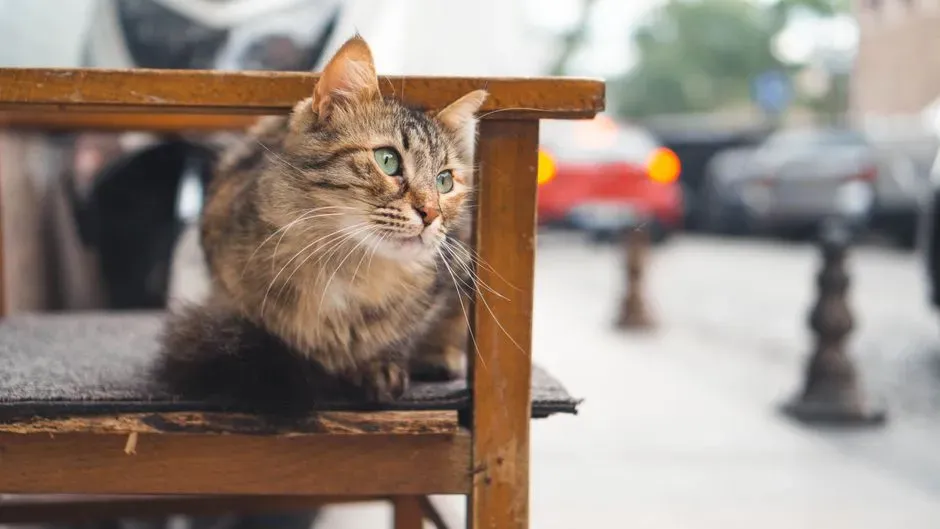
Cats are surprisingly good at finding something else to focus on when tension rises. A sudden interest in a toy, a windowsill, or even a random spot on the wall can be a way of mentally stepping out of a standoff without physically leaving. This kind of redirection lowers the intensity of a face off by shifting the cat's visible attention elsewhere.
It also gives the other cat an opening to disengage as well, since staring contests rarely end well for either party. Owners sometimes see this and think their cat simply got distracted, but the timing often lines up suspiciously well with moments of social pressure. It's less about forgetting the conflict and more about choosing not to feed it.
#7 Lowering the body without retreating fully
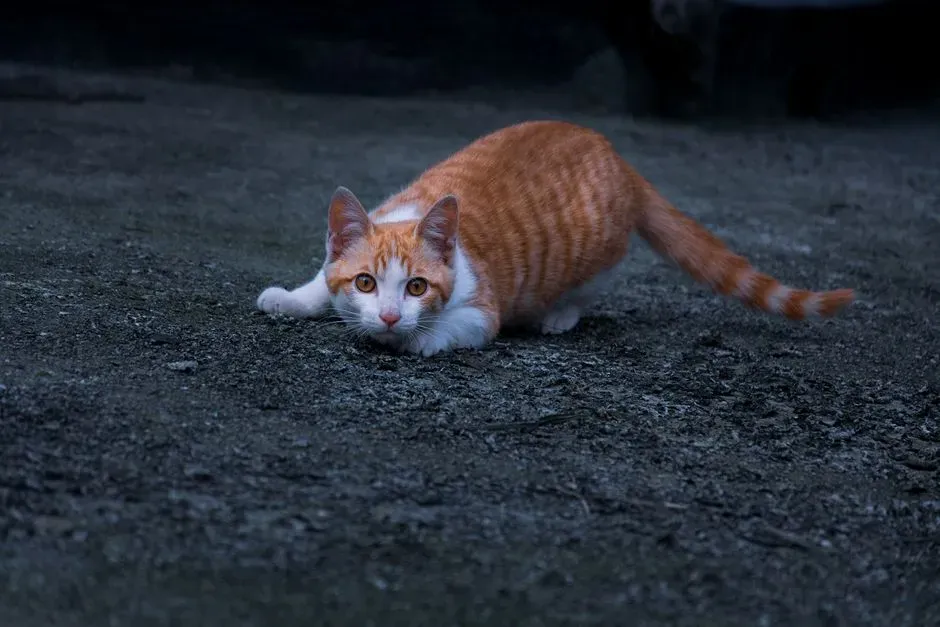
A cat trying to avoid escalation may crouch or lower its body closer to the ground while still holding its position. This isn't the same as fully cowering or running, which would signal outright submission or fear. Instead, it's a controlled reduction in size and visibility, a way of appearing less confrontational while still staying present in the situation.
This lowered posture often comes with slower movements, which further signals a lack of aggressive intent. It's a fairly common sight when two cats meet unexpectedly in a hallway or small room where neither wants a full retreat. The lowered stance essentially says "I see you, I'm not thrilled about this, but I'm not going to make it worse either."
Final Thoughts
- 7 Fascinating Facts About Your Cat's Night Vision
- Decoding the Gaze: What Your Cat Is Really Thinking When They Stare at You
- Why Cats Look Into Your Eyes One Last Time Before Crossing the Rainbow Bridge
- Animal Behavior Says Cats Who Rub Their Face Against You Are Doing More Than Simply Asking to Be Petted