Animal Behavior Says Cats Who Rub Their Face Against You Are Doing More Than Simply Asking to Be Petted
#1 It starts with a gesture scientists call bunting
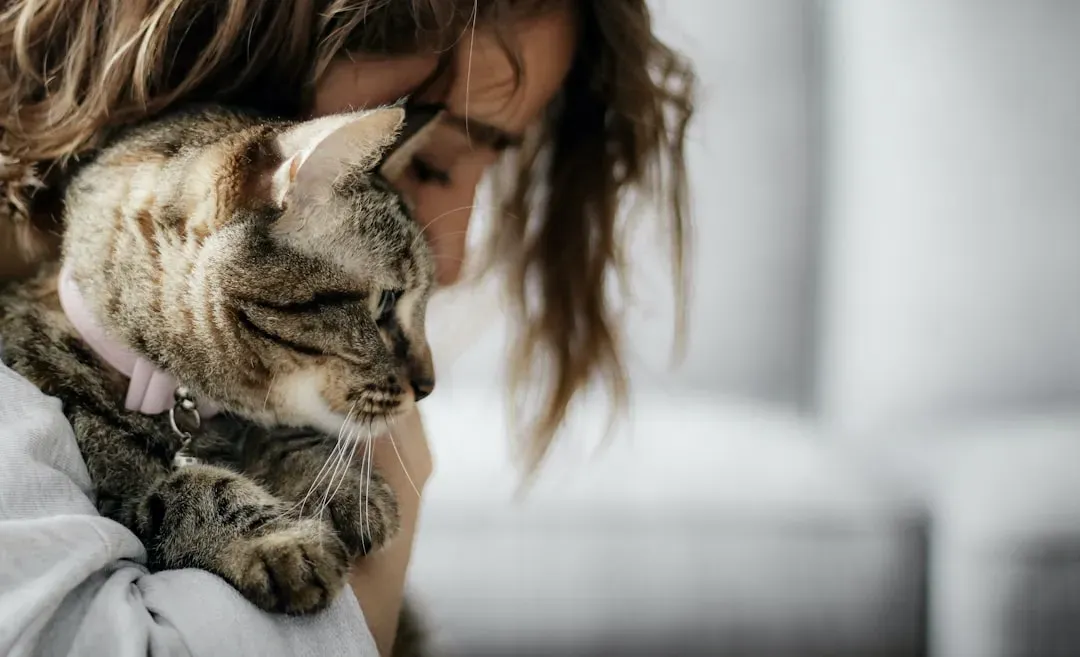
The behavior most people describe as head-butting has a formal name in animal behavior circles: bunting. This behavior, known as bunting or head-butting, is your cat's way of marking you with their scent, showing trust, and reinforcing your bond as part of their feline family. It's not random. Cats direct this motion toward specific targets, whether that's a person, a doorframe, or the corner of a laptop screen.
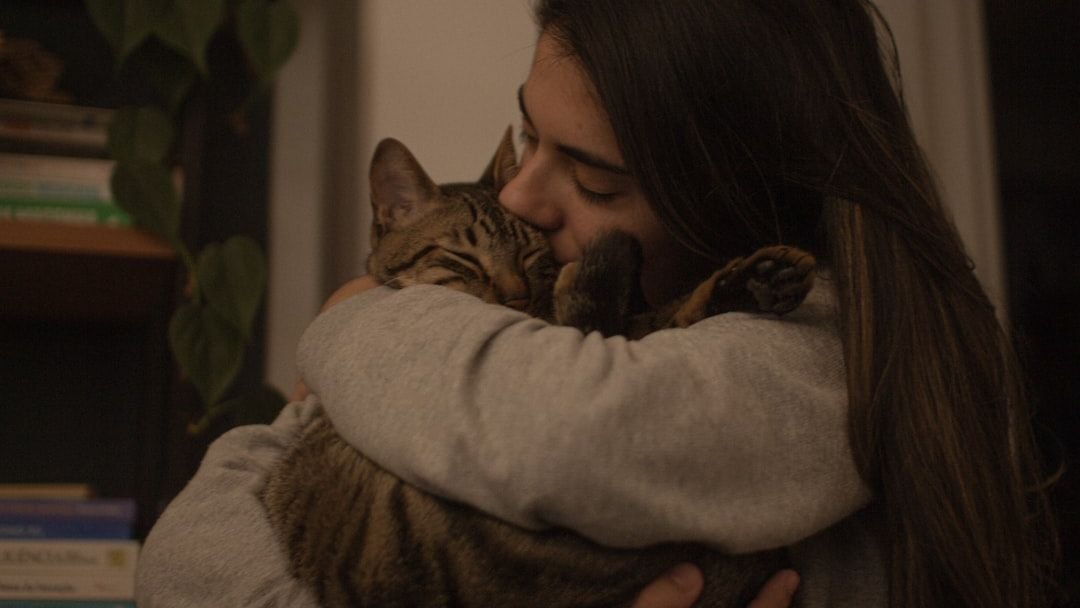
What looks like a spontaneous nudge is actually a coordinated physical action involving the head, jaw, and sometimes the whole body leaning in. The cat moves closer to your face and then literally butts its forehead against your cheek or chin, sometimes with a gentle nudge and at other times almost a head to head collision, or it may just rub its chin, forehead or cheek along your face. Each variation carries slightly different weight in feline communication, though all of them fall under the same broad umbrella of bunting.
#2 There's real chemistry behind that nuzzle
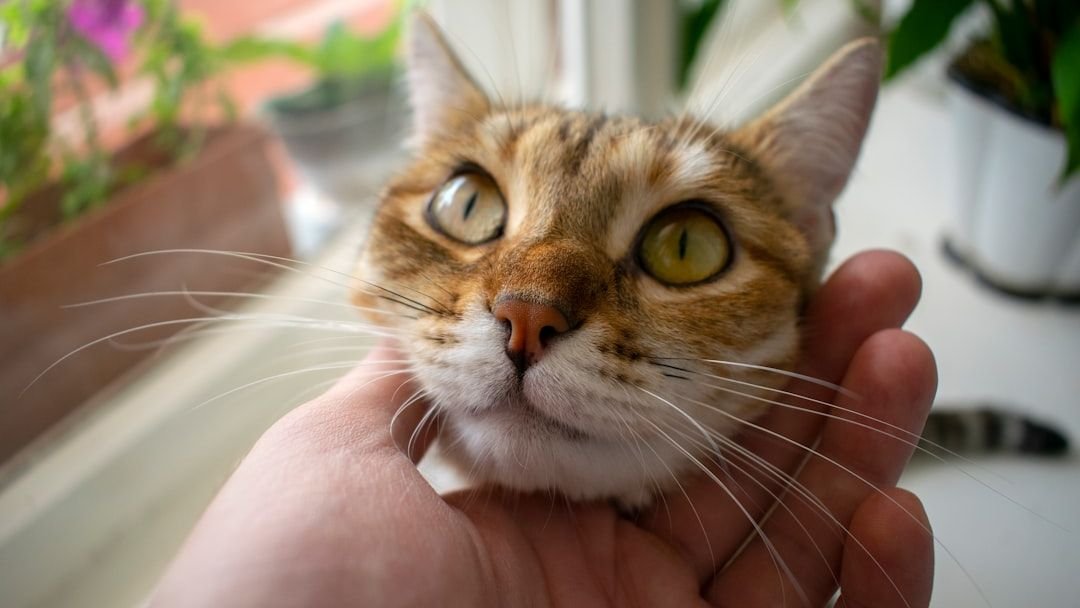
Cats aren't just making physical contact. They're transferring chemical information. Cats have multiple scent glands on their heads, located around their mouths, chins, sides of the face, neck and ears. When a cat presses its face against you, it's actively depositing material from those glands onto your skin.
Scientists have gone as far as isolating the specific compounds involved. A team of scientists led by Patrick Pageat found five different chemical fractions in the pheromones deposited by facial rubbing, known as F1, F2, F3, and so on, though not all of their functions are fully understood yet. One fraction in particular has been tied to reproductive signaling, while another appears linked to a sense of calm and territorial familiarity, which suggests bunting is doing several jobs at once rather than sending a single message.
#3 Marking you is a way of claiming you as part of the group
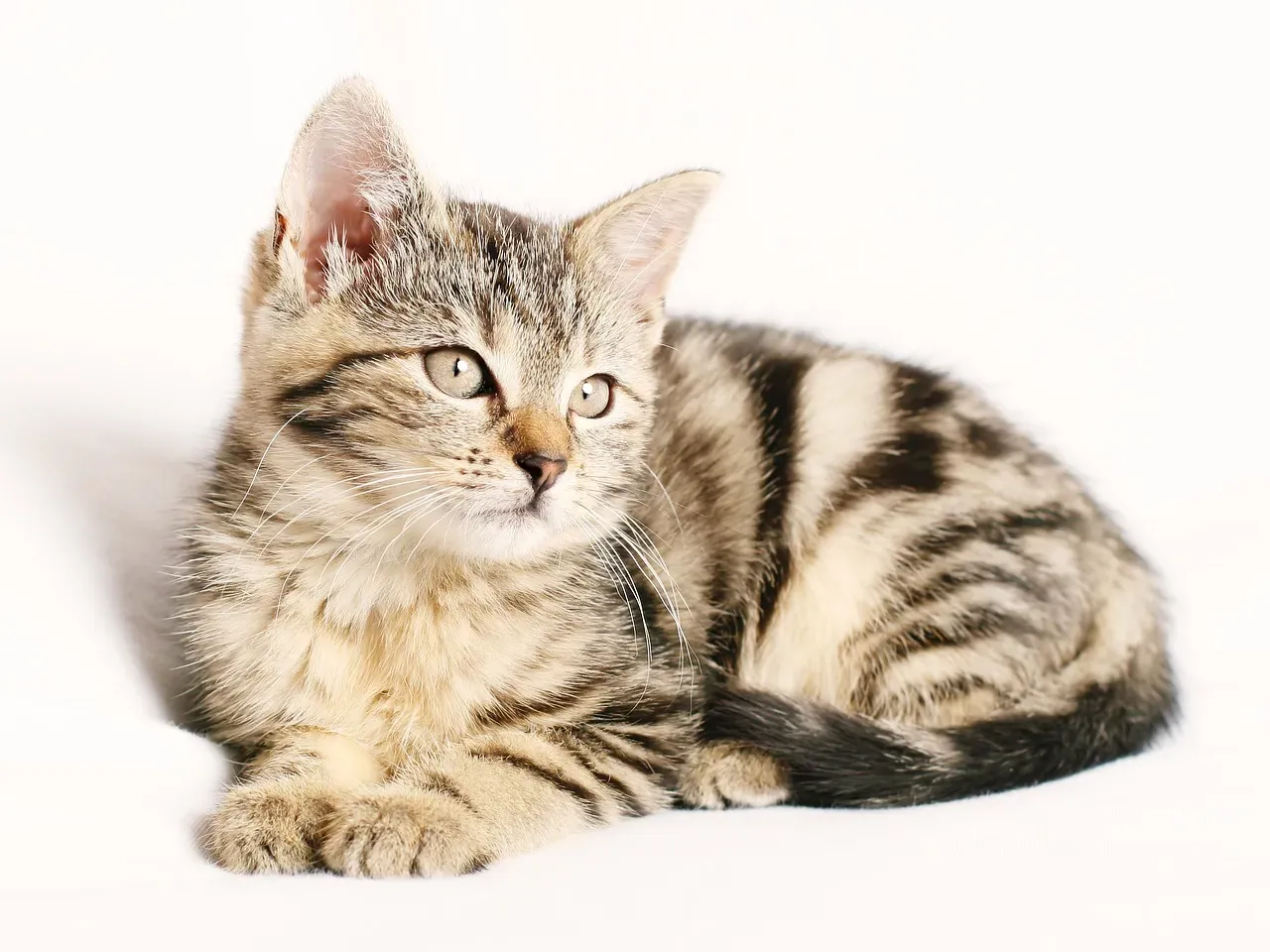
Cats live by scent in a way humans rarely appreciate. On people, as well as familiar dogs and cats, a cat might rub its face to deposit scent, which identifies those marked as belonging to a specific group. In a multi-cat household or a feral colony, that shared scent functions almost like a uniform, letting every member recognize who belongs and who doesn't.
This is part of why absence changes the dynamic so noticeably. Cats intermittently mark their territory this way because these scents do not last forever and need to be reapplied, so once you come home from being out in the world, your cat's personal scent has faded and they may want to mark you again by rubbing, headbutting, licking, or even gently biting you. That enthusiastic greeting at the door isn't just excitement. It's maintenance work on a scent profile that's been quietly deteriorating all day.
#4 The behavior doubles as a trust signal, not just a territorial one
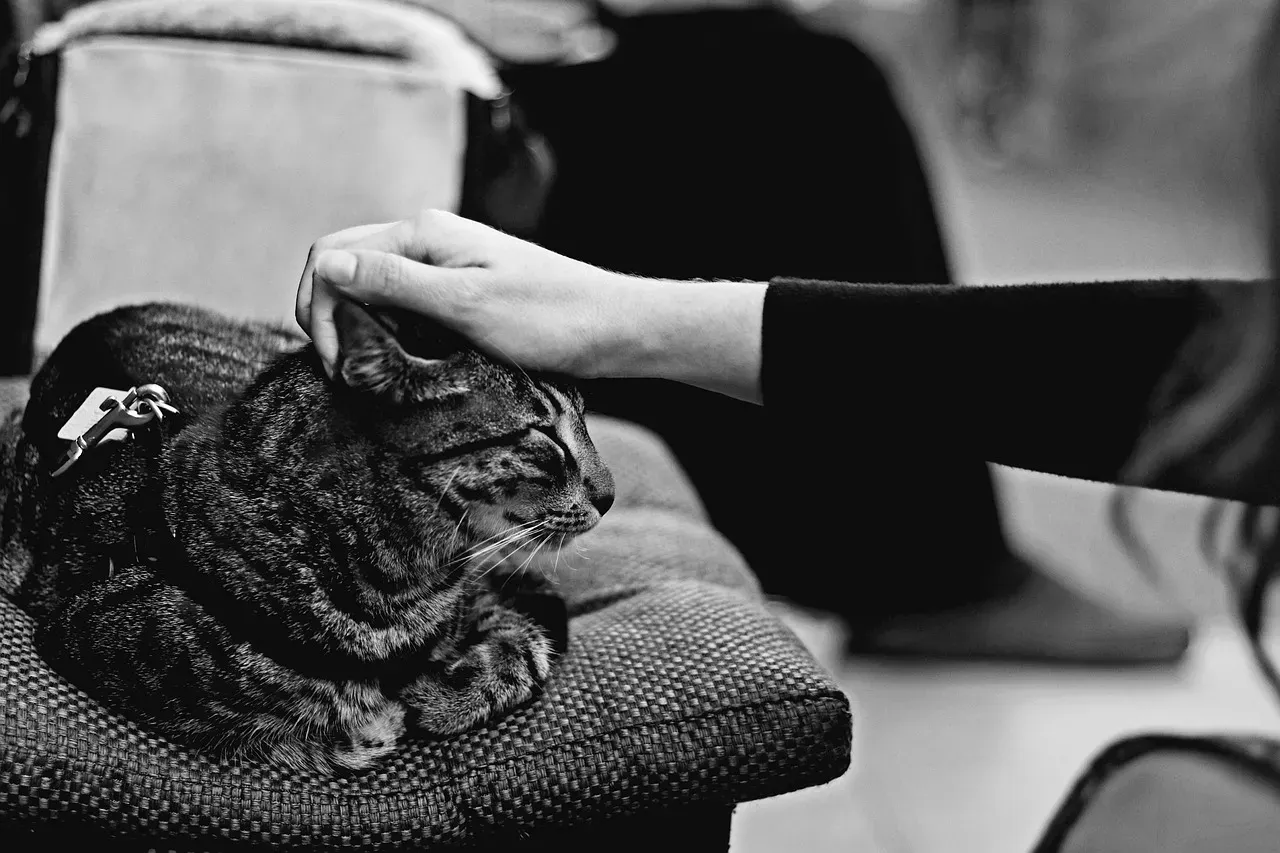
It would be easy to reduce bunting to pure territoriality, but researchers who study the behavior push back on that framing. Many people inaccurately assume any time a cat engages in rubbing or bunting it is merely marking territory, but scent communication is far more complex than that, since cats use scent to mark territory, create comforting familiarity, show respect, create a common colony scent, self soothe, and tell other cats about themselves. The act carries social weight well beyond staking a claim.
There's also a vulnerability component that's easy to overlook. For the cat to place its face so close to yours and engage in this bonding behavior is quite an act of trust. A cat's face and neck are exposed and undefended in that position, so allowing that closeness with a person mirrors the kind of trust cats extend to close feline companions during mutual rubbing rituals within a colony.
#5 Scientists have traced this back to how cats behave in colonies
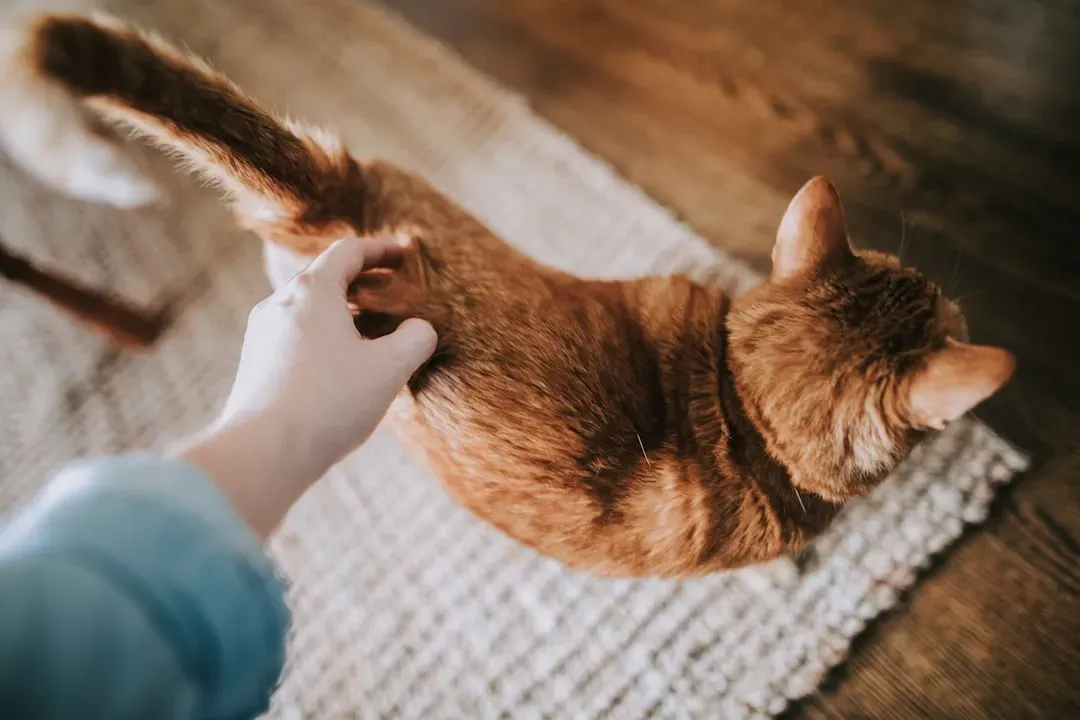
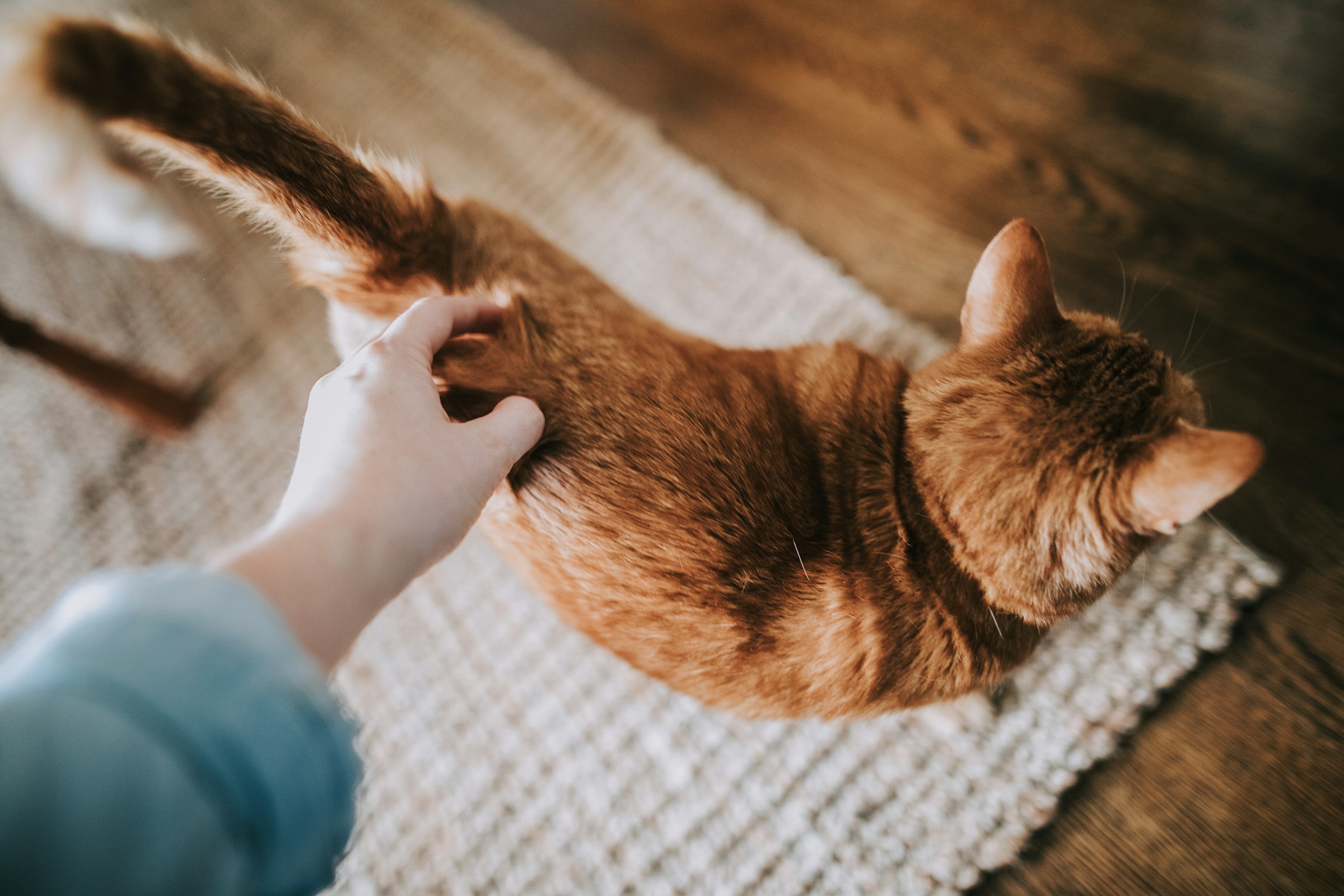
Domestic cats didn't invent bunting for the benefit of humans. It shows up in feral colonies as a core piece of social maintenance. Bunting and allorubbing, using touch to communicate closeness, are also part of feral cat behavior within colonies, in an elaborate ritual that can take several minutes as two cats rub along the side and tail of the other cat. When your cat rubs against you, it's essentially applying a colony-level social script to its relationship with a human.
Laboratory observations back this up. A 1994 study of a group of female cats found that scent-depositing rubbing, which in a solitary natural state might have facilitated avoidance of other cats, instead worked within the laboratory group to help establish bonding and dominance relationships, with mutual face rubbing appearing to serve a social bonding function. In other words, a behavior that likely evolved for spacing cats apart got repurposed by social living cats into something that brings them closer together.
#6 It can also be a coping mechanism, not just affection
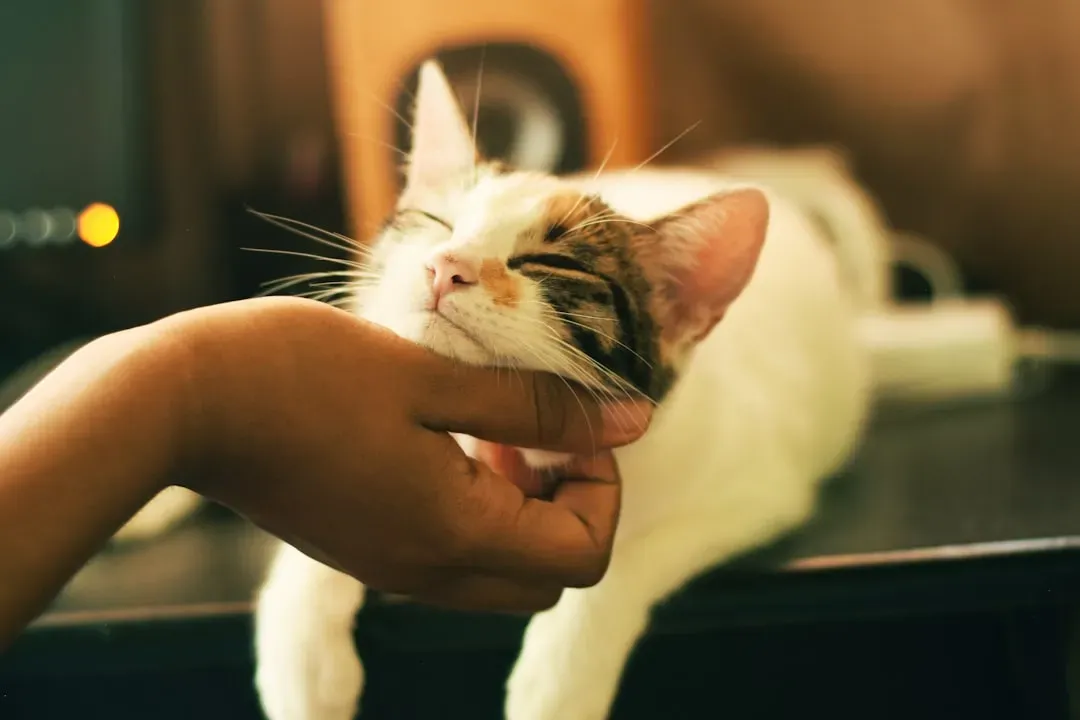
Not every bunt is a warm gesture. Sometimes it's closer to self-soothing. Some cats bunt when they are anxious, and spreading their scent around may be a way of coping or making themselves feel more comfortable in an unfamiliar environment. A cat rubbing furiously against every surface in a new room isn't necessarily happy. It may be working hard to make an unfamiliar space feel survivable. The pheromones themselves appear to support this calming function on a biochemical level. Bunting deposits a specific facial pheromone known as F3 on objects, which cats use to orient themselves within the home and mark commonly used objects. This is precisely why synthetic versions of that pheromone have become a standard veterinary tool, since researchers found the F3 fraction useful for helping anxious cats settle into new or stressful environments.
#7 Reading the difference between affection, need, and greeting
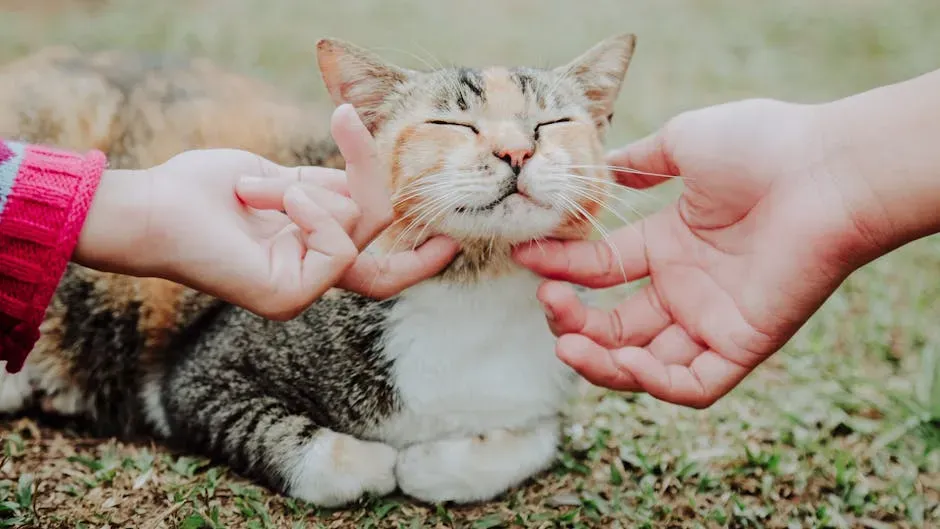
The tricky part for cat owners is that all these motivations look nearly identical from the outside. Rubbing can also be a way for cats to signal that they want or need something, such as food, attention, or playtime, and rubbing and headbutting in the cat community are usually signs of marking territory, acceptance into the group, and greetings and affection. A cat weaving around your ankles at 6 a.m. might be greeting you, or it might be lobbying hard for breakfast, and the gesture itself won't necessarily tell you which.
Context tends to be the real decoder. If a random cat rubs against you, it's a sign they feel safe in your presence and are essentially interviewing you as a potential friend. Timing, body language, and what happens immediately before or after the rub usually reveal more about intent than the bunt itself ever could.
Final thoughts