Animal Science Says Leopards Can Remember Their Territory in Detail and Revisit it With Perfect Precision
#1 The scale of a leopard's mental map is larger than most people assume
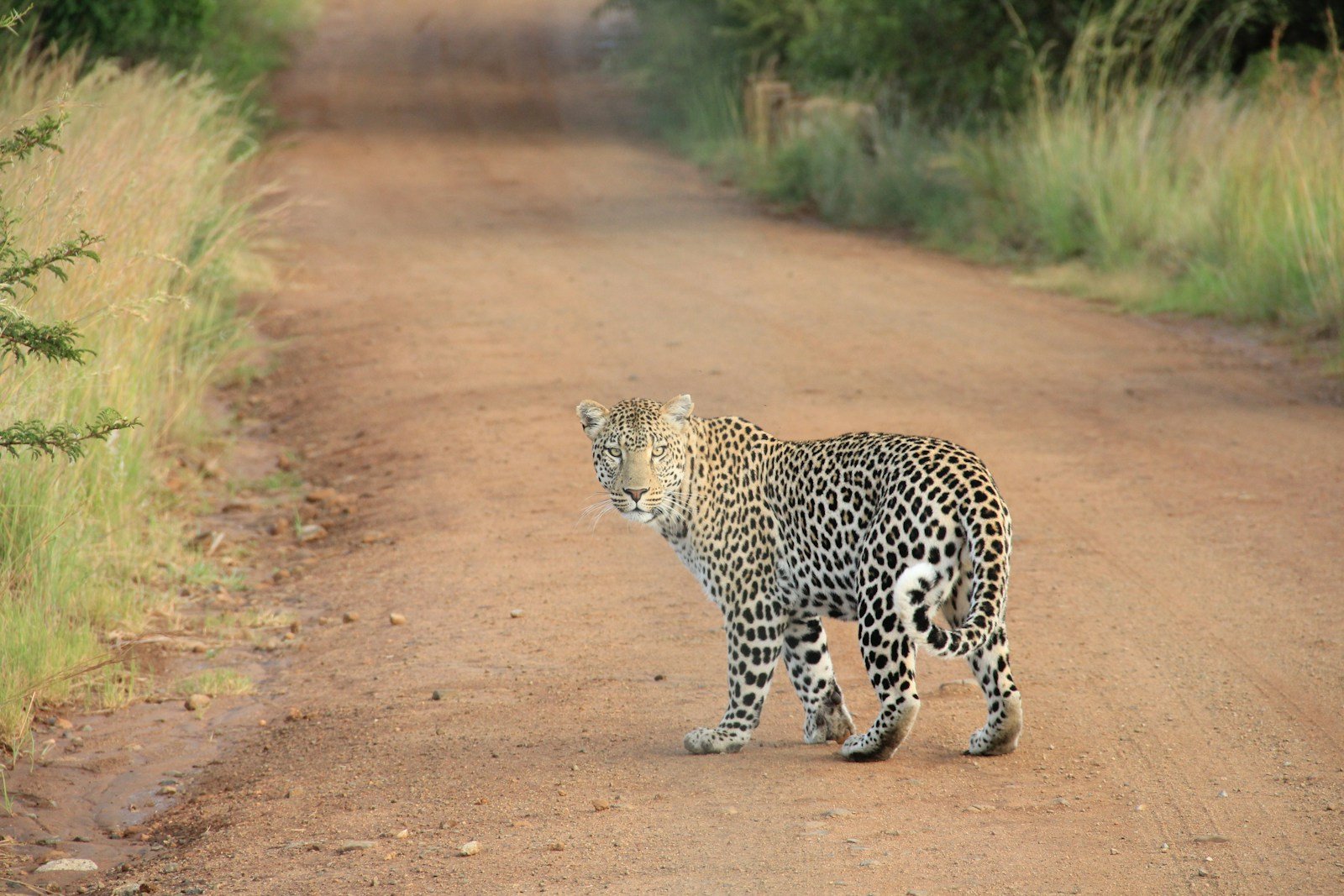
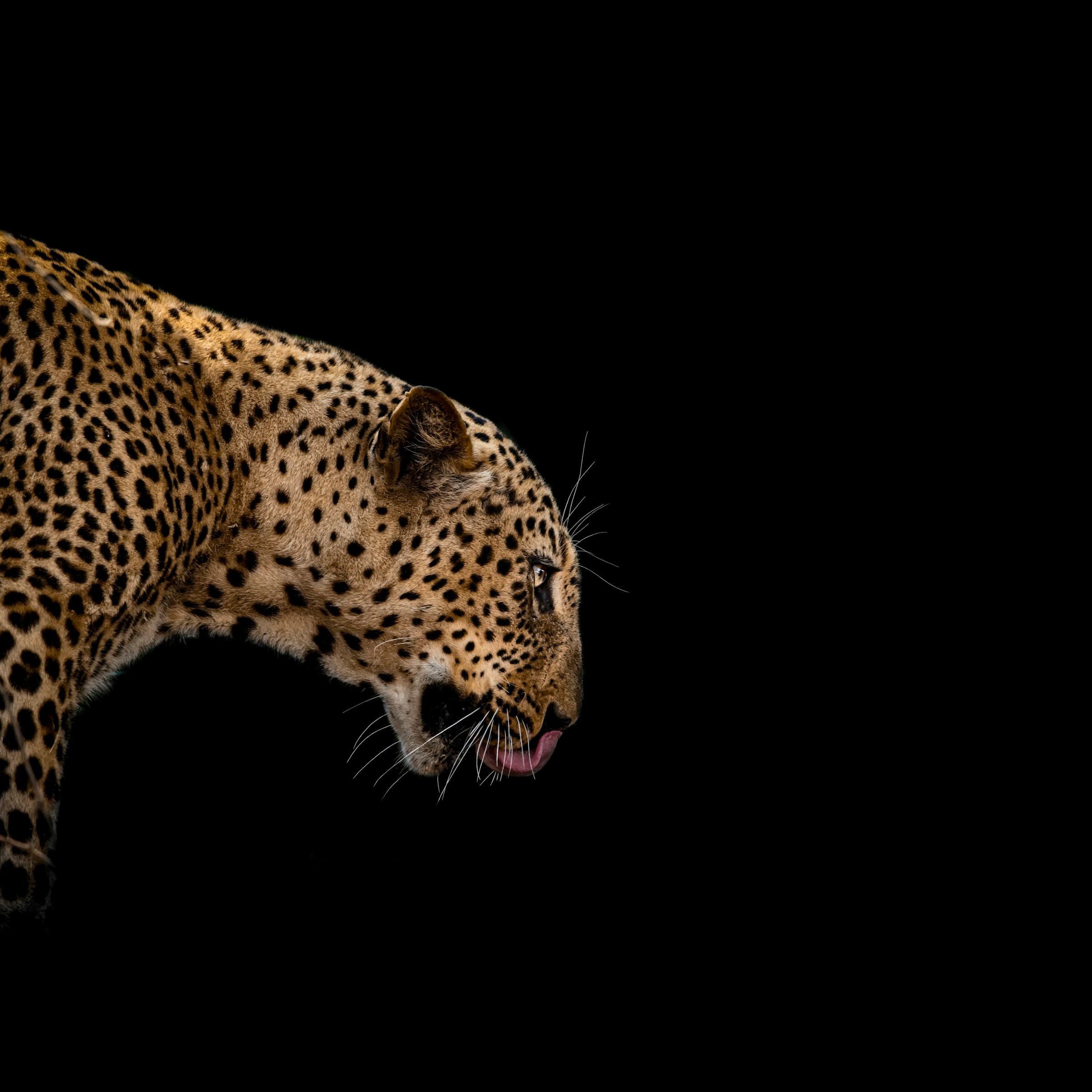
Leopard territories are not small. Depending on prey density and habitat quality, a single leopard's home range can stretch anywhere between 5 and 1,000 square kilometers. That is a staggering amount of ground for one animal to hold in its head, especially terrain broken up by rivers, ridgelines, thickets, and seasonal changes in vegetation.
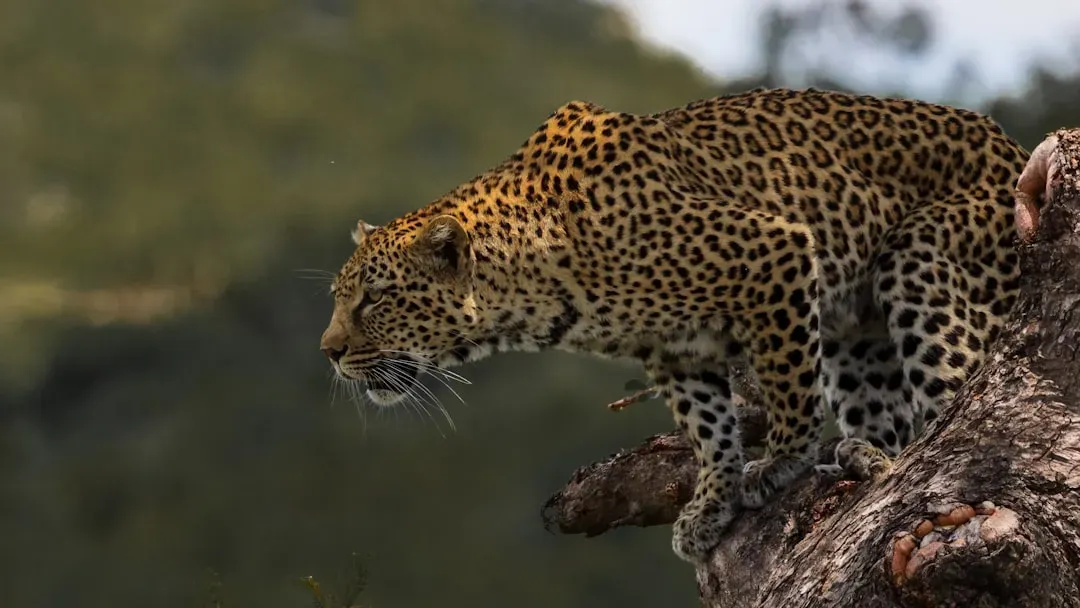
GPS collar studies have made it possible to actually visualize this. Researchers tracking leopards in Namibia's Okonjima Nature Reserve used real movement data from collared leopards to demonstrate how each individual uses its territory and how different leopards interact spatially within the reserve. The resulting movement patterns are not random wandering. They show deliberate, repeated routes that suggest the animal is navigating by memory rather than by chance encounter with familiar landmarks.
#2 Scent marks work like a leopard's personal filing system
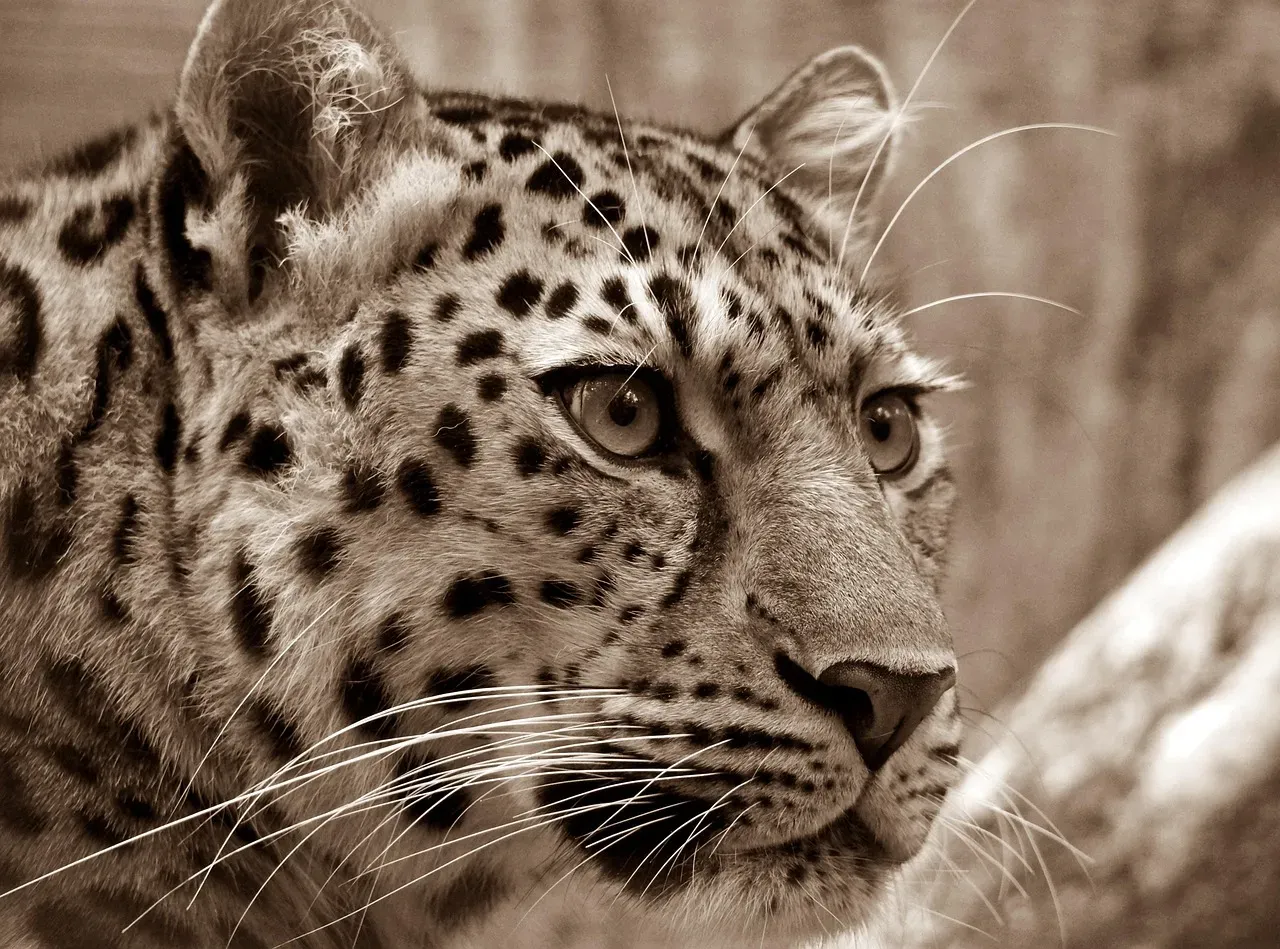
A leopard's territory isn't just remembered visually. It's built and reinforced through smell. Leopards of both sexes patrol their ranges and scent-mark trees, bushes and rocks with urine mixed with anal gland secretions, creating a kind of olfactory map layered on top of the physical landscape.
These aren't casual deposits either. Male leopards, in particular, follow a boundary-focused strategy, and a long-term study in Botswana found that they invested more in maintaining marking sites in peripheral areas of their home range compared to central zones. That distinction matters because it shows the animal isn't just marking wherever it happens to be. It's prioritizing the edges of its territory, the places most likely to be tested by a rival, which requires knowing where those edges actually sit.
#3 Leopards return to the same spots with surprising regularity
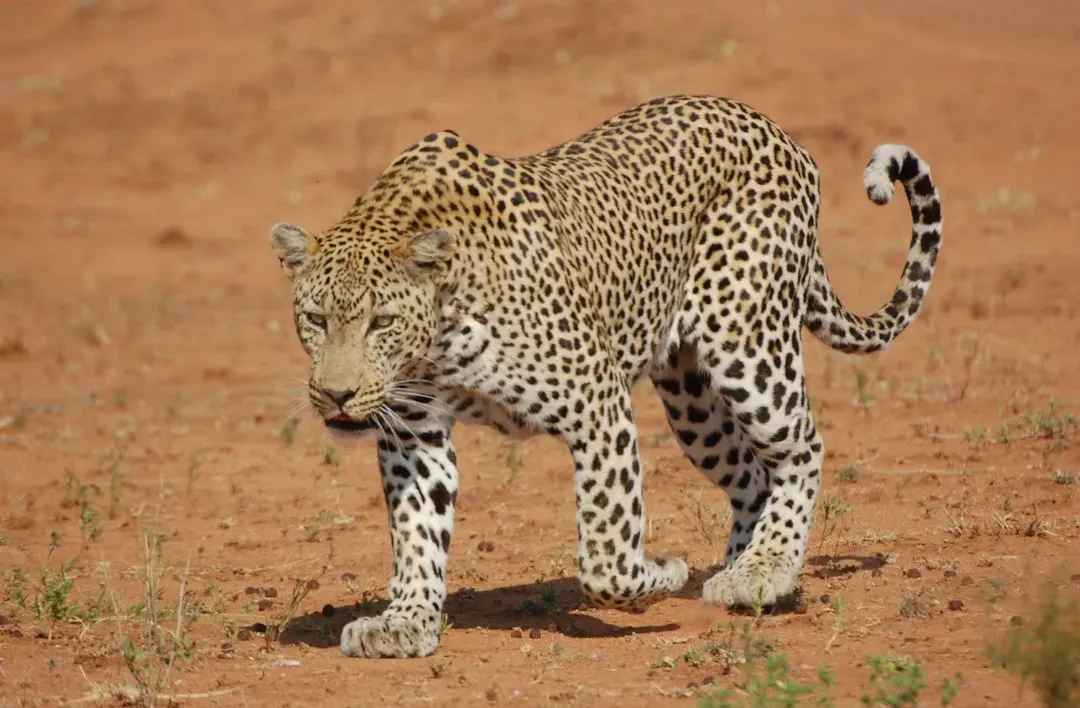
One of the more striking findings from field research is how often leopards revisit specific locations rather than simply re-marking as they pass through new ground. According to observations of African leopards, they undertake marking tours and revisit their marked sites to reinstate them every ten days. That's not vague territorial awareness. That's a maintenance schedule.
The Botswana study on scent marking found something similarly precise: leopards revisited boundary scent-marking sites on roads more quickly than scent marks in central areas, presumably for scent site maintenance and investigation. Roads, in particular, seem to function as information hubs. The same research noted that leopards scent-marked over four times as frequently and investigated over three times as frequently when travelling on roads than when travelling along natural routes, suggesting these cats treat certain pathways as checkpoints worth revisiting again and again.
#4 Neighboring leopards seem to remember each other's boundaries too
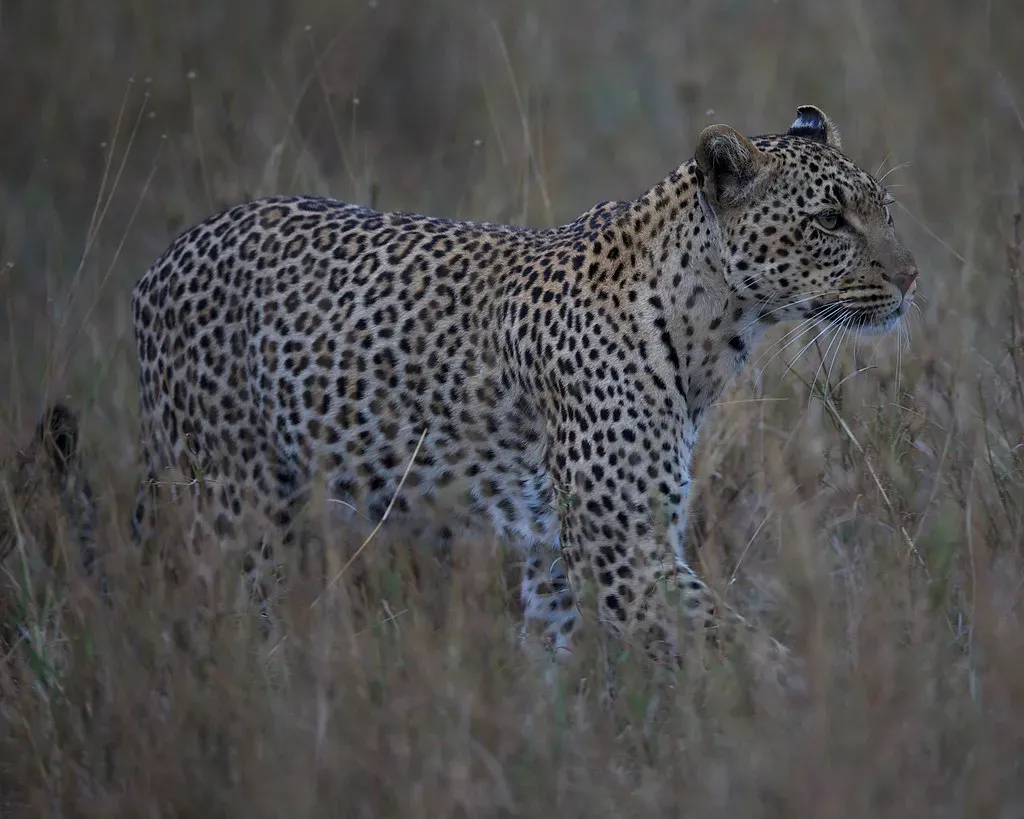
Long-term observation sites have revealed something that complicates the old idea of leopards as purely solitary, territorial loners. At the Sabi Sands Leopard Project in South Africa, one of the longest-running leopard research programs in existence, researchers set out to evaluate territorial behavior among leopards and understand the impact of space constraints on solitary carnivores.
What they found suggests leopards don't just remember their own territory in isolation. They seem to track and adjust around the presence of neighbors, tolerating overlap in some cases rather than defending every inch as if no other cat existed. That kind of behavior implies a mental map that includes not just physical features but the shifting presence of other individuals, which is a more complex form of spatial memory than simply knowing where the water hole is.
#5 Scrape marks reveal a pattern that looks almost seasonal in its precision
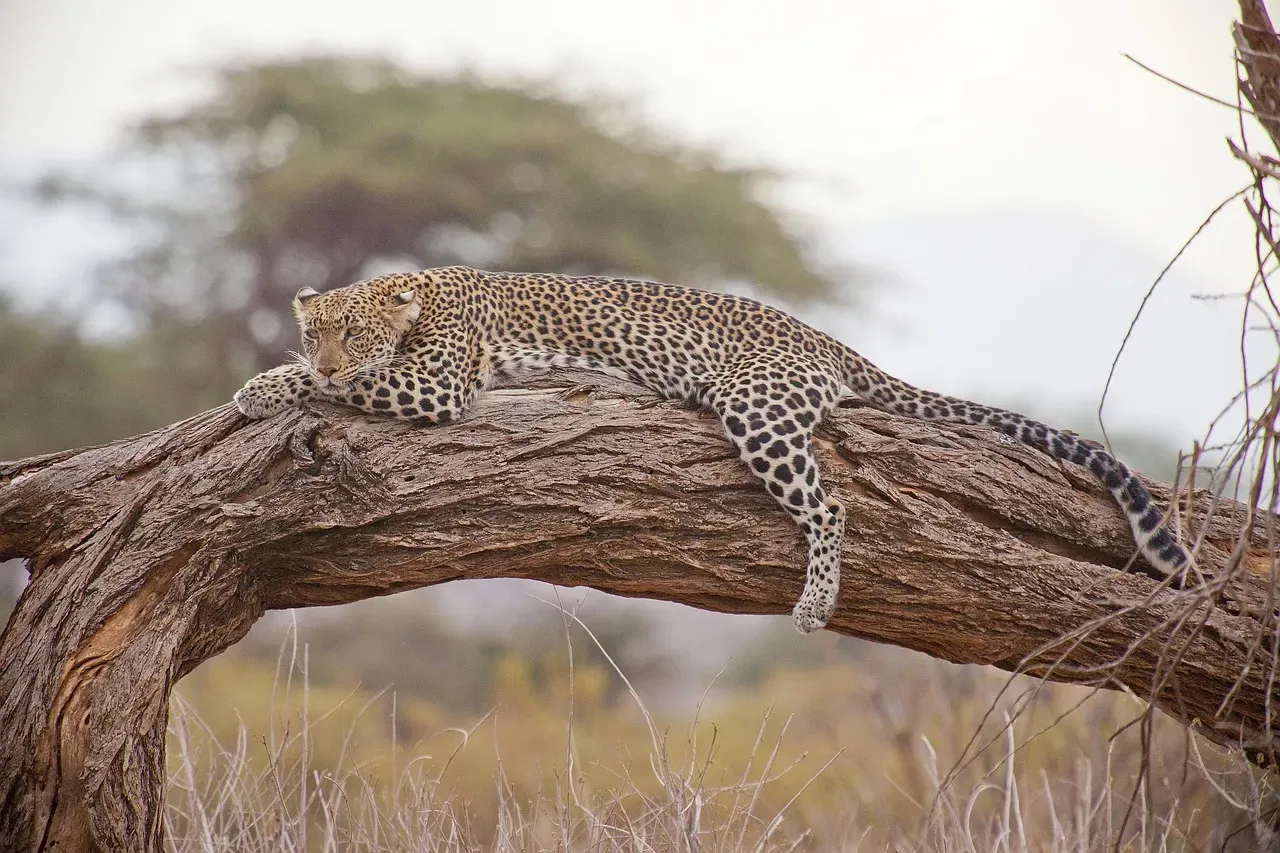
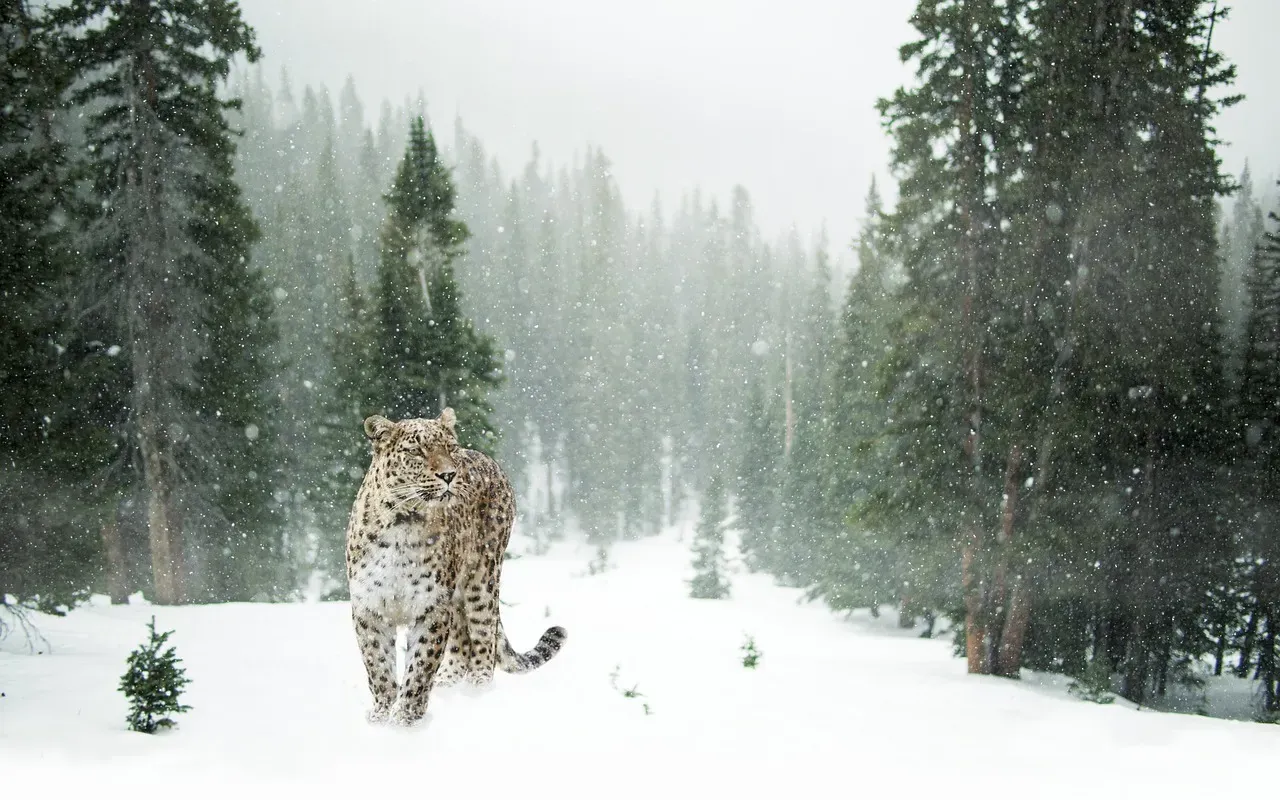
Territorial marking isn't static throughout the year. A study of Persian leopards in Iran's Bamu National Park found that most scrapes recorded in the park were found on a ridge-top trail shared by three leopards during winter when Persian leopards mate, and no scrapes were found on this same trail the following spring. That kind of timing suggests leopards aren't just remembering where to mark. They're remembering when certain locations matter most.
This lines up with findings from the Judean Desert, where researchers following Arabian leopards before their regional extinction observed that scent-marking increased when females were ready to mate, and vocalizations like roaring were mainly used for mating or defending territory. The overlap of spatial memory with reproductive timing points to a mental system that's tracking more than just geography. It's tracking context.
#6 The likely biological engine behind this is the hippocampus
Leopard-specific brain research is limited, but the broader science of spatial memory in mammals gives a strong clue about what's driving this behavior. Across vertebrates, the hippocampus functions as both a map and a memory system, and it's considered essential to forming what scientists call cognitive maps, internal representations of an environment built from repeated experience.
Research on hippocampal function describes this system as one that is essential to spatial navigation via a cognitive map, its role deriving from the relational organization and flexibility of cognitive maps and not from a selective role in the spatial domain. In other words, the same brain structure that likely helps a leopard remember its territory in fine detail is built to organize relationships between places, scents, and events, not just raw coordinates. It is reasonable to assume, based on comparative mammalian neuroscience, that leopards rely on a similar system, though direct neurological studies on wild leopards remain scarce.
#7 This kind of memory isn't unique to leopards, but it may be unusually well developed in them
Spatial memory tied to territory has been documented across a surprising range of species, from hummingbirds to reptiles. In lekking long-billed hermits, researchers found that spatial memory had a stronger effect on territory ownership when compared to body and weapon size, suggesting that remembering ground well can matter more than physical dominance in securing it.
Even reptiles show measurable spatial recall, though on a much shorter timescale. Leopard geckos tested in maze experiments remembered the task after two months, but after six months their memory had faded, and they needed to relearn it. Leopards, by contrast, appear to maintain detailed territorial knowledge over years, patrolling ranges that dwarf anything a lab maze could simulate, which points to a memory system built for a very different order of complexity.
#8 Field researchers still have real limits on what they can prove
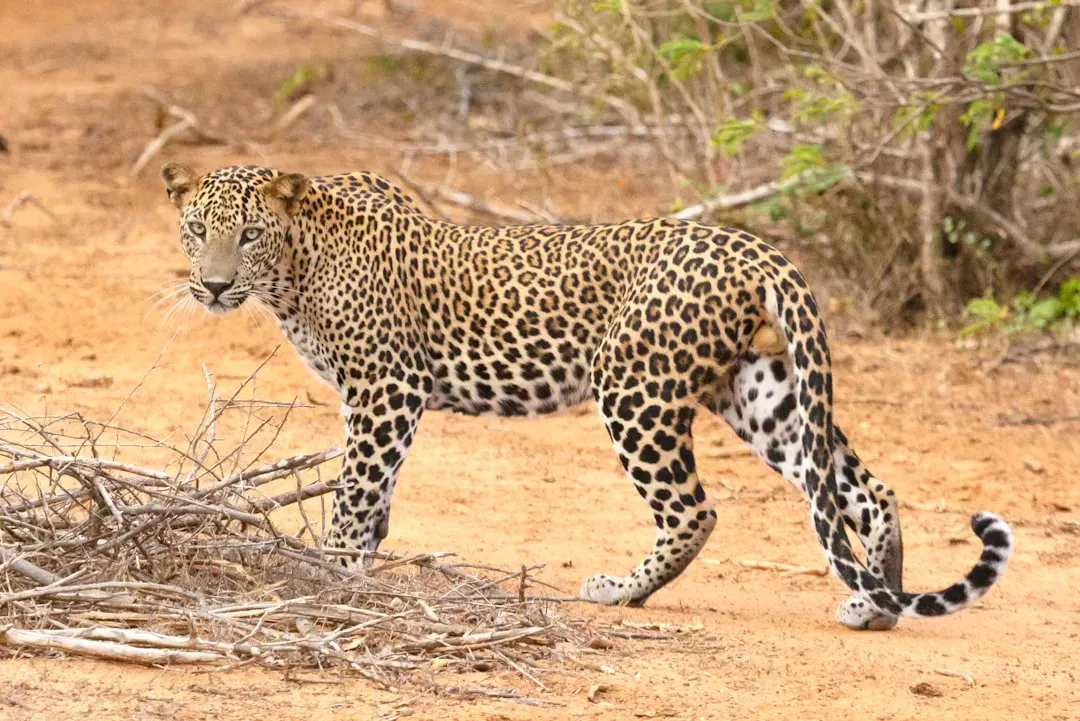
It's worth being honest about where the evidence stops. Much of what scientists know about leopard spatial memory comes from inference, GPS tracks, scent-mark surveys, and behavioral patterns, rather than direct tests of recall the way a psychologist might test a human subject. Researchers studying leopard scent-marking themselves acknowledge that relatively little is known of the spatial scent-marking placements of many wide-ranging carnivore species, with most studies focusing on scent mark form and function rather than the cognition behind it.
That gap matters. Nobody has run a controlled memory experiment on a wild leopard the way they have with a leopard gecko in a water maze. What exists instead is a convergence of strong circumstantial evidence, repeated route use, precise revisit timing, boundary-focused marking, and comparative neuroscience, that together paint a compelling picture without quite closing every scientific loop.
Final Thoughts
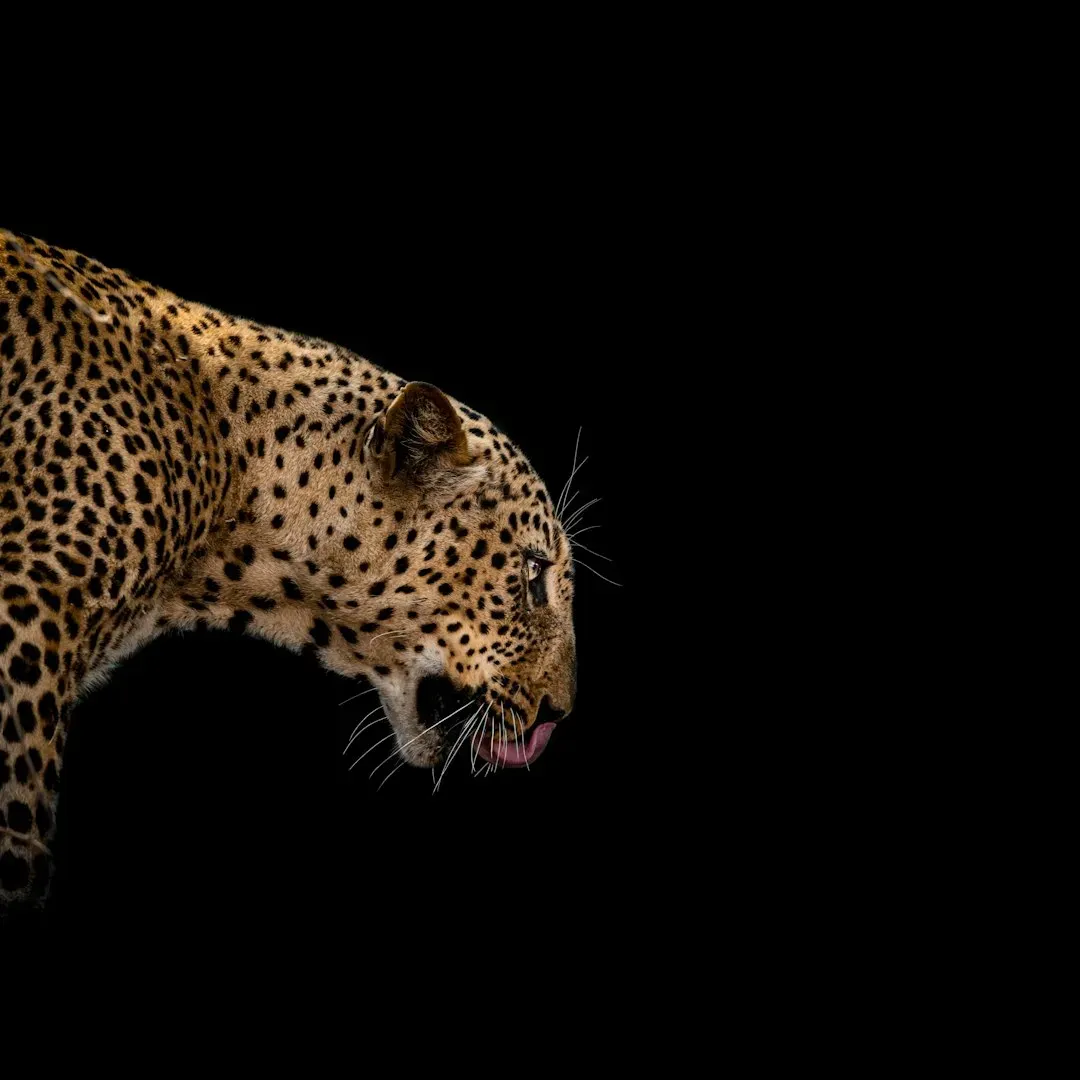
What strikes me most about this research isn't any single data point but the pattern across all of them. A leopard scraping the same ridge trail every ten days, a male cat prioritizing the far edges of a territory it may never fully patrol in one outing, a female timing her scent output to the season she's ready to mate. None of that looks like guesswork. It looks like an animal working from a detailed, continuously updated internal map.
I'd argue this deserves more attention than it currently gets, partly because it complicates the lazy image of big cats as pure instinct machines. There's real cognition at work here, shaped by years of experience in a specific patch of land. Whether that memory is as "perfect" as the more dramatic headlines suggest is still an open question. But it is precise enough that a leopard, dropped back into its own territory after weeks away, seems to know exactly where it stands.