9 Behaviors Kittens Practice Through Play Before They Ever Need Them
#1 Stalking and the art of patience

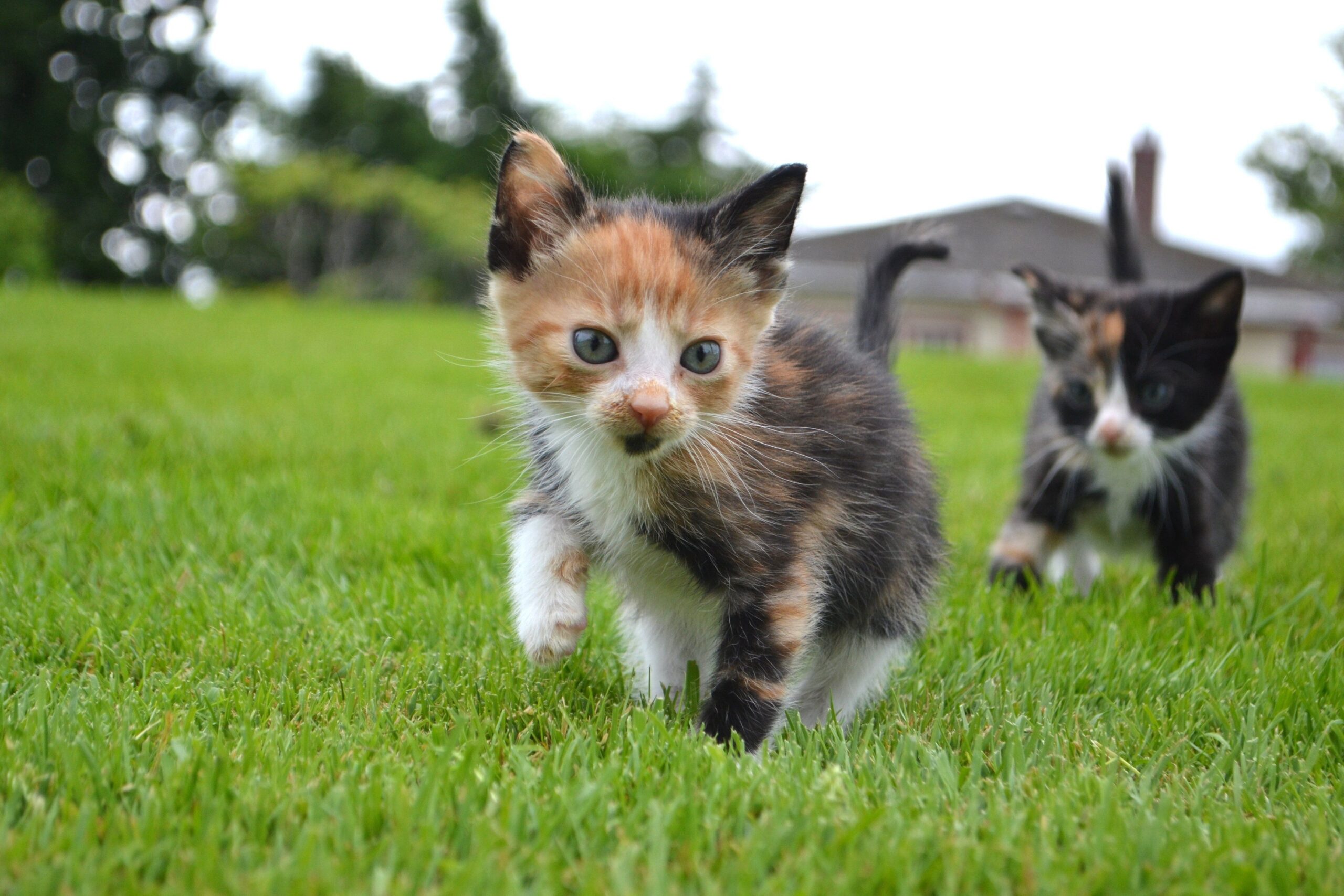
Long before a kitten can catch anything, it learns to wait. That low crouch, twitching tail, and unblinking stare toward a moving shoelace or a sibling's tail isn't random fidgeting. It's the foundation of predatory patience, the same stillness a wild cat would need before rushing prey that hasn't noticed it yet.
Kittens raised without any real hunting experience still perform this sequence with remarkable consistency, which tells researchers it's largely instinctual rather than something they need to be taught. The behavior sharpens with repetition, though. A kitten that stalks toy mice a hundred times over several weeks gets noticeably better at timing its approach and reading subtle movement cues, skills that would matter enormously if it ever had to hunt for survival.
#2 Pouncing to build strike timing
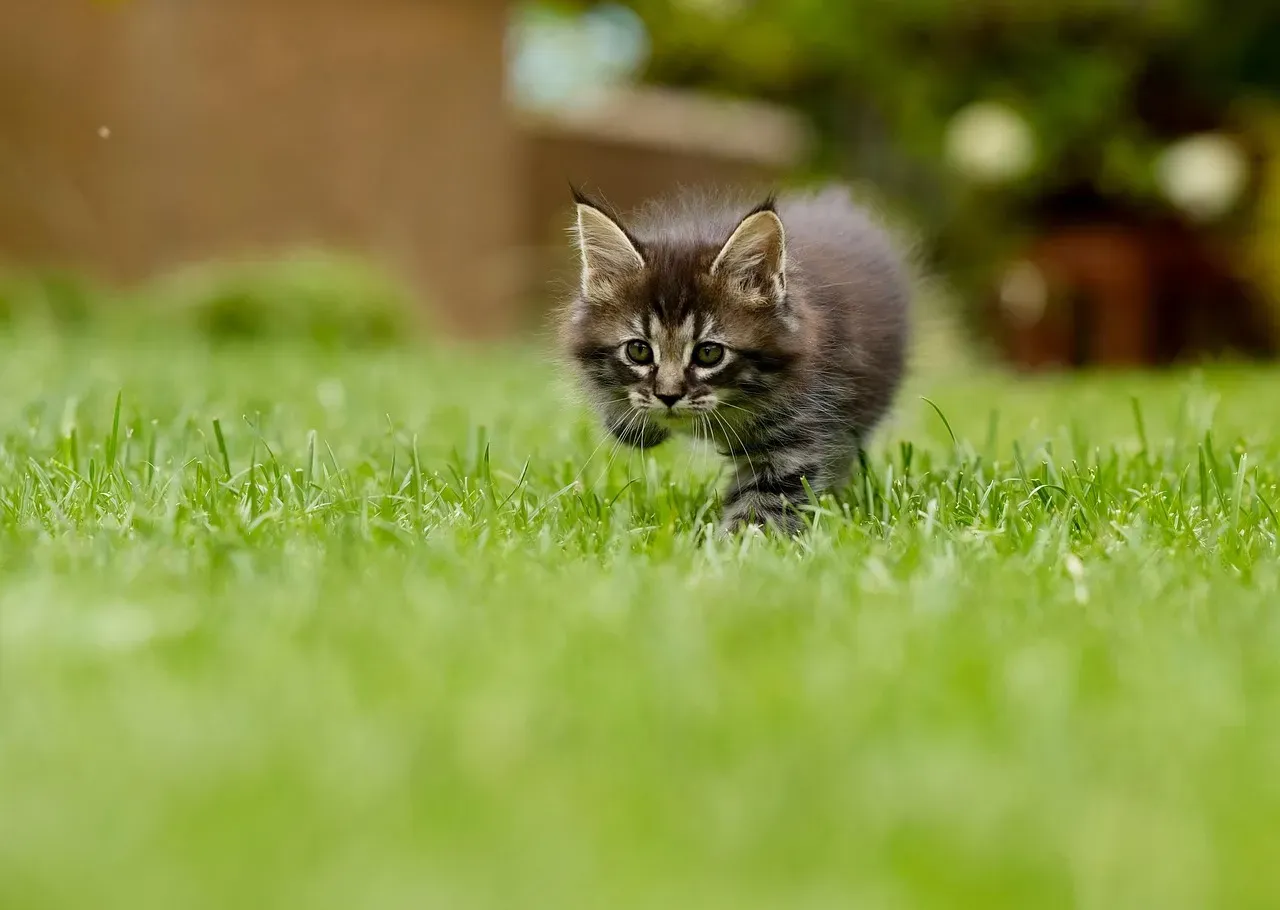
The pounce is the payoff after the stalk, and it looks deceptively simple. In reality it demands precise coordination between eyes, muscles, and reflexes that a young kitten simply doesn't have yet. Watch closely and you'll notice early pounces are often clumsy, off-target, or comically premature.
Over weeks of practice, timing improves dramatically. This mirrors how domestic cats' wild relatives depend on split-second accuracy since a mistimed leap usually means an empty stomach. Even a kitten that will never chase anything more dangerous than a laser dot is building the exact muscle memory and depth perception a hunting cat would rely on for survival.
#3 Wrestling to learn bite inhibition
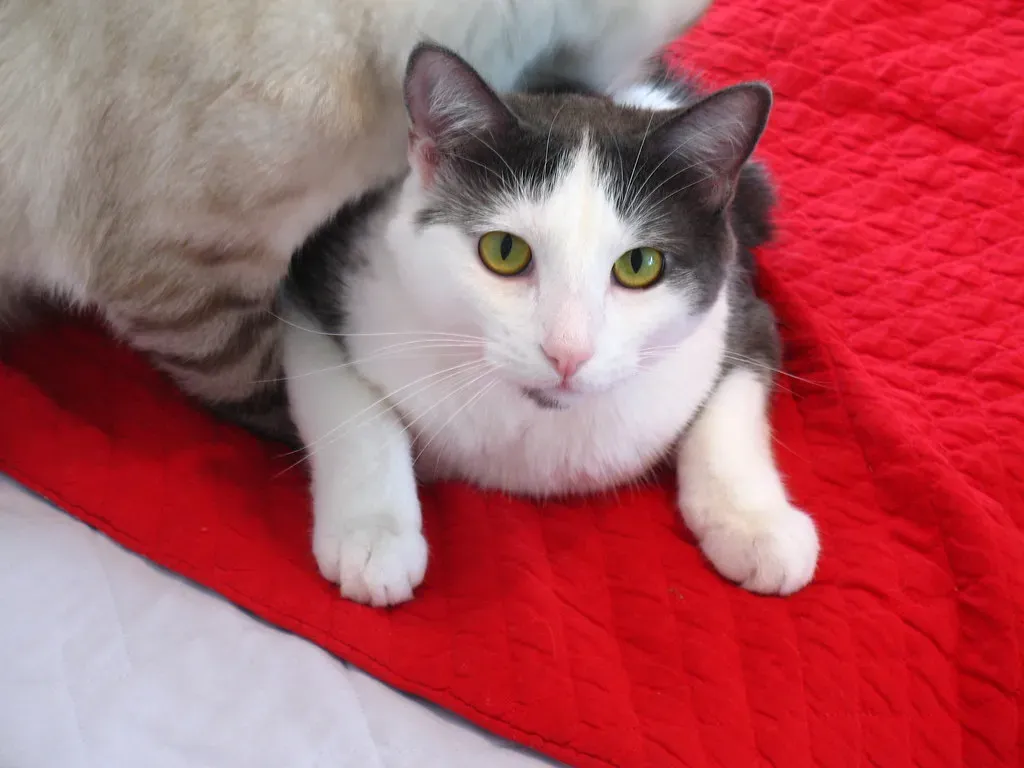
Littermate wrestling matches look rough, all tumbling bodies and squeaky protests, but they're teaching something essential: how hard is too hard. Kittens bite each other during play, and when a bite lands too forcefully, the recipient usually yelps or stops playing altogether.
That immediate feedback loop is how kittens calibrate the pressure of their own jaws, a lesson called bite inhibition. Cats separated from littermates too early, before roughly eight weeks of age, often struggle with this later, sometimes biting harder than appropriate during adult play or affection. The rough-and-tumble sessions of kittenhood are essentially social training for a skill that protects future relationships, whether with other cats or with people.
#4 Chasing to sharpen speed and agility
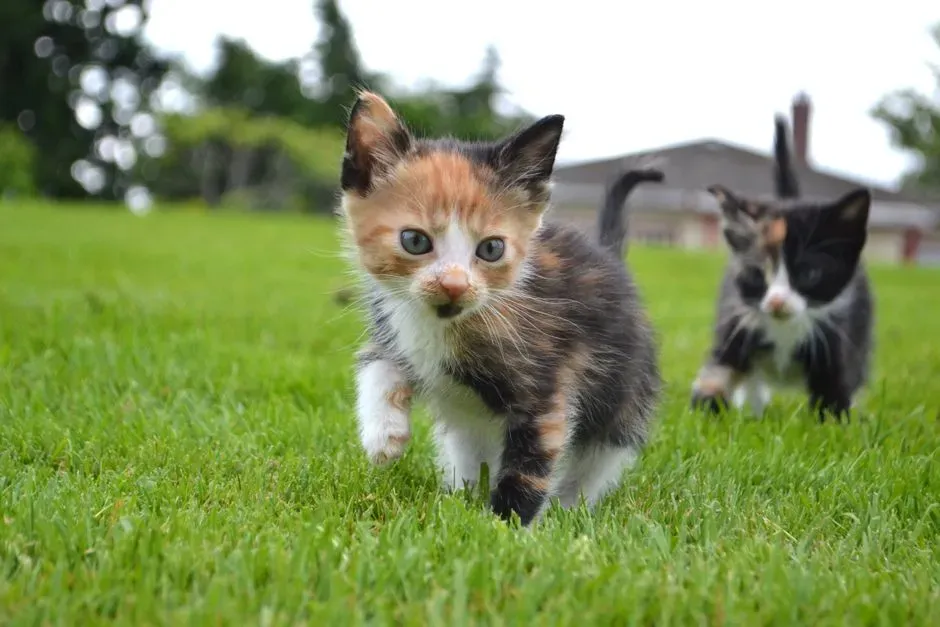
Few things burn off kitten energy faster than a good chase, whether it's after a sibling, a rolling ball, or an unsuspecting family dog's tail. These sprints aren't just about releasing energy, though that's certainly part of it. They're building the fast-twitch muscle response and directional agility a cat would need to run down fleeing prey.
Chasing also teaches spatial awareness, how to navigate furniture, corners, and uneven terrain at full speed without crashing. Kittens that grow up with more room to run and more chase opportunities tend to develop noticeably better coordination and confidence in unfamiliar spaces as adults. It's essentially an obstacle course they design for themselves, one couch leap at a time.
#5 Ambush practice for stealth and surprise
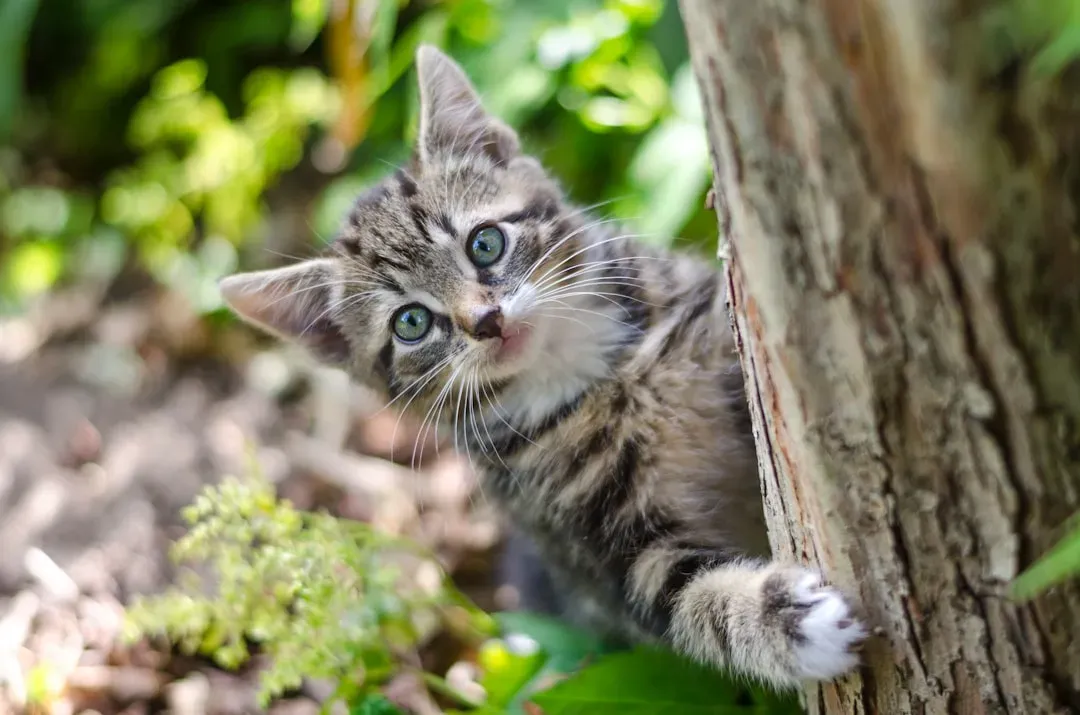
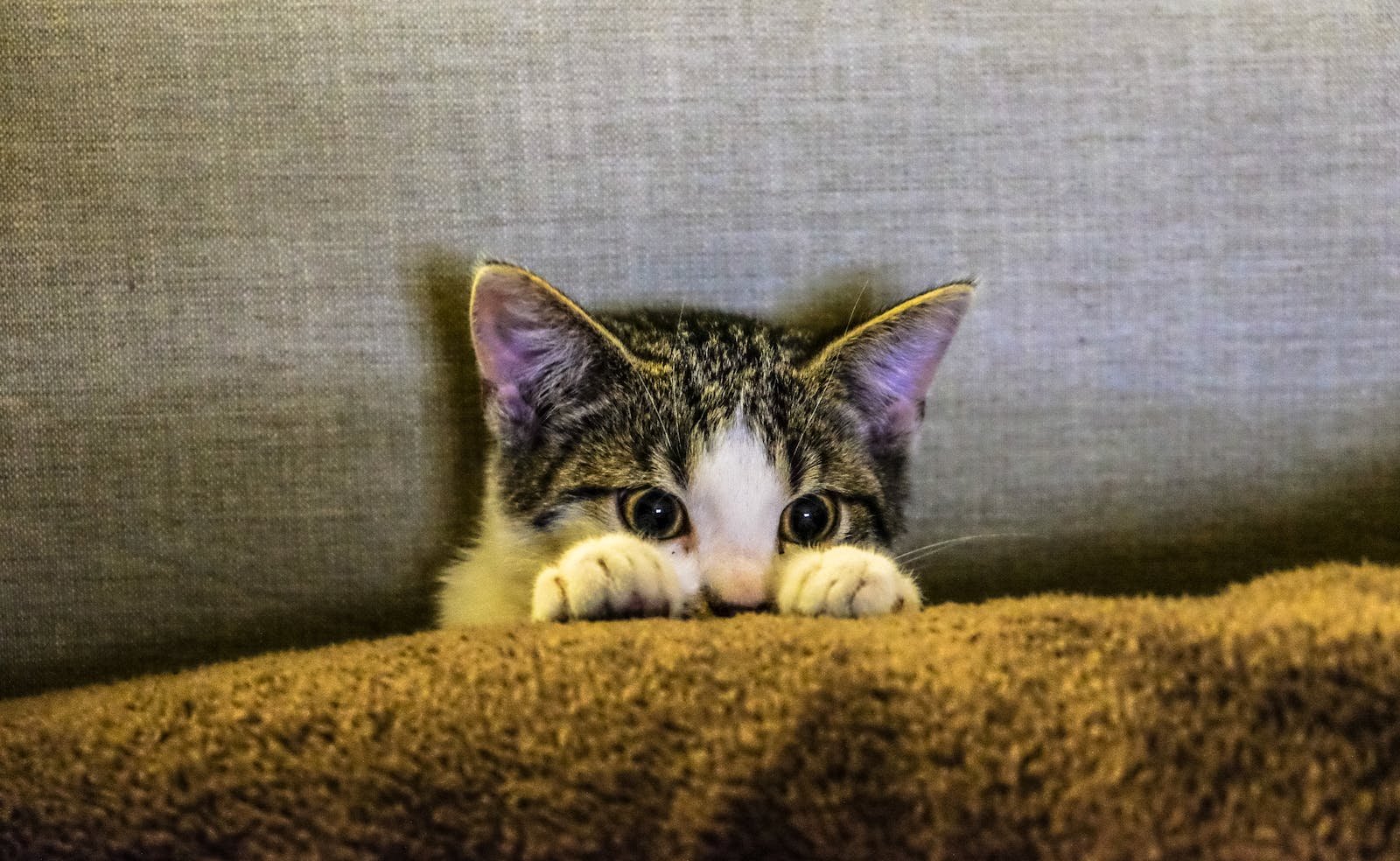
There's a particular kind of play where a kitten hides behind a corner, under a blanket, or behind a piece of furniture, waiting to leap out at a passing sibling or unsuspecting foot. This ambush behavior is distinct from straightforward stalking because it emphasizes concealment and surprise rather than gradual approach.
In the wild, ambush hunting is a legitimate strategy, especially for solitary predators that can't outrun faster prey but can outsmart them with positioning. Domestic kittens practicing this behavior are rehearsing spatial reasoning, timing, and impulse control all at once, since a kitten that jumps out too early gives away its position and loses the game entirely.
#6 Batting and swatting for paw dexterity
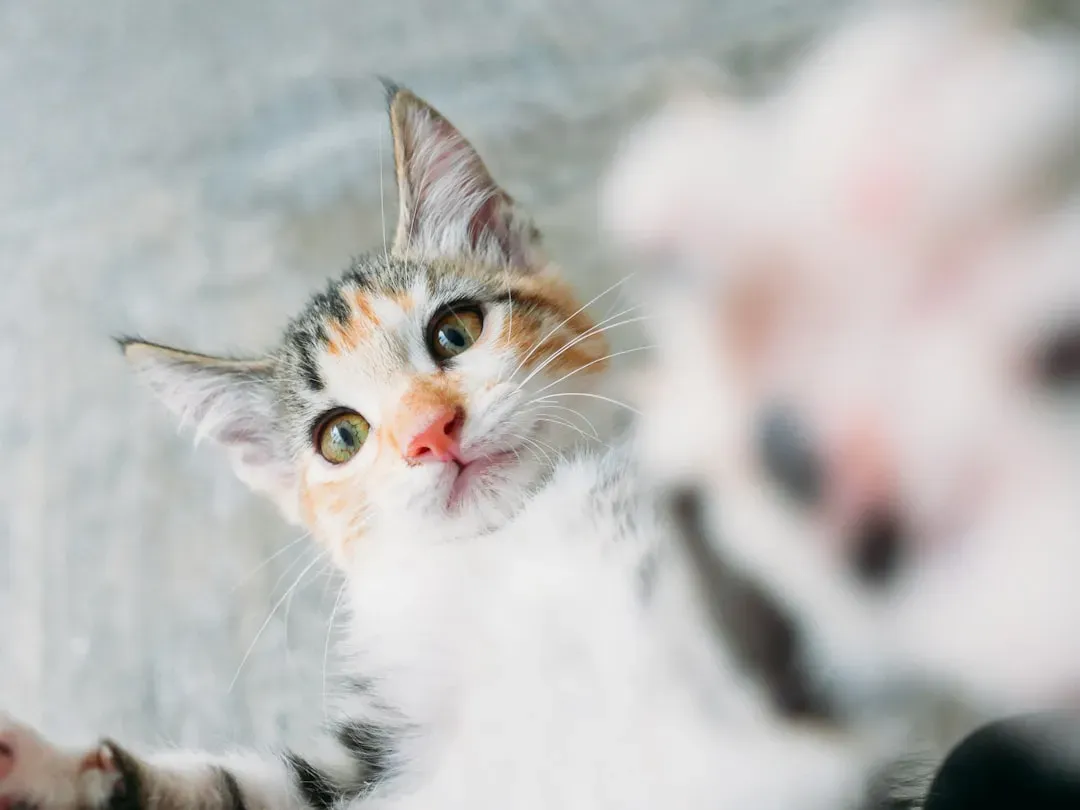
That instinct to bat at anything dangling, rolling, or swinging isn't just about entertainment. Batting develops fine motor control in the paws and forelegs, teaching kittens to judge distance and adjust the force of a swipe depending on what they're aiming for.
This skill translates directly into hunting technique, where a cat needs to stun or immobilize prey with a quick, well-placed swat before moving in further. It also builds the kind of paw-eye coordination that shows up later in less predatory contexts, like fishing a toy out from under the couch or manipulating a treat puzzle. The dexterity built during those early batting sessions doesn't disappear just because the target is a feather toy instead of anything real.
#7 Play fighting to establish social boundaries
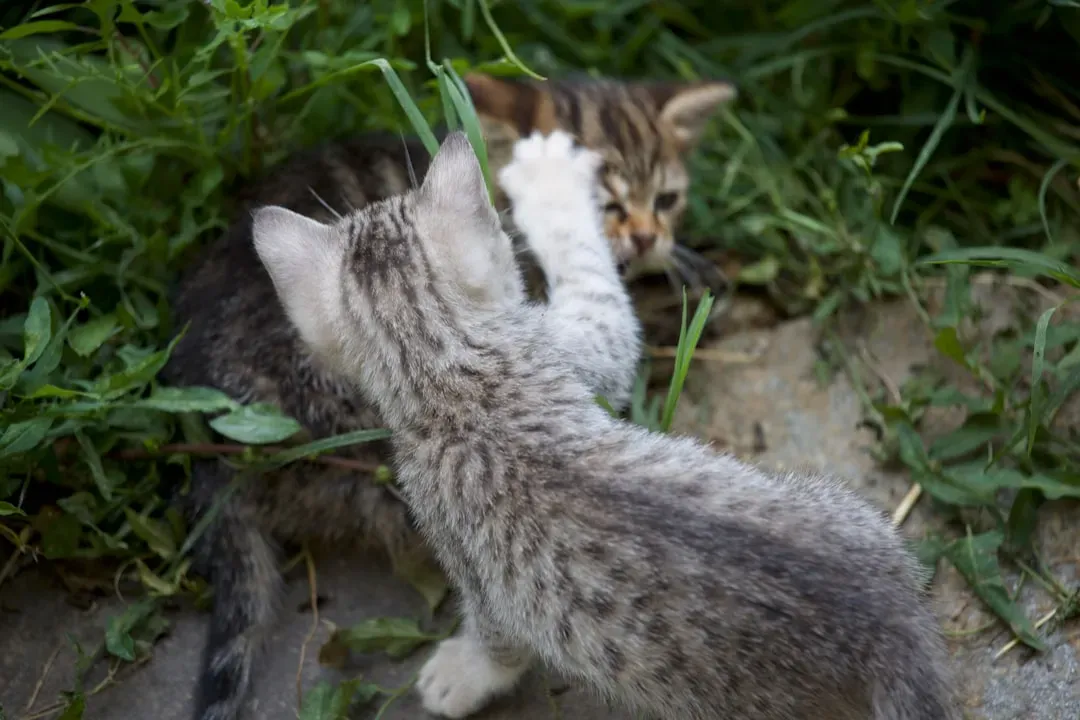
Beyond bite inhibition, play fighting between kittens teaches something broader: how to read another animal's body language and respond appropriately. A kitten learns to recognize when a playmate is genuinely annoyed versus still enjoying the game, and adjusts its own behavior accordingly.
This social calibration matters enormously for cats that will eventually share space with other animals or humans. Kittens that never had the chance to play fight with littermates sometimes miss these subtle cues as adults, leading to miscommunication during interactions that should have been harmless. The scuffles of kittenhood, as chaotic as they look, are quietly building a cat's social fluency.
#8 Object manipulation for problem solving
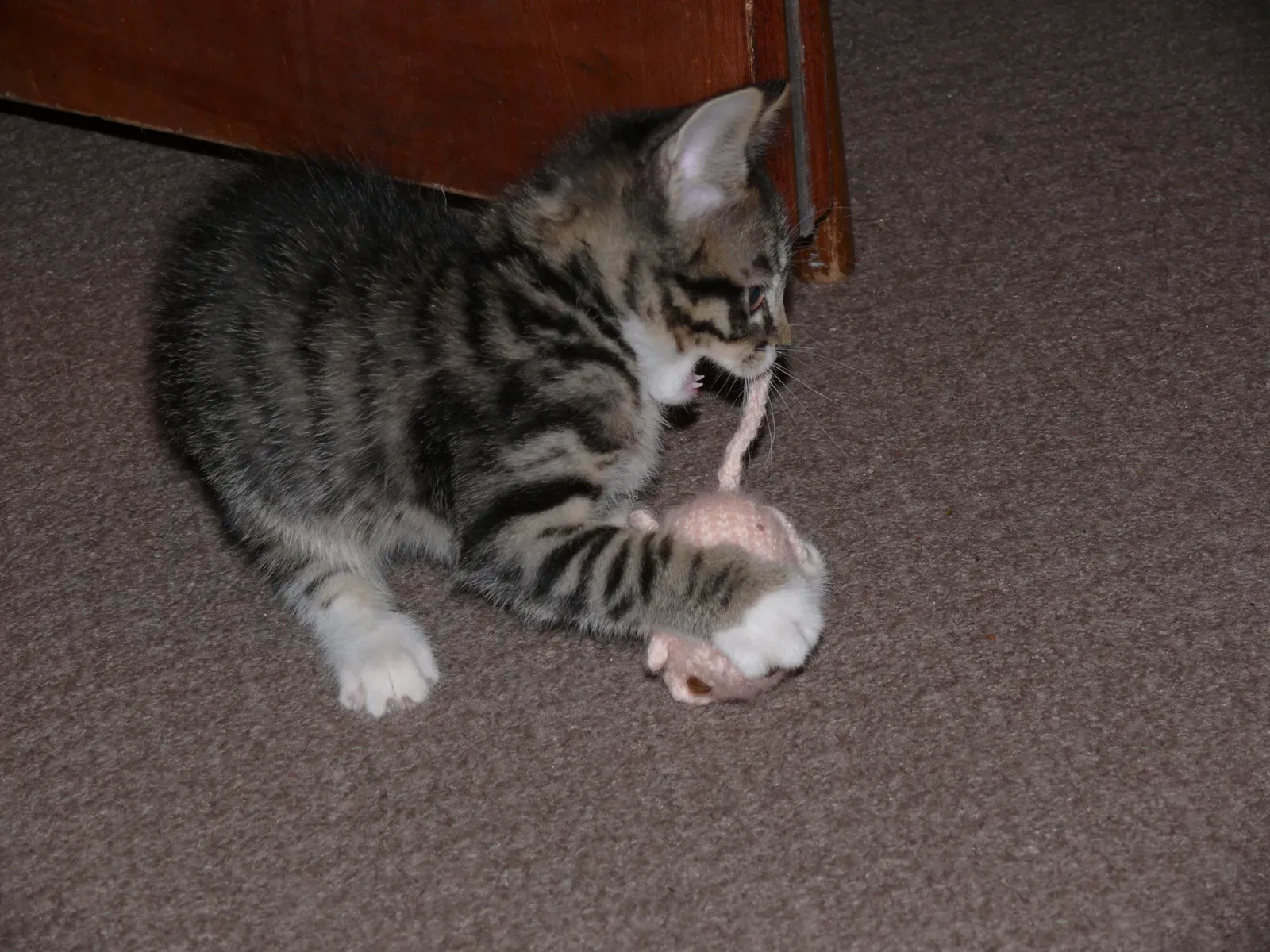
Give a kitten a crumpled piece of paper or a bottle cap and watch what happens. It gets batted, chased, flipped over, and investigated from every angle. This kind of object play builds cognitive flexibility, the ability to figure out how something moves, reacts, or can be manipulated.
Researchers studying feline cognition have noted that cats which engage in more varied object play as kittens tend to show better problem-solving ability later, particularly with puzzle feeders or novel objects introduced into their environment. It's a low-stakes way of learning that the world contains things worth investigating, and that persistence often pays off, a lesson that serves a cat well whether it's cracking open a treat dispenser or navigating an unfamiliar room.
#9 Solo play for independence and self-soothing
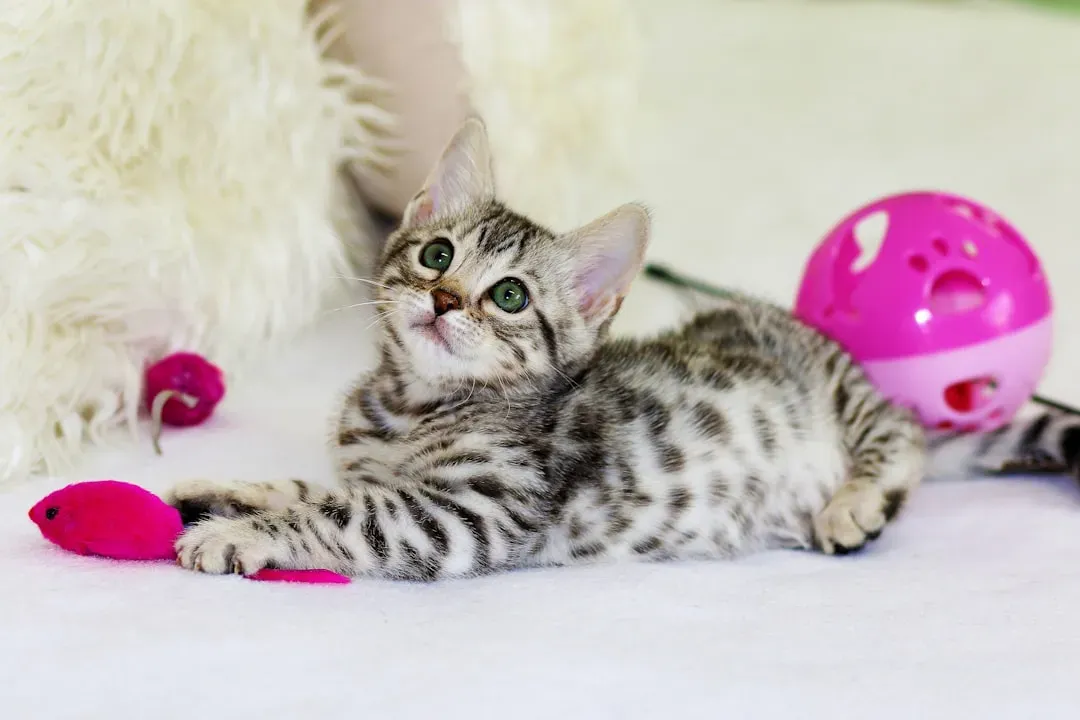
Not all kitten play involves another creature. Plenty of kittens spend time chasing their own tails, batting at a single toy for extended stretches, or inventing games with no clear rules other than motion. This solo play matters just as much as social play, teaching a kitten to self-regulate energy and entertain itself without constant stimulation from others.
It also builds a kind of confidence and independence that carries into adulthood, since cats that learn to occupy themselves tend to handle alone time better later in life. A kitten pouncing on nothing in particular isn't wasting time. It's practicing the ability to stay engaged with its own environment, a trait that becomes especially useful for indoor cats who need to find stimulation without a constant stream of prey or playmates.
The Takeaway
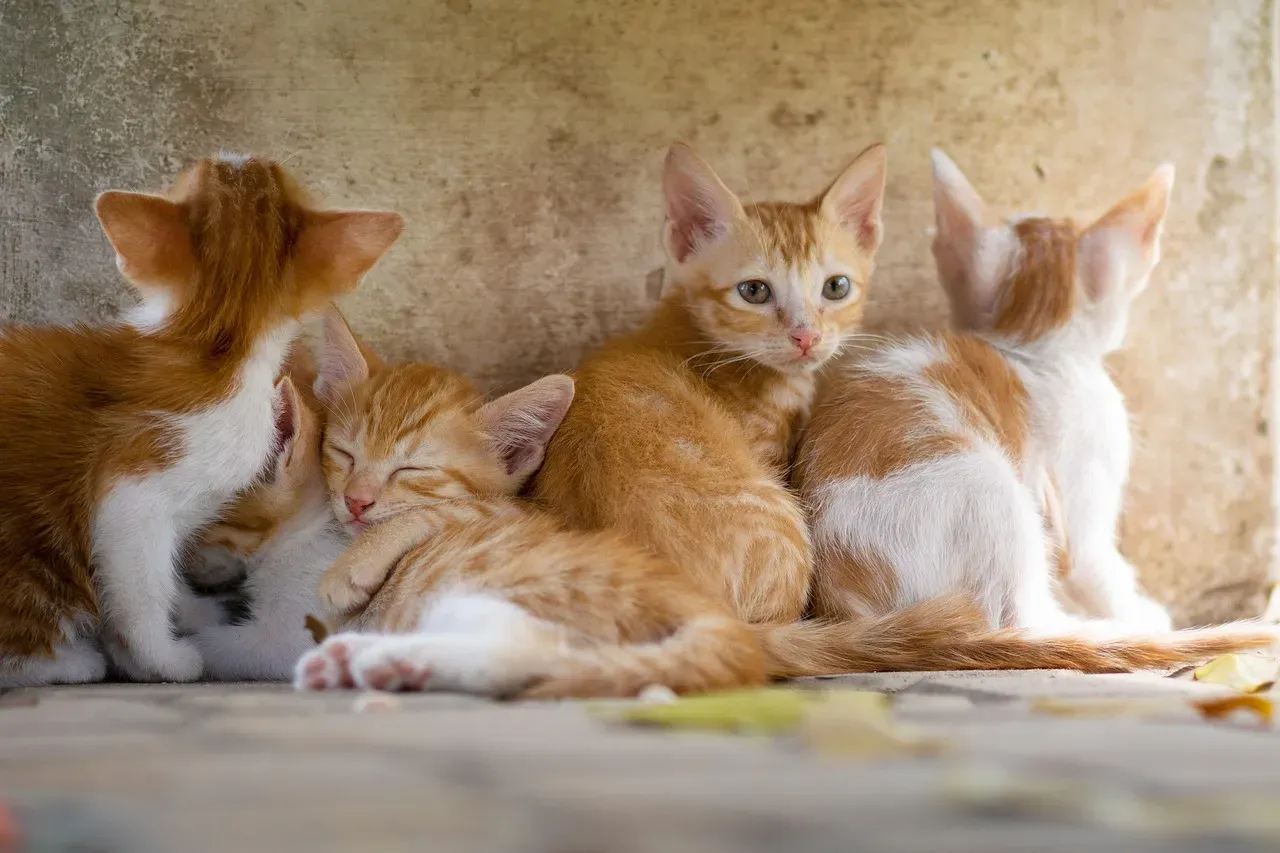
What strikes me most about all this is how little of it looks purposeful in the moment. A kitten doesn't know it's rehearsing survival skills any more than a toddler knows it's building language while babbling. The behaviors just happen because millions of years of evolution wired them in, and the fact that most house cats will never need to hunt for a meal doesn't make the wiring any less real.
If anything, that gap between instinct and necessity is worth sitting with for a moment. We've bred and raised cats into a life of relative safety and abundance, yet their play still carries the full blueprint of a predator preparing for a harder world. Giving kittens the space, toys, and time to fully express that blueprint isn't just cute to watch. It's arguably one of the most respectful things an owner can do for an animal whose instincts are older than the couch it's currently destroying.