14 signs your breed cat owner identity is your whole life now
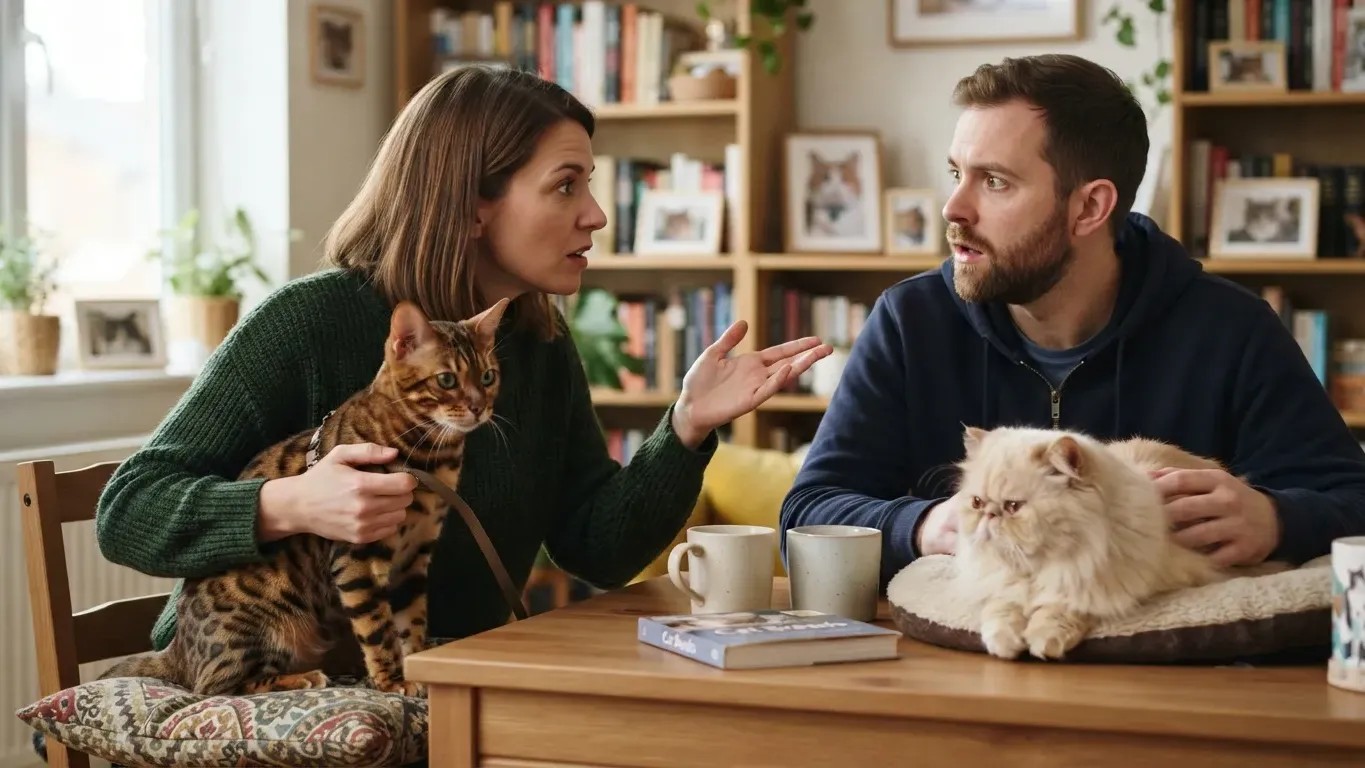
Most people think owning a purebred cat is basically a fashion choice, like picking a favorite coffee order. Then you meet an actual breed cat owner and realize you've been wrong this whole time.
Somewhere between the vet spreadsheets, the breed-specific Instagram account, and the Facebook group where everyone knows your cat's bloodline, the pet stops being a pet. It becomes the whole personality. Here's the proof, sign by sign.
#14 - You Introduce Your Cat by Breed Before You Say Its Name
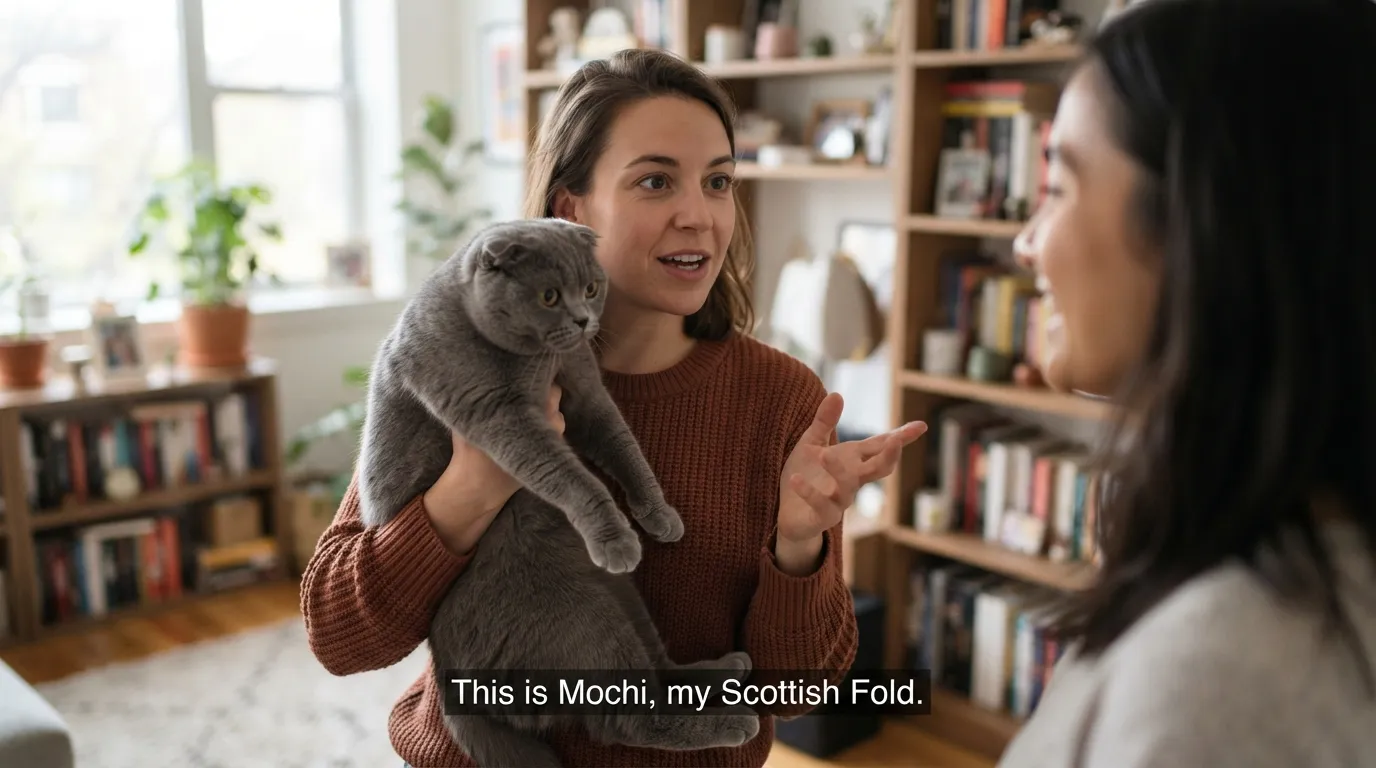
You don't say "this is Mochi." You say "this is Mochi, my Scottish Fold" - breed first, name second, every single time.
People increasingly choose pets based on appearance plus temperament and energy level, and you absorbed every ounce of that research. Now it just spills out of you in casual conversation.
Most casual pet owners wouldn't think twice about this. For you, the breed is the headline and the name is a footnote.
Sign #13 is the one your friends have already started rolling their eyes at.
#13 - You Correct People Who Mislabel Your Cat's Breed
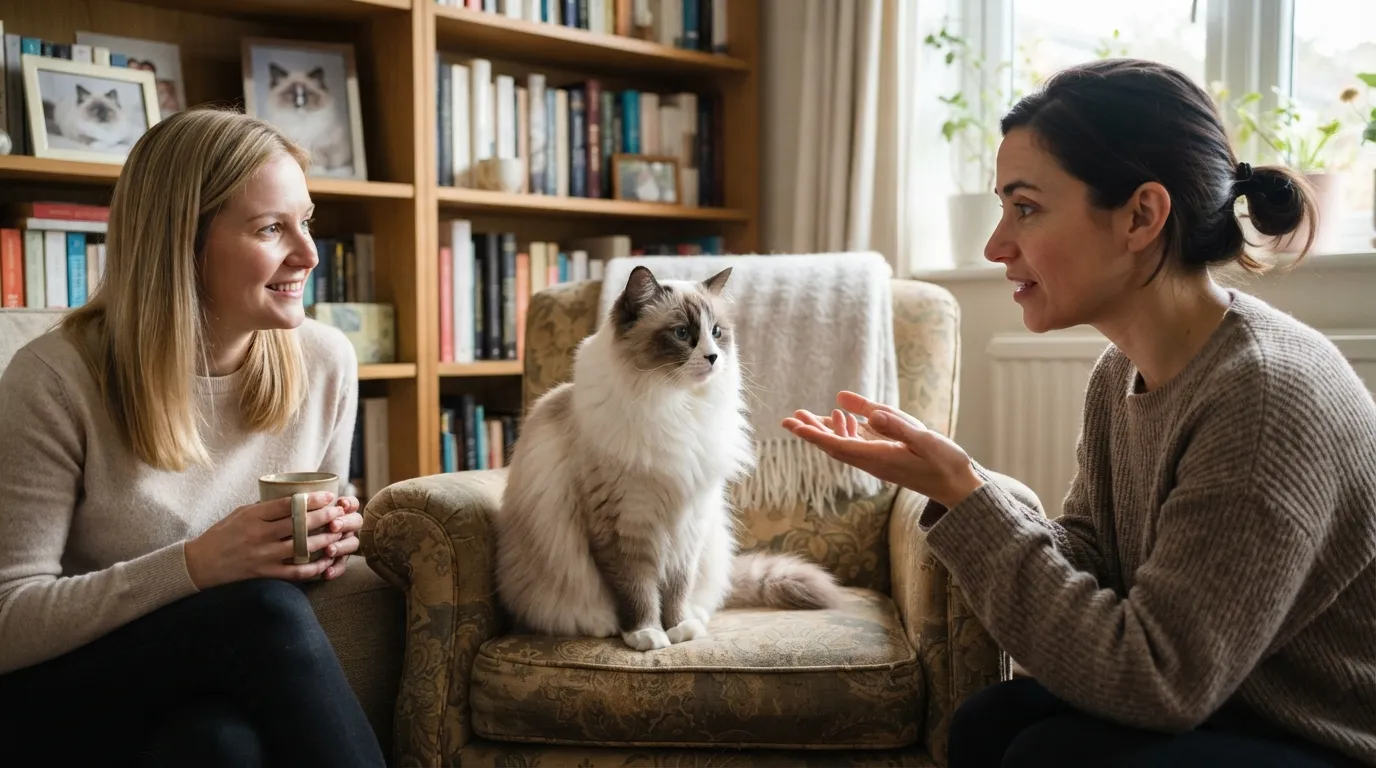
Someone calls your Ragdoll a "fluffy white cat" and something in you flinches, genuinely, physically.
Feline practitioners have ranked breeds across a dozen behavioral traits - and you know every one of them by heart. The correction isn't ego, it's precision.
Fast Facts
- The Cat Fanciers' Association recognizes 45 official pedigreed cat breeds.
- TICA, the most inclusive major registry, recognizes 73 distinct breeds.
- Only an estimated 3% to 5% of U.S. pet cats are purebred and formally registered.
- The Ragdoll has ranked among the most registered breeds in recent years.
You've basically become a walking breed encyclopedia, and you can't turn it off. Friends have learned to just nod.
Sign #12 involves a cat that's more famous online than you are.
#12 - Your Cat Has Its Own Social Media Account

Not a folder of photos on your phone. An actual account, with a bio that lists the breed like a job title.
Social platforms have supercharged pet culture, and breed owners rode that wave hardest. You think about lighting. You caption with breed-specific hashtags.
The account has more followers than your personal one, and you're weirdly proud of that. You check its engagement before your own messages in the morning.
Sign #11 is where your bank statement starts telling on you.
#11 - You've Spent More on Your Cat This Month Than on Yourself
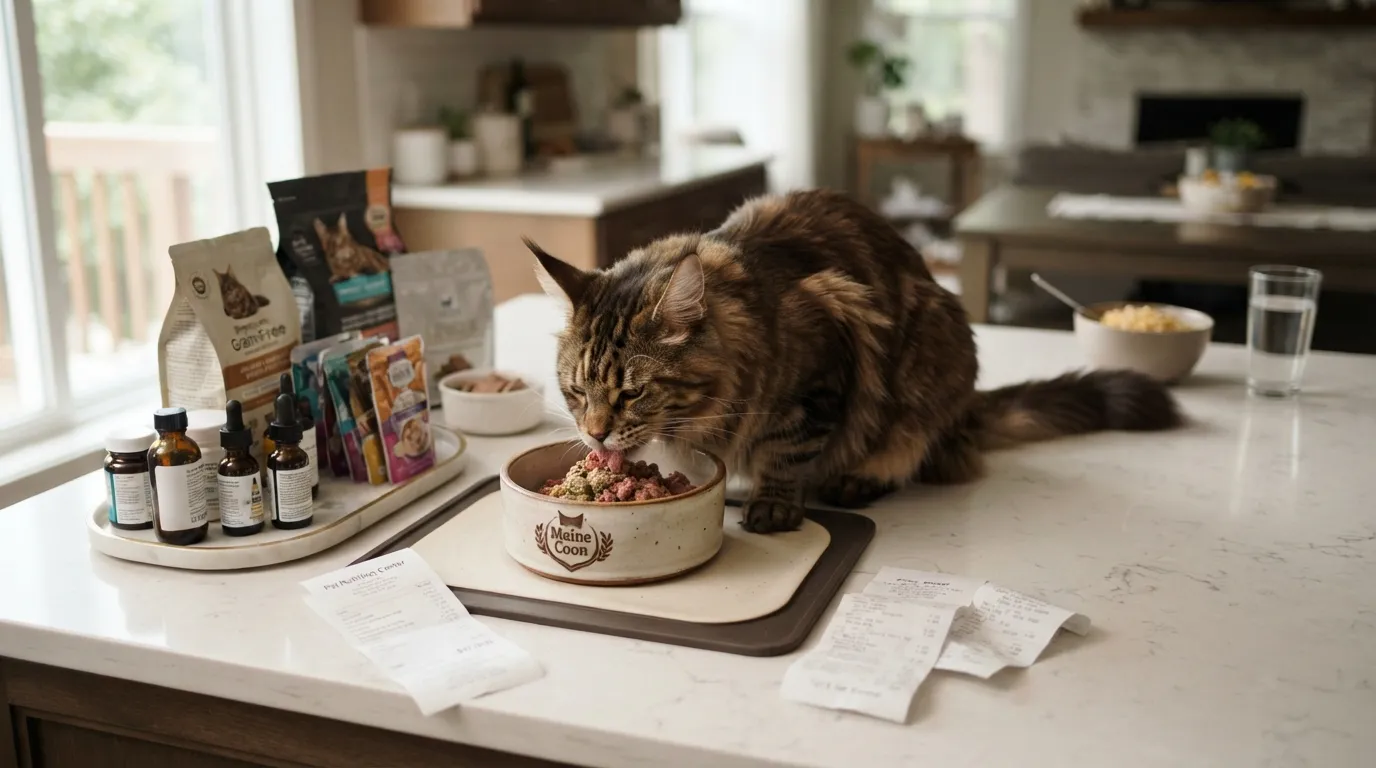
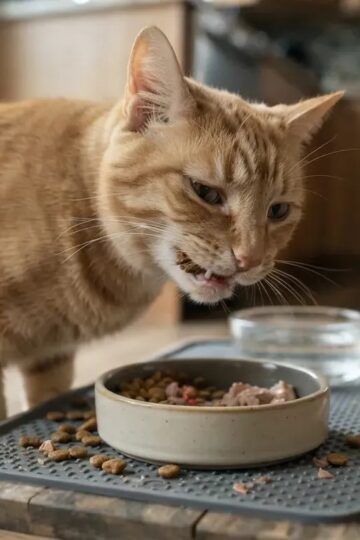
Breed owners don't buy cat food. They buy the right cat food, matched to their breed's coat, gut, and temperament.
Cat owners spend roughly 40% of their pet budget on products and 34% on food, and breed owners tend to skew even higher chasing breed-appropriate nutrition. Pet owners worldwide spend an estimated $300 billion a year on their animals.
Your cat eats better than most humans you know. You have zero regrets about that.
Sign #10 will make you check your own last doctor's appointment.
#10 - You've Researched Your Breed's Health Conditions More Than Your Own
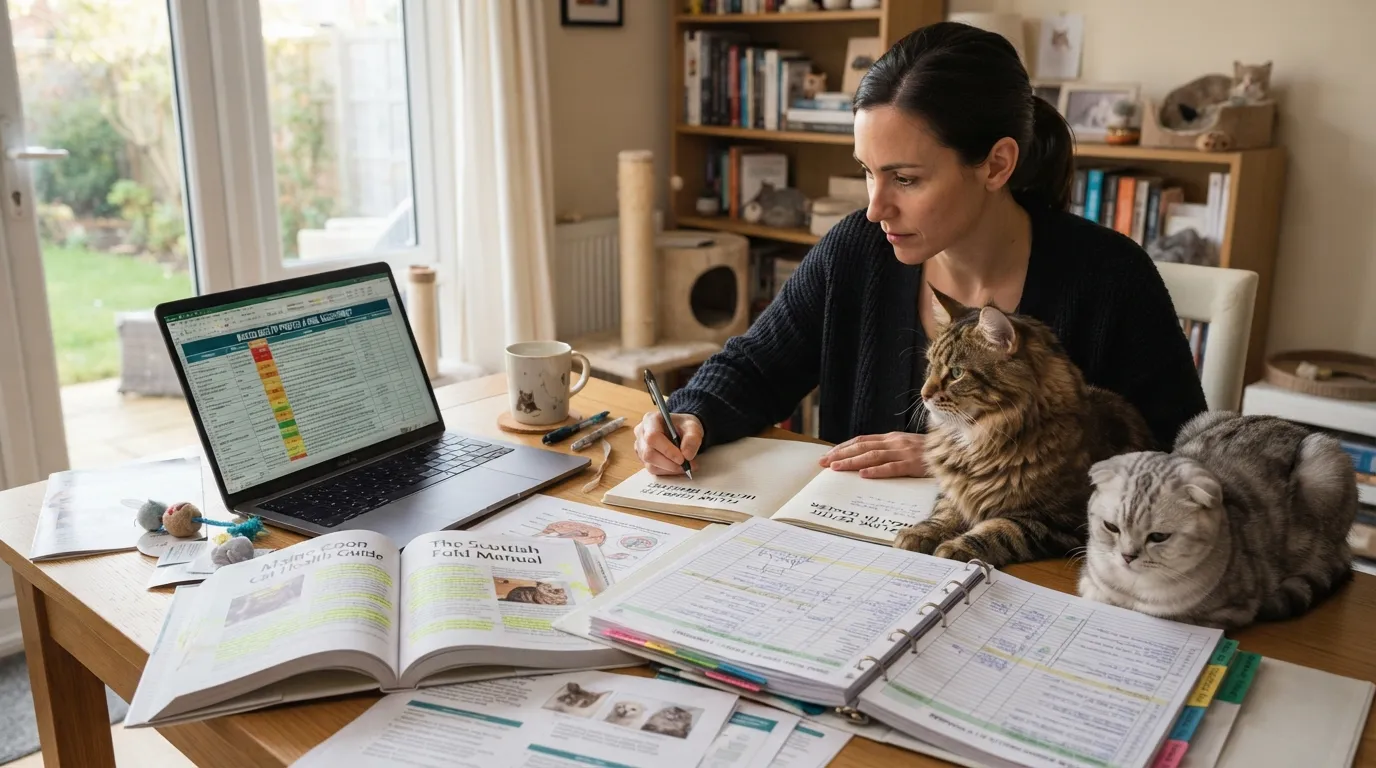
Before you even brought your cat home, you'd memorized the risk profile - HCM for Maine Coons, breathing issues for Persians, joint problems for Scottish Folds.
Respiratory disease is a real concern in certain breeds, yet most owners aren't fully aware of it before they buy. You, though - you read the vet forums, joined the Facebook groups, and built a spreadsheet.
You know your cat's genetic predispositions better than your own cholesterol levels. And you feel zero shame about that priority.
Sign #9 is the judgment you'd never admit to out loud.
#9 - You Judge Other People's Breed Choices (Even If You'd Never Say It)
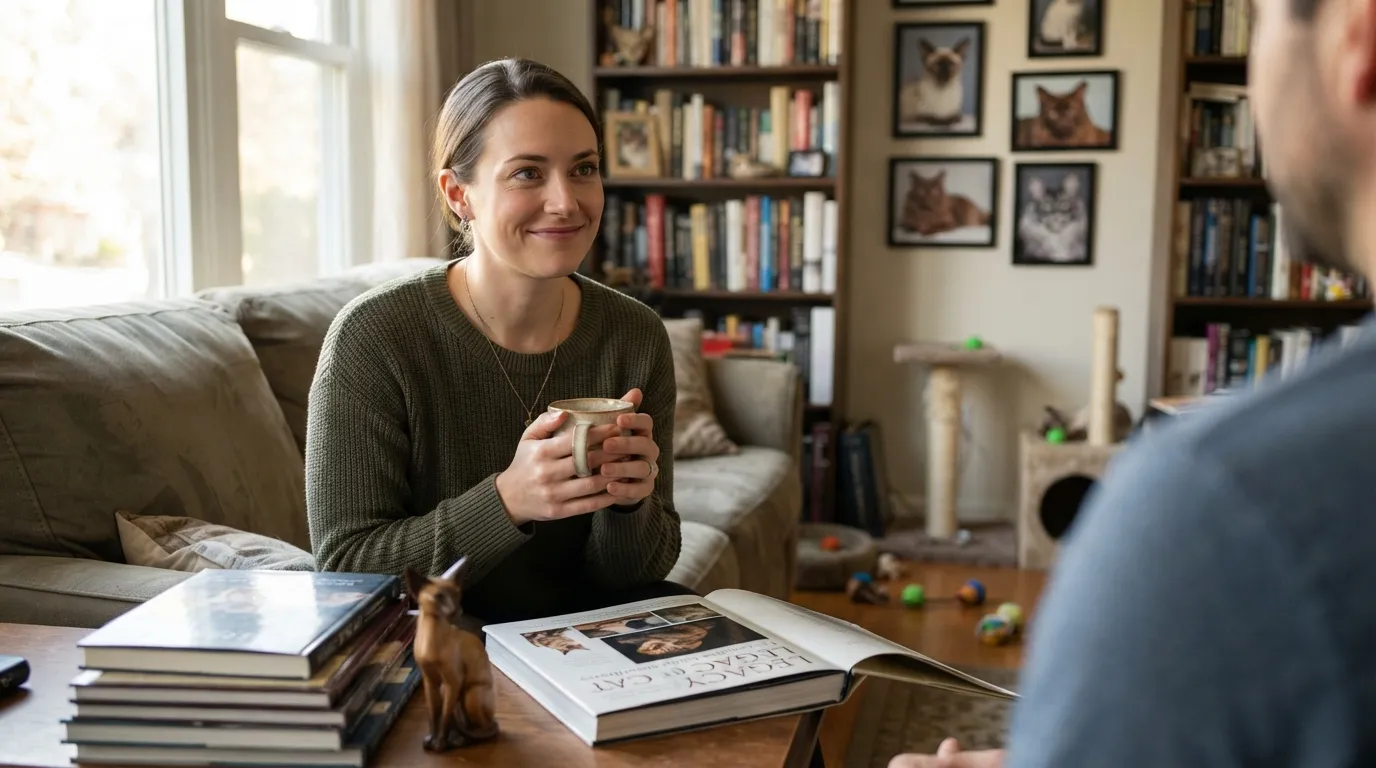
Someone mentions they just got a Siamese, and your brain immediately asks: are they actually ready for that?
Research has found real behavioral differences across breeds, and you've internalized every bit of it. You know which breeds are high-maintenance, which are vocal, which need constant stimulation.
You smile and say "how exciting!" Internally, you're already panicking for that cat.
Sign #8 is written all over your living room.
#8 - Your Home Décor Has Quietly Reorganized Around the Cat
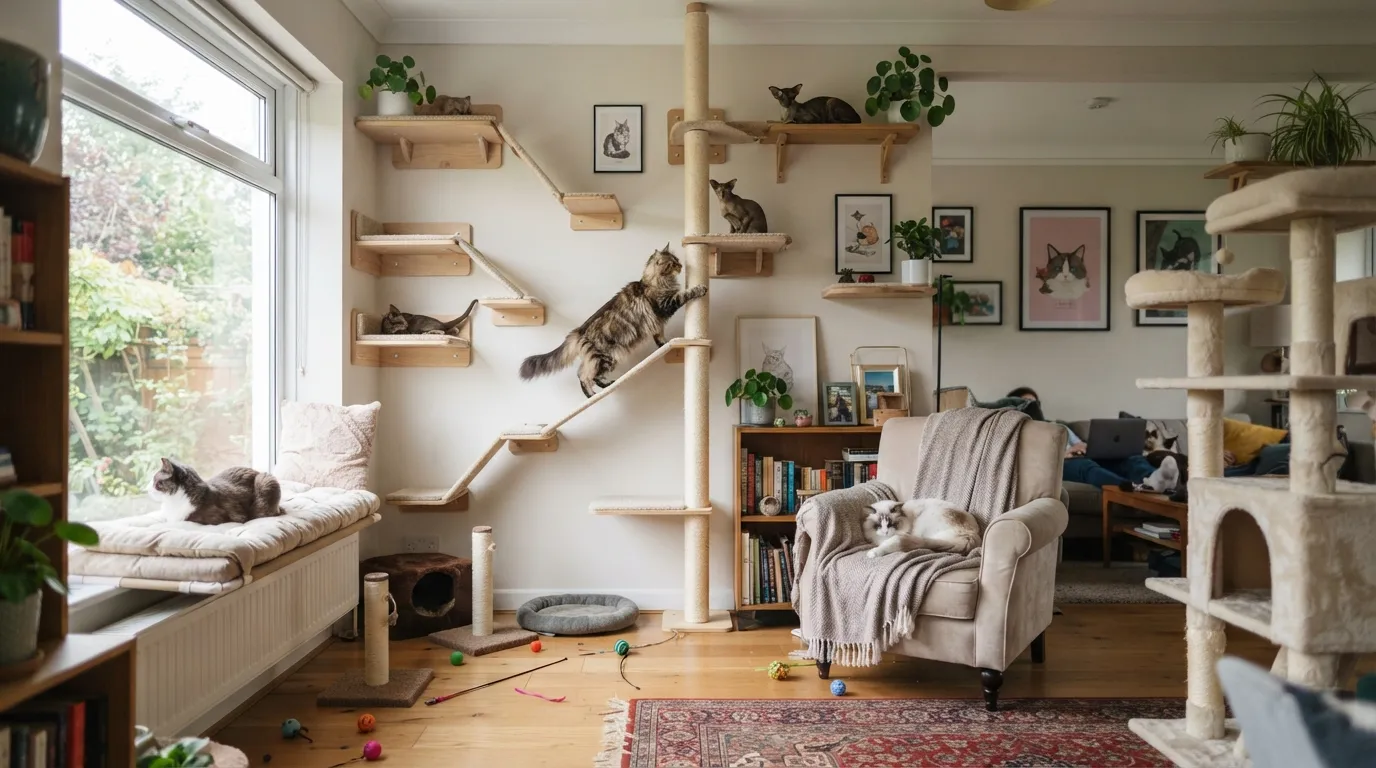
You didn't plan to rearrange your entire home for a cat. And yet there's a window perch pricier than your desk chair, a climbing wall your decorator would weep at, and only cat-safe plants left standing.
Cats offer a steady, judgment-free presence, and breed owners repay that by redesigning their whole living space around it. The cat's vertical territory is more thoughtfully planned than your own bedroom.
Guests notice. You've stopped explaining.
Sign #7 is the one that's cost you actual social plans.
#7 - You've Turned Down Plans Because of Your Cat's Routine
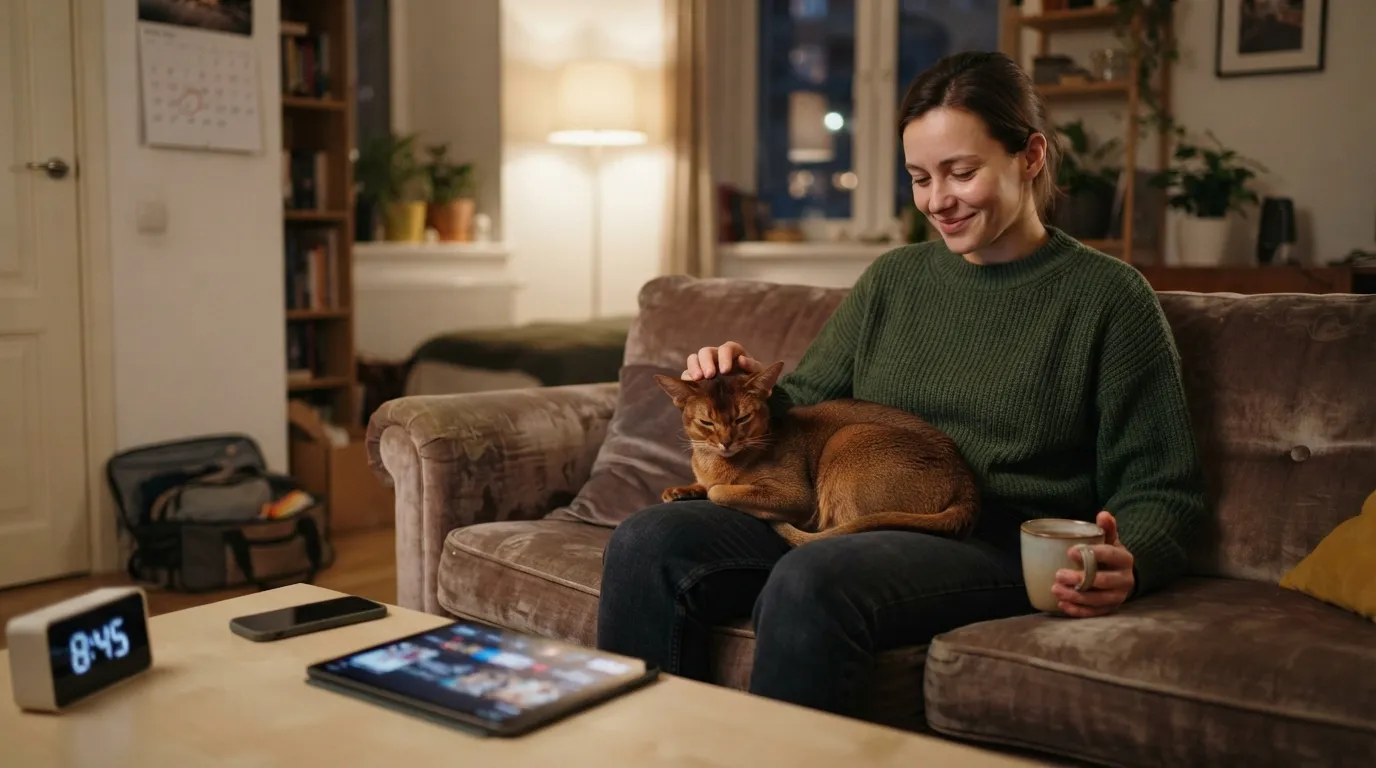
Not a vet emergency. Just feeding time, or the fact that your Abyssinian gets anxious when her schedule breaks.
Owners commonly slip into a primary-caregiver mindset, and that shift drives real behavioral change. Even well-adjusted breed owners structure entire days around their cat's needs without a second thought.
You've missed dinners, parties, and weekend trips for a creature that will pretend not to know you when you walk back in. Somehow, that's completely fine with you.
Sign #6 lives in your notifications tab.
#6 - You're in at Least Three Breed-Specific Online Groups

One Facebook group. One Reddit thread. One Discord server "just for breeders and serious owners." You are not a breeder. You joined anyway.
Connecting with fellow cat lovers is a well-documented way owners cope and bond, but for you it's not coping, it's community. You post photos, ask health questions, and weigh in on strangers' kitten names.
You know the group moderators by username and genuinely consider them friends. One of them lives in another country, and you've exchanged actual Christmas cards.
Sign #5 hits differently - because it's not about the cat anymore. It's about you.
#5 - The Breed's Personality Traits Start Describing You
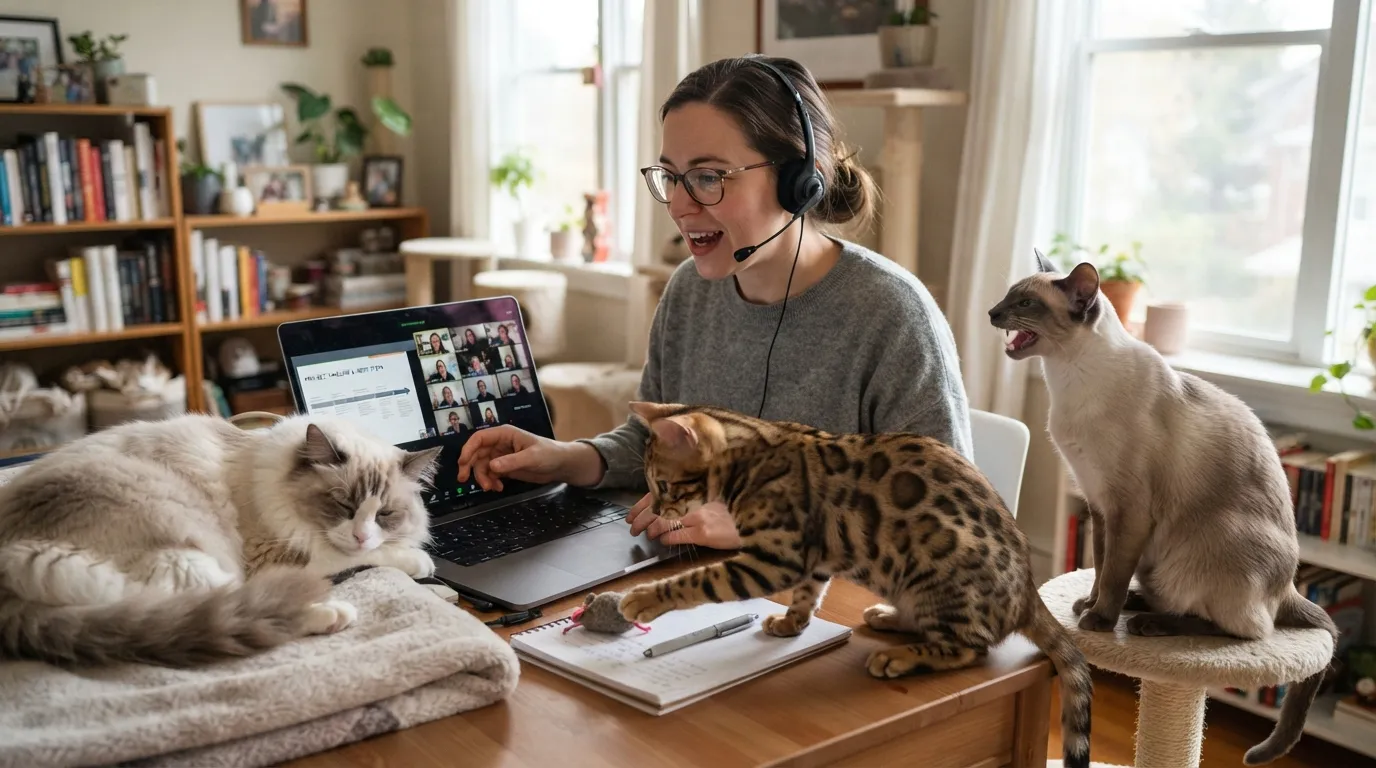
Your Ragdoll is calm and easygoing, and somehow you've started describing yourself that way in job interviews. Your Bengal is clever and restless, and suddenly that's your origin story too.
Studies consistently find personality differences between "cat people" and "dog people" - and breed owners push it further, identifying not just as cat people but as their specific breed's people. The cat didn't match your personality. You slowly became its personality.
Quick Compare
- Ragdoll (calm, affectionate) → owners call themselves "low-drama and deeply loyal."
- Bengal (curious, high-energy) → owners say they're "always chasing the next project."
- Siamese (vocal, social) → owners admit they're "the talkative one in every group chat."
- Persian (laid-back, home-loving) → owners proudly claim "homebody by choice."
People who meet your cat say it's "so you." You take that as the highest compliment you've ever received.
Sign #4 is where the arguments start.
#4 - You've Gotten Defensive in a Conversation About Cat Breeds
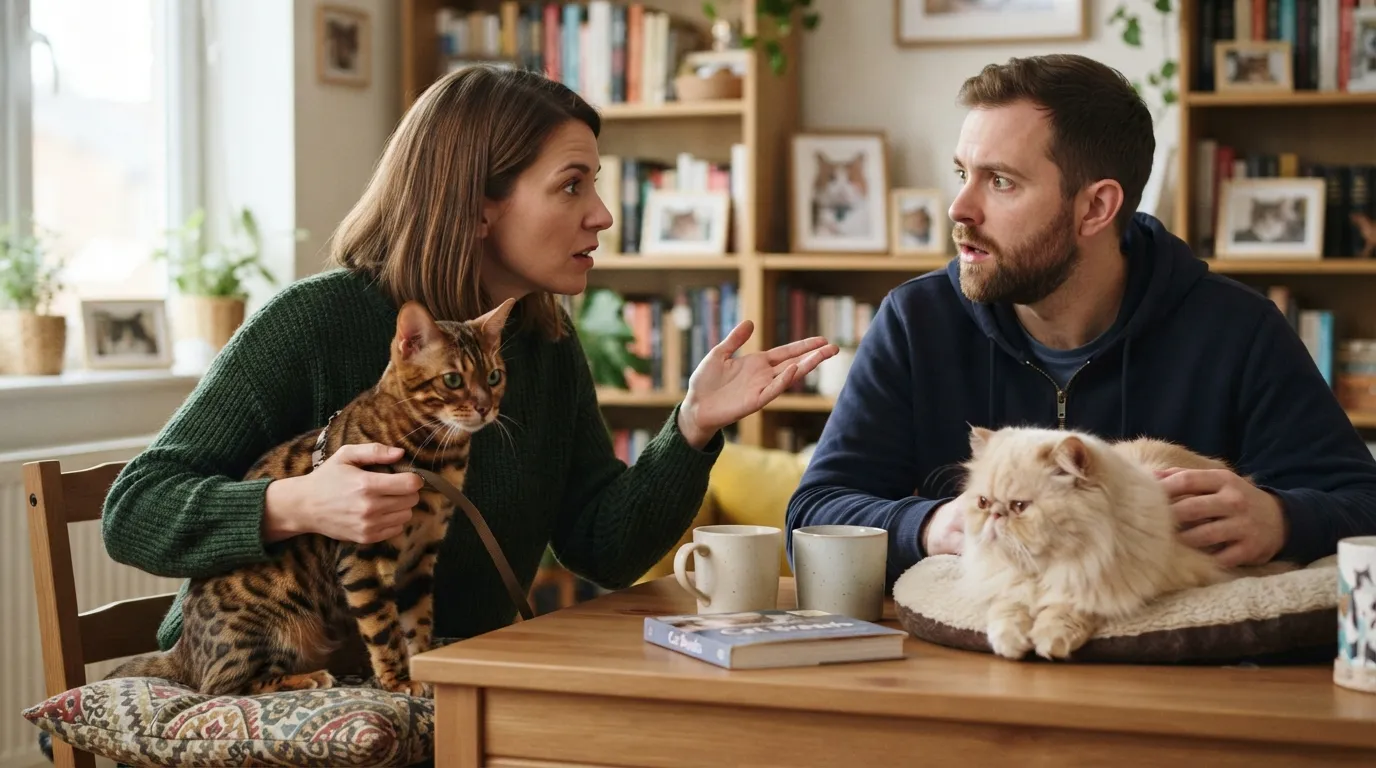
Someone said Bengals are "too much work" or Persians are "boring." You didn't let it go - not even a little.
Many breed traits are the result of deliberate, careful selection over generations, meaning real history and real craft shaped your cat. Dismissing the breed feels a lot like dismissing you.
The defensiveness isn't irrational, it's identity-protective behavior. Psychologists have a name for it. Breed owners just have a reflex.
Sign #3 involves a cat that doesn't even exist yet.
#3 - You've Considered a Second Cat - But Only the Same Breed
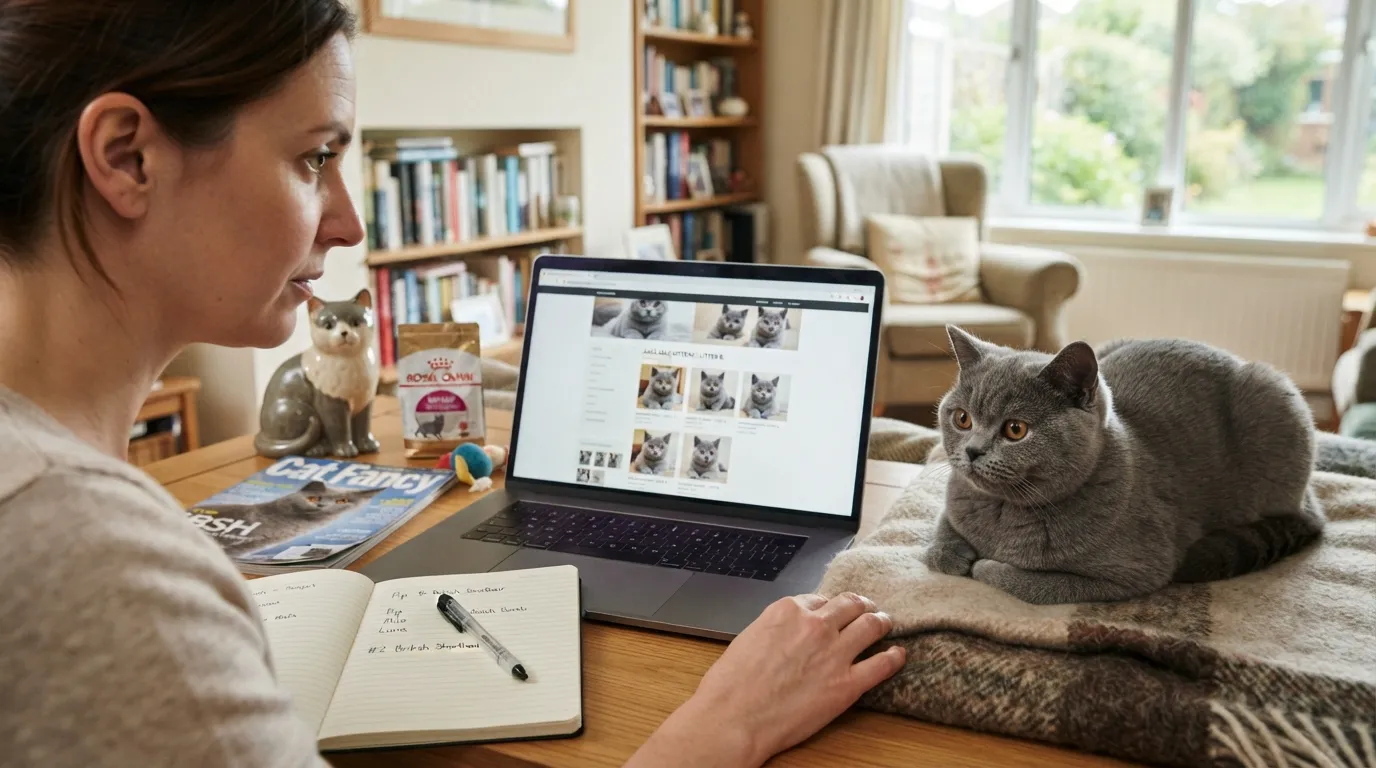
Not just any cat. Another one of those. What would a random domestic shorthair even bring to this household at this point?
Only an estimated 2% of cats worldwide are purebred or pedigreed, yet for breed owners, a non-pedigree cat feels genuinely out of place. The breed isn't a preference anymore. It's an aesthetic, a lifestyle, a standard.
You've already named the hypothetical second cat. You've already looked at a breeder's waiting list, insisting to yourself you're "just looking."
Sign #2 says more about your priorities than you'd like to admit.
#2 - Your Cat's Pedigree Papers Are Filed Better Than Your Own Documents
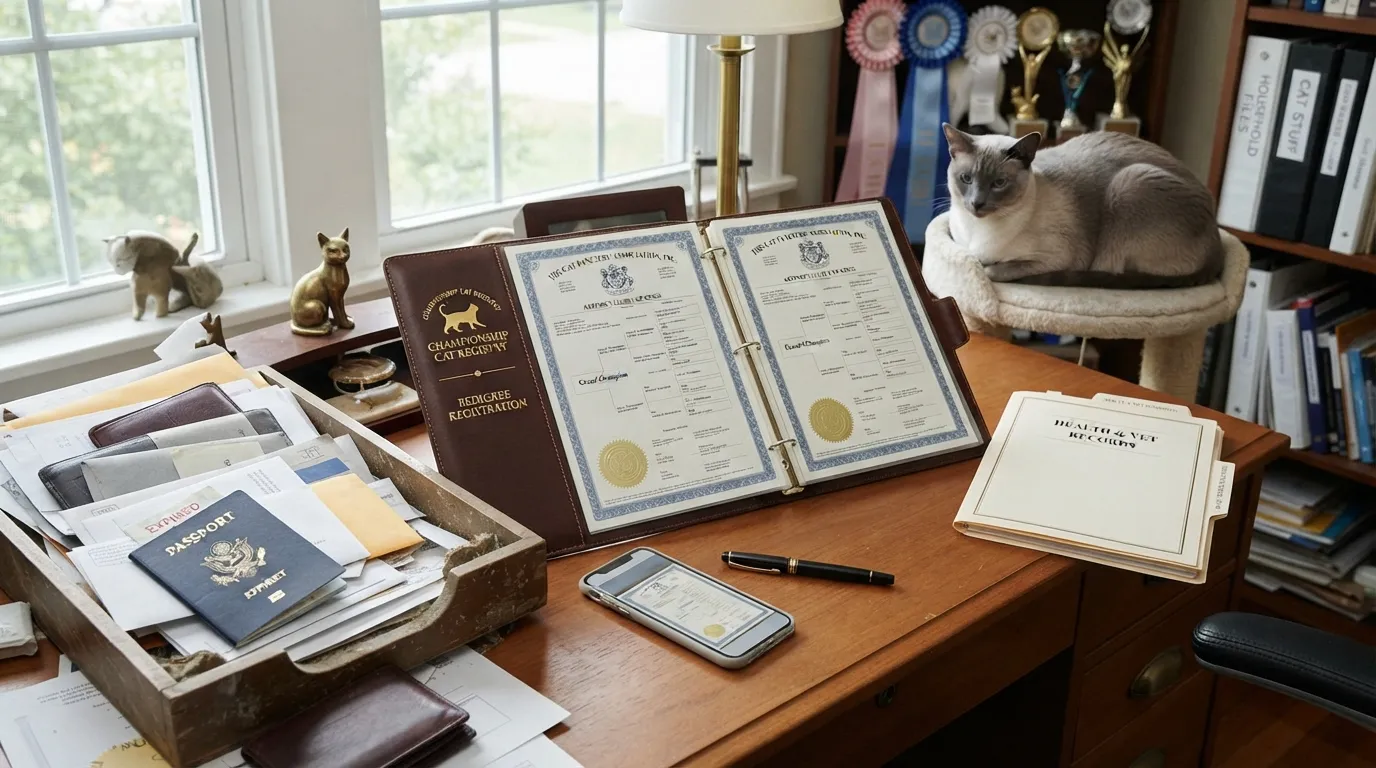
You know exactly where those registration papers live. You've probably got a photo of them saved on your phone, just in case.
Your own passport renewal, meanwhile, is a mystery even to you. Perceived emotional closeness runs significantly higher in pedigree cat owners than non-pedigree owners, and that closeness apparently extends to paperwork.
Worth Knowing
- Registered pedigree papers document a cat's lineage across multiple generations.
- Registries like CFA use these records to confirm breed standard compliance and breeding eligibility.
- Hereditary health screening notes are sometimes attached to official pedigree files.
- No wonder these papers feel more "official" than everyday personal paperwork.
The papers feel like proof that this relationship is real and important - and it is. The only problem is they're laminated, and your birth certificate isn't.
Sign #1 is the moment everyone around you already saw coming.
#1 - You Mention Your Cat's Breed Within 60 Seconds of "Tell Me About Yourself"

Not that you have a cat. That you have a specific breed. It's in your dating profile, it came up in your last job interview as a fun fact, and your friends' parents know you as "the one with the [breed]."
For deeply attached owners, the bond with a pet goes far beyond ownership - it becomes a profound emotional attachment woven into everyday life. Breed owners push that one step further: the breed itself becomes shorthand for who you are.
It signals your taste, your patience, your research habits, your entire lifestyle. You're not embarrassed. You're proud - and anyone lucky enough to share their home with a Siberian, a Devon Rex, or a Turkish Van already knows exactly why.
The Bottom Line
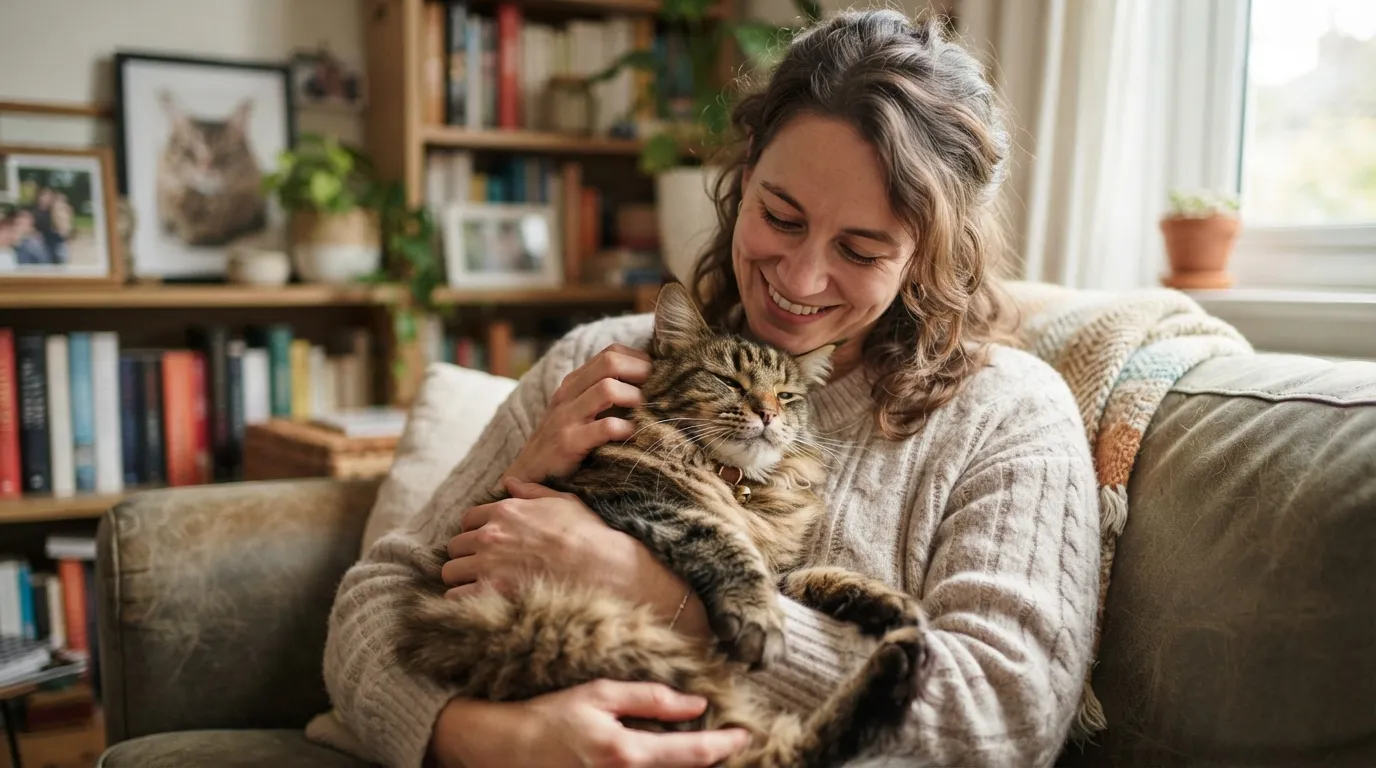
If you checked off more than half of these, your breed cat isn't just a pet anymore. It's a core part of how you move through the world.
An intense emotional connection with a cat - bordering on obsession - is completely normal, and research backs it up: breed owners consistently show measurably higher emotional closeness and interaction scores than other pet owners. The obsession isn't a flaw. It's a feature.
The real question is: which sign hit closest to home? Drop it in the comments, and tag the breed owner in your life who needs to see this.