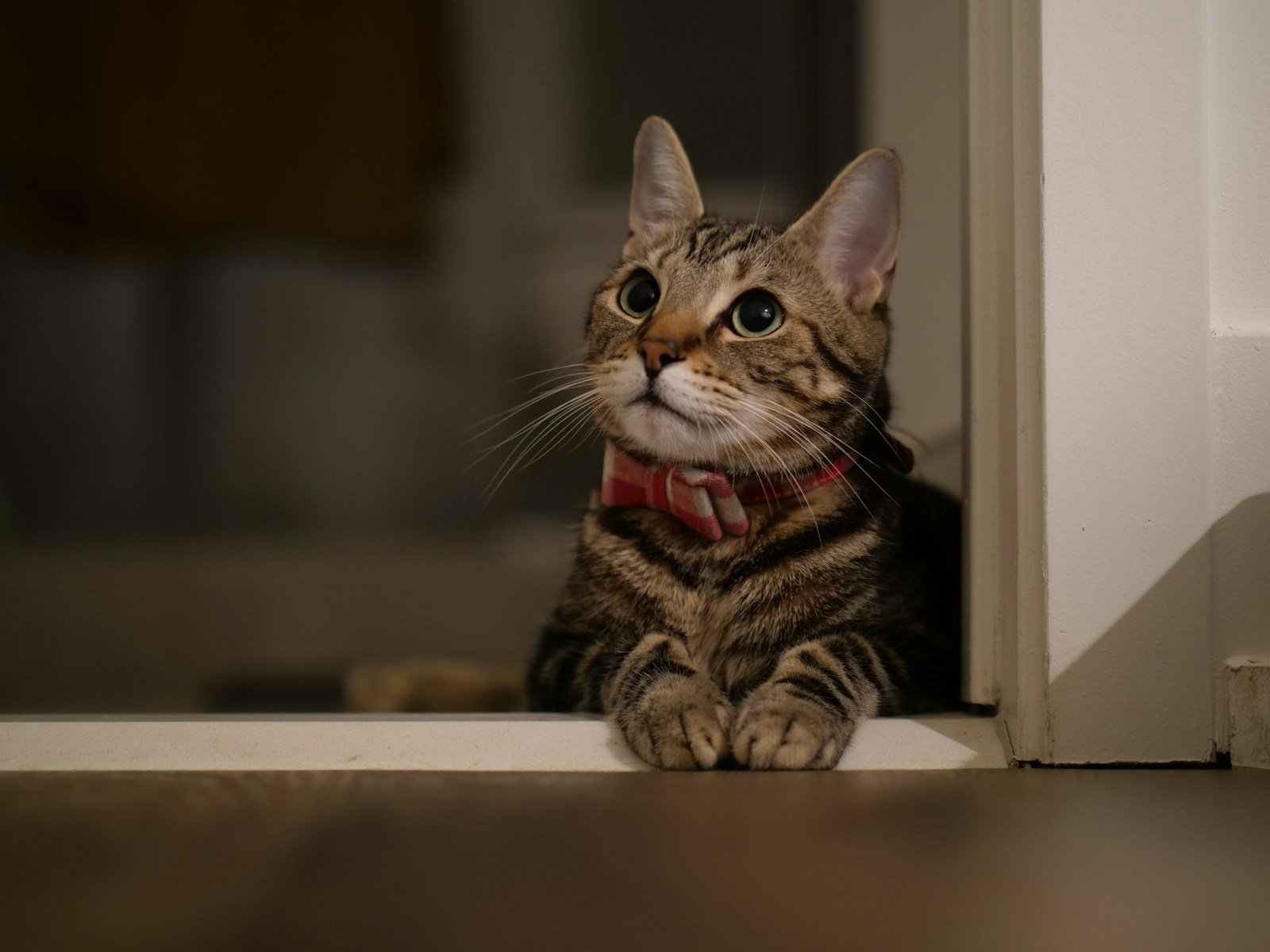
7 Reasons Your Cat May Sit Just Outside the Room You Are In
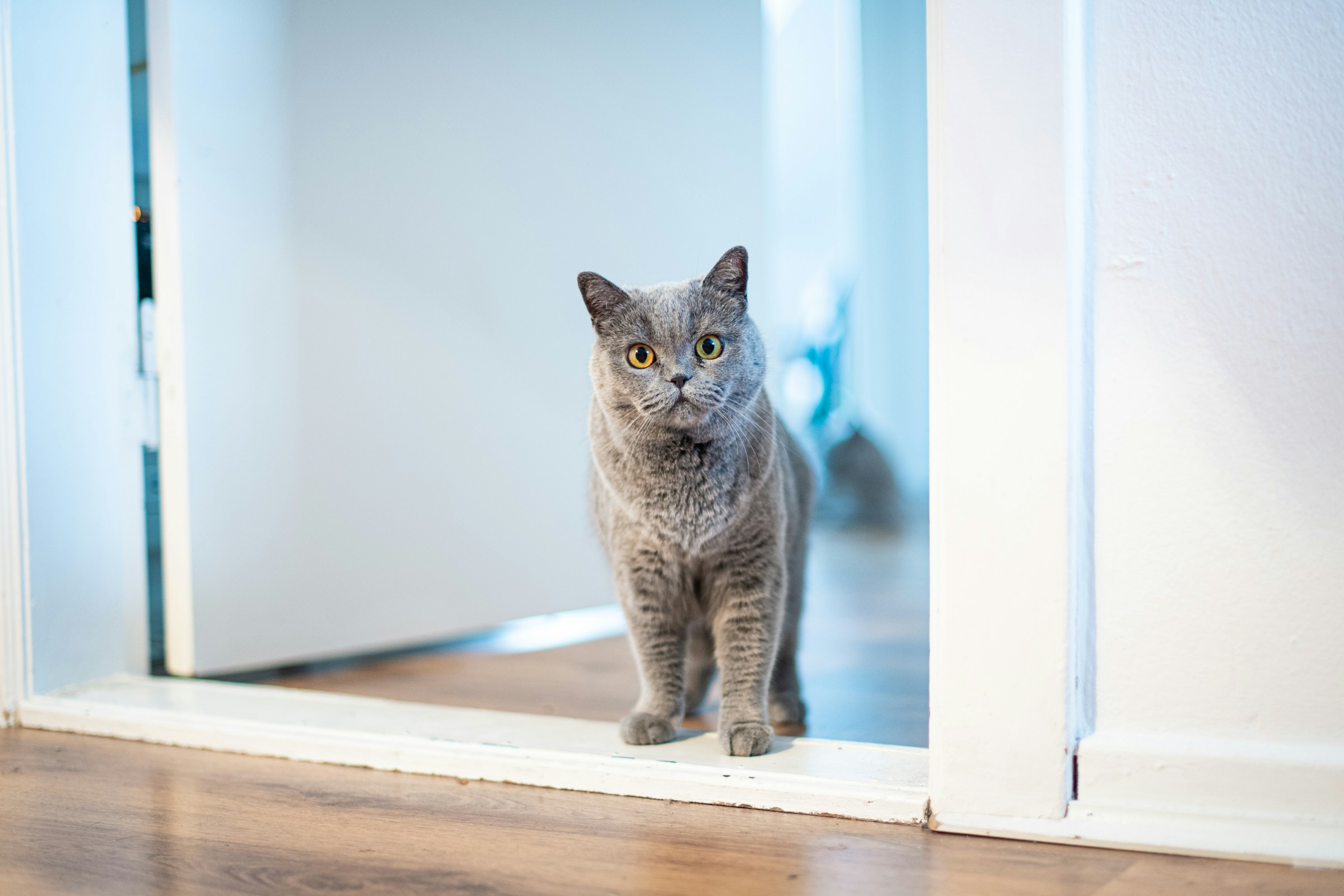
#1 She's Keeping Watch Without Committing to the Room
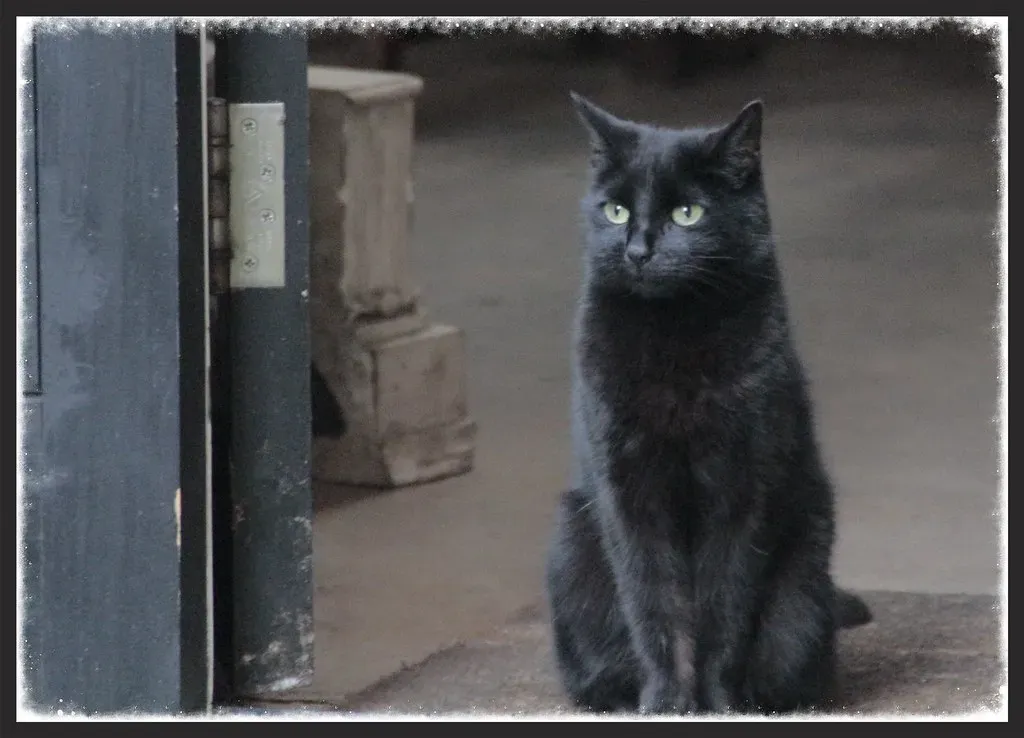
Cats are famously particular about personal space, and sitting just outside a doorway gives them a kind of built-in compromise. They stay close enough to monitor you, hear your movements, and react if something changes, but they avoid being fully enclosed in a space they didn't choose to occupy. This positioning taps into an old survival instinct where staying near an exit point allowed a cat to retreat quickly if needed, even in a completely safe home environment.
It's not unlike how someone might linger near a doorway at a party rather than diving straight into the middle of the room. Your cat gets the benefit of your presence and the reassurance of company without giving up her sense of control over the situation. This behavior tends to show up more in cats who are naturally cautious or who take time to warm up to new environments, though even confident cats do it occasionally.
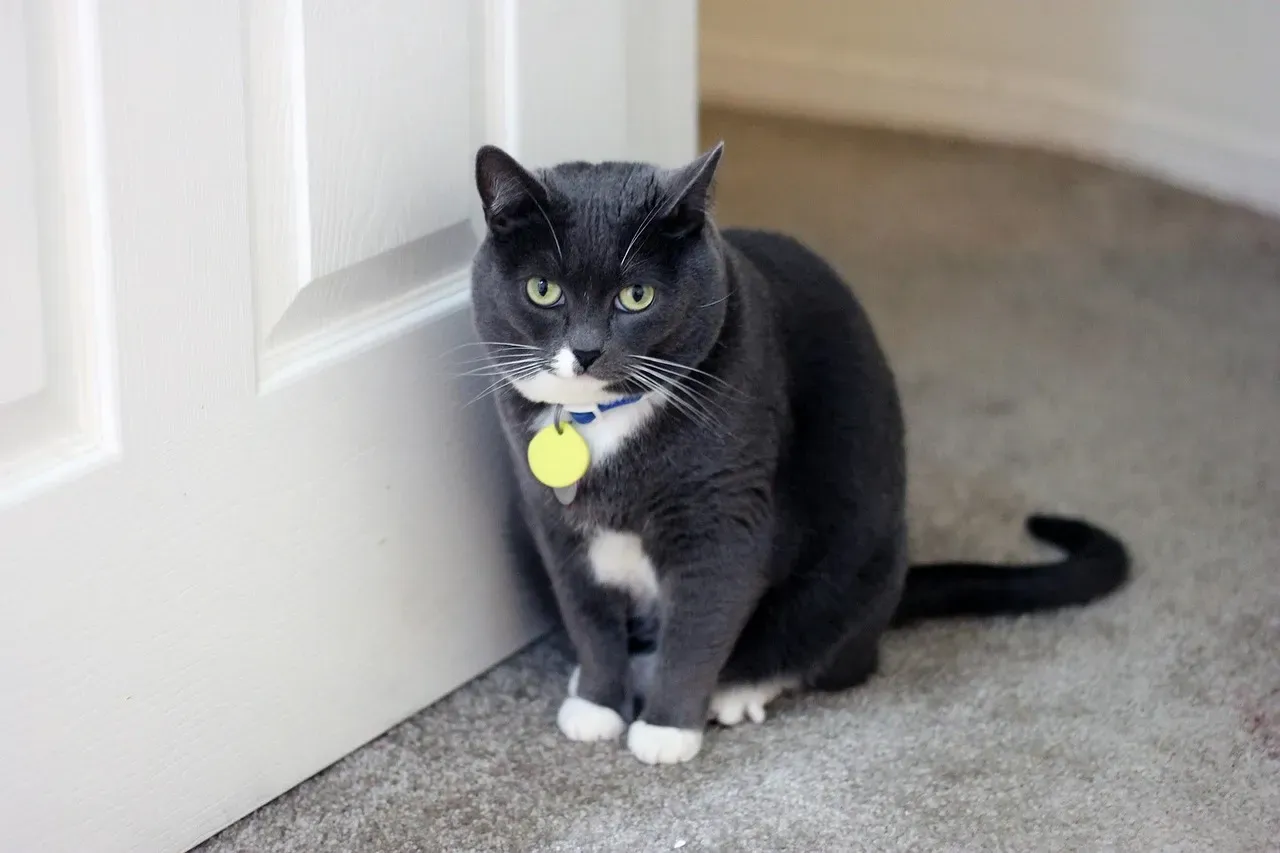
#2 The Threshold Offers the Best of Both Worlds Temperature and Airflow
Doorways often sit at the intersection of two different microclimates, and cats are remarkably sensitive to subtle shifts in temperature and airflow. A hallway might be cooler than a sun heated living room, or a draft near a doorway might feel more comfortable than the still air deeper inside. Cats will frequently choose a spot based purely on physical comfort, and the threshold of a room can hit a sweet spot that neither the inside nor the outside quite matches.
This is especially noticeable during warmer months when cats actively seek out cooler tile floors or shaded transitional spaces. If you've ever noticed your cat repositioning herself throughout the day, moving from a sunny spot to a shadier one, this same logic often applies to her choice of hovering near a doorway. It's less about the room itself and more about finding the most physically comfortable patch of real estate in the house.
#3 She's Processing a Recent Change in the Environment
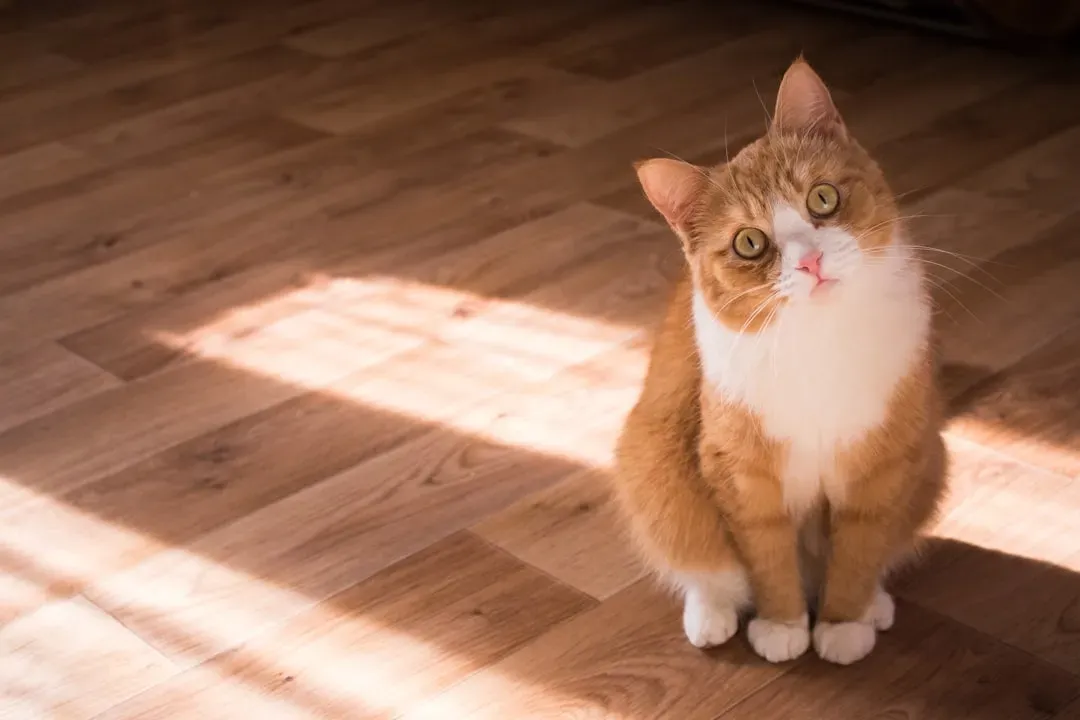
Cats are creatures of routine, and even minor changes, like moved furniture, a new houseguest, or an unfamiliar smell tracked in from outside, can trigger a period of cautious observation. Sitting outside a room rather than entering it allows a cat to assess the situation from a slight distance before deciding whether everything still feels normal. This is particularly common after a household has had visitors, brought home a new pet, or introduced new scents through grocery bags or packages.
During this adjustment period, a cat isn't avoiding you so much as taking inventory of her surroundings. Once she determines nothing is amiss, she'll typically resume her normal patterns of moving freely between rooms. If this hovering behavior persists for an unusually long time or seems paired with other signs of stress, like reduced appetite or excessive grooming, it may be worth considering whether something in the environment needs a closer look.
#4 It's a Subtle Form of Companionship on Her Own Terms
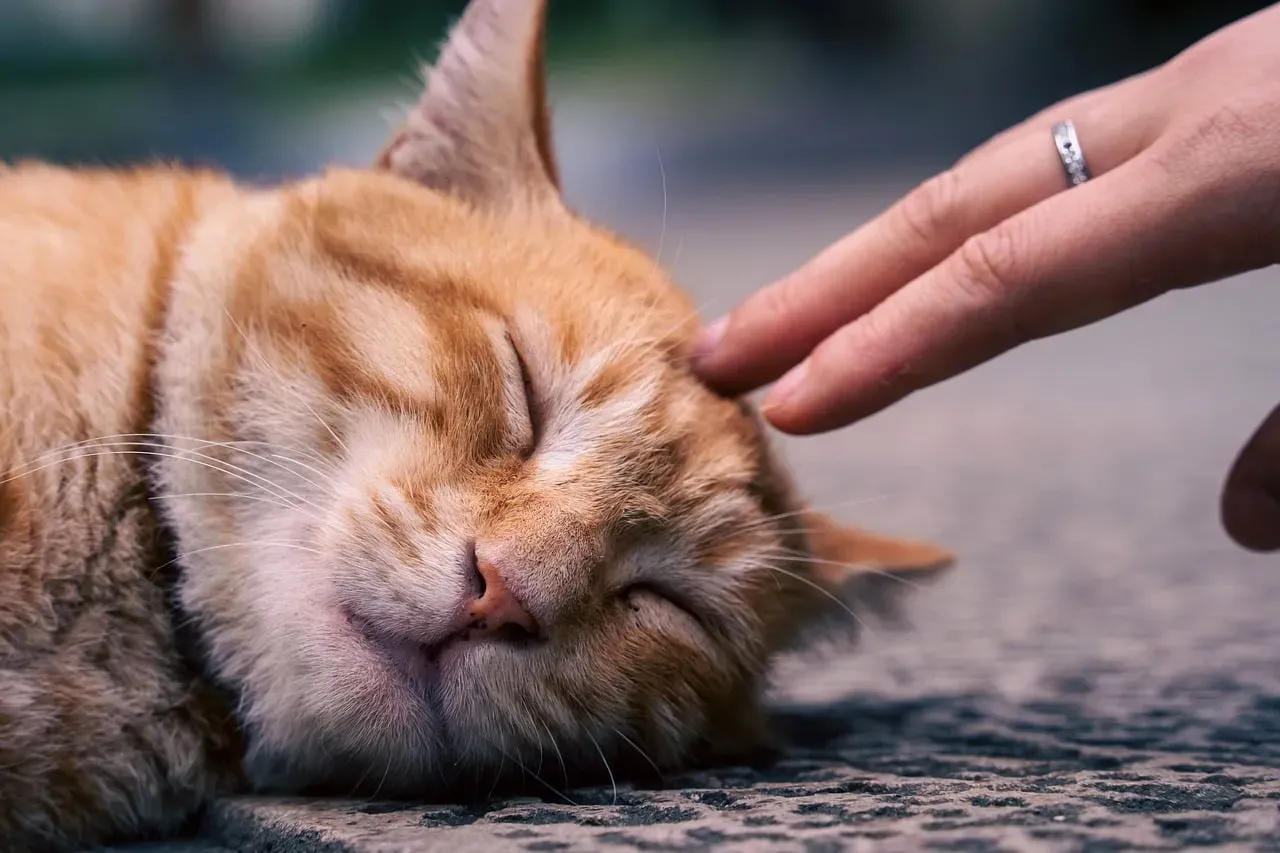
Contrary to the stereotype of the aloof cat, many felines genuinely enjoy being near their people, just not always in the way dogs typically show affection. Sitting just outside a room can be a cat's way of maintaining a connection without the physical closeness that some cats find overstimulating. It's a low pressure form of companionship, one that lets her feel included in your activity without requiring interaction.
This pattern often becomes more noticeable as cats age or as their relationship with an owner deepens over time. Some behaviorists describe this as parallel presence, where the cat is content simply existing in proximity rather than engaging directly. If you call her name and she glances over or flicks an ear without moving, that's usually confirmation that she's aware of you and comfortable, just not in the mood for lap time at that particular moment.
#5 She May Be Avoiding Another Pet or a Specific Family Member
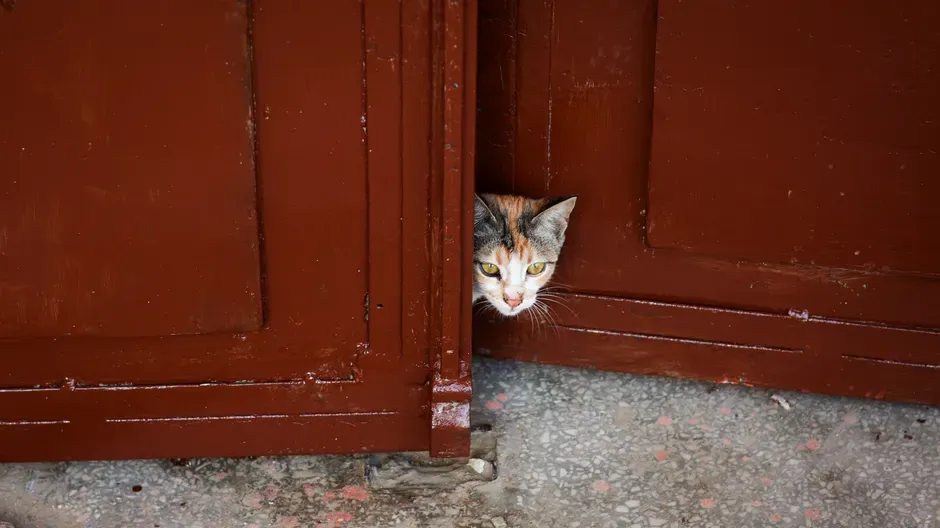
In multi pet households, doorway lingering can sometimes reflect an unspoken hierarchy or tension between animals. A cat might avoid fully entering a room if another pet, whether a dog or another cat, tends to occupy that space and has established a kind of territorial claim over it. Rather than risk a confrontation, the more cautious cat opts to observe from a safer distance.
This same dynamic can apply to people as well, particularly in households with young children whose unpredictable movements or loud noises might feel overwhelming to a cat. It doesn't necessarily mean dislike, but rather a preference for controlled, low stimulation interactions. Paying attention to which rooms or people trigger this hovering pattern can offer useful clues about where friction points exist in a multi member household.
#6 Her Instincts Are Telling Her to Guard the Perimeter
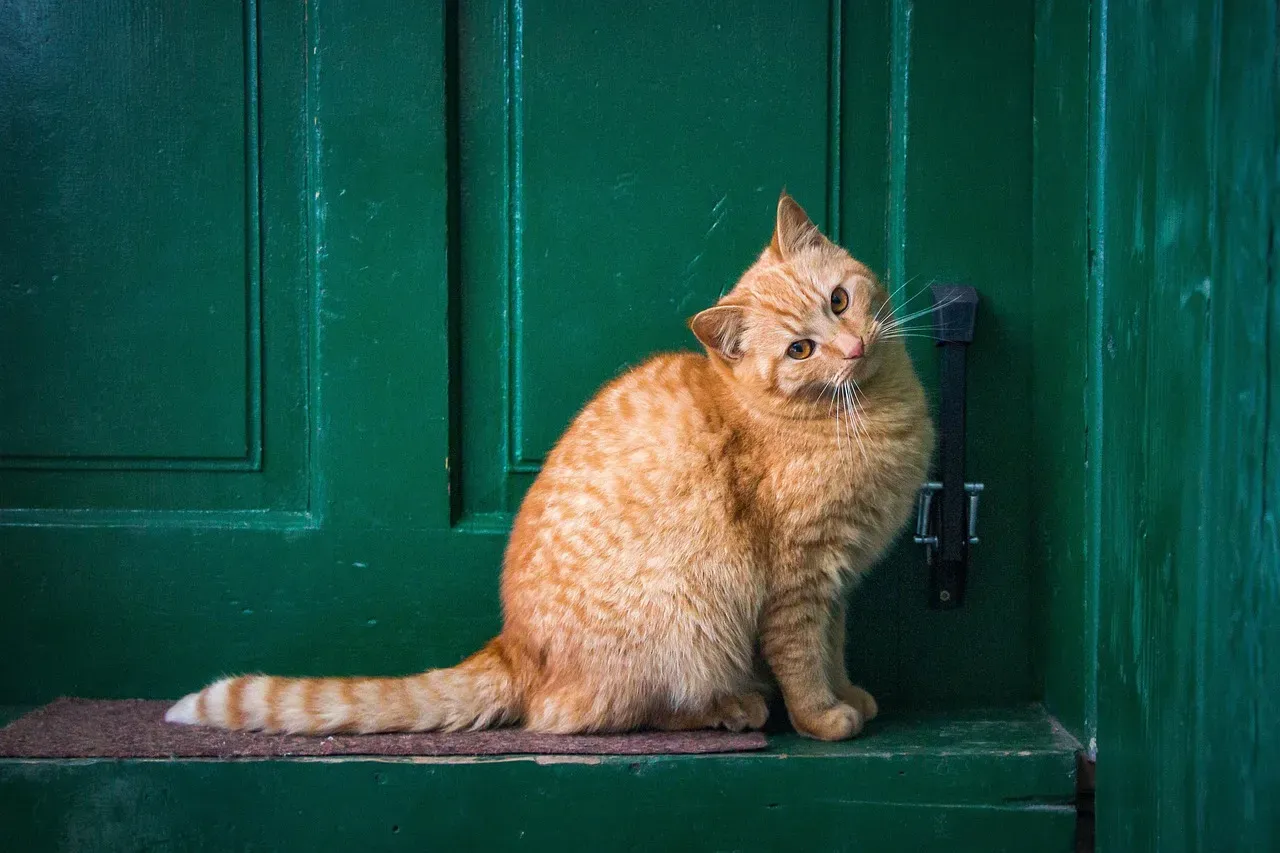
Even well fed, thoroughly domesticated house cats retain instincts inherited from their wild ancestors, and one of those instincts involves monitoring territory from strategic vantage points. A doorway offers a clear sightline into a room while also allowing a cat to keep an eye on what's happening behind her in the hallway or adjacent space. This dual awareness satisfies a deep seated need to feel in control of her surroundings.
Some cats take this territorial awareness further by choosing the same doorway consistently, almost as if it's become an informal checkpoint. Researchers who study feline behavior note that domestic cats often maintain overlapping core territories within a home, adjusting their patrol patterns based on activity levels of household members and other pets. This is simply an extension of natural behavior adapted to a much smaller, safer environment than the one her ancestors roamed.
#7 She's Waiting for an Invitation Rather Than Assuming One
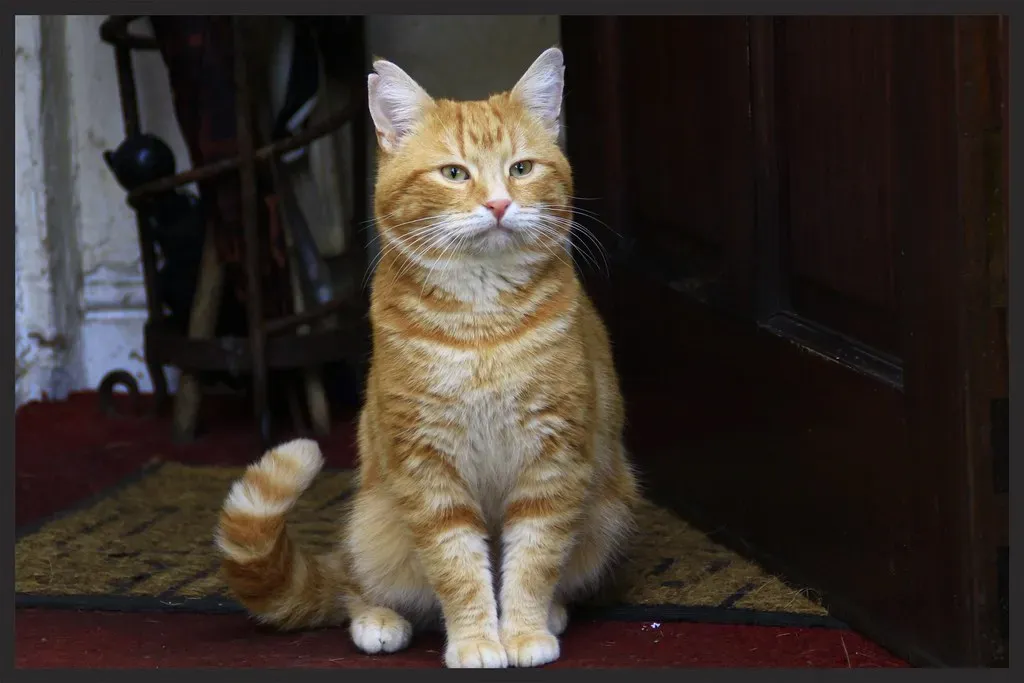
Some cats have learned through experience, whether from past scolding, competing pets, or simply personal temperament, that entering a room uninvited sometimes leads to being picked up, moved, or otherwise interrupted. Hovering at the threshold becomes a way of testing the waters, watching for a signal that it's safe or welcome to come further in. This is more common in cats who are naturally sensitive to social cues or who have had inconsistent experiences with being handled.
Interestingly, this behavior often improves over time as trust builds and routines become predictable. Owners who make a habit of speaking softly, avoiding sudden movements, or offering a treat when their cat approaches often notice their pet becoming bolder about entering shared spaces. Patience tends to be the most effective tool here, since forcing the issue usually backfires and reinforces the original hesitation.
Final Thoughts