15 Telltale Traits Every Cat Breed Owner Knows Too Well
Most people assume a cat's personality comes down entirely to how it's raised. New research tracking over 5,700 cats across 19 breeds says otherwise - roughly half of all behavioral differences between breeds turn out to be inherited, hardwired by generations of selective breeding.
That means your Siamese's midnight yelling, your Ragdoll's floppy routine, and your Bengal's obsession with running water aren't quirks. They're almost entirely predictable - and here are the 15 traits that give away exactly which breed you're dealing with.
#15 - The Siamese Talks Back (And Won't Stop)
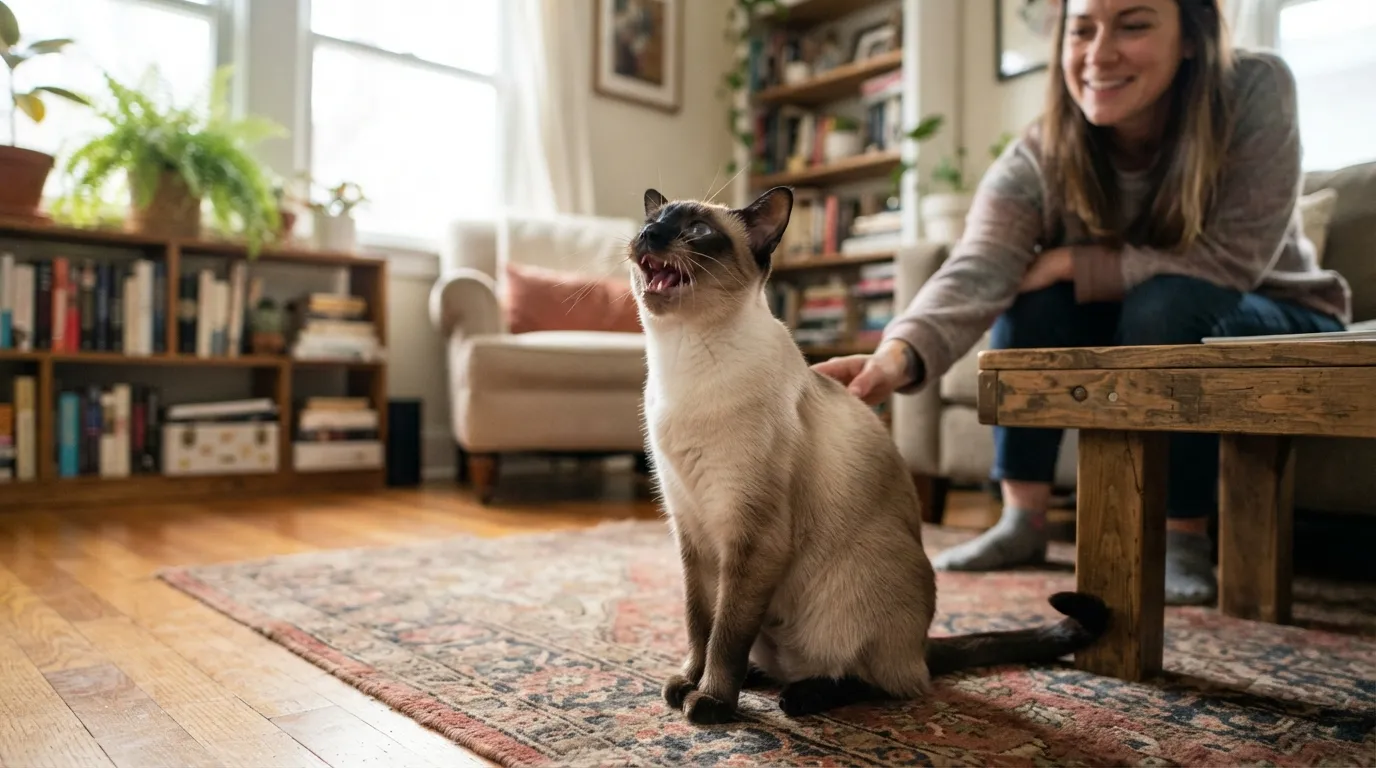
Siamese cats love people, and they especially love talking to them. They're famous for long, back-and-forth "conversations" that feel almost human.
That voice lands somewhere between a crying baby and a very formal complaint. They use it constantly, especially the second something feels off.
Most people find it charming for about a week. By week two, they're Googling "why won't my Siamese stop yelling."
They're active, affectionate, and completely opposed to being ignored. If you want a quiet home, this is the wrong breed.
But the talking is just the warm-up. Wait until you see what happens the moment you actually leave the house.
#14 - The Siamese Separation Spiral
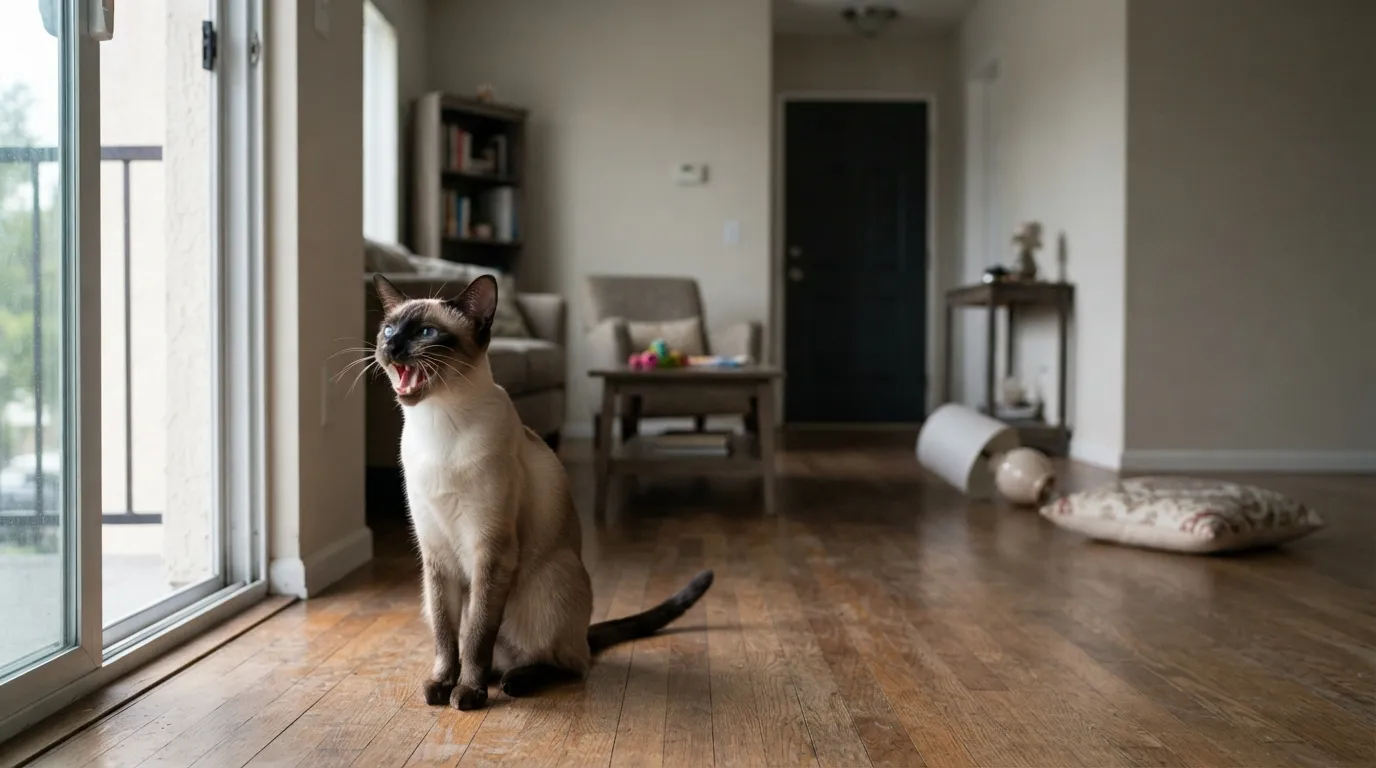
Leave a Siamese alone too long and things escalate fast. They vocalize for hours, knock things over, and develop repetitive habits that don't stop the moment you walk in.
This isn't bad behavior - it's genuine distress. Vets generally recommend not leaving a Siamese alone for more than four to six hours.
Watch for pacing between rooms, meowing before you've even grabbed your keys, and yowling at 3 a.m. Most owners mistake it for misbehavior instead of anxiety.
Next up: a breed that looks like royalty but behaves like a couch cushion.
#13 - The Persian's Near-Zero Prey Drive
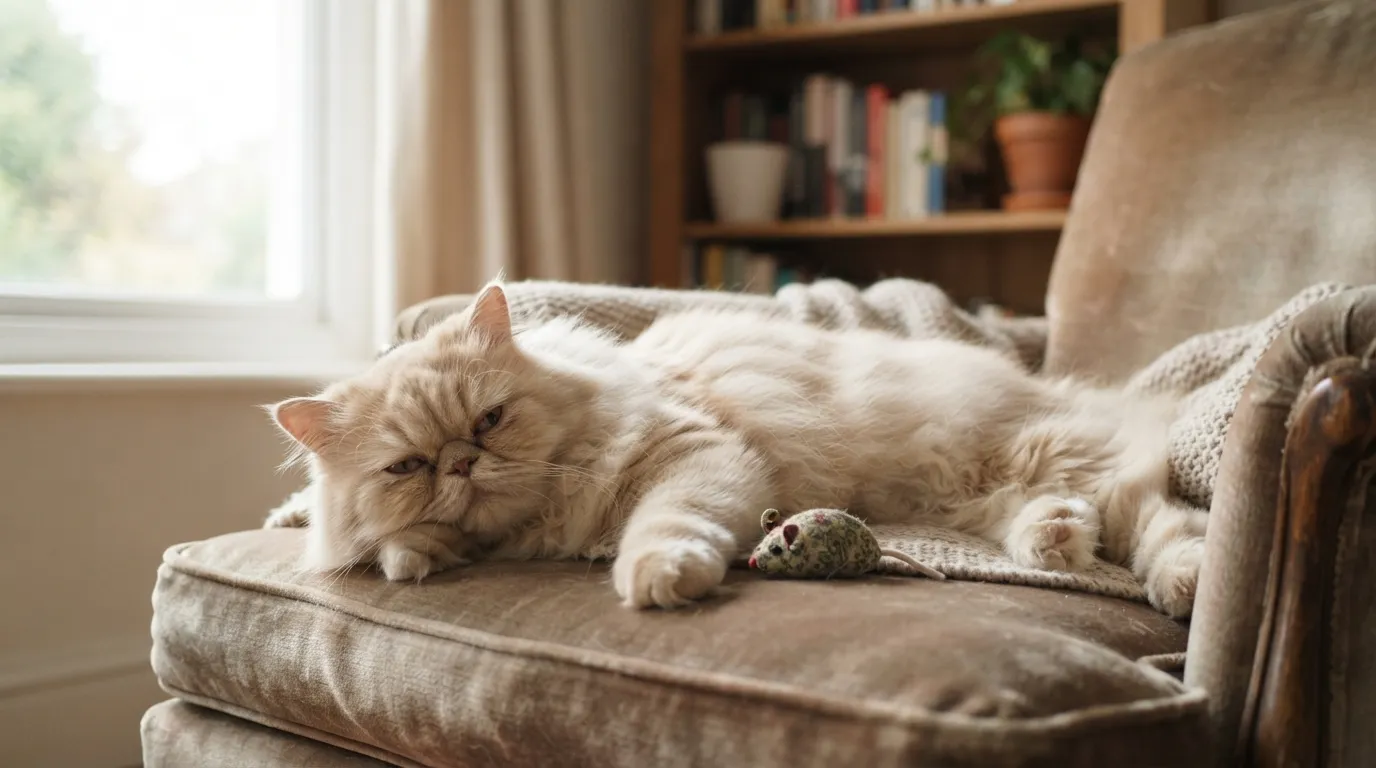
A 2021 feline behavior study ranked Persians among the least active breeds tested. The same research found they show almost no predatory behavior at all.
They're content to lounge, and light play satisfies them completely. A busy household expecting hunting antics will be disappointed.
Fast Facts
- Ranked among the least active breeds in a Helsinki survey of 5,726 cats
- Logged one of the lowest predatory drives of any breed tested
- Tied with British Shorthairs and Cornish Rex for the lowest aggression scores
- Needs daily brushing despite the low-key temperament, or mats form fast
Some cat experts argue Persians are quietly mismatched with the "ideal family cat" image they're often sold under. Their real demand isn't exercise - it's grooming, and constant grooming at that.
Skip a few days of brushing and the coat mats fast. This breed suits owners who treat grooming as a daily ritual, not an afterthought.
Next, a breed that looks completely relaxed but secretly needs a full social calendar.
#12 - The Ragdoll's Famous Flop (And What It Really Means)
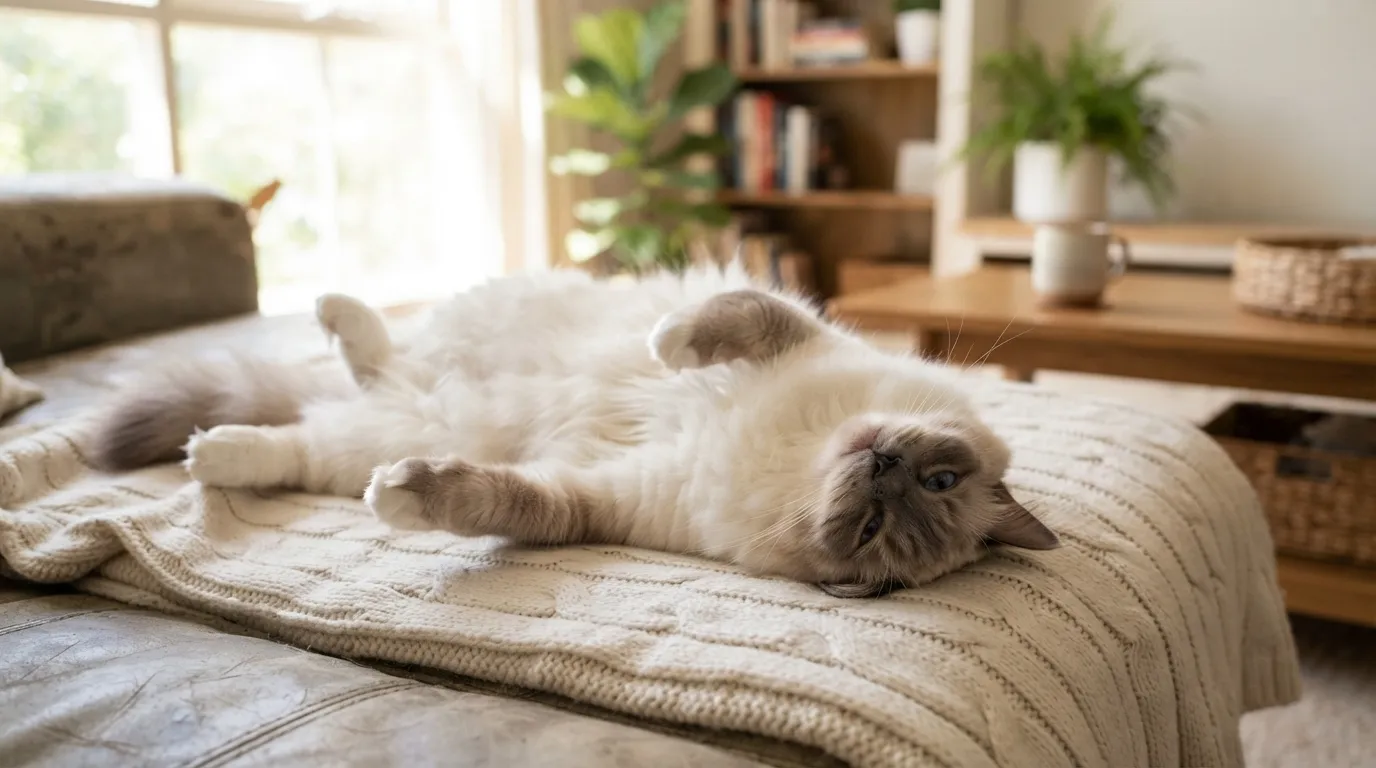
Ragdolls are bred for relaxed, sweet temperaments. Being near their owner is basically their favorite hobby.
Here's the twist most owners never consider: that famous floppiness may come from a naturally low-arousal nervous system, not overflowing affection. It's a subtle distinction, but an important one.
They're soft, easygoing, and usually fine sharing a house with kids and other pets. Easy? Absolutely. As emotionally invested as they look? That's more complicated.
Slide #11 covers a trait scientists say is the most inherited of them all.
#11 - Activity Level Is the Most Inherited Trait of All
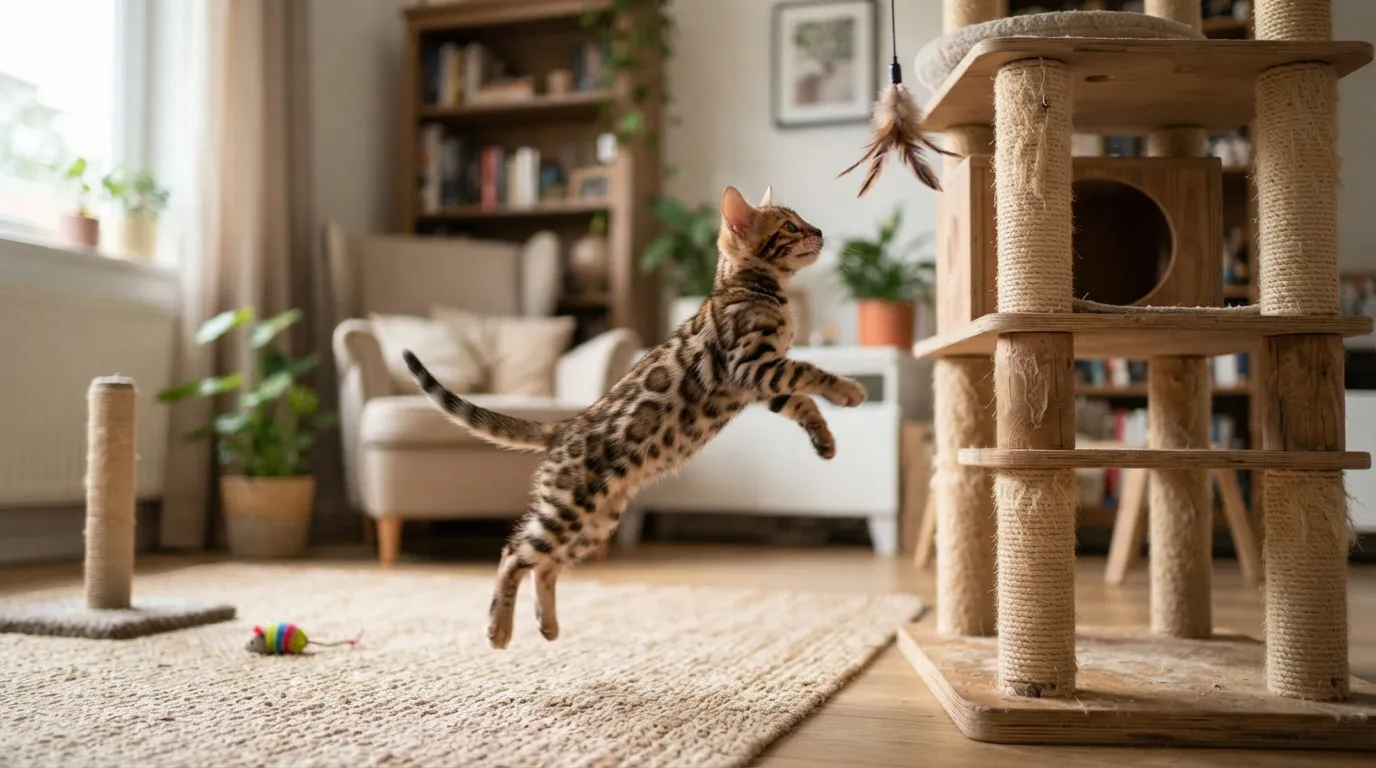
Across studied traits - shyness, aggression, sociability, activity - roughly half showed strong genetic patterns. Activity level produced the starkest differences between breeds of any trait measured.
This is why a Bengal kitten raised in the calmest household still bounces off the walls. Heritability estimates for these behaviors range from .40 to .53.
Translation: you can train the edges, but you can't reprogram the breed. Genetics set the baseline long before the cat ever came home.
Slide #10 covers the breed that scored dead last on "wants human contact" - and it's not who you'd guess.
#10 - British Shorthairs Are the Least Clingy Breed on Record
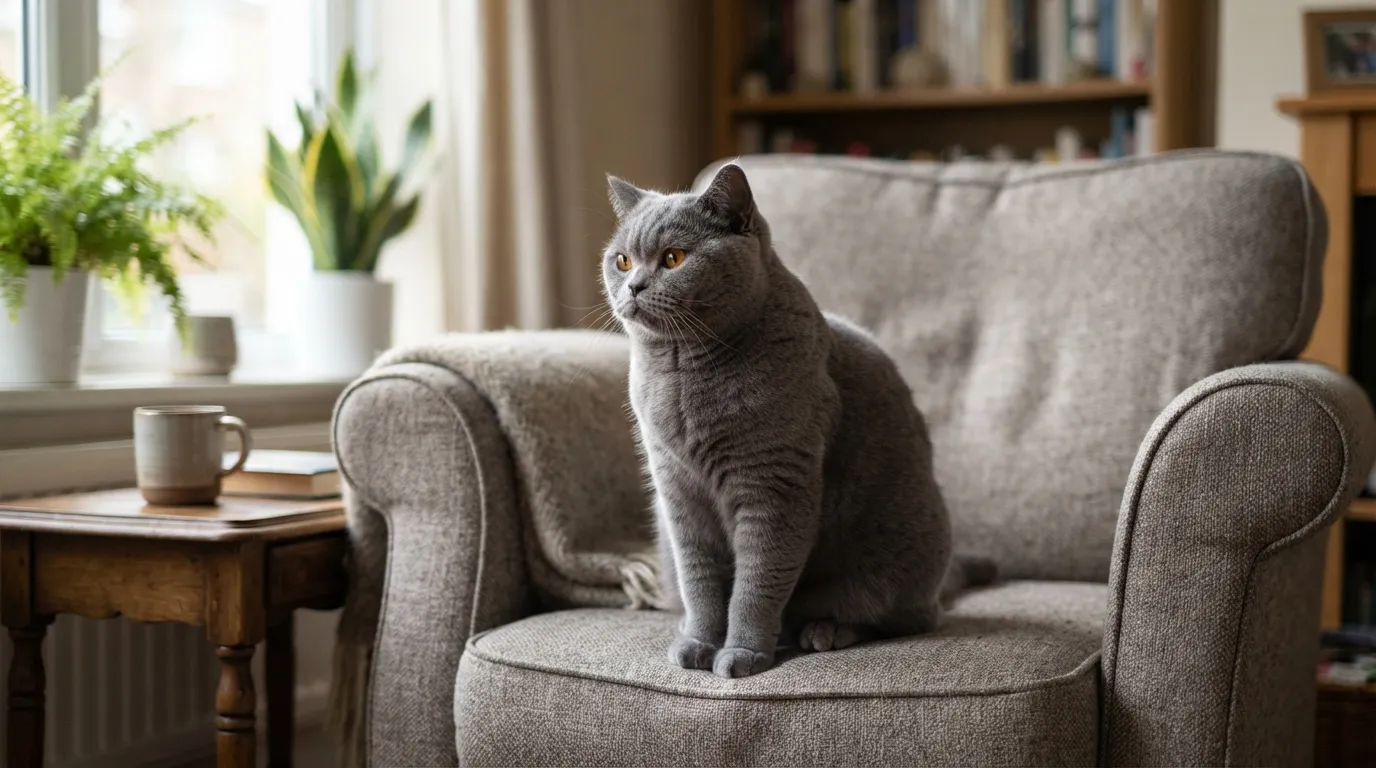
In a study tracking over 5,700 cats, British Shorthairs scored the lowest of any breed for seeking out human contact. Korat and Devon Rex cats sat at the opposite end, craving people the most.
British Shorthairs enjoy affection on their own schedule, not necessarily in your lap. Most don't love being picked up past kittenhood.
Quick Compare
- Least likely to seek people out: British Shorthair
- Most likely to seek people out: Korat, Devon Rex
- Lowest aggression scores: British Shorthair, Persian, Cornish Rex
- Highest aggression scores: Turkish Van, Angora
Owners fall for the round face and plush coat, then feel quietly rejected when the cat simply doesn't need them. That's not a flaw - it's the breed working exactly as designed.
A 2019 study also found British Shorthairs among the least likely breeds to be reported as having behavioral issues. Great for independent households, rough for anyone hoping for a velcro cat.
Next: the one breed so obsessed with people it genuinely rivals dogs.
#9 - Burmese Cats Are Basically Dogs in a Cat's Body
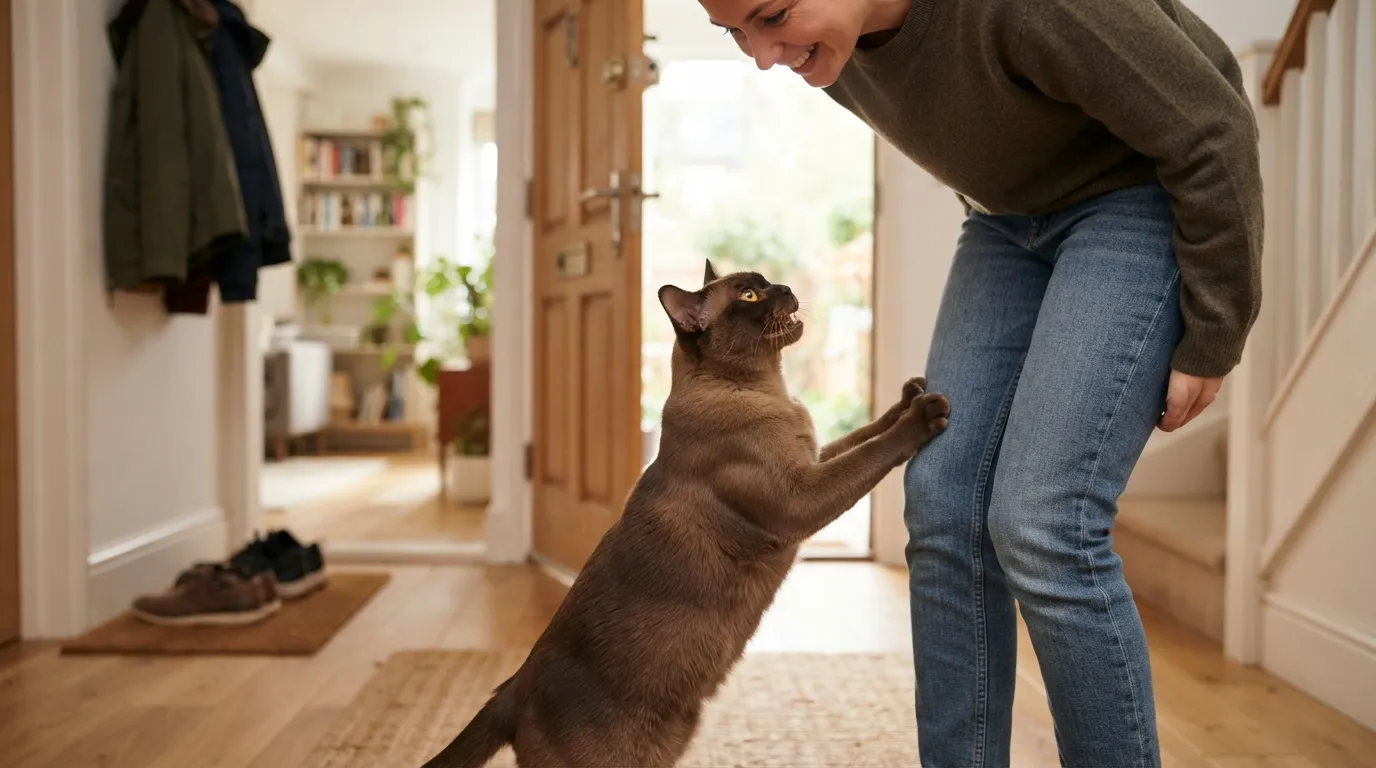
Burmese cats greet you at the door and follow you room to room, all day, every day. It's not about food - they genuinely want the company.
In the same research, Russian Blues scored high for shyness toward strangers while Burmese scored the opposite. They actively seek out new people instead of hiding from them.
Leave a Burmese alone too long and you'll come home to chaos. Some become destructive, others over-groom until their skin suffers, and plenty of owners say a second cat was the only real fix.
Slide #8 covers a breed with a reputation so wild that first-time owners say nobody warned them.
#8 - Bengals Are a Handful Most Owners Underestimate
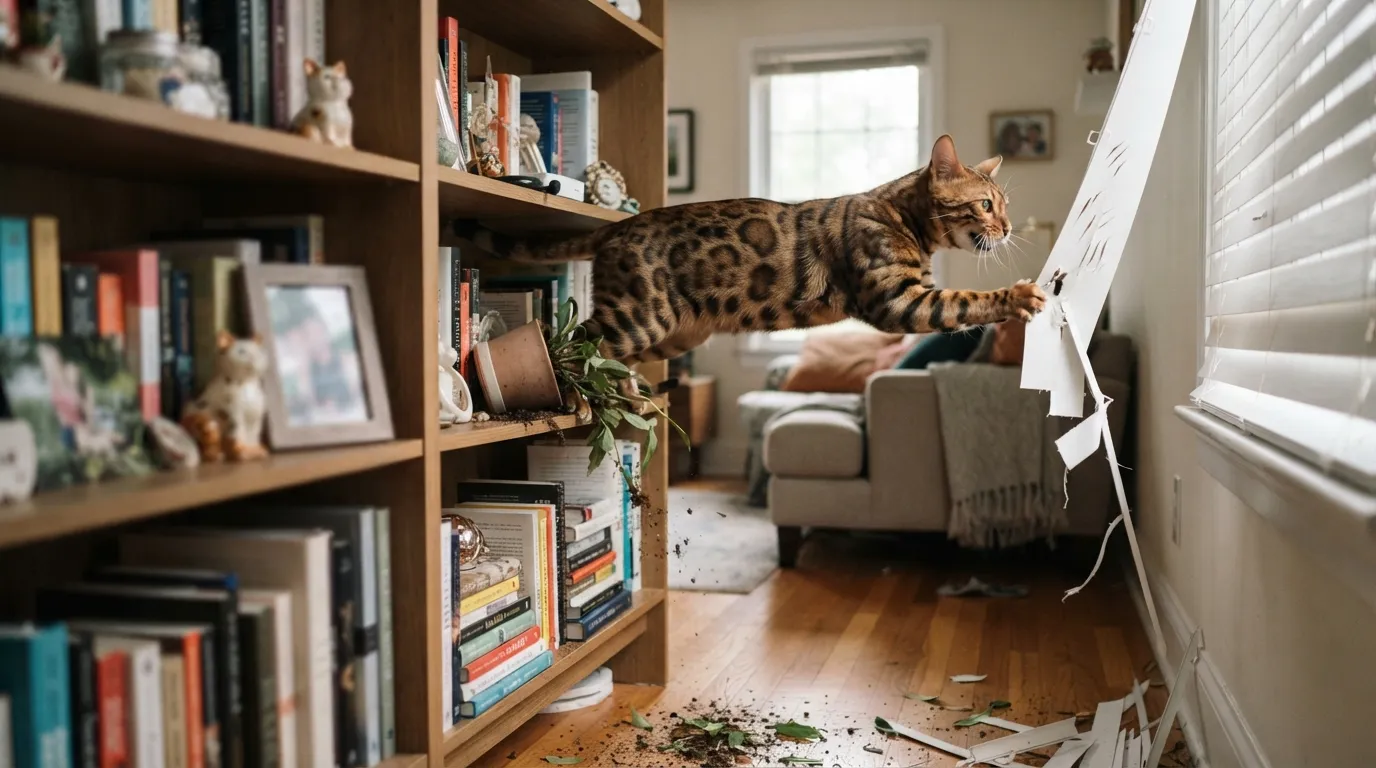
Bengals are part domestic cat, part leopard cat, and it shows. They're relentlessly active, curious, and allergic to boredom.
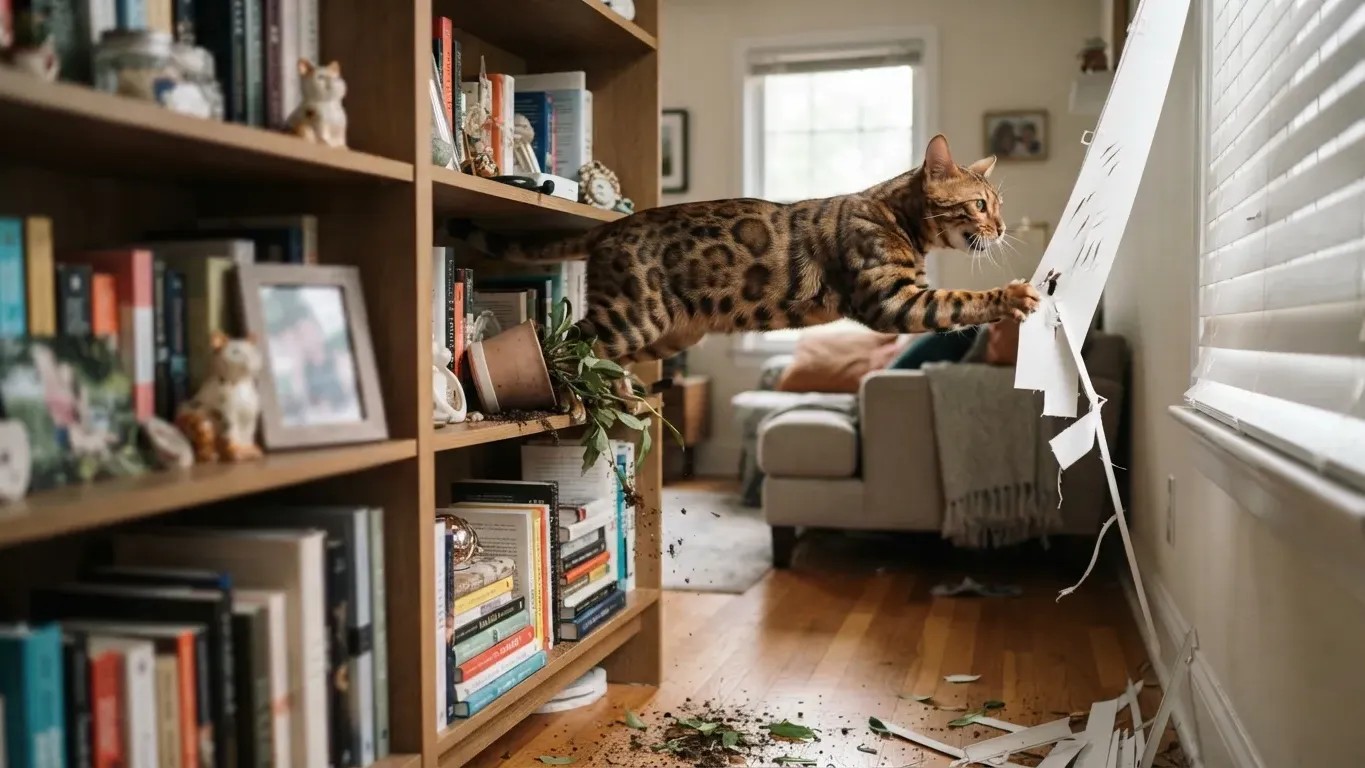
One minute they're scaling the bookshelf; the next, they're purring in your lap like nothing happened. Predicting a Bengal's next move is basically impossible.
Many owners discover, too late, that this breed needs stimulation on par with a working dog. Skip the enrichment and expect shredded blinds, raided cabinets, and a bored cat making very loud decisions.
Slide #7 reveals which breed has the most documented aggression toward humans - and it's not the Bengal.
#7 - Turkish Vans Top the Aggression Charts
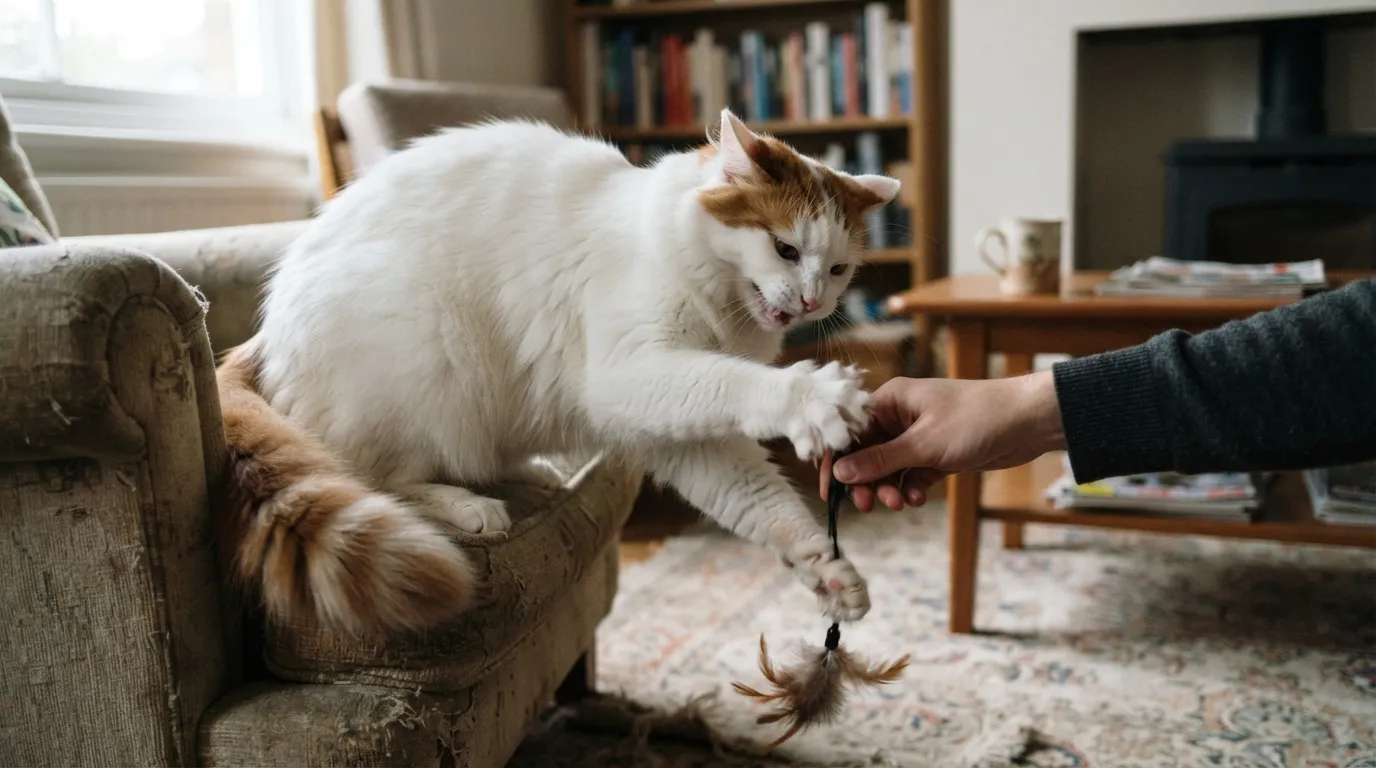
Across a landmark study of nearly 6,000 cats, Turkish Vans showed more aggression toward people and other cats than any other breed tested. Angoras ranked right alongside them.
The irony is that Turkish Vans are usually marketed as playful, energetic family pets. That marketing tends to leave out the fine print.
It is incorrect to describe the Van cat as the most aggressive breed.
Prof. Abdullah Kaya, Van Cat Research Center
Without early, serious socialization, their intensity can tip into aggression that blindsides unprepared owners. This is a breed built for experienced hands, not a first cat.
Slide #6 covers a trait so widely recognized it earned its own nickname.
#6 - Tortoiseshell "Tortitude" Is Real (Sort Of)
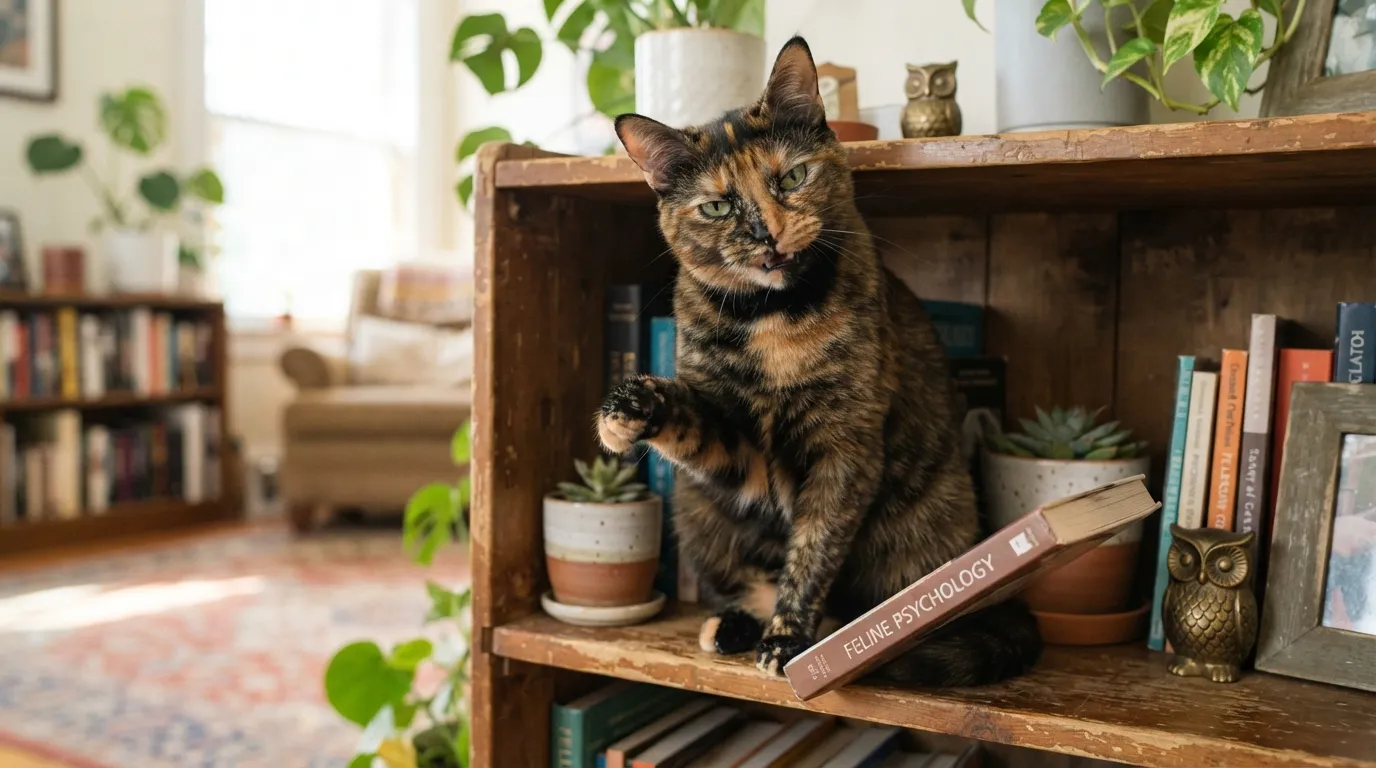
Owners have a name for it: "Tortitude," the sassy, strong-willed streak tied to tortoiseshell coats. Since tortoiseshell isn't an actual breed, it technically shouldn't be predictable at all.
Science hasn't fully confirmed Tortitude as a measurable trait - yet thousands of owners swear it's consistent across every torbie they've ever had. That contradiction alone makes it worth paying attention to.
Whether it's genetics, coincidence, or owner bias remains genuinely unsettled. That mystery is exactly the point.
Slide #5 covers a breed whose relationship with water breaks basically every rule you know about cats.
#5 - Maine Coons Were Essentially Built for Water
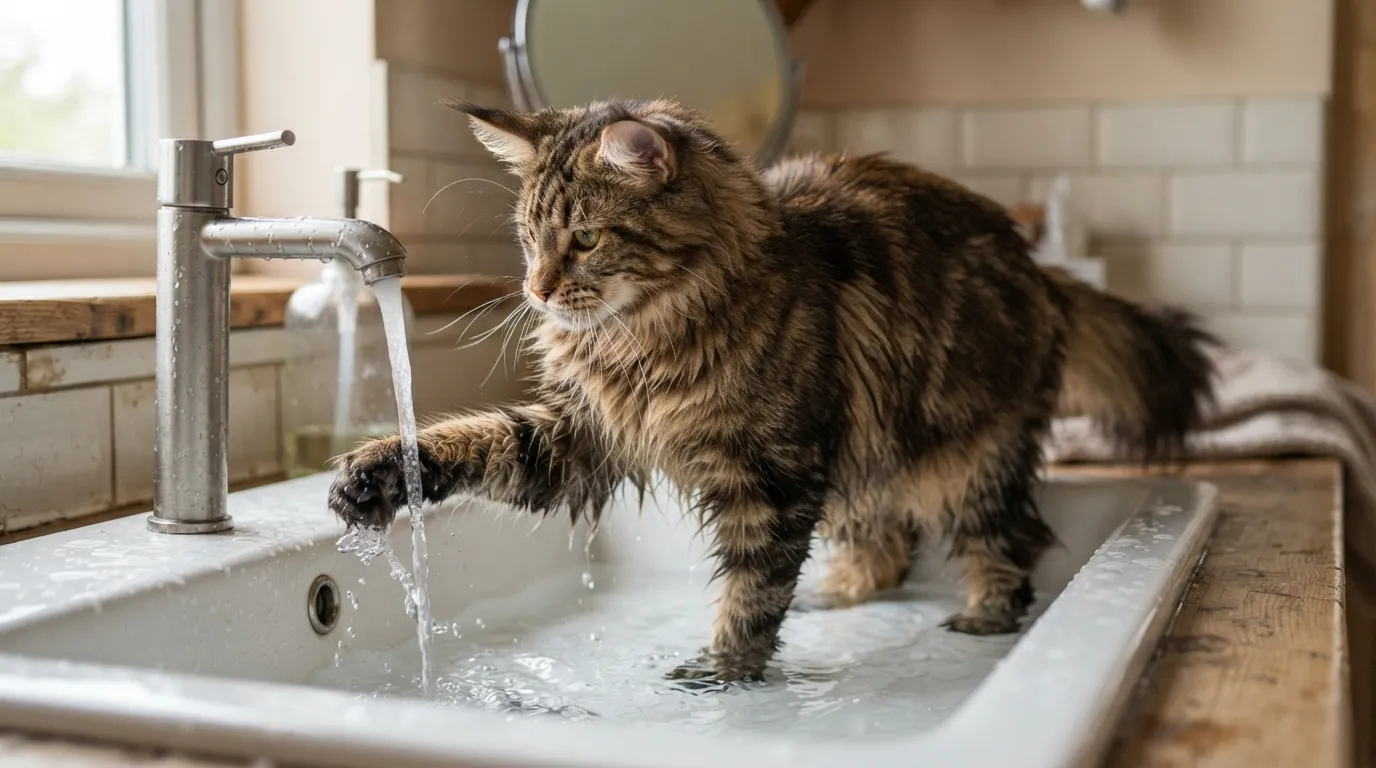
Maine Coons crossed the Atlantic on colonial ships, and their bodies still remember it. Their thick, water-resistant double coat was built for cold, wet conditions.
Most owners expect their cat to flee the second a faucet turns on. Maine Coon owners watch theirs try to climb into the sink.
Many owners describe them as dog-like - fetching toys, roughhousing, splashing in bowls just for fun. The comparisons aren't exaggeration; they're earned.
Slide #4 covers a trait tied directly to genetics that half of all owners completely misread.
#4 - Shyness Toward Strangers Is Deeply Heritable
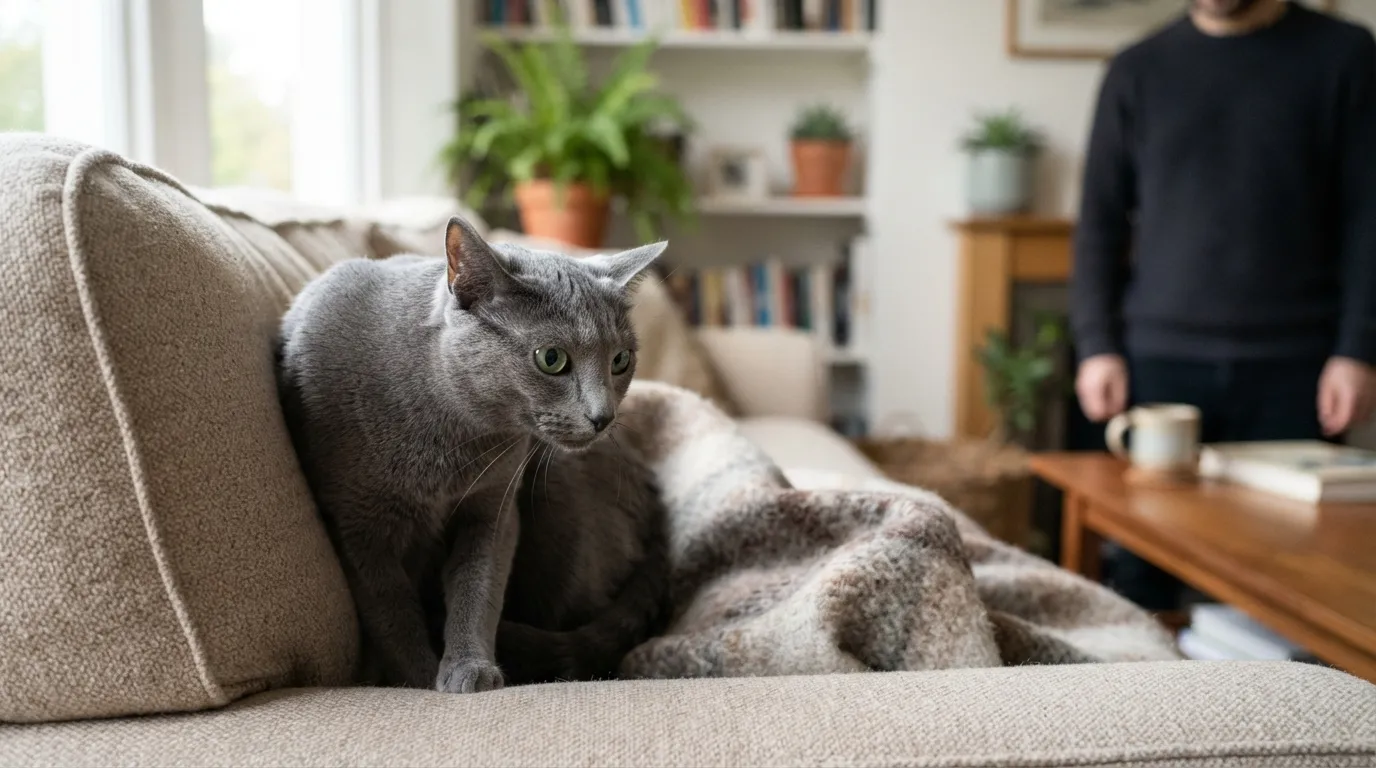
In a large Finnish study, Russian Blues showed one of the strongest breed-specific signals in the entire dataset: shyness toward strangers. It wasn't a minor correlation - it stood out clearly.
Most owners read stranger-shyness as "my cat just doesn't like people." The real explanation is that they were bred this way, and it has nothing to do with how you raised them.
Genetics lay the foundation, but life experience can still shift things at the margins. Knowing the difference changes how you manage a shy cat's world.
Slide #3 covers a breed carrying instincts centuries older than your apartment.
#3 - Norwegian Forest Cats Carry Viking-Level Instincts
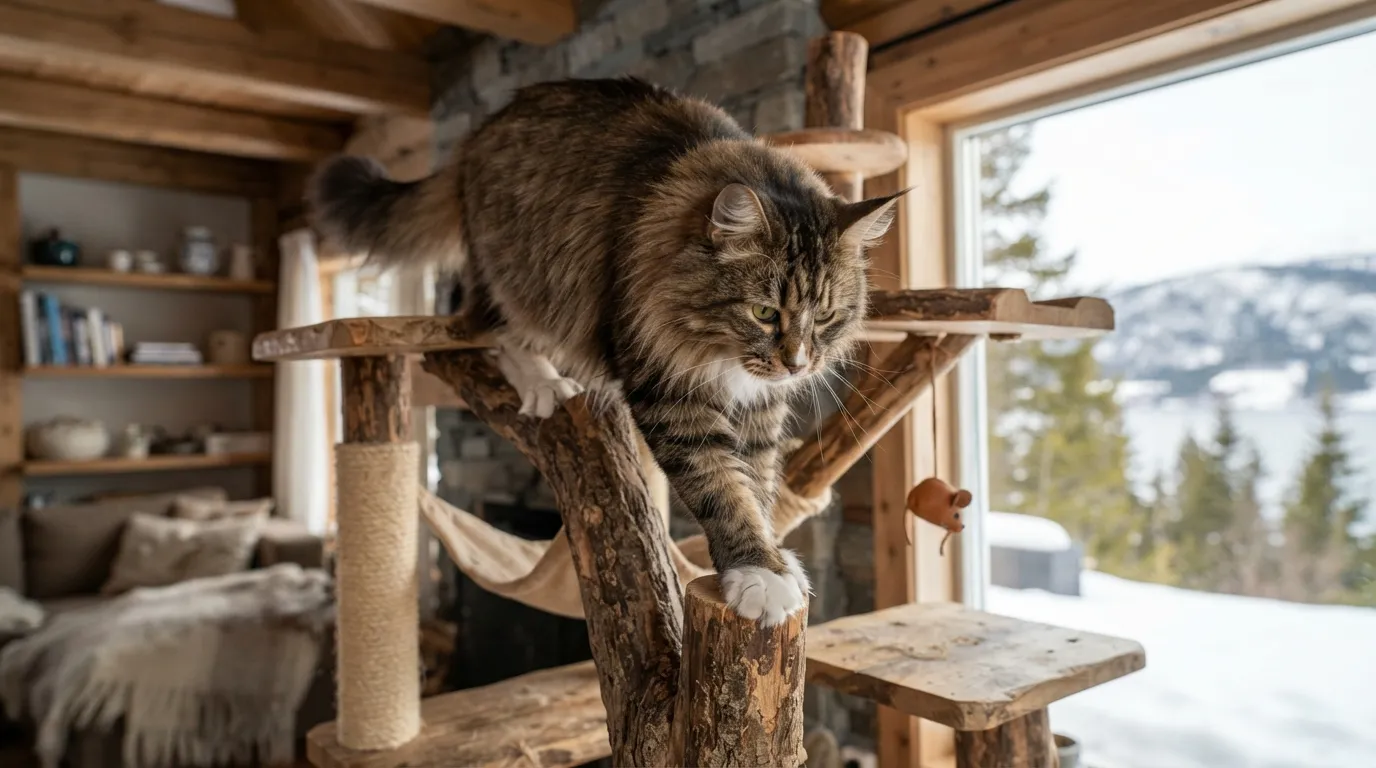
Norwegian Forest Cats love hunting and climbing, and it's not a cute quirk. It's centuries of hardwired, working-cat behavior baked into the breed.
Their dense coat evolved for snow and freezing temperatures, built for a life that once involved catching rodents aboard Viking ships. That job description didn't disappear just because they now sleep on a couch.
Owners who skip climbing structures and hunting-style play often report chronic destructive behavior. This breed doesn't settle into apartment life without real effort.
Slide #2 holds the trait one landmark study called the single biggest differentiator between breeds.
#2 - Half of Your Cat's Behavior Was Decided Before It Was Born
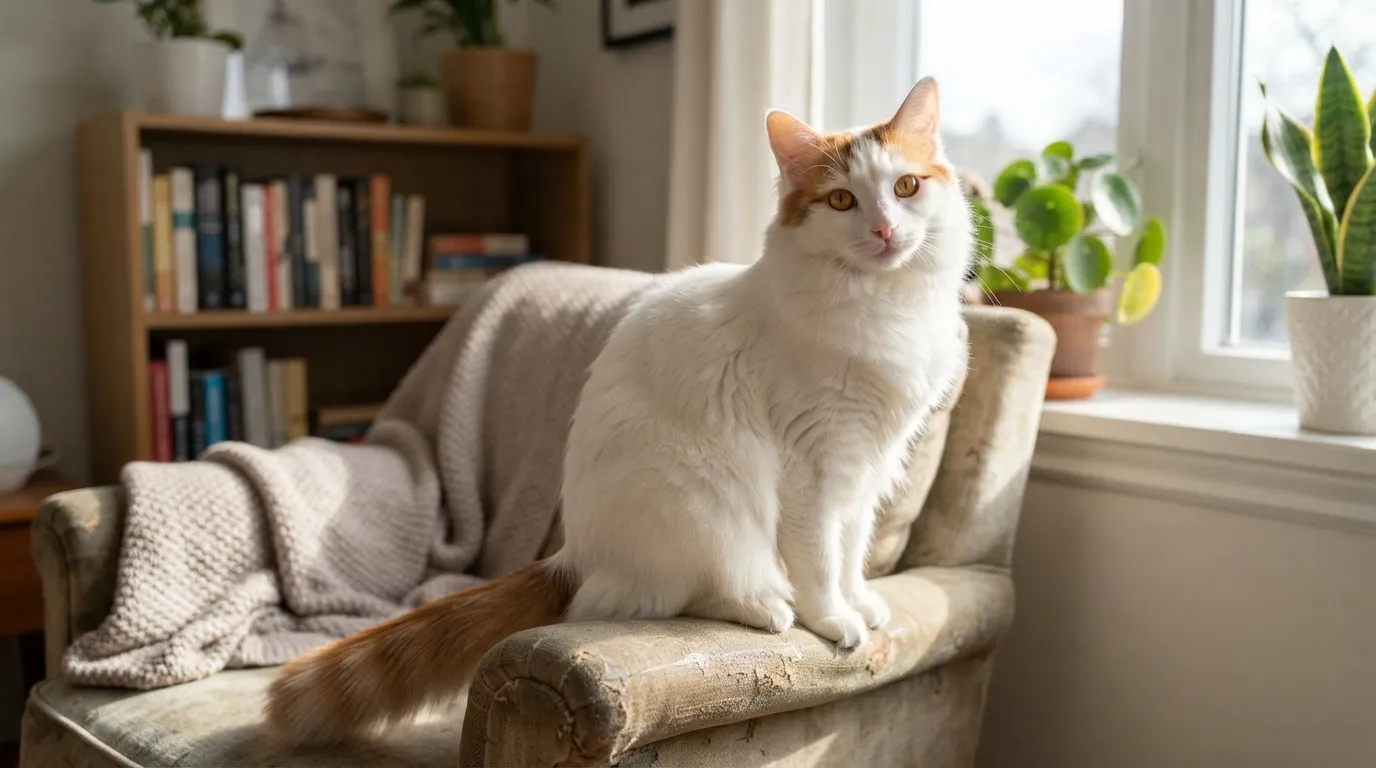
Researchers at the University of Helsinki analyzed data from roughly 5,726 cats to measure how much behavior comes down to breeding. Their conclusion: about half of behavioral differences between breeds are inherited, not learned.
At a Glance
- 5,726 cats surveyed across 19 breeds and breed groups
- 10 distinct behavior traits measured, from activity to aggression to shyness
- Heritability estimates ranged from 0.40 to 0.53 across seven core traits
- Turkish Van and Angora were so behaviorally distinct they formed their own cluster
This is the single most under-appreciated fact in cat ownership. Owners spend years blaming themselves, their home, or their other pets, when half the behavior was set before the kitten ever opened its eyes.
Environment still matters - it just isn't the whole story. Recognizing a cat's breed-specific wiring is often the fastest path to giving it the right kind of care.
And the final trait ties every single breed on this list together.
#1 - Every Cat Breed Demands to Be Understood on Its Own Terms
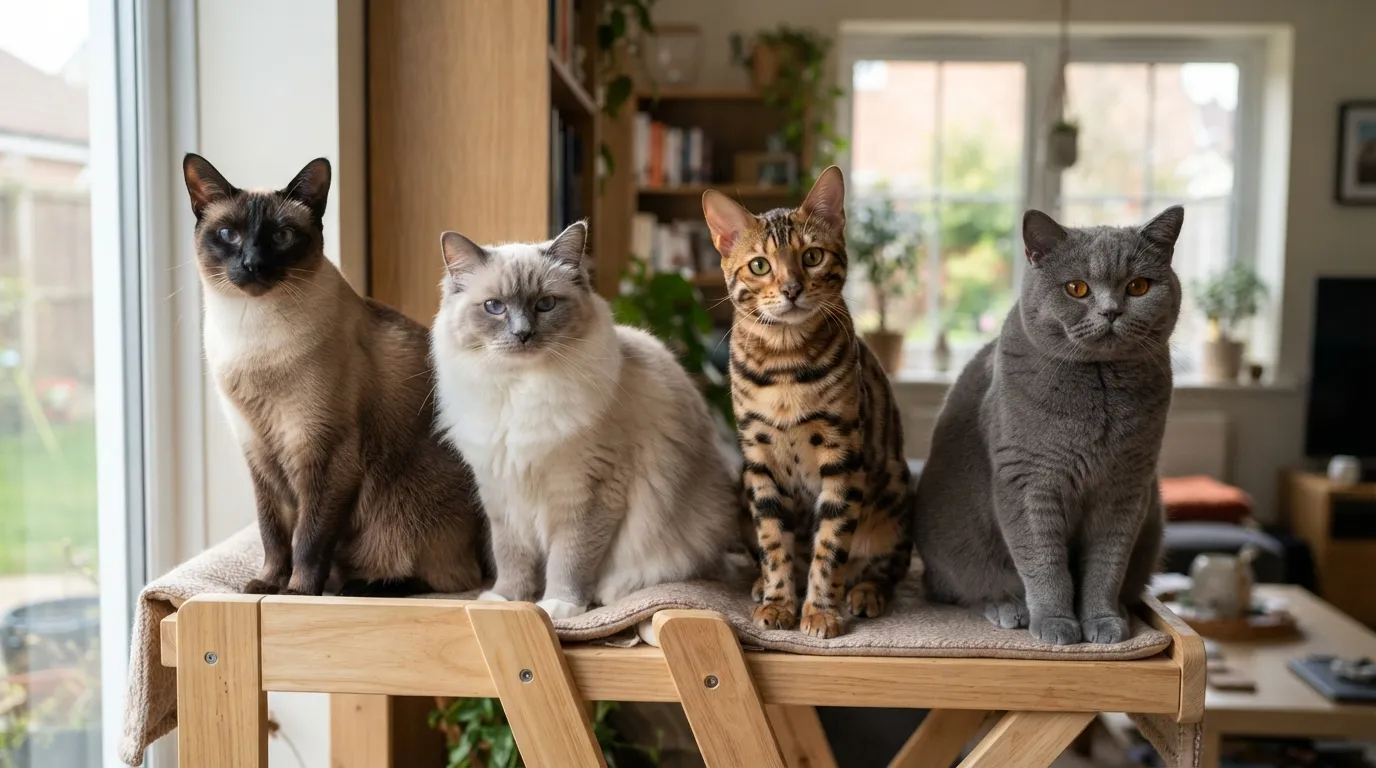
Cat temperament comes from both nature and nurture, and generations of selective breeding mean cats of the same breed tend to share real personality patterns. That's the whole premise behind this list.
The biggest mistake new owners make is treating all cats as interchangeable. A Siamese is not a Ragdoll, and a Bengal is not a British Shorthair.
Even within a breed, individual cats vary - a "friendly" label can be obvious in one and nearly invisible in another. The breed gives you the map; the cat gives you the territory, and you need both to actually get it right.
The Bottom Line
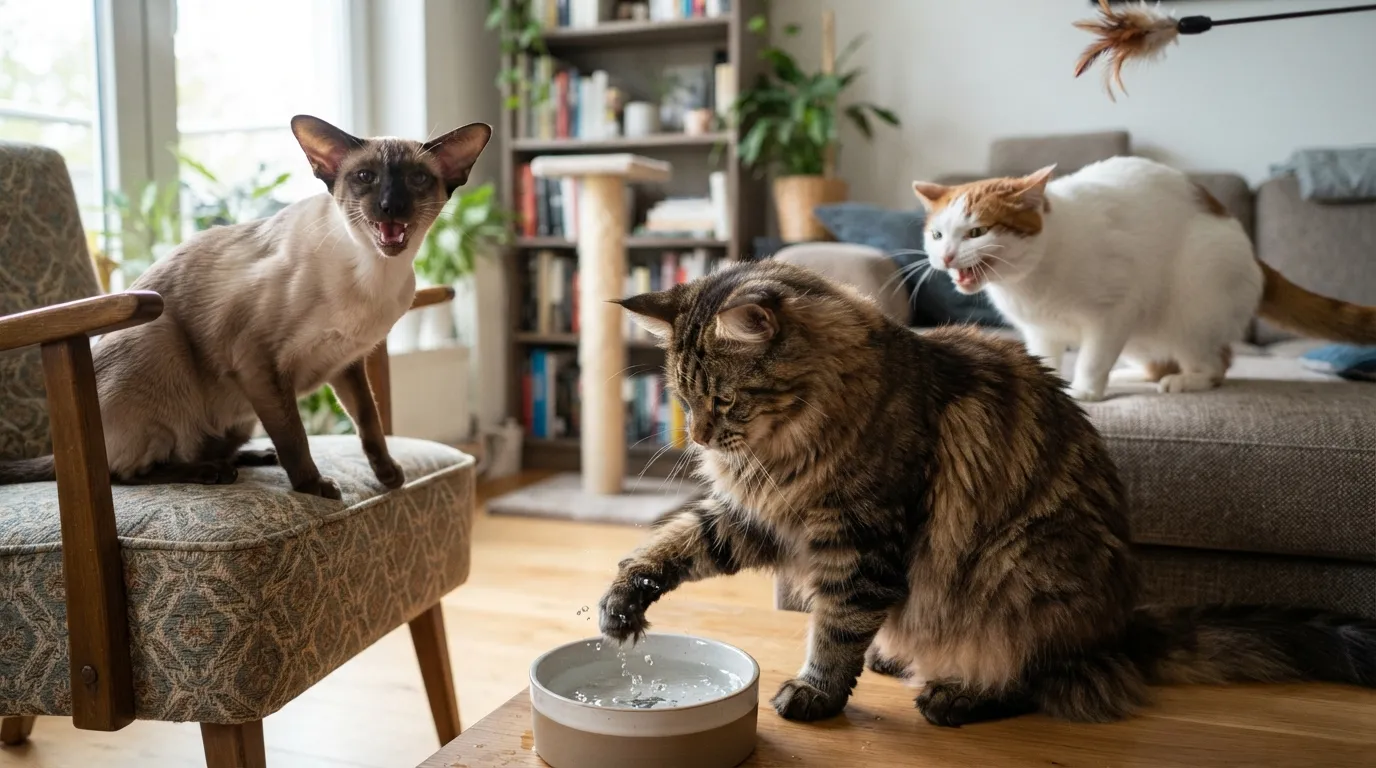
Science backs up what cat owners have quietly suspected for years: breed shapes behavior in ways that can't be trained away. From the Siamese's nonstop demands to the Turkish Van's documented aggression to the Maine Coon's oddly wet obsession, none of it is random.
The owners who thrive were never the ones who got lucky with a "good" cat. They're the ones who understood the breed before the cat ever walked through the door.