14 Breed Claims Breeders Quietly Admit They Overstated to Owners

You did the research. You read the breeder's website, asked the smart questions, and walked away feeling like you knew exactly what you were getting.
Here's the uncomfortable part: a massive genetic study on thousands of dogs just put that confidence under a microscope, and the results contradict almost everything breeders tell buyers standing in the driveway. Fourteen claims, real data, and the gap between them is bigger than most owners ever find out.
#14 - "This Breed Is Hypoallergenic"

The word "hypoallergenic" is one of the most profitable claims in the dog world - and one of the least accurate.
No dog is allergen-free. Skin, saliva, and urine all carry triggers, no matter how little hair ends up on your couch.
Roughly one in five people in Western countries reacts to dogs, and breeders spotted the opportunity fast. Low-shedding coats got rebranded as an allergy cure, and the label just stuck.
The real allergen is a protein called Can f 1, found in dander, saliva, and urine - every dog produces it, coat type or not. Fewer hairs on the floor doesn't mean fewer allergens in the air you're breathing.
But the hypoallergenic myth is just the warm-up. What breeders say about Doodles not shedding is worse.
#13 - "Doodles Don't Shed"

Labradoodles and Goldendoodles built a billion-dollar market on one sentence: they don't shed.
Breeders charge $3,000 to $5,000 partly on that promise. It's a coin flip they rarely mention out loud.
Coat outcome depends on which parent's genes win out in each individual puppy - a genetic lottery, not a guarantee. Some litters lean hard toward the shedding Golden or Labrador side.
Paying $4,000 for a dog specifically because it "won't shed," then finding fur on every surface a month later, is happening in thousands of homes right now. Breeders know the odds. Most just don't volunteer them.
What breeders say about personality, though, is where things get truly alarming.
#12 - "Breed Predicts Your Dog's Personality"
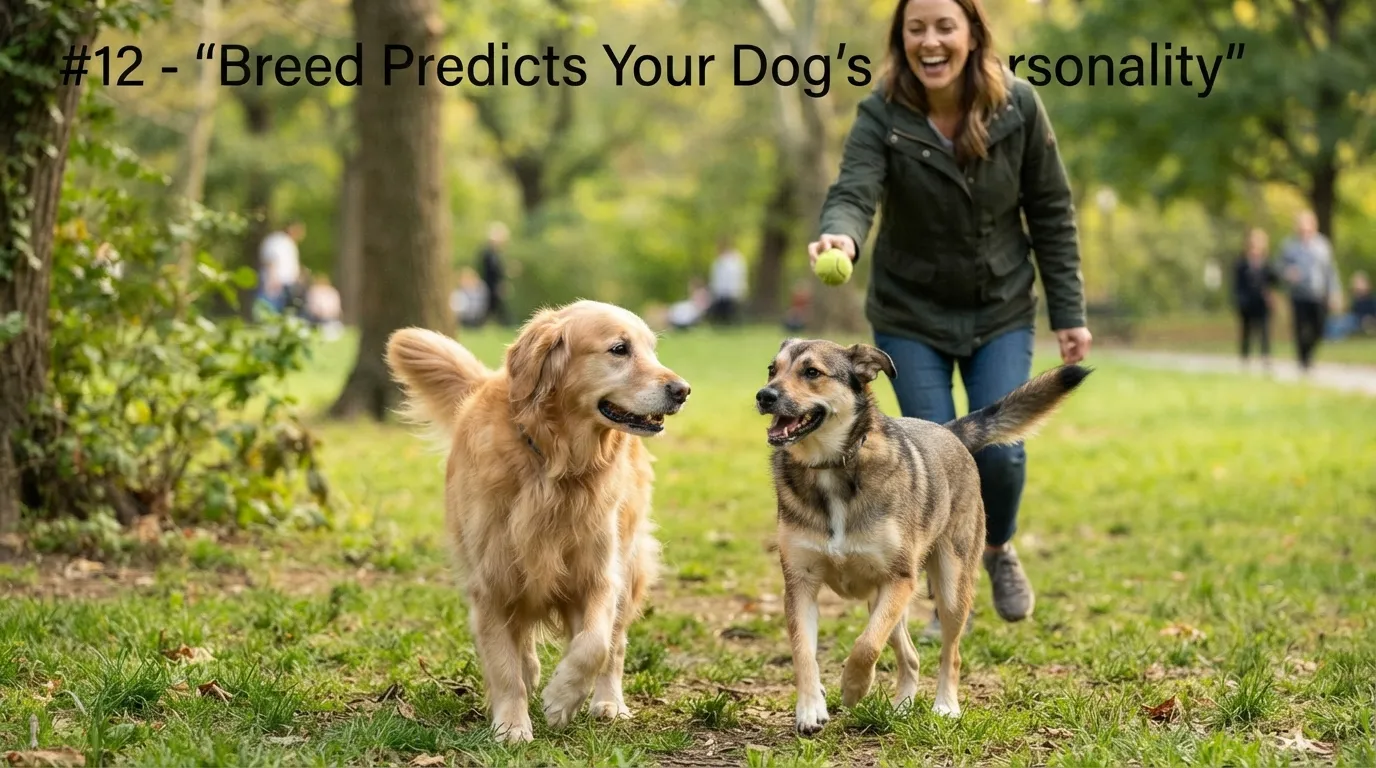
This is the big one - the entire case for buying a specific breed instead of adopting rests on this exact promise.
A landmark genomic study tracked DNA from over 2,000 dogs alongside survey answers from more than 18,000 dog owners. It was published in Science, one of the most rigorous journals on Earth.
The finding: breed explains only about 9% of the variation in an individual dog's behavior. The other 91% comes down to individual genetics, upbringing, and environment - none of which any breeder can promise you.
Fast Facts
- Study title: "Ancestry-inclusive dog genomics challenges popular breed stereotypes," published in Science, 2022.
- Researchers sequenced DNA from 2,155 dogs and surveyed 18,385 owners.
- Nearly half of the surveyed dogs were purebred, so mixed breeds weren't skewing the results.
- 78 different breeds were represented in the final analysis.
If breed barely predicts personality, the aggression claims breeders make are even more distorted. Here's what the data show next.
#11 - "This Breed Is Safe Around Kids - Guaranteed"
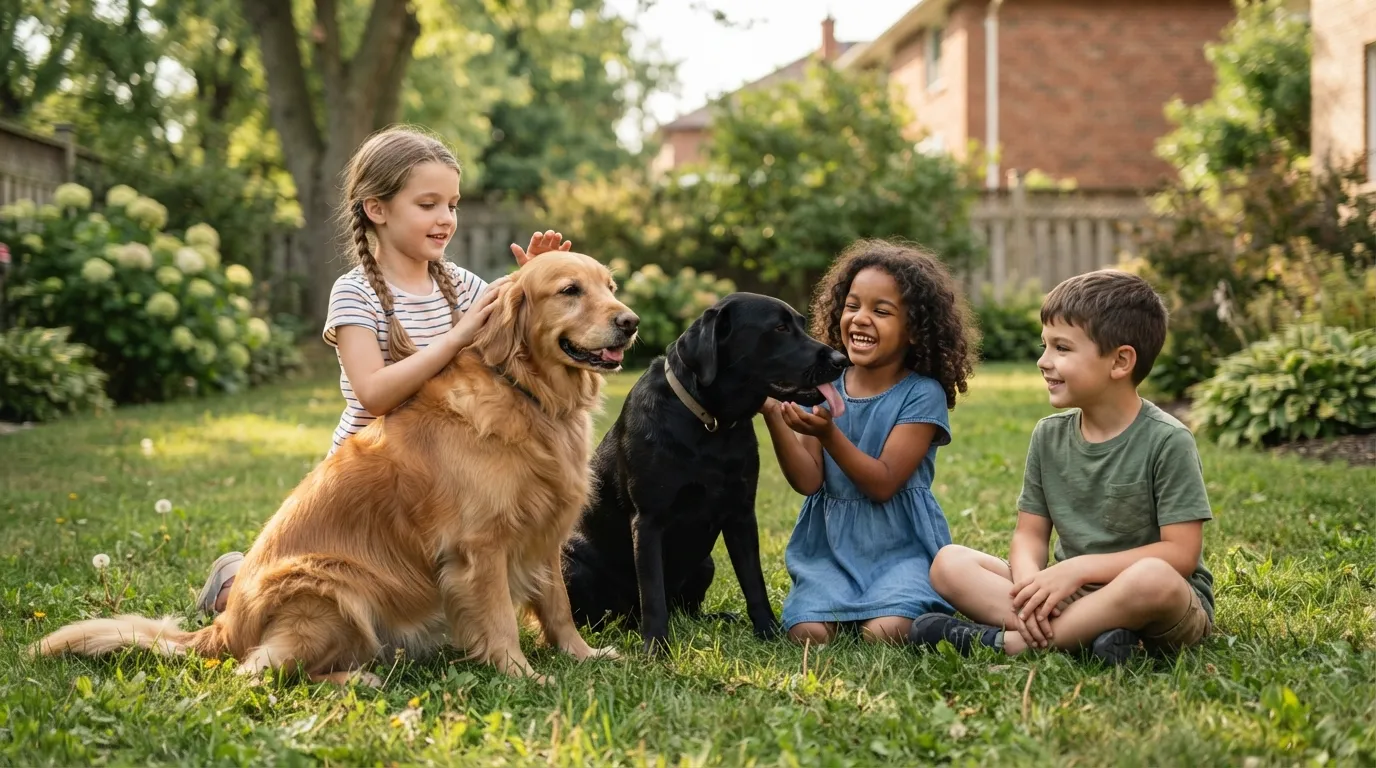
Breeders of Golden Retrievers, Labradors, and other "family breeds" sell kid-safety like a factory setting.
Researchers couldn't find a single behavior common to every dog of any one breed. Context and individual temperament matter far more than what's printed on the puppy papers.
Two Labrador puppies from the same litter can grow into adults with completely different temperaments around children. Variability inside a single breed can be wider than the variability between two totally different breeds.
What's being said about "aggressive" breeds is just as misleading - in the opposite direction.
#10 - "Certain Breeds Are Inherently Dangerous"
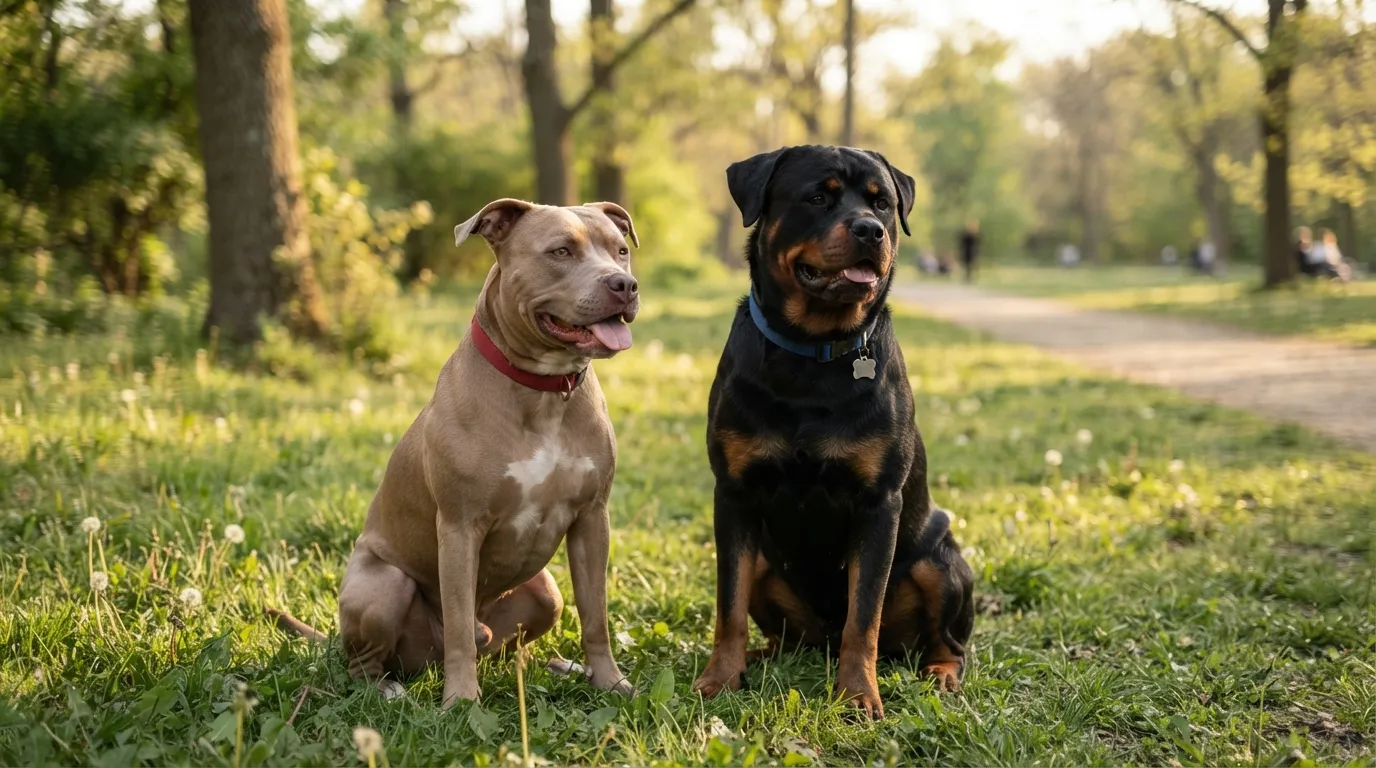
Breeders of Pit Bulls and Rottweilers often push back with an equally overstated claim: total safety, guaranteed by bloodline.
Researchers found no genetic evidence linking breed to how easily a dog gets provoked into aggression. So-called "dangerous" breeds actually showed lower aggression levels than several guarding breeds and mixed breeds in the data.
No breed is uniformly dangerous. No breed is uniformly safe. That's not an opinion - it's what the numbers say, on both sides of the debate.
Now let's talk about exercise needs, because slide #9 is a real wake-up call.
#9 - "This Breed Is Low-Energy, Perfect for Apartment Living"

Small dogs get marketed constantly as the ultimate low-effort apartment companion.
Many of these "apartment-friendly" breeds still need serious daily mental stimulation and exercise. Skip it, and the quiet couch dog you were promised turns destructive fast.
Under-exercised dogs don't just laze around - they chew, bark, dig, and spiral into anxiety. Owners who were sold a couch dog and got a demolition crew are a common sight at rescue intake desks.
The trainability claim is just as loaded. Slide #8 explains why.
#8 - "This Breed Trains Easily - Great for First-Time Owners"
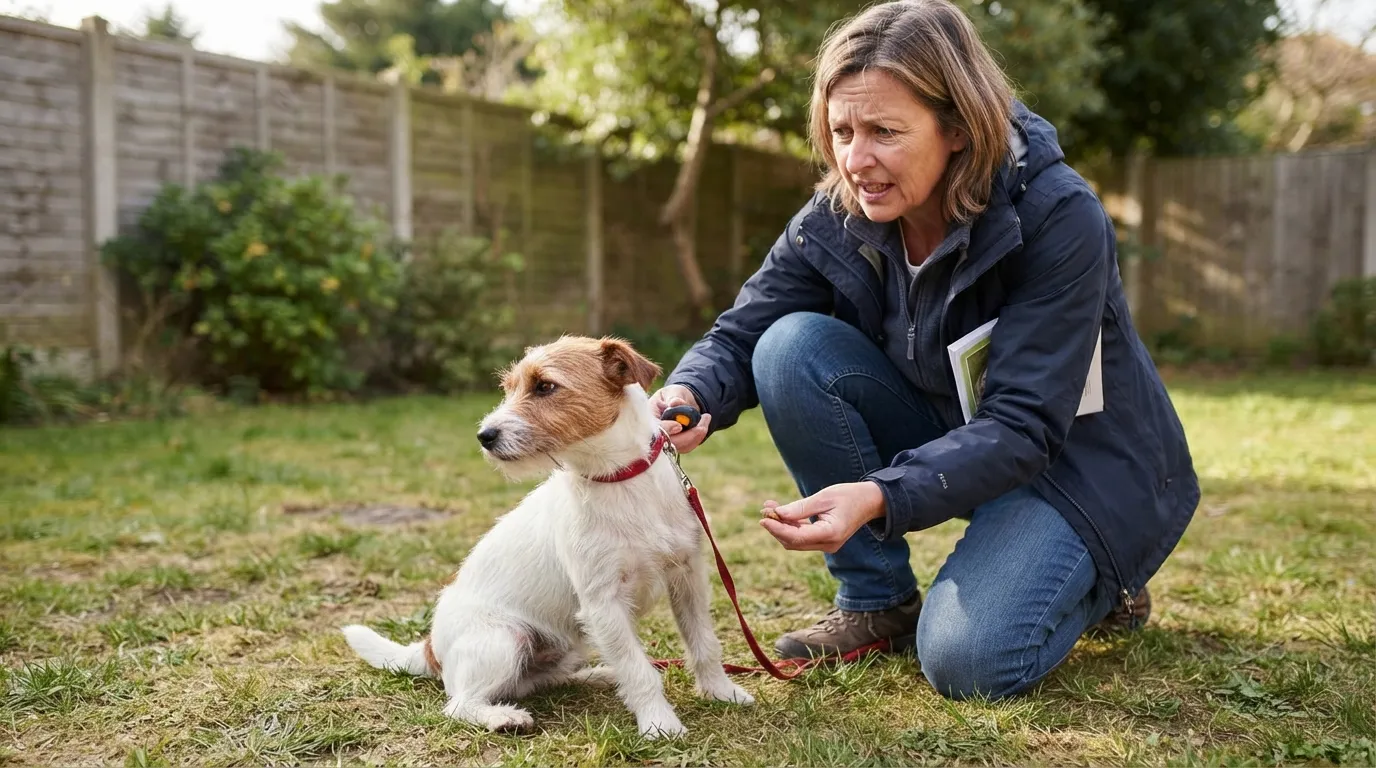
"Easy to train" might be the most abused phrase in a breeder's vocabulary.
It gets slapped onto breeds with well-documented stubborn streaks, often with zero caveats. Terriers are the textbook case - bred for independent problem-solving, sold as spirited-but-manageable.
A first-time owner who buys a "trainable" terrier expecting Labrador-level compliance is in for a shock. Trainable and obedient are not the same word, no matter what the listing says.
What breeders say about health guarantees is where things get genuinely dark.
#7 - "Our Dogs Come With a Health Guarantee"

A "health guarantee" sounds reassuring on paper. In practice, it's often the weakest form of consumer protection in the entire industry.
Some breeders skip health testing altogether, citing cost, then lean on the guarantee instead. But a clause that replaces your sick dog with another puppy isn't prevention - it's a loophole.
The emotional cost of watching a dog suffer through a preventable genetic condition, then being offered a "replacement," is something no contract can undo.
Worth Knowing
- Ask for OFA or PennHIP scoring on both parents, not just a general vet note.
- A real guarantee names specific conditions covered - vague wording is a red flag.
- Find out what happens to your money, not just whether you get a replacement puppy.
- Paperwork should arrive before your deposit, not after.
What breeders say about purebred bloodlines is next - and it's quietly one of the most important entries on this list.
#6 - "Purebreds Are Genetically Robust"
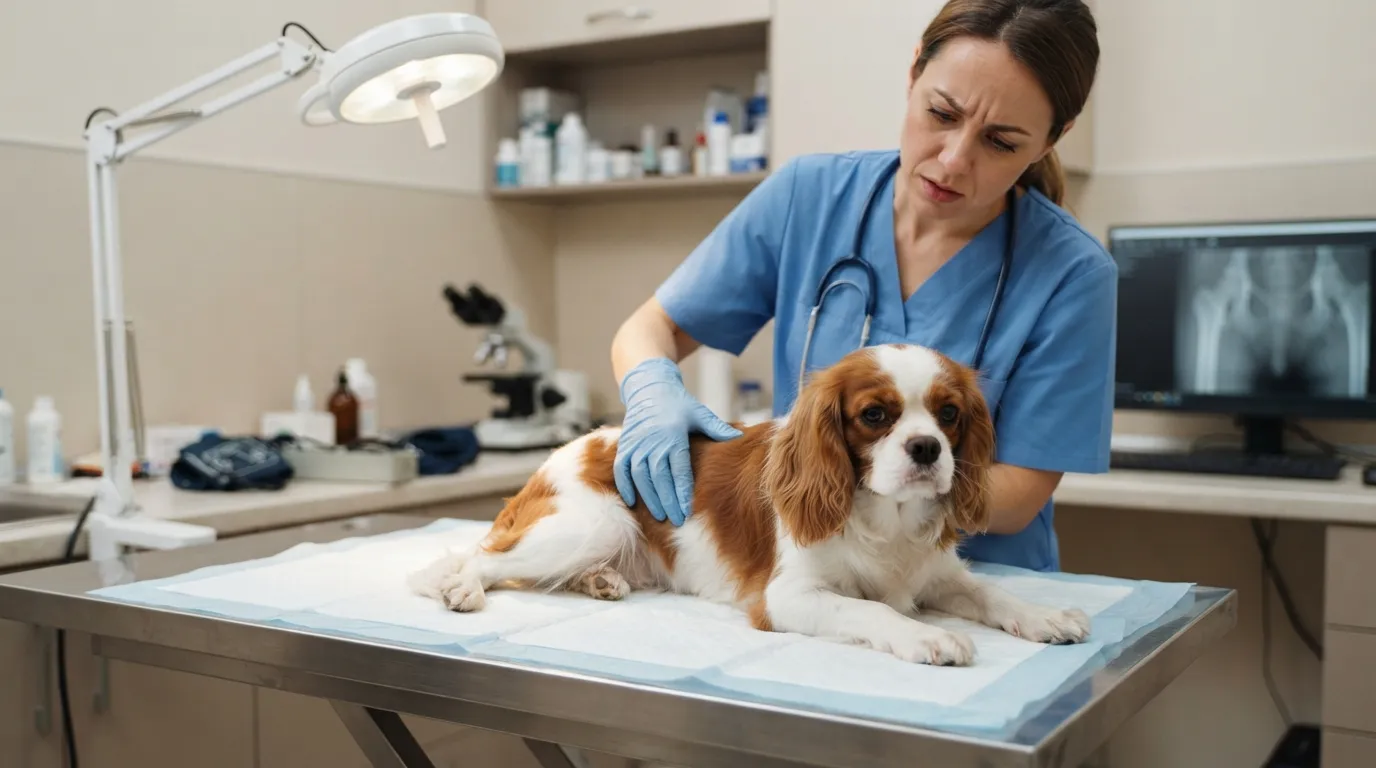
"Champion lineage" and "pure bloodlines" get pitched as proof of superior health.
Inbreeding drives painful, sometimes life-threatening defects in purebred dogs - hip dysplasia, blindness, deafness, heart disease, epilepsy. These aren't rare flukes; they're well-documented, breed-wide patterns.
A "champion lineage" can just mean a small, heavily inbred gene pool - not a badge of health. Show dogs often have outsized influence over an entire breed's genetics, for better and for worse.
Slide #5 covers flat-faced breeds, and it's genuinely alarming.
#5 - "Flat-Faced Breeds Are Just Fine With Normal Exercise"
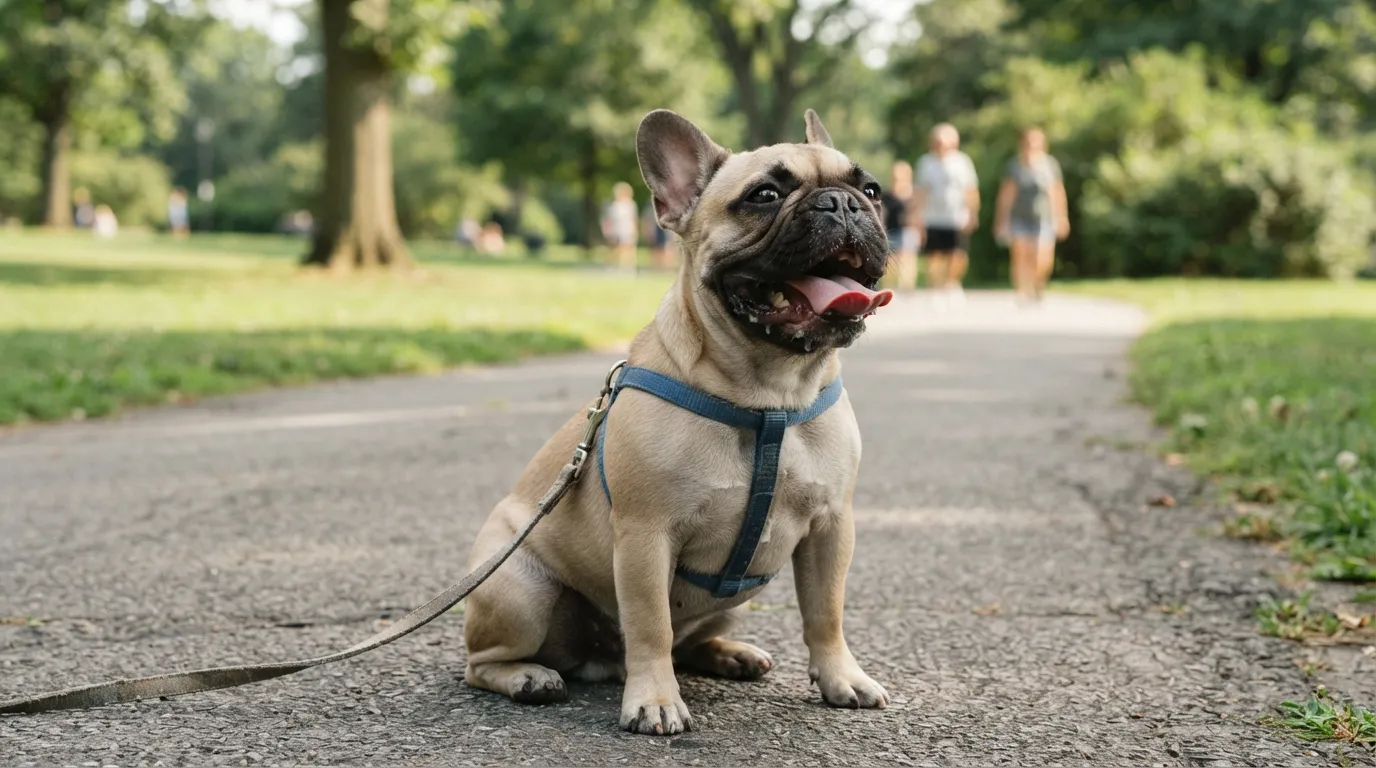
French Bulldogs, Pugs, and English Bulldogs are some of the most popular dogs on the planet. Breeders often gloss over what their flattened skulls actually cost them.
Dogs bred with pushed-in noses can struggle to breathe so badly that exercise itself becomes dangerous. That's not a quirk of the breed - it's a structural health crisis.
Owners frequently discover their "low-maintenance" Frenchie needs expensive airway surgery just to breathe comfortably lying down. Nobody mentioned that at pickup.
What breeders say about long-backed breeds is equally troubling.
#4 - "Dachshunds Are Sturdy Little Dogs"
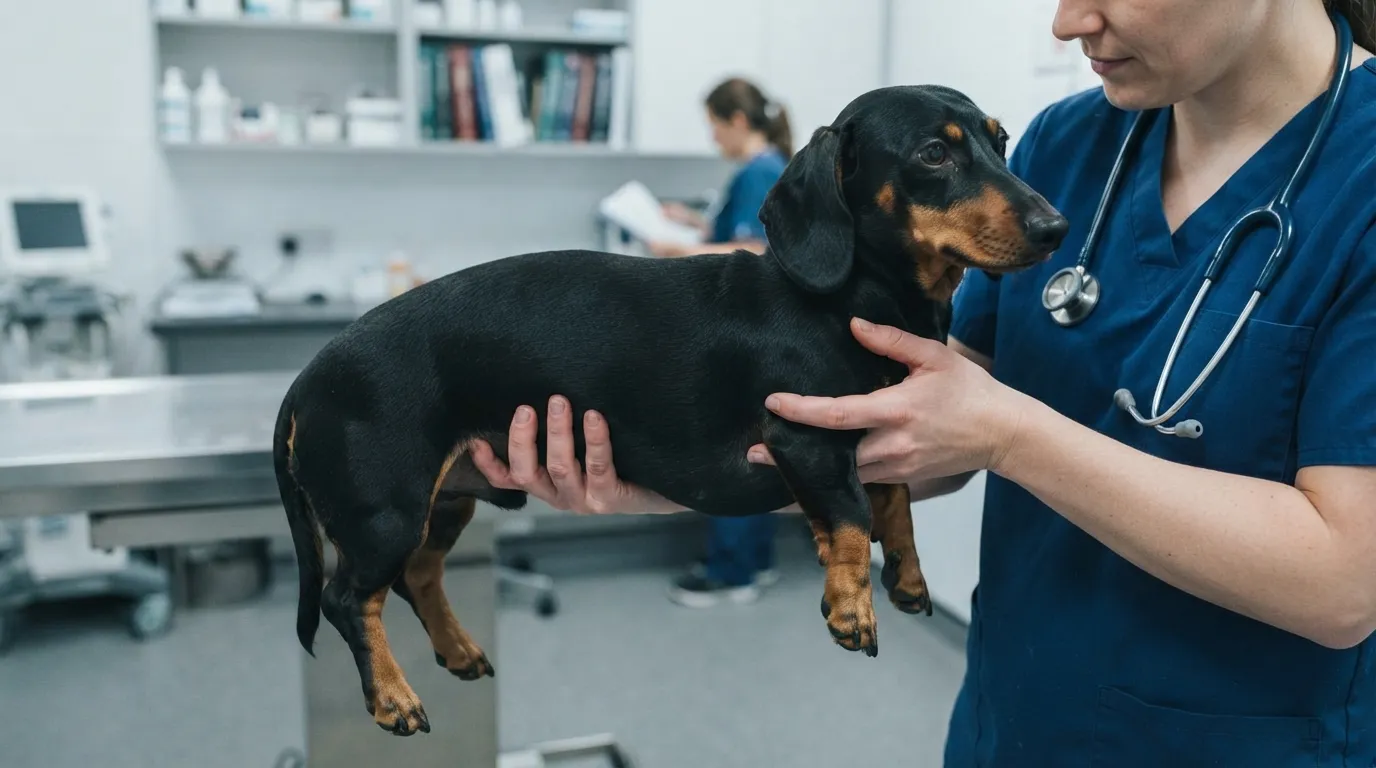
Dachshunds get marketed as bold, tough, endlessly fun little dogs. The "sturdy" framing conveniently skips what that iconic long body actually costs them.
Their elongated spine makes intervertebral disc disease so common that many vets treat it as an expected outcome, not a rare risk. Surgery, when needed, can run into the thousands.
At a Glance
- Dachshunds face a 10 to 12 times higher risk of disc disease than other breeds.
- An estimated 19% to 24% show clinical signs of the condition in their lifetime.
- Standard Smooth-Haired Dachshunds show some of the highest rates of any variety.
- Emergency disc surgery commonly runs into the thousands of dollars.
For a condition that affects a significant share of the breed, breeder silence isn't an accident. It's a choice.
The claim about cat breeds bonding "like a dog" is next, and it surprises people every time.
#3 - "This Cat Breed Will Bond to You Like a Dog"
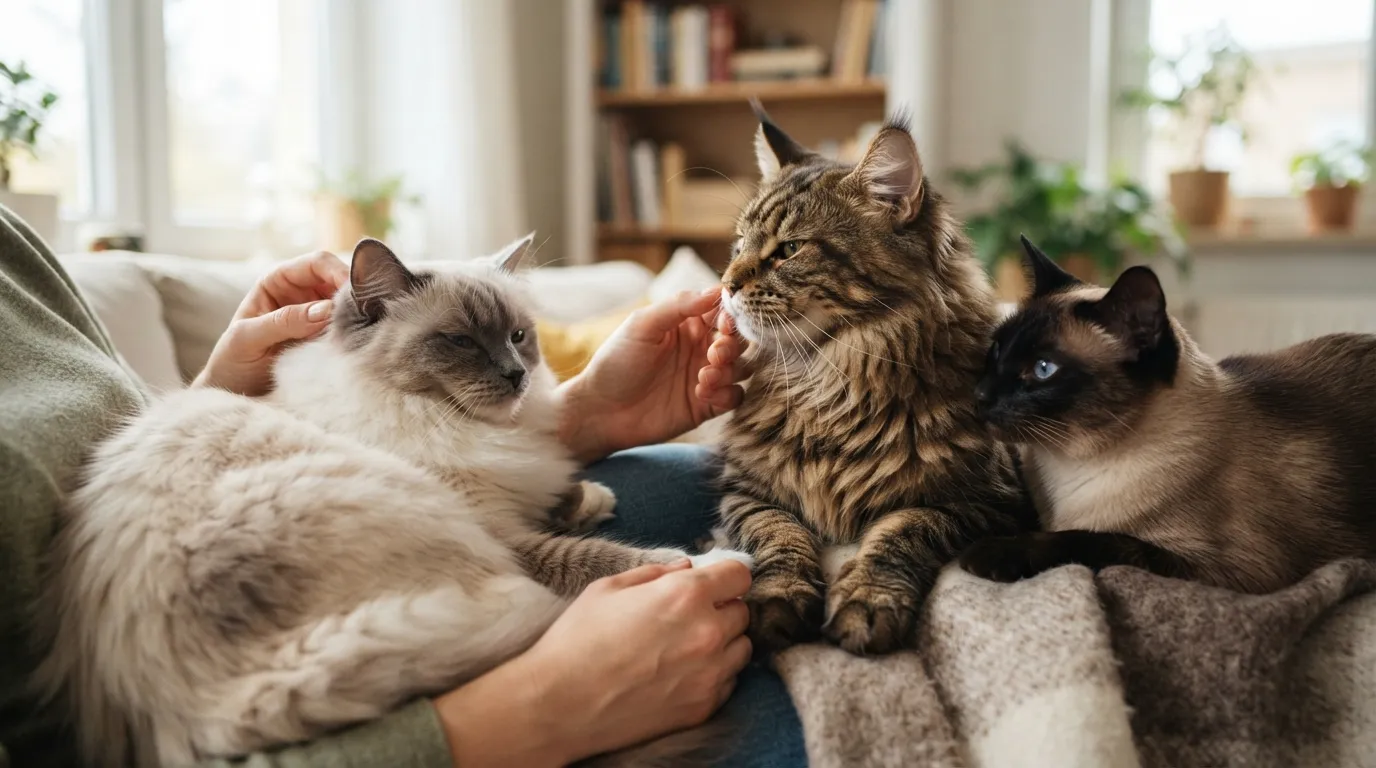
Ragdolls, Maine Coons, and Siamese cats get marketed as uniquely loyal and dog-like in their attachment. Buyers pay a premium expecting a guaranteed personality.
Well-raised kittens of any pedigree - or no pedigree at all - tend to grow into affectionate, social adults. Upbringing shapes that far more than breed does.
A cat's socialization window as a kitten, not its breed certificate, is the real driver of how bonded it becomes. A well-socialized shelter cat can be just as affectionate as a $2,000 pedigree kitten.
What happens when breed identity itself is overstated? That's slide #2.
#2 - "Your Dog Is 100% the Breed We Say It Is"
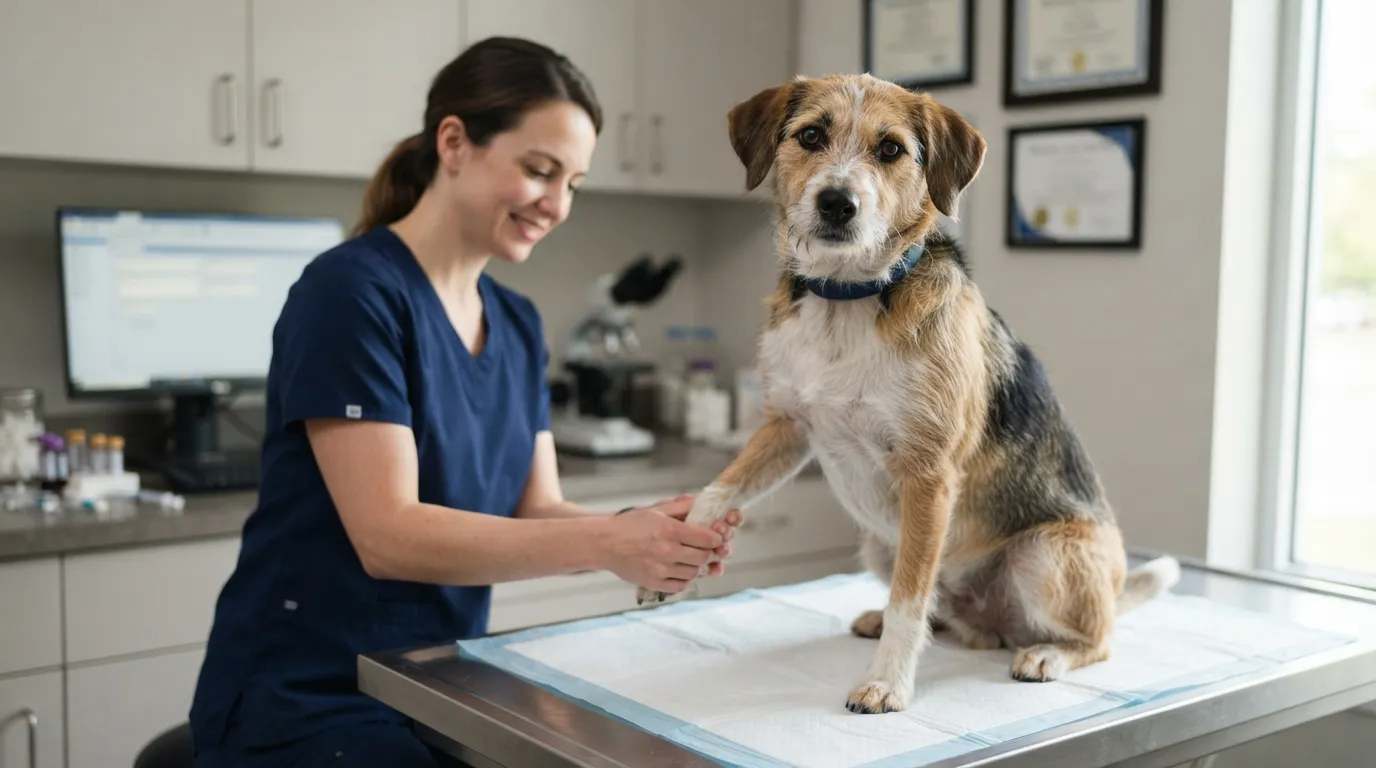
This one stings for buyers who paid purebred prices. Breeders aren't always lying outright, but the gap between claimed and confirmed breed identity is very real.
In one study, 923 dog professionals tried to identify breeds by sight using genetically tested dogs. Fewer than half could correctly name even one breed present in 14 of the 20 dogs.
If trained professionals can't reliably identify breed by looking at a dog, a breeder's confident verbal claim - without paperwork - deserves a lot less trust than most buyers give it.
That brings us to the most pervasive overstated claim of all.
#1 - "Breed Determines What Your Dog Will Be Like to Live With"

Every claim on this list flows from this one belief. That buying a specific breed guarantees a specific lived experience is the foundational myth of the entire purebred market.
The same massive genomic study confirmed it directly: a dog's breed does not reliably predict its behavior. Traits assigned to specific breeds actually show up, to some degree, in nearly all dogs.
The individual dog in front of you - its history, its socialization, its unique genetics - will shape your life together far more than any name on a certificate. That's the one thing breeders almost never put in writing.
The Bottom Line

The research is consistent: breed has far less to do with a dog's personality than the industry wants buyers to believe. An entire sales apparatus - from fake hypoallergenic labels to hollow health guarantees - depends on owners believing otherwise.
Quick Compare
- Claim: Breed guarantees personality. Reality: Breed explains about 9% of behavior.
- Claim: Hypoallergenic dogs exist. Reality: Every dog produces allergenic proteins.
- Claim: Purebred means healthy. Reality: Inbreeding raises risk for major inherited disease.
- Claim: A health guarantee protects you. Reality: Most only guarantee a replacement puppy.
Before you hand over a deposit, ask for genetic health testing on both parents, not just promises. Paperwork on DNA matters more than anything said on the porch.
The dog who matches everything on your list might already be sitting in a shelter a few miles from your house, waiting on a leash instead of a pedigree.