7 Fascinating Reasons Cats Can Walk Across Narrow Surfaces Without Losing Their Balance
#1 A Spine Built Like a Suspension Bridge
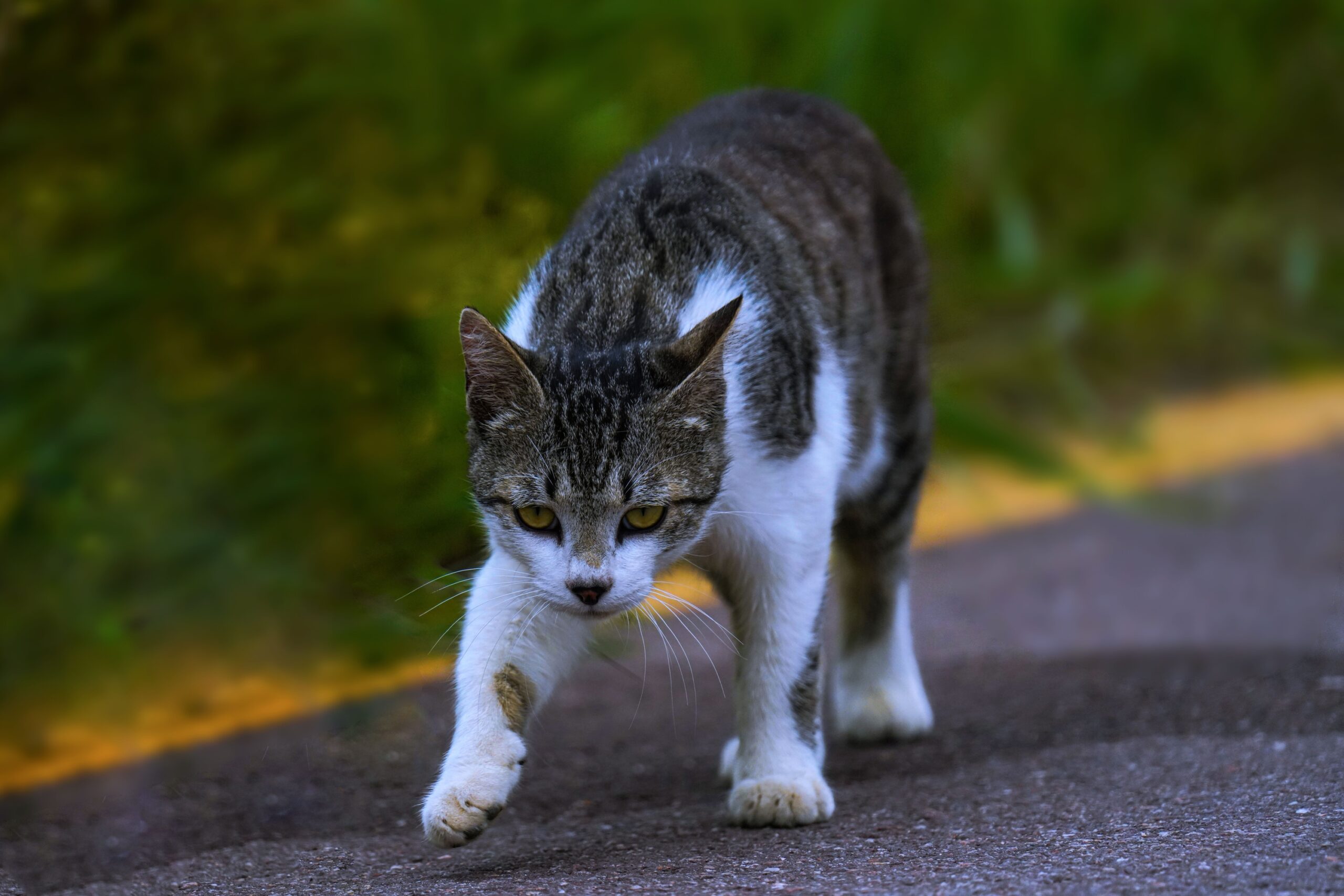
A cat's spine isn't rigid the way a human's is. It contains dozens more vertebrae relative to body size, connected by elastic discs and supported by muscles that allow an extraordinary range of flexion and rotation. This flexibility means a cat's body can bend, twist, and arch mid-stride to compensate for uneven footing, almost like a suspension bridge absorbing shifts in weight without collapsing.
That spinal freedom also lets the front and back halves of the body move somewhat independently. If the front paws land slightly off center on a narrow rail, the spine can adjust the rear half's trajectory to correct the imbalance before it becomes a real problem. It's a built-in shock absorber and steering mechanism rolled into one, and it's a big part of why cats look so fluid even when the surface beneath them is barely wider than their paw.
#2 The Inner Ear Acts as a Built-In Level
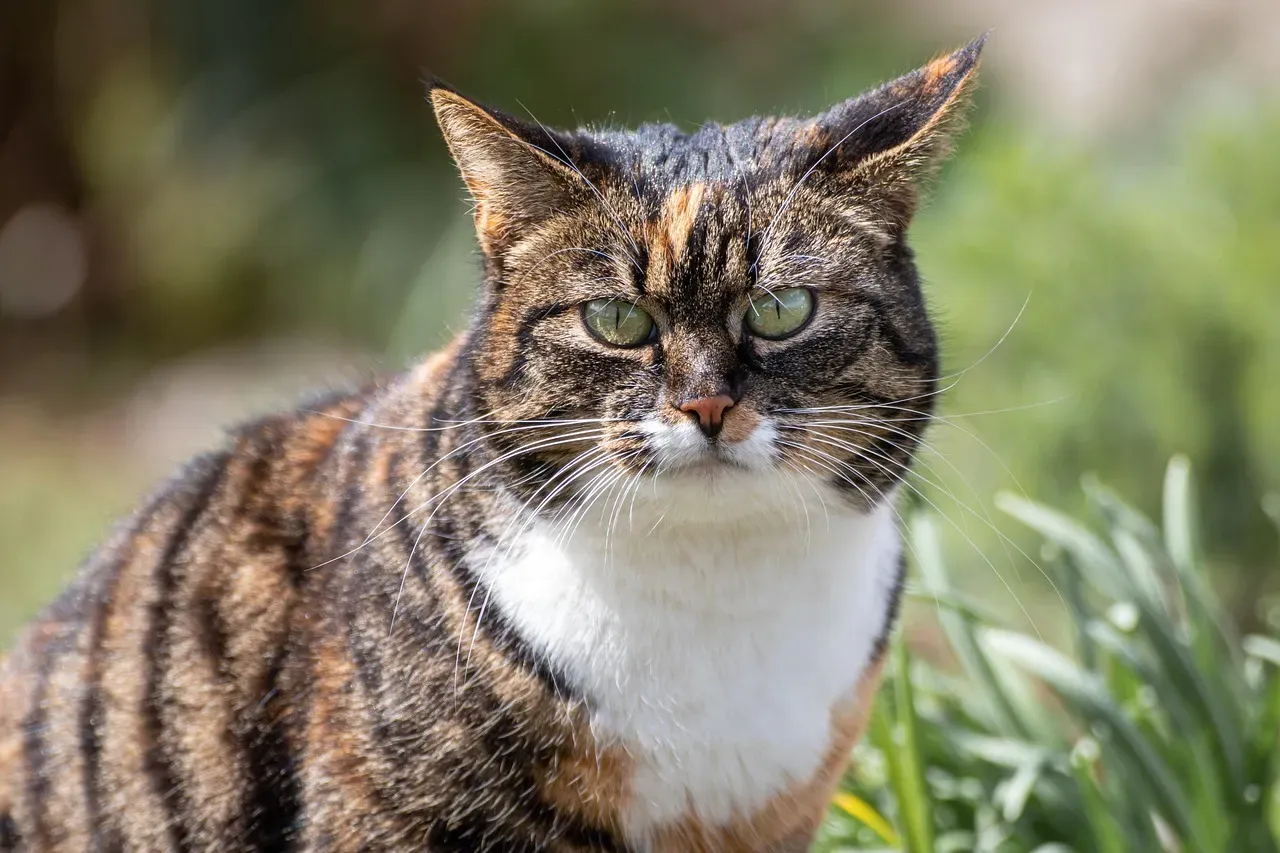
Deep inside a cat's skull sits the vestibular system, a set of fluid-filled canals that constantly track the position of the head relative to gravity. This system feeds real-time information to the brain about tilt, rotation, and acceleration, letting a cat know instantly if its head has drifted even slightly off level. Because the head typically stays the most stable, steady point during movement, this constant feedback loop gives the rest of the body a reliable reference to align against.
This is also the reason a falling cat can right itself midair, a reflex often called the righting reflex. The vestibular system detects the disorientation and triggers a rapid sequence of spinal and muscular adjustments that rotate the body toward a feet down position. On a narrow surface, that same sensory system is working quietly in the background, making micro corrections long before a human observer would notice anything was ever off balance.
#3 A Long, Muscular Tail Functions Like a Counterweight
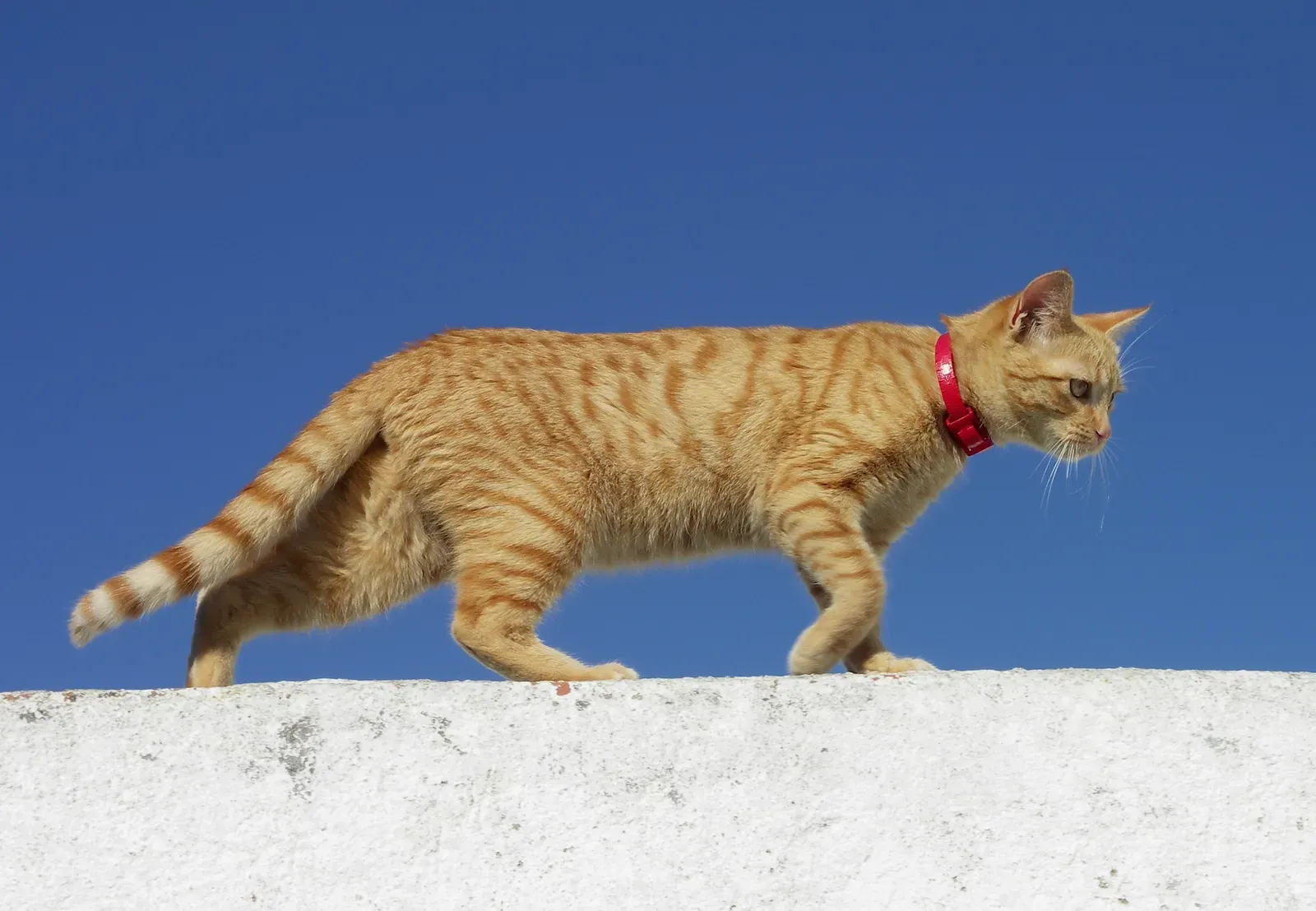
A cat's tail isn't just decorative or a mood indicator. It's a highly mobile extension of the spine, packed with muscle and capable of shifting weight from side to side in fractions of a second. When a cat's body leans one direction while walking a narrow ledge, the tail often swings the opposite way, acting as a counterbalance that keeps the overall center of mass hovering right where it needs to be.
This counterweight effect becomes especially obvious when cats navigate tricky turns or sudden directional changes on elevated surfaces. The tail moves almost independently of everything else, constantly adjusting in real time as the body shifts. It's not unlike a tightrope walker's pole, except this one is alive, flexible, and permanently attached, ready to react the instant a shift in balance is detected.
#4 Paw Pads and Retractable Claws Provide Precision Grip
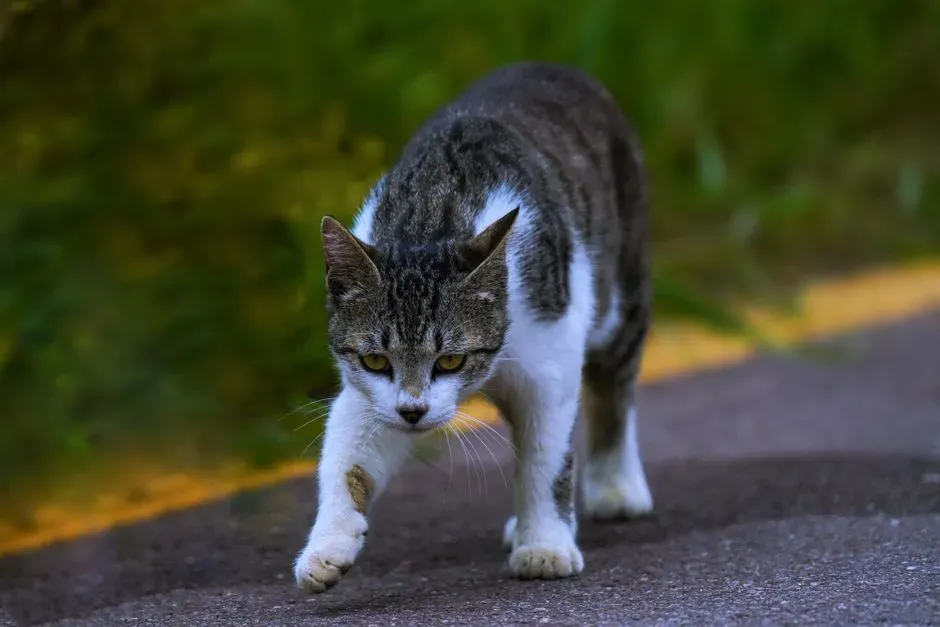
The soft pads on a cat's paws aren't just for quiet footsteps. They're sensitive, cushioned surfaces that mold slightly to whatever they touch, increasing surface contact and providing subtle feedback about texture, angle, and stability. This tactile information is sent straight to the brain, allowing split second adjustments in foot placement before weight is fully committed to a step.
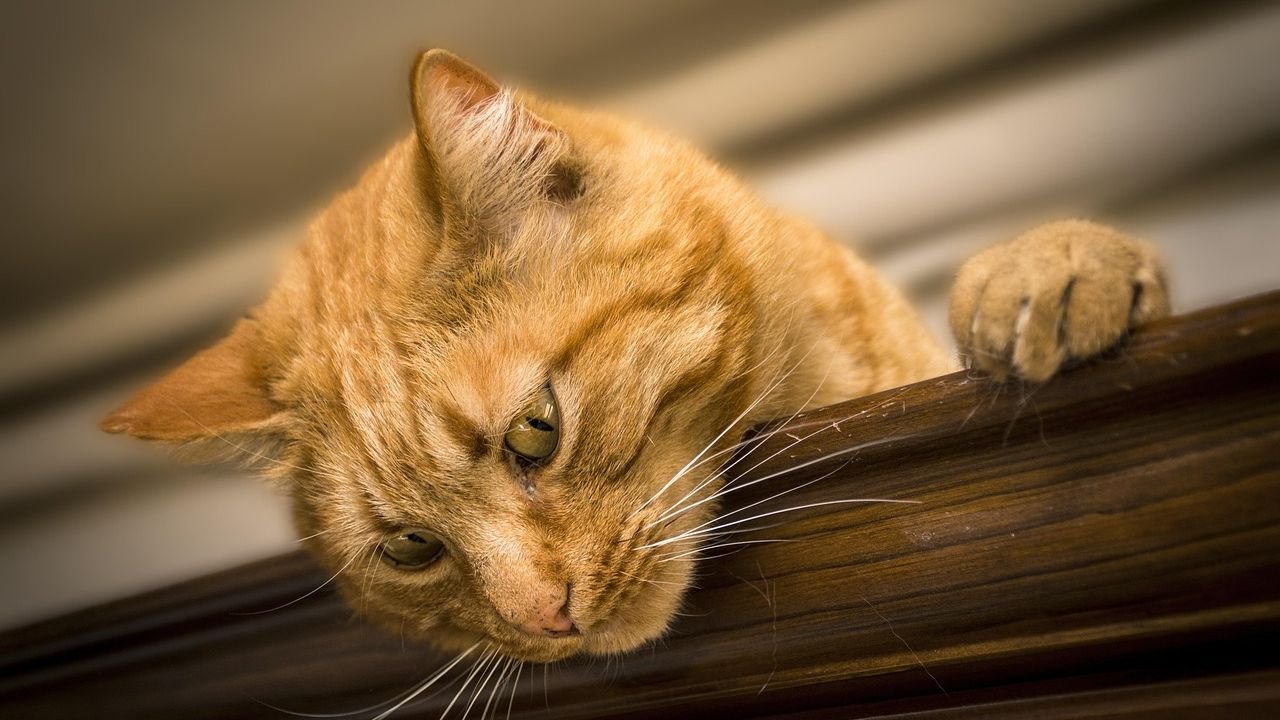
Claws add another layer of control. Cats can extend them selectively for extra grip on rough or uneven surfaces, then retract them again for smoother movement, all without conscious thought. Combined with pads that sense the smallest variations underfoot, this gives cats a level of tactile precision that most other four legged animals simply don't have.
#5 A Narrow, Symmetrical Gait Keeps the Body Aligned
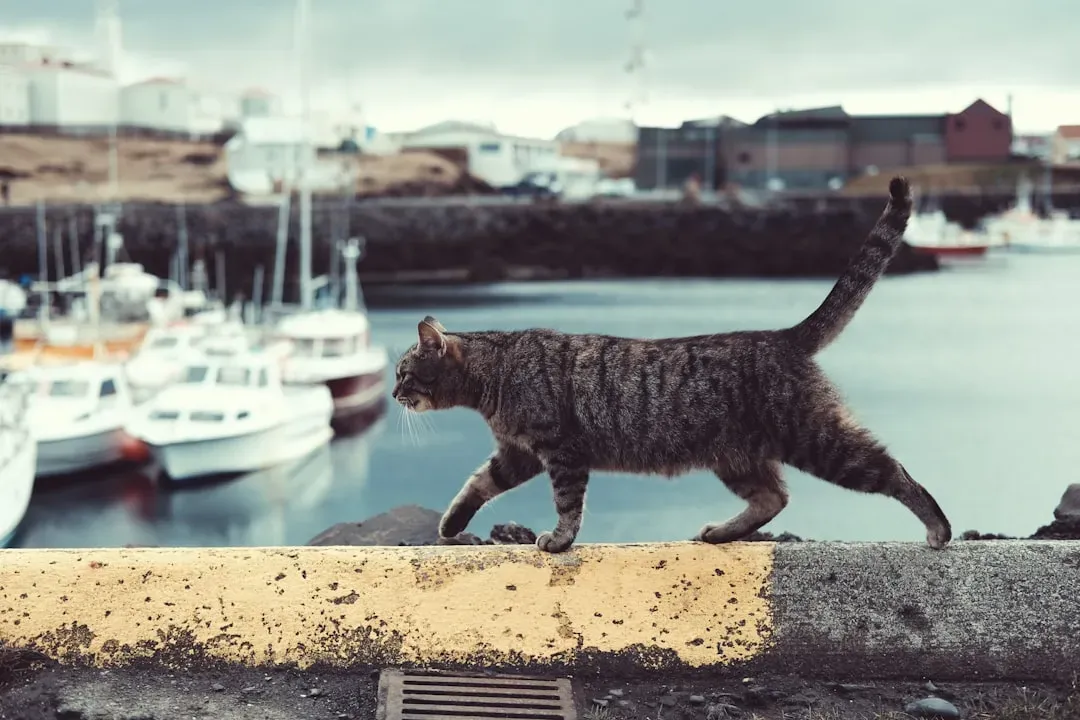
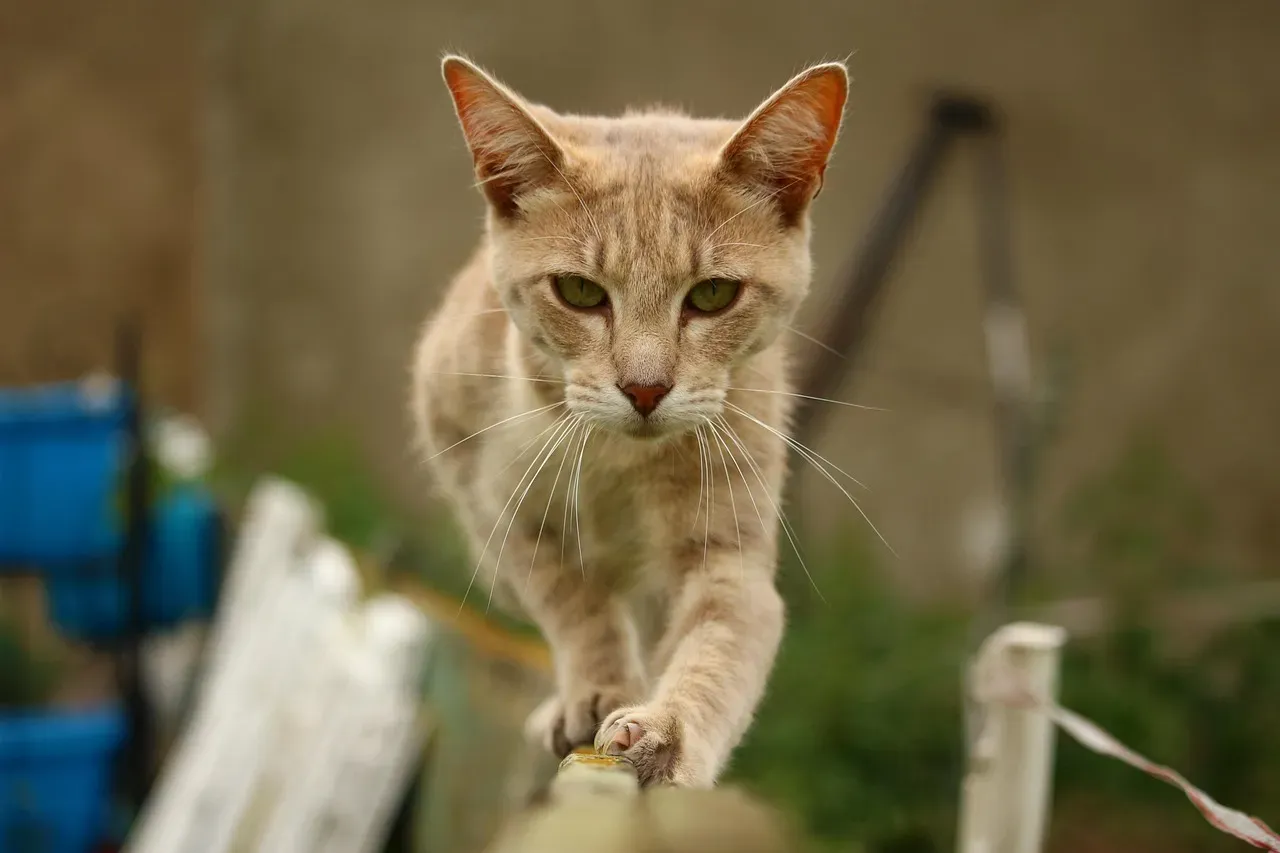
Cats don't walk the way many other animals do, placing their paws widely apart for a stable base. Instead, they use what's often called a direct register gait, where the back paws land almost exactly where the front paws just were. This narrow, single line stepping pattern keeps the entire body aligned along one central axis, which is exactly what's needed when the available surface is only an inch or two wide.
This gait isn't something cats have to think about. It's built into their natural movement pattern, whether they're crossing open ground or a fence top. Because the paws already fall close to the body's centerline, cats don't need to make dramatic adjustments when the walking surface narrows dramatically, they're essentially already walking as if it had.
#6 Lightweight, Flexible Shoulders Allow for Constant Micro Adjustments
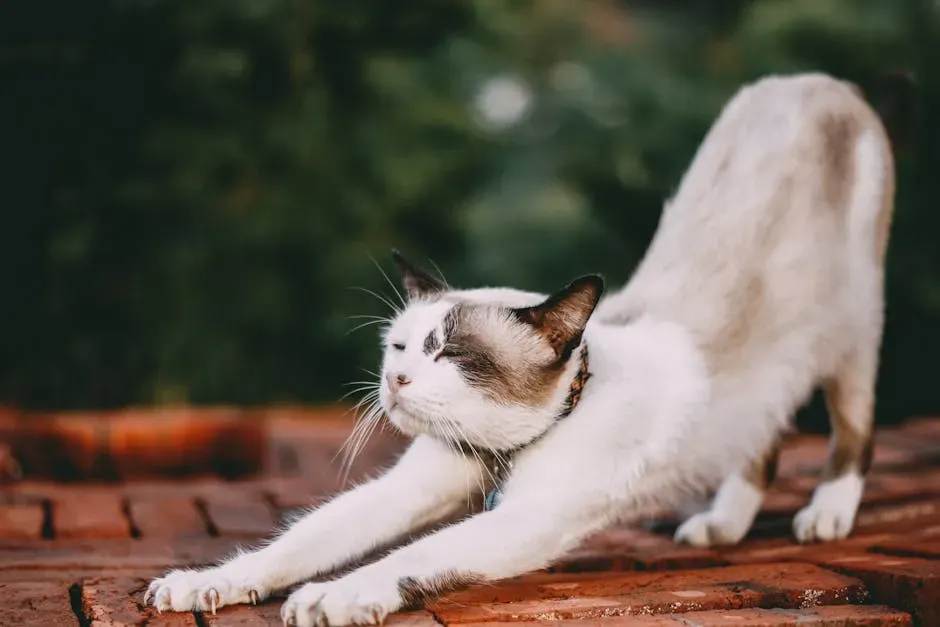
Unlike many mammals, a cat's shoulder blades aren't rigidly attached to the collarbone. Their collarbone is small, floating, and embedded in muscle rather than connected directly to the rest of the skeleton. This unusual structure allows the front legs an unusually wide range of motion and rotation, letting the shoulders shift and adjust independently as the body moves.
This flexibility matters enormously on narrow surfaces, where even small shifts in footing require instant compensation. A rigid shoulder structure would transmit every wobble straight through the body, but a cat's loosely connected shoulders can absorb and redirect that instability before it spreads. It's a subtle structural advantage, one most people never think about, but it plays a real role in that seemingly effortless balance.
#7 A Low Center of Gravity and Compact Body Structure
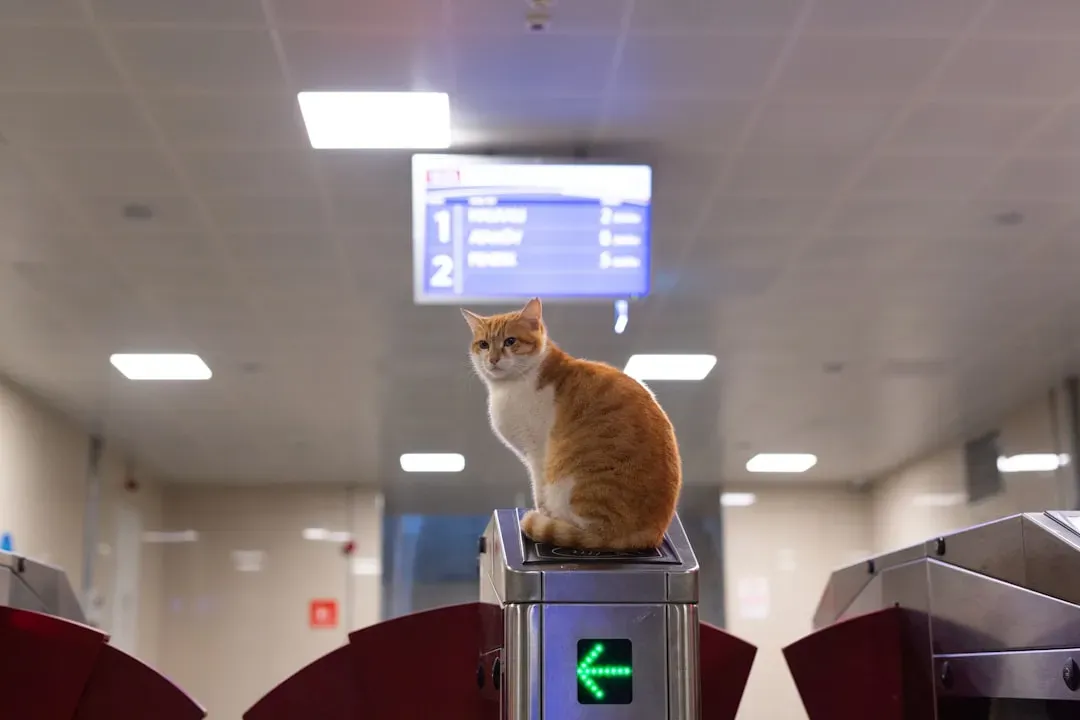
Compared to many other animals, cats carry their body weight relatively low and close to the ground, especially when moving carefully or cautiously. This lower center of gravity naturally makes balance easier to maintain, since there's simply less height and mass that needs to be kept in equilibrium. Combined with a compact, muscular frame, this gives cats a stable foundation before any of their other balancing tools even come into play.
This structural advantage becomes especially clear when comparing cats to taller, leggier animals attempting similar feats. A cat's proportions are almost purpose built for narrow, elevated movement, short relative to length, low relative to width. It's a quiet, structural head start that works alongside the spine, tail, and paws to create that final, seamless display of balance.
Why This Should Change How We See Everyday Cat Behavior