The Most Popular Cat Breeds in New York
If you live , you already know this city runs on caffeine, subway delays, and cats sunbathing in apartment windows. Behind those windows is a surprisingly consistent pattern: a handful of breeds keep showing up in adoption records, breeder listings, and pet surveys across the state, especially City. When you look past the memes and the bodega legends, you find a very real story about which cats actually thrive in this concrete jungle.
Most New Yorkers do not have sprawling backyards, predictable work hours, or endless quiet. You probably do not either. So the cats that become popular here tend to be adaptable, relatively low‑maintenance, and happy with vertical space instead of square footage. As you explore these breeds, imagine them in your own place – on your fire escape, on your radiator, or sprawled across your laptop during yet another late‑night email.
Russian Blue: New York’s Quiet Favorite
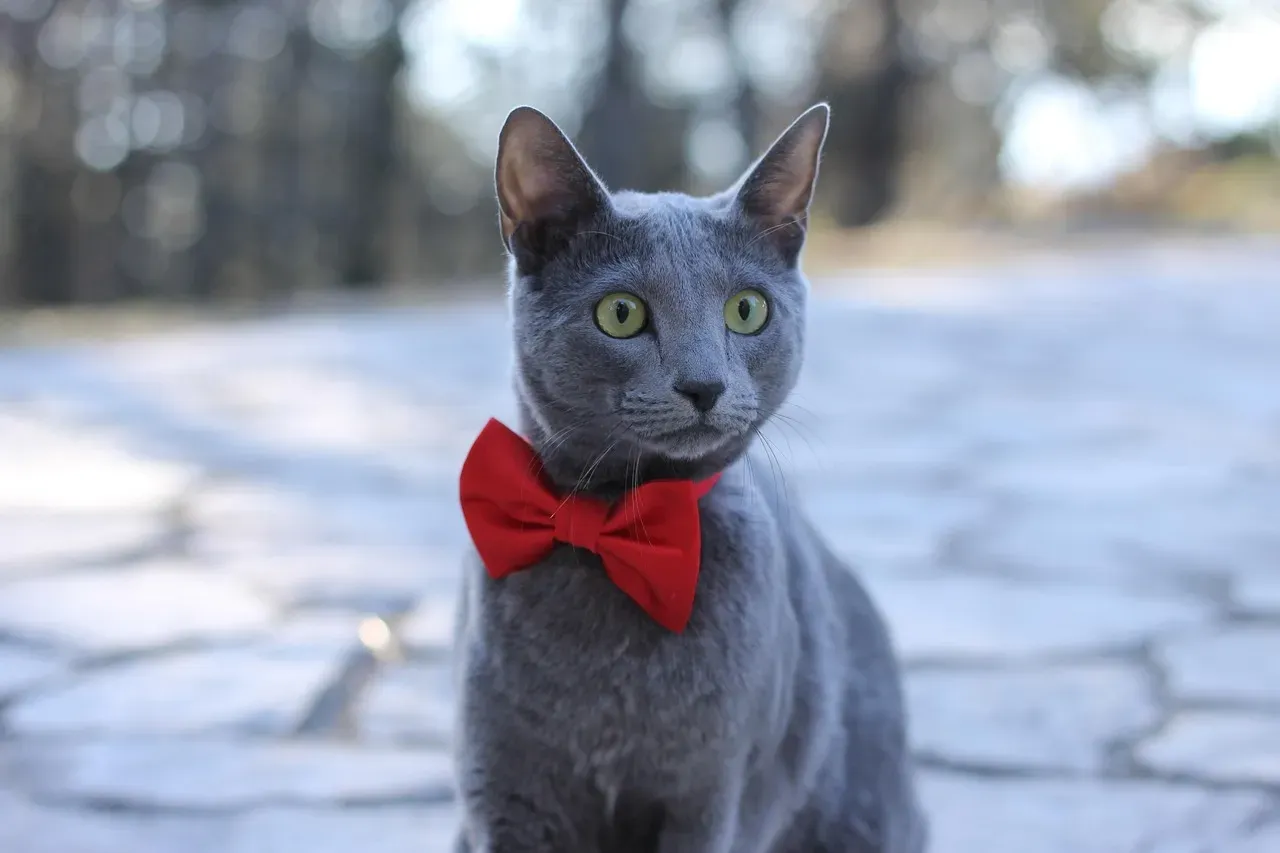
You might not expect it, but when you look at recent state‑level data, the Russian Blue comes out as the single most popular cat breed . This makes sense the moment you picture one in a city apartment: a sleek, silver‑blue coat, calm expression, and a personality that is affectionate without being clingy. You get a companion that is deeply loyal to you, but not the type that screams at the door every time you grab your keys. ([dogster.com](https://www.dogster.com/statistics/pet-ownership-statistics-in-new-york/?utm_source=openai))
If you live in a walk‑up or a small studio, you will probably appreciate how well a Russian Blue handles indoor life. Their dense, short coat sheds less than many long‑haired breeds, which is a real gift if you are already battling dust, city grime, and a tiny washer‑dryer situation. Many people with mild allergies find this breed easier to live with than others, and that alone has helped push their popularity across New York, where old buildings and closed windows in winter can amplify allergy issues. ([dogster.com](https://www.dogster.com/statistics/pet-ownership-statistics-in-new-york/?utm_source=openai))
Maine Coon: The Gentle Giant That Owns Your Sofa
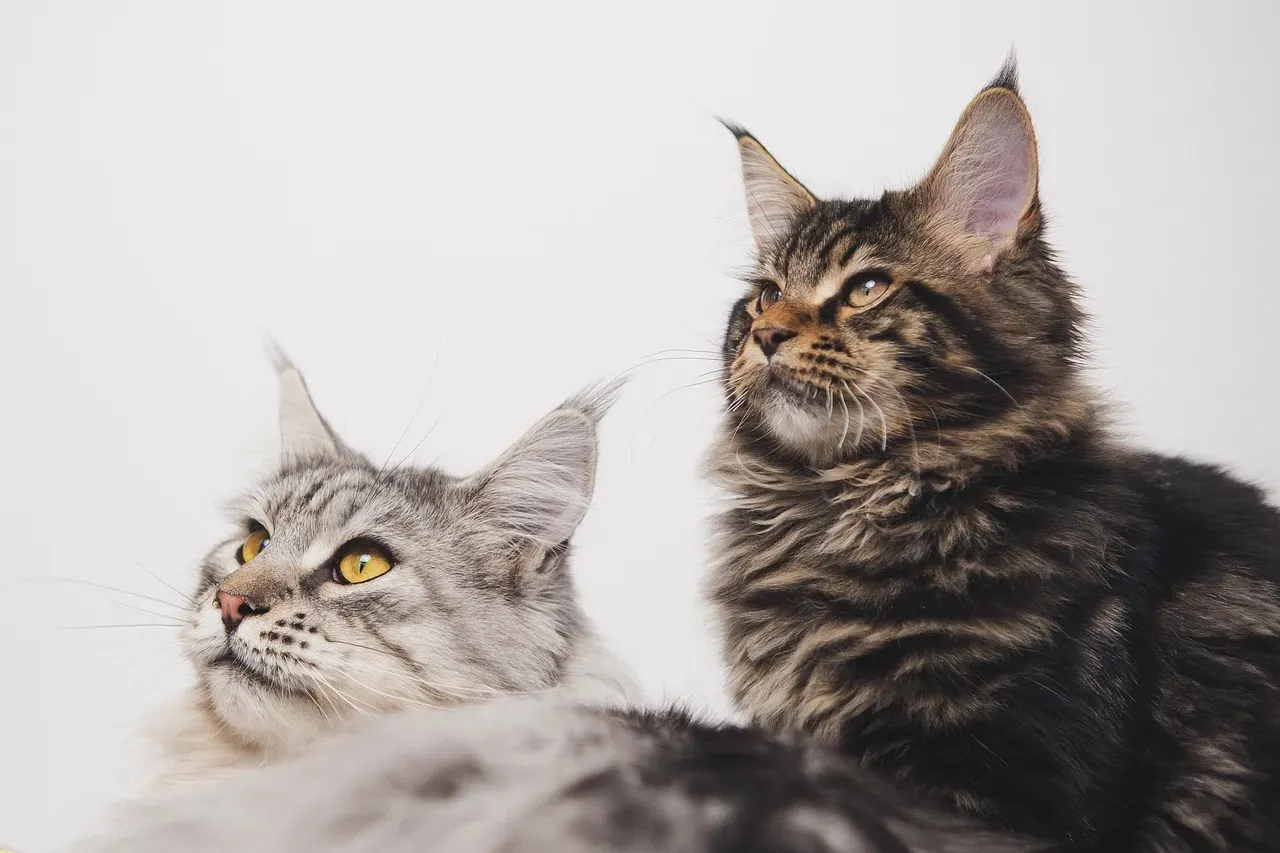
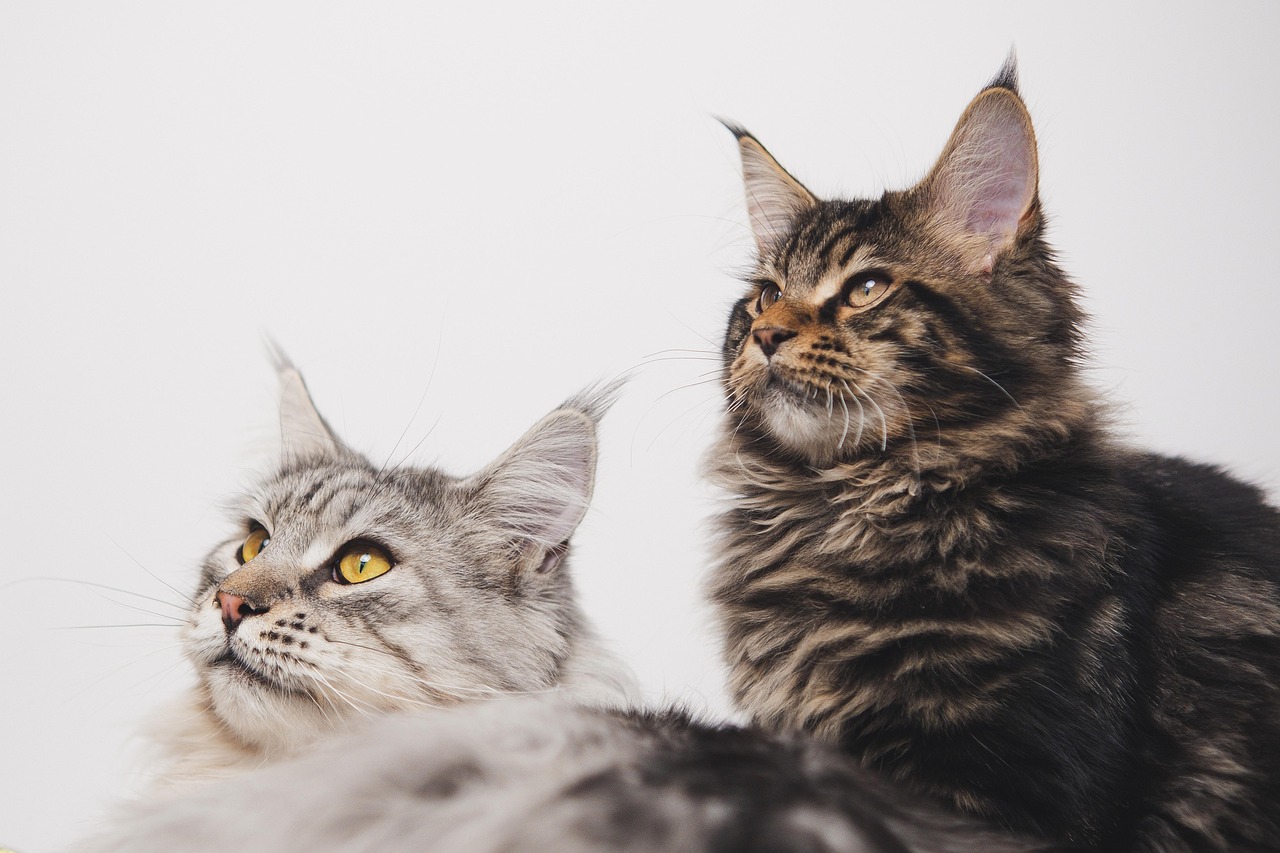
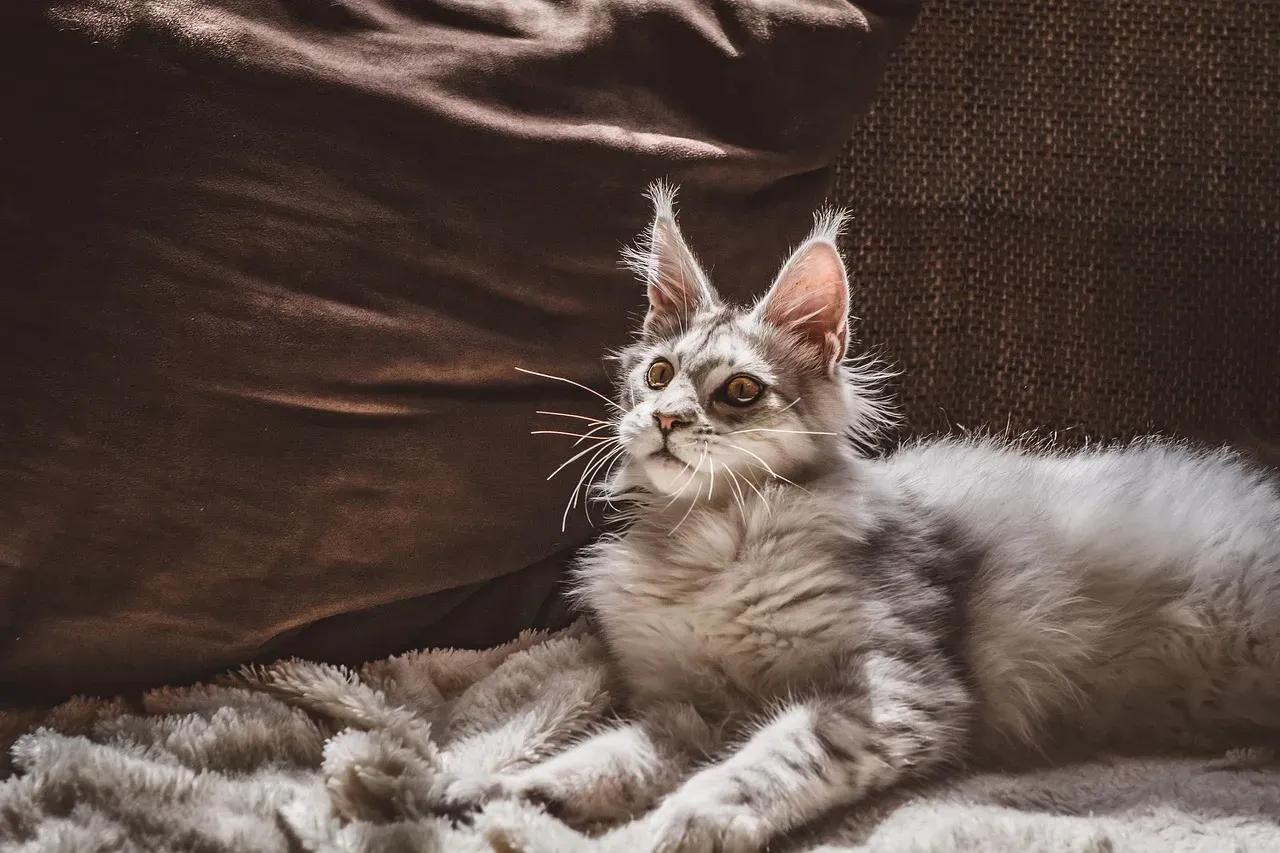
At the complete opposite end of the spectrum, you have the Maine Coon, one of the largest domesticated cat breeds and a long‑time favorite across the Northeast. If you bring one into a New York apartment, you are basically adding a small lion with a sense of humor. Yet for all that size, Maine Coons tend to be famously gentle, social, and tolerant, which makes them a solid fit if you share your home with kids, roommates, or a stream of visitors. ([animalofthings.com](https://animalofthings.com/popular-cat-breeds-in-new-york/?utm_source=openai))
You do have to be honest with yourself about space and grooming if you fall in love with this breed. A Maine Coon needs sturdy cat trees, window perches, and time with you, not just a food bowl and a litter box tucked in the bathroom. Their long, shaggy coat demands regular brushing, but if you build it into your weekly routine the payoff is huge: you get a charismatic, almost dog‑like cat that will follow you from room to room like a furry, judgmental cloud.
Domestic Shorthair: The Real “Bodega Cat” of New York
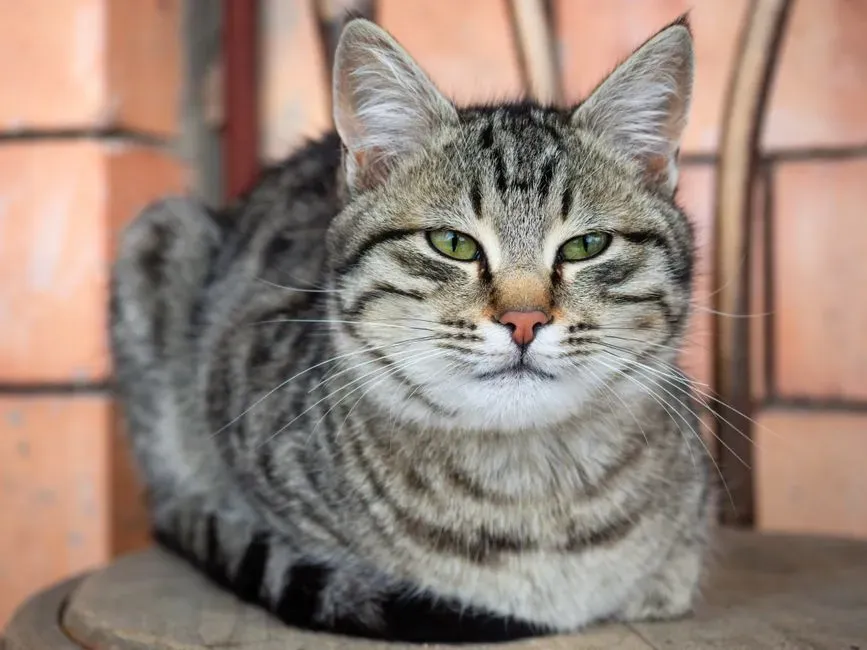
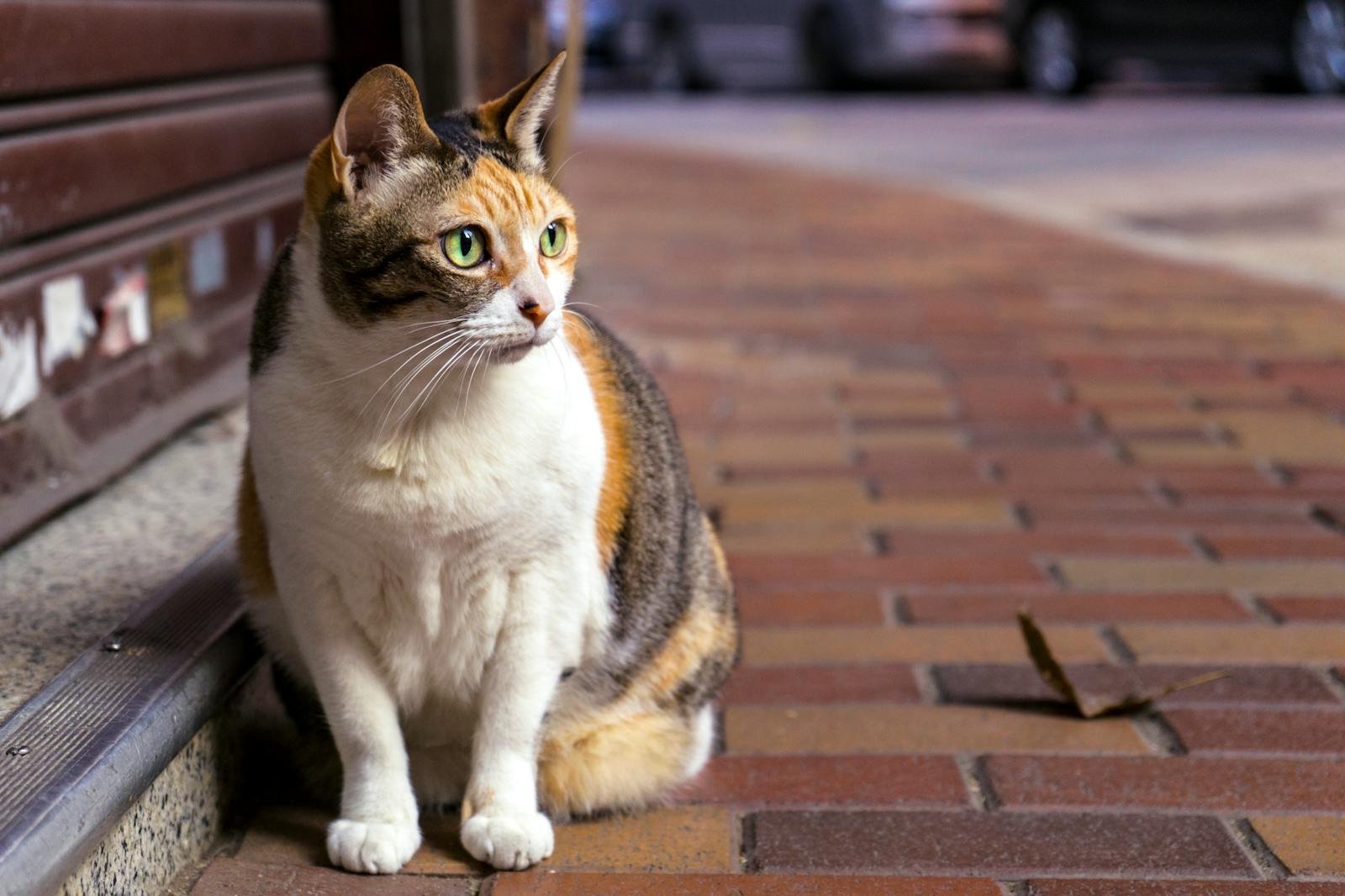
When you picture a cat in a Brooklyn walk‑up, a Queens railroad apartment, or a Bronx brownstone, odds are you are picturing a Domestic Shorthair. This is not a single standardized breed but a catch‑all term for mixed‑breed, short‑haired cats, and they quietly make up the vast majority of pet cats . Shelters and rescue groups are absolutely full of them, and that constant presence is why you see them on windowsills, stoops, and, unofficially, in some corner stores as “bodega cats.” ([nyc.gov](https://www.nyc.gov/assets/doh/downloads/pdf/survey/survey-2015spay-neuter-cats-nyc.pdf?utm_source=openai))
If you adopt a Domestic Shorthair, you are choosing practicality and personality over pedigree. You get a cat that is usually hardy, low‑maintenance, and perfectly happy in a modest space as long as you provide mental stimulation and affection. In a city where rent can wipe out your budget, vet costs and daily care also matter, and this is where these mixed‑breed cats shine: fewer inherited breed‑specific problems on average, a short coat that is easy to manage, and endless variation in looks and temperament so you can find one that truly matches your lifestyle.
Sphynx: The Warm, Naked Showstopper
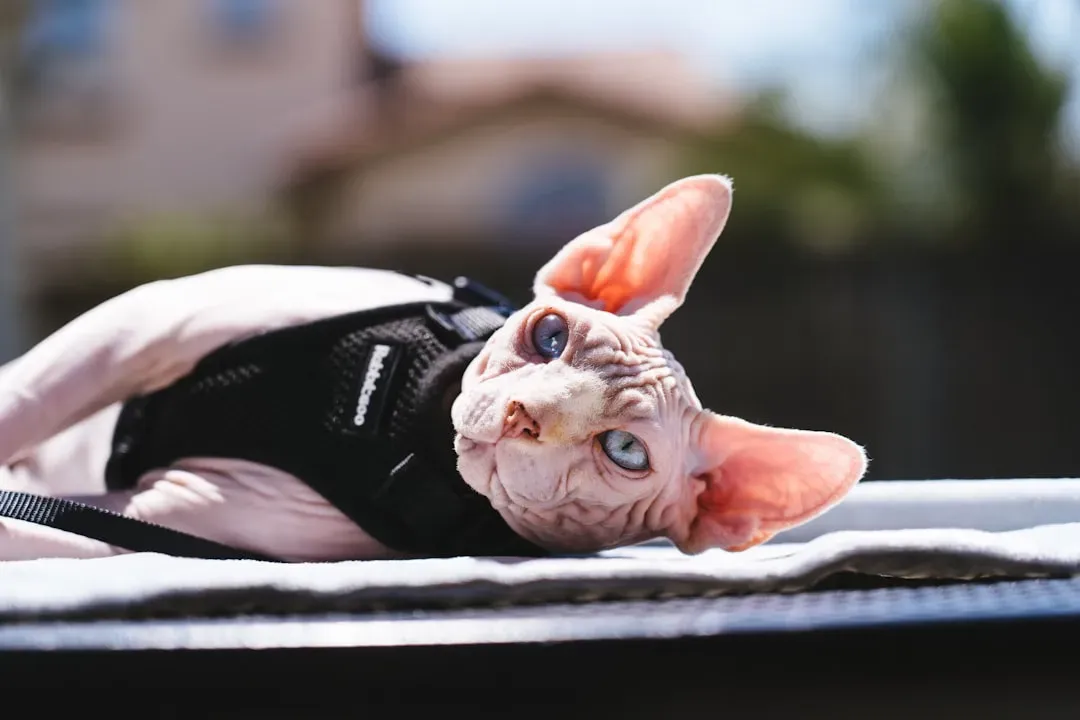
If you ride the subway long enough, you will eventually overhear someone talking about a hairless cat in their building, and there is a good chance they mean a Sphynx. City pet data, the Sphynx consistently appears near the top among purebred cats, especially with people who want a hypoallergenic‑leaning, hyper‑social animal that feels like a living hot‑water bottle. Their nearly hairless skin and oversized ears turn heads immediately, which suits a city where people are used to making bold choices. ([petworks.com](https://www.petworks.com/articles/new-york-city-pet-care-guide/?utm_source=openai))
Living with a Sphynx is very different from living with a typical fluffy cat, though. You do not have to worry much about shedding, but you do have to commit to regular skin care: gentle baths to remove oils, checking ears, and making sure they do not get chilled in drafty prewar apartments. If you work long hours outside the home, you might want a second pet or a reliable cat sitter, because Sphynx cats tend to crave company and can get lonely much faster than more independent breeds.
Bengal: The Apartment “Leopard” With Energy to Spare
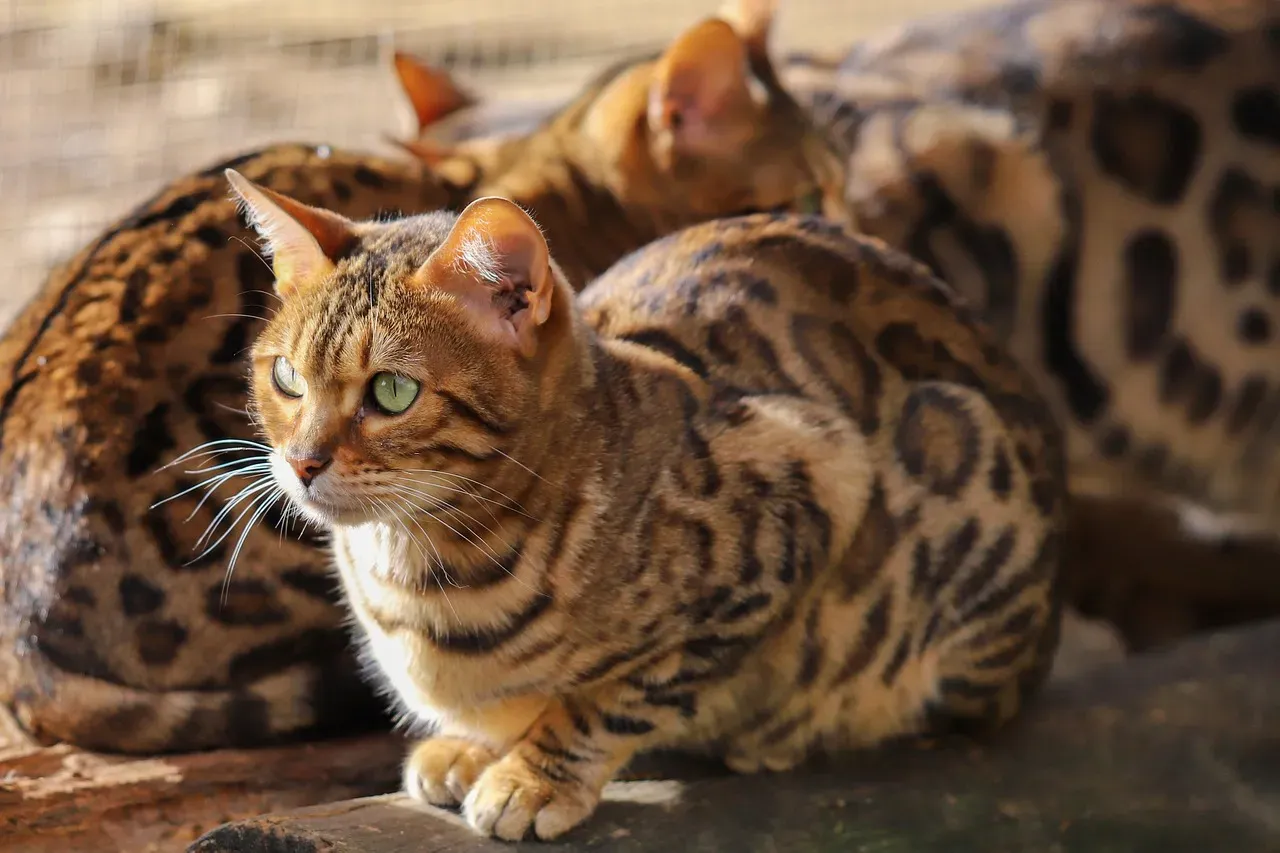
Every time you see a cat that looks like a tiny wild leopard peering out of a Manhattan high‑rise window, you are probably looking at a Bengal. This breed has exploded in popularity worldwide, and New York is no exception, especially among people who want a high‑energy, athletic cat that feels more like living with a tiny, opinionated athlete. Across major cat registries, Bengals now rank among the more commonly registered breeds, reflecting that demand. ([en.wikipedia.org](https://en.wikipedia.org/wiki/Bengal_cat?utm_source=openai))
If you are thinking about a Bengal , you need to be honest about your schedule and your tolerance for chaos. These cats are smart, curious, and intensely active; they can open cabinets, patrol every inch of your shelves, and treat your shower like a fascinating science experiment. To make it work in an apartment, you will want tall climbing trees, puzzle feeders, structured play sessions, and solid window views. If you give them that outlet, a Bengal can turn even the smallest studio into a vertical adventure park.
American Shorthair: Classic, Calm, and City‑Proof
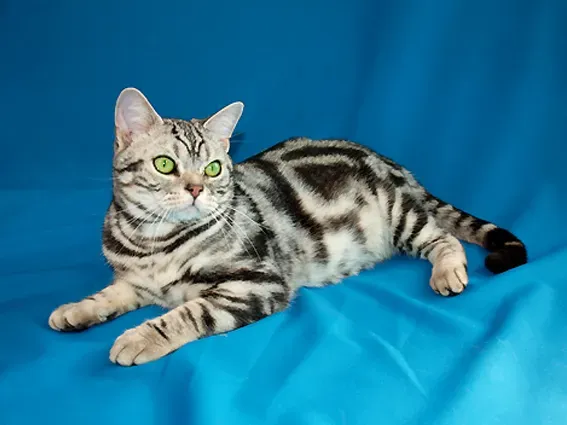
The American Shorthair is the calm, sturdy classic of the cat world, and it often overlaps visually with the mixed‑breed Domestic Shorthair you see at shelters. Nationally, this breed ranks highly in public opinion polls, and that steady popularity spills into New York because it fits so neatly with city life: moderate size, short coat, balanced temperament, and a laid‑back attitude that does not demand constant entertainment. ([yougov.com](https://yougov.com/en-us/ratings/cat-breeds?utm_source=openai))
If you like the idea of a predictable, even‑tempered housemate, this breed deserves a look. Many American Shorthairs are content to spend hours watching the street from a window and then curl up next to you when you finally get home late from work. They usually do not have the extreme grooming needs of long‑haired breeds or the intense drive of high‑energy cats, which can make your daily routine smoother. In a city where everything else feels loud and unpredictable, a cat that is quietly consistent can feel like a small miracle.
Siberian: Built for Harsh Winters and Small Apartments
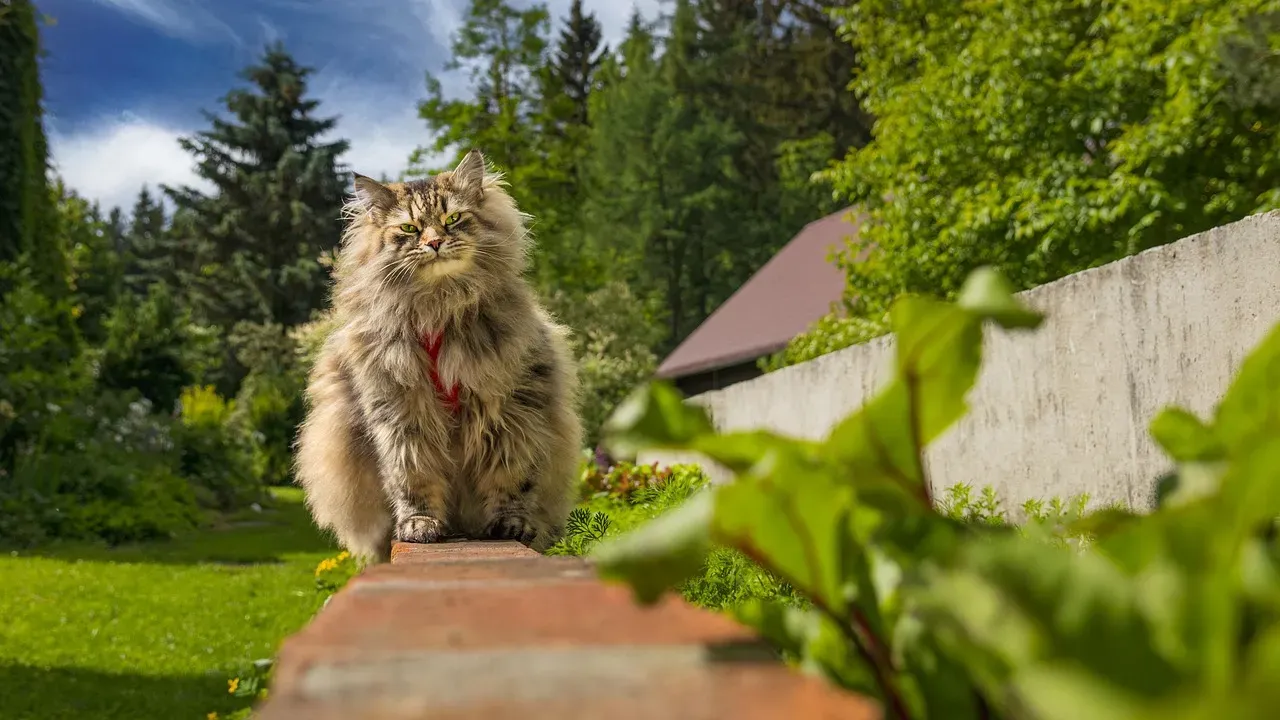
If you have ever worried that a long‑haired cat could not possibly cope with a crowded apartment and your allergies, the Siberian might surprise you. This breed, originally from cold climates, brings a thick, water‑resistant coat and a reputation for being more tolerable to some allergy sufferers because of their different levels of certain allergens in their saliva and skin. While the science is not absolute, a lot of people in dense, cold places like New York gravitate toward this breed for that exact reason. ([yougov.com](https://yougov.com/en-us/ratings/cat-breeds?utm_source=openai))
Day‑to‑day, you get a powerful, athletic cat that likes to climb, jump, and be involved with whatever you are doing. You will need to commit to regular brushing, particularly during seasonal shedding, but many owners find that grooming sessions become a bonding ritual rather than a chore. If your apartment has high shelves, bookcases, or overhead storage, a Siberian will almost certainly turn those spaces into its own private subway system.
British Shorthair: The Unbothered Roommate You Secretly Want
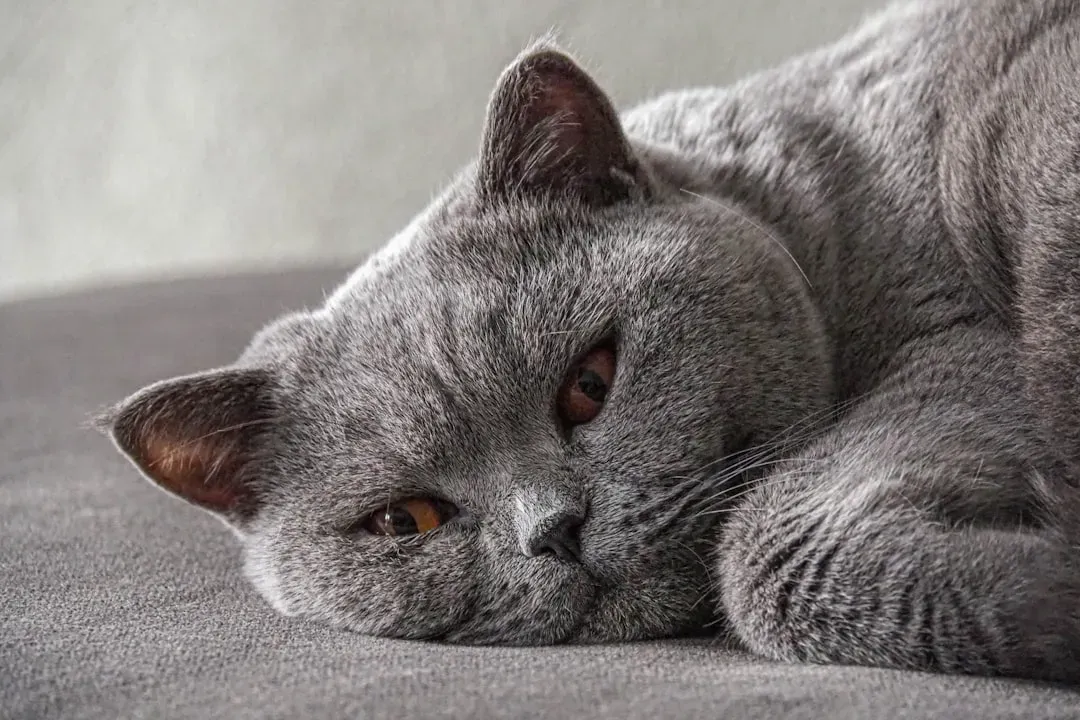
If you prefer a cat with an old‑soul vibe, the British Shorthair is about as unbothered as it gets. National popularity rankings show this breed consistently near the top, and that stable reputation has carried into big, dense cities where people want a companion that will not melt down if the neighbors are loud or the sirens never stop. Their plush coat, round face, and solid build give them a soft, teddy‑bear look that contrasts perfectly with their often dignified, slightly reserved manner. ([yougov.com](https://yougov.com/en-us/ratings/cat-breeds?utm_source=openai))
In a New York setting, the British Shorthair plays the role of the low‑drama roommate. They usually enjoy being around you but are not likely to panic if you stay late at the office or head out for a long brunch. As long as you keep their food, litter, and basic enrichment in good shape, they handle apartment living with quiet confidence. That mixture of independence and affection is a big reason many busy professionals keep coming back to this breed when they decide to add a cat to their city life.
Choosing the Right Breed for Your New York Life
When you look across these popular breeds, you start to see a pattern: the cats that thrive tend to be adaptable, moderately active to very playful, and comfortable with living indoors full‑time. You are not just picking a pretty coat; you are choosing a temperament that has to coexist with tiny kitchens, thin walls, elevator rides, and the occasional fire alarm. If you know you work long hours, lean toward calmer and more independent breeds; if you work from home and crave interaction, the high‑energy, clingier breeds might actually suit you better.
Whatever you choose, the most important piece is how you set up your home and your routine. Vertical space, window views, scratching posts, and interactive play will make almost any of these breeds happier in a New York apartment. If you are torn between pedigreed cats and shelter rescues, remember that many Domestic Shorthairs and mixed‑breed cats have personalities just as rich and specific as any purebred, often with fewer health issues. At the end of the day, the “most popular” cat is the one that fits your actual life and becomes the quiet heartbeat of your home.
As you picture a Russian Blue on your radiator, a Bengal on your bookcase, or a chunky British Shorthair on your couch, which one feels like it could actually share your subway stories and late‑night takeout runs with you?