8 Wild Cat Myths That Sound True Until You Look at the Science
You probably think you know cats pretty well. Maybe you live with one, maybe you grew up with them, or maybe your social media feed is full of them doing ridiculous things. But a lot of what you have been told about cats over the years sounds right mostly because you have heard it so often, not because it actually holds up when you put it next to real science.
Once you dig into what researchers have discovered about cat behavior, health, and senses, plenty of “common sense” beliefs suddenly look pretty shaky. As you read through these myths, you might catch yourself thinking about your own cat and realizing how much more complex and surprising they really are. That moment of “Oh, wow, I never thought of it like that” is exactly where your relationship with your cat can shift from guessing to actually understanding.
Myth 1: Cats Are Low-Maintenance, Self-Sufficient Pets
You have probably heard someone say that cats are “easy” pets that mostly take care of themselves. The truth is, if you treat a cat like a decorative houseplant with fur, you set them up for stress, boredom, and health problems. Behaviorists and vets consistently find that cats need mental stimulation, predictable routines, and real social interaction, even if they ask for it in subtle ways instead of dramatic tail-wagging.
When you assume a cat is fine being ignored because they are “independent,” you might miss early signs of anxiety or illness. Changes in litter box habits, grooming, or hiding behavior are all ways your cat quietly tells you something is wrong. If you think of your cat as a small, sensitive roommate instead of a low-effort accessory, you instantly get closer to what they actually need from you day to day.
Myth 2: Cats Only Bond With Places, Not With People
It is easy to believe cats just care about “their” territory, especially when you see them patrol the same routes at home like tiny, furry security guards. But when researchers test how cats react to their caregivers compared to strangers, you see a different story. Many cats show attachment patterns that look surprisingly similar to what you see in human kids or dogs: they use you as a safe base, check in with you, and feel more confident when you are around.
You might notice this when you leave the room and your cat quietly follows, or when they nap where your scent is strongest, like on your pillow or laundry pile. That is not just a territory thing; that is a you thing. Once you accept that your cat can be attached to you emotionally, it changes how you interpret their behavior. Suddenly, that “annoying” cat who always insists on sitting by your laptop looks a lot more like a friend trying to stay close than a random background creature.
Myth 3: Purring Always Means Your Cat Is Happy
Purring is one of those sounds that instantly makes you think of comfort and contentment. You picture your cat curled up in a sunbeam, vibrating with pure bliss. But when vets listen to what actually happens in stressful or painful situations, they often notice cats purring during exams, injuries, or even near the end of life. That means your cat sometimes uses purring as a coping tool, not just a happiness signal.
Some researchers suggest purring might release chemicals in your cat’s brain that help with pain or calm them down, and the vibrations may even support healing in bones and tissue. For you, the important part is this: you cannot rely on purring alone to judge how your cat feels. You need to read the rest of their body language, like ear position, eyes, posture, and appetite. When you see purring as one piece of a bigger puzzle, you are far less likely to miss when your cat is quietly telling you they need help.
Myth 4: Dry Food Is Better for Cats’ Teeth and Just Fine as a Main Diet
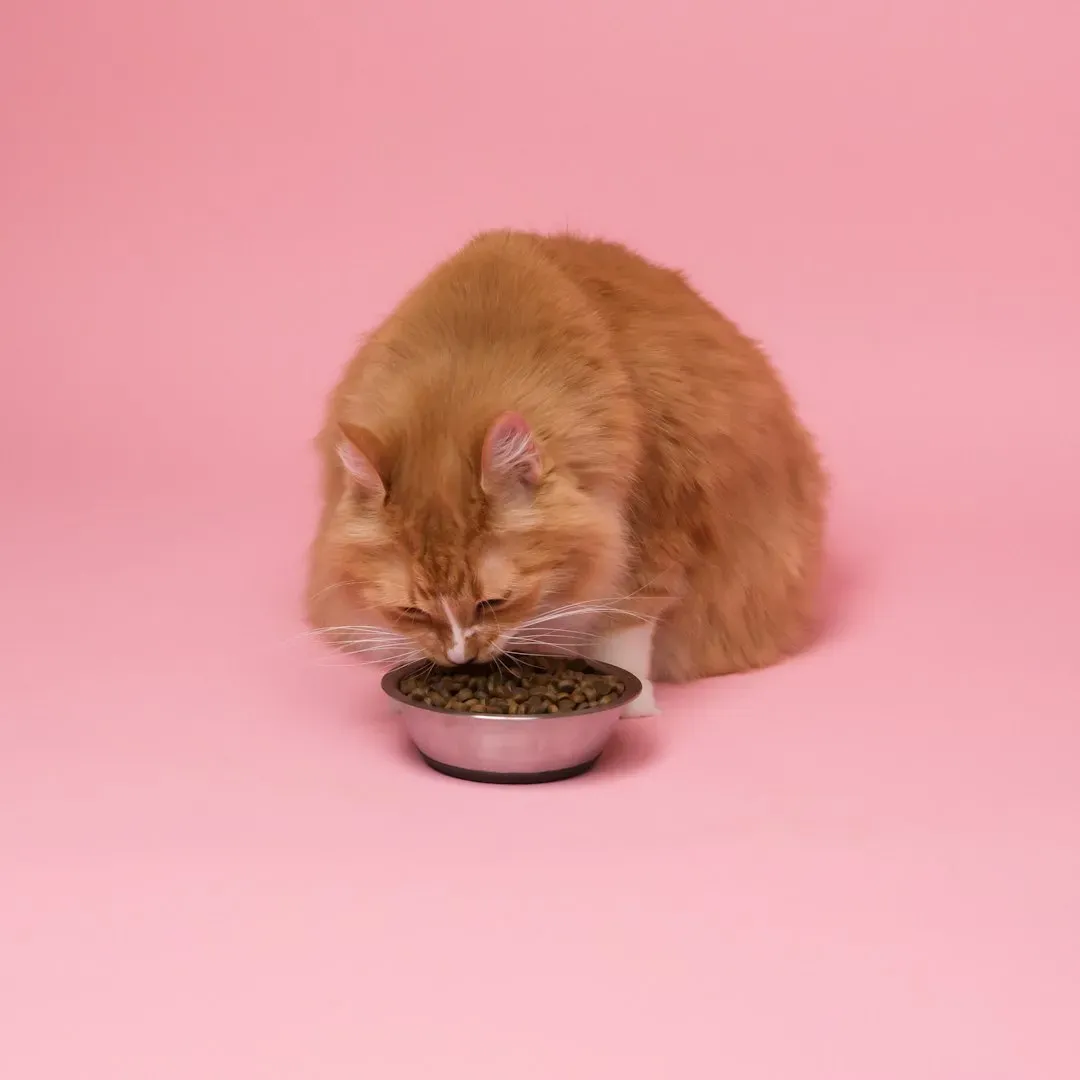
You have probably seen bags of dry cat food marketed with promises about dental health and complete nutrition. It sounds logical: crunching on hard kibble must help scrape off plaque, right? In reality, many cats do not chew kibble much at all, often cracking a piece once or twice and swallowing it. Studies looking at cat dental health typically find that diet alone does not replace proper dental care, and some prescription dental diets are very specific and not the same as regular supermarket kibble.
On top of that, most dry foods are low in moisture compared to what a cat would get from natural prey. Since cats evolved as desert animals with a weak thirst drive, relying only on dry food can quietly contribute to urinary or kidney issues in some cats, especially as they age. You do not have to ban dry food completely, but if you aim to include more high-quality wet food or moisture-rich options, you are much closer to what your cat’s body is actually designed to handle.
Myth 5: Declawing Is Just Like Trimming Nails and Has No Long-Term Impact
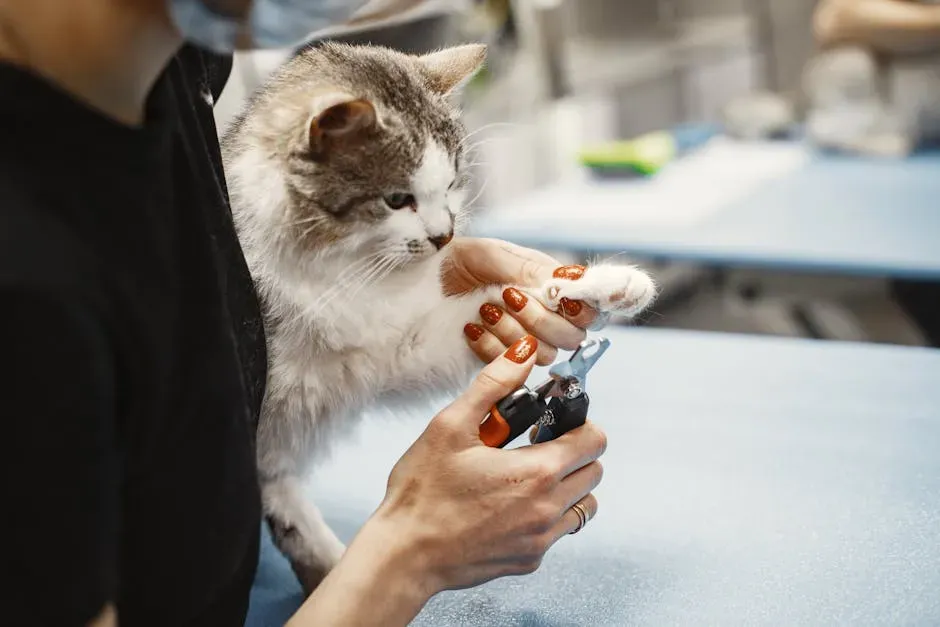
If you grew up hearing that declawing is a normal way to protect furniture, you might picture it as a kind of permanent nail trim. Surgically, though, declawing actually removes part of each toe bone, more like taking off your fingertips at the last joint. Research over the past years connects declawing with increased risk of chronic pain, behavior changes, and issues like biting or avoiding the litter box, often because walking and digging hurt more.
When you see scratching as a natural, essential behavior rather than a naughty habit, your strategy shifts. Instead of trying to remove the claws, you learn to redirect them. Sturdy scratching posts, horizontal scratchers, cat trees, and strategic use of deterrent covers or tapes can protect your home while letting your cat do what their body and brain are wired to do. You end up solving the real problem without creating a dozen new ones down the line.
Myth 6: Cats See You as a Food Dispenser and Nothing More

You might joke that your cat only loves you at breakfast time, especially when they yell at you near the kitchen like a tiny alarm clock. But when scientists observe how cats behave in different situations, they find that many cats choose proximity to their person even when food is not involved. Some will explore new spaces more confidently when their caregiver is present, or seek that person out when they are uncertain.
Your cat might show this in quiet ways: sleeping near you at night instead of alone, greeting you at the door, or calmly blinking when you look at them. Those slow blinks and relaxed postures are social signals, not payment for dinner. When you respond with attention, play, and predictability, you reinforce a relationship that goes beyond the bowl. You are not just a waiter; you are home base.
Myth 7: Cats Cannot Be Trained, They Are Too Stubborn and Wild

A lot of people talk as if dogs are the “trainable” species and cats are chaos in a fur coat. Yet when you look at modern training approaches using positive reinforcement, you see cats learning all kinds of things: coming when called, sitting on cue, using a carrier voluntarily, or tolerating grooming and nail trims with far less drama. The difference is not that cats cannot learn; it is that they usually will not respond well to force, punishment, or loud corrections.
If you use tiny, high-value rewards, patience, and short, predictable sessions, your cat’s brain works with you, not against you. You can even use clicker training to shape behaviors step by step, turning scary experiences like vet visits into something more manageable. Once you realize your cat is capable of learning and cooperating, you stop seeing them as stubborn and start seeing them as sensitive and smart, which is a much fairer description.
Myth 8: Indoor-Only Cats Have Nothing to Worry About Health-Wise
Keeping a cat indoors does protect them from a lot of dangers like cars, predators, and infectious diseases. It is easy to slide from that truth into a bigger assumption that an indoor cat is automatically safe and healthy. But indoor cats can still struggle with obesity, stress, urinary problems, dental disease, and joint issues, especially if their environment is dull and their diet is not carefully managed.
When you think, “Well, they are inside, so they are fine,” you might miss the importance of regular vet checks, playtime, climbing spaces, and puzzle feeders. Your cat still needs chances to stalk, pounce, scratch, and survey their territory from up high, even if that “territory” is your living room. If you treat your home like a mini jungle gym instead of a static box, your indoor cat gets the safety of the inside with far more of the richness their instincts demand.
Conclusion: Letting Go of Myths to Really See Your Cat

When you strip away the myths, you start to see your cat as a complex little predator with a deep emotional and physical life, not a mysterious ornament lounging on your couch. You realize that purring is not always joy, kibble is not a magic fix, and “independent” does not mean they do not care whether you show up or not. The science does not make cats less magical; it actually makes them more impressive, because you learn how much is going on under that calm surface.
If you use what you now know to tweak how you feed, play with, handle, and observe your cat, you turn everyday routines into something kinder and smarter. You notice small changes sooner, you avoid harmful shortcuts, and you respect the animal in front of you for what they really are. As you look at your cat today, which old belief are you ready to drop so you can understand them just a little bit better?