Animal Behavior Says Cats Who Check on You Then Walk Away May Be Doing More Than Satisfying Their Curiosity
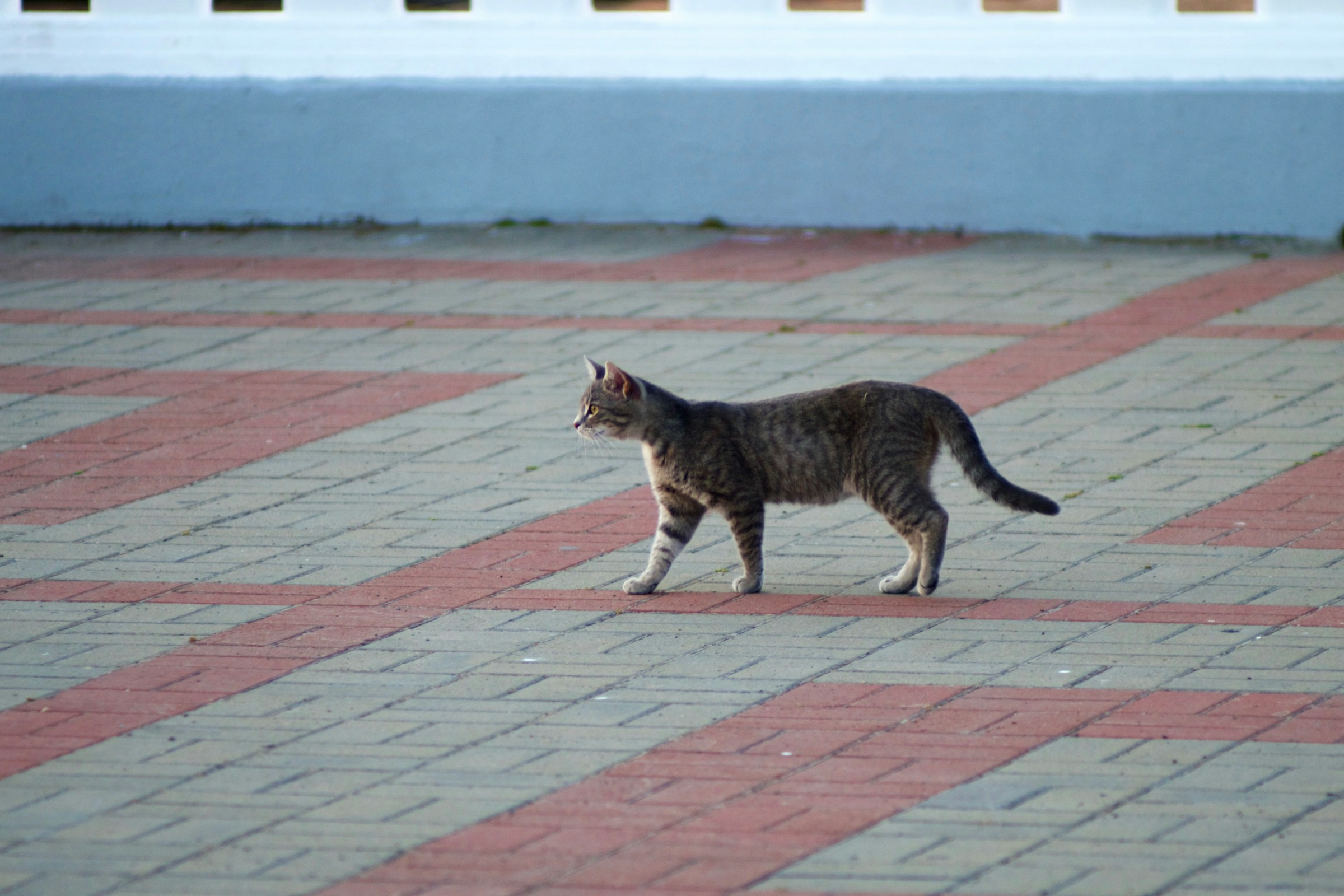
#1 The quiet check-in isn't random, it's a pattern rooted in vigilance
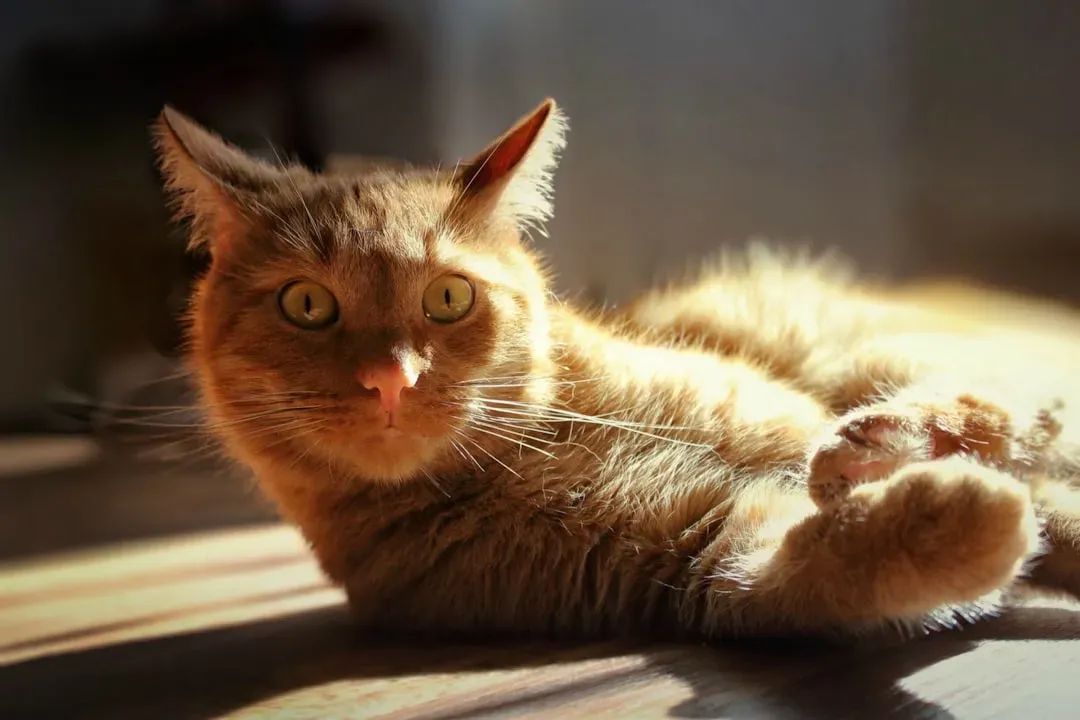
Cats evolved as both predator and prey, which means constant environmental scanning was never optional for their ancestors. That instinct hasn't disappeared just because a cat now lives on a couch instead of in the wild. Cats are territorial animals, and they regularly check their territory to ensure everything is in order, looking to their owners to gauge their reactions when there is a strange noise or a loud sound.
This means a brief glance in your direction isn't necessarily about you at all in that moment, it might be about the household as a system the cat is quietly monitoring. This instinctive behavior harks back to their wild ancestors who depended on constant vigilance to survive in environments full of predators and competitors. Seen that way, the walk-by check is less a social snub and more a security sweep, with you as one landmark among several the cat is keeping tabs on.
#2 Social referencing means your reaction actually matters to them
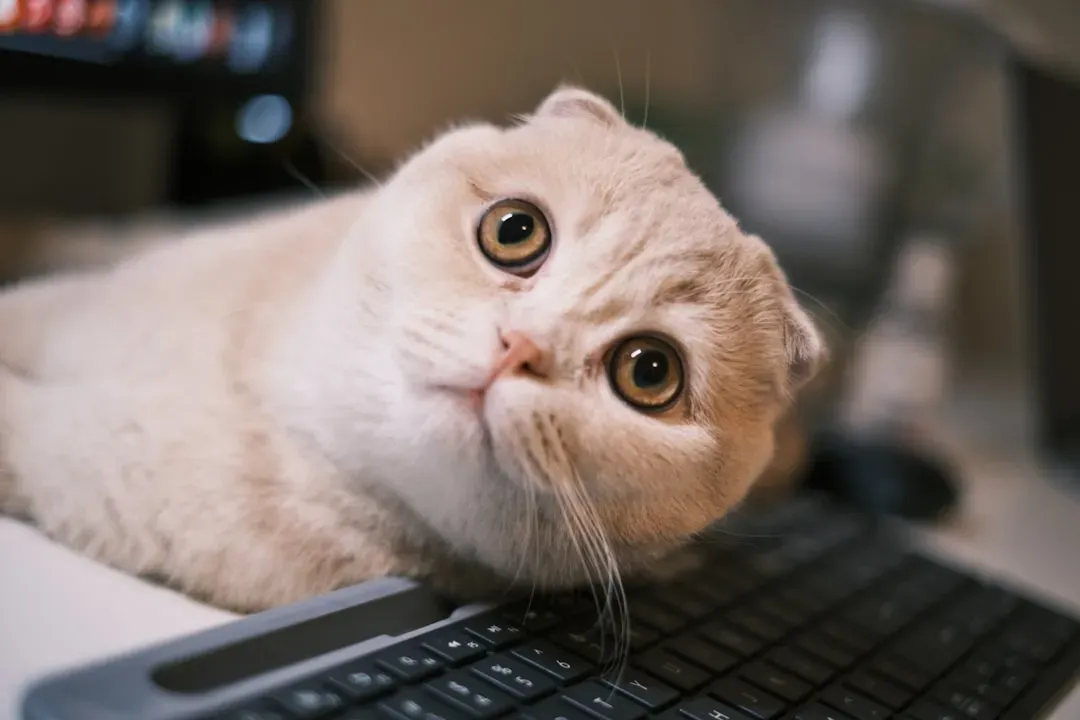
There's a specific behavioral concept at play here that goes beyond simple curiosity. When something unfamiliar happens nearby, a cat doesn't just look at the source of the disturbance, it looks at you to figure out how to feel about it. If you seem unconcerned, they interpret this as a sign that everything is normal.
That's a meaningful detail because it implies the cat is using you as an emotional reference point, not just a warm object in the room. If a cat approaches, checks your face or posture, then leaves satisfied, it may have just resolved a small question about whether the environment is safe. In a sense, your calm reaction becomes information the cat can act on, which says something about the level of trust involved, even if the visit itself lasted only a few seconds.
#3 Attachment research suggests cats treat owners as a secure base
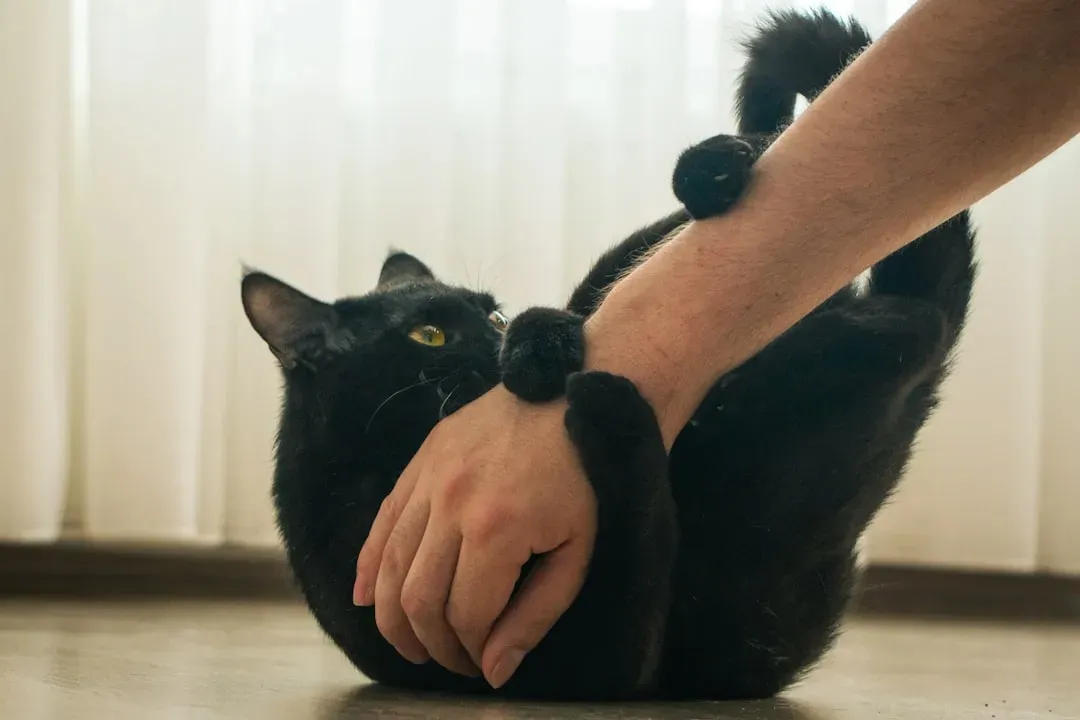
For years, cats carried a reputation as aloof animals that tolerate humans rather than bond with them. Newer research has complicated that picture considerably. A study published in Current Biology found that the majority of cats are securely attached to their owner and use them as a source of security in a novel environment.
In that same research, about 65 percent of both cats and kittens as securely bonded to their people, a number that closely mirrors attachment rates found in human infants. The findings show that cats' human attachments are stable and present in adulthood, and this social flexibility may have helped facilitate the success of the species in human homes. A quick check-in, then, may function like a small confirmation that the secure base is still there, still stable, still safe to return to before the cat wanders off again.
#4 The three second rule reveals how cats manage their own social dose
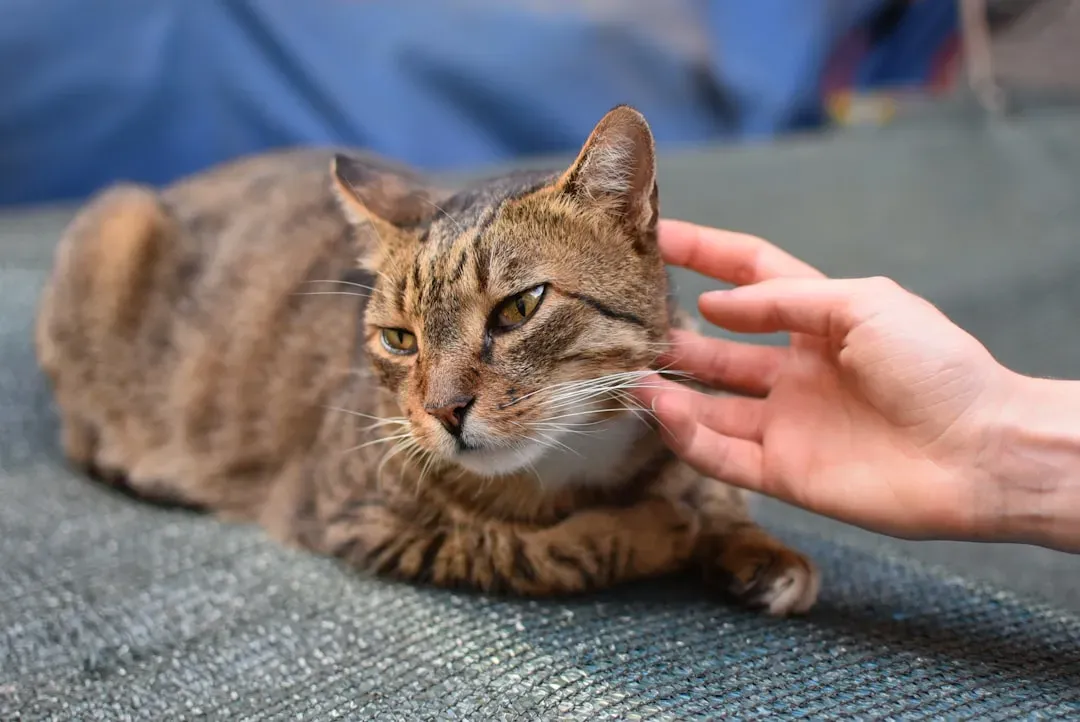
Cats are often more deliberate about the length of an interaction than people give them credit for. There's an informal guideline among behaviorists sometimes called the three second rule, and it captures something real about how cats regulate contact. If your cat comes to you for attention, you should stroke them for three seconds and then stop, that might be enough for your cat, and they will wander off again, happy with that amount of interaction, or it may be that they want to come back for more, in which case you repeat another three seconds and stop again.
What's notable is what happens when that boundary is respected consistently over time. If your cat walks away, it's important to understand this is their way of saying no more attention right now, and once they learn you aren't going to pressure them into staying longer than they wish, they will start to trust you and will probably come to you more often. The check-and-leave pattern, in other words, might be the cat's own version of a controlled social dose, small enough to stay comfortable, frequent enough to maintain the bond.
#5 A short visit can be a completed request, not an unfinished one
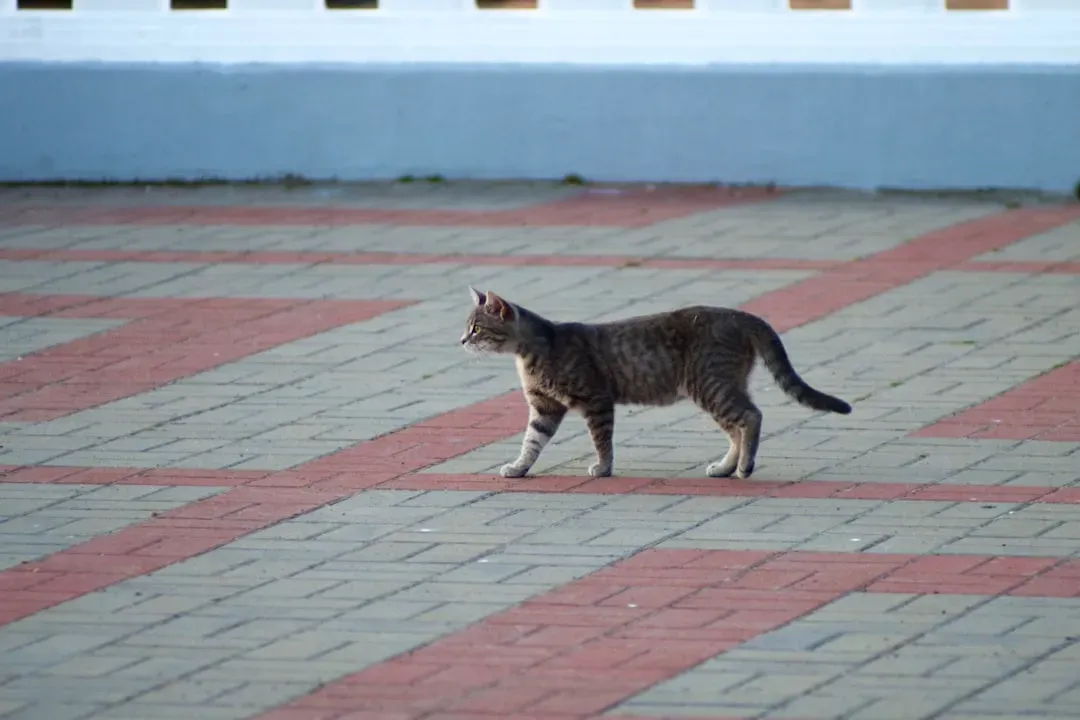
It's tempting to read a cat walking away as disinterest, but behaviorists point out that the visit may have already served its purpose. Sometimes the cat only wants a brief check-in, and once that need is met, the cat moves on, so if your cat later ignores you, that does not cancel the earlier request, it usually means the interaction was short, useful, and finished.
This reframes the whole exchange. A cat that appears and disappears within seconds hasn't necessarily failed to get what it came for, it likely got exactly what it needed and left satisfied. Cats often ask for attention when you are busy and then leave the moment you respond, and that is usually not spite, it is normal feline communication mixed with short social preferences, learned routines, and sometimes petting that has gone a little too far. Understanding this can change how a person interprets the whole relationship, since the absence of a long, drawn-out cuddle session doesn't mean the cat cares any less.
#6 Overstimulation and eye contact rules shape how quickly cats disengage
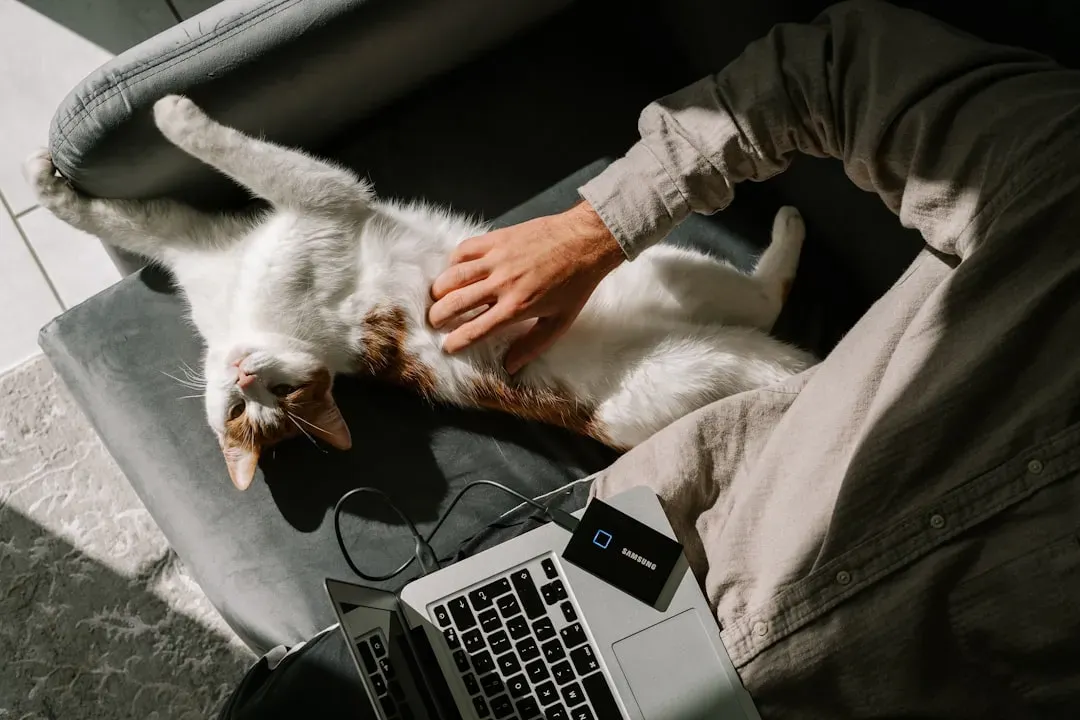
Part of why these visits stay so brief has to do with sensory thresholds that are unique to cats. Some cats tolerate only a small amount of petting, and Cornell's feline behavior guidance notes that petting-induced aggression can be caused by overstimulation, with signs including tail lashing, ears moving back, dilated pupils, skin twitching, or sudden swatting.
There's also a communication layer tied to eye contact that many owners misread. A common mistake is seeing eye contact as an invitation, which may be true for dogs but is not necessarily the case for cats, since when cats stare directly at each other it has a more controlling or slightly threatening meaning, and when a person reaches out after that stare, they cross a boundary from the cat's perspective, prompting it to withdraw. Put together, a cat's quick glance and retreat might reflect a built-in limit on how much direct engagement feels comfortable, rather than any lack of affection.
Final thoughts