8 Things Cats Do Differently Around the Human They Feel Safest With
#1 They expose their belly without expecting anything back
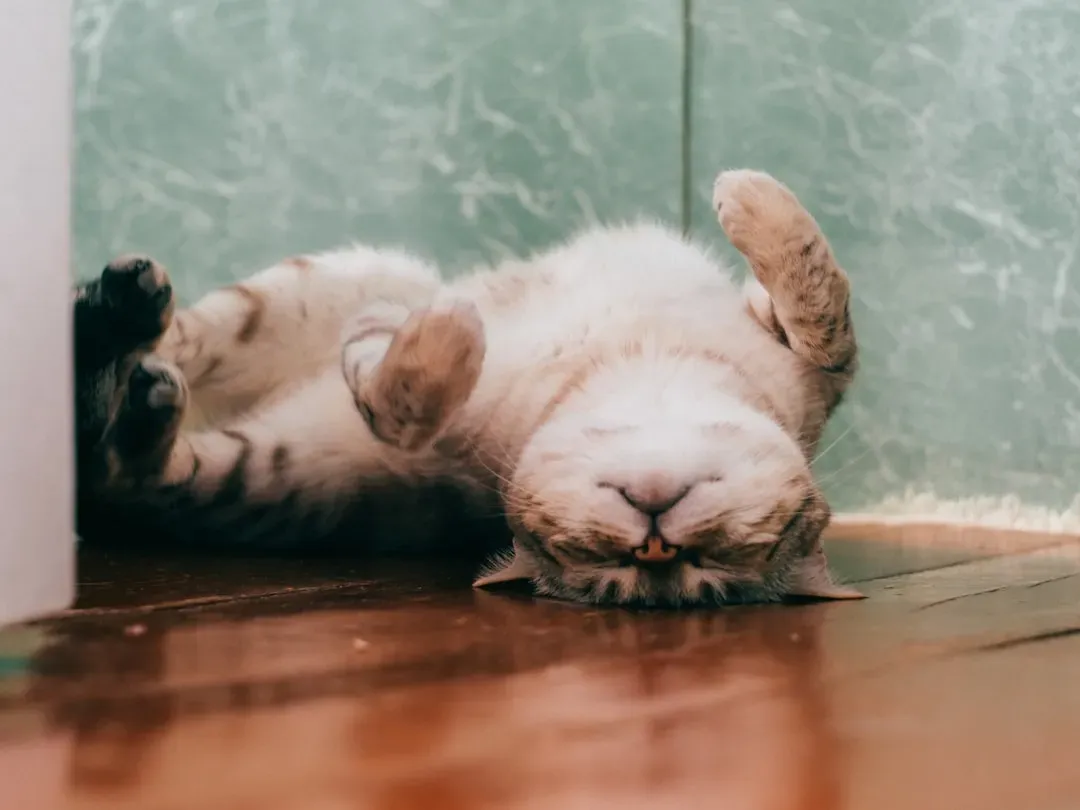
A cat rolling onto its back isn't an invitation for a belly rub, at least not usually. It's closer to a declaration of trust, because the belly is the most vulnerable part of a cat's body, covering vital organs with no bone or muscle protection to speak of. When a cat does this in front of a specific person and nowhere near as freely with anyone else, it's signaling that this particular human doesn't register as a threat worth guarding against.
The key detail here is that the exposure itself is the message, not a request for touch. Cats that feel truly secure will stretch out belly up, blink slowly, and just exist in that position for minutes at a time. Try the same move with a stranger and most cats snap back upright within seconds, tail flicking, ready to bolt. That difference in duration and relaxation is the tell.
#2 Their tail carries a completely different vocabulary
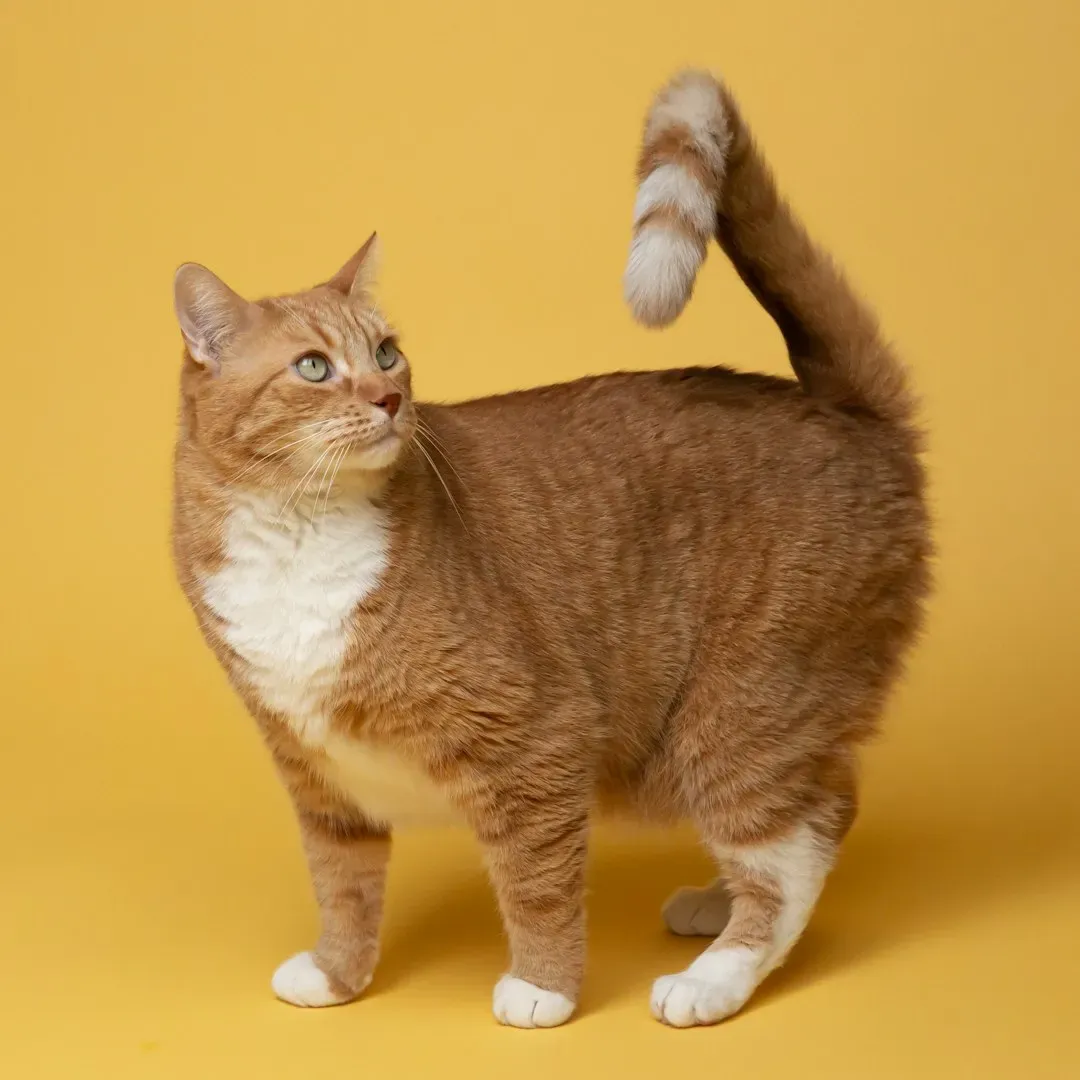
Tail language is one of the most reliable windows into a cat's internal state, and it changes noticeably depending on who's in the room. Around a trusted person, the tail tends to sit upright with a gentle curve at the tip, sometimes described as a question mark shape, and it moves in slow, loose sweeps rather than sharp jerks. That upright posture is associated with confidence and friendliness in feline body language research going back decades.
Compare that to how the same cat holds its tail around unfamiliar visitors, low, tucked, maybe puffed if startled, and the contrast becomes obvious. Some cats will even wrap their tail around a trusted person's leg or arm, a gesture that mirrors the tail wrapping they do with other cats they're bonded to. It's a small physical act, but it's borrowed directly from feline social bonding behavior and repurposed for a human they've decided belongs in that same circle.
#3 They knead like they're back in kittenhood
Kneading, that rhythmic pressing motion with the front paws, starts in kittenhood as a way to stimulate milk flow while nursing. Most cats never fully drop the behavior, and they tend to bring it back out specifically in moments of contentment and safety, often right before settling in to sleep. When a cat kneads a lap or blanket next to one particular person, it's essentially regressing into that early, comforted state on purpose.
What's interesting is how selective this can be. Some cats knead constantly regardless of who's around, but plenty of others reserve it almost entirely for the one person they consider their anchor. The paws working against a soft surface, sometimes accompanied by a low rumbling purr, is about as close as a cat gets to saying it feels like a kitten again in that moment, safe and unbothered.
#4 Slow blinking becomes a two way conversation
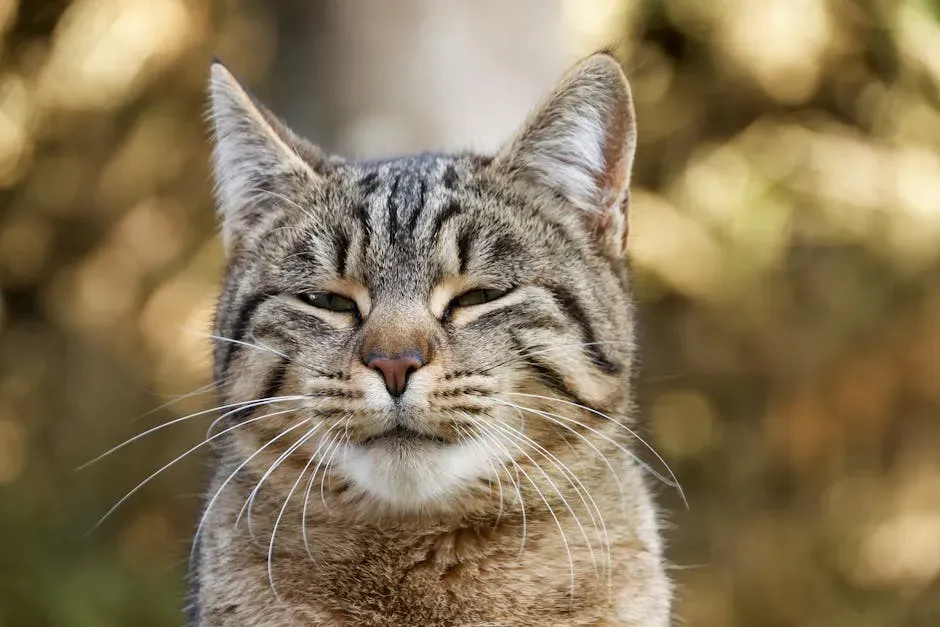
The slow blink, sometimes nicknamed a cat kiss, is a deliberate half closing of the eyes followed by a pause before opening again. Researchers studying feline facial expressions have found that cats slow blink more toward humans who blink slowly at them first, suggesting it functions as a genuine two way social signal rather than a random tic. Around a trusted person, a cat will often initiate this on its own, without any prompting, as a way of checking in.
What makes this behavior notable is how rarely cats extend it to people they're unsure about. A nervous cat keeps its eyes wide and alert, tracking movement, unwilling to soften its gaze even for a second. The willingness to close the eyes, even briefly, in someone's presence requires a baseline level of comfort that most cats simply don't offer to just anyone.
#5 They follow room to room without being called
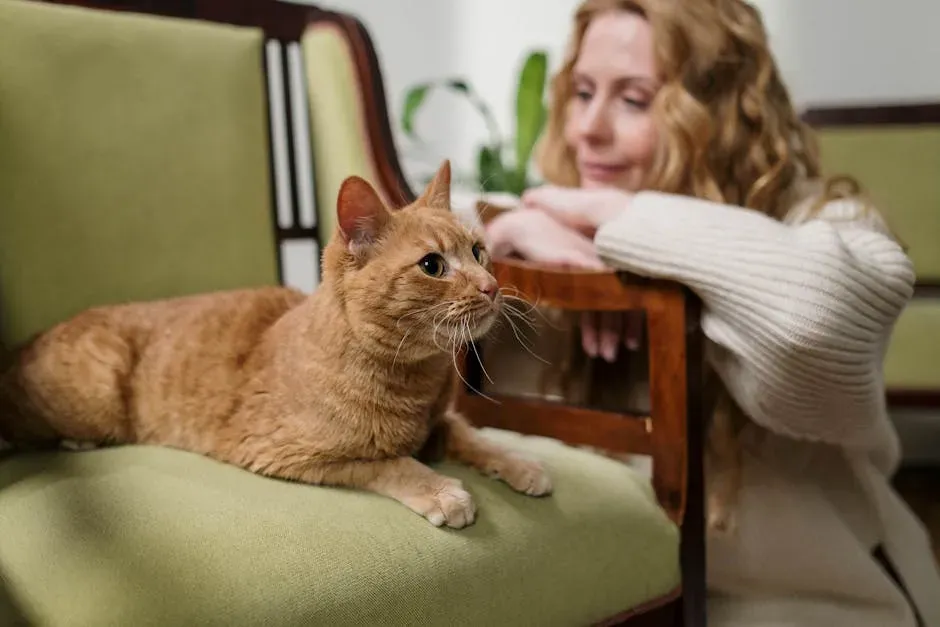
Cats have a reputation for independence, but the ones who feel secure with a specific person often shadow them through the house in a way that looks a lot like the following behavior seen in dogs, just quieter and less demanding about it. This isn't about food or attention seeking most of the time, since the same cat may show little interest in following someone into the kitchen who they don't share that bond with. It's closer to keeping a trusted figure within sight, a behavior pattern that echoes how kittens track their mother.
This shadowing often intensifies during transitional moments, like when someone gets ready for bed or comes home after being away. The cat positions itself nearby, sometimes settling just outside a doorway rather than directly in the room, content simply to have that person within range. It's a low key behavior, easy to overlook, but it reflects an attachment pattern that ethologists have compared to secure attachment styles observed in young children.
#6 Grooming becomes a shared, almost ritual act
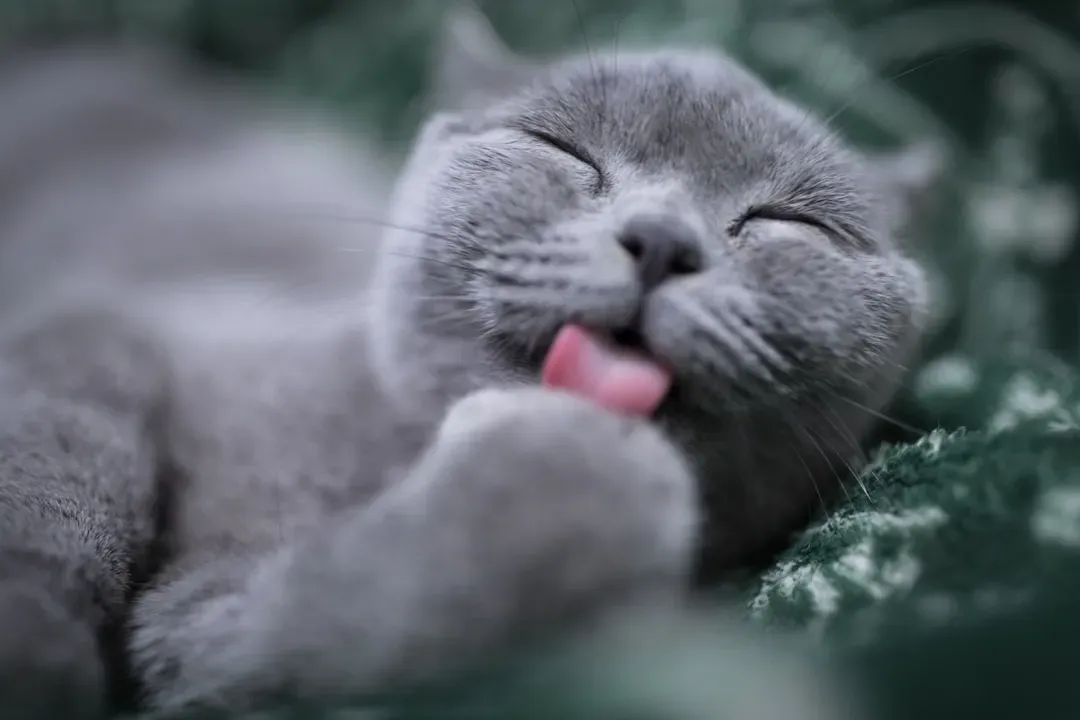
Allogrooming, or grooming between individuals rather than self grooming, is a social bonding behavior cats reserve for close relationships, whether with other cats or with select humans. A cat that licks a trusted person's hand, hair, or arm is performing a version of the same maintenance behavior it would use on a bonded feline companion. It's not hygiene motivated in this context. It's relational.
Some cats take this further by grooming a person's hair specifically, working through strands with the same focused rhythm they'd use on another cat's fur. This kind of grooming tends to happen during calm, unhurried moments, rarely when the household is chaotic or the cat is on edge. The willingness to direct that energy outward, toward another creature rather than just itself, is a strong indicator of how safe the cat feels in that specific pairing.
#7 Their vocal range expands noticeably
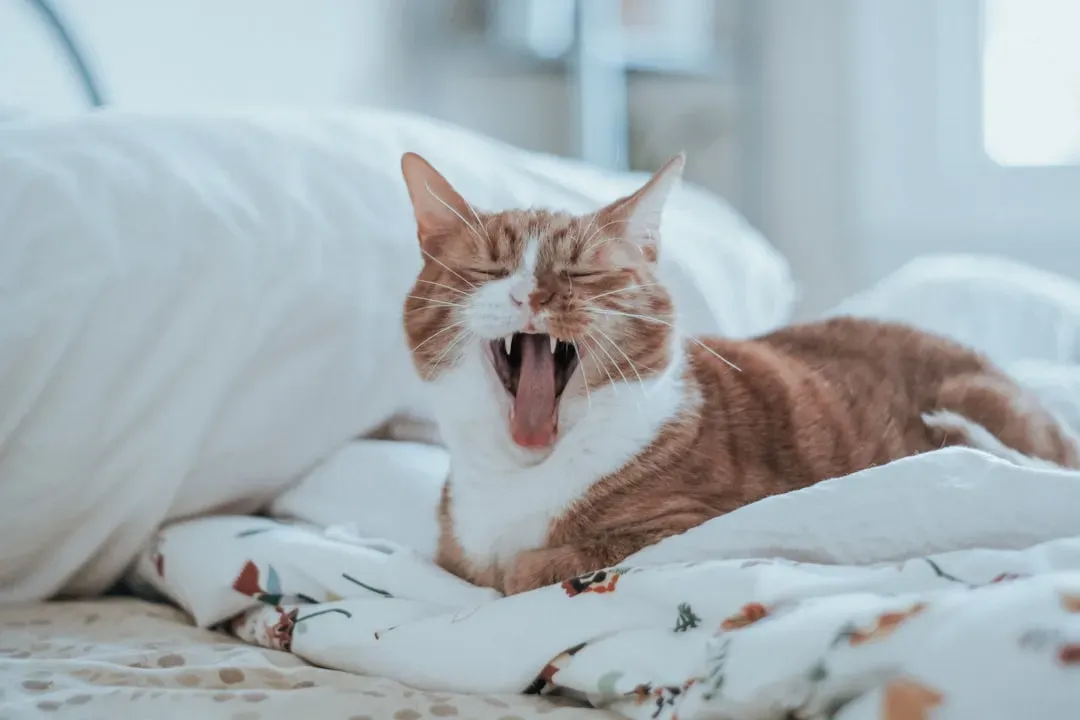
Domestic cats are capable of a wide range of sounds, but many of them only surface around specific people. Chirps, trills, and those soft, almost conversational murmurs tend to appear most with someone the cat considers safe, while a stranger might only ever hear a basic meow or nothing at all. Cats also adjust the pitch and length of their meows depending on who they're addressing, something researchers studying human directed cat vocalizations have documented in controlled settings.
This vocal flexibility suggests cats are, in a limited but real sense, tailoring their communication to their audience. A cat that trills at the doorway when a trusted person arrives home, then stays relatively silent around others, is demonstrating a kind of selective expressiveness. It's less about volume and more about range, the sheer variety of sounds a comfortable cat is willing to produce compared to a guarded one.
#8 They choose proximity during sleep, not just presence
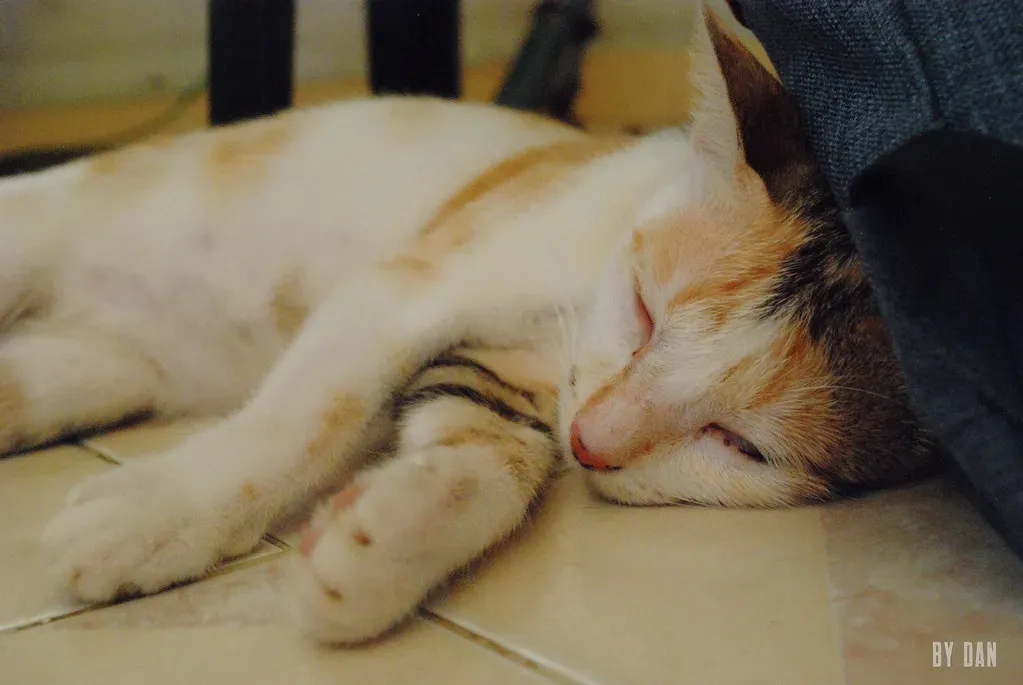
Sleep is when cats are at their most physically vulnerable, unable to react quickly to threats, so where a cat chooses to sleep says a great deal about who it trusts. A cat that curls up directly against a specific person, rather than just somewhere in the same room, is making a deliberate choice about proximity during its most defenseless hours. This differs from simply napping on a warm couch or a sunny windowsill, since it's about the presence of that particular body nearby.
Even more telling is body positioning during that sleep. Cats that feel unsafe tend to sleep in tucked, coiled positions that allow for a quick escape if needed. Around a trusted person, that same cat may stretch out fully, exposing its belly or turning its back, postures that require a level of security most cats reserve for very few people in their lives.
The takeaway