What It Means When Your Cat Sits With Their Tail Wrapped Neatly Around Their Paws
#1 The Basics of Feline Tail Language
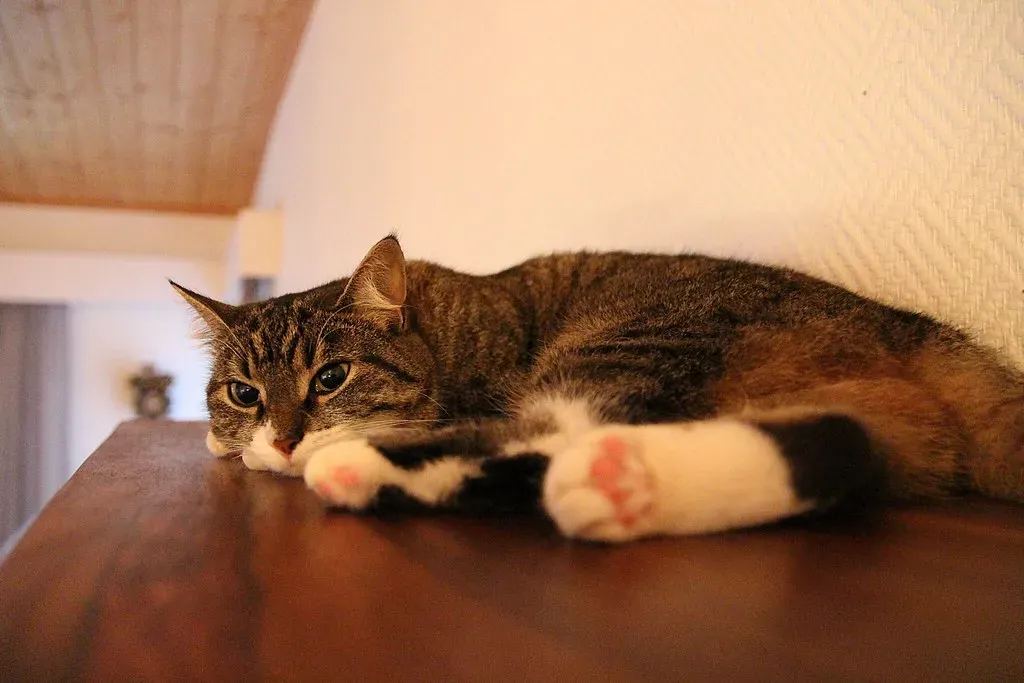
Cats don't have a huge vocal range compared to dogs when it comes to expressing emotion through sound, so they rely heavily on body signals instead. The tail acts almost like a mood flag, constantly shifting position to reflect what's happening internally. A tail held high often signals confidence, while a tail thrashing back and forth usually means irritation or overstimulation.
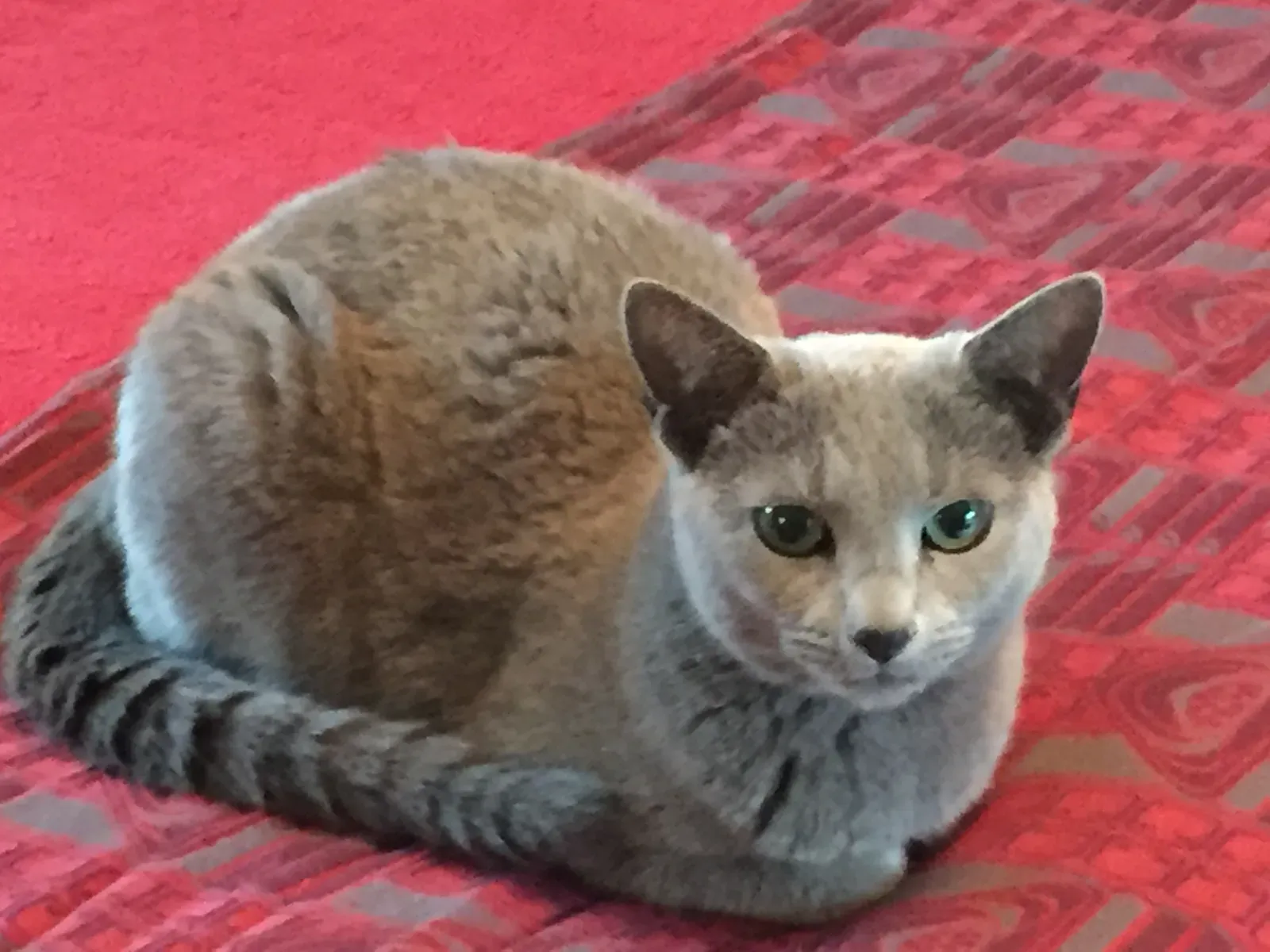
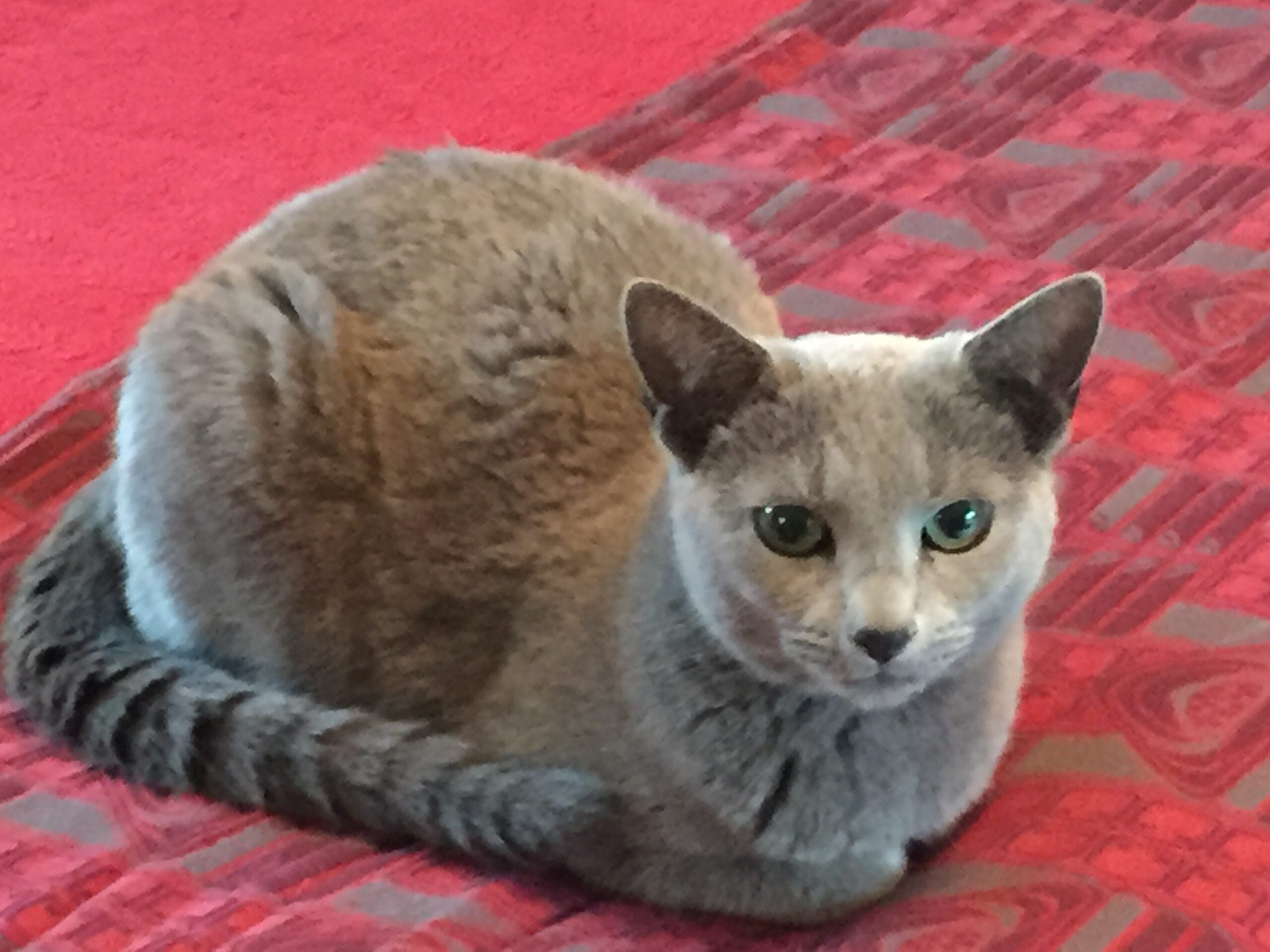
The wrapped tail position sits at the calmer end of this spectrum. When a cat tucks their tail around their body and paws, they're essentially minimizing their own physical footprint. This isn't a random habit. It's a learned and instinctive way of managing exposure, warmth, and vulnerability all at once, which is why it shows up so consistently across different cats and breeds.
#2 A Sign of Physical Comfort and Warmth Conservation
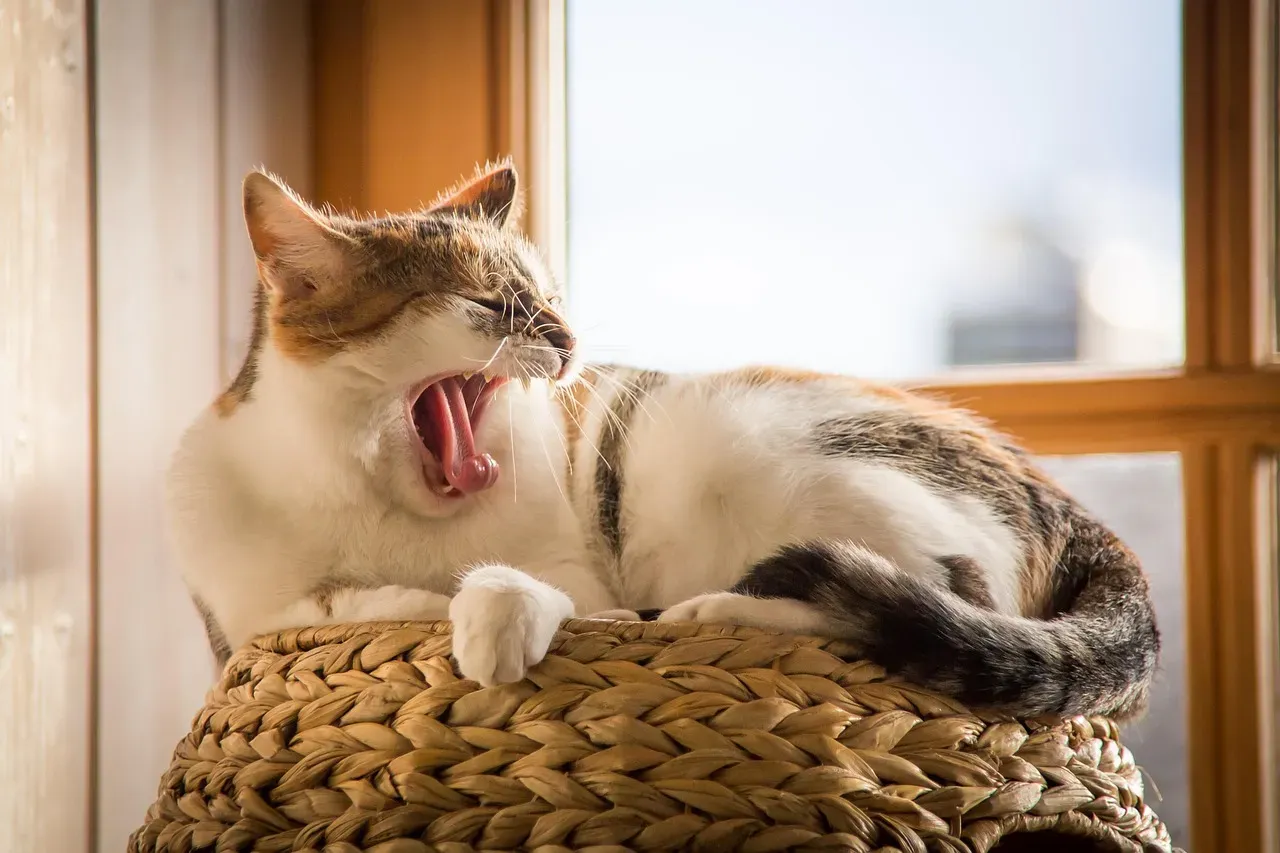
On a purely practical level, wrapping the tail around the paws helps a cat conserve body heat. Cats evolved from desert dwelling ancestors, and their bodies are still wired to guard against heat loss even in centrally heated homes. By pulling the tail in close, a cat reduces the surface area exposed to the surrounding air, which keeps them warmer during rest.
This is part of why you'll often see this posture more frequently in cooler months or in drafty rooms. It's a small adjustment, but it reflects a deeply ingrained survival behavior. The position essentially turns the cat into a compact, insulated little package, and most cats will unconsciously shift into it the moment they start feeling a slight chill or simply want to settle in for a longer rest.
#3 A Signal of Emotional Security
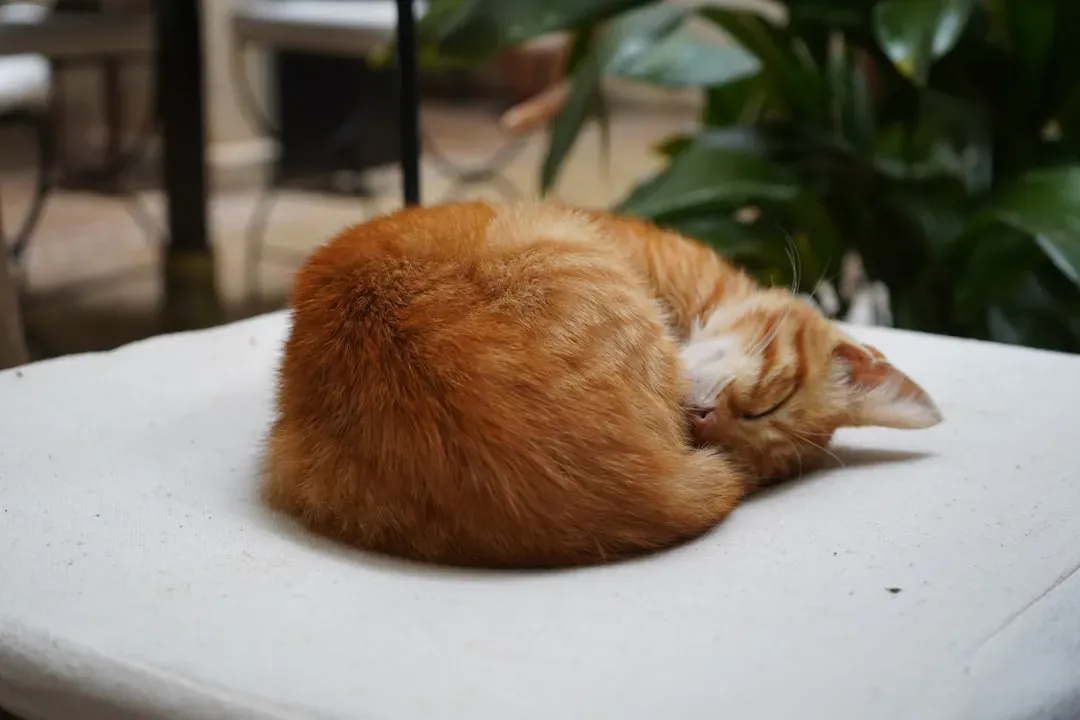
Beyond temperature regulation, this posture carries emotional weight too. When a cat feels safe, they naturally relax their muscles and pull their limbs and tail into a neat, contained shape. A cat who feels threatened or unsure of their surroundings is far more likely to keep their tail loose, low, or ready to snap into motion if they need to flee.
So when your cat wraps their tail neatly around their paws while sitting near you, it's often a quiet vote of confidence in their environment. They're not bracing for anything. They've essentially decided that nothing in the room requires their immediate attention, which is a small but meaningful signal of trust, especially if they're doing it in a space shared with people or other pets.
#4 The Loaf Position and Its Deeper Meaning
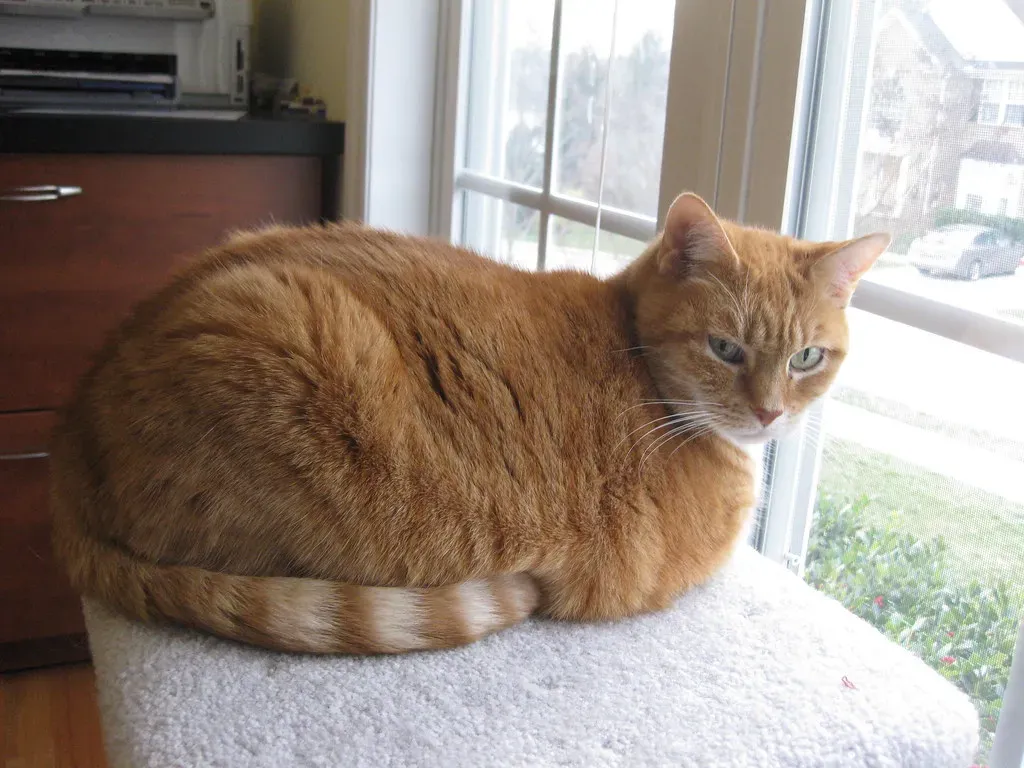
This tail wrap frequently pairs with what's commonly nicknamed the "cat loaf," where the paws are tucked underneath the body and the cat takes on a rounded, bread like shape. Combined with the wrapped tail, this creates one of the most compact resting postures a cat can adopt. It's a position that limits mobility somewhat, since the paws aren't immediately available for a quick jump or swipe.
That reduced mobility is actually part of the message. A cat willingly restricting their own ability to react quickly is a cat who doesn't feel like they need to. It's a subtle but telling contrast to postures like crouching with paws exposed and ready, which suggest alertness or mild unease rather than full relaxation.
#5 Context Still Matters More Than the Posture Alone
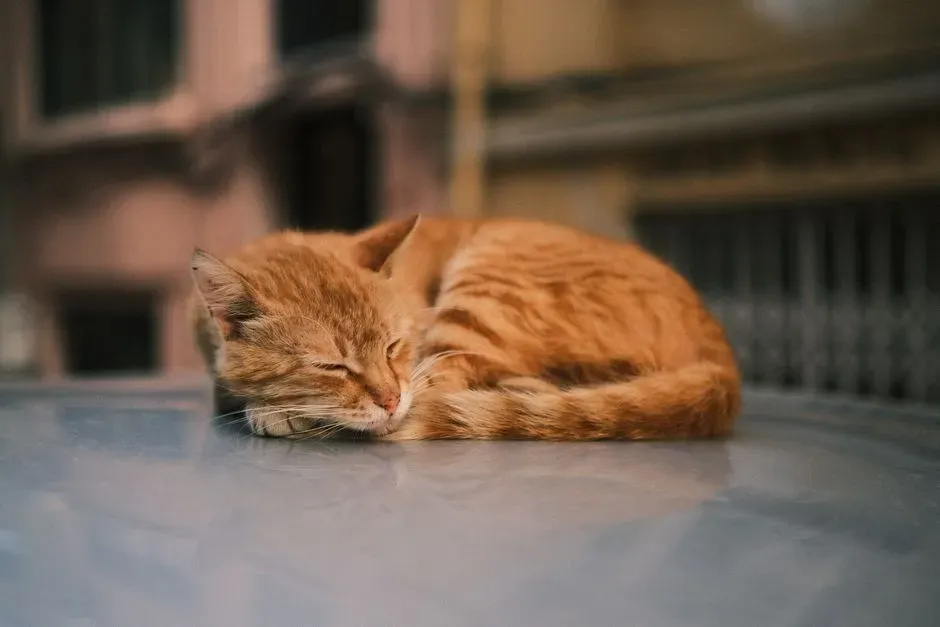
It's worth being careful about reading too much into any single body position without considering the surrounding context. A cat sitting with a wrapped tail in a quiet, familiar room means something different than a cat doing the same thing in a noisy vet waiting room. In the latter case, the tail wrap combined with other stress cues, like flattened ears or dilated pupils, might actually indicate a cat trying to shrink and protect themselves rather than one feeling relaxed.
This is why experienced cat behaviorists always encourage owners to look at the whole picture rather than isolating one gesture. Facial expression, ear position, whisker tension, and overall body posture all combine to tell the real story. The wrapped tail is a helpful piece of that puzzle, but it's rarely the entire answer on its own.
#6 What This Behavior Suggests About Your Bond
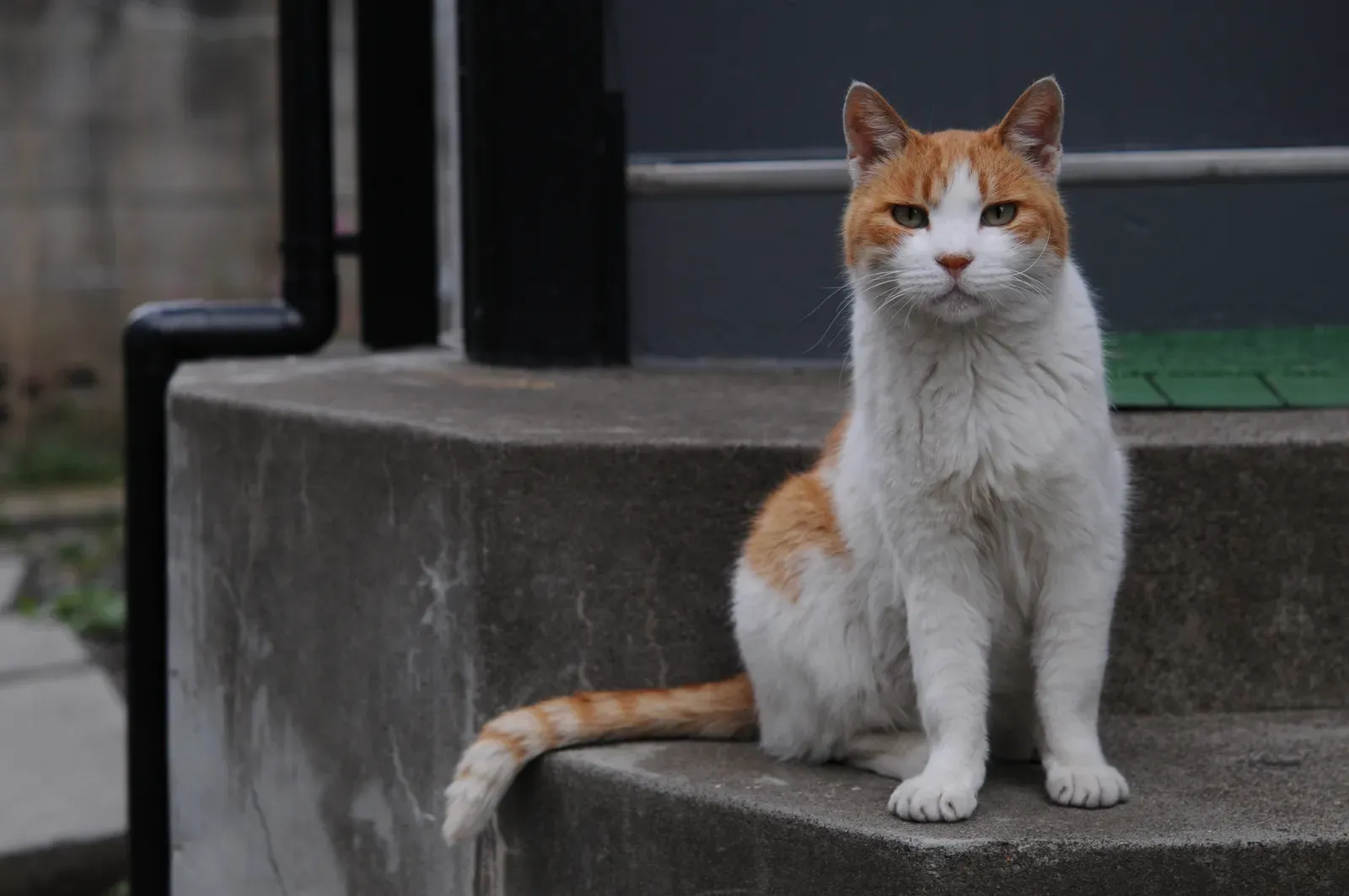
When cats regularly display this relaxed, wrapped tail posture around you specifically, it's generally a positive reflection of the relationship you've built. Cats are selective about where and with whom they let their guard down, and choosing to fully relax in your presence isn't automatic or guaranteed. It tends to develop over time through consistent, low pressure interactions and a sense of predictability in the household.
Some owners notice this posture becoming more frequent as their cat ages or becomes more settled in a home. It can be a nice, quiet marker of growing trust, especially in cats who were initially shy or came from uncertain backgrounds. Watching for it over weeks and months rather than a single instance gives a much clearer sense of how your cat truly feels about their environment and the people in it.
The Takeaway