13 Reasons a Senior Cat's Purr Changes as it Ages
Most cat owners assume a change in their senior cat's purr is just "getting old." They're wrong - and that assumption could mean missing a real health signal hiding in plain sound.
A cat's purr is one of the most complex tools in feline communication, and in senior cats, subtle shifts in its volume, rhythm, pitch, or sudden disappearance each tell a different story. Some of these stories are sweet. Others are urgent - here are all 13, in the order that builds to the one most owners never see coming.
#13 - They're Simply Using Energy More Wisely
The most overlooked reason first - and it matters more than you'd think.
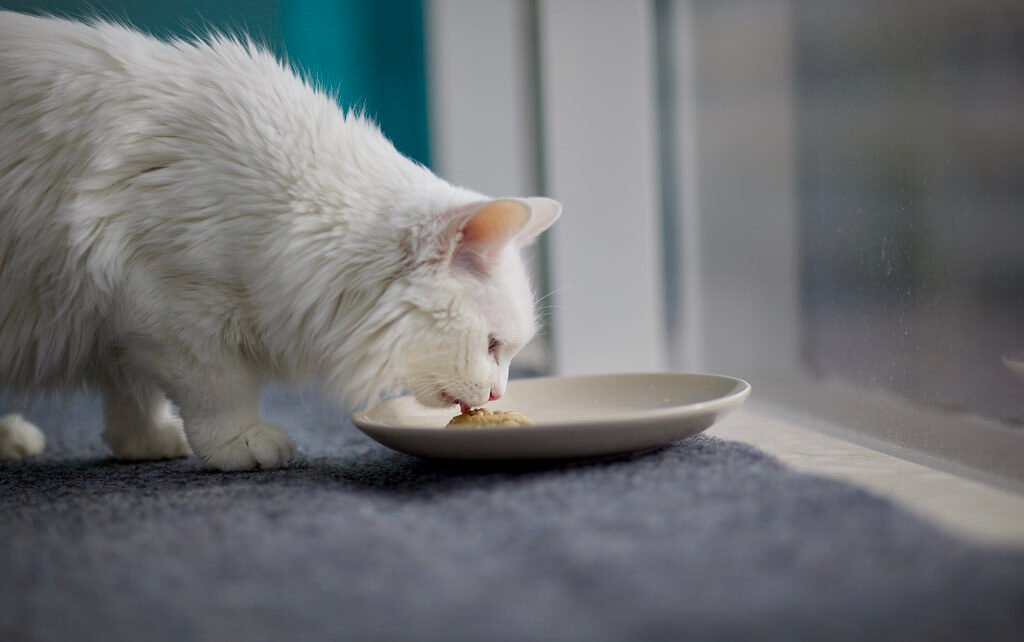
Aging cats change their habits, and many reduce how often they purr. Instead of burning energy on sound, they save it for eating and resting.
That's not sadness. That's smart biology.
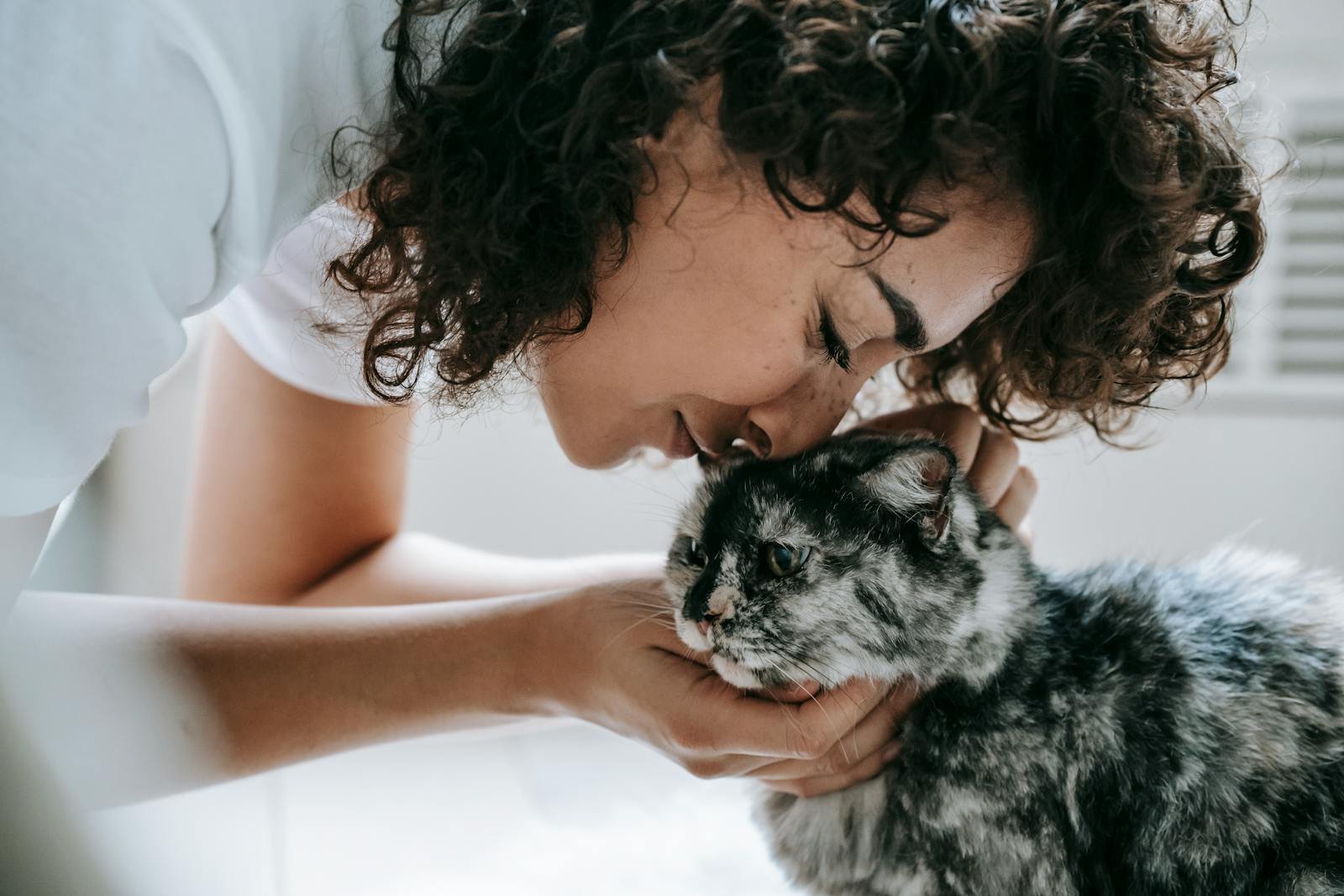
As cats age they tend to become calmer, trading playtime for snuggle time. Everything they do gets a little quieter - purring included.
The key fact most owners miss: a quieter purr doesn't equal an unhappy cat. Even old cats who purr far less than they used to can be just as content as they were as kittens.
But comfort isn't the only thing driving that quieter rumble. The next reason is where it gets genuinely surprising...
#12 - They're Secretly Self-Medicating With Sound
This one rewires how you think about a purr entirely.
Some cats actually purr more as they age, because purring is believed to work as self-soothing. It can help a cat calm itself and dull physical discomfort at the same time.
Domestic cats produce dominant frequencies around 25 Hz and 50 Hz - frequencies known to promote bone growth and fracture healing. A senior cat purring more intensely may literally be running its own internal pain-management program.
Researchers suspect cats purr partly for self-healing. Those constant low-pressure vibrations may even be helping maintain bone health as the body ages.
Fast Facts
- A domestic cat's purr typically ranges between 25 and 150 Hz.
- The 25 to 50 Hz band matches the exact range shown to stimulate bone growth and fracture healing.
- Even big wild cats like pumas and ocelots purr at nearly the same "healing" frequencies.
- Frequencies closer to 100 Hz are linked to soft-tissue and wound repair.
This changes everything about how you should read a senior cat that won't stop purring. That brings us to a reason owners almost always misread...
#11 - Pain Is Turning the Volume Up
Here's a counterintuitive one that trips up even experienced cat owners.
Some cats start purring almost continuously in an attempt to self-soothe. If your senior cat has suddenly become a purring machine, don't assume it means bliss.
Purring is self-soothing behavior, so a senior cat may purr more if cognitive dysfunction is causing stress, or if kidney disease or arthritis is causing pain.
A non-stop purr in an older cat is one of the most commonly misread signals in feline medicine. Constant purring can be a cat trying to talk itself through pain, not celebrating comfort.
The difference between a happy purr and a pain purr is subtle - but the next reason shows you exactly what else to watch for...
#10 - Arthritis Is Changing the Rhythm
This is the reason most vets say owners report last, even though it's one of the earliest signs.
Senior cats with arthritis don't just move differently - they purr differently. Shifting position can cause the purr to start and stop mid-cycle, creating a choppy rhythm instead of a long, steady rumble.
A cat in severe pain might not purr at all, or only manage weak, strained sounds. Arthritis is under-diagnosed in aging cats because they hide it so well, and an inconsistent purr is one of the few clues they give away.
Interrupted purring paired with reluctance to jump is a classic arthritis red flag. Watch for stiffness after rest or restlessness alongside the changed sound - together, they're hard to ignore.
And if arthritis is affecting the body, there's one internal condition that affects the purr even more directly...
#9 - Hyperthyroidism Is Physically Altering the Sound
This is arguably the most clinically important reason on this list.
Thyroid or parathyroid nodules in the neck can press against the larynx as cats age. When the larynx is compressed, the purr's pitch, volume, and consistency can shift dramatically.
Hyperthyroidism is common in older cats, and a classic sign is weight loss despite a good appetite. Left untreated, it can progress to a rapid heartbeat and even hypertrophic cardiomyopathy, where the heart walls thicken and struggle to pump.
At a Glance
- Roughly one in ten cats age 10 and older develops hyperthyroidism.
- It's the most common hormonal disorder seen in senior cats.
- Hallmark signs: weight loss with a normal or increased appetite, restlessness, a faster heartbeat.
- Caught early, it's highly treatable with medication, diet, or surgery.
A purr that has suddenly dropped in pitch alongside unexplained weight loss is a textbook hyperthyroidism warning sign. The good news: this condition is treatable, but only if it's caught in time.
The next reason is connected, and it involves the heart directly...
#8 - Heart Disease Is Adding a Rasp
A purr that goes from clean to raspy almost overnight deserves immediate attention.
Wheezy breathing and purr changes can be caused by asthma, heart disease, or hyperthyroidism. When fluid starts accumulating around the lungs from cardiac disease, every breath - and every purr - becomes labored.
A raspy purr can also point to upper airway problems, like inflammatory airway disease, a nasopharyngeal polyp, or a growth restricting airflow.
A newly raspy purr in a cat over 12 is a veterinary appointment, not a "wait and see." The sound is often the first thing owners notice before anything else looks wrong.
What separates a cardiac purr change from a respiratory one? The next reason makes the distinction clear...
#7 - Respiratory Changes Are Mimicking the Purr Itself
This one genuinely confuses owners - and even some first-time vets.
A loud, trilling purr that shifts into breathing-like sounds can indicate respiratory or airway issues. Causes range from upper respiratory infections to age-related airway changes.
The difference is in the rhythm. A true purr is steady on both the inhale and exhale, while a respiratory mimic is irregular and clearly effortful for the cat to produce.
If it sounds like your cat is purring but their sides are heaving, that's breathing distress - not contentment. Watch for sneezing, a runny nose, or appetite loss alongside the sound change.
But not every purr change signals a crisis. The next one is entirely about the brain...
#6 - Cognitive Dysfunction Is Disrupting the Signal
Think of this as feline dementia - and yes, it directly affects purring.
A cat living with feline cognitive dysfunction can genuinely forget how to purr. Memory deficiency is a documented symptom of the condition in senior cats.
Golden-aged cats can show decline that resembles dementia in humans - disorientation, confusion, and forgetfulness are all common signs.
Worth Knowing
- About 28% of cats age 11 to 14 show at least one sign of cognitive decline.
- That number climbs to roughly 50% in cats over 15.
- Vets often track the signs with the shorthand VISHDAAL: vocalization, interaction, sleep, house-soiling, disorientation, activity, and learning changes.
- Increased nighttime vocalizing is one of the earliest reported red flags.
A cat that used to purr reliably during cuddles but now stares blankly and stays silent may be showing an early cognitive symptom, not just a mood change. Owners frequently mistake this for a cat simply becoming "grumpy" with age.
The next reason is quieter but just as revealing...
#5 - Stress and Environmental Sensitivity Gets Amplified With Age
Older cats feel disruption more acutely - and their purr reflects it.
A cat may stop purring for a while after any change in its environment, needing time to adjust before the sound returns. In senior cats, that silence tends to last longer and needs more reassurance to reverse.
A new pet, a moved litter box, or even a changed daily routine can suppress a senior cat's purr for days at a time.
Most owners don't connect a household change to their senior cat going quiet. But in a cat with a sensitive aging nervous system, even small disruptions register hard. Track the timeline when the purr changes - you'll often find the trigger.
The next reason is one nobody wants to think about, but it's important...
#4 - Muscle Weakness Is Quietly Reducing the Output
Purring isn't passive. It takes real physical work - and aging bodies do less of it.
The intensity of a purr can drop with age simply because of the energy required to produce it. The laryngeal muscles behind the purring mechanism weaken along with the rest of an aging cat's body.
Loss of vocal strength often tracks alongside weight loss, since producing sound requires actual muscle effort to expel air.
The purr isn't just a mood indicator - it's a physical performance your cat has to produce. When the body weakens, so does the sound. This matters even more when it's combined with the next reason...
#3 - Dental Disease Is Interfering More Than You Think
This is the most underestimated reason on this entire list.
Dental disease is common in older cats and causes pain when they chew. But that pain doesn't stop at eating - it creates chronic low-grade discomfort in the jaw and throat that directly interferes with the mechanics of purring.
A cat purring with its mouth slightly open, or with visible jaw tension, may be fighting through oral pain just to make the sound at all.
Most people think dental disease just means bad breath. Turns out it's also one of the top reasons a senior cat's purr sounds strained, shortened, or off in pitch.
And the second-most critical reason takes this even further...
#2 - A Sudden Stop Is a Veterinary Emergency
This is the signal owners most often wait too long to act on.
A sudden cessation of purring can be tied to injury, illness, stress, or anxiety. In a senior cat that has purred reliably for years, an abrupt silence is never "just a phase."
The muscles used for purring don't naturally weaken with age on their own. If your cat has lost the ability to purr, physical injury or illness is almost always the reason.
Quick Compare
- Normal pause: purring stops during a stressful moment, returns within hours once your cat settles.
- Concerning stop: purring vanishes for a full day or longer with no obvious trigger.
- Emergency combo: silence plus appetite loss, hiding, or labored breathing.
- Rule of thumb: one quiet evening is normal; several quiet days is a vet call.
A senior cat that simply stops purring overnight has not "grown out of it." Something physical has changed. Loss of purr combined with weight loss, lethargy, or appetite changes is a same-week vet visit, minimum.
But the #1 reason is the one that most deeply reframes everything you thought you knew...
#1 - A Dying Cat Purrs More, Not Less
This is the finding that stops most cat owners cold - and it's the most important thing on this list.
A dying cat will likely sense its organs failing and struggle for breath, even as it faces other ailments. In response, many cats purr with increasing frequency in their final days, seeking to make the transition as calm as possible.
Purring can signal relaxation or pain - and increased purring in this stage often means the cat is feeling nauseated or deeply uncomfortable.
Purring is not always a sign of happiness, but rather is used as a self-soothing mechanism in cats.
Cornell Feline Health Center
The final weeks of a senior cat's life are often marked by a surge in purring - not because they're happy, but because it's the only self-soothing tool they have left. It's the most heartbreaking example of how a purr means something entirely different in an old cat versus a young one.
If your senior cat has ramped up its purring alongside withdrawal, reduced eating, or labored breathing, don't wait. That sound is them telling you something, in the only language they have.
The Bottom Line
Yes, a cat's purr changes with age - and now you know it's never random. From arthritis and hyperthyroidism to cognitive decline and cardiac disease, every shift in volume, rhythm, pitch, or frequency is a data point.
The purr you've grown used to over ten-plus years is a baseline. Any real departure from it - louder, quieter, raspier, or gone entirely - deserves your attention, not a shrug.
Senior cats don't complain loudly. Their purr is often the loudest signal they have left to give you.