11 Things Your Cat Does to Show You They Love You
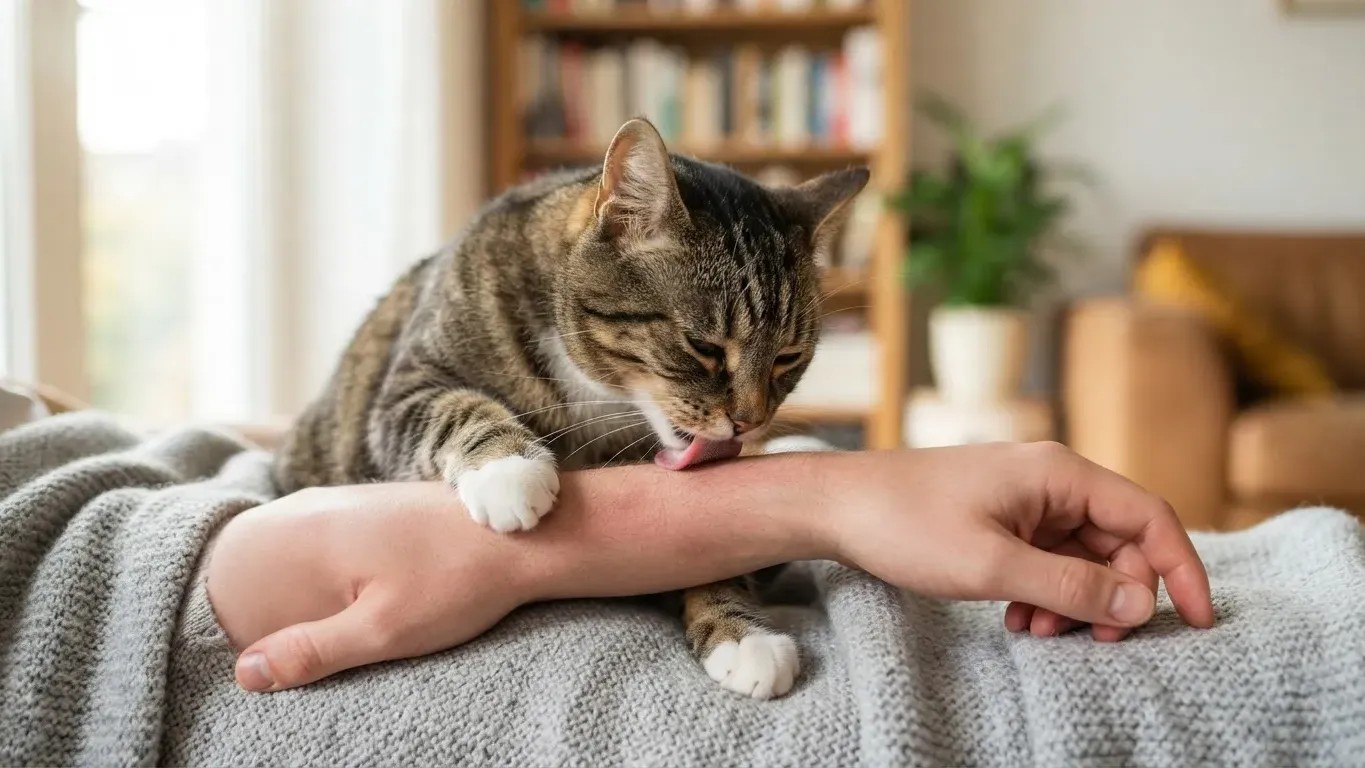
Most cat owners assume their cat barely tolerates them - that dog owners get all the affection, and cat people just get put up with. Turns out, researchers studying feline behavior have found that's completely wrong.
Cats show love constantly. You've just been misreading the signals your whole life - and by the end of this list, you won't be able to unsee them.
#11 - The Slow Blink You Keep Ignoring
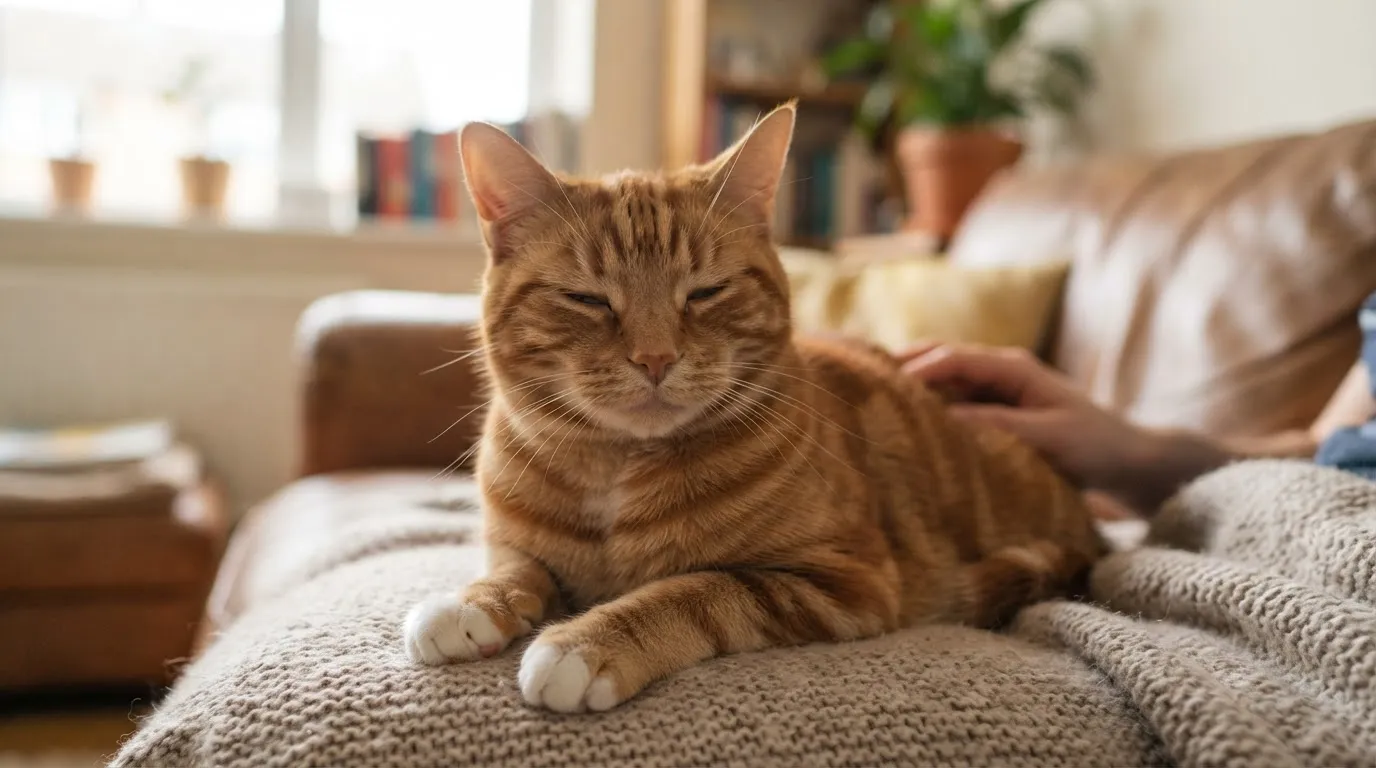
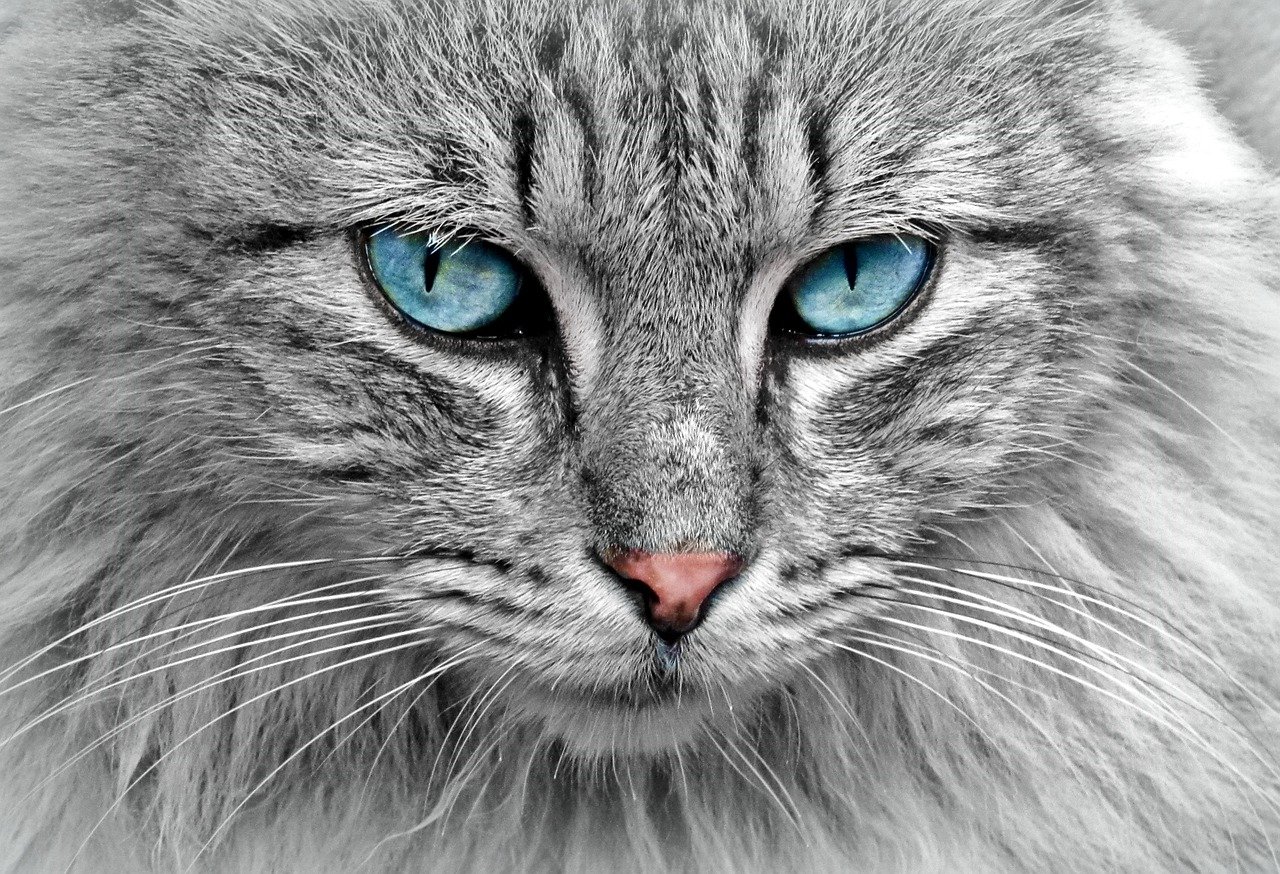
Your cat is basically sending you a love letter with their eyelids, and most people miss it completely.
In the wild, direct eye contact is a threat. Predators fix their stare on prey, and rivals lock eyes before a fight.
So when your cat deliberately breaks that tension with a slow, sleepy blink, they're doing something rare - showing vulnerability on purpose.
A 2020 study published in Scientific Reports found cats were far more likely to slow blink back at humans who blinked at them first. That means your cat isn't reacting instinctively - they're choosing to signal trust to you specifically.
Shelter cats who slow blinked at visitors were even adopted faster, since humans feel that warmth even without knowing why.
Fast Facts
- The first experiment tested 21 cats from 14 different households.
- A follow-up experiment used 24 cats from 8 households, blinked at by total strangers.
- Cats that slow-blinked back were also more likely to approach an outstretched hand.
- Shelter cats that returned the blink were rehomed faster than ones that didn't.
Try it tonight. Hold your cat's gaze, blink slowly, then wait for the reply.
That's already sweet. But #10 comes with a physical stamp of ownership.
#10 - The Headbutt That Means "You're Mine"
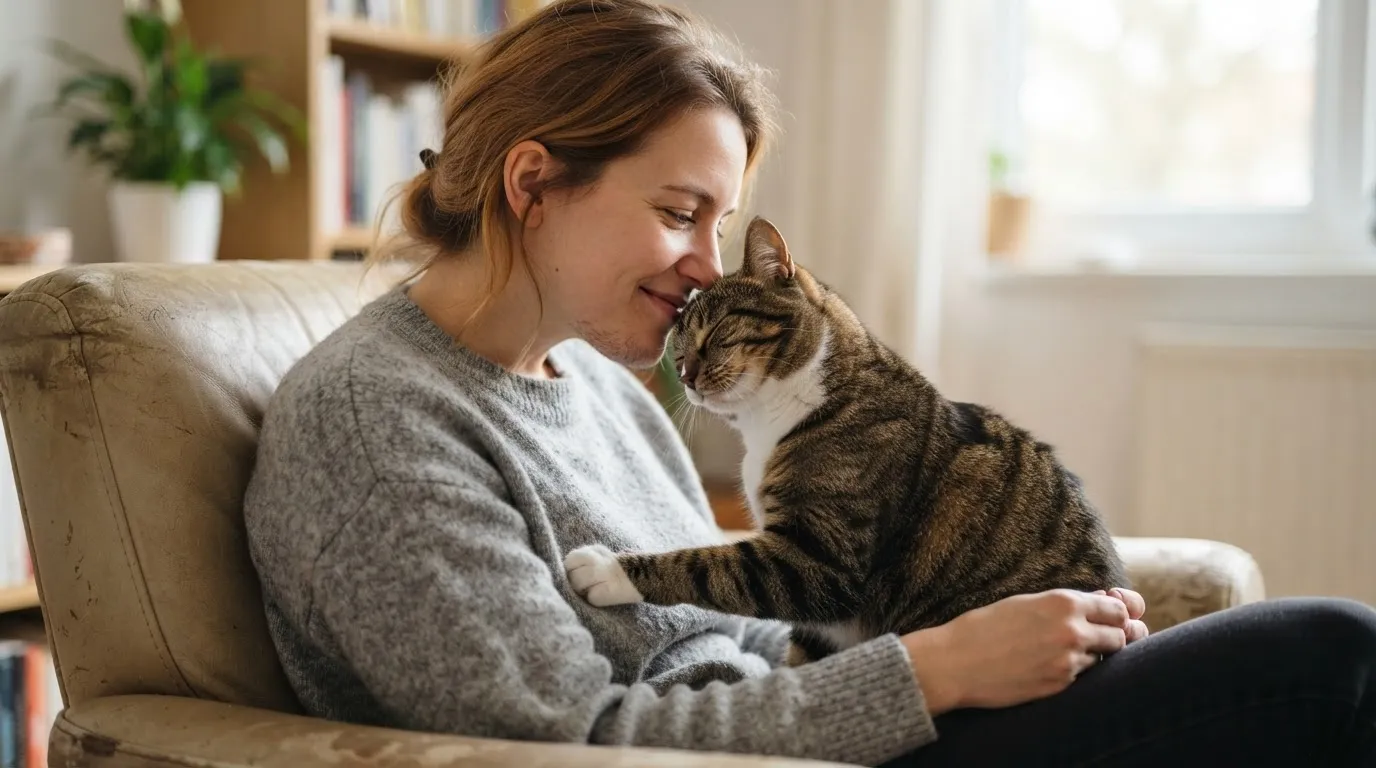
That little skull tap to your chin isn't clumsy affection. It's deliberate.
Cats have scent glands along their cheeks and forehead. When they bunt you, they're marking you as part of their territory - and their inner circle.
Only cats who feel genuinely secure with someone will bunt them. Strangers rarely get this treatment.
Some cats follow the headbutt with a nuzzle or a slow blink, stacking two trust signals into one gesture.
Think of it as the feline version of a hug - forehead to forehead.
Sweet, but nothing next to what your cat's paws are doing on your lap.
#9 - Kneading Your Lap Like Bread Dough
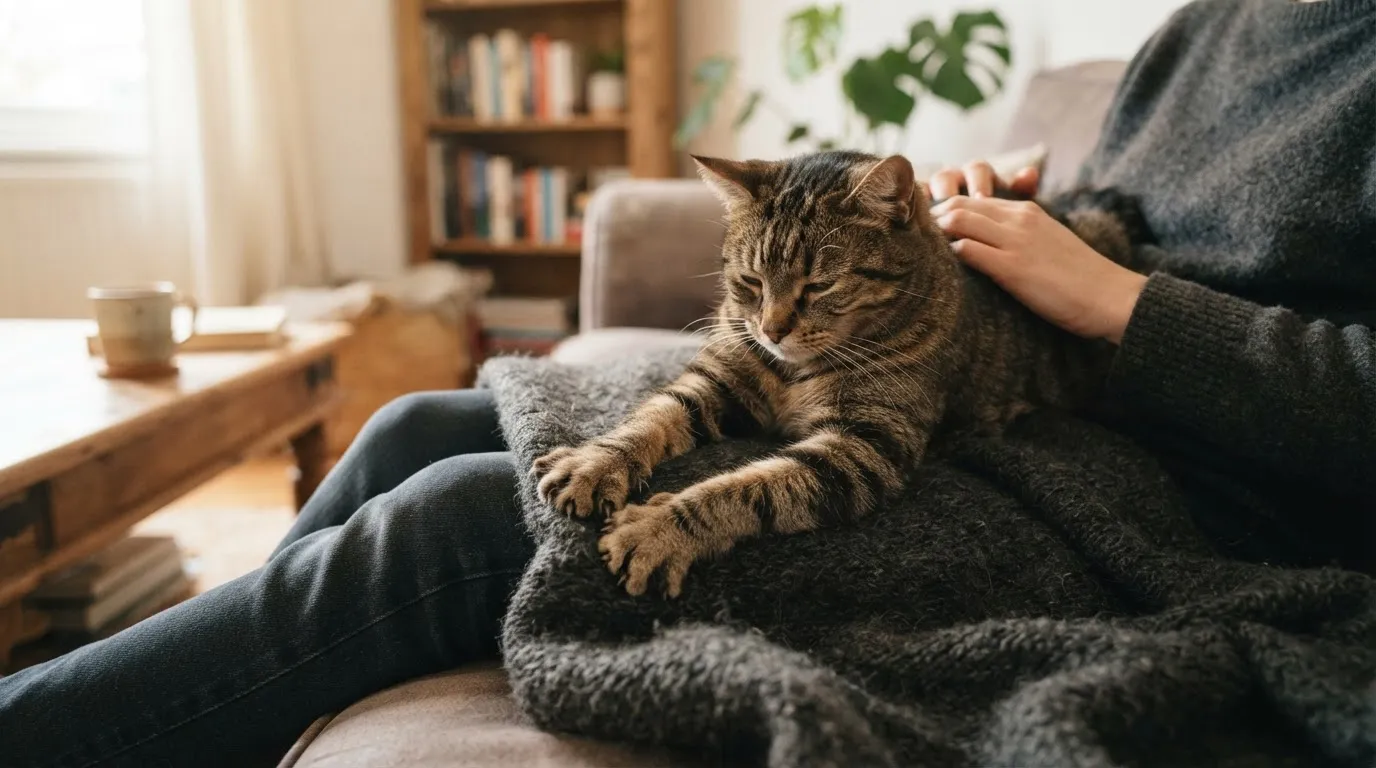
It looks adorable. Most owners have no idea how emotionally loaded it actually is.
Kneading starts in kittenhood, when kittens knead their mother's belly to stimulate milk. It's tied to safety, warmth, and nourishment.
When your adult cat kneads your lap, they're replaying that exact memory - and casting you in the role of their mother.
Kneading only happens when a cat feels fully relaxed. Add purring on top, and you're one of the most trusted people in their world.
That's a big compliment. But the greeting at your front door is even bigger.
#8 - The Upright Tail Greeting at the Door
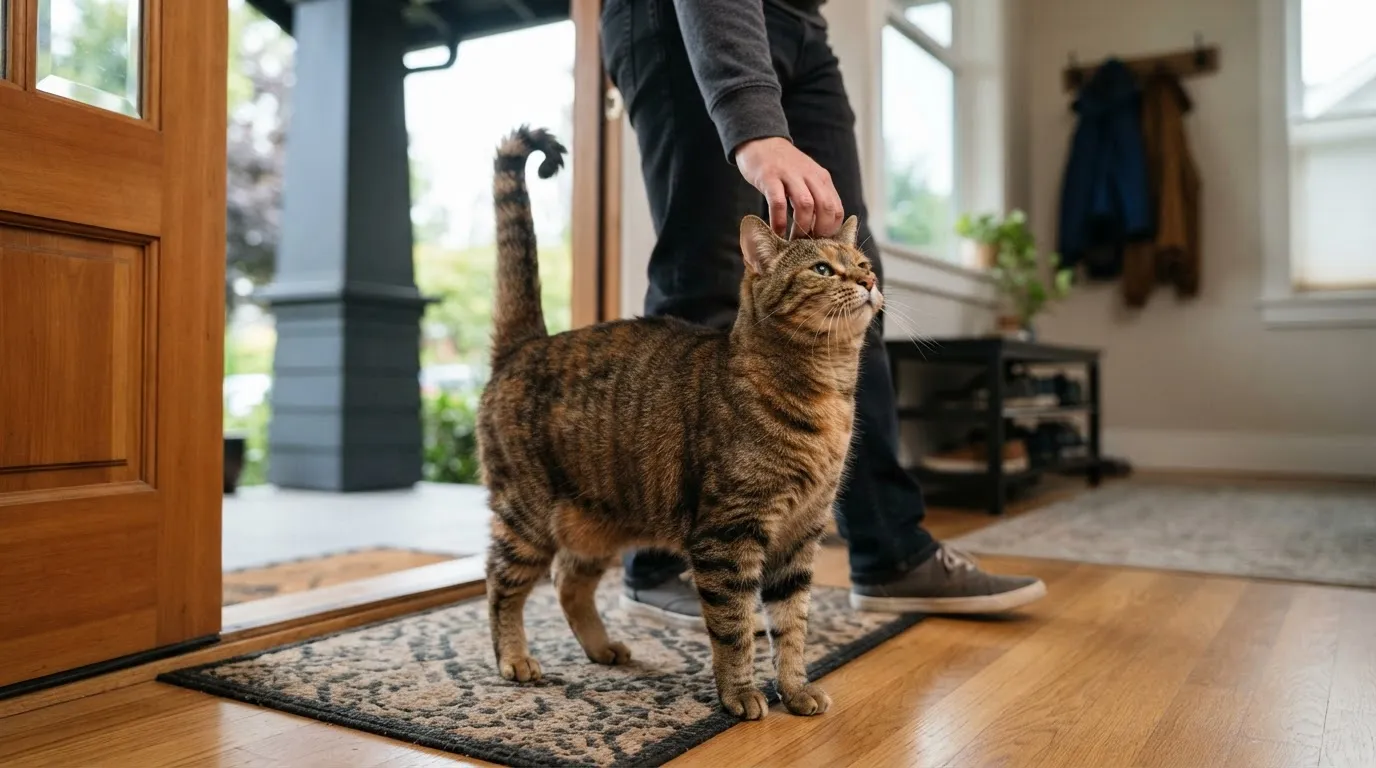
Dogs wag. Cats raise - and the difference matters more than people realize.
A tail held straight up like a flagpole is a friendly signal, the feline version of a wave. It says: I know you, and I trust you.
Some cats add a subtle curl at the tip, shaped like a question mark - a sign they want to actually engage, not just say hi.
Strangers don't get this greeting. Neither do people your cat merely tolerates.
Compare that to what happens when your cat starts licking your hair.
#7 - Grooming You Like You're One of Their Own
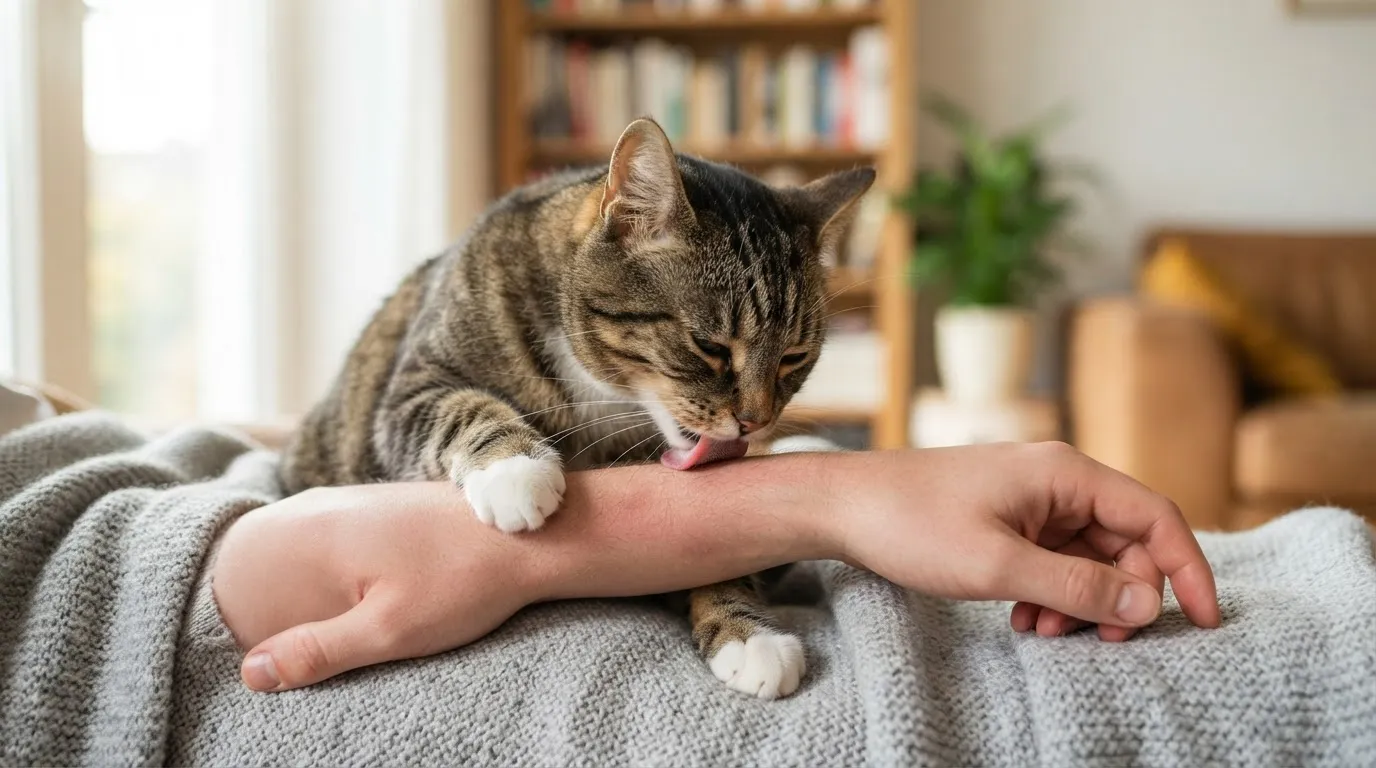
If your cat has ever licked your hand, your arm, or your hair, you probably brushed it off as odd. It's actually one of the highest honors a cat can give.
Mutual grooming, or allogrooming, is reserved for bonded cats in a colony. By grooming you, your cat is placing you inside that circle.
Cats don't groom animals they feel neutral about. It's a calculated, deliberate social investment - not an accident.
Think of it as your cat's version of putting an arm around your shoulder.
Now picture that same affection, but with sound attached.
#6 - The Trill Sound Reserved Just for You
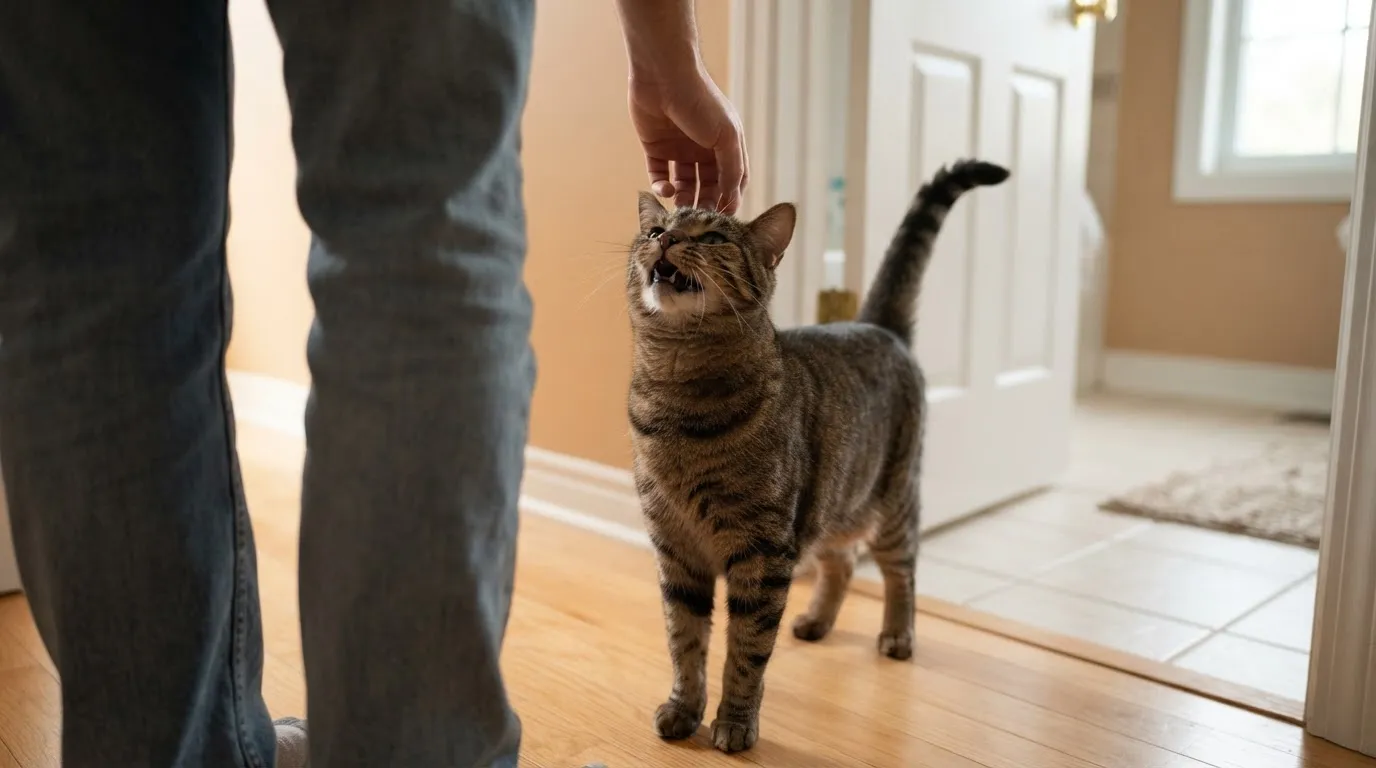
You've heard it - that rolling, chirpy little noise your cat makes the second you walk into a room. Most people never realize how specific it actually is.
A trill is a cross between a meow and a purr, and it's mostly used cat-to-cat. When your cat directs it at you, they're treating you like family.
It's not random vocalizing. It's a greeting built specifically for people they consider theirs.
If your cat trills the moment they see you, they're saying something warm, and saying it on purpose.
Now imagine that same loyalty, but it follows you into the bathroom.
#5 - Following You From Room to Room
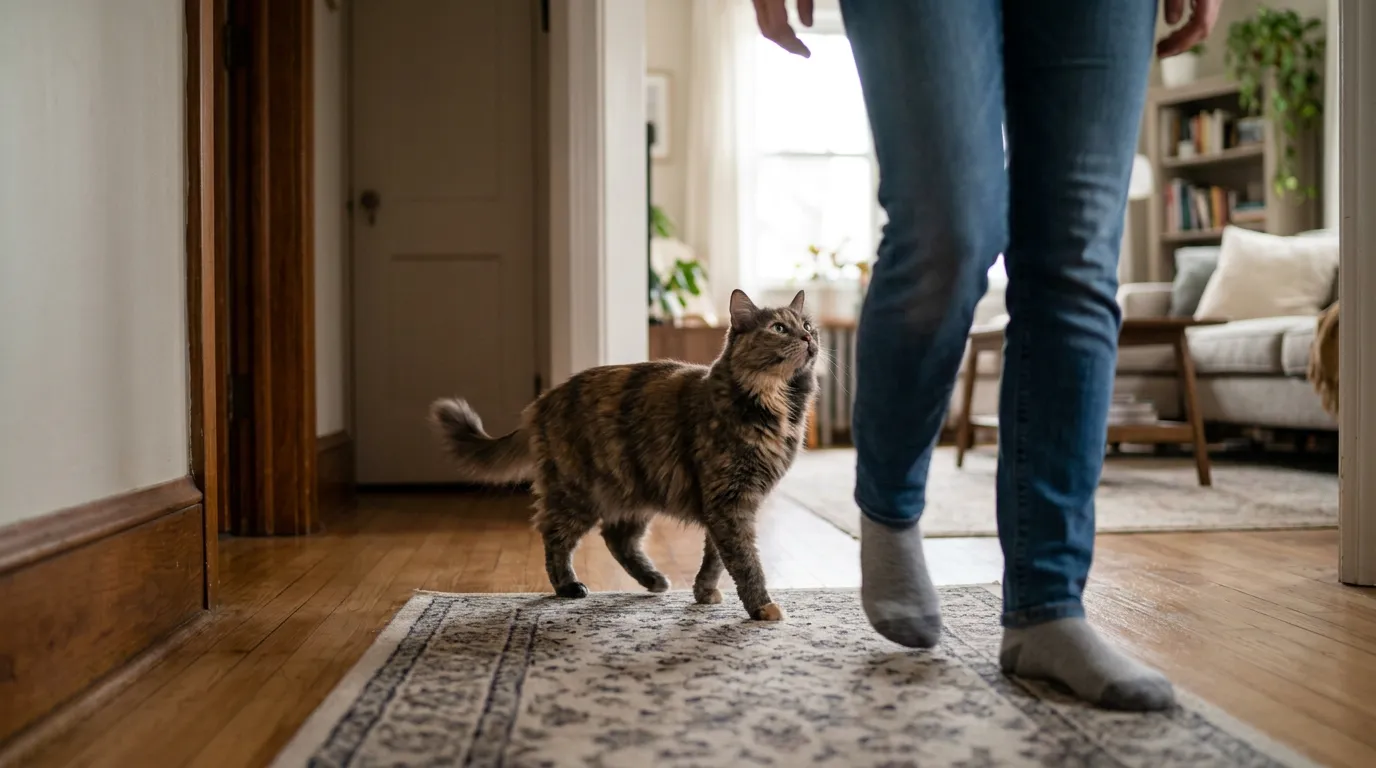
The "aloof cat" myth falls apart the second you notice a cat trailing you everywhere. That's not clinginess. It's a choice.
Cats securely attached to their owners explore more confidently when their person is nearby, and show real stress when separated. Humans function as emotional security, not just a food source.
Worth Knowing
- A 2019 Oregon State University study found 64.3% of kittens were securely attached to their owners.
- Among adult cats tested, 65.8% showed that same secure attachment style.
- That's nearly identical to the roughly 65% secure attachment rate seen in human infants.
- Six weeks of socialization training didn't change the results - attachment style stayed stable.
Following you is your cat's way of saying they don't want to be alone - and they'd rather be near you than anywhere else in the house.
Trailing you to the coffee maker or the bathroom isn't random. It's a quiet, constant message: wherever you are is where they want to be.
That devotion gets even weirder once gifts get involved.
#4 - Bringing You "Gifts" (Yes, Even the Gross Ones)
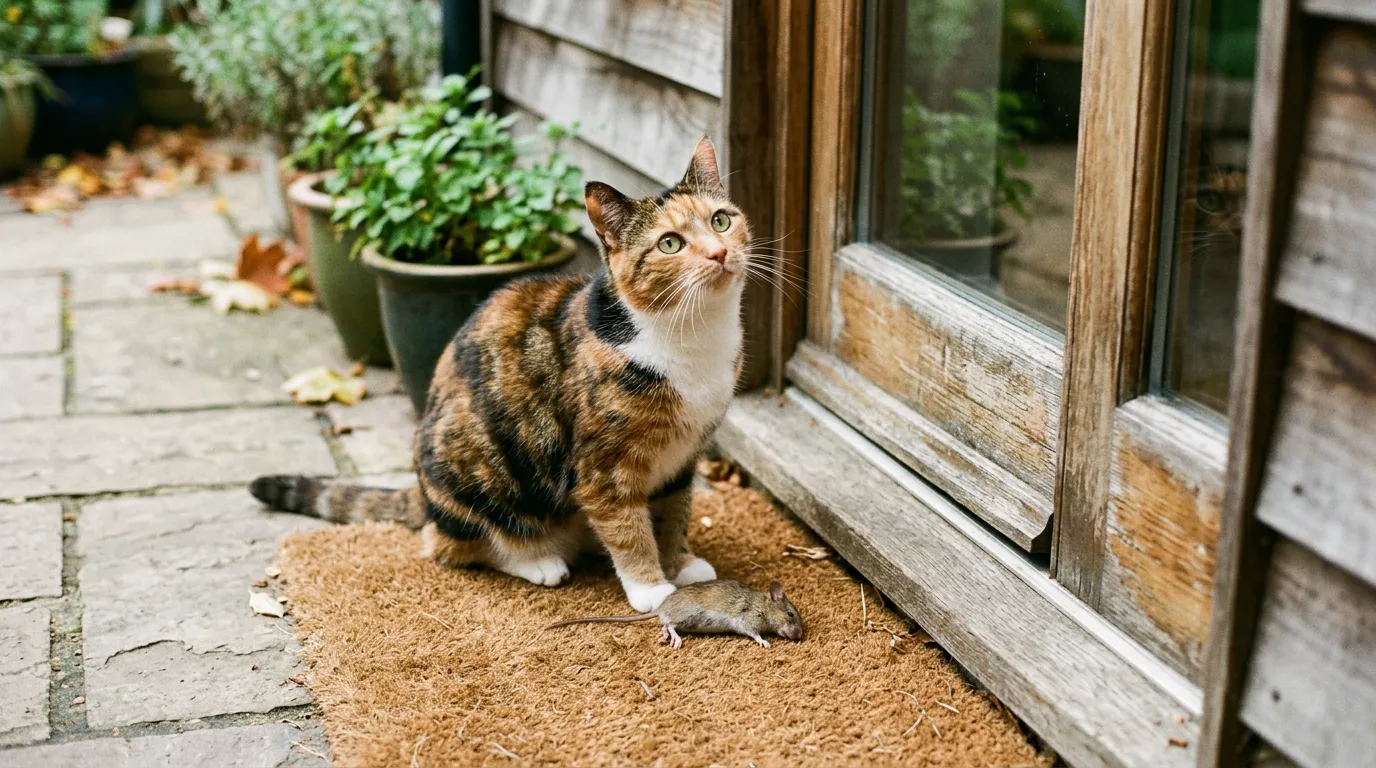
Nobody enjoys finding a dead mouse on the doorstep. But before you recoil, understand what your cat is actually doing.
In the wild, cats who share prey are bonded to each other. Bringing you a toy, a bug, or a bird is your cat treating you as a valued member of their unit.
The grosser the gift, the more impressed your cat probably is with themselves. A dead bird is basically a handmade cake, in cat terms.
Rejecting it stings more than you'd think. The intent, gross or not, is pure affection.
Even that doesn't compare to what's happening when your cat purrs against your side.
#3 - Purring Specifically When Near You
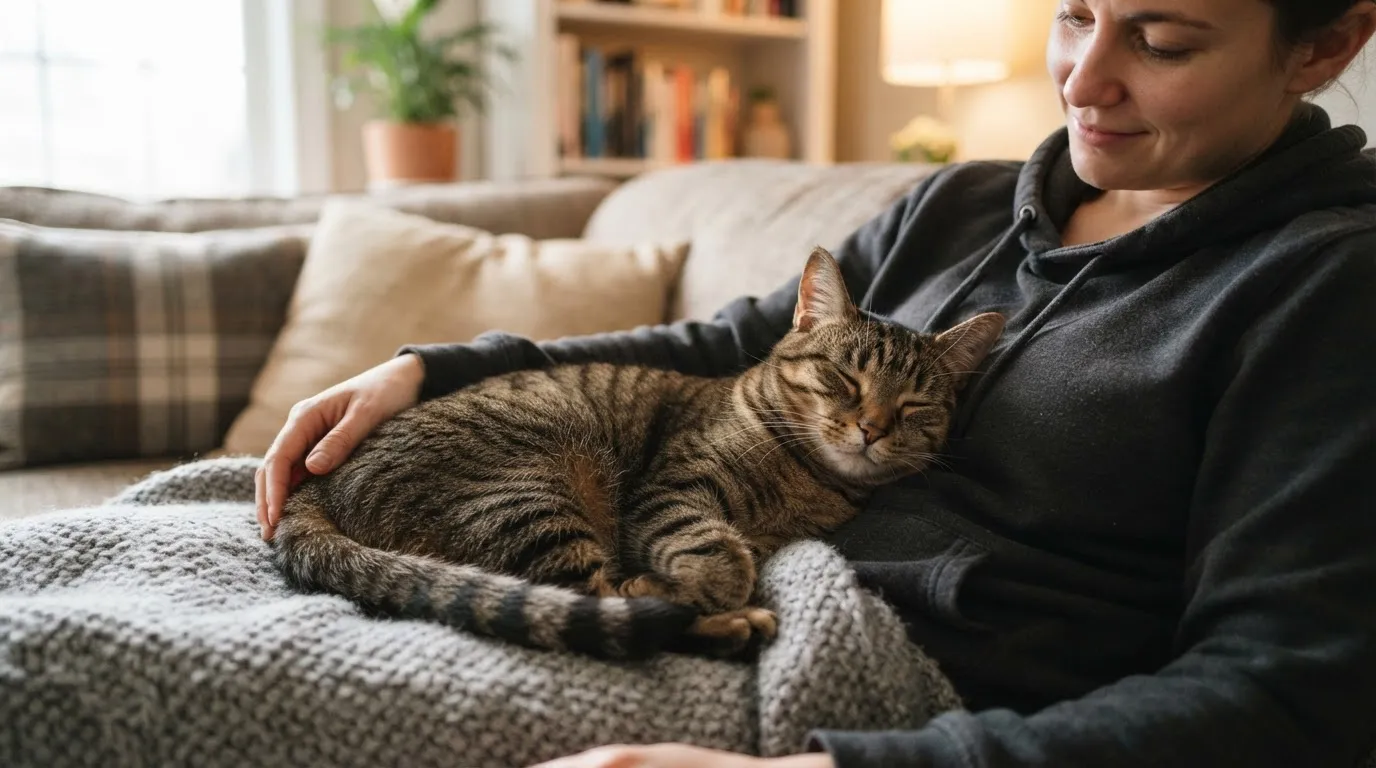
Purring is widely misunderstood. It's not just a "content" sound, and not every purr means the same thing.
Cats also purr when stressed, sick, or in pain, using it to self-soothe. But the purr that kicks in only once they've settled against you is different - it's social, not medical.
Quick Compare
- Contentment purr: low and steady, usually paired with a relaxed body and half-closed eyes.
- Stress purr: can show up when a cat is sick, scared, or in pain, used to self-soothe.
- Bonding purr: kicks in specifically once they're settled against someone they trust.
Cats with secure attachments to their humans are more likely to initiate cuddling, and that closeness raises their oxytocin levels - the same hormone that surges in humans during bonding moments.
Your cat purring into your side at night isn't just comfort-seeking. It's a biochemical exchange of affection, happening in real time.
But the belly flip might be the single most misunderstood signal on this entire list.
#2 - Showing You Their Belly (Without Asking for a Rub)
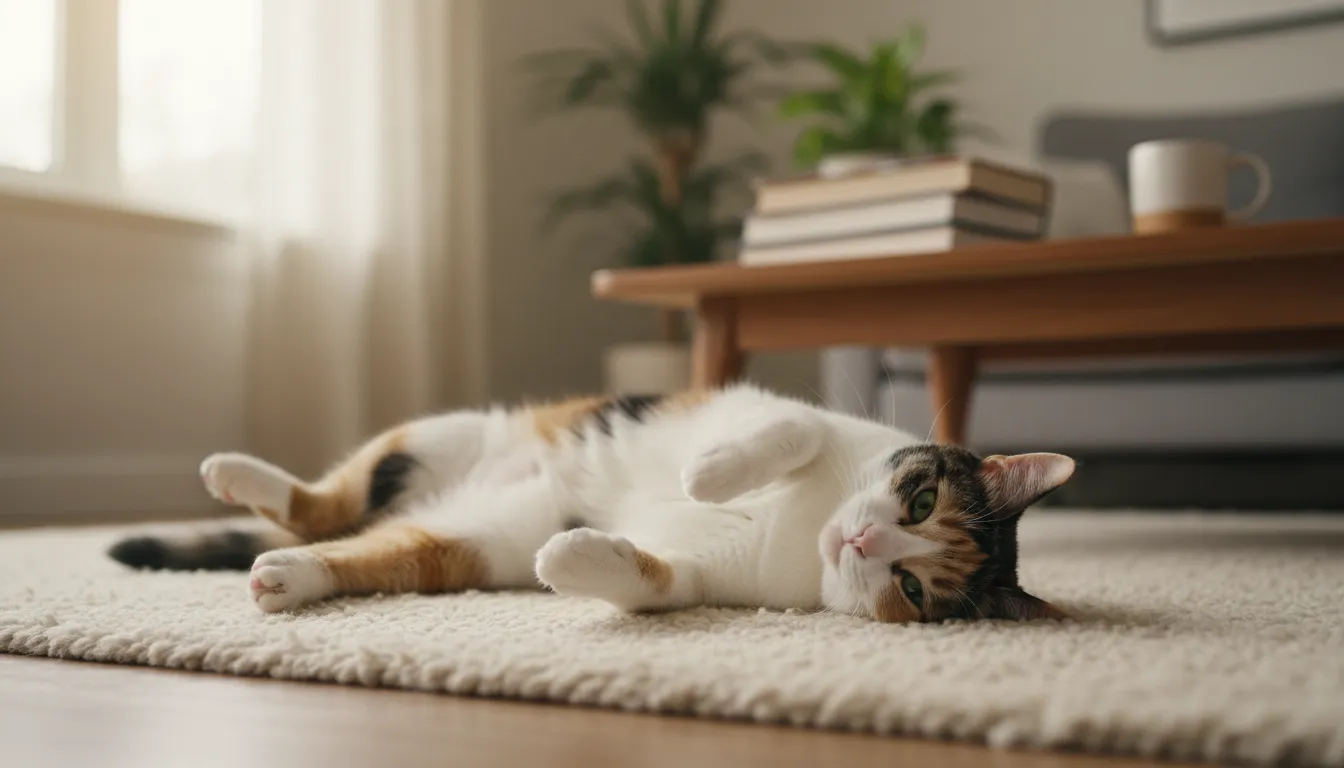
The exposed belly is one of the most misread signals in all of cat behavior - and getting it right changes how you see your cat completely.
Rolling onto their back exposes the most vulnerable part of a cat's body. Doing it in front of you is a direct statement: I feel completely safe with you.
Here's the part that trips people up: it's rarely an invitation to touch. Plenty of cats will swat at a hand reaching for their belly, not out of aggression, but because the display was about emotional safety, not physical contact.
Respecting that boundary, instead of testing it, actually deepens the bond.
Still, nothing on this list beats what your cat does every single night while you sleep.
#1 - Choosing to Sleep on or Next to You
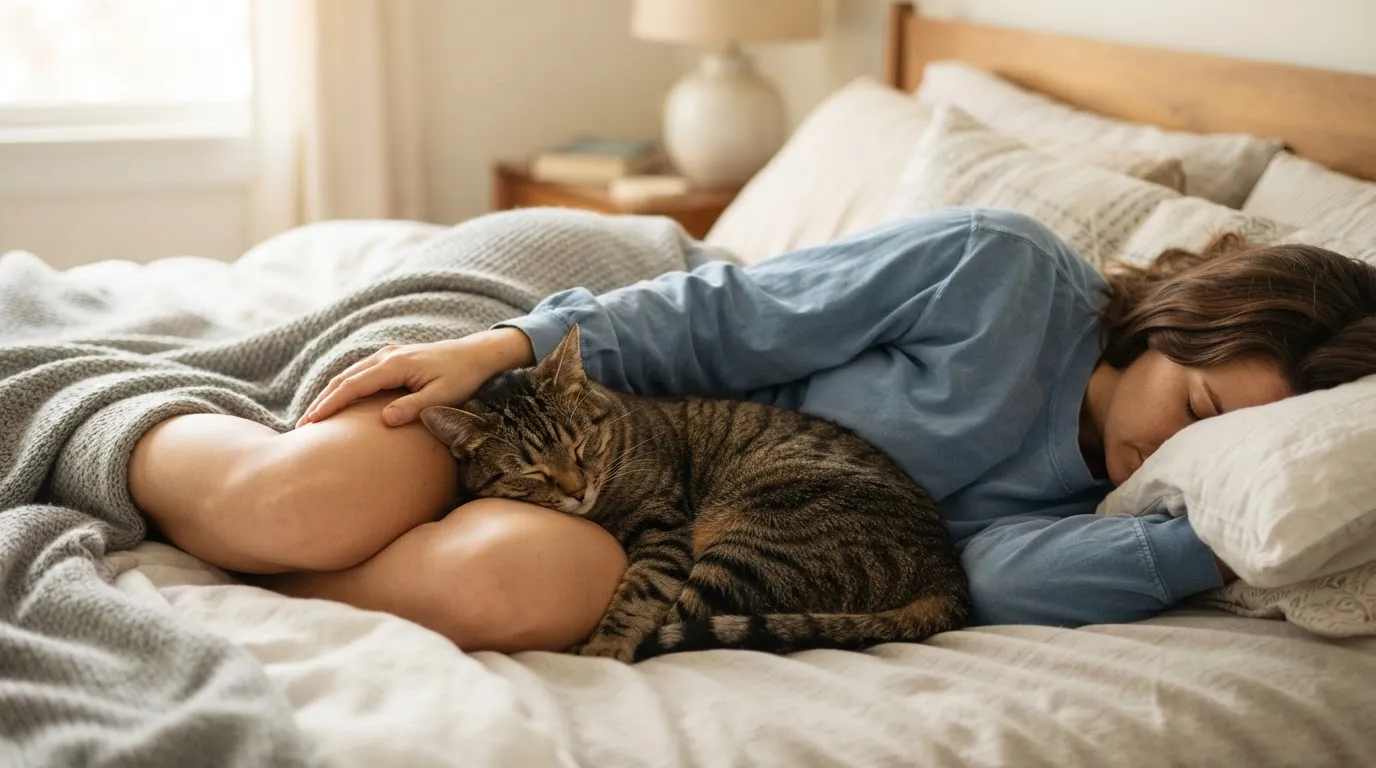
Out of every behavior on this list, this one carries the most weight - and almost nobody treats it with the seriousness it deserves.
A 2019 study found that cats can form the same kind of attachment bond with their owners that human infants form with parents. Kittens in the study showed real distress when their caregiver left, and relief when they returned - and the pattern held up a full year later.
"The majority of cats use humans as a source of comfort."
Kristyn Vitale, Oregon State University
Choosing to sleep next to you is the single most trusting thing a cat can do. Sleep is when animals are at their most defenseless.
Your cat isn't just comfortable around you. They feel safe enough to be unconscious in your presence, for hours, night after night.
Researchers at Oregon State University found that cats actually prefer human interaction over food. Curling up against you for eight hours a night might be the purest proof of that preference there is.
The Bottom Line
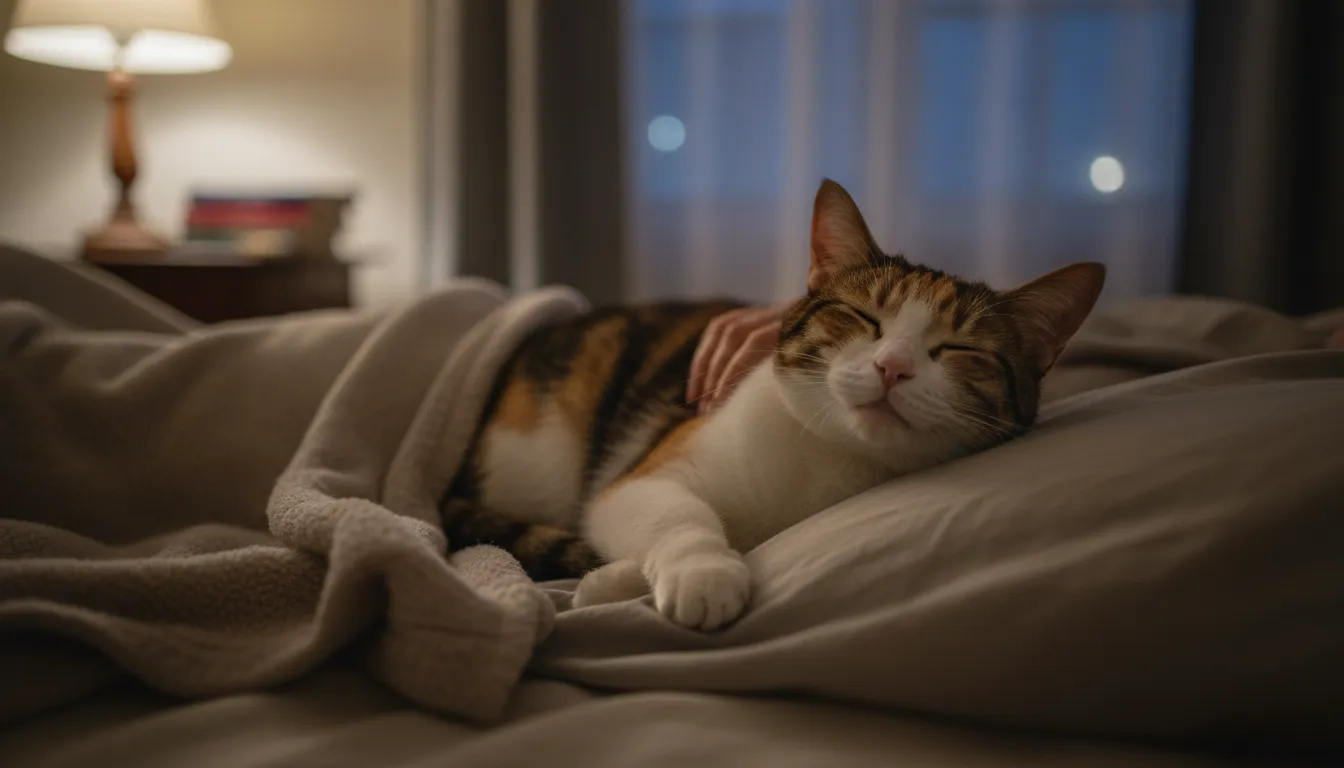
Your cat has been telling you they love you all along - in slow blinks, forehead taps, tiny chirping trills, and the quiet weight of their body against yours at 2 a.m.
The mistake most owners make is waiting for their cat to show love the way a dog does. Cats never will, and they were never trying to.
Once you learn their actual language, you realize your cat has been fluent in it for years. You just needed someone to translate.