Your Cat Chooses to Groom Themselves Beside You for a Reason - It Can Reveal How Comfortable They Feel
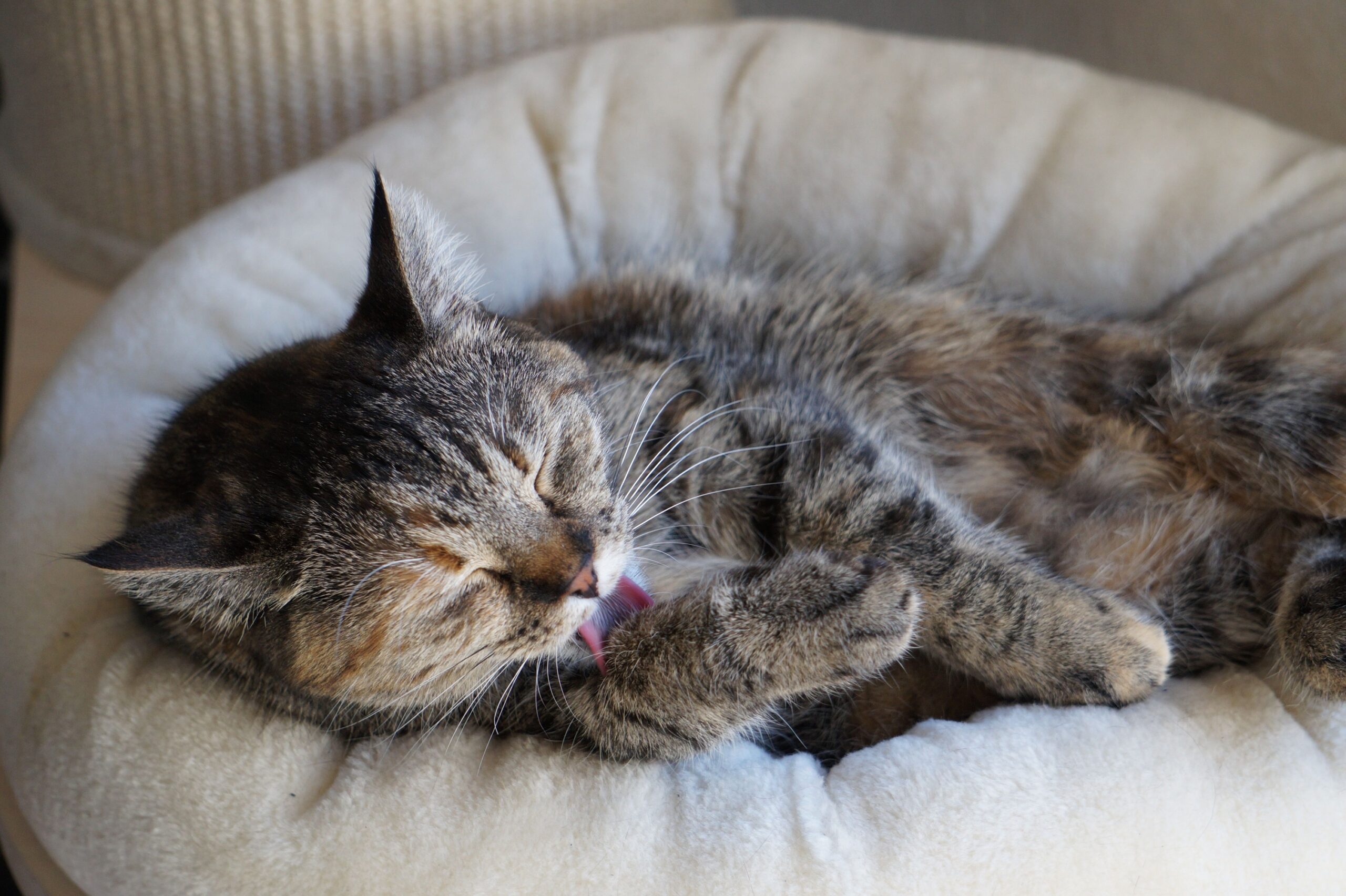
#1 Grooming is a vulnerable act, not just a hygiene habit
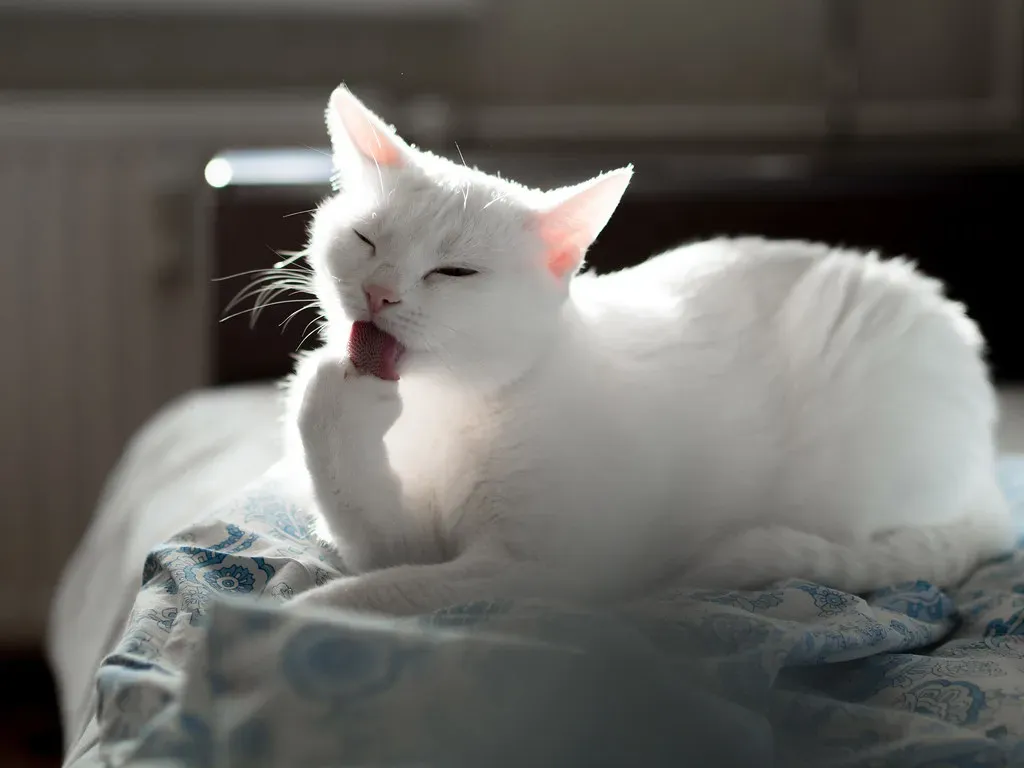
When a cat licks itself clean, it enters a state that leaves it physically exposed. Its eyes are half closed, its attention is turned inward, and its usual alertness to sound and movement drops considerably. In the wild, this kind of self absorbed behavior would make an animal an easy target for predators, which is exactly why feral and outdoor cats tend to groom in short bursts, often tucked away in hidden corners.
A cat that grooms out in the open, especially near a person, is making a calculated choice. It's essentially deciding that the risk of lowering its guard is worth it in that particular spot, at that particular time. That decision is not accidental, and it is not something cats extend to just anyone or anywhere in the house.
#2 Proximity during grooming signals a specific kind of trust
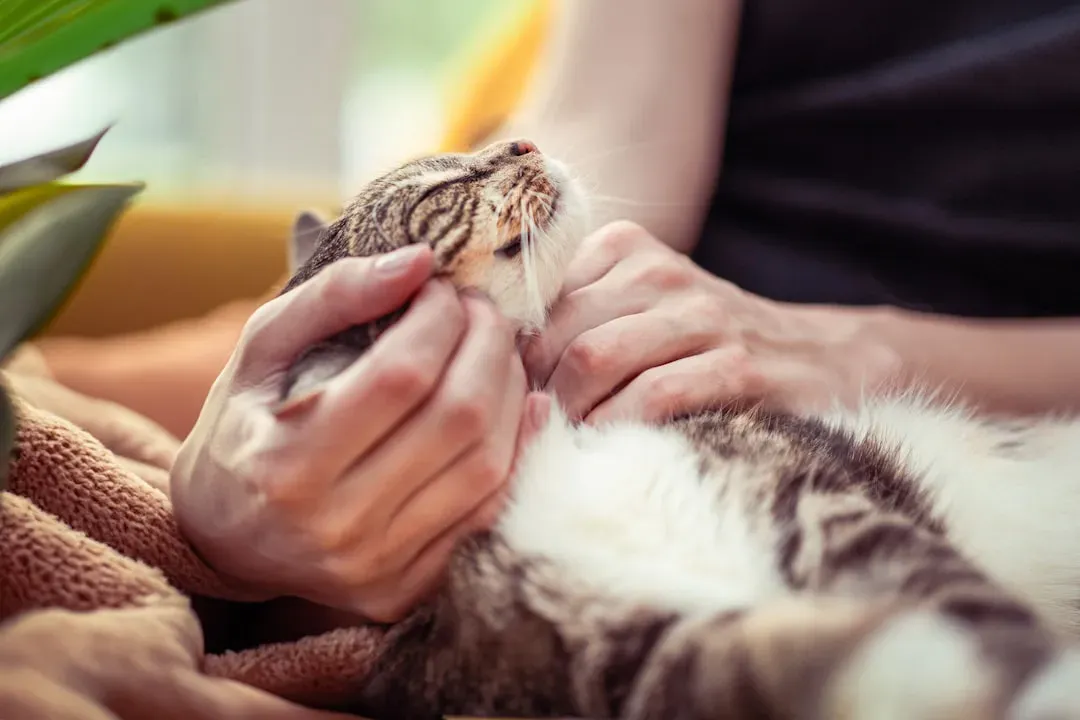
Cats are deliberate about where they choose to be vulnerable. If your cat grooms itself a few feet away from you rather than in another room entirely, it has effectively picked you as part of its safety zone. This is different from simply tolerating your presence, since a cat that felt genuinely unsettled would retreat somewhere quieter and more enclosed before starting its routine.
Researchers who study feline behavior often point to proximity choices as one of the clearer, more observable indicators of comfort, since cats can't easily fake the physiological relaxation that grooming requires. A racing heart or heightened stress response makes it hard to settle into the slow, rhythmic licking pattern that grooming involves. So when it happens beside you, the behavior itself is doing some of the explaining.
#3 It taps into the same social licking cats do with each other
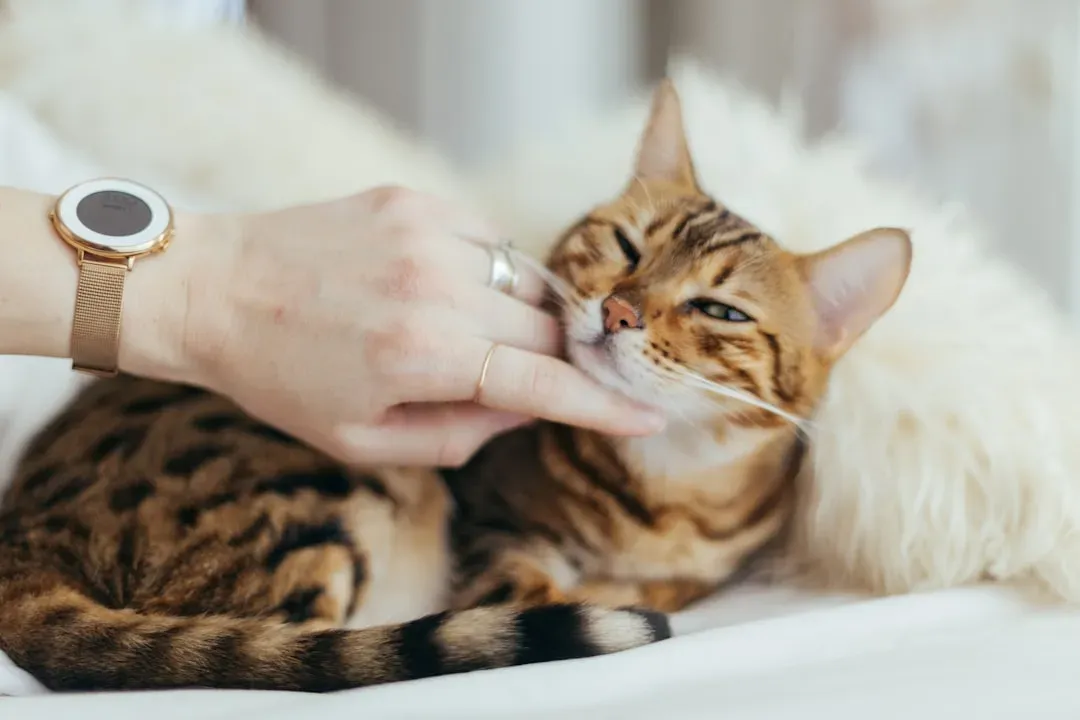
Grooming isn't only a solitary activity for cats. Among cats that live together and get along, mutual grooming, sometimes called allogrooming, is a common bonding behavior. It's typically reserved for cats with an established social connection, not something offered to strangers or rivals within the same household.
When your cat grooms itself near you rather than initiating that mutual licking, it may be borrowing from that same social script in a modified way. You become part of the grooming context without necessarily being groomed yourself. Some behaviorists suggest this positioning is the cat's way of including you in a bonding ritual on its own terms, since not every cat is comfortable directly grooming a human hand or face.
#4 The context around the grooming matters as much as the act itself
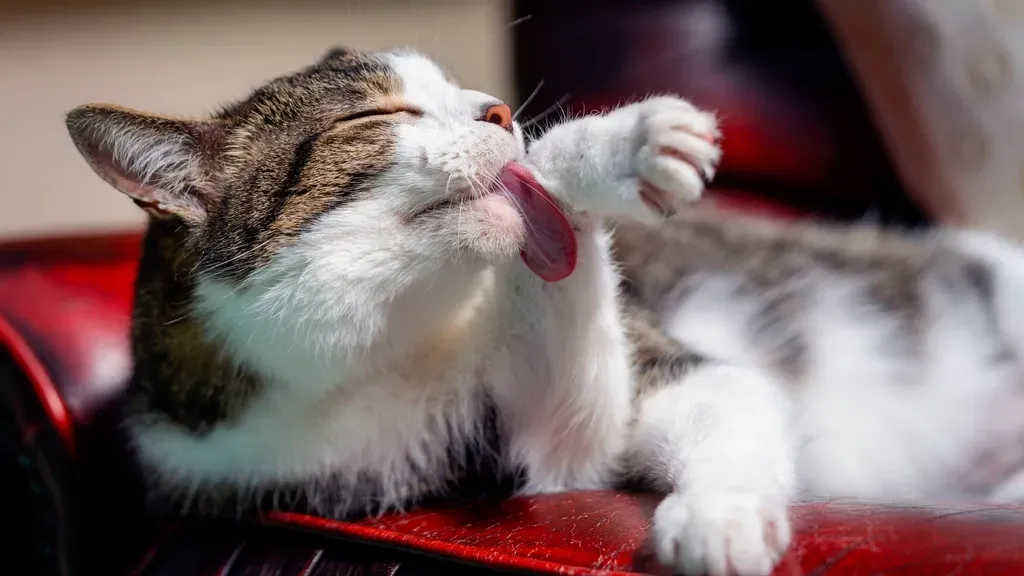
Not all self grooming beside you carries the same meaning. A cat that grooms briefly after a nap, then wanders off, is likely just going through a normal maintenance routine that happens to occur near you by coincidence. A cat that consistently chooses your lap, the arm of your couch, or the spot right next to your feet is making a more pointed statement about where it feels safest.
Timing also plays a role worth paying attention to. Grooming that follows a stressful event, like a loud noise or a vet visit, can sometimes function as a self soothing behavior rather than a comfort signal directed at you specifically. Distinguishing between habitual, relaxed grooming and anxious, displacement grooming takes a bit of observation, but the difference is usually visible in the cat's overall body language, including ear position and tail movement.
#5 Overgrooming can complicate the comfort narrative
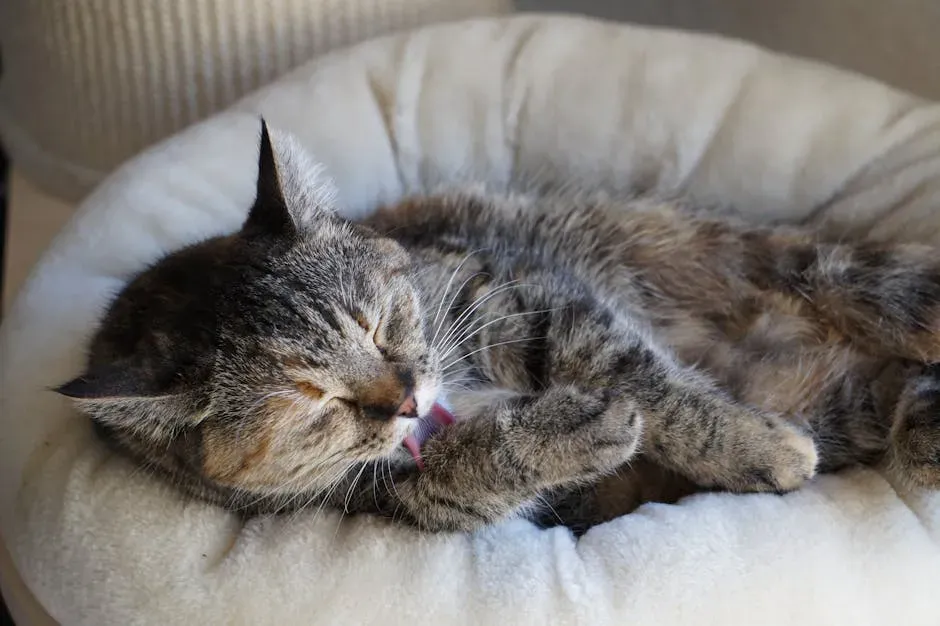
While a cat that grooms near you often signals ease, it's worth acknowledging that excessive grooming can point to the opposite problem. Cats sometimes overgroom in response to stress, anxiety, or even underlying medical issues like allergies or pain, and this can happen regardless of who is nearby. Bald patches, red skin, or grooming sessions that seem compulsive rather than calm are signs worth mentioning to a veterinarian.
This distinction matters because it keeps the broader picture honest. A relaxed, occasional grooming session next to you is generally a good sign, but grooming shouldn't be read in isolation from the rest of a cat's health and behavior. Pet owners who pay attention to frequency, intensity, and physical signs alongside proximity tend to get a much clearer read on what their cat is actually communicating.
#6 Building on the moment strengthens the bond further
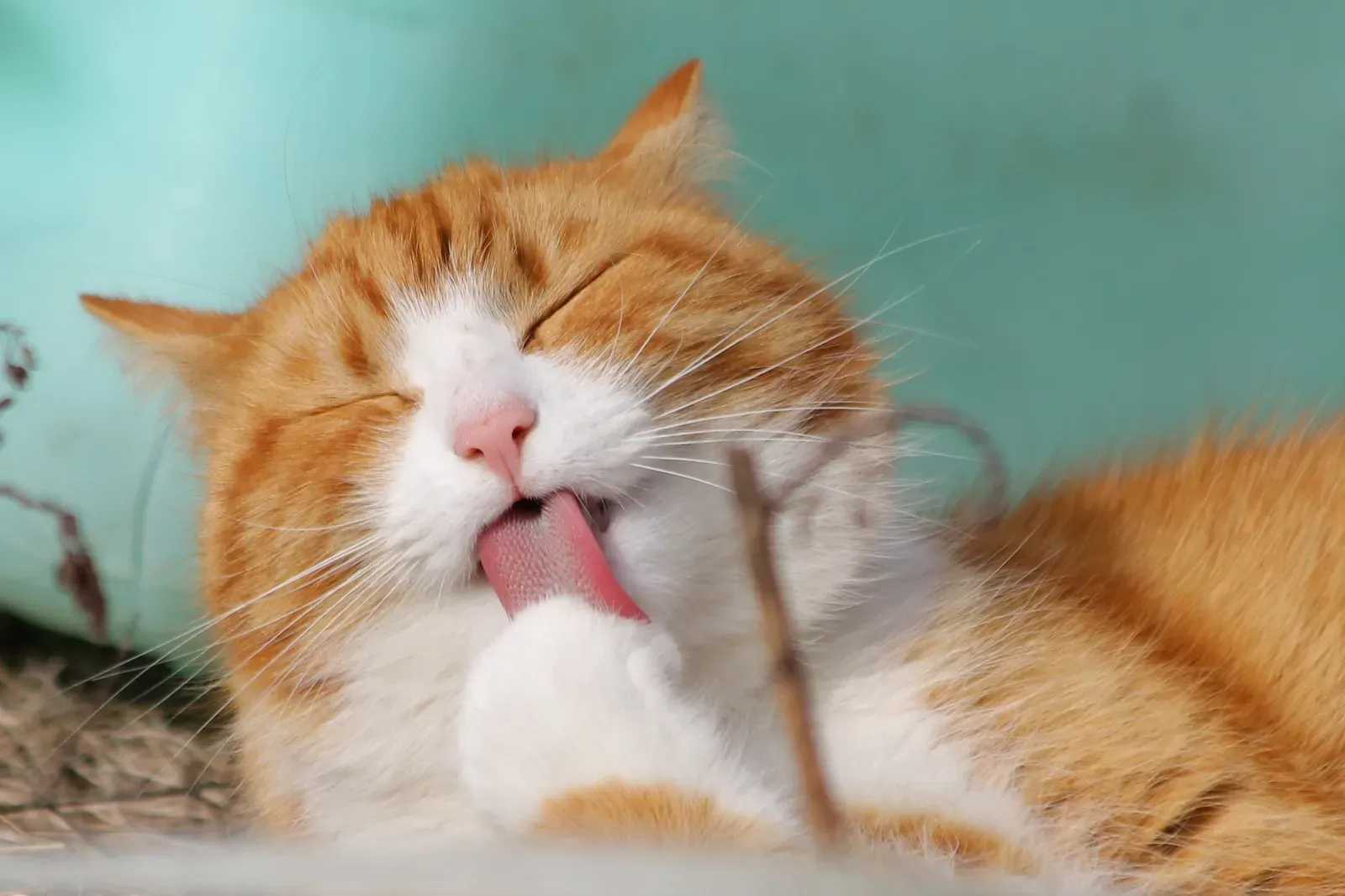
If your cat regularly grooms itself near you, there are simple ways to reinforce that sense of safety rather than disrupt it. Staying still, keeping your voice low, and resisting the urge to immediately reach out and pet the cat mid grooming session allows the behavior to run its natural course. Interrupting too soon can sometimes make a cat second guess whether that spot is truly safe, which isn't the outcome most owners want.
Over time, consistent calm behavior on your part, paired with your cat's willingness to groom nearby, tends to deepen the pattern rather than diminish it. Many owners notice their cats gradually choosing closer spots, or grooming for longer stretches, as trust builds. It's a slow, quiet kind of feedback loop, but it's one of the more genuine indicators of how a cat actually feels about its environment and the people in it.
The takeaway