Animal Behavior Says Cats Who Approach You With Their Tail Trembling May Be Expressing a Stronger Social Response Than It Looks
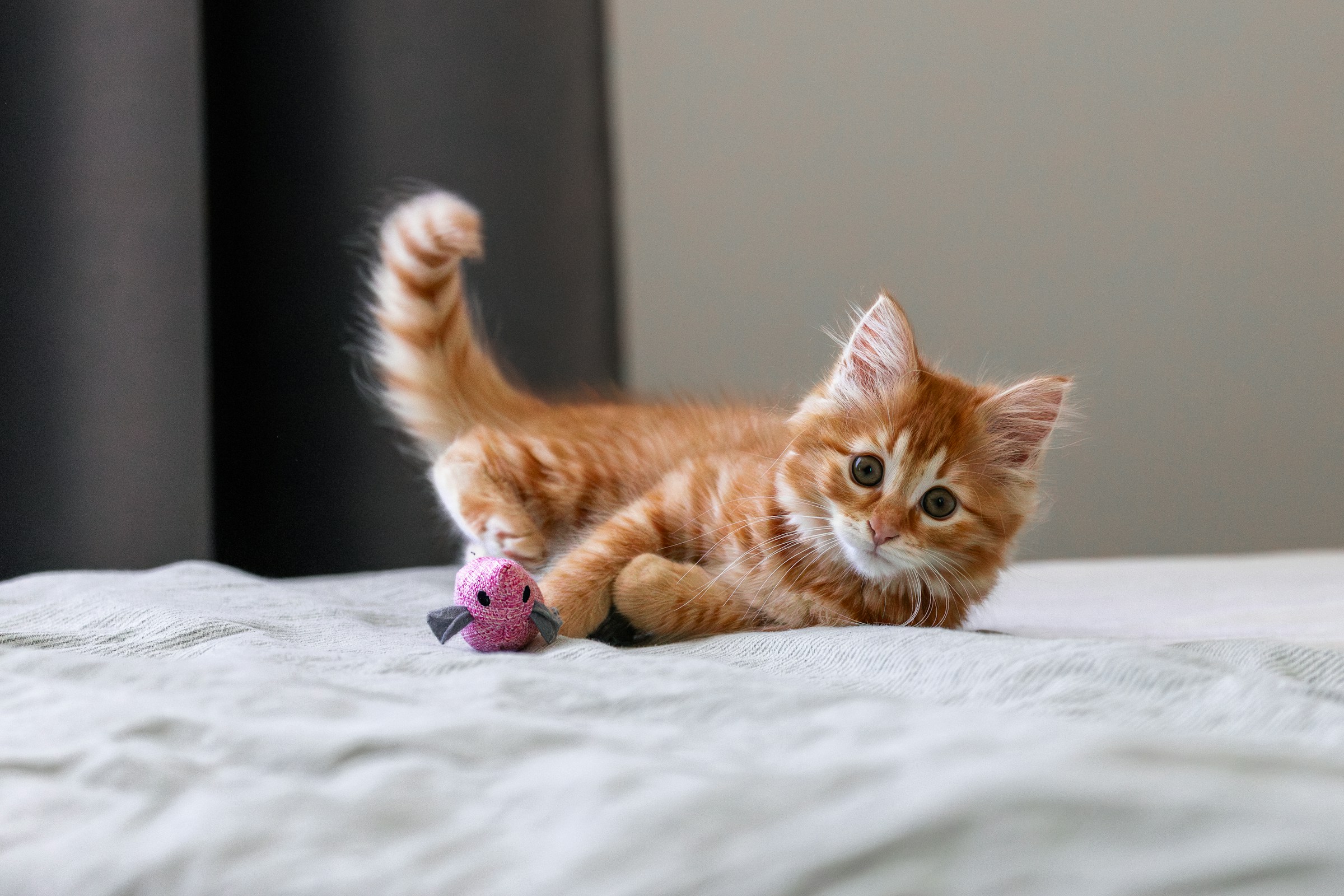
#1 The tail tremble is not random muscle activity
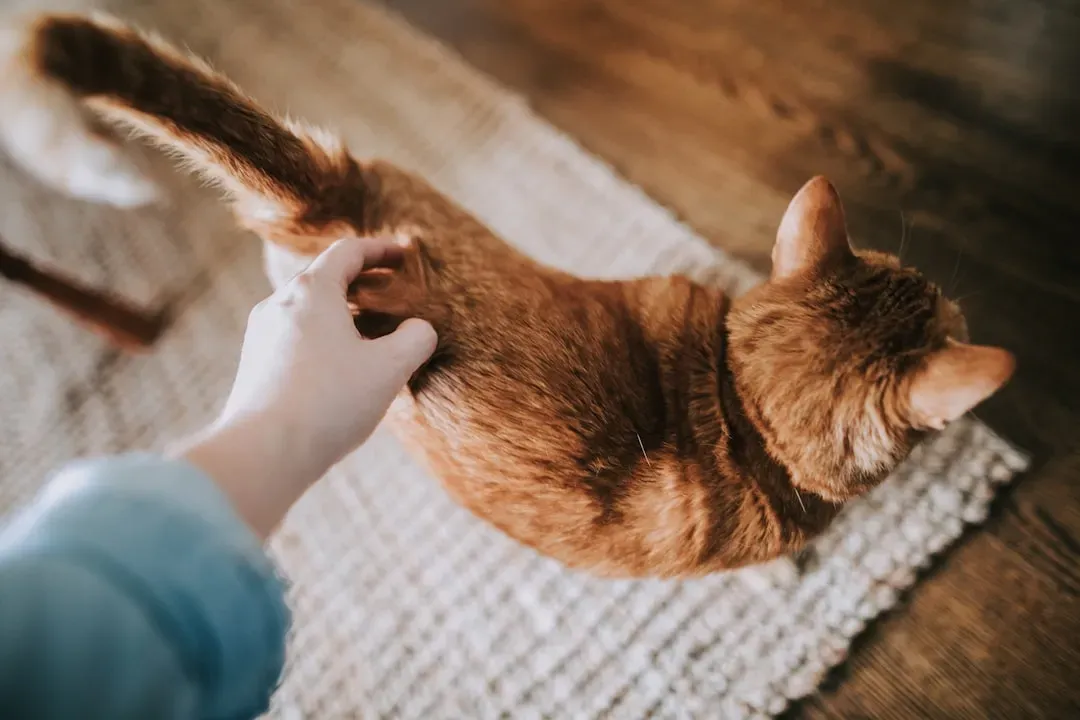
When a cat's tail vibrates while approaching a person, it is not an idle nervous tic. It is a specific, repeatable motor pattern tied to a particular posture: the tail held vertically, sometimes with a slight curve near the tip, moving toward a person or another cat rather than away.
Feline ethologists who study greeting behavior describe this as part of a broader package of signals, not a stand-alone gesture. When greeting humans, cats display a multimodal pattern of behaviors, the most frequent being the characteristic tail-up posture, along with other signals like rubbing. The trembling variant appears to be an intensified version of that same tail-up greeting, the muscular equivalent of an exclamation point.
#2 It shows up most often during greetings and reunions
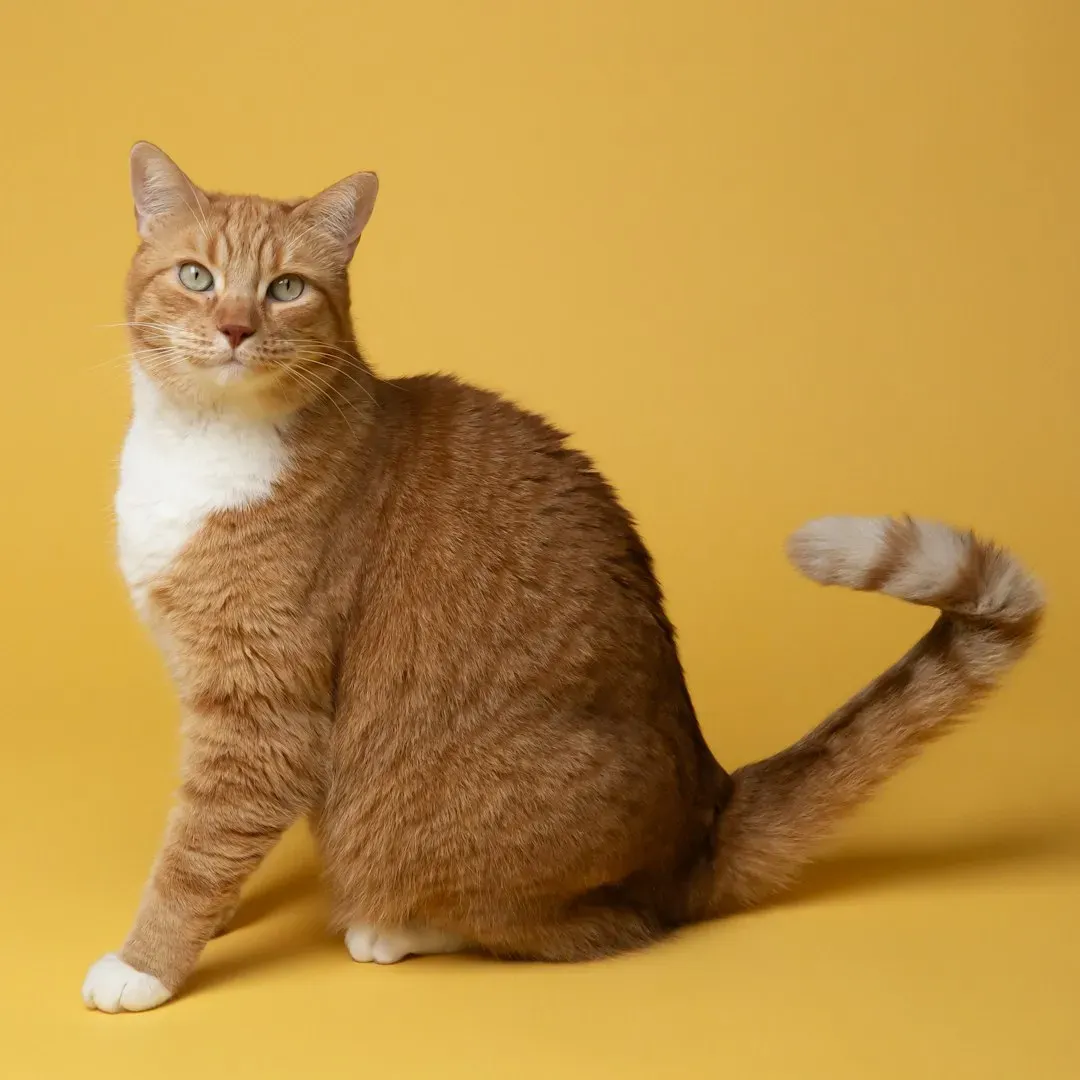
Owners tend to notice the tremor at very specific moments: when they walk through the front door, when a cat wakes up and spots them across the room, or right before dinner gets served. That timing is not a coincidence. It clusters around reunion and anticipation, the exact windows when social motivation in cats tends to spike.
Veterinary behavior sources note that a vibrating tail held upright commonly appears during greeting rituals, often paired with other affiliative behaviors like leg rubbing or vocalizing. One veterinary-reviewed source described how this excitement vibration often happens during greeting rituals, and the cat's body can't quite contain the enthusiasm, manifesting as this endearing little tail tremor. The pattern lines up with what researchers call an affiliative greeting sequence, one built to reduce distance and signal friendly intent rather than caution.
#3 Context separates a friendly quiver from a territorial one
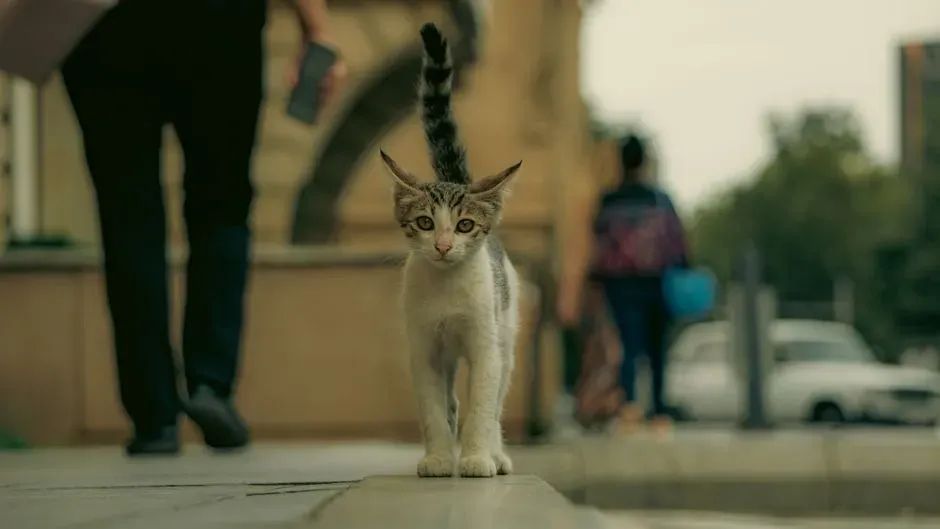
The same physical motion, an upright, shivering tail, can mean something entirely different depending on the surrounding behavior. If a cat backs up against a vertical surface such as a wall or the corner of a couch while quivering, that shift usually signals scent marking rather than a social greeting.
Veterinary sources are consistent on this split. Your cat may quiver their tail when they are especially excited to see you or another cat, though sometimes, when a cat quivers their tail while holding it straight up and backing up against a vertical surface, they may be urine marking. The difference comes down to direction of movement and body posture. Marking involves backing toward a surface with the rear end raised, while the greeting version involves forward movement toward a person, often with a relaxed body and forward-facing ears.
#4 It likely traces back to early kitten development
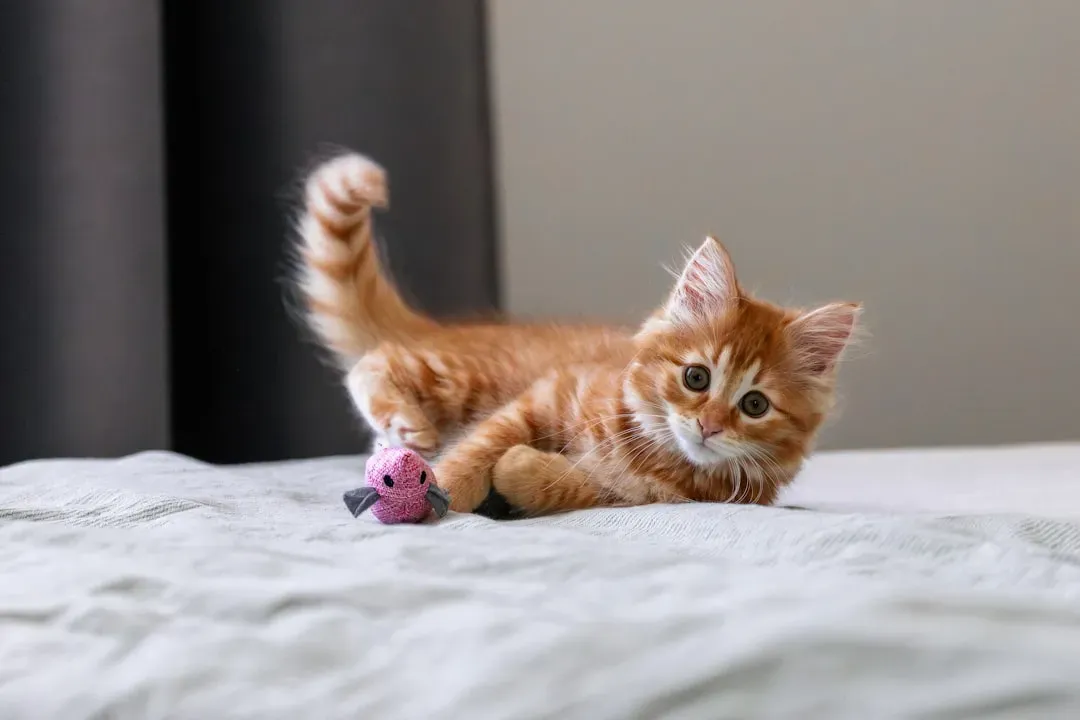
Tail-up posture itself has deep roots in feline social behavior, appearing well before cats ever meet a human. Kittens use it with their mother and littermates from a young age, long before they've had any meaningful contact with people, which suggests the behavior evolved first as a signal between cats rather than something invented for human households.
This matters because it reframes the trembling greeting less as a cute quirk and more as evidence of an inherited communication system that cats have simply extended toward the humans they live with. Researchers studying feline greeting behavior have noted that an analysis of visual signals in cats found the tail-up posture functions as one of the clearest markers of social affiliation among domestic cats. A cat who directs that same signal at a person, tremor included, is applying an ancestral cat-to-cat gesture to a cross-species relationship.
#5 The 2023 pilot study on cat-human communication adds real data
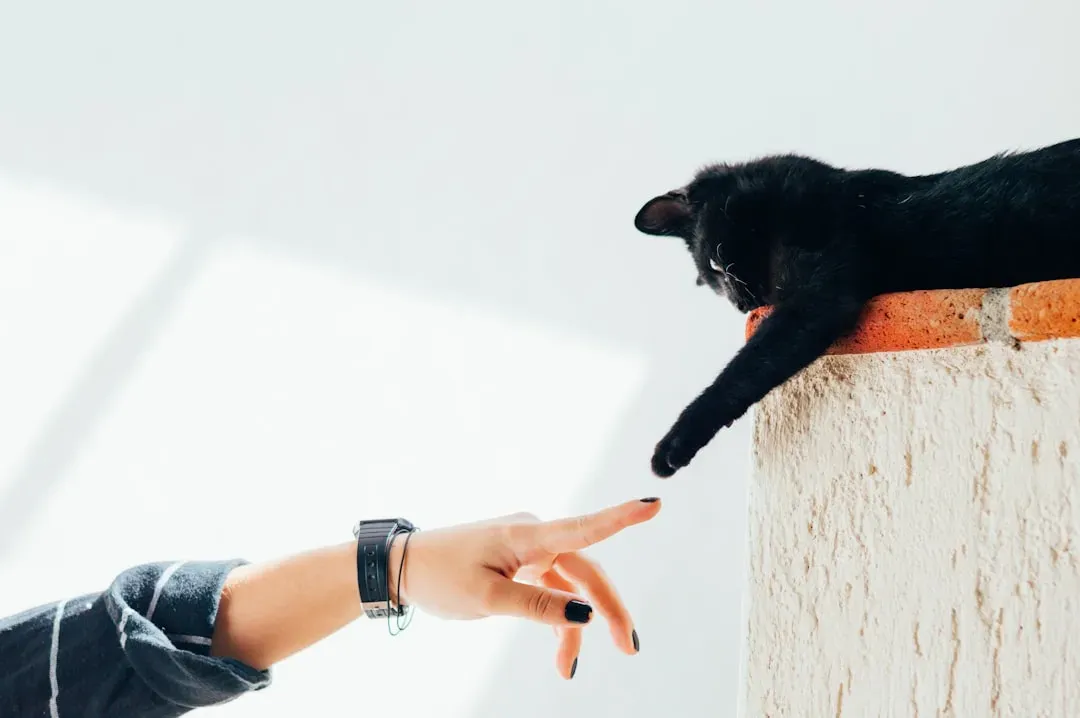
Much of what's understood about feline greeting behavior toward humans comes from careful observational research rather than guesswork. A notable 2023 pilot study out of Université Paris Nanterre, led by Charlotte de Mouzon, examined how domestic cats respond to different forms of human communication, including visual, vocal, and combined cues.
The published findings, appearing in the open-access journal Animals, documented measurable differences in how cats responded across conditions. Cats interacted significantly faster in response to visual and bimodal communication compared to vocal communication, and cats displayed significantly more tail wagging when the experimenter engaged in no communication compared to visual and bimodal communication. That finding reinforces a broader theme in the research: tail movement is not incidental noise. It shifts in a measurable, patterned way depending on what a cat is receiving from the person nearby, which supports the idea that these signals carry real communicative weight rather than being arbitrary reflexes.
#6 Reading the whole cat still matters more than the tail alone
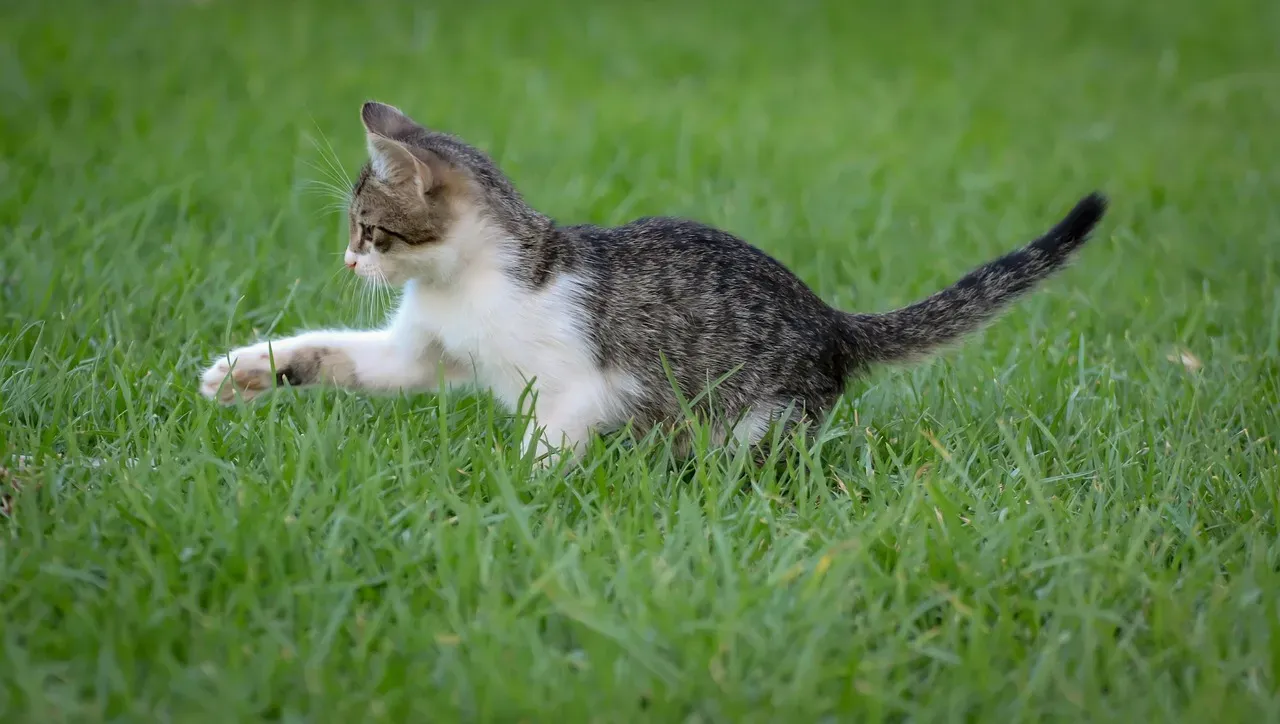
Even with a clearer scientific picture, no single body part tells the full story. Ears, posture, vocalization, and the pace of approach all combine to give the complete read on what a cat is expressing in a given moment.
A separate peer-reviewed analysis of feline visual signals emphasized this same point, that tail carriage functions as part of an integrated system rather than an isolated cue. Combined with the greeting-syndrome research from Moore and Stuttard in the late 1970s and later confirmed in more recent multimodal studies, the consistent message is that the significant positive relationship between tail-up posture, owner-directed approach behavior, and rubbing actions was generally consistent with earlier descriptions of a naturally occurring greeting syndrome. A trembling tail on its own is a strong hint. A trembling tail paired with forward ears, a relaxed gait, and rubbing against your leg is close to a confirmed answer.
Final thoughts
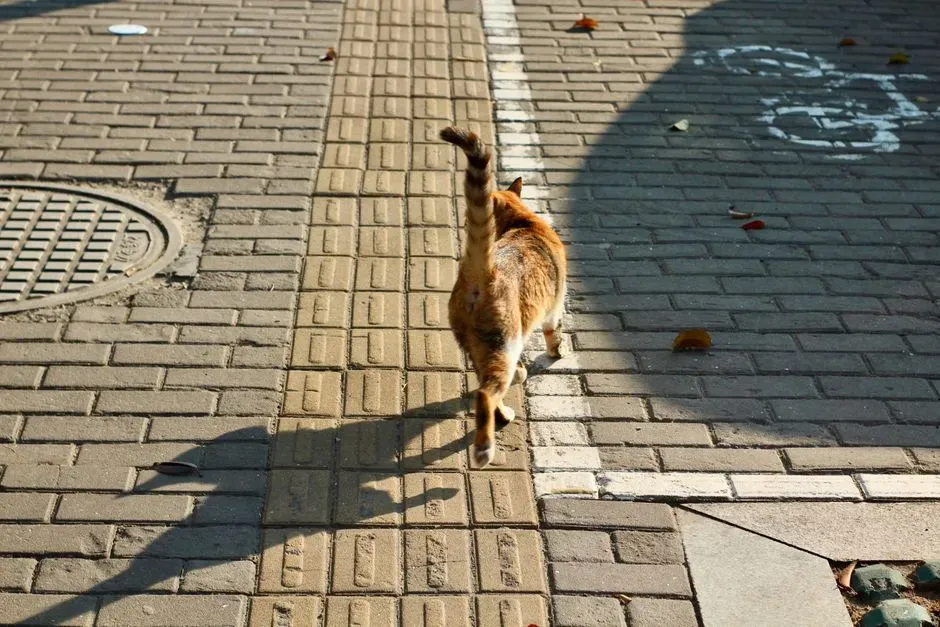
None of this turns a cat's tail into a translator, and the underlying science is still young, built largely on small pilot studies and observational work rather than sweeping conclusions. Still, the direction of the evidence is fairly consistent: a trembling, upright tail aimed at a person during a greeting sits closer to genuine social investment than most owners assume, and it deserves to be read as such rather than dismissed as a nervous habit.
I'd argue the more interesting takeaway isn't really about tails at all. It's about how much cats communicate through small, easily overlooked gestures that only become meaningful once you know what to look for. A shiver at the tip of a tail is a small thing to notice, but it's also a reminder that the animal in the room is saying more than most people ever bother to hear.